

The 50 Best R&B Albums of 2026 So Far
Anyone still typing that R&B is dead skipped the part where fifty of its best albums showed up before the year hit its midpoint. Veterans came back swinging, and newcomers arrived fully formed.
This spring, R&B died again, as it does every season according to the usual places. Someone let know Jill Scott, returning to the genre after 11 years in the ring with brass knuckles, and Ma, who labored 10 years constructing a funk record out of period gear, the title of which reflects the only part of a past it’s never actually interested in. Thundercat, who is sober and boxing and has sounded this fun since Drunk, or Bruno Mars, who managed to waltz an entire wedding floor to death. The first half of 2026 buries the obit in its own deluge of releases.
That’s kind of the entire point. Aquakultre traced a Black Loyalist evacuation of New York Harbor to Nova Scotia; Hil St. Soul processed grief for a father, sung in Bemba, through intercity phone arrangements from Lusaka and London; Katie Tupper made folk-soul from Saskatoon while GiddyGang and Vuyo crafted theirs out of a collaboration with six Oslo musicians. Selwyn Birchwood ground psy-soul into swamp-funk, on his bare feet, using his lap steel. Duendita combined involuntary commitment, side effects of birth control and club music, placing equal importance on them, the whole ride is still at high elevation until the very end, where Ebony Riley somehow pairs a song about strangulation to a prayer created from a voicenote from her aunt, sticks both to her debut, and they both make sense.
Compile an R&B list from 2026 that’s deeper than one whose top end belongs to Brent Faiyaz and Kehlani, with Mack Keane and April + VISTA taking up the space between their edges and the border. Let every louder homepage give it a try. They’re not making R&B like they used to, say the chronologies, so then why not give them the rum.gold elegy for a Black Washington decimated by crack and poverty, or Alex Isley’s crooning, as if she knows exactly what will happen and chooses to linger anyway. They make it exactly how they used to, and entirely unlike anything before it, 50 different ways, and the eulogies are always written by those who never bothered to press play.
Aquakultre, 1783
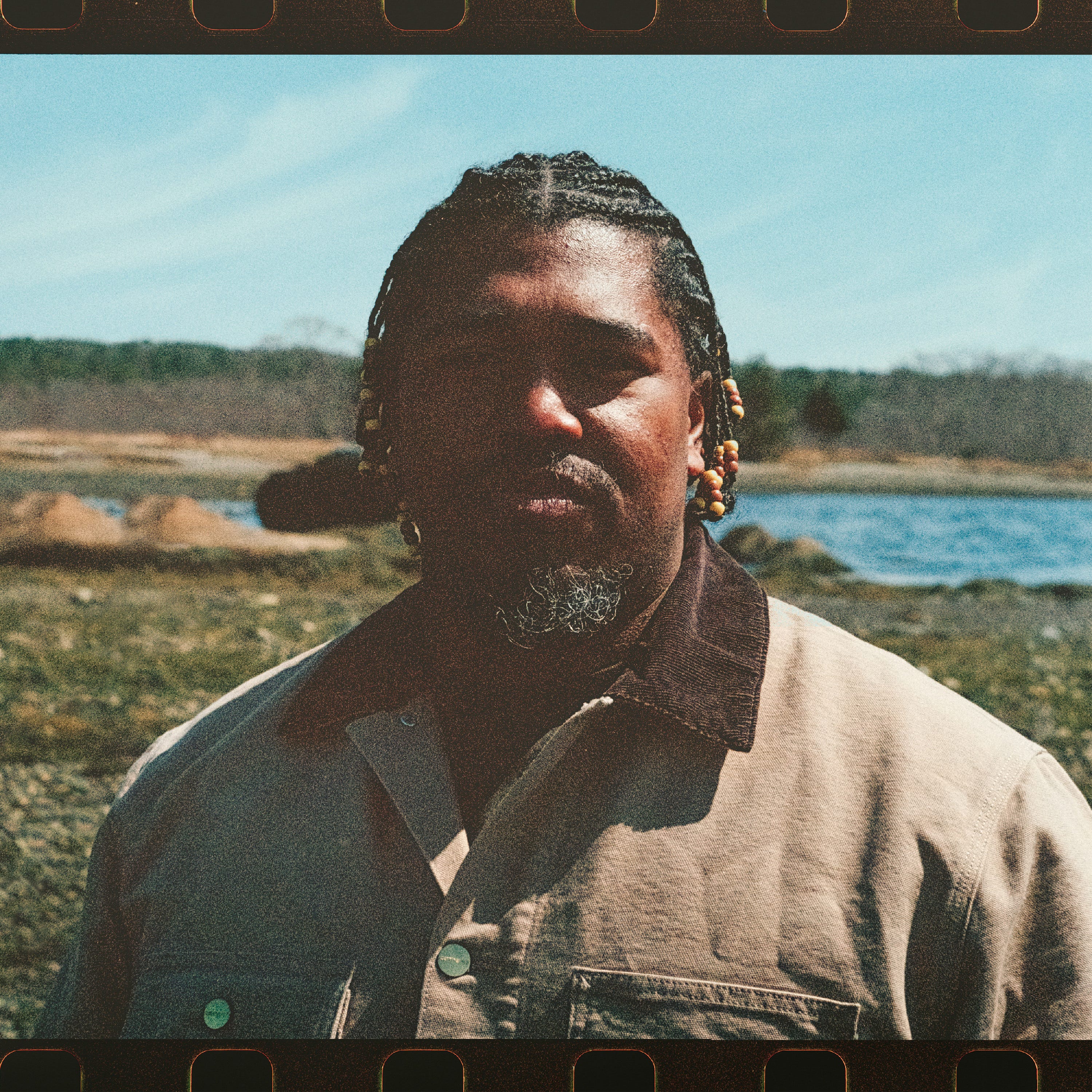
Some 3,000 people of color took ships out of New York Harbor in 1783, as the War of Independence ground to an ignominious close, to reach Nova Scotia with the promise of land and freedom from the British Crown—they did not receive it in its entirety. The Black Loyalists scratched settlements into the rocky terrain of the province, where their descendants live on. Lance Sampson, who writes and records as Aquakultre, is a blood relative of those original settlers, and his fourth album is titled with their departure year. The record, which features Production by Erin Costelo, has roots in gospel, soul, R&B, folk and hip-hop without ever becoming some kind of stylistic lesson. He delivers hymns in the voice of Reverend William White (father of famed opera singer Portia White), imagining letters he may have written to loved ones back home while in France in World War I. On “Gallows,” Sampson uses pounding drumbeats that sound like a chain gang and assumes the voice of his great-great-grandfather Daniel Perry Sampson, who was convicted of murder by an all-white jury and hanged in Halifax in 1935. The family is certain he was framed, and Sampson is working to clear his name. These are not sterile historical examinations. “The Avenue” glides along on a groove so similar to Marvin Gaye’s What’s Going On that it feels intentional, while Sampson delivers his lyrics in a way so smooth it’s like silk, and a sampled older person recites last names of families who have lived on the same street for centuries. Throughout 1783, Sampson poses a question that can also be understood as a present to his young daughter: “Who are we, and who enabled us to be?” —Daliah Green
GiddyGang & Vuyo, After All
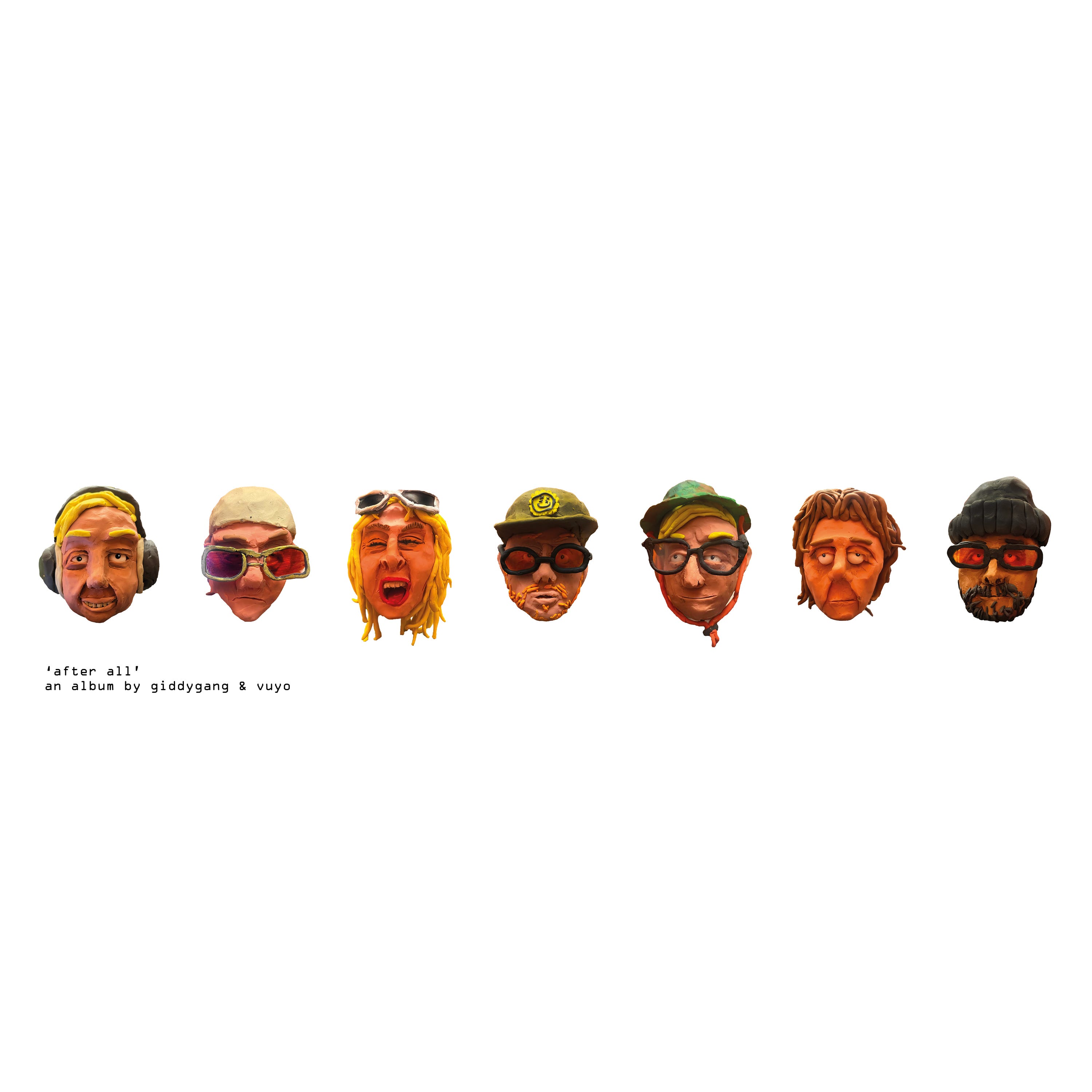
GiddyGang first encountered Vuyo in 2019—six-piece Oslo crew featuring a trombonist, the boy pablo drummer, and a romantic duo of singers and keyboardists-and the two acts spent the next few years swapping mixtapes, EPs, and a debut, Destiny/Sacrifice, that earned them co-signs from Robert Glasper and DJ Jazzy Jeff. Their second LP, After All, is also, so far within its opening song, Vuyo already talking about his sister, Lunga, a South African visual artist who died in 2022 at twenty-seven. She is mentioned once and then he pivots to aching knees and designer clothes and a mushroom trip from years past, stuffing the same bar with grief and with bravado. He describes the chasm between his and his siblings’ lives on a particularly incisive, almost surgical, bar that opens the saxophone-backed “Survivor’s Guilt”: could not come home as self-apartheid, could barely see his sister, as apartheid, hardly see his brother, as apartheid.
The confessions of love cut even more. He declares himself Icarus on the title track, owns that he saw that she was trouble and actively sought it out, checks her timeline from a Hyatt at three in the morning while she’s telling him they’re better off as friends. On “Peace,” he is actively self-destructing a healthy relationship for no reason, only to detail the aftermath clinically. A night of Netflix and chilling with his own bad choices, hollow tears, self-flagellating as a narcissist and a misogynist within two bars. “A house in Chabo would mean more than a Grammy” are the words he uses to convey this. Throughout the record, the secret weapon isn’t Sarah Vestrheim as a hook singer but as the purveyor of a particular kind of domestic, grimy reality. Her presence throughout is felt in the grubby, live-in specificity that she provides on “Head Over Heels,” details of toothbrushes, ripped band tees, self-tan on the sheets. On “Heavenly,” her full-on, in-my-face lyrical moment that you “fail when you can never even start... Put everything down on paper, never even think about it” is clearly the LP’s most direct creative statement. This is the album where every bit of ugliness gets just enough room, no more. —Nyasha
Ebony Riley, Beautiful Tragedy
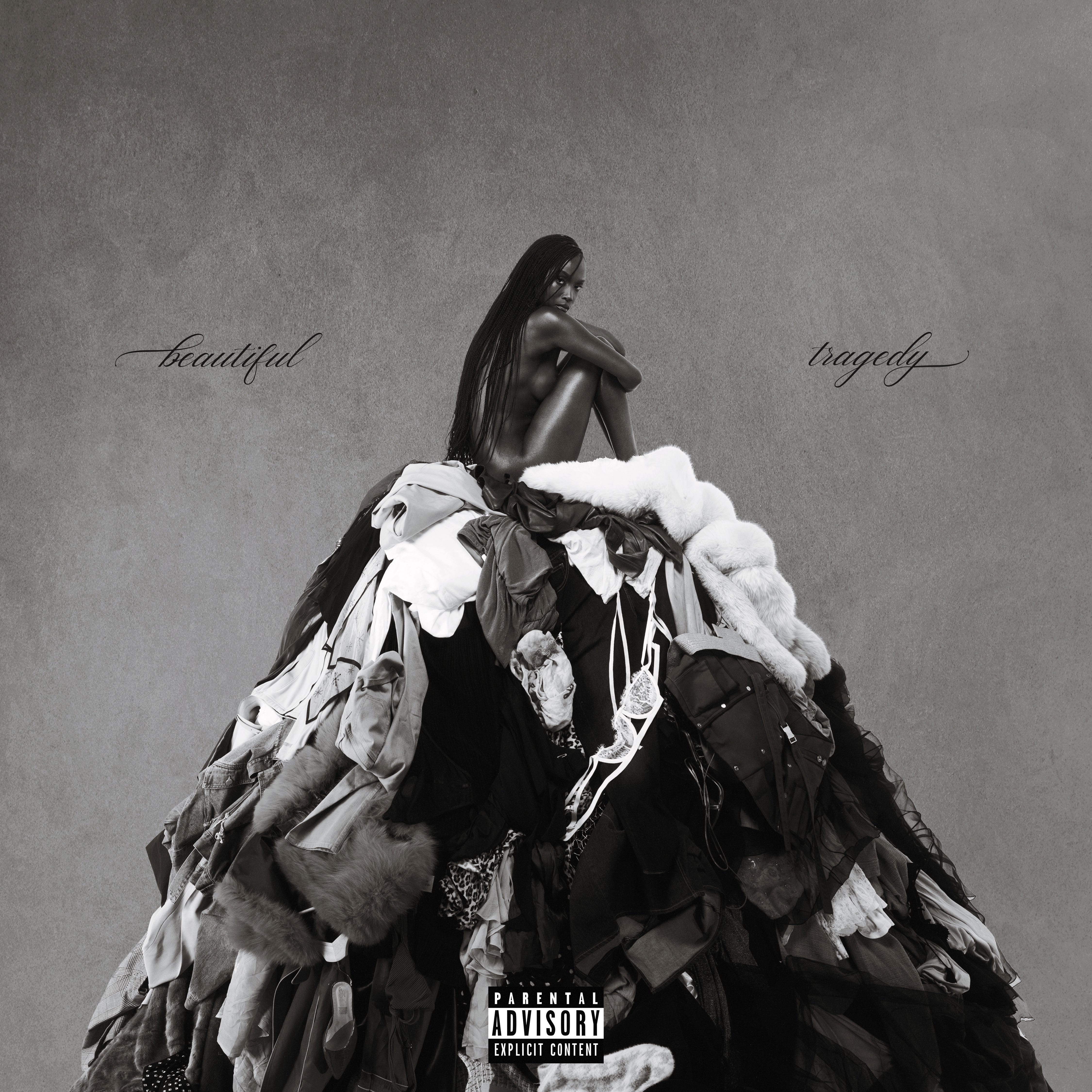
For ten years, two women shared a body. Riley Montana modeled for Marc Jacobs and Givenchy; she starred in the Beyoncé x Balmain Renaissance campaign; she shot Vogue. Ebony Riley, her name on the birth certificate, was writing songs in the dark, making demos. She grew up in Detroit’s West Side, joined her church choir when she was seven, lost her mother at nine, did some time in state custody, got her nursing degree and never used it. When she signed with Interscope in 2020, it was in the dark, in lockdown, like slipping out of one body and into another. That’s what she found on the other side: an album, executive produced by Larrance “Rance” Dopson that puts a graphic sex song about choking and threesomes (“Otherside”) next to a prayer composed from an Aunty Renee voicemail about God’s will (along with a recitation, “Through the Motions”), and asks the listener to take both of them seriously. The reach is ridiculous, and Riley takes it all very seriously. She interrogates and condemns unfaithful club-hopping broke boys on “Who Raised Y’all,” (she kept the texts to prove it, she says), and “Honest,” about how she’s too afraid to sleep alone and fake sex with the men who don’t satisfy her, includes, “I’d rather be real and rejected/Than fake for acceptance.” “Bloom” is addressed to young Black girls and outlines a specific domestic scene: mama is gone; a teenage girl is being fed by a big sister; and the teenaged girl’s grandmother considers her “ungodly.” —Aicha Odilia
Durand Bernarr, BERNARR.
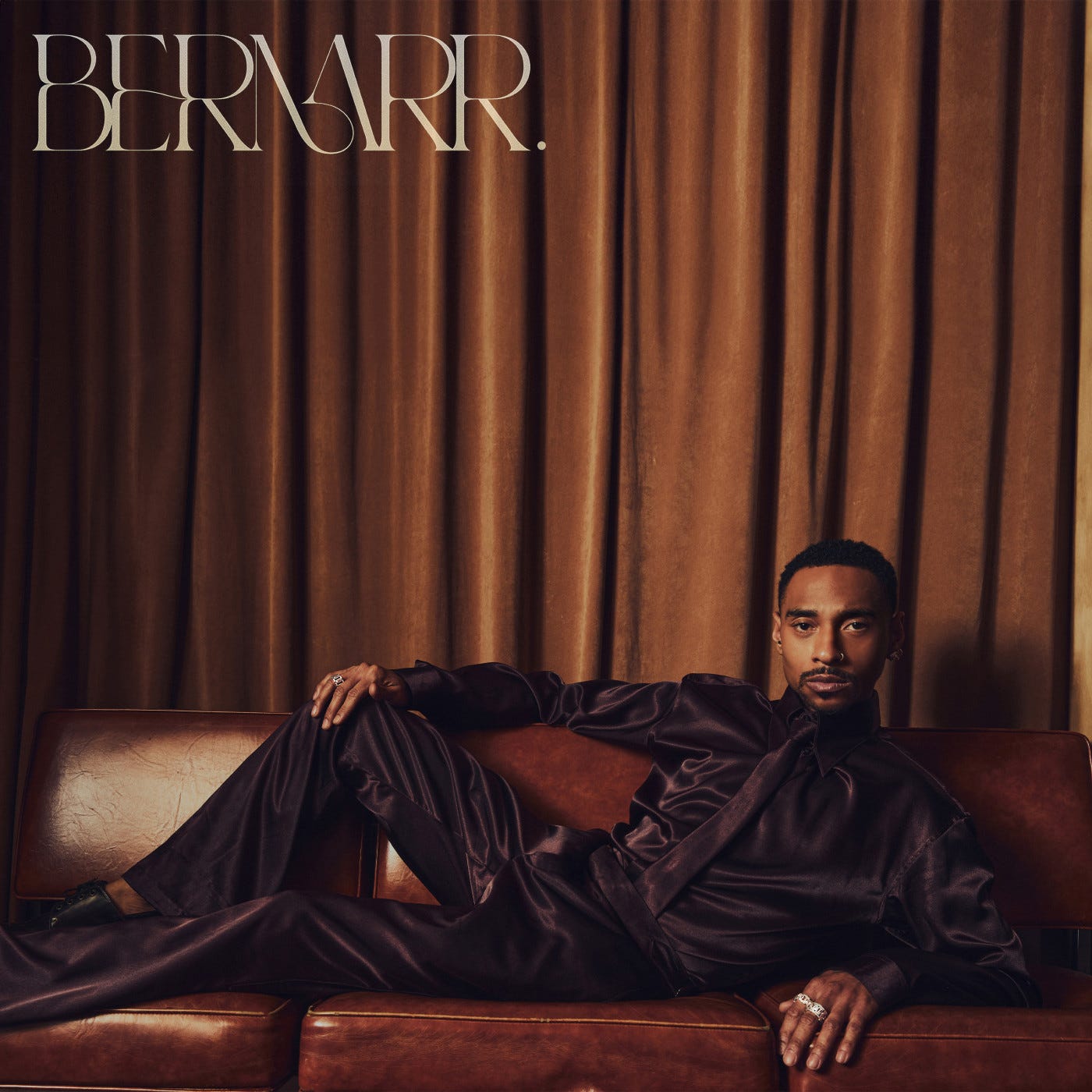
After twenty years, Durand Bernarr unshackled himself from timidity. The hay time is visibly placed within “HELLO!” He was first seen on YouTube in 2008 and didn’t earn a Grammy until February for his album, Bloom. He returns with three months’ worth of seventeen tracks. These tracks have varying lengths, similar to a family reunion, except someone brought a therapist, cousins are trying to arrange a makeshift Pilates class, and everyone is dancing despite being financially struggling. The “Sugar Family” is a depiction of a potluck, bound by anxiety and recession. With lyrics like this, “this jam needs bread, your cousin, your auntie, your brother, everybody chip in,” its meaning enters the field of the profound. With gas prices like a prayer, back-to-back high egg prices, and a pressed American Express, the real names of Big Reggie and Aunt Kitty represent real bills. It’s funk, camouflaging to be fun, but meanings are deeper, suggesting poverty is a group problem, not a problem an individual has to suffer in silence. With sprinkles of Chic, “SHARP!” is about Bernarr’s own conception, with a “night of heated fellowship.” In the landing of the profane, he finds the sacred. The album is a dedication to Bernarr Ferebee Sr. The album’s first track, “River”, opens with “Papa wasn’t a rolling stone, but he taught me to move like water”, and the following tracks continue the love-filled legacy, “BLOOM” requesting “permission to have my way with you, even if I already have the answer,” with “Wild Ride” featuring James Fauntleroy, also containing a similar fluidity. Khalid’s softer moments on “soft.” still illustrate that tenderness can be expressed through movements. —Yara Blake
Ady Suleiman, Chasing
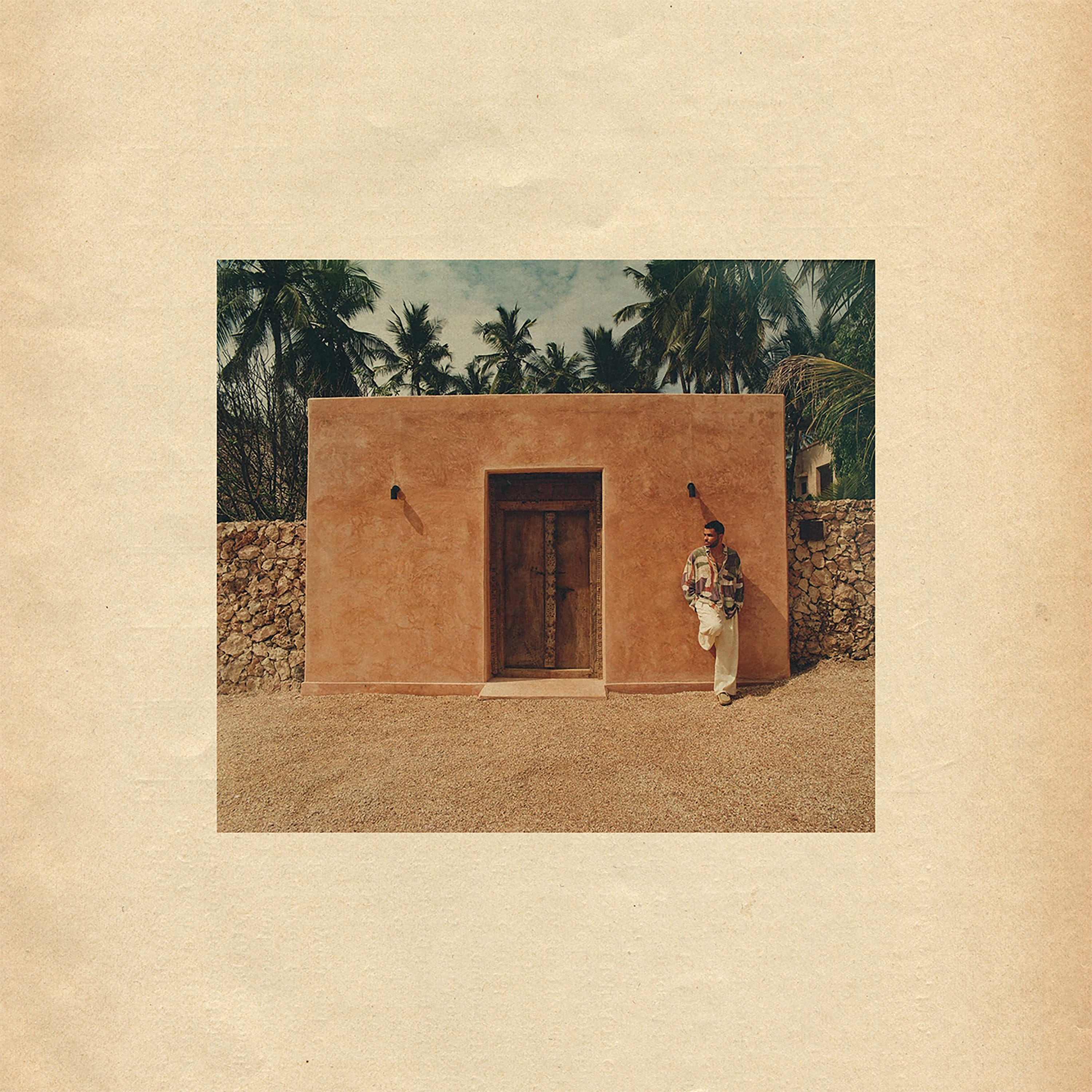
Having cut his teeth on a major-label release, the fallout of which led to just one album and a heap of resentment, Ady Suleiman made it back on the independent circuit and got himself sorted. Chasing is his third overall solo effort (taking into account the Thoughts & Moments Vol. 1 Mixtape) and his most coherent—British soul, which falls somewhere in between Sam Cooke and current London club culture. “Better Days” boasts a low-slung bass line and the soulful vocals of Suleiman dancing effortlessly over the top, offering an assurance of better things without underplaying current struggles. “Waiting” moves us into ballad territory and demonstrates just the kind of vocal versatility which has led many to compare Suleiman to Michael Kiwanuka and James Blake. This album has warmth flowing through its production; the use of live instruments, the minimum use of auto-tune and the spacious room sound, which sounds lived-in, rather than clinical. He deals with actual relationships and real human emotions as opposed to vague sentiments and abstruseness. The title track itself is a very human depiction of the weariness of chasing an ever-slipping opportunity. and the emotion resonates: This path seems to be more appropriate for him now than it perhaps once did, when he seemed all set for crossover potential; it’s certainly less polished, but more intimate. —Alexandria Elise
Victory, Confessions of a Lonely Girl

Victory Boyd, along with her seven siblings, would stand for years with bags of CDs at Bethesda Fountain in Central Park, blending their voices under the arches of the Minton Tile Arcade while tourists fed dollars into a hat. Her second album, Glory Hour, consisted solely of hymns and recitations of scripture. The third one, Confessions of a Lonely Girl, maintains the religious themes, but tackles men and the need for love first, and God second. She produced or co-produced all tracks, wrote all lyrics, and on “I’ve Yet to Learn,” she plays both accordion and guitar, admitting that she faked fortitude and shielded her silliness behind arrogance until it damaged the person she adored. The track “Ghost” is an up-tempo pop-soul selection in which Boyd details seeing her latest lover for the first time in profile pics and living room perusal, and an agonizing two-hour wait in a cold alley for him to show, only to find him a few hours later on Instagram posing with his new girlfriend. “All up on the gram with your bae tryna’ boast,” she sings. “What if Love Was Free?” is a seven-minute social commentary that includes a horn section and a sudden harmonic shift that enters around the mid-point, posing questions like Why am I posting pictures of myself on Insta and keeping tabs of calories to receive validation? And why are you showing up in a Benz to be compensated in retweets and mentions? “Lonely hearts are a target,” she sings. “Our need for love fuels the markets/They’re sitting over there filling up their pockets/from our insecurities.” —Tori Hammond
ELIZA, The Darkening Green
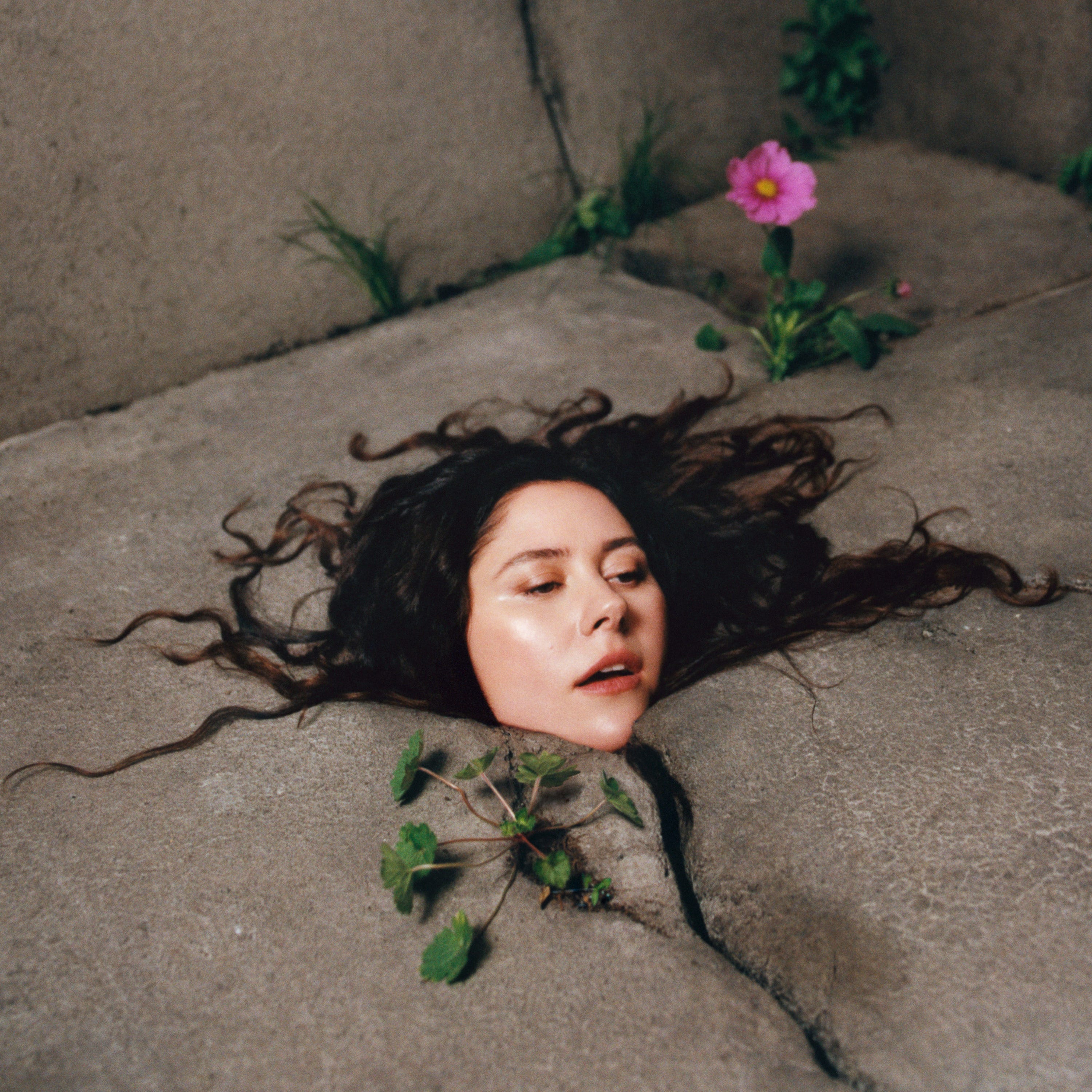
Signed to Parlophone in 2010 as Eliza Doolittle, she landed a platinum-selling debut and a Top 5 hit single with “Pack Up.” In 2013, she guested on Disclosure’s “You & Me,” one of the gems on Settle, the album that redefined British dance music for the decade. At 25, she was pre-ordained, charting, and by every commercially relevant marker, established. She then stepped off the escalator. Renamed ELIZA in 2017, she would release A Real Romantic in 2018 and A Sky Without Stars in 2022, both independent efforts, both stripping away pop sheen until the voice, guitar and nerve alone remained. In between, she became a mother, with her son Rex now two years old. The Darkening Green, her third independent album, takes its title from William Blake’s “The Ecchoing Green,” a poem in Songs of Innocence about childish delight succumbing to the shadows of evening. There are nine tracks on the album, where they are strong, they possess the intimacy of a hand grasping your elbow and demanding to know if you have been listening. “For the Hell of It” declares us all hypocrites, managing to cast and absolve within the same verse. “Cheddar” addresses the moment one realises they have been bled dry by a close friend; the slang sting is still sharp, the chorus dares them to confess, and yet the second verse foregoes bitterness, instead declaring a desire for love to continue to exist without being necessarily contained. “Pleasure Boy” is the record’s most explicit track about sex and doesn’t shy away, while “Anyone Else” cycles through the same apology four times over in its desperate bid for credibility. —Ameenah Laquita
Thundercat, Distracted
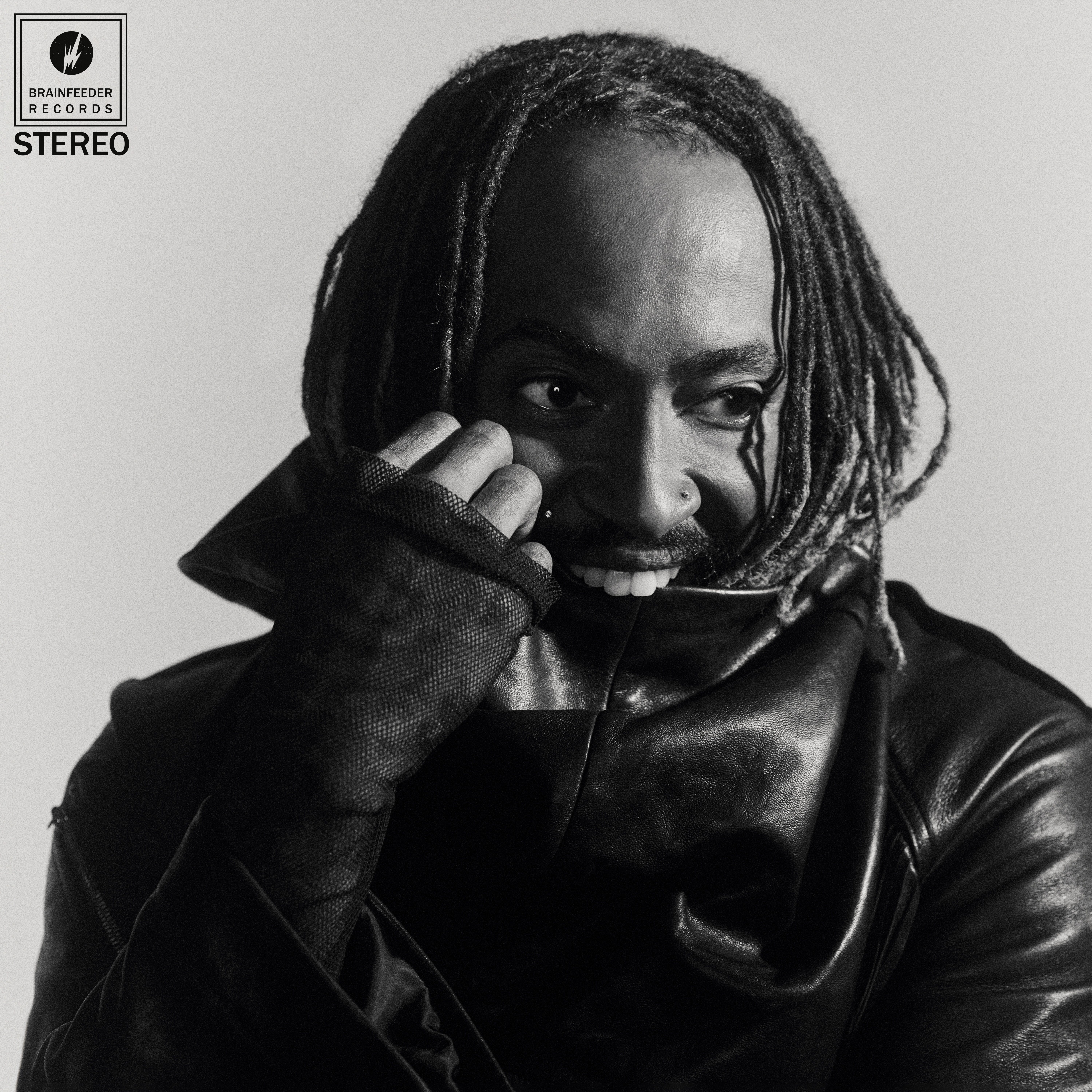
Stephen Lee Bruner’s father, Ronald Sr., was a session drummer who toured with the Temptations and the Supremes. His older brother Ronald Jr. won a Grammy behind the kit. His younger brother Jameel played keys in The Internet. By fifteen, Bruner had a minor pop-punk hit in Germany; by sixteen, he’d replaced the bassist in Suicidal Tendencies and was touring internationally, shredding crossover thrash while still figuring out what to do with his voice. After six years, Distracted breaks that silence with a jarring personnel swap: ten of its fifteen tracks are produced by Greg Kurstin, the man behind Adele’s “Hello” and half of Beyoncé’s Lemonade. Flying Lotus, who executive-produced every previous Thundercat album, contributes just two songs. One of them, “She Knows Too Much,” carries a posthumous Mac Miller vocal recorded before Miller’s 2018 overdose—Mac rapping crude, funny, contradictory bars about a woman who’s read all the books but doesn’t know him, offering to upgrade her apartment, then calling her a “motherfuckin’ bitch” for wanting a celebrity, then catching himself mid-verse: “Man, that was a little harsh. You’re just lost. But I’m here to find you.” It’s the opposite of a memorial. It’s Mac in the room again, talking reckless and alive. The rest of the album belongs to Sober Steve—Thundercat’s name for himself after quitting drinking following Miller’s death, losing over a hundred pounds, and starting to box. Sober Steve writes songs about waking up burnt out and talking to his cats (“Great Americans”), about having his emotions “sanded off” from living in L.A. (“No More Lies”), about feelings being like children in a car: “You can put them in the trunk, but let them drive, you won’t go far” (“What Is Left to Say”). It’s the best album Thundercat has made since Drunk, and it might be funnier. —Phil
Tone Stith, The Edge

After a hiatus from solo releases, Antonio “Tone” Stith returned with The Edge. He spent the time off training as a writer, watching as the deals and contracts he had with RCA vanished, and writing hits. His previous works had a very commercial feel, but his solo debut album gave viewers a glimpse at what was underneath the surface. The Edge contains Stith’s persona of a commercial R&B singer, breaks and shows the longing, frustration, and emotional discontent that R&B artists so commonly express. Kenneth “KP” Paige and Christopher “Brody” Brown categorize Stith’s album as cohesive within the contemporary R&B and Future Soul realm. It contains distorted bass and smartly programmed percussion and synths. The work as a whole is very polished and radio-ready. In the more aggressive tracks, we’re shown the theatrical with aggressive strips of vulnerability. “I Quit” introduced Stith’s confrontational demeanor with the lyrics, “Motherfucker, look like your friend/Hell no/I quit.” Stith is ready to show the world his dark and complicated, truthful inner self behind all the seduction (promised jumps), and biblical leaping images (“I crossed the river/Now I’m born again”). He’s too gifted not to be known, too detailed to be general, located between the bedroom and the church, the submissive demeanor and the raw outburst. —Tayla North
Selwyn Birchwood, Electric Swamp Funkin’ Blues
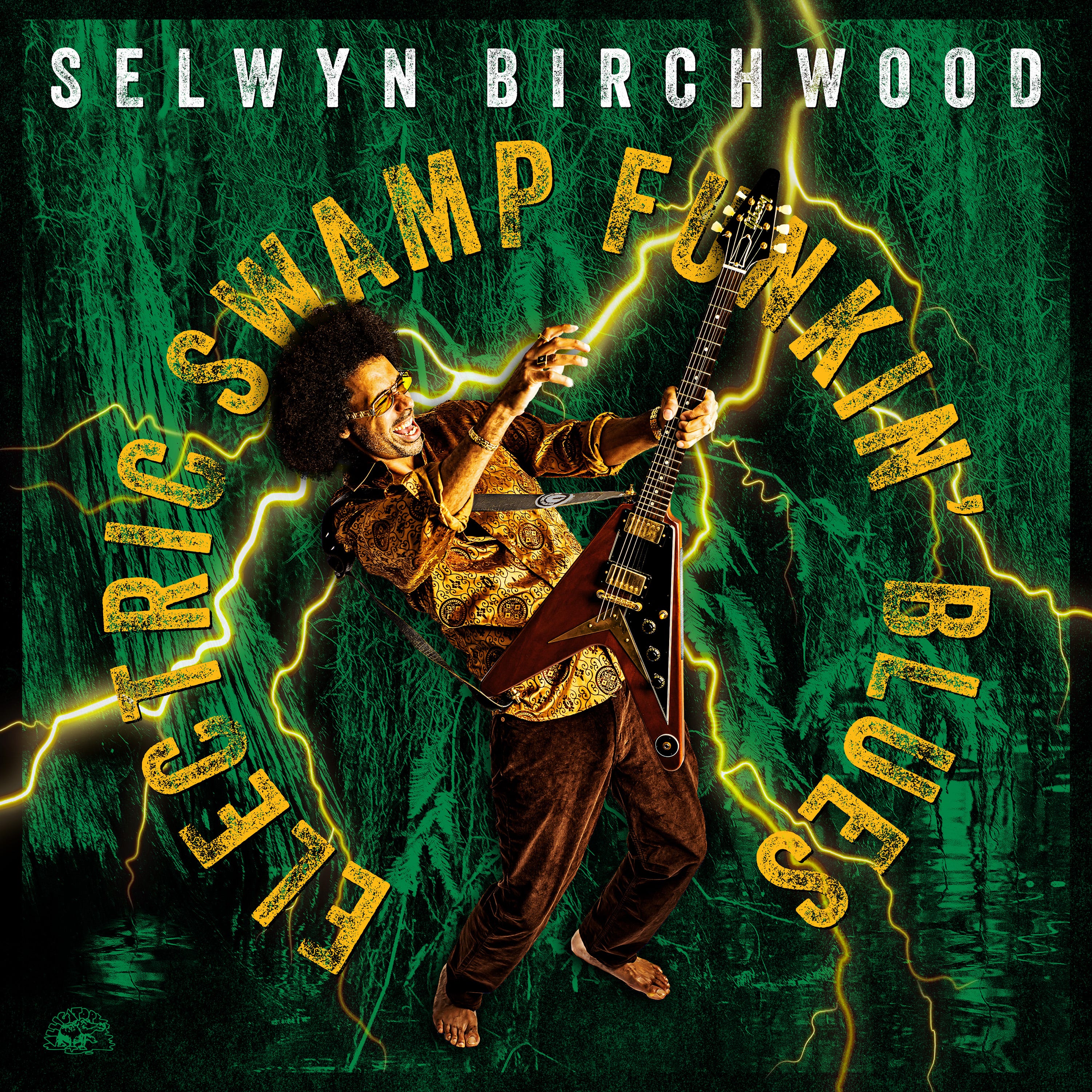
At six-foot-three, the barefoot Selwyn Birchwood has been burning up blues clubs from Tampa to Berlin most of his adult life on his signature Caladesi lap steel model that he strums seated as he would to settle into a sermon. Electric Swamp Funkin’ Blues is his fifth Alligator outing and his first self-produced. The recording session in Florida featured the band that he trusted to cut loose on his ten original tunes: Regi Oliver on sax and flutes, Donald “Huff” Wright on bass, Henley Connor III on drums, John Hetherington on keyboards, Eli Bishop on violin, viola, and cello, and Briana Lutzi and Taylor Opie on backing vocals. All Hail the Algorithm and Talking Heads offer blistering critiques of modern content consumption, which are well delivered via his gravel-and-grit vocalization without sounding preachy. “Damaged Goods” slows things down and lays bare a simple and plain-spoken confessional, and Labor of Love rejoices in the highs and low points of parenting, while “Should’ve Never Gotten Out of Bed” brings the blistering slide work you want from Birchwood over a beat that encourages the rhythm section to push the limits. “Soulmate” burns slow and tender. It’s a program of songs that slides smoothly through psychedelic soul, swamp funk, and straight-up electric blues—Birchwood sees them as connected anyway—without breaking a stride. —Brandon O’Sullivan
DJ Harrison, ElectroSoul
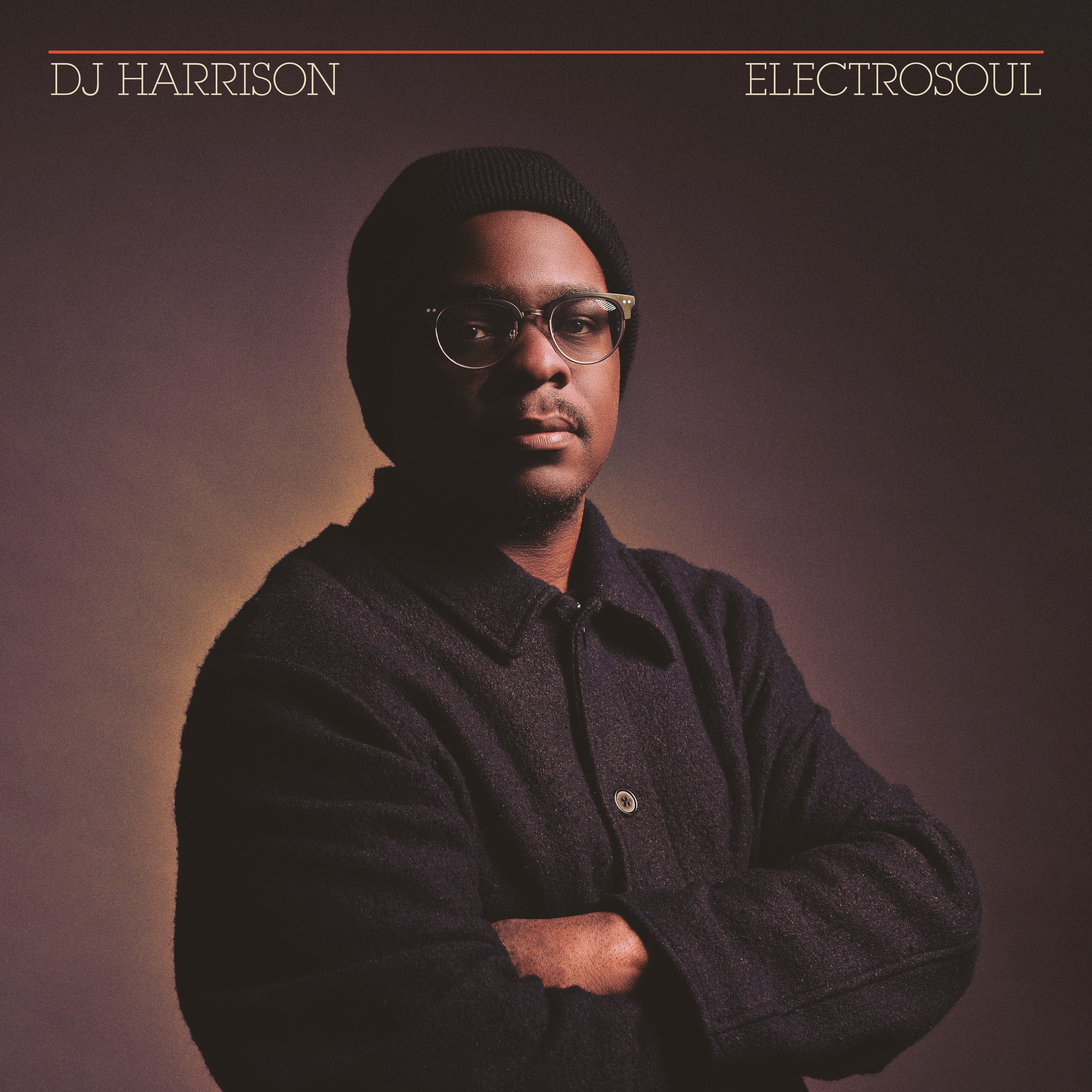
The album grew out of an experience of ill health. Having been hospitalised in 2024 as a result of taking medication for a sudden and unexpected reaction to it, Devonne Harris (the solo artist behind the multi-instrumentalist DJ Harrison) was desperate to get back to the music that he felt his soul needed to make. ElectroSoul is the result, his most guest-heavy recording to date, featuring vocalists Yazmin Lacey, Yaya Bey, Fly Anakin, Pink Siifu, and Kiefer, in addition to his band-mates from Butcher Brown and a further producer (Anglica Garcia). His last Stones Throw records, Tales from the Old Dominion and Shades of Yesterday, were built around the kind of dusty, analog R&B and funk that it’s easy to imagine sounding good in an old, low-lit lounge. ElectroSoul expands on this palette while keeping things grounded. “Stay Ready” features Yaya Bey delivering vocal notes over honey-and-caramel-smooth production that hints at futurism but keeps the warmth of his own live instrumentals to the forefront. “It’s All Love” is another great vocal performance, this time from Yazmin Lace,y on a groove that you can hear at a 70s Roy Ayers show. Pink Siifu makes an appearance on the standout “Y’all Good?,” here the interplay of his gruff, street-level style and Harrison’s refined production is surprisingly compelling. The city of Richmond, VA, does not get a lot of publicity as a hub of soulful expression, but Harrison is making a serious argument in favor of that reputation. —Brandon O’Sullivan
duendita, existential thottie
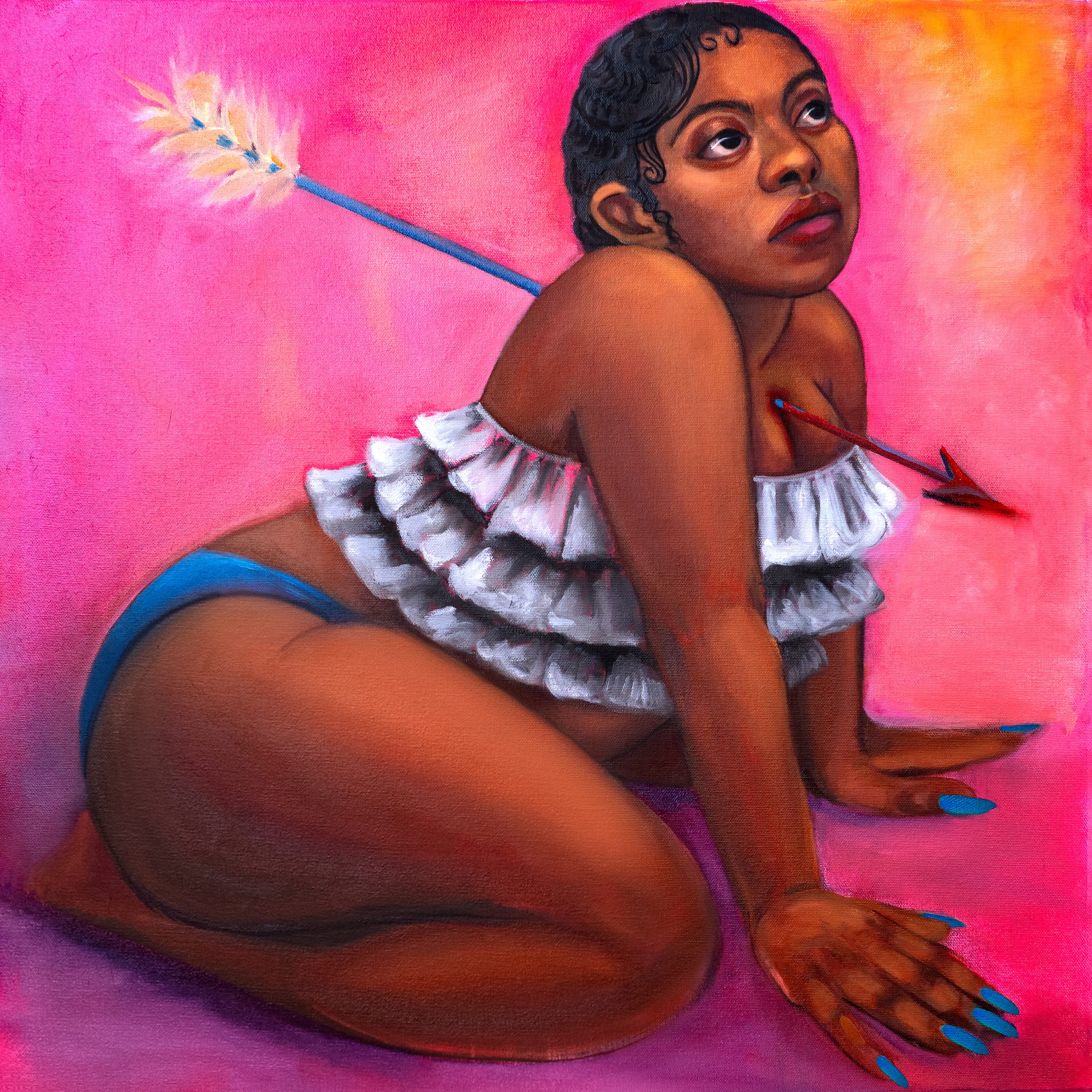
Candace Lee Camacho grew up in Jamaica, Queens, studied classical voice, went to NYU’s Clive Davis Institute on scholarship, moved between New York and Berlin for years, and somewhere in there started telling her friends—painters, illustrators, people who had never touched a sequencer—to learn how to use an Elektron Digitakt. You need to write a song for your health, she tells them, and coming from someone who’s been involuntarily sedated, that’s literal advice. She produced every song on existential thottie herself, starting alone with the Digitakt in late-night sessions before the rest of the band filled out the arrangements. The demos were already on the album. Everyone else was confirming what she’d said in the dark. The songs go wherever she was at, and where she was at was everywhere at once. “As I Am” describes being injected, asleep for three days, her father crying, a nurse pulling up a video of her singing at a restaurant in Colby that she couldn’t recognize herself in—and then asking, genuinely, “Who’s gonna love a fucked up crazy bitch like me?” “Nexplanon” names what birth control hormones do to her moods. “Roasting That Ass” ends with her yelling at herself to finish her tracks. Who else is putting involuntary hospitalization and birth control side effects and club music on one plane, treating each equally? “Super Sad!” puts it best: “Wanna fuck, but I’m so depressed.” Same verse, same comma, no irony. “Toxic and Evil” asks “how many dicks can I fit in my mouth?” and then falls apart on the chorus: “No, no, I’m not okay.” She said the album might be for her more than for anyone else. After hearing it, good luck believing that. —Chiamaka Boudreaux
Zo! & Tall Black Guy, Expansions
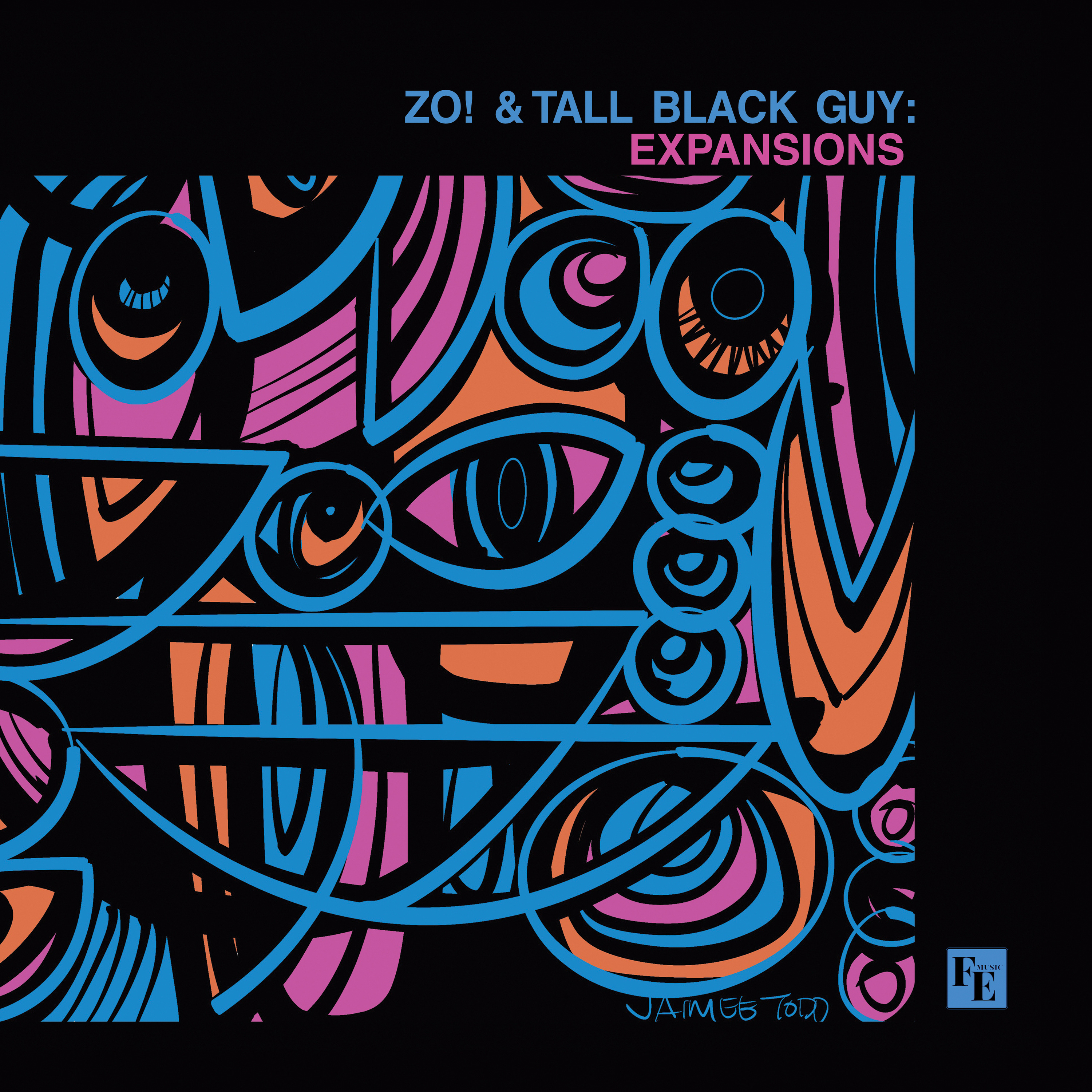
Both producers are from Detroit, both came up through the beat-community pipeline, and the feeling is still of two guys in one kitchen making music together without bumping elbows. Their 2021 debut together, Abstractions, showed they could make a record together, and this record, Expansions, sticks in a groove pocket where house, jazz-funk and mid-tempo R&B all live, but none for very long. J. Ivy delivers a spoken word cut over twinkling Rhodes chords with a cadence that falls somewhere between sermon and family reunion toast, and DJ Jazzy Jeff scratches his way through the bridge of one of the more bouncy cuts with the exact same precision he possessed in ‘88. “Keep Him Satisfied,” co-produced by 14KT, has a bassline that surely could have come off a lost Mary Jane Girls 45 with a falsetto hook that’s more than a nod to Rick James, rather than impersonation. Debrah Bond and Sy Smith trade verses across the slower numbers, singing each like they wrote the words, while Darien Brockington arrives to contribute the album’s most tenderly ragged moment with a cracked voice when singing about sticking around when he could have bailed. Expansions is never preachy or lectures on what adult music should sound like. It’s just good grown folk put on the record, turn off the light. —Harry Brown
Yaya Bey, Fidelity
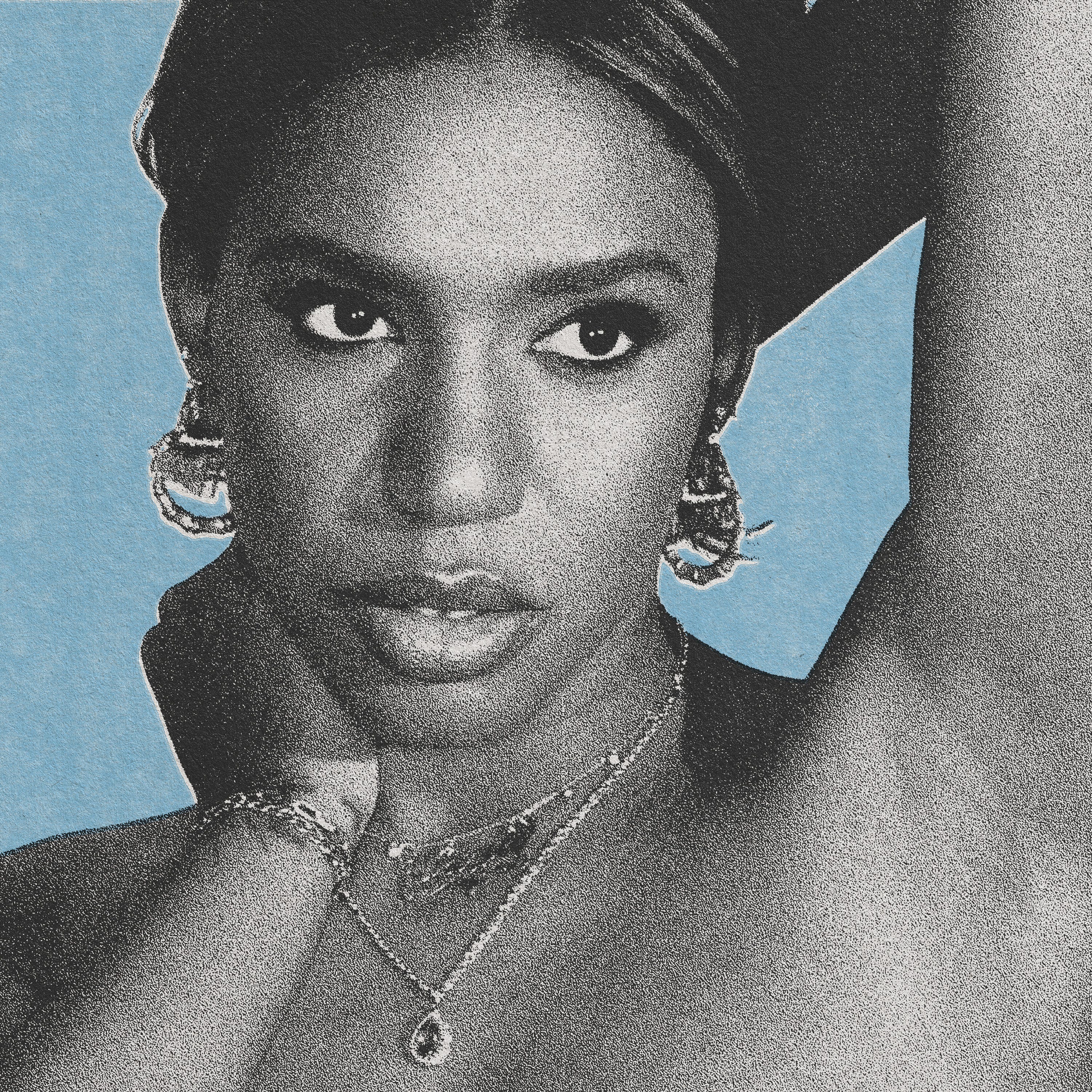
Before she was Yaya Bey, Hidaiyah Bey trained as a dancer, worked in Queens libraries and museums, wrote poetry, and showed up to protests. Her first record (The Many Alter-Egos of Trill’eta Brown) came with a self-published book. That range carries into Fidelity, her fourth album, built almost entirely on her own from an SP-404 and a ukulele in Brooklyn. Her father was Kaleel Allah, aka Grand Daddy I.U. of the Juice Crew; he died in 2022, and she’s been writing toward the hole he left across all her records since. Fidelity is the first where he appears as more than a wound. Her writing’s at its sharpest when she raps instead of sings. “Freeze Flight Fawn” has her asking who’s paying inflation on what Black people have lost, and naming the numbers herself. “The Towns,” a sequel to last year’s “bella noche” about a since-closed Baton Rouge nightclub, ends on two words, “no music,” an obituary for a whole South Louisiana nightlife scene. “The Breakdown” is a ballad about grief until Bey starts rapping, turning the song into a verse aimed at a friend whose success came with strings: “They just wanna pimp it, sell it, bag it,” four words that indict a whole business model. In the softer middle, Bey lets the bar for joy come down, which she’s called “the ultimate Black skill.” “Egyptian Musk” is a reggae duet with Queens singer NESTA, whom Bey pulled in last-minute after running into him at an event; “In the Middle” and “Higher” are guitar-and-voice love songs you put on while washing dishes. On “Cup of Water,” Bey says plainly she could use a drink if the path gets any longer (her one direct ask on the whole record). It’s not a small ask on an album this dense with loss. Who else is keeping count? —Osei Addae
Olive Jones, For Mary

Olive Jones was raised in rural Dorset, where there was neither a gigging circuit nor open-mic nights, nor any established tradition of young singers honing their skills in front of strangers. What she had were her parents’ records. For years, she was the lead singer in Leeds electro-soul outfit Noya Rao, until a guest appearance on Gotts Street Park’s “Tell Me Why” earned approval from BBC 6 Music and a mention from Elton John, and by the time that she came to lay down the tracks for For Mary, some of these songs had been in her set for up to ten years. The title character is imaginary, but she’s there to represent real people that she knows who’ve struggled with mental health, and who she’s been trying to be there for: “A Woman’s Heart” states the exhaustion of being a woman quite plainly. Sick of coming second best, smiling through, being told that this is what women are supposed to do. Then, a couplet brings it into stark perspective: “You’re telling me that it’s alright/But I can’t even walk the streets at night.” “Kingdom,” the album’s single political moment, sees her venting her rage against Brexit and those that facilitated it: “I own this town/I’ll bring you down/And I watch you drown/In all your pity.” The love songs require virtually nothing of her. “Only You” notes that the soul only grows heavier as the journey continues and that only the embrace of this person is familiar to her; and “Colour On the Wall” seems to tackle death with an insight born of double her age; “We all fade away like the colour on the wall taken by the sunlight.” For Mary is a debut had to earn its own place. —Deja L.
Ego Ella May, Good Intentions
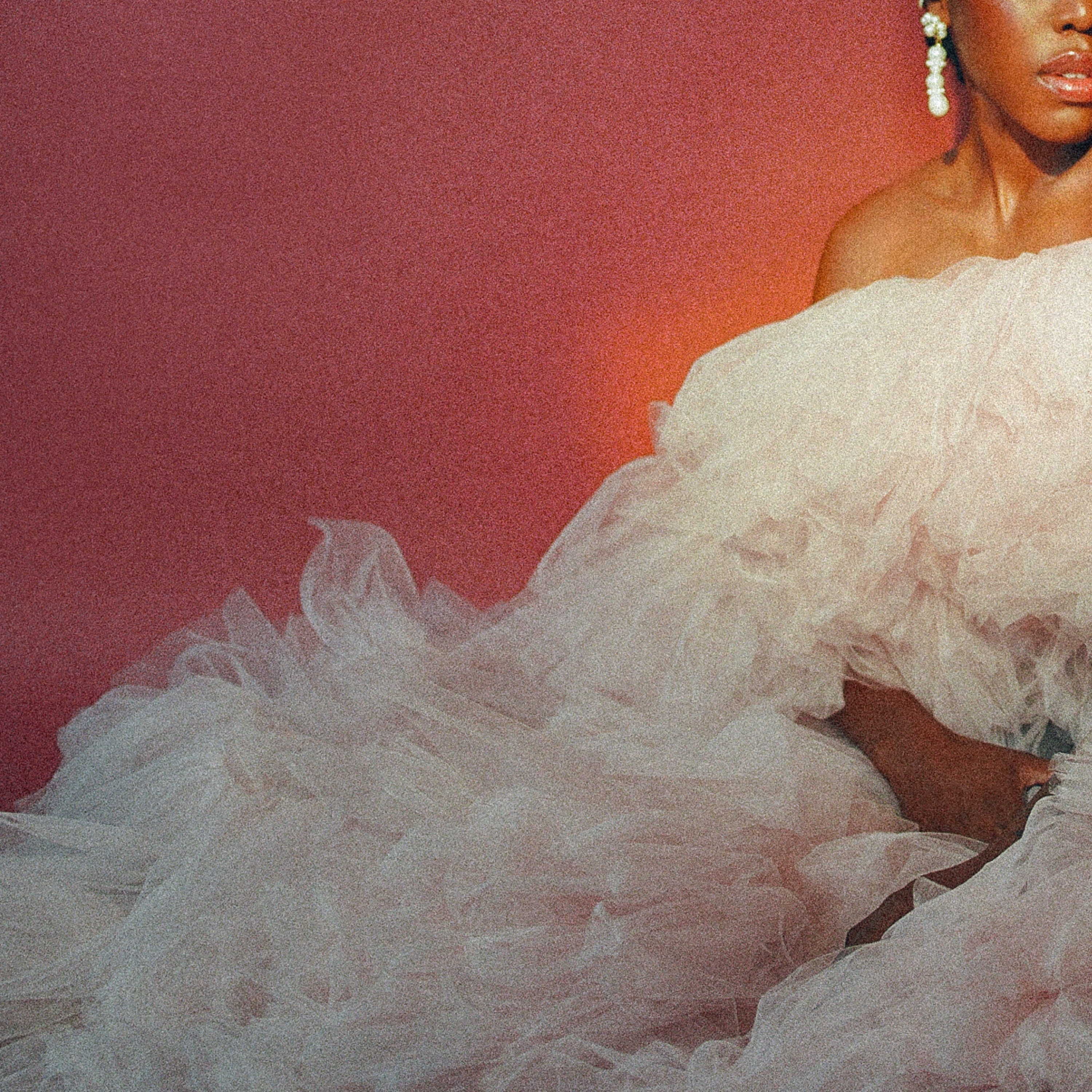
In 2014, Vice called Ego Ella May the “future sound of neo-soul,” 22, self-taught on the guitar, playing her EPs out of Croydon to living-room-sized audiences. The first, Honey for Wounds, received a MOBO for Best Jazz Act, her songs appeared on Insecure and Sex Education and she was awarded Vocalist of the Year at the Jazz FM Awards. But this career moment couldn’t stick. She continued releasing over the next few years—FIELDNOTES, a three-part EP written in and around the pandemic—before vanishing to a residential studio for five days of jamming, cooking, and walks, with her band, with no deadline, at the genesis of Good Intentions. Her second album prays that her enemies be brought down (her brother chiming in “fire, bun dem all” on the title track) before falling into a Buddhist metta chant of well-wishes, happiness and freedom for all beings, including you. On “We’re Not Free,” Keir Starmer’s government is called out by name and thanked for cancelling the Rwanda plan before she asks whether this was politics or profits. “Won’t feed our kids, won’t ceasefire/Won’t heat up our homes.” That still, small voice (that God sent to Elijah in 1 Kings) whispers that you are not free until all beings are free. May believes it and doesn’t know what to do about that either. The best song on the album is probably “Potluck Baby,” in which May rings up her mum and, hearing Igbo on the phone, doesn’t understand a thing. Or perhaps it’s “Sister,” a plea to a woman in a relationship she should have escaped years prior. Good Intentions, of course, was made in pure honesty. You know because none of it feels like a lie, and May knows that there are no easy answers to anything. —Ameenah Laquita
Katie Tupper, Greyhound
The title requires some explanation, and Tupper provides it. Racing greyhounds pursue a mechanical rabbit whose goal is to remain forever just beyond the reach of its pursuer. If the dog speeds up, the decoy speeds up. In its way, a race in which the dog always thinks it can win when it absolutely cannot, the setup is inherently rigged. “I am often both the Greyhound and the decoy,” Tupper is quoted as saying about relationships: “Chasing something unreachable and being the thing that cannot be caught.” This duality permeates her debut, the Saskatoon, Saskatchewan folk soul singer. Justice Der and Felix Fox, two members of Tupper’s live band and producers for the album, craft a sound that moves somewhere between British neo-soul and midnight intimacy. While Tupper’s smoky alto often provides the soul, the arrangements imbue the songs with a sense of motion. Swelling strings and gentle propulsion from the drums and bass give weight, with electronic trimmings adding textural depth without being intrusive. “Disappear” opens with stacked vocals and slow piano chords as Tupper sings about not being able to extricate herself from a relationship quick enough: “I can’t be your woman, I can’t even be your friend.” Jordan Rakei and Rachel Bobbitt add harmonies to the version of “Disappear” on the album, but the power of the track is derived from its silence; Tupper knows when to let the feeling bloom and when to step back to prevent it from becoming overwritten. “Sick to My Stomach” turns the implication of its title on its head: “Sick to my stomach/But in a good way.” Tupper clearly knows how to bend the clich so that the line reads not just new, but necessary. —Imani Raven
Rashad, I Was Told There’d Be Gold
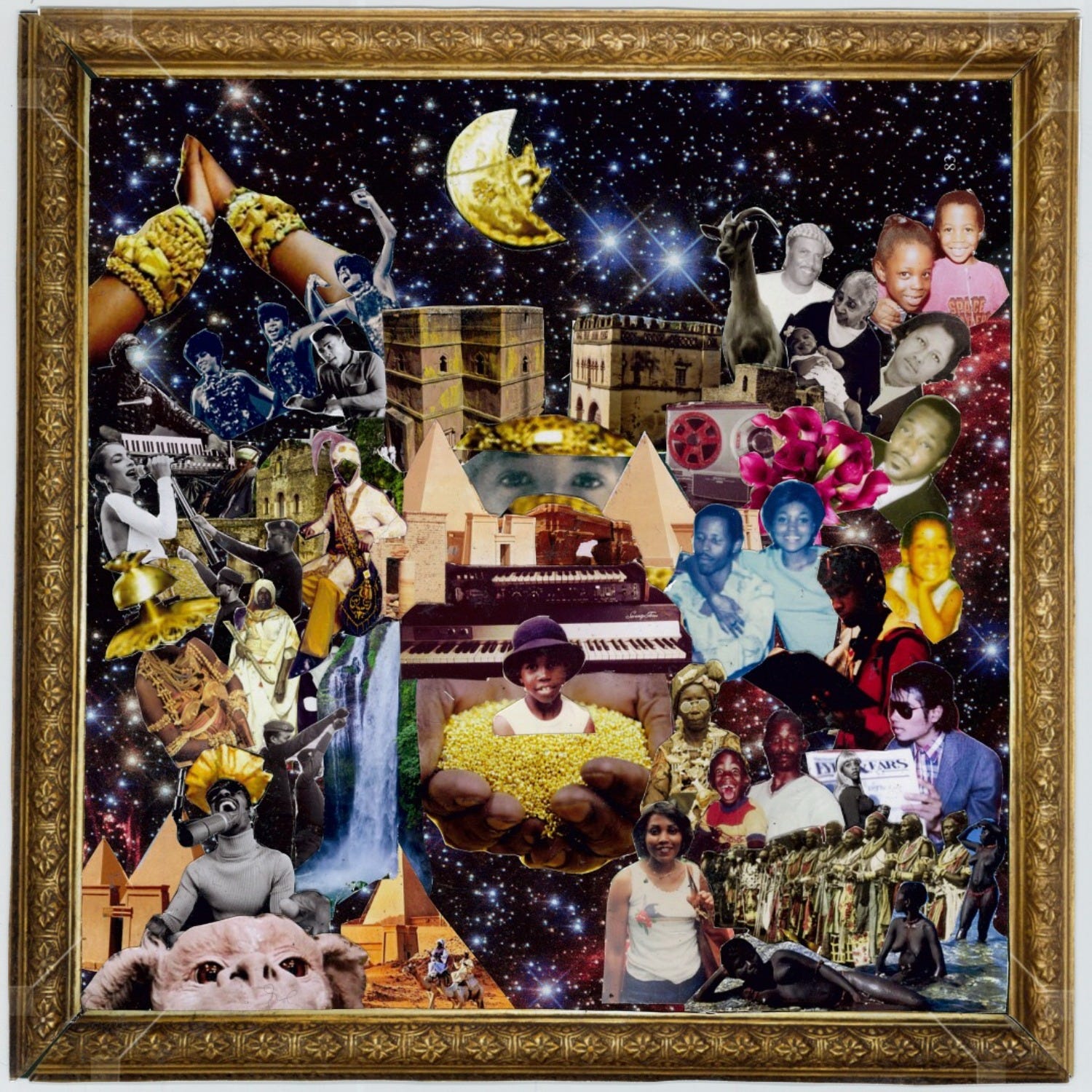
After being shelved three times by the majors, Rashad went home to Columbus, Ohio, formed Elev8tor Music with the guys he’d grown up with in The 3rd Power, and began producing for others. Both his first two solo albums—2012’s Museum and 2015’s The Quiet Loud—were written, produced, performed, programmed and mixed entirely by Rashad himself; they each dropped and disappeared with no apparatus behind them. Eleven years later, I Was Told There’d Be Gold, which was constructed the same way (every bit of it his), takes its name from a line on “Larry’s Lament” in which he rhymes “I won’t fold, I was told there’d be yellow gold, brick roads/Back when pops was hanging with Mike and Dickie/I was making music, you wasn’t with me.” The first half of the album’s topics include good thoughts and moving past trauma on “We Expect You” (“But if God ain’t coming back/I don’t know how we can justify these actions”) and atheism, god complexes, Tupac (twice—once about building a nation and needing freedom, once about building a nation and needing money) and worship on “The Craft”; the second half are love songs, every one about a woman who stayed. “Ribbons,” based on a “Ribbon in the Sky” sample and whittled down to “I wanna share my life with you” and “loyal when I wasn’t winning, day one, but you ain’t forget me, when I was wrong, you forgave me,” captures the feeling perfectly. The gold that was promised to a child, the yellow brick road, the end-game payoff; none of it has ever materialized in a way the industry can see. —Sameira
Brent Faiyaz, Icon
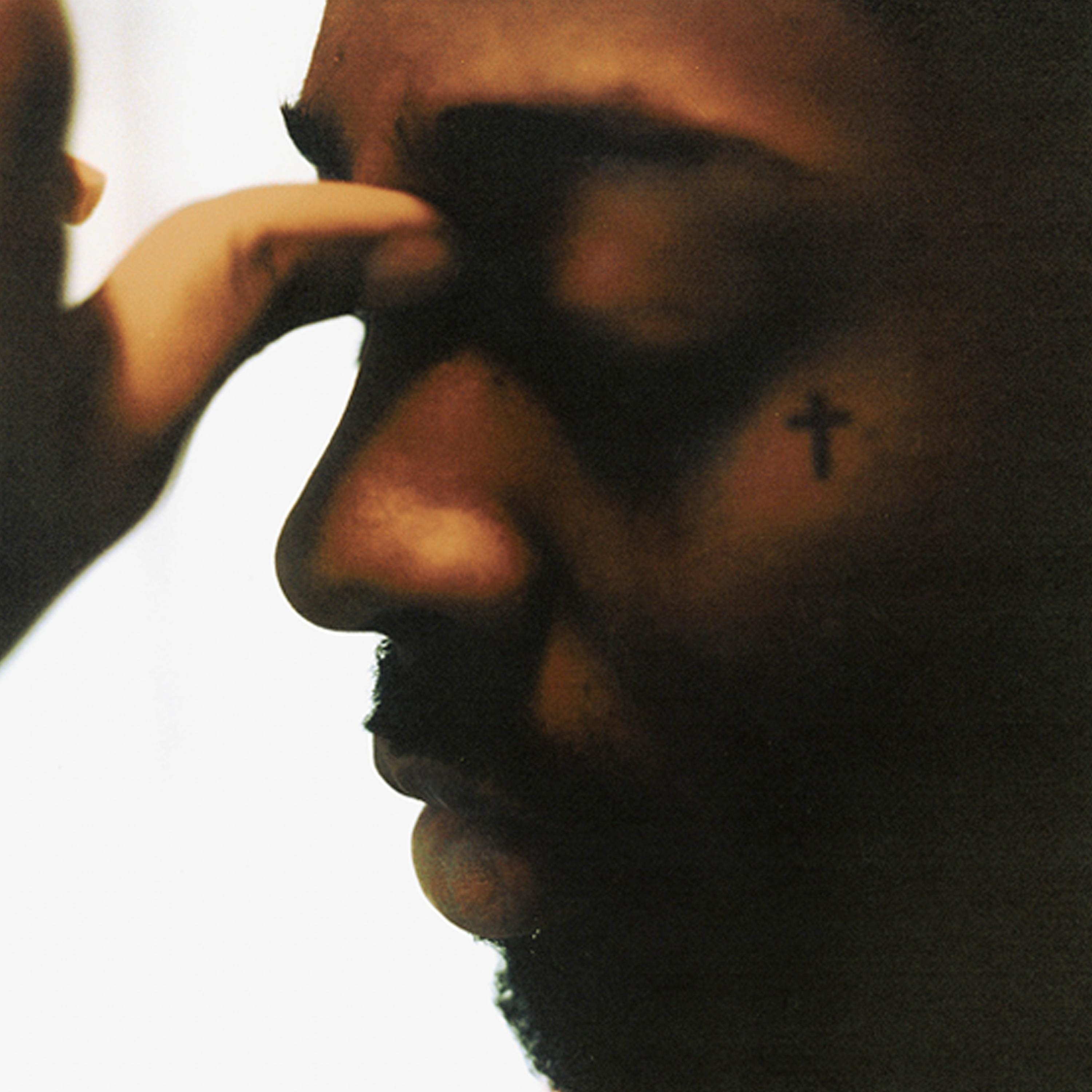
A group text from Faiyaz on the eve of September 2025’s planned Icon launch announced it was cancelled. The lead single. The music video. All killed. It would take five months more before the record arrived on Valentine’s Day weekend, with Raphael Saadiq as executive producer (and production by, among others, Chad Hugo, Benny Blanco, Tommy Richman and Sonder’s Dpat), with zero features and just Faiyaz’s voice, multitracked and altered, across thirty minutes of R&B that wavers from ‘80s synth-pop to proto-disco to the type of bedroom balladeering Jodeci would have surely dug. “Other Side” layers his golden voice into the same sleek disco-soul arrangements of its namesake, while “Pure Fantasy” shimmers like an unreleased Michael Jackson track. “Four Seasons” attempts the difficult task of using weather as a metaphor for romantic uncertainty, but manages not to completely exhaust the cliché thanks to the singer’s surprisingly scratchy, pissed-off tone. Saadiq’s involvement ensures that, unlike in some of Faiyaz’s prior work, Icon carries an unmistakable warmth; the best of it, including “Have To’s” pitch-shifted nonsense, and the gorgeous, spare tenderness of “Butterflies”—seems to confirm that scrapping it in the fall was the right choice. Icon is, ultimately, the sound of a man who loves the sound of his own voice, which would be overwhelming if that voice weren’t, so, so good. —Imani Raven
rum.gold, Is There Anybody Home?
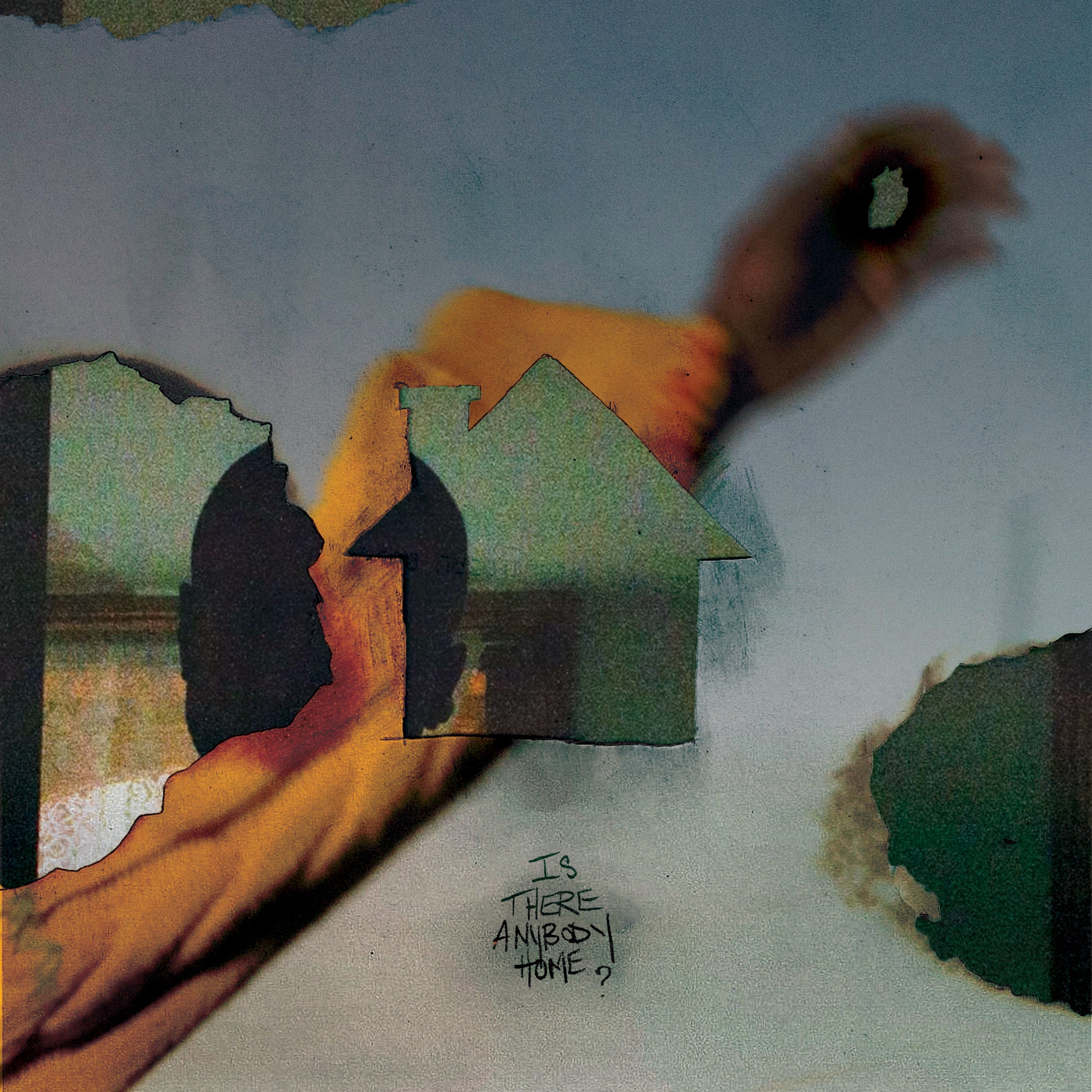
Delonte Drumgold stuttered his way through talking but was perfectly capable of belting in church. He’d been playing the trumpet since grade five, a dedication he pursued until a degree at Berklee, a multi-year fear of his own singing, and a single, anonymous SoundCloud drop at 24. He’d used his surname with one letter flipped (cut the D, then add ‘rum.gold’) after getting a login name hacked. The second, an EP, came out on its own later, as a two-disc album with that first EP, the second part of Is There Anybody Home?, a reference of sorts to its release strategy, adulthood is arranged in advance of its prehistory of grief. His family had shuffled through houses across D.C., and this album, his second, used that history of locations to craft an elegy for a Black Washington defined by crack, poverty, and his family’s block with the same civic care he’d always heard in Gil Scott-Heron’s Black Wax. He divorced, moved to Lisbon, and put out a two-disc album. Its second portion was originally released separately, as an EP; sequenced now, grief’s prehistory has been deferred to underneath the weight of all the things people do to one another when there’s simply no longer love. His vocal delivery on the album, where producers Frankie Scoca, Rahmm Silverglade, Aire Atlantica, and Zak Khan have kept the instruments wide and low and pressed rum.gold’s voice into one’s ear so that the beats themselves pull backward behind it, still mostly leaves its space empty, but what he has decided to fill that space with is all clear and unglorious about how those people ended up there. —Jhanel
MT Jones, Joy
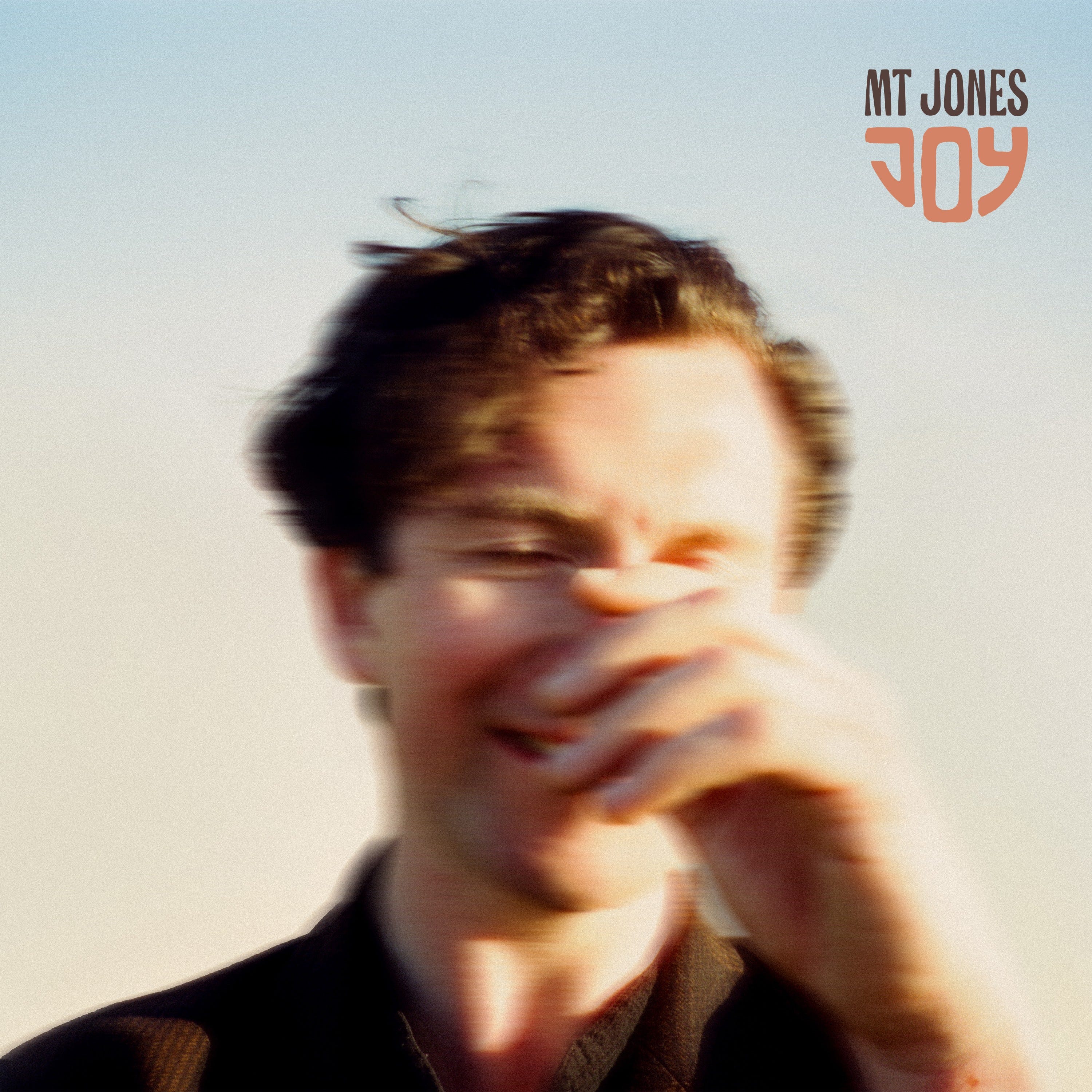
MT Jones was at LIPA in Liverpool, fell in with Jalen Ngonda on the same course, spent his twenties carrying other people’s gigs, playing bass for Ngonda’s touring band throughout Europe, keys and harmonies for the Liverpool singer Louis Berry, and a support slot for Ms. Lauryn Hill in Montreal, with Ngonda backing the two of them. When he graduated, he and Ngonda moved to London in search of work as songwriters. Jones travelled back to Liverpool on weekends for the cover gigs, which paid the rent on the flat he could barely afford, and the London studio time he got wasn’t what he was hoping to write. The money stopped adding up, he came back home, and then there was a lockdown. He was at the piano in the house he grew up in, with nowhere to be, no one to impress. Nine singles were released between 2022 and 2025, all released by the artist himself, Joy, produced by Jonathan Quarmby, is the full statement these singles were piecing together.
Quarmby uses straightforward, unfussy arrangements (live piano, bass, drums and occasional horn), and Jones fills the rest with a tenor that conveys each phrase without exaggeration. “I Don’t Understand” describes a confusion with being so happy he sold his car for pearls and finds walking no hassle at all. On “Why I Cry,” six variations of the same confession are laid out in the verses (“When I had you I took my life for granted/When I had you love was all around/When I had you I never thought I’d lay it down”), so the accumulated regret becomes its own form of gravitas, it feels correct to label his loss his Waterloo. “So Lost” drops any trace of romance, and Jones is a man stuck in an unchanging place, watching coins become pounds, awake, but only just alive; no more in Neverland. The sideman has at last emerged, and what he has brought with him was worth a decade in waiting. —Imani Raven
Jarrod Lawson, Just Let It
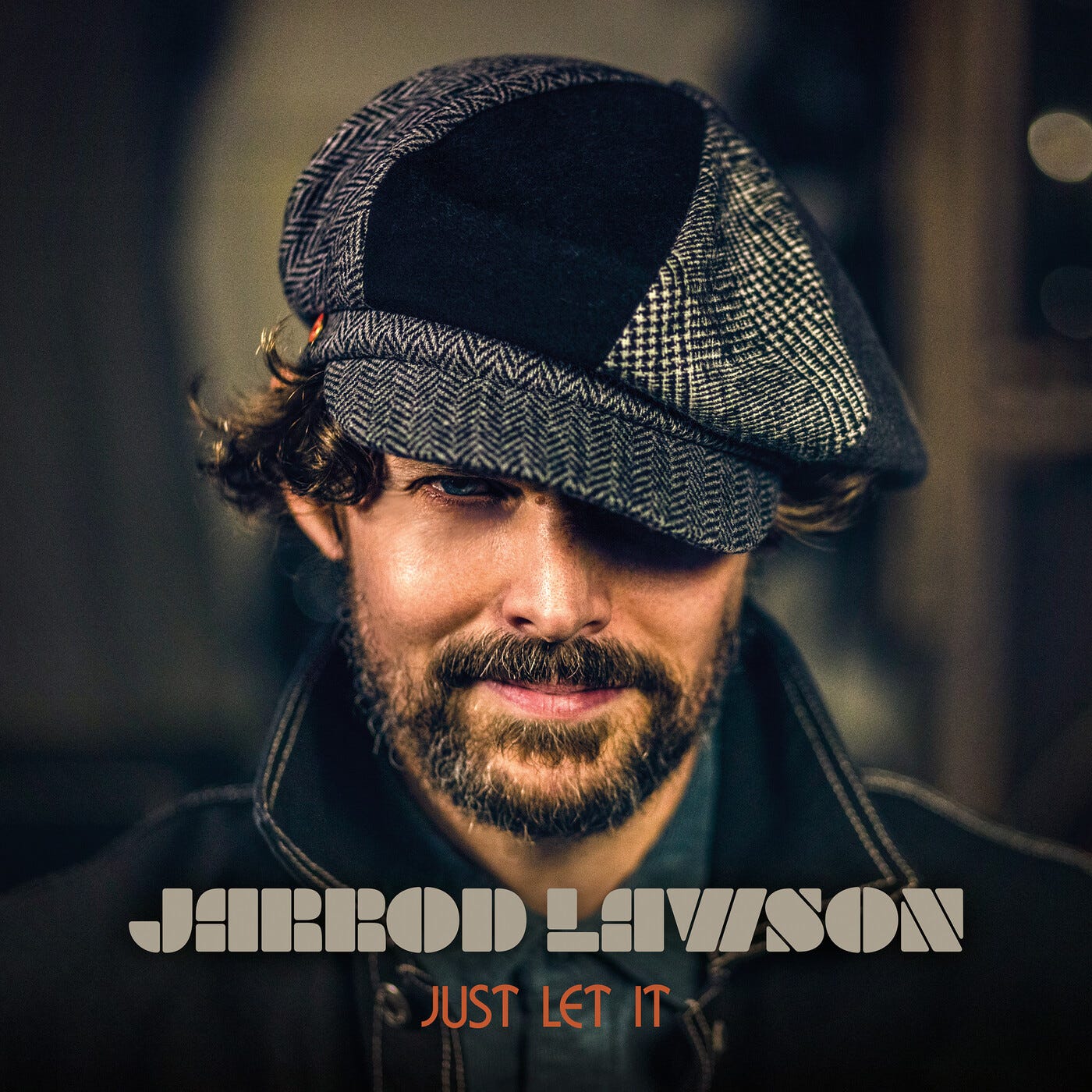
Pacing himself in the same way he did as a stone mason, Jarrod Lawson made Just Let It as a first-time producer, singer and sonically gifted artist from Seattle. He builds layer upon layer of falsetto vocal harmonies over thick instrumental layers. Being the patient musician he is, each vocal and instrumental layer he pieces together is spaced out. Lawson really digs deep to create a vocal illusion as he layers his harmonies in a ‘pipes’ style. For an album that takes its time to speak, there is a sudden burst of directness from Lawson when he reaches the song “Smoke Me Out.” It speaks of Lawson zoning into the streets and sharing the loss of life of a street boy and a boy from two doors down. In the song, there is an abundance of people telling Lawson to leave, but instead of smoking him out, he will stay. On “Laugh at Yourself,” Eric Roberson shares the album’s most hilarious moment, as he recalls the experience of stubbing his toe and the message he got from the voice of God telling him not to worry because he has 9 more toes. In good humor, that message between the toe-stubbing man and God has more character and depth than the advice songs scattered across the album. —Fallon Reese
Kehlani, Kehlani
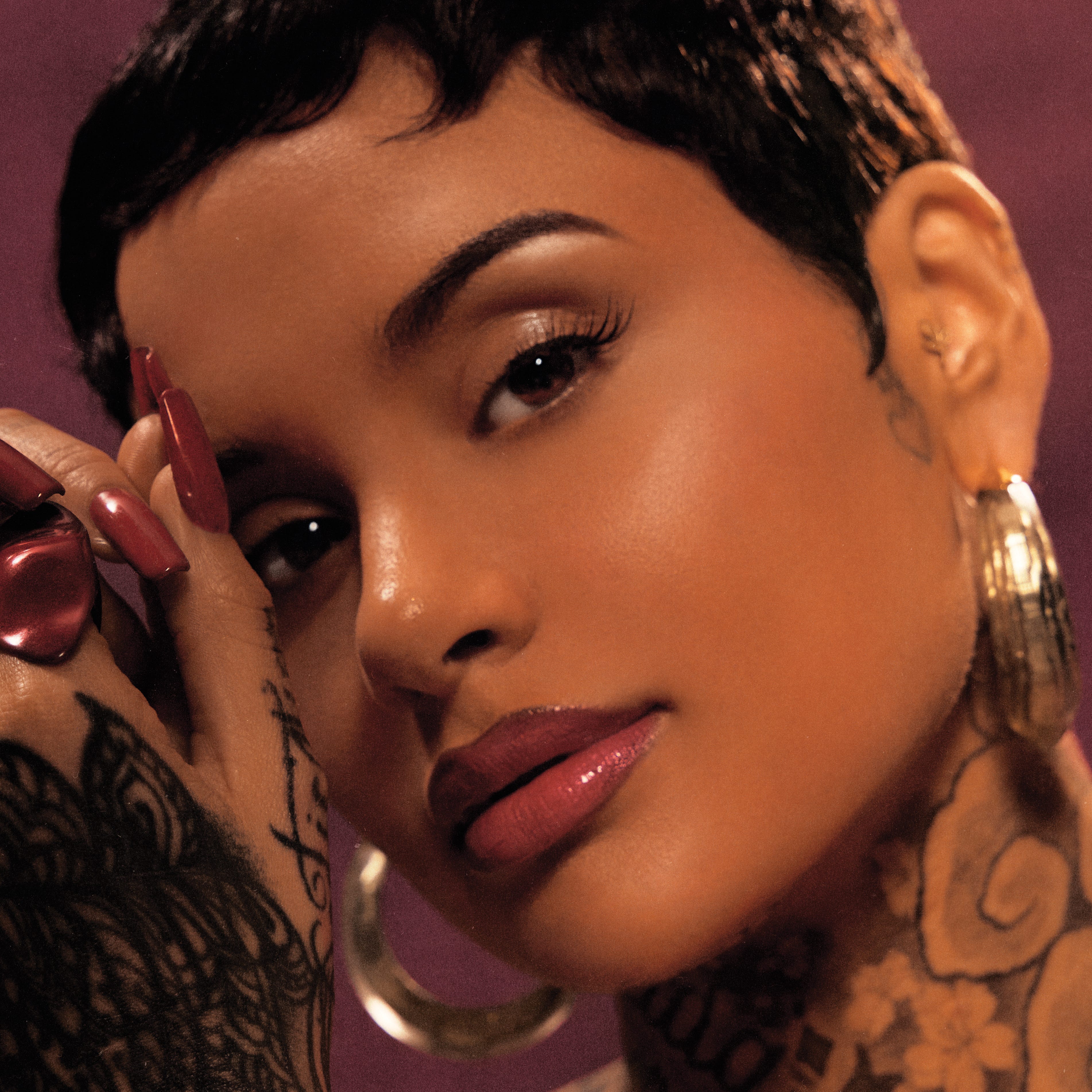
How do you get Brandy to sing a full verse on an R&B album in 2026? You don’t, unless you’re Kehlani. On her self-titled fifth album she got one on “I Need You,” along with a full Usher duet on “Shoulda Never” that gives him equal billing, a Clipse couplet over a Pharcyde drum loop on “No Such Thing,” and Missy Elliott playing the jealous boyfriend in a back-and-forth scene on “Back and Forth.” Imagine that lineup. The album arrived on her thirty-first birthday in April—eight weeks after she walked offstage at the 68th Grammys with her first two awards for “Folded” and a “Fuck ICE” closer to cap the speech. Hear the lead single. An ex has left clothes at her apartment, and she’s not about to drop them off. She washed them, folded them, stacked them on the bench by the door, and called to tell him to come get them. Notice how quiet she keeps it. The bravado cracks on “Anotha Luva,” where she spends her verse in circles: “I know you’re not mine, telling myself/But every time that I refine, I don’t want nobody else.” By “Still,” with ad-libs under the chorus line “My body knows I love you still,” she’s in a hotel room and past pretending. Every R&B voice Kehlani came up learning from shows up on the record. She matches all of them. The Grammy came ten years late. —Kendra Oluwaseyi
Tank and the Bangas, The Last Balloon
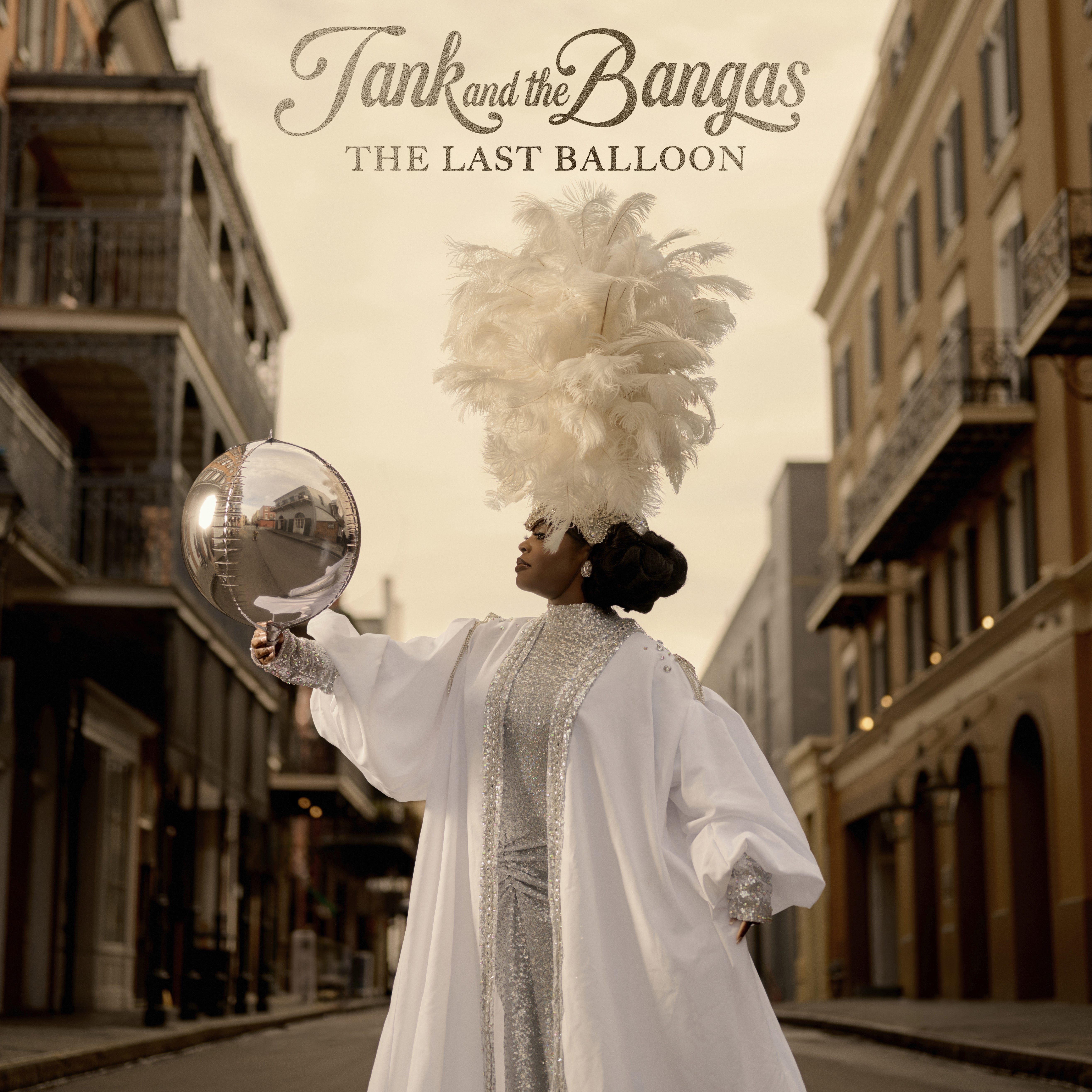
Three albums in on her solo career, Tarriona “Tank” Ball has learned to let the room breathe. The Last Balloon begins with “Rest,” where Ball begins to speak over a choir with the electric piano, and Ball once again establishes the liturgical then funk order she’s held since 2013’s ThinkTank. This time, Ball isn’t pronouncing every chorus from the above arrangement. In Green Balloon, she was in pursuit of something that earned her an unwanted Best New Artist nomination. The generosity here is striking. Ball gives the title chorus on “Don’t Count Yourself Out” to Dawn Richard and only answers between lines. She steps offstage so her guest can be in the spotlight. Ledisi gets a full verse on “Whole World,” followed by Ball with “Okay, bad day that’s just one in a million... I’m done people pleasin.”
The funk returns on “Move,” where Ball is the reqester on a Camper and Rob Debose with a walking bass line on the track while Lucky Daye sings about watering power flowers while a bass line is walking. “No Invite” finds her half shouts “I might start a riot, get that motherfucker started” over Josh Green and Austin Brown’s stuttering bass and sax bleats that won’t quiet. Banga Anjelika “Jelly” Joseph’s “Jealous” puts her at the front as she invites Spence’s syncopated funk pocket as a peace offering. Joseph left in 2022 to front Galactic. She appears as a guest on this track. On “Nighttime,” Ball drives off with a “Most of me stirred up like some Kool-Aid, but I’m drinking Alize,” resting over a Kindred the Family Soul sample, as The Quarter is wet and she is alone. It’s been a decade since ThinkTank. She is at her own pace and has nothing left to prove. —Kenya DuRant
Jacob Banks, Limerence
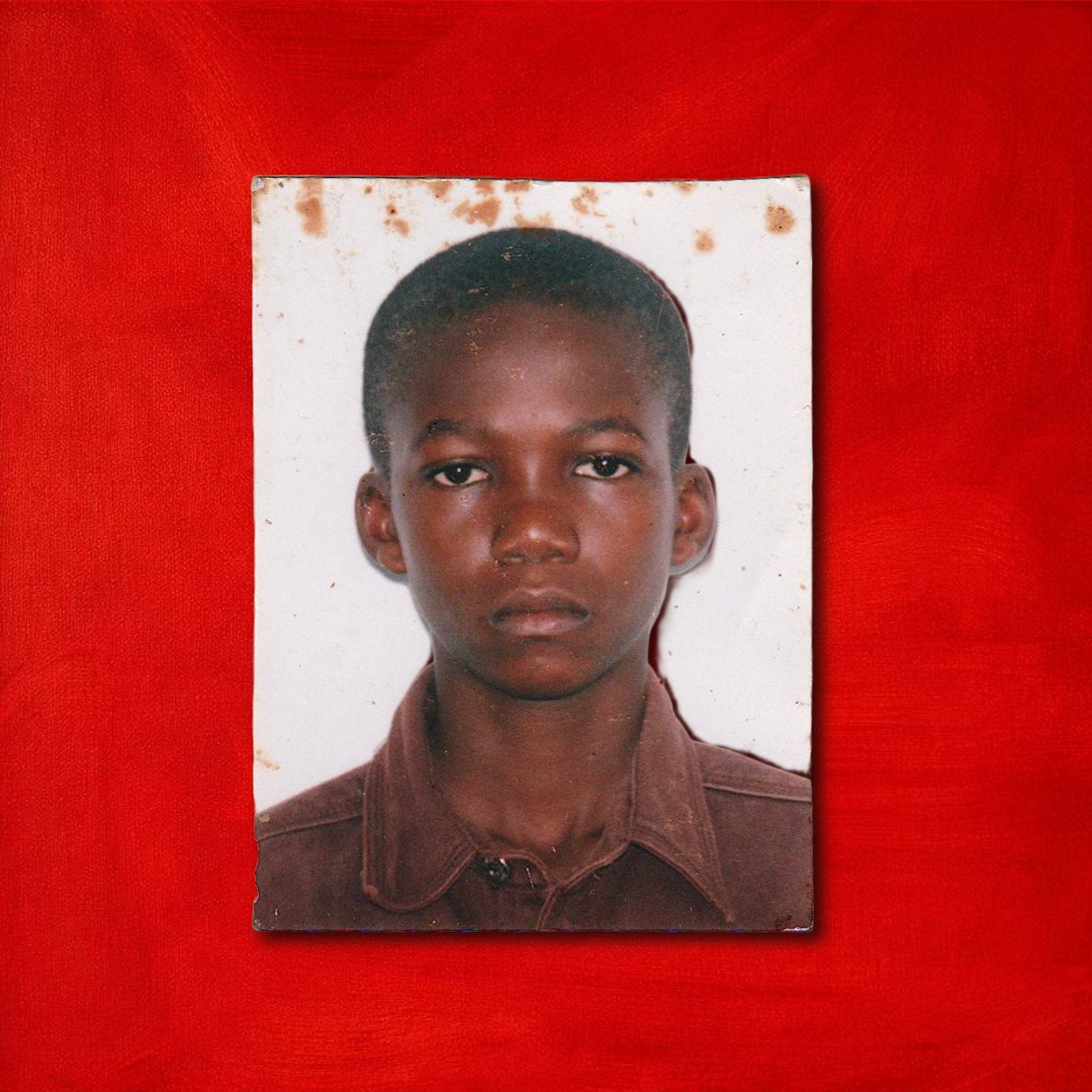
Jacob Banks did not sing in public until 2011, the year a close friend died and the family asked him to sing at the funeral. He was a Nigerian-born, Birmingham-raised twenty-two-year-old with no formal training and no plans, and he stood up and did it. Fifteen years later he is on his fifth studio album and his second on his own imprint, Nobody Records, which he founded in 2022 after walking away from Interscope. The two years before Limerence he gave to the three-part Yonder series, an extended sit-in with Sister Rosetta Tharpe, Sam Cooke, and Al Green that doubled as a retreat into the gospel music that raised all three. Limerence is the first love record on the other side of that retreat. Its title is borrowed from the psychologist Dorothy Tennov, who coined the word in 1977 to name the involuntary part of obsessive attachment, the part that runs circles in the mind praying for a bigger sign. “Easy Ain’t Home” turns common phrasing into confession over a piano figure that could have been recorded in an empty house at two in the morning, with him singing own compliance in the present tense. He puts himself across from a Superman on “Who Made You King?”, and the song asks the rescuer to stop catching him. —Lilian Sharpe
Leven Kali, LK99
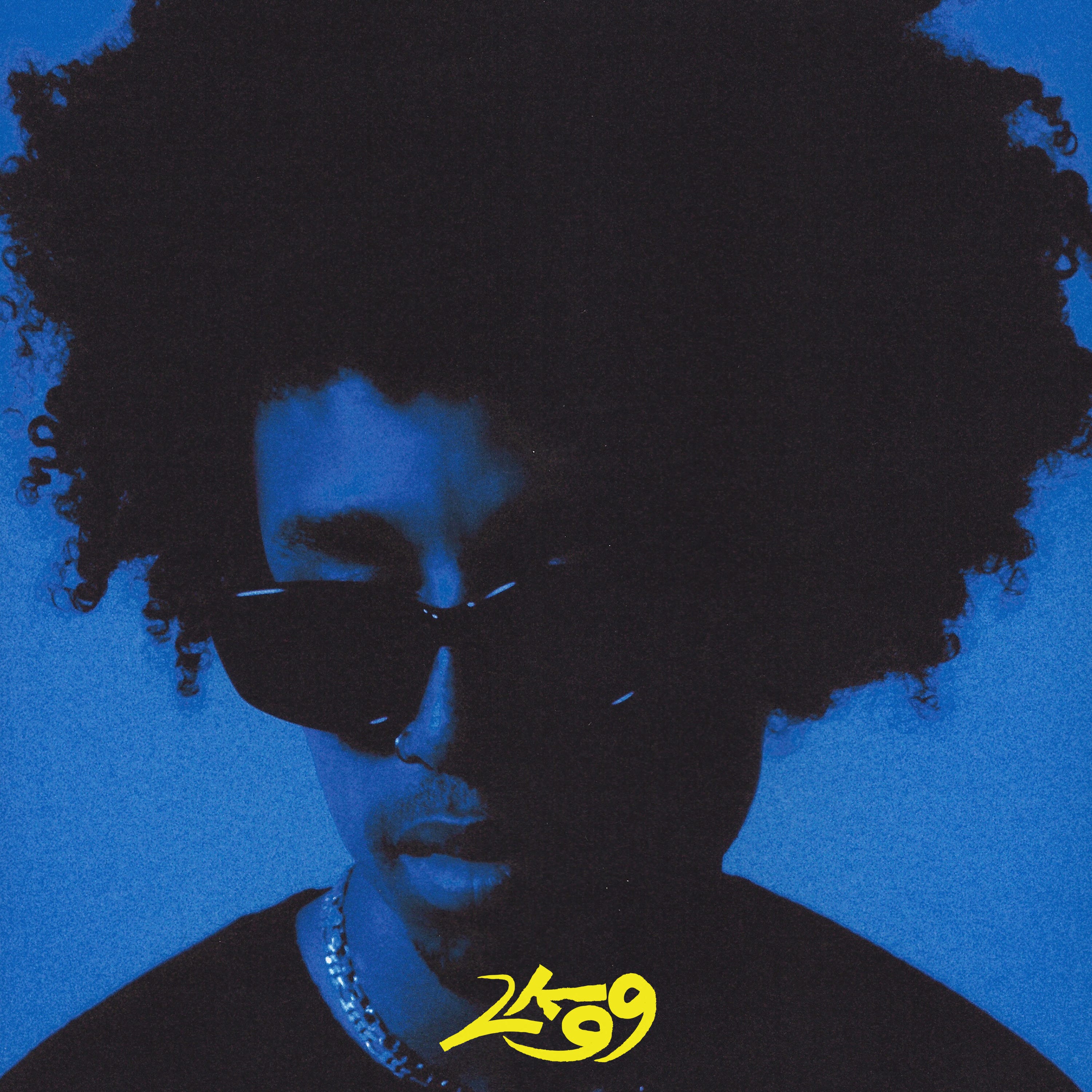
Leven Kali left a D-I golf scholarship to UC Riverside in order to pursue music; signed to Interscope, he became an independent artist for a while before spending two years writing for others (Tinashe, Jazmine Sullivan, Yuna) before co-writing and co-producing four tracks on Beyoncé’s Renaissance (“Virgo’s Groove,” “Alien Superstar,” “Plastic Off the Sofa,” “Summer Renaissance”) and Bodyguard from Cowboy Carter, as well as co-writing Playboi Carti’s Spotify top-240m hit, Flex. He’s got Quincy Jones and George Clinton co-signs to his name. And yet, it’s likely most people could not point him out on the street. LK99—his third full-length, and his first on Def Jam—is his record of stepping out from behind the curtain. Each number is another way to ask someone to stay or to come back or to give up, and the good ones succeed at receiving this favor. “Are U Still” opens up with an admission of being wrong (he was actually the problem all along, but told himself otherwise), before sliding into domestic fantasizing (kids and house) and melting into a recitation about vibrations, ghosts, and the cry of a wolf, and closing with a demand for an answer: “Is you bout it bout it bout it bout it?” “Jus a Lil’ Bit” ties a wish to an address: “It’s New York in August/A little too hot, but I like the weather.” —Brandon O’Sullivan
6LACK, Love Is the New Gangsta
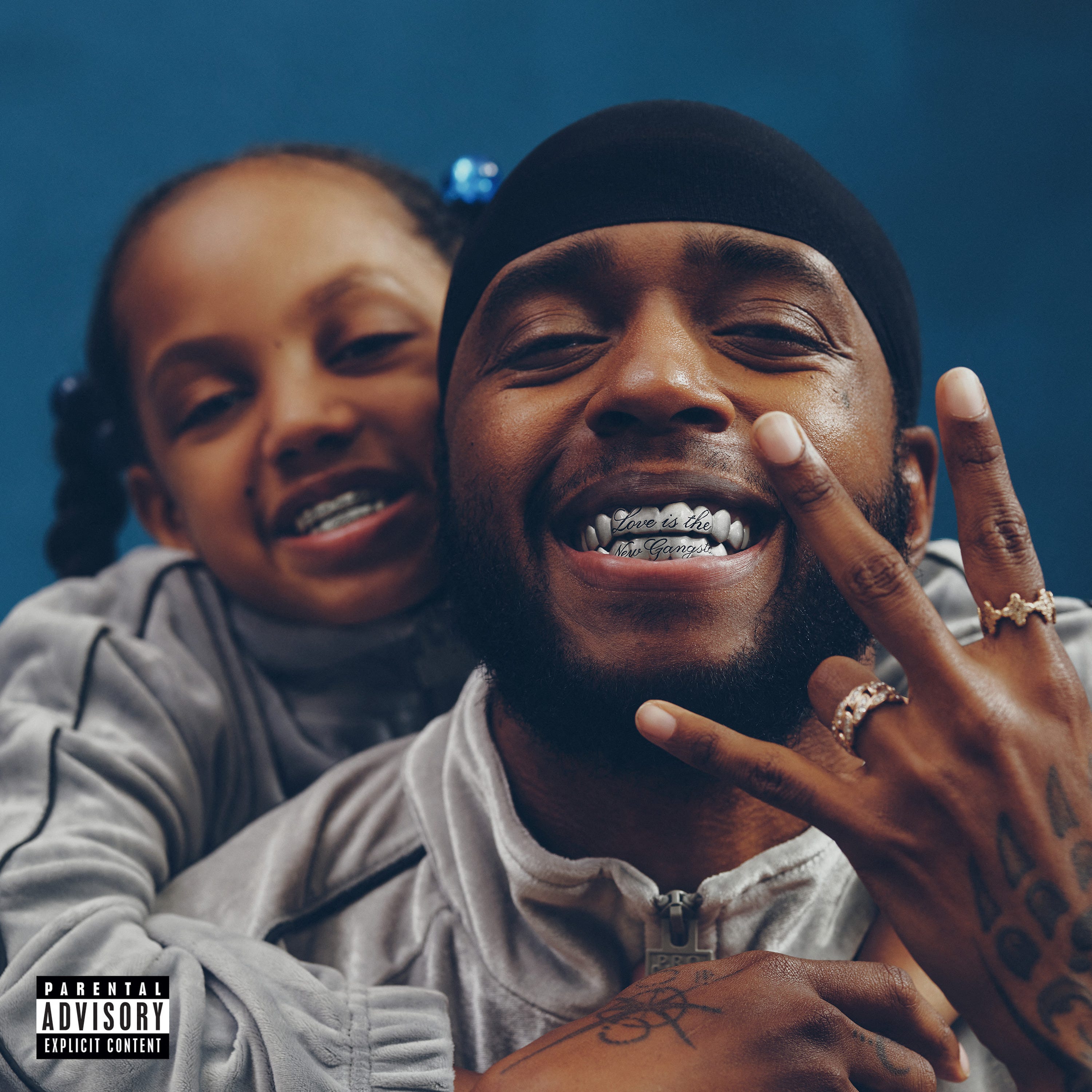
It feels like 6LACK’s fourth album lives in contradiction. There’s a guy opening up his album with bounties on his exes (“There’s a bounty on your head, post one to post just for whoever want this bread”), and there’s the guy who tells us that laying your head on someone’s chest is the safest place in the world. It’s this tension that Love is the New Gangsta lives in. We find it in the heart of a luxuriously appointed dream villa, with 6LACK singing along with Odeal on “Water,” then taking each and every piece of his life, from every aspect of his downfall, and setting it up for the world to hear. On “I GUESS” he is the guy at the door with his hands up, wondering why he’s being let in while the girl with the gun is apologizing for letting him in. He sets up the scenario for her to open the door and reveal the gun in her hand while he narrates the story. On “Ashin’ the Blunt” he teams up with Young Thug, who’s been incarcerated for RICO and has been hit pretty hard by the whole slammer experience that has left him paranoid as all hell. There are plenty of moments of grand excess, specifically in the magnificent “Wifey Baby Mama,” where 6LACK delivers his best rapper in love verse, where he mentions NFL player Marshall Faulk and describes his South of France courtship where he’s sliding into a fellowship of politickin’ and church attendin’ with his “wifey baby mama.” Yet, there are still attempts at profundity, where “Fellowship and politickin’” is the line, and there’s still cheese being sliced and diced. —Tunde Albright
Noah Guy, MEMORIA, in blue

After NYU moved online in 2020, Noah Guy couldn’t afford it any longer; he was an unofficial film production major, writing songs by day and attending class by night, doing a two-semester internship at Fool’s Gold Records in Brooklyn between his halves of years. He moved back into his parents’ suburban Philadelphia house, bought a $15 microphone from Walmart, opened up GarageBand, and began writing daily. That discipline stuck as he moved out to LA for a year, living on couches, recording Who’s Taken Time?!, two five-track EPs so unstable in their creation he later claimed the first felt from a “very ego-driven, self-centered” place. But it was when he returned east and connected with his brother—it opened up somewhere outward. As he and Devin Concannon, a producer who’d reached out via a cold beat pack, moved in together in LA, Guy had the songs, and Concannon the setup. He constructed MEMORIA, in blue, the way anyone would build something when you’re sharing a rent payment—daily, cheek by jowl, finishing each other’s musical sentences. Concannon produced nine of the ten songs, and the only guest artist, Tampa singer Amaria, who’d been around since the two met at a co-writing retreat at a cabin in the woods in Lake Arrowhead, sings on “My Loss,” where her lines “I can’t wait for you, baby/I know things fall apart” have the specific weariness of someone who stopped waiting. There’s also “Higher,” its percussion stuttering, chopping, reminding me vaguely of Amerie’s “1 Thing” before the groove finally kicks in to something warm and elastic, Noah Guy praying for absolution over a beat that’s dying to move. He’d been releasing five-track EPs for years, and his first full album knew exactly what he’d been saving for. —Danica Ford
Momoko Gill, Momoko
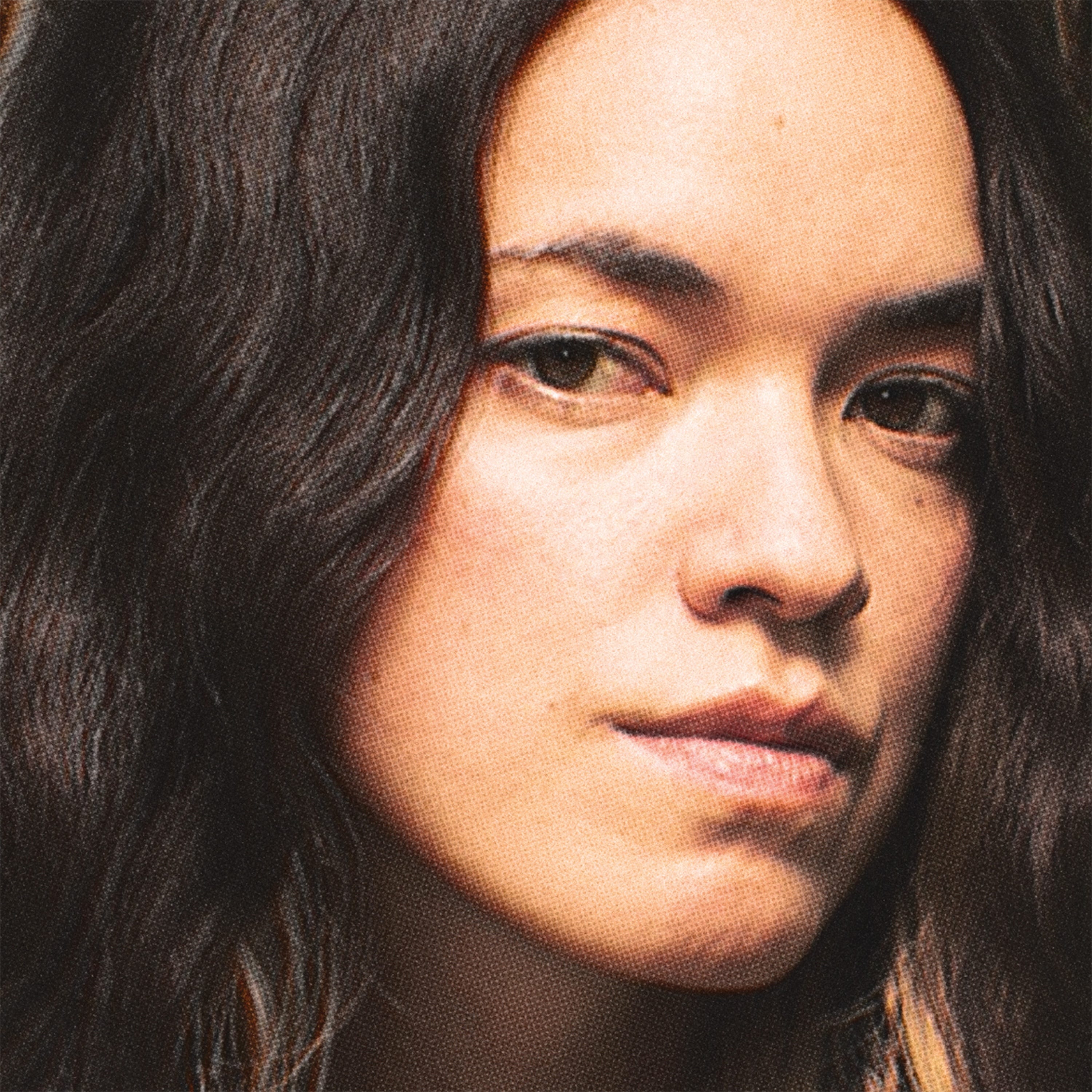
The album’s ninth song, “When Palestine Is Free, “where fifty people turned up to sing in a studio. Soweto Kinch and Shabaka Hutchings were there, part of the singing crowd. The song is six minutes long on Momoko Gill’s debut solo record, and it has the impact of a public statement buried on a record that is otherwise at room volume. The drummer with Alabaster DePlume, keyboardist with Tirzah, co-writer with Coby Sey and co-producer on Matthew Herbert’s Clay, Momoko lays down at the north London Total Refreshment Centre and does almost everything on her own. “No Others” is driven by her drumming and a piano line that doesn’t seem like it will end on a note that feels resolved to the listener. Flute and harp, instruments susceptible to sentiment in a soul-jazz setting, are used on “Heavy” but kept dry and spare by Gill. “2close2farr” is a love song built out of almost nothing. “Ineffably” is acoustic piano and voice so soft that it almost doesn’t exist. Momoko grew up in Japan and California and then moved to London, and the album moves around these places without announcing it. —Mina Abdel
Selah Sue & The Gallands, Movin’
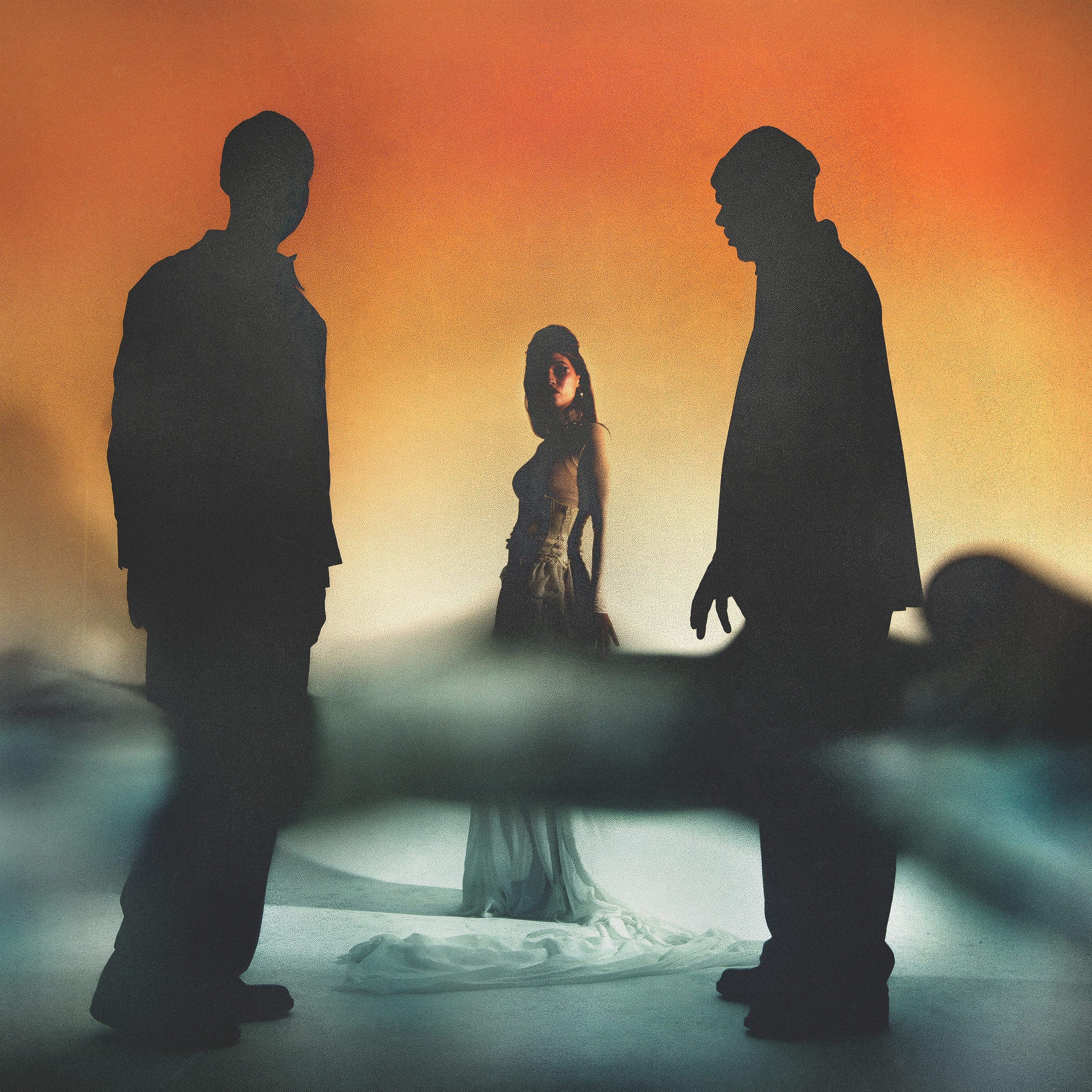
Sanne Putseys’s family has a history of depression, and both sets of grandparents were admitted to psychiatric institutions. At the age of 18, Putseys began taking antidepressants, subsequently building an entire career on the subject (a #1 debut in Belgium, 720,000 albums sold across Europe, a collaboration with CeeLo Green, endorsement from Prince, collaborations with Childish Gambino and J. Cole). Then, in 2021, she got off her antidepressants and experimented with micro-dosing psilocybin truffles instead. By mid 2022, months after releasing her third album (Persona), she publicly declared she was “going through hell. She started taking the pills again, so when Stéphane Galland, the drummer of Aka Moon, one of the most awarded European jazz artists of all time for over 25 years, invited her to sing at Jazz Middelheim in Antwerp, her husband encouraged her to go. She arrived at Elvin Galland’s living room, listened to the father-son duo’s instrumental tracks for the first time, and “Another Way,” a plea to have someone help you find your way out of your own head, was the first piece they created together. But “Into Forever” is the track that pulls you in: “Finding a way to die, still alive/I wanna fall again into the wild/Take what is left of me, infinity/I wanna fade away.” —Osei Addae
Isaia Huron, Mr. Lovebomb

Isaia Huron’s father pastored a congregation and was a civil rights activist who received threats from the KKK; his mother directed the choir; by fourteen Huron was drumming professionally for a megachurch of four thousand. He taught himself production on Ableton, and used his SoundCloud as a public diary of unfinished demos until the pandemic killed his drumming gigs and gave him a reason to put music out under his own name. Mr. Lovebomb is his sophomore LP. He wrote it, produced it, sang every note. The premise, in his own words, traces “the unraveling of a man who built his life around the chase.” The man Huron plays meets a woman in the opening minutes, promises to learn her and love her starting tonight, then admits his habits have left past partners in tears and shrugs it off (“But that’s their issue”). On “Breakfast and Matcha,” the most damning thing here, he convinces himself he’s in love, suffers in silence, and creeps away in the nighttime to see a side piece while his girl sleeps, returning before sunrise with breakfast in his left hand and matcha in his right. “Pablo Honey Song #2” rationalizes a booty call by insisting they don’t have to touch (“Like Pablo Honey’s Song 2, I know I don’t belong to you”). And “Wool” turns on a stranger’s discomfort at a dinner table: new woman, feet out the window on the highway, Beyoncé playing, the sun going down, and then she’s rude to the waitress and Huron asks for the check. He’ll diagnose his failures with extraordinary clarity (“When we fight, you’re fighting with a low-res version of me,” he tells a partner on “Versions”) and then send them right back into the room and expect her to absorb them. —Daliah Green
Hil St. Soul, Nasalifya (Thank You)
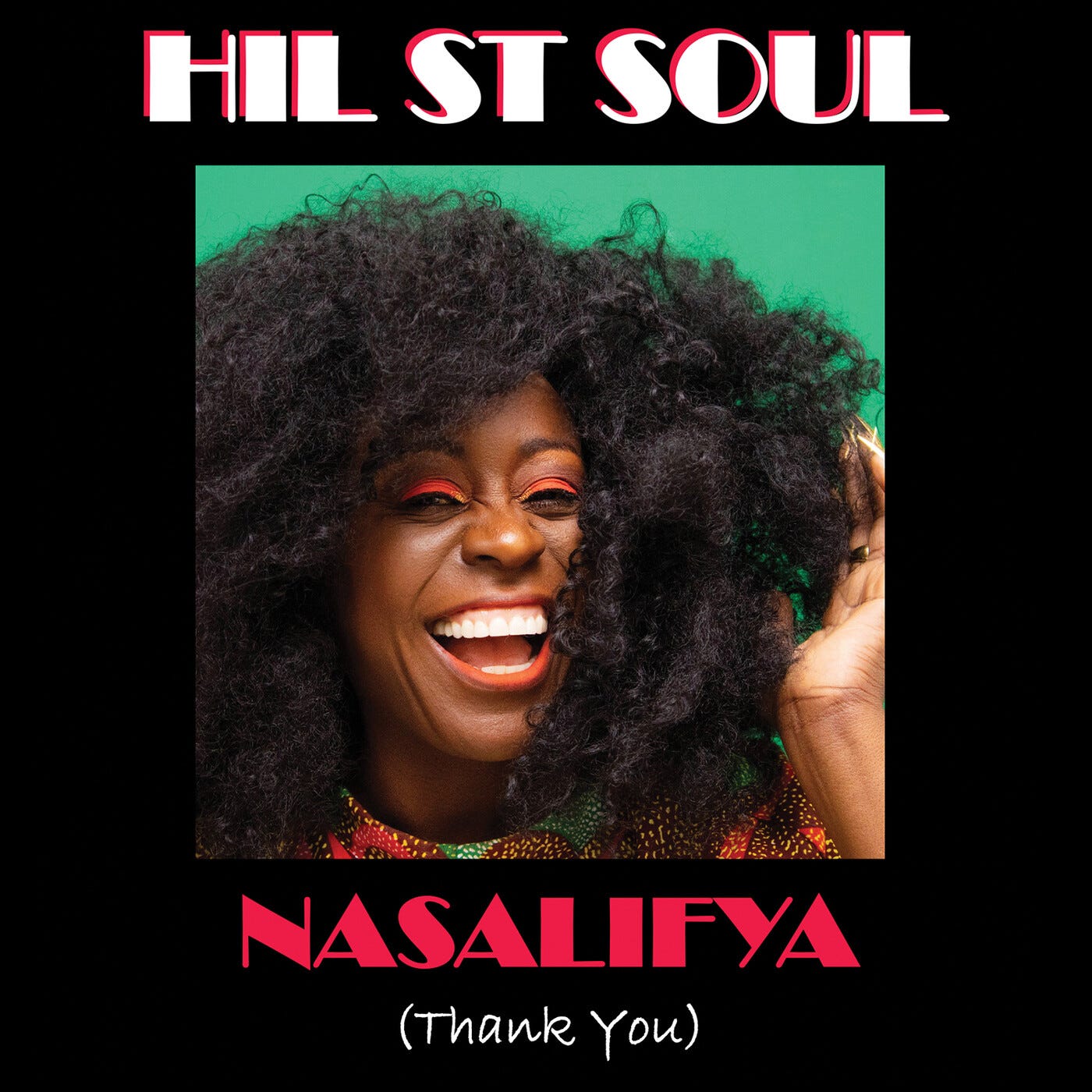
Hil St. Soul’s sixth album, Nasalifya, is positioned in 2026 as a soulful masterclass in creative restraint. Produced in Lusaka and London after the passing of Hil’s father, Nasalifya’s eleven tracks ooze the confidence of a 48-year-old who’s accomplished and grateful. Where the design brilliance of this album is evident in the restraint of producer Regi Myrix, we hear Rhodes pianos that nestle near the edge, wayward kick drums, and spacious arrangements that preserve Mwelwa’s voice. This is Reggie Myrix exercising the restraints of his craft; it is design genius, and done, in the full context of restraint, across eleven tracks. Mwelwa moves further away from gospel in Athology’s dead, and reserves her mourning for the album’s closing title track. This is sung in her father’s Bemba. The rest of the album breathes cookout anthems, the album’s split personality showcasing daylight’s self-help discipline versus the nighttime’s care-free adult honesty. Mwelwa finds, in the closing song, a frequency of post-40s desire that rests unapologetically, the missing notes of younger desire, and contrasting, in the self-help daylight sonal gifts, the adult appetite. —Zachary Penn
Tiana Major9, November Scorpio
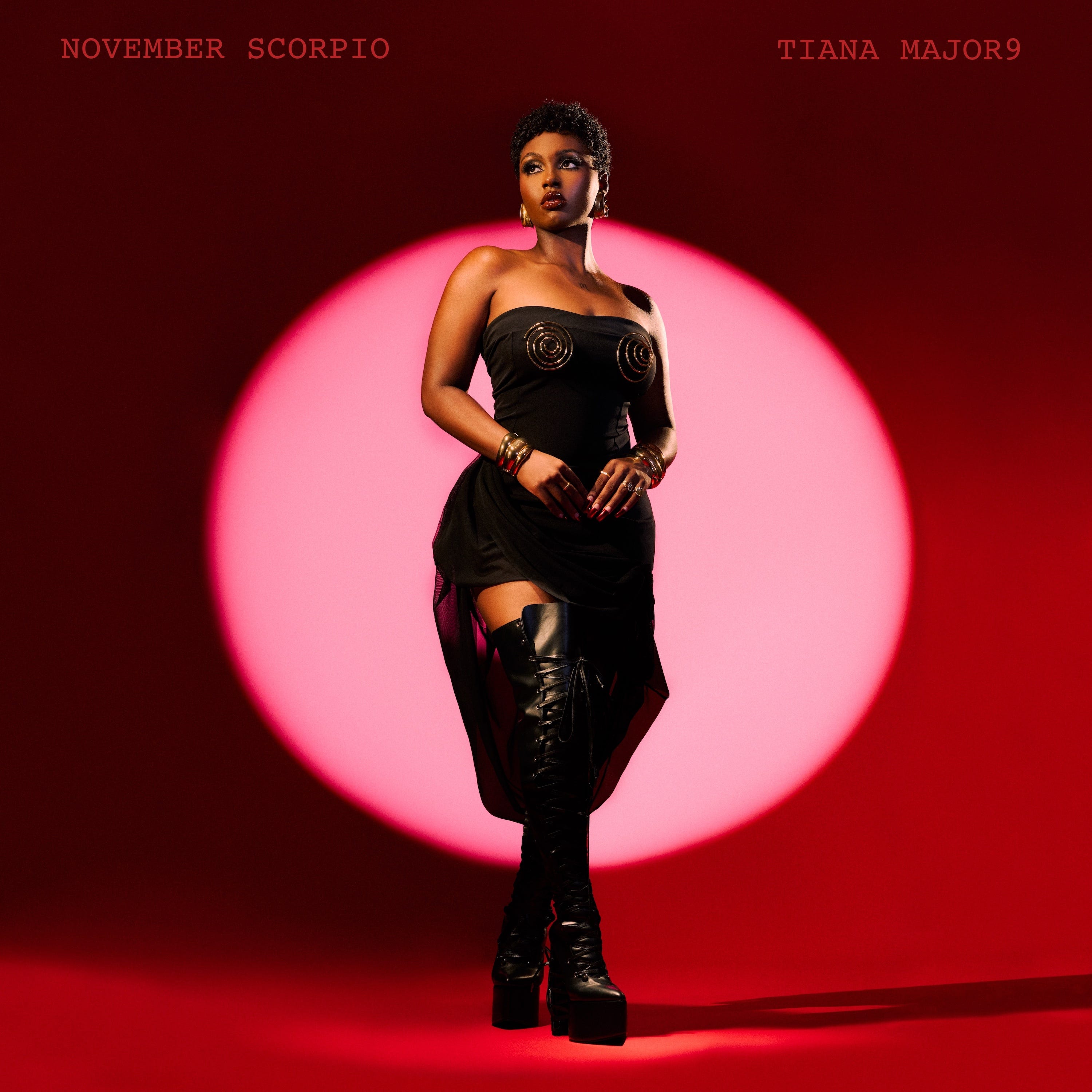
Tiana Major9 exploded into the mainstream in 2019 with the EARTHGANG-featured “Collide,” on the Queen & Slim soundtrack, for which she later received a Grammy nomination for Best R&B Song. While signed to Motown, she released four EPs. From there, she left Motown, signed with an independent imprint (+1 Records), and went silent for two years. “Money” uses an effeminate, love-song-ish premise to personify cash as a fickle lover that will leave her after a single, reckless rendezvous. She acknowledges herself as “high key possessive,” a trait which might come across as cute or conceit, were it not for the instant anchor to memory: “I was just trying to figure out where to get the cash to feed my kids.” She used to count pennies in order to afford basmati rice. The most pointed writing comes in “Shook One” and “desire.” The first, taking the title and sample from Mobb Deep, addresses a partner who refuses to communicate with an effigy of the menace he wields. “I can’t read your mind if you don’t communicate,” is the plainest bar on the record, and is the only one that cuts more deeply than any other on it. She then follows it with “GRACE,” where she wakes up, smokes a spliff, walks her dog, and fakes being alright. November Scorpio is the very picture of a person who no longer feels she needs to get anyone’s permission to be specific about the shit she is living with. —Phil
The James Hunter Six, Off the Fence
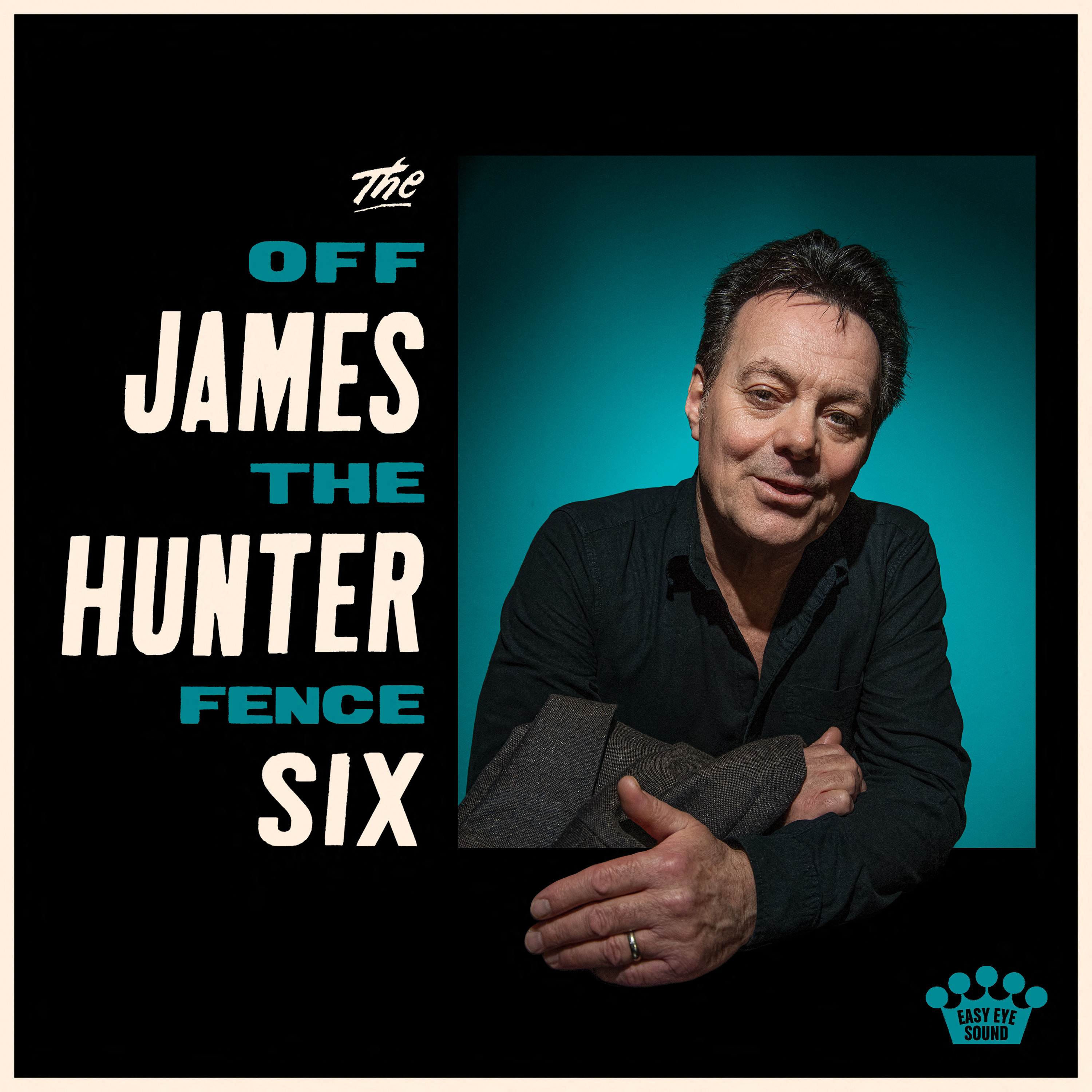
Forty years after cutting his first record, James Hunter remains UK soul’s greatest untold story. Following thirteen LPs for Daptone Records, his move to Dan Auerbach’s Easy Eye Sound may seem like an end, but it feels like anything but. As co-founder of Daptone, Gabriel Roth also helms this release, which is sonically and in spirit a near-perfect continuum from its immediate predecessor, With Love, a punchy, horn-driven affair that leans equally on ‘60s R&B and the enduring tenacity of British pub-rock (all with an alluring mono-adjacent feel). The main draw here is Van Morrison guesting for the first time on a track Hunter wrote. A jumping, jiving “Ain’t That a Trip” has Morrison sounding remarkably like Benny Spellman as he trades lines with Hunter’s leathery, guttural roar; a reunion 30 years in the making that recalls Hunter’s appearance on A Night in San Francisco, where the student was handpicked by the master, this has to feel like a validation-his teacher finally singing his tune. As a veteran of 66 years, Hunter has nothing left to prove anyway; the backing ensemble (Myles Weeks, upright bass; Rudy Albin Petschauer, drums; Andrew Kingslow, keys; Michael Buckley and Drew Vanderwinckel, horns) swings in the same locked-in style you might hear from any decade of their work. No wistfulness: just indifference to labels. —Kendra Vale
GENA, The Pleasure Is Yours
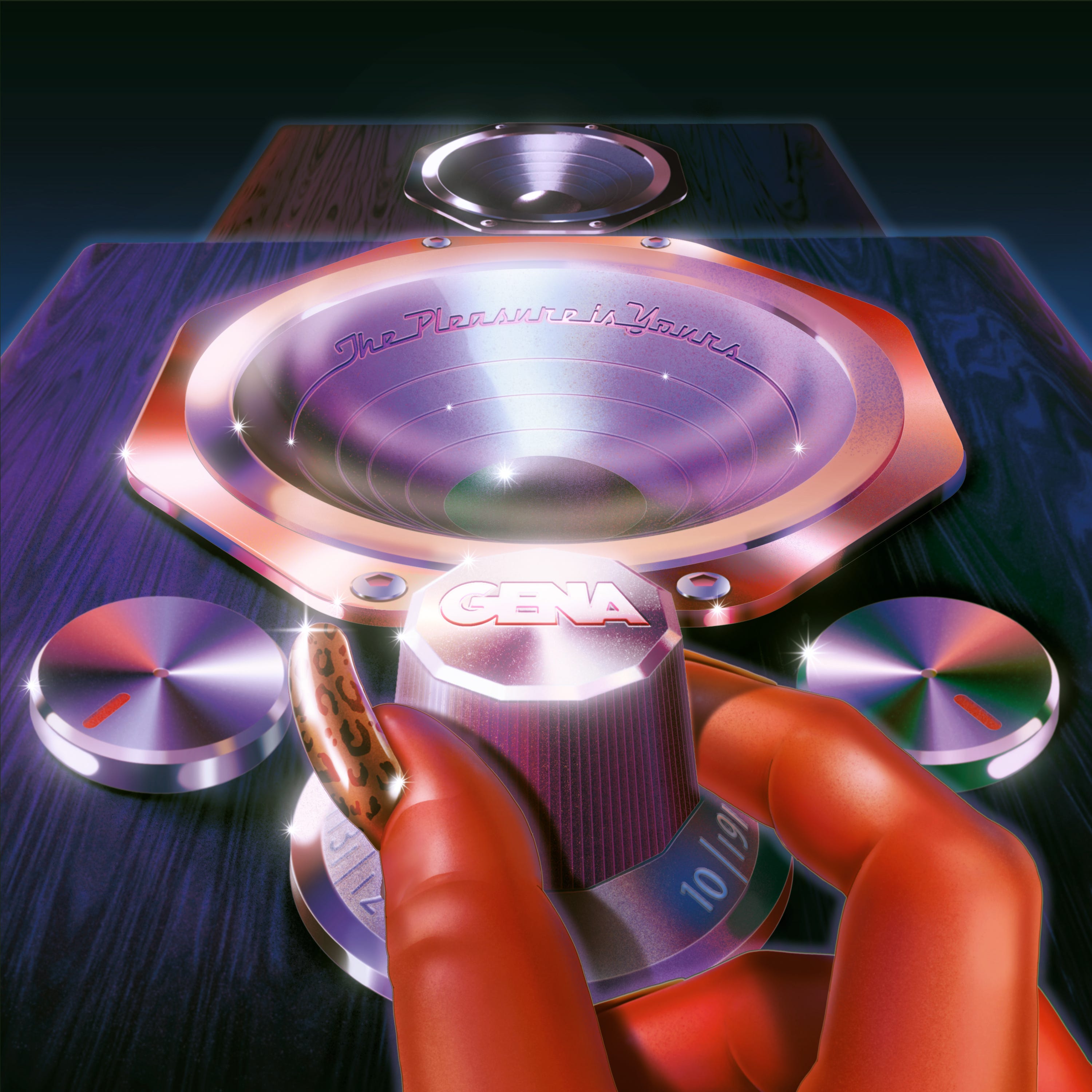
One combination we didn’t know we wanted. They were introduced to each other by a mutual friend and immediately recognized each other. Starting with shows under the name GENA, “God Energy, Naturally Amazing”, derived partly from Gina on Martin, before anyone realized they were putting a record together, Riggins has already drummed for Common, Erykah Badu, The Roots, Madlib, and left his signature feel on records of the last two decades across hip-hop and neo-soul, his solo records already a love letter to the dialog between improvisation and rhythm. Liv.e from Dallas first carved her niche with Couldn’t Wait to Tell You... and Girl in the Half Pearl, where her voice bent across the record bar by bar; here her singing, rapping, and mumbling is situated on top of a rhythm line Riggins keeps loose enough to dance in. It exists in the space between Detroit and Dallas, between Dilla’s unquantized drum beat and Sun Ra’s patience between the cosmos, and early 2000s neo-soul’s playfulness, without ever reaching for that sentimental nostalgia. —Renée Halloway
Mýa, Retrospect
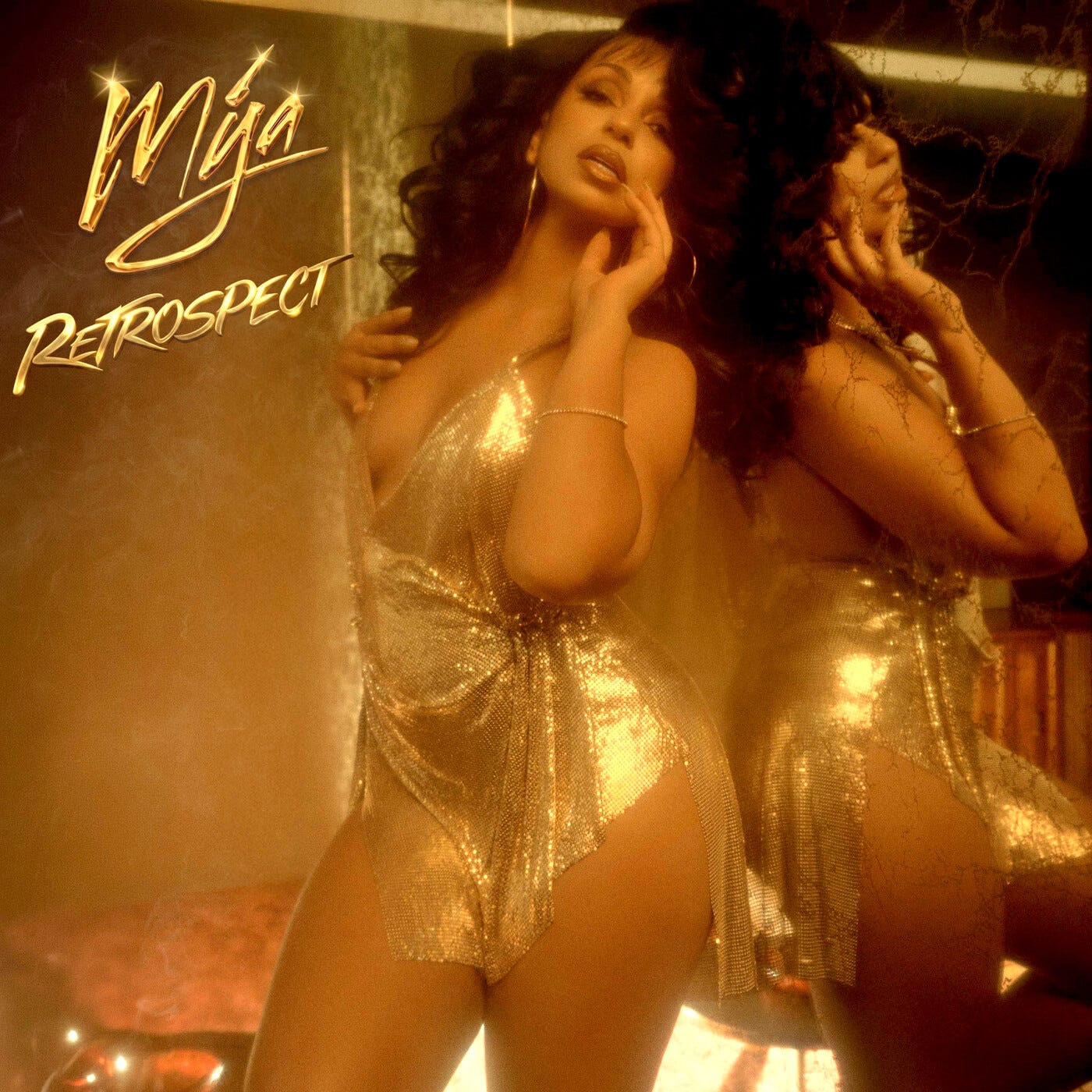
Ten years in the making, Retrospect is the most patient work from Mýa. This album is a time capsule drenched in funk but refuses to look back. While on The Boy Is Mine Tour, along with Brandy and Monica, Mýa sang Case of the Ex in front of those who purchased tickets for their nostalgia of 1998. Mýa was the only artist to present new music in performances that did not call for it. LaMar My Guy Mars Edwards, the producer for this album, built all 16 tracks without samples on period gear. This was a rule Mýa learned from Prince, in order to maintain creative control. The commitment is strong in this album. LaMar Edwards decided to stick to one production style in every song, and the remixes only focused on stretching the time, along with guest appearances that added little to nothing.
Mýa performs with the same expressive exuberance as Rick James did in 1981. She drops an ad-lib in the style of a Teena Marie “whoo!” and carries the same song in the form of a reference, not a quote, as she does in “Remember the Time.” From the early age of two, when she began ballet and learned music through the physical movement of other bodies in the absence of a melody, she brings this foundation to every song. The same vocalist comes forth when she transitions between the quiet of “Good to You” and the fullness of the space that “Saturday Night” occupies. What does it mean to call an album Retrospect if every one of its thirteen tracks looks forward to tonight? Mýa spent a decade working on an album about the present and named it after the past. Perhaps the separation between title and content is intentional—the D.C. area code sung in the refrain becomes both an inside joke and map coordinates, locating the funk where it started while moving it in a new direction. —Brielle Saint-Amour
Bruno Mars, The Romantic
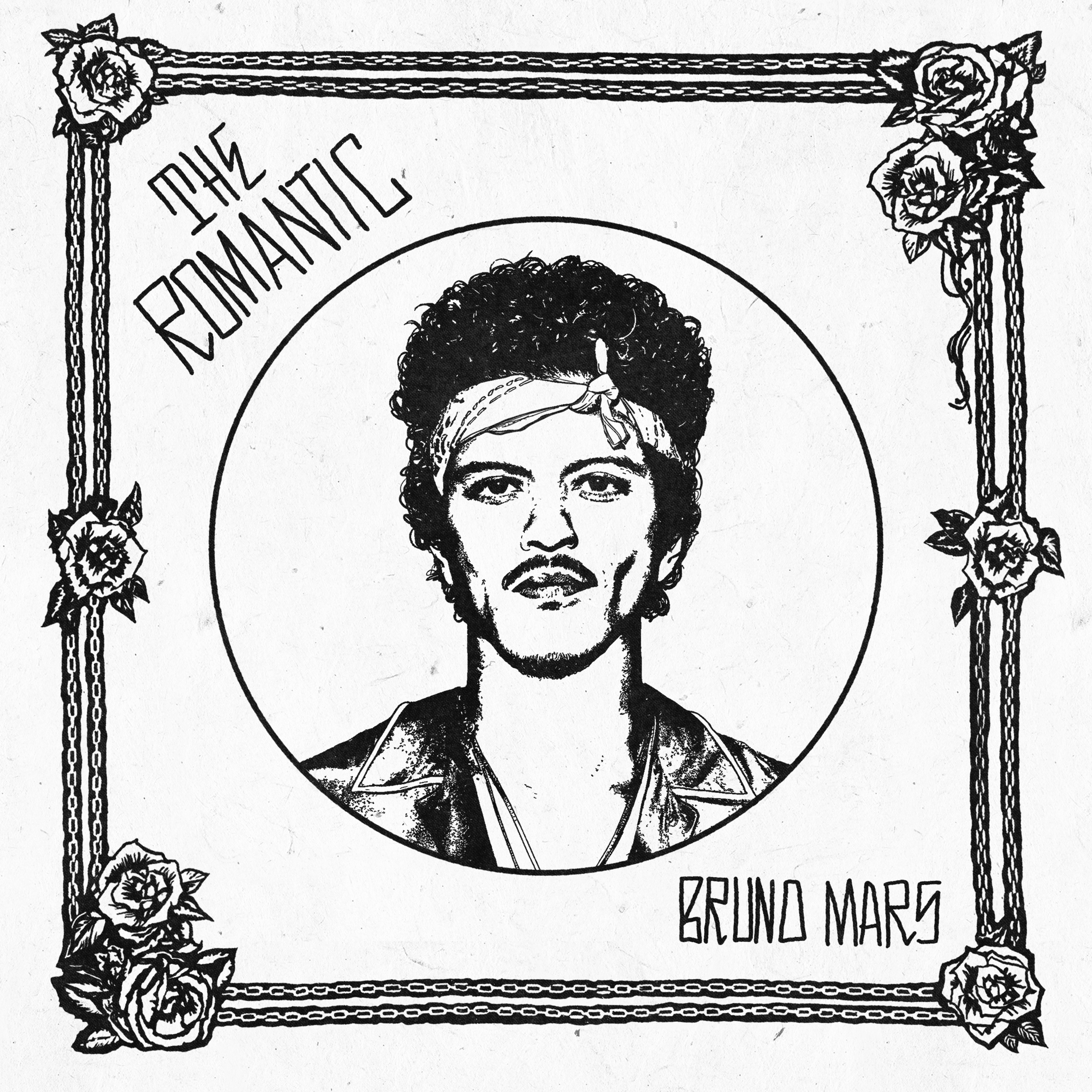
Any of the tracks on The Romantic could cap a wedding reception; none of them would speed up the floor; they would all slow-drag it into oblivion. It’s the first solo LP Bruno Mars has dropped since 24K Magic in 2016; he’s spent the interim on a Las Vegas residency, a partnership with Anderson .Paak, proving he could make number ones without a whole LP behind them, turning forty while making this one—it sounds exactly like that. It leans much harder on cha-cha, bossa nova, and late-‘70s quiet storm than anything he’s ever attempted, trusting the songs to carry their own weight. D’Mile, who provided the warmest corners of the Silk Sonic LP, co-produced every track here, and it results in arrangements that are band-driven, analog—even Dave Guy, Homer, and Leon Michels from Big Crown Records lend contributions. “Risk It All” is understated in its ballad form opening; it’s an even bigger risk than Mars taking any single track on his LPs. His whole instinct is to grab you by the collar first. “God Was Showing Off” borrows its horn arrangements from what appears to be the outer rim of heaven itself. Mars is grinning through every single line of its best couplet: “Is ‘Heaven’ your name, or is it ‘Divine?’ Don’t matter, girl, it’s gonna look good next to mine.” Why You Wanna Fight finds an artist returning to begging; he’ll call her mama and plead with her friends, in the tradition of the take where Al Green goes to his knees over “Let’s Stay Together.” —Chiamaka Boudreaux
Arima Ederra, A Rush to Nowhere
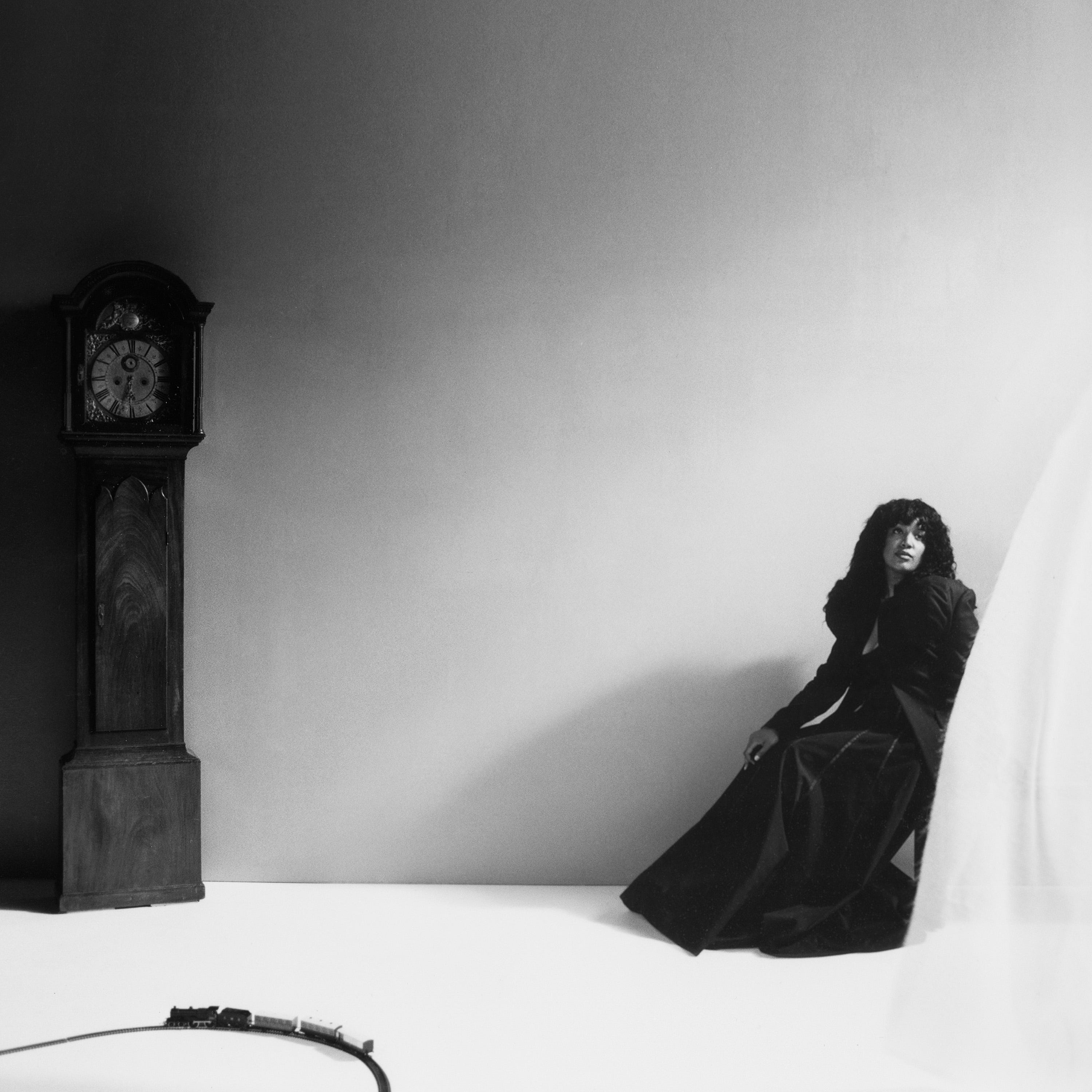
Arima Ederra had a debut EP in 2012, which she removed from streaming, another EP in 2016 and in 2022 her first album, An Orange Colored Day. A decade between the first recording and the first album. A Rush to Nowhere, her second came out four years after, and it sounds like she’s finally stopped asking permission before saying what she feels she means. Fifteen tracks, co-produced mostly with Halm, co-written between Lake Arrowhead, Havana, and Oaxaca and each one of them asking the same question from a different direction. Why am I running, and what have I missed while I have been doing so? On “Shine,” a friend of hers has died, Arima is direct: “God, I just want my friend back.” She’s running out of shoulders, and she’s running out of days; she wants to watch her friend grow old. “Heard What You Said” is about a friend of hers telling her how they didn’t understand her, but by then it was too late; “You froze me in time while you cling to the past/And you missed how I’ve changed/So you could never know who I am.” The butterfly landing on her knee on “Heads or Tails,” she wishes forshadow dancing by the soccer park, a voice in a little desert breeze, “Are you still whole?” she asks, “You’re all I know.” —Maya LeRoux
Jai’Len Josey, Serial Romantic
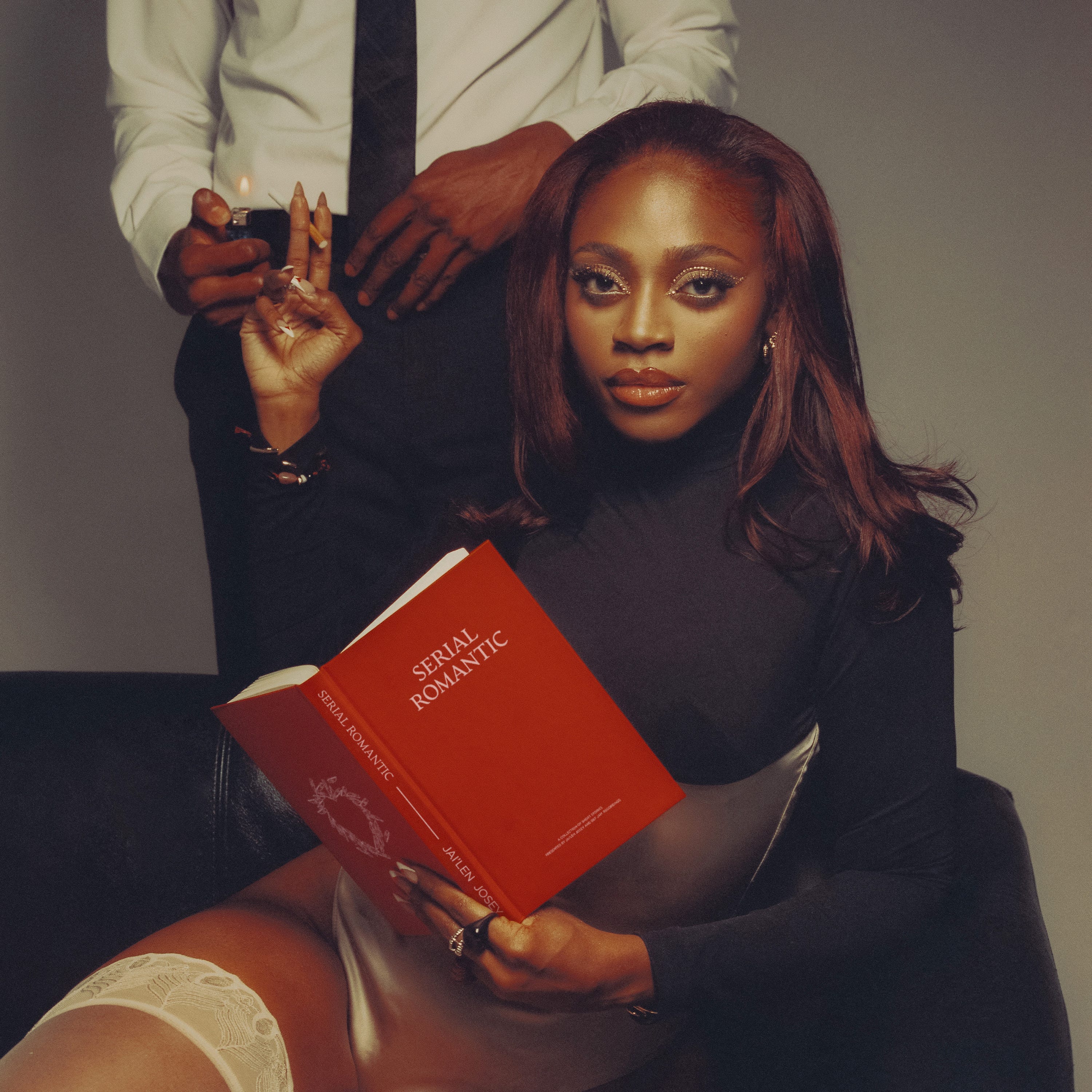
Before she had a label deal, Jai’Len Josey co-wrote a platinum single for Ari Lennox, held writing credits with SZA and Babyface, and left a Broadway role as a teenager to go make music in Atlanta. When Tricky Stewart heard six songs she’d written and produced on her own, he added six of his and stitched a debut from both batches, giving Serial Romantic a tonal restlessness that a single-session record wouldn’t have. It is an album about wanting (every permutation of the word), and none of it comes with an apology. On “Housewife,” she’s trading the Hennessy and the six-inch Pleasers for a honeymoon in Bali, singing “I ain’t never, ever think I’d submit to no nigga” with genuine surprise at her own willingness. On the title track, she’s reserving a table at Benihana’s for three and listing her ideal lovers like a dinner order. Halfway through, a phone skit about her man at Nobu with another woman splits the record in half, and the restaurant upgrade is the wound. Josey never reconciles any of it. She’s a self-described hot girl playing Lois Lane on one cut and ordering the buffet on another, and Serial Romantic holds all of those women in the same tracklist. The only complete track produced by Josey is the last song. On the last song, Josey has reached a point where she chooses to stop giving. Under twelve tracks created in collaboration with Tricky Stewart, The-Dream and Leon Thomas, the last song is an expression of what Josey chose to save for herself as she walks into the vocal booth alone and sings the lyric, “How silly would I be if I had none left for me?” After giving everything she has on thirteen tracks, the last track represents an act of acceptance of what she has chosen to keep for herself. —Sydni Carter-Reed
alayna, Set Her Free

The New Zealander’s second album (after 2023’s Self Portrait of a Woman Unravelling) is largely set in the space pre-freedom, the woman looking in the mirror and refusing to believe what she sees, seeking affirmation that second it arrives she refuses to accept. On “Small Things,” affection is measured by a bleeding finger and an unsolicited Band-Aid. “A little blood showed me something your heart’s made of,” sings alayna and this is a fact so tiny and literal that none of the words around it can overblow. A remarkable bridge on “Love You More” is “I don’t own you, I/I just love you back/Simple as fact/I love you more than I love us.” Loving a person more than the love you share creates an individual, not a pair, and very few people in pop write that way. She follows this with “And if that weighs too much/I’ll gladly turn to dust.” The writing, across Aotearoa, Australia, Los Angeles and Bali, is the result of a primary collaboration with Ben Malone and the sound remains warmly sparse, soul-inflected pop underpinned with R&B currents. —Lillian Sharpe
Liam Bailey, Shadow Town
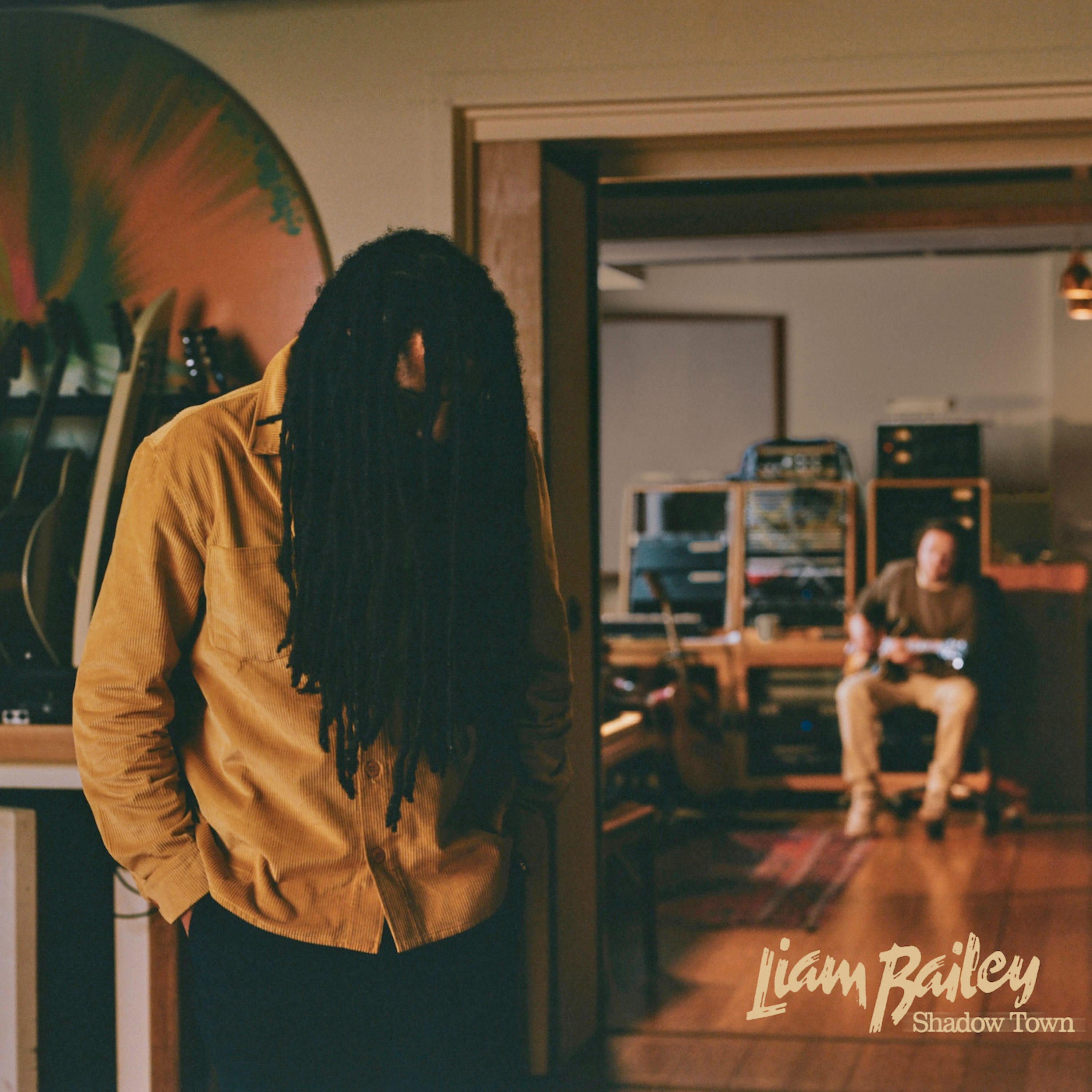
Amy Winehouse heard a demo and signed Liam Bailey to Lioness Records in 2010. Polydor shelved his debut over disagreements. He co-wrote Chase & Status’s “Blind Faith” and watched it hit No. 5 on the UK Singles Chart, then gave the next decade to records with Salaam Remi, Leon Michels, Sleaford Mods, Lee “Scratch” Perry, and Paul Weller while the industry kept trying to file him under one genre at a time. Bailey’s the son of an English mother and a second-generation Jamaican English father; he grew up speaking Patois with extended family, a Nottingham accent at home, and something closer to London everywhere else. For the length Shadow Town arrived, five studio albums deep and released independently through his own Home for Us imprint, Bailey had already been reggae (the Big Crown records with El Michels Affair), folk (the Thrill Jockey album with The Accidental), and soul (the Hogarth-produced debut that Polydor tried to own). Bailey freestyled the songwriting in Jimmy Hogarth’s Hampstead living room, and “Trauma” came from a psychology book he picked off the studio shelf, its clinical definitions of childhood damage (“Child’s sense of self is repeatedly threatened/But the child in no way possesses protection of essence of themselves”) feeding straight into a chorus where he chants “Trying to kill it, kill it, kill it/Killing your life away.” On “Got to Love You,” he croons, “It’s okay, now honey, I won’t change,” and then the culmination arrives: “Break me/Call me/And I beg you, beg you, beg you.” —Alexandria Elise
Michelle David & The True-Tones, Soul Woman
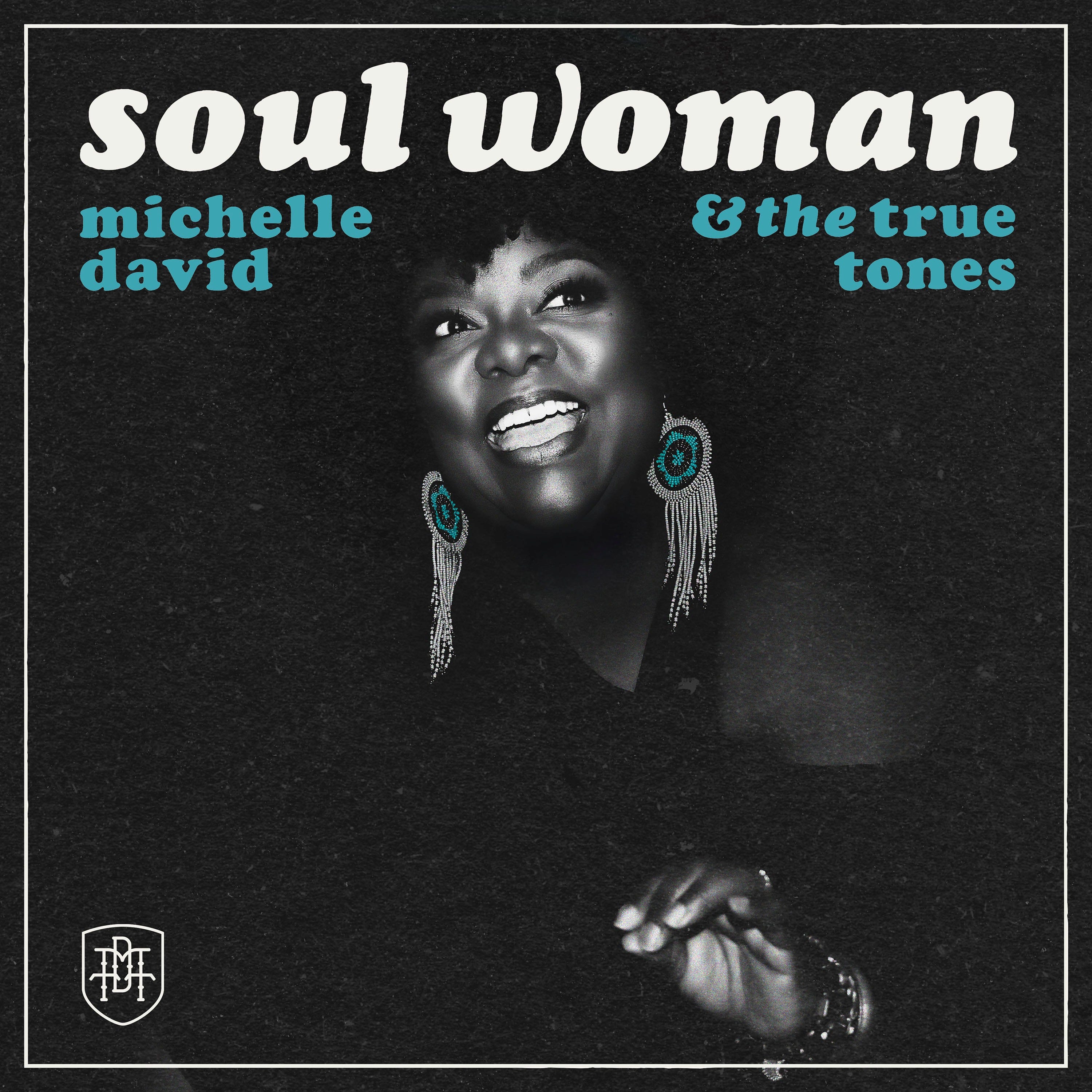
“How can I ask others to take time to reflect on their lives if I’m not doing the same myself?” Michelle David pondered before creating Soul Woman, and her seventh effort with The True-Tones was born of that question, turning its gaze inward. Their 2024 LP, Brothers & Sisters, cast a wide net across the world and its conflicts. Soul Woman is a self-analysis. A New Yorker raised in church, David started singing at age four and fronting her own group at five. In the years between, she worked on Broadway and backed Diana Ross, and eventually ended up forming The True-Tones with Dutch musicians Paul Willemsen, Onno Smit and Bas Bouma in the Netherlands. Soul Woman is lush, the way three men playing their tight, warm analog arrangements in a nice room always will be. Willemsen and Smit alternate guitar and bass parts while Bouma provides a dry, punching rhythm section; small, the arrangement leaves a huge lane open for David’s voice. “Running” barrels forward like a fast, breathless Northern Soul floor-filler, the kind of song made for sprinting toward the dance floor in advance of the refrain. A similar, uptempo gait is also found on the blues-informed, all-the-way-through urgent “Golden Sun.” The album's fastest track, “I Thank You,” is nonetheless driven by David leaning into the tempo and stretching her notes with the muscle memory of a church gospel shout singer. —Imani Raven
Elmiene, sounds for someone
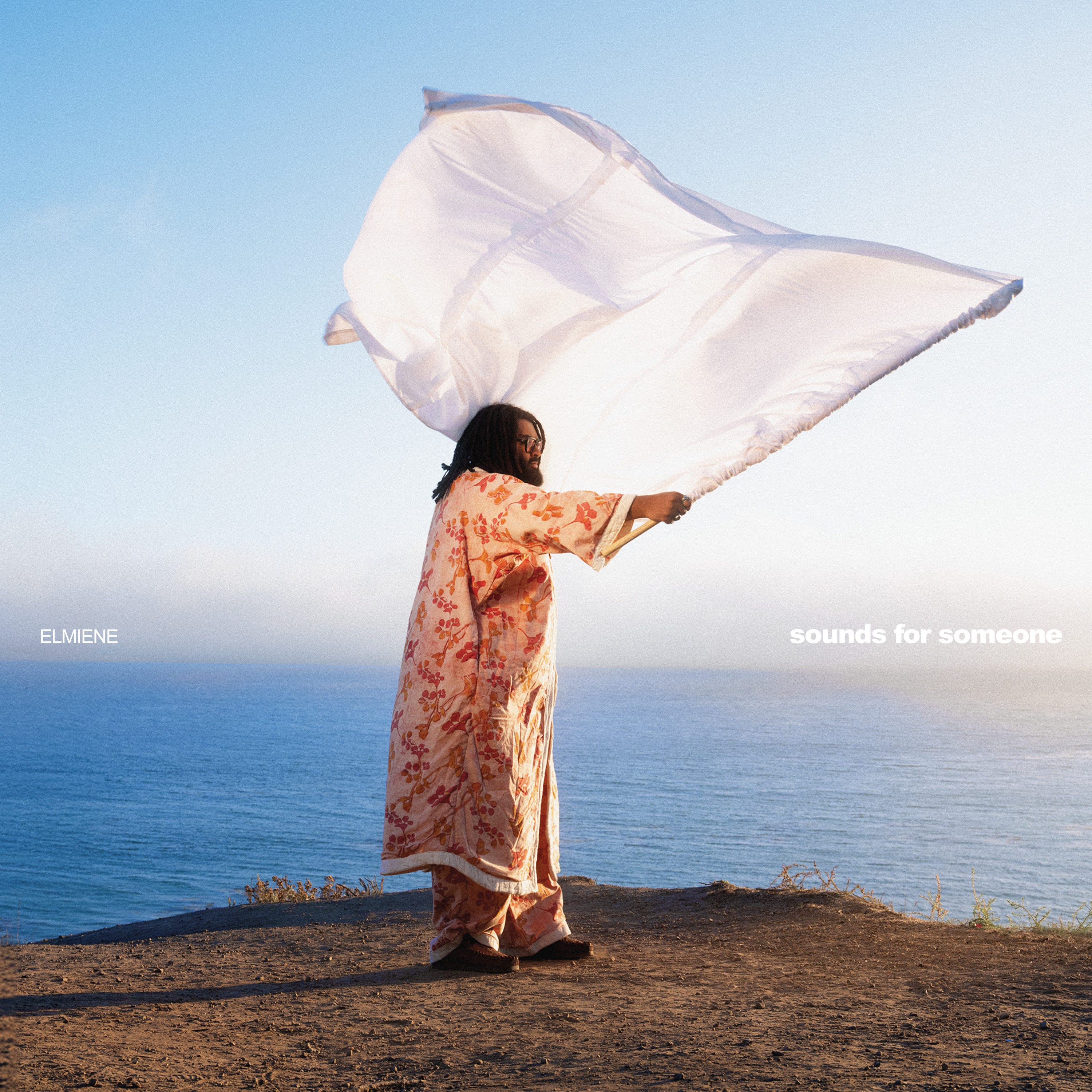
Since his virality, Elmiene released four EPs and a mixtape over the last three years with the likes of Sampha, Syd, BADBADNOTGOOD, D’Mile, and Jeff “Gitty” Gitelman, and somewhere in the middle of that realized that 7 out of 10 of his new songs were about his father. sounds for someone is that realization made manifest. On “Cry Against the Wind,” Andrew Aged and Buddy Ross lay down a woozy set of keys underneath Elmiene as he cops to the album’s ugliest line—“I’d watch the whole world drown/To see you cry again”—and then watches the tears evaporate in the wind, a punishment of its own. On “Don’t Say Maybe” Ghost-Note and No I.D. Provide him with the album’s most uptempo groove, snapping and insistent, and Elmiene use it to lose the pleading that saturates every other track. “Lie With Me” asks a lover to fake it, to lie, to allow him to believe what they don’t believe until he’s over it—which feels like pretty much the same transaction he’s attempting with his dead father on “Told You I’ll Make It” when he arrives at the house, turns the key in the lock and then can’t get the door to open. “Reclusive,” inspired by a bad spell Elmiene had in late 2024 and Biz Markie’s genius at making mundane thoughts stick, goes into the minutiae of evasion (wake up, play video games, consider leaving the house, do not leave the house). Elmiene was born in Frankfurt to Sudanese parents; was raised in Oxford by his mother; was the grandson of poets, on both sides, and musicians, on both sides. He was raised in a house where articulation was not a choice, but volumes were open to negotiation. All of these songs sound like it. —Marjani Fields
RAYE, THIS MUSIC MAY CONTAIN HOPE.
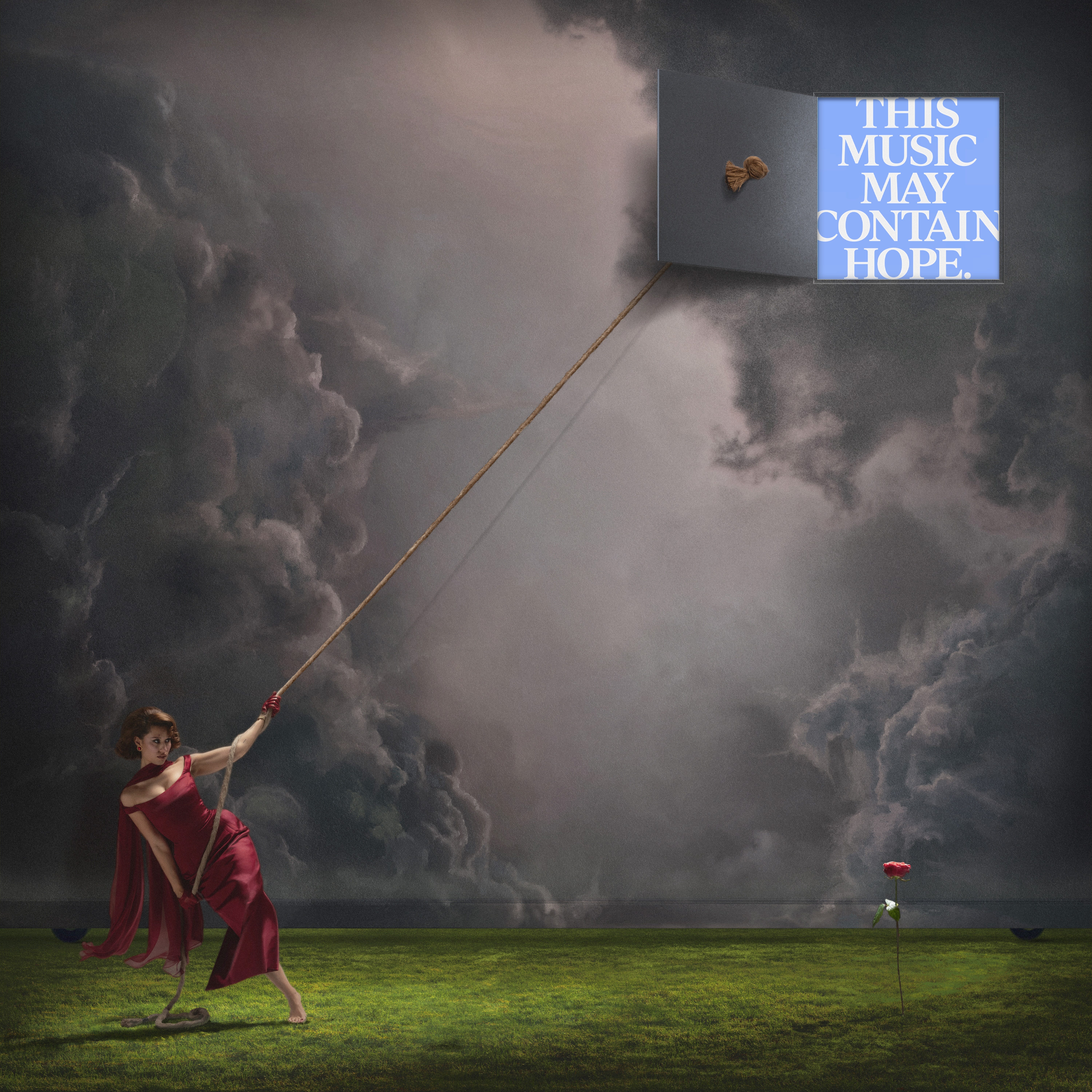
Sixteen was Rachel Keen’s age when she was signed to Polydor, seven years spent co-writing hit after hit and writing for other people. Beyoncé, Charli XCX and John Legend have all sung her work, Keen collecting her ghostwriting checks, and waiting for Polydor to finally let her produce her own work. They didn’t. Keen came out of the closet as the author of several major hits in 2021, left Polydor and was subsequently signed to distribution company Human Re Sources and released My 21st Century Blues independently. It went on to win six BRIT Awards in one night (breaking the all-time record). On THIS MUSIC MAY CONTAIN HOPE., the artist who spent her entire 20s co-writing for everyone else can finally say the thing none of her assignments asked for-that she is lonely, has been lonely for a very long time, and she suspects that it will not kill her but is nevertheless a bit more enjoyable with company.
The men who populate this album are each provided with a crime scene, the South London Love Boy taking your arse before you’re sitting, pulling up in an all-black car, spouting poetry out the window; the “WhatsApp Shakespeare” sending cursive kisses and sappy verse, refusing to put his name on paper-by the end of the track RAYE finds herself playing one of seven leading ladies in a romantic thriller to which she was not privy; 79-year-old Al Green arrives from Memphis to explain that it will always take effort, and his voice coupled with RAYE’s is perhaps the most lopsided, perfect duet recorded this year; meantime, her grandad Michael arrives in Memphis to reply to a voicemail she sent him months prior-her sisters Amma and Absolutely are clapping their hands, guaranteeing morning is coming, and the family comes through not as guests but as a reason RAYE can be this sad and still not fall apart. —Hana Beltrán
Jill Scott, To Whom This May Concern
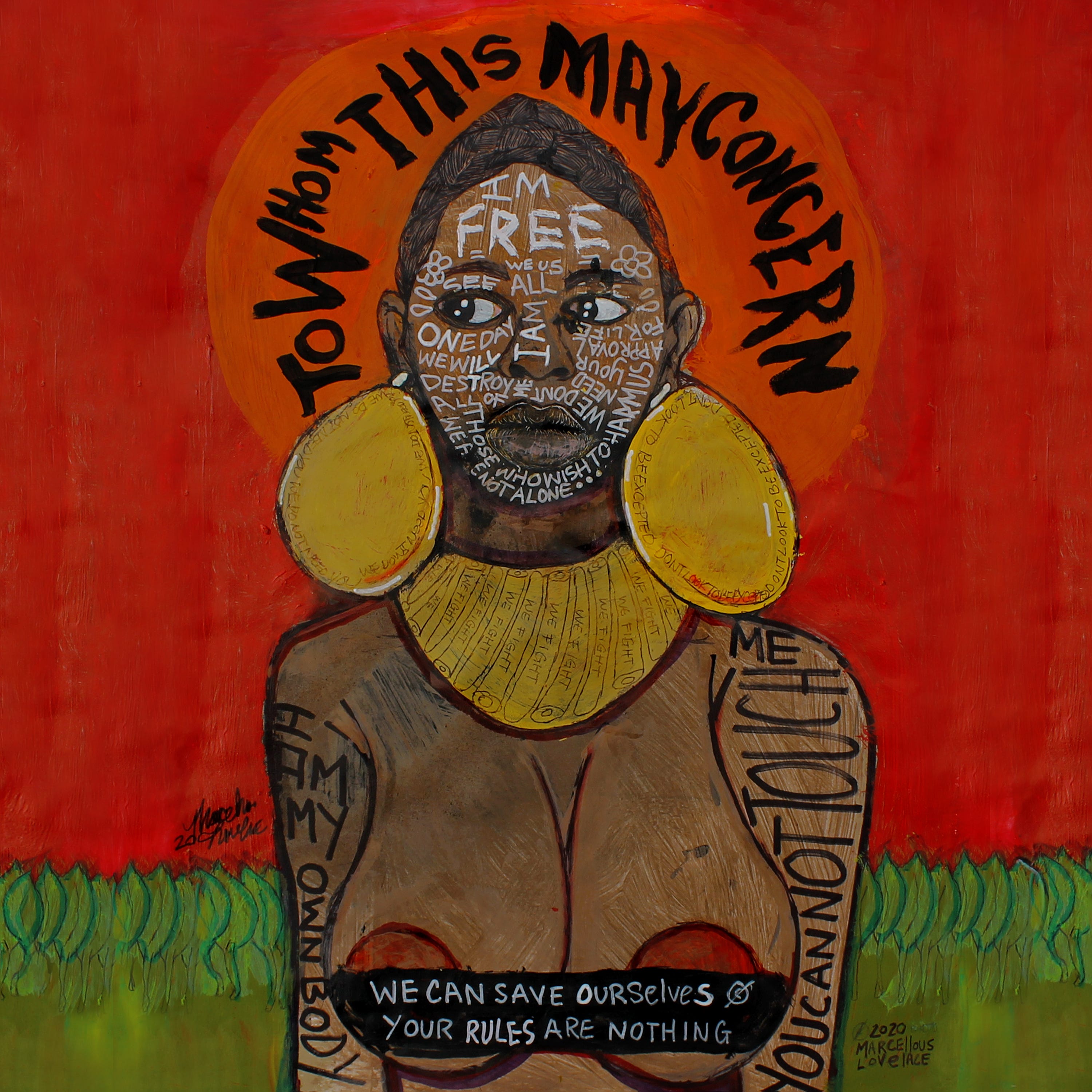
After eleven years in between albums, Jill Scott comes back ready to fight with two fists, one wrapped in silk, one covered in brass knuckles. “I married a bitch,” she announces on “Me 4,” walking through two divorces and their aftermath with the same comical clarity she previously reserved for describing bubble baths and incense. “Dope Shit,” a mid-album track from the singer, has Maha Adachi Earth taking her word before Scott even gets to the mic. The Philly singer’s sixth album is a collection from a woman who spent 11 years collecting and cataloguing the things she had to say, discovering that the words still had relevance, and was still willing to be accompanied. Scott, on “Be Great,” layers horn blasts from Trombone Shorty underneath her self-coaching. The words, “I’ma go ahead and be great, why not?” landed without flinching, an announcement made with the confidence of someone moving at full speed. On “A Universe,” love ambushes her when she thought it wasn’t coming. “I felt like my love life was finished/I was satisfied, believe me/I got my music, my family/Genuine friends who love me,” Scott confesses on the track, and the surprised delivery rings as true as her happiness once did.
With “To B Honest,” JID’s packed-to-the-brim rhyme schemes are in sharp contrast to Scott’s airy delivery. The tension of both performances together elevates the track far beyond the sum of their parts. The groove of “Beautiful People” is warm like Valentine’s Day in one moment and critical of “algorithms and wicked, wicked systems of things” in the next. On “Pressha,” Scott takes on the burden of beauty myths, status games, and social pressures with one word, then sheds them with a laugh. This is a huge record because she had specific people to talk to on To Whom This May Concern. She delivers shade with sass at ex-husbands, delivers comfort to young women calling her about love on “Right Here Right Now,” acknowledges the DJs who propelled her career through house music, and speaks to ancestors with a familiarity that comes from an actual relationship and tending to them over the years of her silence. —Kendra Oluwaseyi
April + VISTA, Traditional Noise
A mock pharmaceutical ad opens the album: “Are you restless? Afraid? Can’t seem to focus? Reduce your existential panic today with traditional noise for anxious adults.” It sounds like someone rehearsed the gag on index cards. Then the actual music hits. The duo (April + VISTA), who met at a Busboys and Poets after April George found one of Matthew “VISTA” Thompson’s beats on SoundCloud, both fresh out of Hampton University, and they’ve been making EPs and singles for over a decade, including a 2023 project with Little Dragon, without ever committing to a full album. April writes about interior collapse using trees, brine, tides, sap, crystal lakes—the physical world doing the emotional work that abstract language won’t. On “Grotto,” she admits she ran so fast she left herself behind, then spends four and a half minutes looking for a grotto that might wipe her clean. She doesn’t find it. “The silence I pursued emptied out my mind,” she sings, and the cleansing she came for turns into another kind of loss. On “Bless My Heart,” April sings “Lost myself there, bless my heart” while TonyKILL’s ad-libs crowd the background and the song tilts toward “Flush it down the barrel of a gun.” The pharmaceutical ad promised a cure. The songs hand you the diagnosis. —Imani Raven
Ari Lennox, Vacancy
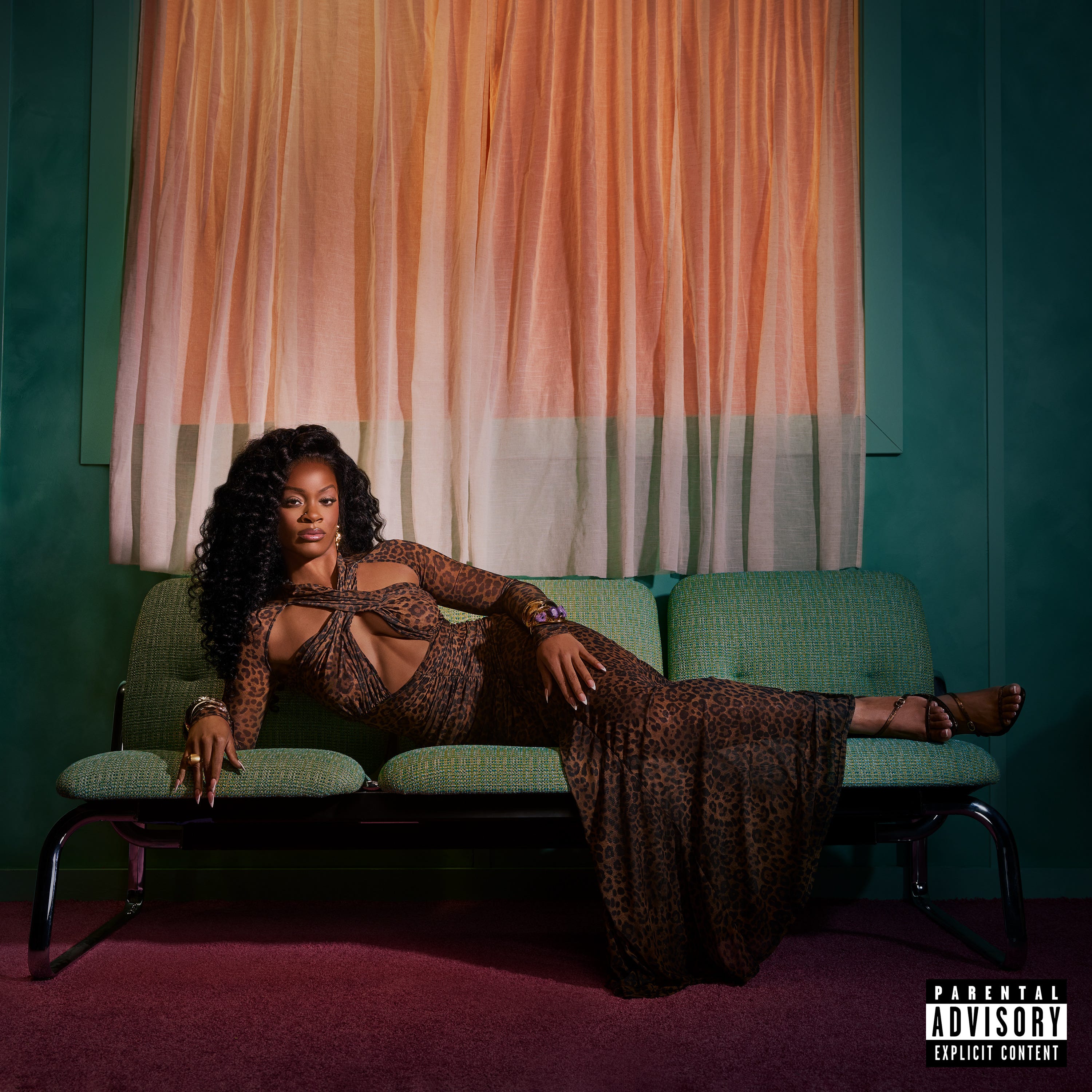
Six months after leaving Dreamville, feeling exasperated by how the label had treated her career, Ari Lennox’s most confident effort arrives. Vacancy took three years and a variety of cities—Atlanta, LA, Miami-to complete, with Elite taking charge of the final recording sessions. Lennox, with writer’s credit on every song (something R&B singers of her stature rarely have, it should be noted), starts her album with “Mobbin’ in DC,” which instantly announces her DMV affiliation with Elite’s production at its warmest and most unhurried over Lennox’s breathy alto. Her album’s heart is the title track; it finds her reunited with Jermaine Dupri and Bryan-Michael Cox, producers of her platinum single “Pressure.” Their rapport still feels intact: interpolation of the Flamingos’ “I Only Have Eyes for You” on “Under the Moon,” with the famous “sha bop sha bop” over a smoky bassline, as Lennox wails about a lover who is potentially also a werewolf. It lands somewhere between charming and camp, which, as you can probably imagine, is no small feat. Lennox masterfully balances classy and freakiness without straying too far into either: “Pretzel” (as in: she wants to be tangled like a pretzel), for example. As does “Highkey,” over a bed of fluttering vocalizations, which she chants “let me be your freaky lullaby.” She is looking backwards, but the past references never swallow up her individuality, and it is finally clear that Lennox is enjoying herself with her voice. And she’s utilizing all of it. —Jamila W.
Moonchild, Waves

The members met at USC in 2011 while they were all studying jazz. 15 years later, they’ve released their 6th album, and it’s their first one that isn’t written about romance, but instead grief. In October 2024, they had to announce Waves, the same week D’Angelo died, and it hit them hard. “He is our north star. There really wouldn’t be Moonchild without D’Angelo,” Navran said. Waves includes collaborations from Jill Scott and Rapsody on “Not Sorry,” Robert Glasper and D Smoke on “Up from Here,” Lalah Hathaway and Chris Dave on “For Yourself,” and PJ Morton on “Fear (Hey Friend),” while Elena Pinderhughes guests with a flute melody throughout. String players from the Latvian National Symphony Orchestra play on most tracks. Recording it in person shows a stark difference after Starfruit (2022), their Grammy-nominated album that they made via Zoom during lockdown. “Strong” instead asks for someone else to support: “I didn’t need you to be strong/I needed someone/Someone to cry with me/Someone to hide with me.” “For Yourself” turns its energy outward, with Hathaway proclaiming, “Dust off your cape/Get your mind right/It’s time to fight, girl/Fight for you/Don’t you let nobody/Take you back there.” “Ride the Wave” shows them surrendering to the wave of loss and rebuilding. You can see that their love songs are all gone, and in their place are songs written about getting through life without the ones that wrote them. —Yara Blake
Alex Isley, When the City Sleeps
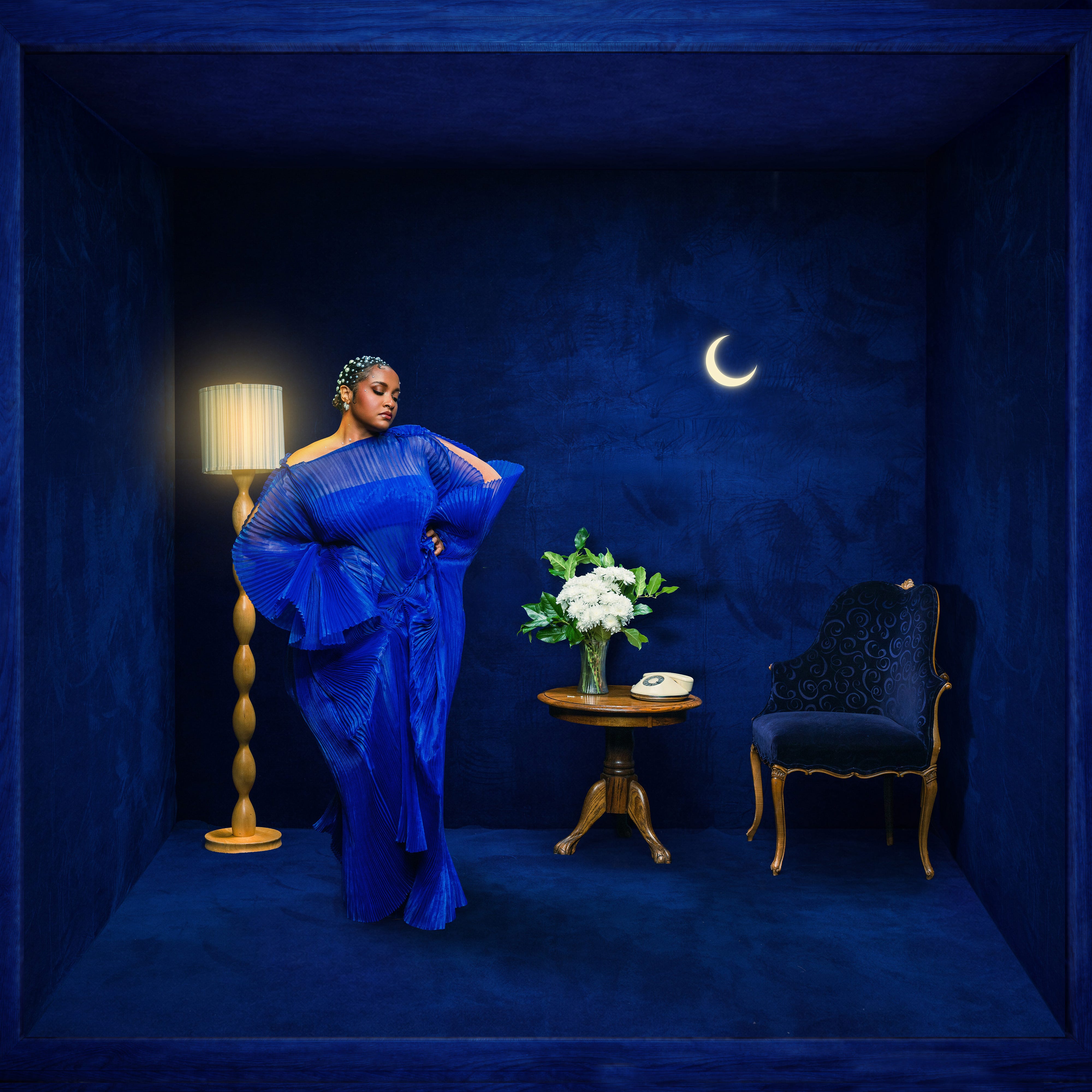
Her father, Ernie Isley of The Isley Brothers, has a daughter who was born perfect and synesthetic (she saw colors on a keyboard of chords), which made her abandon pieces when she felt the chord had come out at the wrong hue in her head. But the production from Jack Dine resulted in Wilton and Marigold, and her I Left My Heart in Ladera, with Terrace Martin, led to her first appearance on the Billboard chart and two Grammy nods. Nothing in the universe could have prepared us for When the City Sleeps, an album that moves like a late-night cruise down Vermont Ave with all the windows down and no destination in mind. It’s the songs when Isley knows the answer already and yet chooses to stand there still, that survive—“Fool’s Gold” begins with the rhetorical question, “What’s to be said of the weather when it’s raining cold,” while the D’Mile produced “Sweetest Lullaby” requests the lover leaving to at least make their departure beautiful. “If you really have to lie/Lay here with me beneath the light/Sing the song of you and I/Make it the sweetest lullabye.” She knows it’s a lie. She wants you to try harder at it. The whole album exists in the space between her unwavering assertion of self in “Mic On” and those tracks that substantiate when that belief doesn’t make her immune to wanting someone who’s unwilling to meet her halfway. —Tori Hammond
Mack Keane, Wide Eyed
The first expectation of readers should be that Mack Keane does not share the blame in any of these situations. Claiming responsibility in full, not shared, not diluted, and not tempered, for every single relationship failure, is the first expectation of listeners of the album. Mack Keane is the grandson of Del-Fi Records founder Bob Keane, a son of session pianist Tom Keane, and the cousin of “La Bamba” with Ritchie Valens. Self-legacy could be a focus for Keane, but instead, family history presents the framework for a sensational psychodrama: romance from self-destruction. The same pattern is apparent on every single track (all of which avoid the entire spectrum of self-honesty): remaining in an unreciprocated relationship, ignoring the unbearable for an unmeasurable length of time, staying through a relationship no one is blind to the inevitable ending. “Honeymoon Dreaming” gets the most honors for deceiving cruelty. By the last verse, the melody, tone, and everything about the verse stays the same, except the last verse has a new set of lyrics. Detailing the destruction, it leaves a cigarette menthol that won’t leave his head, and a lipstick mark. The menthol does more than all the apologies around it. “Candycrush” (yes, after the app) gives a half-laugh in lines about puppy love. The half-laugh is disgusting but funny. —Jhanel