

The 50 Best Rap Albums of 2026 So Far
Rap had its best year in recent memory, and the discourse spent it relitigating one major-label letdown nobody plays for fun. It could have run a hundred and not dropped in quality.
Spend any time online, and one conclusion comes out of it, over and over. Rap is cooked, creativity is a bygone, and the genre is running on fumes. All the examples offered to back up this claim are always the same, bloated blockbusters made by the titans, the trilogy album (supposedly was going to save the genre) that no one actually defends on merit, it’s just argued over like it’s a scoreboard. Here’s what the scoreboard leaves out. Whilst the major disappointment records soaked up everyone’s time, 2026 quietly produced one of the richest years in hip-hop over the past decade—almost none of them by names used in these arguments.
The argument is in the breadth. The albums that follow were made in Detroit basements and Buffalo soul-sample warehouses, in Cape Town and Belfast and Lausanne, in a converted church in South Wales. They’re made by chefs, ex-cons and first-generation kids who learned another language before their flow, by rappers over fifty spitting as hard as when they were thirty, and rapper/producer pairings that never even stood in the same room while making the year’s best albums. The underground and indie labels blew past the load and didn’t look back.
And here is the part that should put the debate to bed. This list is fifty records long, and the cutoff to hit another fifty would shame the year-end lists from almost any publication. The year had depth enough to make fifty records without an ounce of filler, and anyone claiming hip-hop died should put the next fifty of those next to whatever they think is good right now and explain the gulf between them. Rap just needed people not to get caught up on the one record they love to hate, and the other ninety-nine that are sitting right there, waiting. Not saving in 2026 by one artist.
Roc Marciano, 656
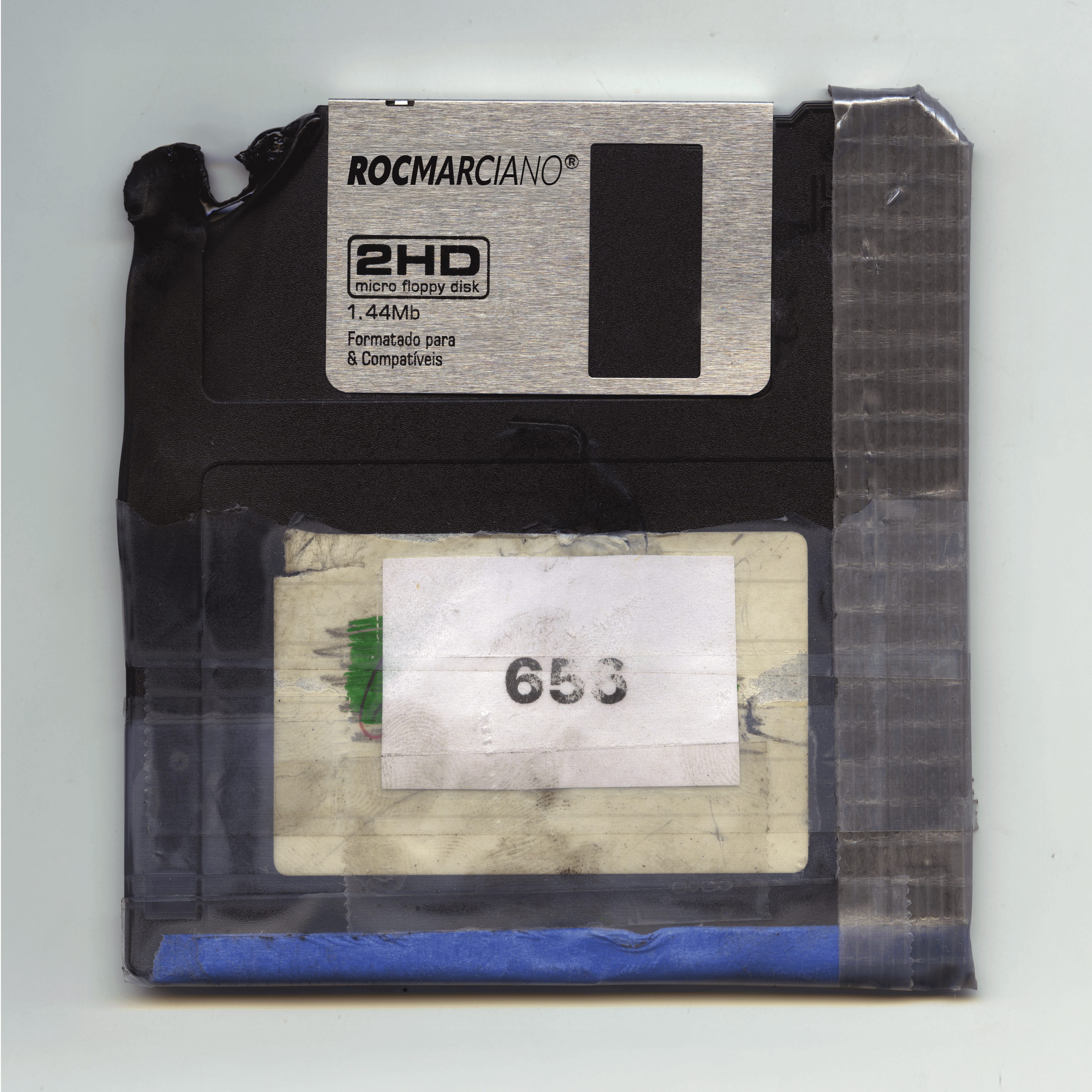
656, “neighbor of the beast,” puts Roc Marciano one numerical away from damnation, right where he’s been for the past 15 years. The album itself clocks in at a trim 32 minutes, each track produced by him under his Quiet Luxury moniker, and the shortness isn’t conservative so much as efficient. If you know the exact path, why take too long? Marciano pioneered mafioso rap during the early aughts before peeling off the major label gloss to expose frayed loops and hollow, disembodied drums like survivors of an RZA-flooded basement. Marcberg’s retooling expanded the horizons for underground street rap, and absolutely everything to come (Griselda’s multi-album expansion, Mach-Hommy’s cryptic dispatches, the entirety of the luxury grime subgenre) flows from this early blueprint.
You know what you’re going to get production-wise; know it’s going to be every bit as cinematic as the lines are. “Trick Bag” opens with a slow pull back, setting the stage before he even clears his throat. Once he begins to narrate his heists and home invasions with the same dead-eyed drone as someone ordering a sub, his internal rhymes are intricate and dense, reward attentive listening, and his pleasure comes from its temperature: frigid. It’s icy cold even when discussing the hot shit. This one limitation is its greatest power; 656 has nowhere near the narrative scope of Reloaded, let alone Rosebudd’s Revenge. Instead, it’s a meticulously edited highlight reel in place of a grand narrative crime saga. You can spin it twice an hour and still feel wanting more. For hardcore fans, it’s the intended effect. For new fans, it’s an intense study of why the 47-year-old from Hempstead is still the North Star of this region of hip-hop, and why all the current copycats can’t cut the mustard despite already swamping the market. —Harry Brown
RJD2 & Supastition, According To…
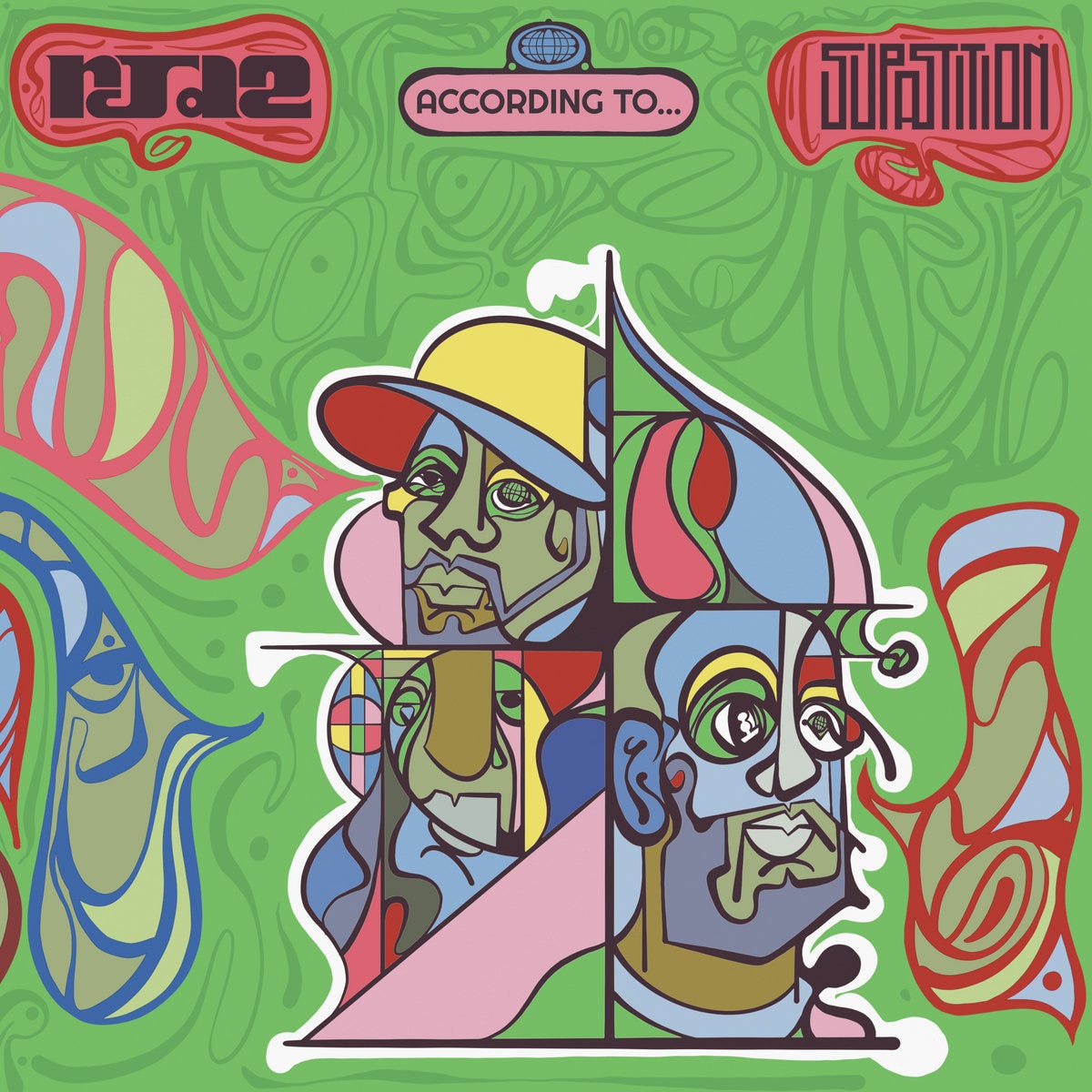
Most people define Supastition by the big-name rappers who have given him nods of approval—KRS-One, Royce da 5’9”, Little Brother—as if his own discography is a secondary support to somebody else’s trajectory. He selected the name because no one in Greenville, NC, thought that he’d ever do it, and after a tour through a dozen countries, several XXL features, and generally continuing as the kind of artist that has been both talked about more than he’s been bought. RJD2, who put Deadringer on El-P’s Definitive Jux in ‘02, made the Mad Men theme, and somewhere along the line began constructing his own hardware in Columbus, OH exists in a parallel world. According To..., their first full-length album in tandem, distributed solely through their own label, and the finished product only leaves one wondering why the hell they waited another ten years. On “Machines Like Us,” he surveys Cubicles that aren’t even pretty, paychecks written to erase ambition, blood pressure that climbs higher than salary and it ends with: your employers would sign a couple of sympathy cards, after you die tomorrow, they’d post the job by the end of the week. He drops this truth on you with a weary authority, a man who has indeed spent time staring out the window from that chair. “Wins and Losses” expands further on the family math. A cousin pushed dope and went to jail, came home, started up a business. Supastition only wants to win scratch-offs, until the line that shatters the track wide open: maybe God doesn’t want me to be a millionaire. He’s just trying to be secure, and lately he’s been paying attention to what his children are eating, and secure isn’t going to be enough. —Rian Frost
Mick Jenkins & greenSLLIME, A BLACK ASS KUNG-FU FLICK
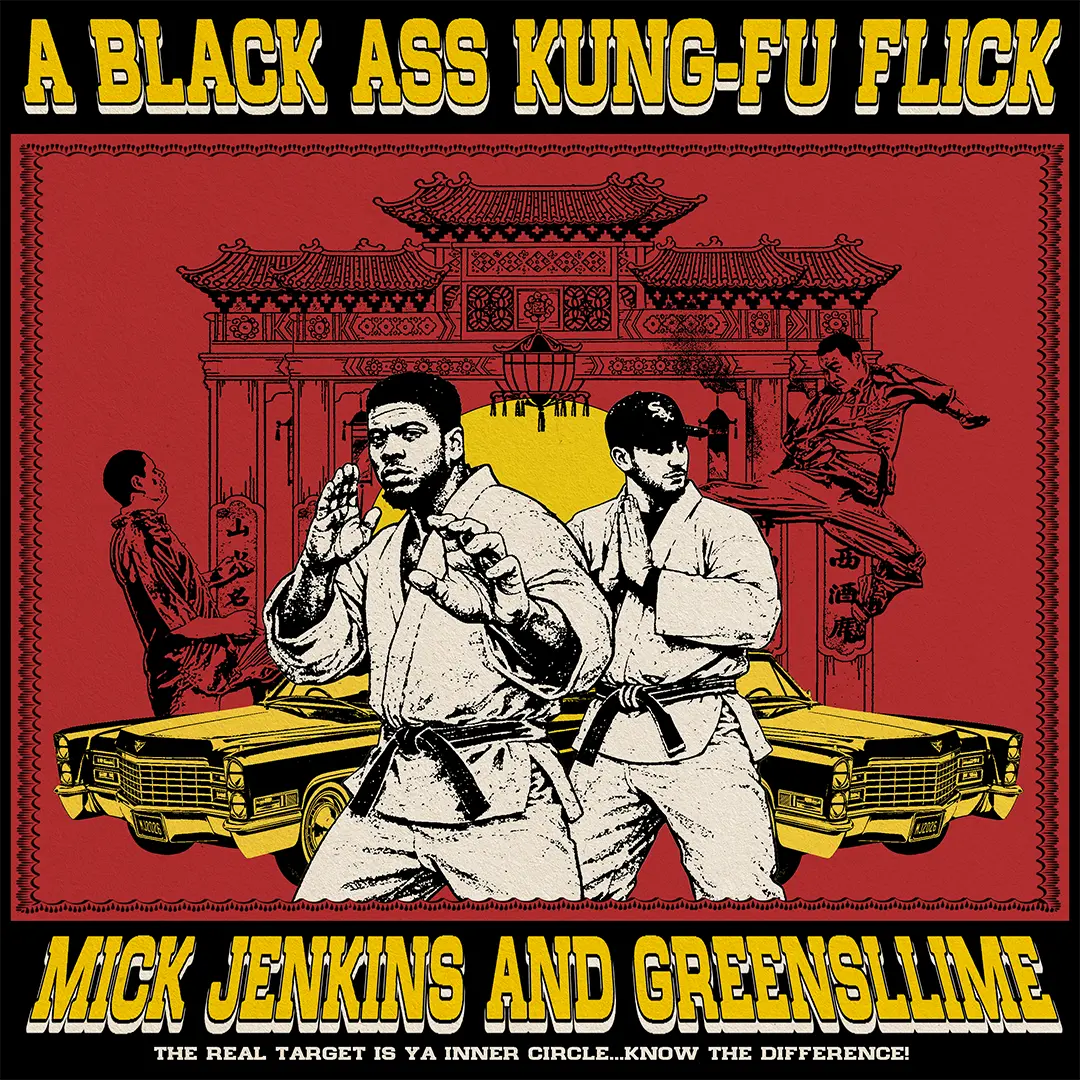
On A BLACK ASS KUNG-FU FLICK, everybody raps like the rent check bounced and the landlord is standing on the porch. Mick Jenkins and greenSLLIME built the project together after years of scattered guest spots —greenSLLIME produced Jenkins’s “Percy” back in 2019 —but this is the first time they’ve locked into a full record, and the South Side of Chicago comes through in every bar, down to the block names and the funeral details. The title borrows from blaxploitation and martial-arts mythology; the music borrows from neither. Their dynamic runs on incompatible processing speeds pointed at the same wreckage. greenSLLIME calls out Gordon Parks, Larry Hoover, David Barksdale, and Chief Malik, then tells the chief of police to read and weep on “Kaiju.” Jenkins responds with morning-labor imagery (cracking dawn, catching worms, whipping biscuits) and a dare disguised as a fact: “Read everything I ever wrote, you’d never quote a lie.” The best bars belong to the moments where both of them quit performing toughness and say something that costs them. On “Jungle,” greenSLLIME addresses a fourteen-year-old serving a life sentence and promises he won’t die alone, that he’ll smuggle truth until it overflows and crumbles the walls. Jenkins stacks tithes, Godiva butter toffee, and submarine pressure into a single verse on the same song, leaving the beat’s gaps between kick and sample chop to absorb the weight. —Kevin Matthews
Juga-Naut, Bootleg Boutique Mixtape
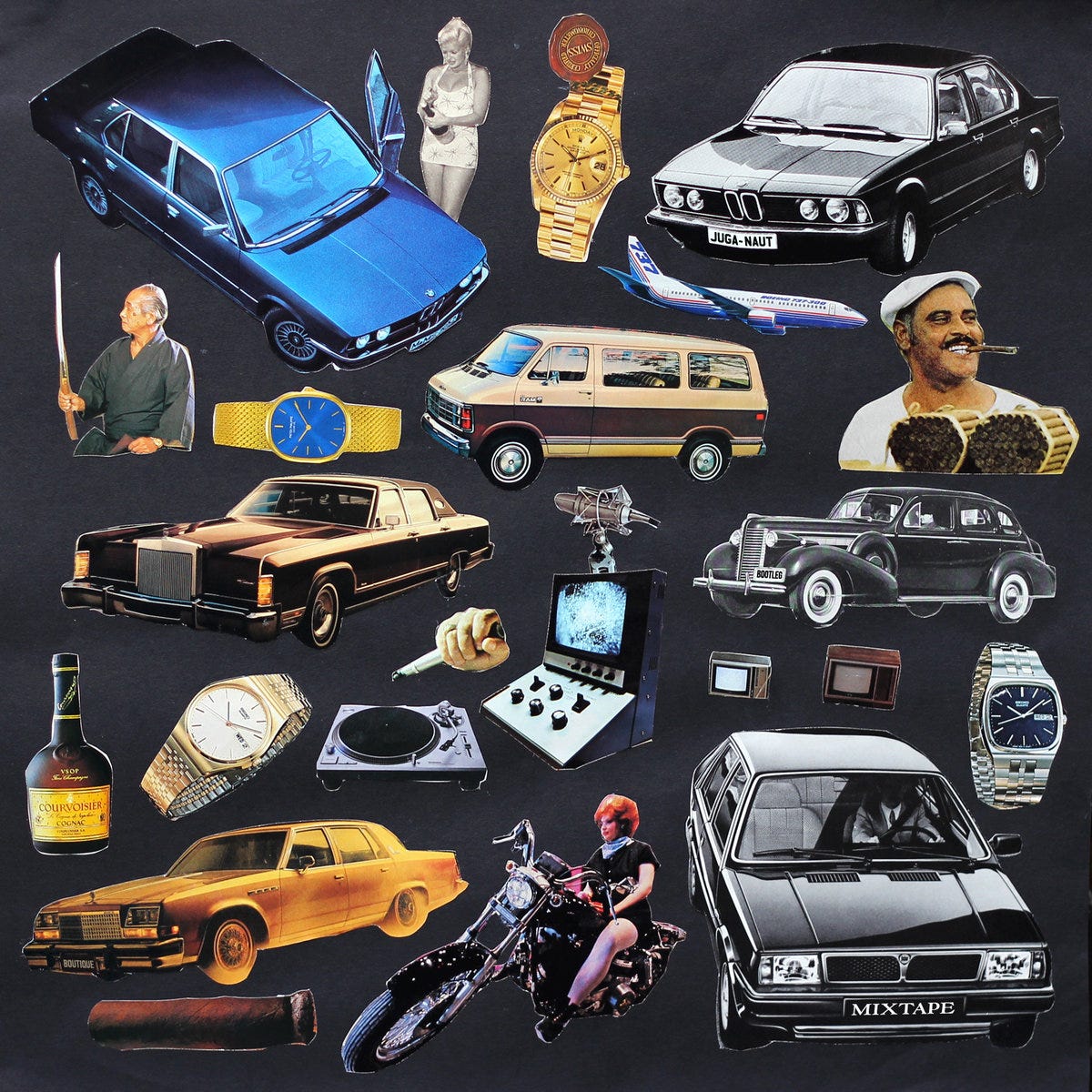
By the time you get about six cuts into this thing, you realize that Juga-Naut’s been rapping over Total’s “Can’t You See” and you hadn’t even realized it, nor did you miss Biggie’s verse as it turned out, because the Nottingham MC had occupied its sonic space so completely you didn’t even remember that it was meant to be occupied in the first place. That’s the wager that the “Bootleg Boutique Mixtape” is trying to make, repeatedly, eighteen times in a row: take a beat that people already know and make them hear it, not from its original wearer, but from this dude. Kool G Rap’s “Take ‘Em to War,” Cam’ron’s “Losin’ Weight,” Public Enemy’s “Don’t Believe the Hype,” even a Tekken soundtrack instrumental and a Friday the 13th score—all instantly recognizable within seconds, all effectively repossessed by a UK emcee who recorded, mixed, mastered, and drew the cover art himself at The Lodge Studios. He’s also a professional chef, and the same sort of knife-work seems to exist in his rhymes-internal rhyme schemes piled four and five deep, syllables carefully placed per breath, but none of it ever sounds forced, as it does on a cutting board.
“Ridiculous” allows him to blaze through a double-time rhyme scheme over the Capone-N-Noreaga “Invincible” instrumental, the lines of which fold back on themselves. “Cold Stone” uses Groove Chronicles’ garage-era “Stone Cold” and delves into murkier territory with the voice that sounds like it belongs on it—the story of staying independent as the music industry turns albums into content, but the realities of that never sound less than glorious. The beat selections also tell something; while he borrows heavily from a Tekken soundtrack instrumental and a Friday the 13th score like he does from Jadakiss, Kool G Rap, and Cam’ron beats, he switches gear for Teena Marie’s “Portuguese Love” for “In Lisbon Again,” and Gwen McCrae’s “90% of Me Is You” for the tenderness of “Doing 100%.” The beat from another Tekken cut, this time the “Silent Assassin cool-head mix,” provides the basis for “Playstation Grey,” where Juga-Naut reflects on persistence, the dividends of never giving up in a craft that, more often than not, refuses to reward you. —Brandon O’Sullivan
dälek, Brilliance of a Falling Moon
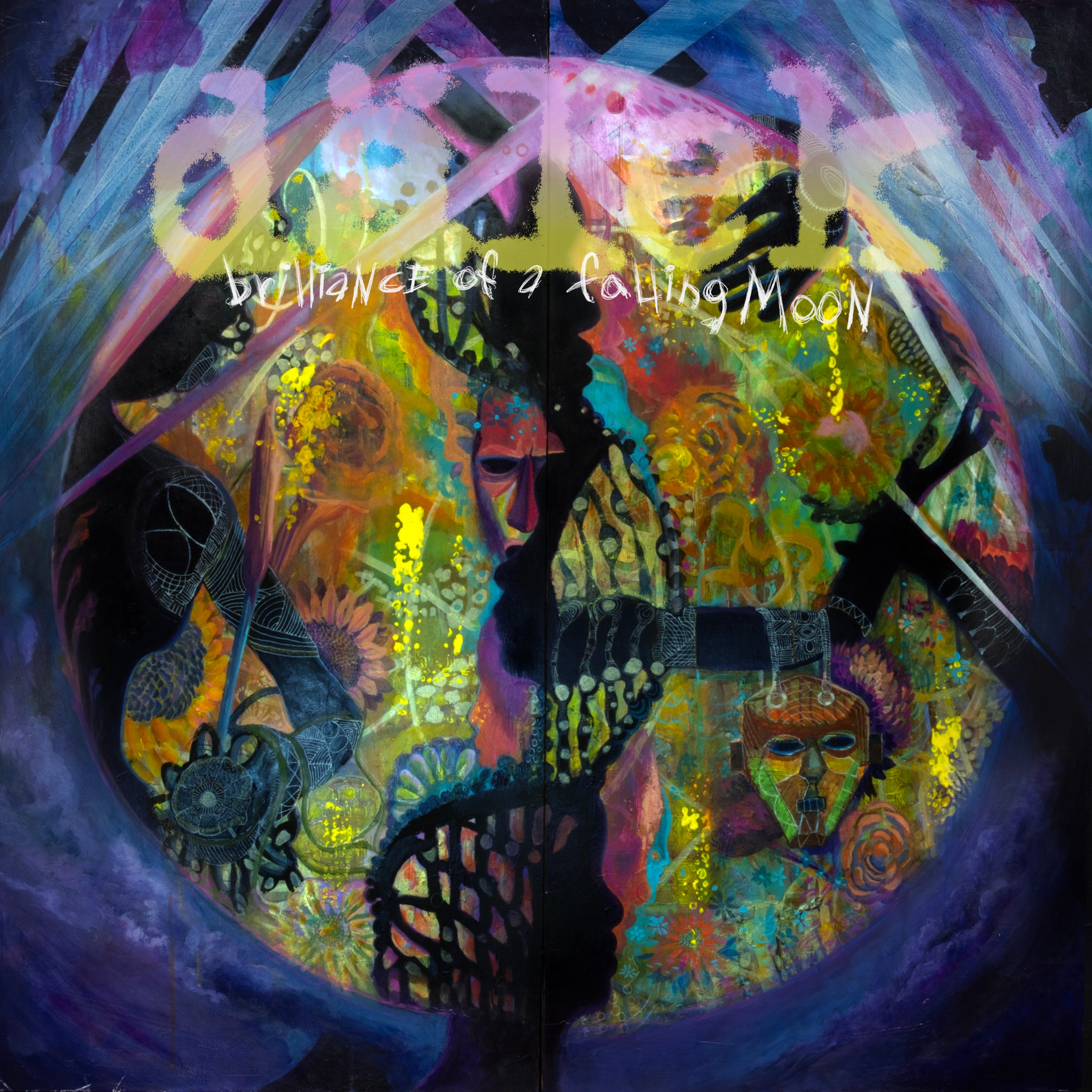
Won a college scholarship, used the funds to buy an MPC 3000, dropped out of school, and founded dälek with an old production partner, Alap Momin (whose production for dälek is nearly impossible to discern, as Brooks insists on being called like Van Halen; he was an earlier production partner) in Newark, New Jersey, in 1998. The same year dälek toured with Tool and De La Soul. Brooks also opened for Mastodon and played with Grandmaster Flash, yet insisted on and succeeded for nearly thirty years that dälek made strictly hip-hop. The same year COVID forced the shutdown of the group’s studio, he cut seven albums using a 4-track and his apartment, releasing them monthly on Bandcamp, and dubbed the entire practice “a ritual.” By the time dälek got to the other side of that process, Brooks was sharpened: the subject of Brilliance of a Falling Moon, his 10th LP to be recorded at the hands of producer Mike Manteca, he’s over fifty years old and raps harder, more pointedly, than he did in his thirties. On “By the Time We Arrive in El Salvador,” Brooks cannot shake the image of some bastard grandstanding backstage at an underage pageant, connects melanin level with disappearance rates, and connects the chain back to Flint. Larson, the author, writes “By the Time We Arrive in El Salvador” is the title of a book which documents the experience of a naive American family during the early days of Nazi Germany in 1933 and how they were unable to adequately prevent it. Brooks is not referencing the parallel with hyperbole; he’s already been shouting about the parallel for thirty years. The only difference now is that America finally matches the description. —Alexandria Elise
Baby Keem, Ca$ino
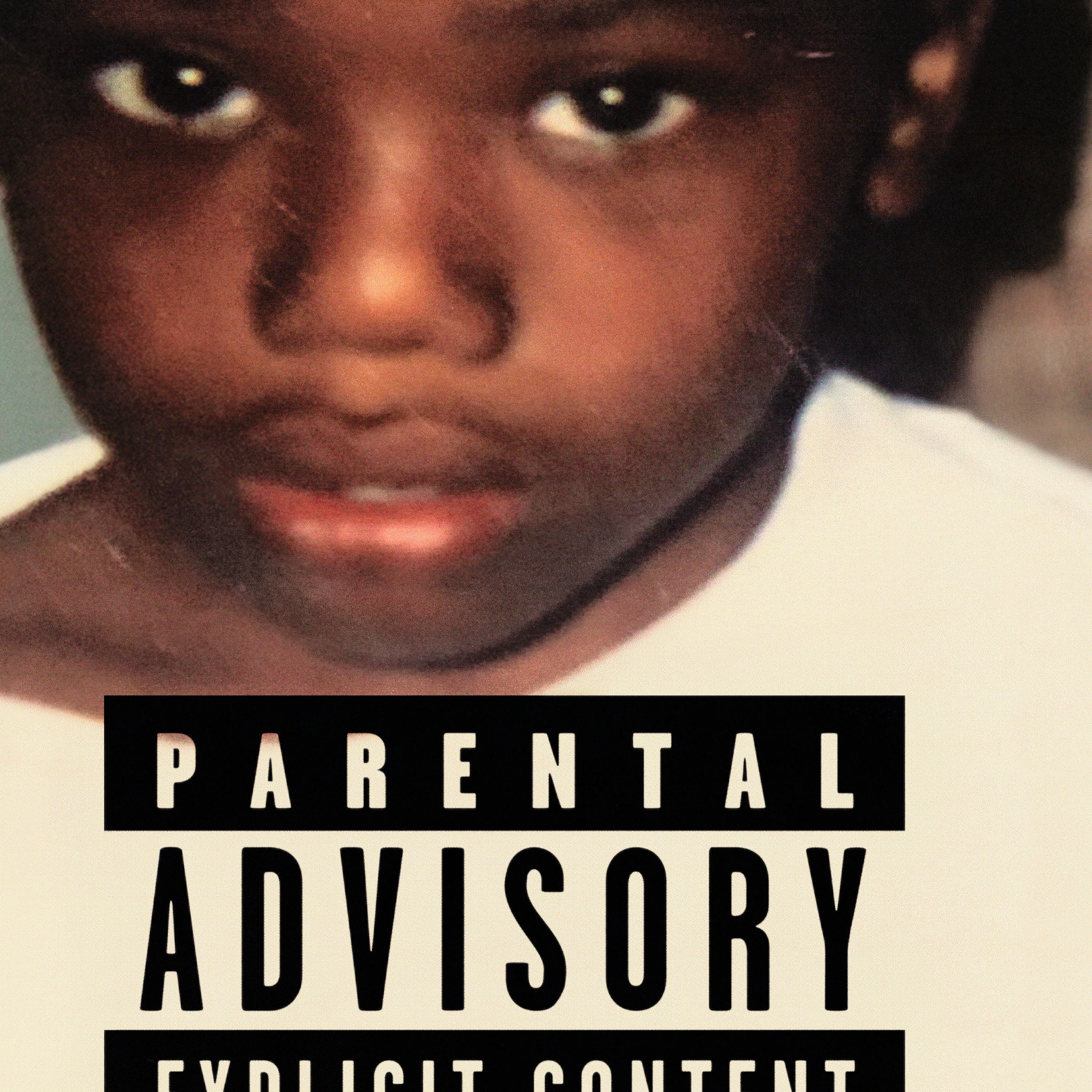
Keem was raised in Las Vegas, and uses a childhood photo of him, before neon was ever anything that stained his mouth, of his gap-toothed, smirking, on the cover of Ca$ino. The eleven subsequent tracks are an attempt to process everything that happened in the span between those two points. “No Security,” his opening track, uses a Natalie Bergman sample. Keem sounds as if he’s exhaled. His announcement to the Las Vegas crowd at the listening party that it wasn’t going to be possible to say nothing had happened within the silence of almost five years: “I named it Ca$ino, because that’s where I went through the things I went through. That’s what shaped me to be here today. A lot of these stories [on the album] I used to be embarrassed to talk about. But I kinda changed my perspective on that—it’s not embarrassing, it’s empowering. I wouldn’t change my story for anything. This album is for the child that walks home slow.” His second album would’ve initially been titled after his mother (Janice). But not exactly as we now know it, since it was initially named Child with Wolves. “No Blame” is dedicated to her. That track, about his mother’s cigarettes at home, her pill-popping when she was pregnant, her nightly disappearances and her subsequent absolution, due to her own lack of a template as she raised herself in Chicago.
Keem’s cousin Kendrick Lamar shows up on “Good Flirts,” alongside Momo Boyd, also part of Infinity Song; the beat is all throwback R&B, and would suit all three artists if Lamar were somewhere within the room, rather than elsewhere in the ether. One of his fun tracks is “$ex Appeal,” with Too $hort. It’s a Bay Area party track that mixes $hort’s lewd storytelling, and Keem’s squeaky yelp, and the effect is delightfully, stupifyingly absurd. Another track swerves in alt-rock so boldly that you might question why Keem doesn’t explore it more, on “Dramatic Girl.” The “Circus Circus Free$tyle” has a shape-shifting Keem, and one or two of his flows would sound similar to Kendrick’s delivery on Section.80. He’s honed his voice and zeroed in on his targets. The bouncy humor of The Melodic Blue has been replaced with a darker gravity; not every track is equipped to handle the weight and nighttime drum lines that underline Keem’s most naked lyrics yet. —L. Ari James
Black Milk, CEREMONIAL
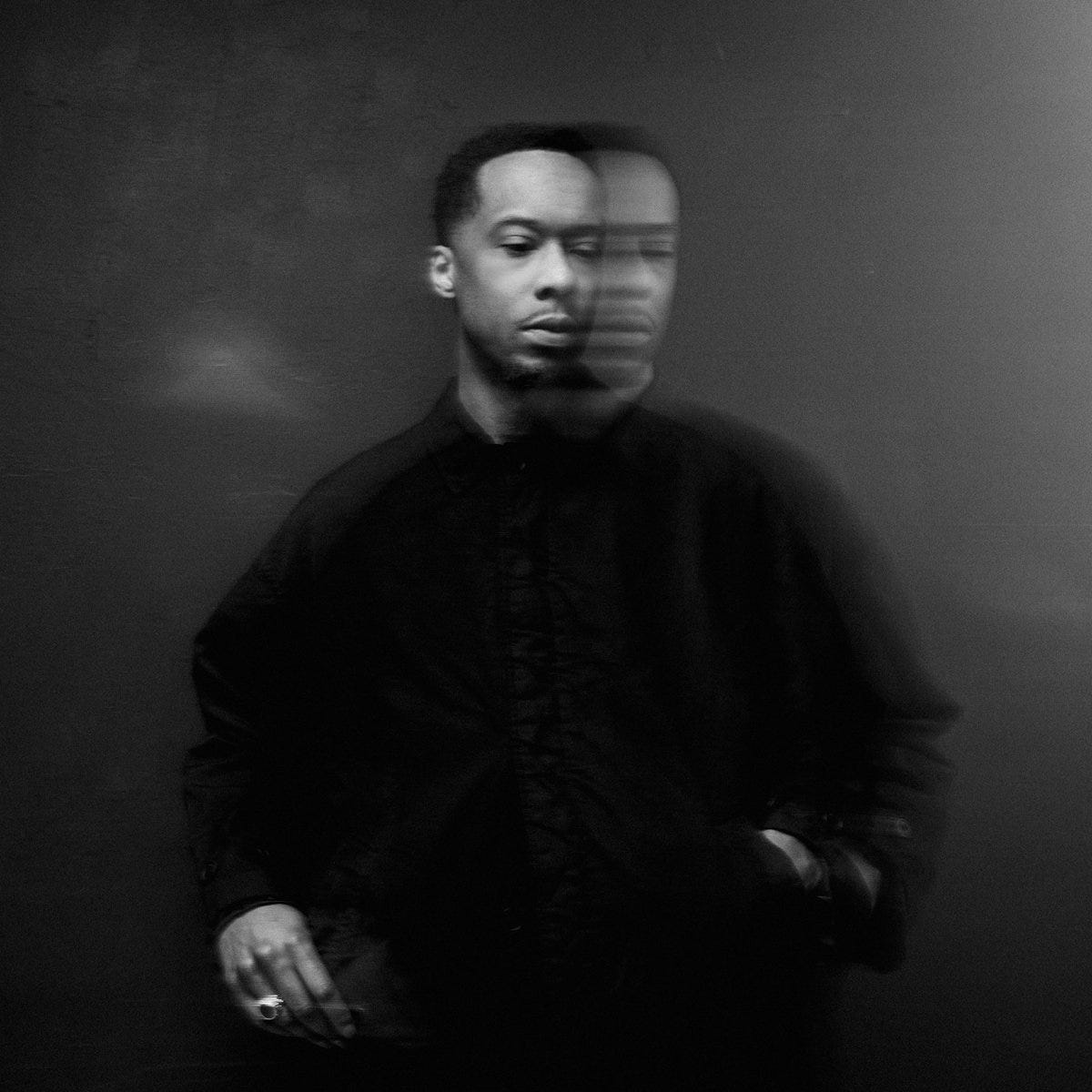
Twenty years running, and Curtis Cross still has the same room in Detroit. CEREMONIAL is a session tape on “record” when the “red light” is typically on. The tape is covered in a dusty relic with musicians playing beyond their time—and with no one counting the minutes. The walls of Stank Babies Studio, where Cross spent the last ten years of his life tracking the last remnants of his Black Milk alias, have become a permanent collaborator. “Dreams Not Only Made at Night” opens with the ‘corner store’ trip rush of friends, takes a muted (piano and drums) tempo, until someone’s “gone.” Ghosted where they’d been. A woman is seen entering the car of the wrong man and ends up face down on the pavement with the order barked at her by the cops while Sam Walker’s “Deadpan” shuffles in: shooting witnesses. Cross has no explanation to these stories, and that’s the beauty. Cross is not Michelangelo on “In the Sky,” there is no image of a ceiling that shall not be painted.
On “Right Time,” he calls his steps giant “like Coltrane,” but none of his achievements in life are the “main course,” but “condiments” in comparison. The self-mythology never feels forced; after two decades, he’s earned these comparisons. Jarelle James’ drums on “Crash Test Dummy” crack with air behind every snare—you can hear the wood and a small space—history. The keys of Ian Fink wander lose and slow through the instrumentals. “CEREMONY” itself runs unadorned: heavy drums, dusty soul loop, a chanting vocal, no arrangement, just production left to unspool. This one has dirt on it. BJ the Chicago Kid performs “YOUIT (Truth Be Told)” and Brandon Myster adds the only external beat. It is as if the Slum Village, Dilla-less era is present. Cross’ production for eLZhi’s The Preface is a staple in the extensive canon of Detroit rap in the 2000s. He started as an intern in Jack White’s Third Man Records, and it wasn’t until Phat Kat persuaded him to go down the solo path. Now, he’s painting that never-drying ceiling in the same room, with the same dedication. He will keep the tape rolling until someone finally intervenes. —Harry Brown
Duncecap & Samurai Banana, Comfortably Suffering
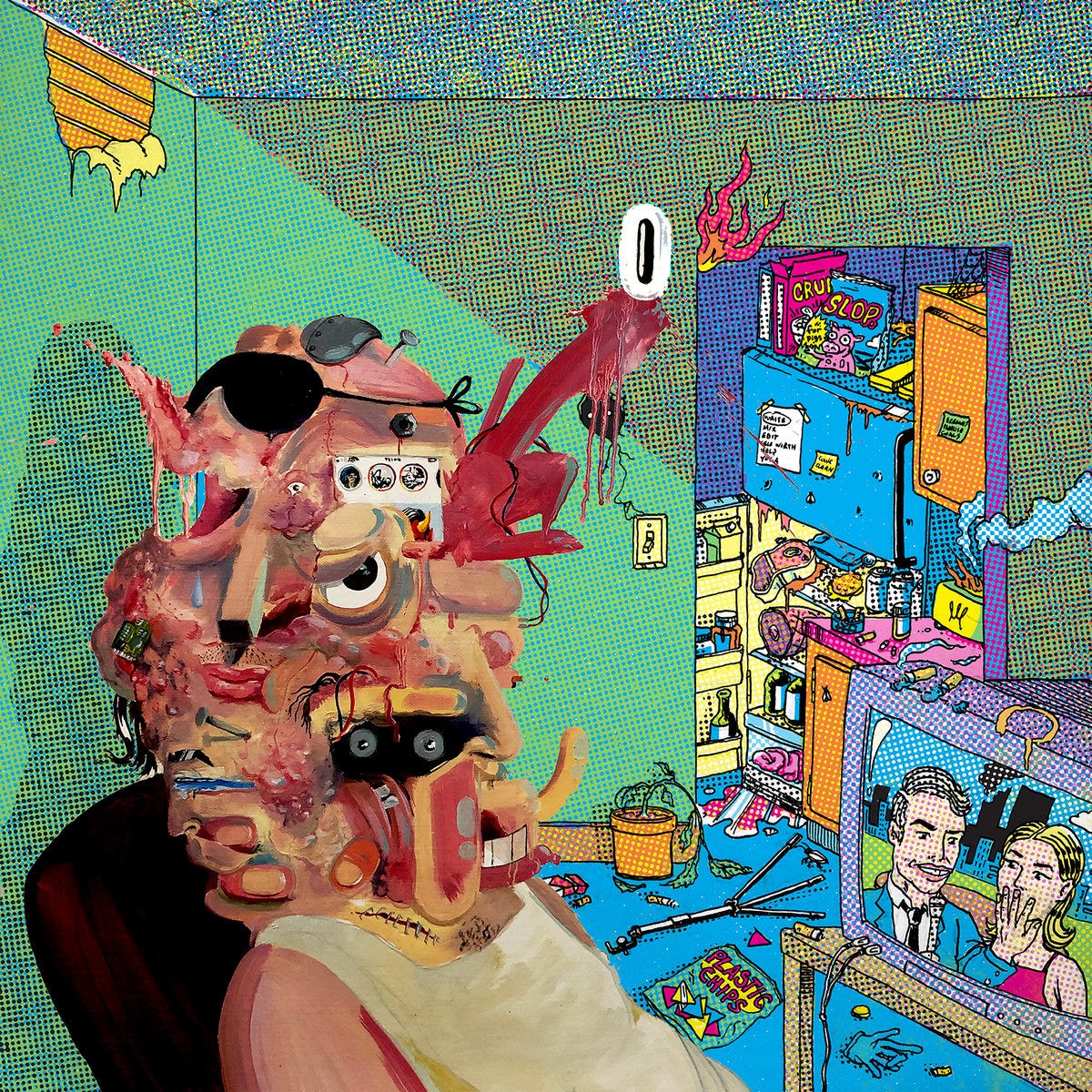
Long before the two men were video games and hip hop podcast co-hosts on the Cabbages network, before Duncecap notched six solo projects with six different producers on Backwoodz Studioz and Fused Arrow, before Samurai Banana recorded an instrumental album produced by Uncommon Nasa, Mike Petrow and Tim were two friends with one common goal, that of running basement shows on Long Island under the banner of a run-of-the-mill independent collective known as WATKK. Their first joint full-length album was released in 2016 (Human Error); after that, they parted ways for a span of nearly a decade: Duncecap weaving through ELUCID, Hajino, steel tipped dove, and his own boards, and Banana scratching and spinning thermin for other rappers with Karma Kids’ collective consciousness. When the two reconnected to record their latest offering, Comfortably Suffering, they had a clear disdain for the lighthearted nature they’d previously carried with them. With the supply chain of a single emotion, Duncecap explores the route emotions take: from paper to journals to memories to letters to newsfeeds, opinions and reviews; insecurities to captions; and ideas to jokes. Rome In a Day takes things on a darker path; on Friday night, he does not want to be alive, eats when necessary, and hopes for a drug rush. By Sunday, he still does not wish to be alive; however, he has been sleeping all day and woke up exhausted. He includes one characteristically illegible verse from Fatboi Sharif and then follows Old Grape God’s most effortless verse, which begins with a clear acknowledgement of his listeners with “easy being honest when you assume no one’s listenin’.” —Mina Abdel
Hulvey, COULD BE TONIGHT

When he was sixteen, living in Brunswick, Georgia, a kid named Christopher Hulvey got cut from his basketball team and started rapping about Jesus. He dropped out of college, moved to Atlanta, scrubbed supermarket toilets for money, and signed with Reach Records, the Christian rap label Lecrae built. He put out two albums. “Beautiful” became a minor crossover. He got married, had two sons, Memphis and Rocky, got diagnosed with OCD, and kept making records that said “Holy Spirit, speak through me” at the top of every session. He had announced his departure from Reach earlier this year, and three months later he surprise-dropped twenty tracks produced entirely by xander. at a pay-what-you-want price, no rollout, no warning. Jesus could come back tonight, so the album should arrive the same way. “I gave all I had for a rap dream/Gave my wife, gave my sons, gave up Christ for number ones/I gave all I had for Christian rap dreams/He said, ‘You actin’ like you one, but you are not my son.’” First verse, first song. He opens his farewell record by accusing himself of being a fraud. “SEPARATION” is Hulvey writing as Christ proposing to the Church, and the allegory ends with the bride accepting while wearing the mark of the beast on her arm. —Murffey Zavier
Fatboi Sharif & Child Actor, Crayola Circles
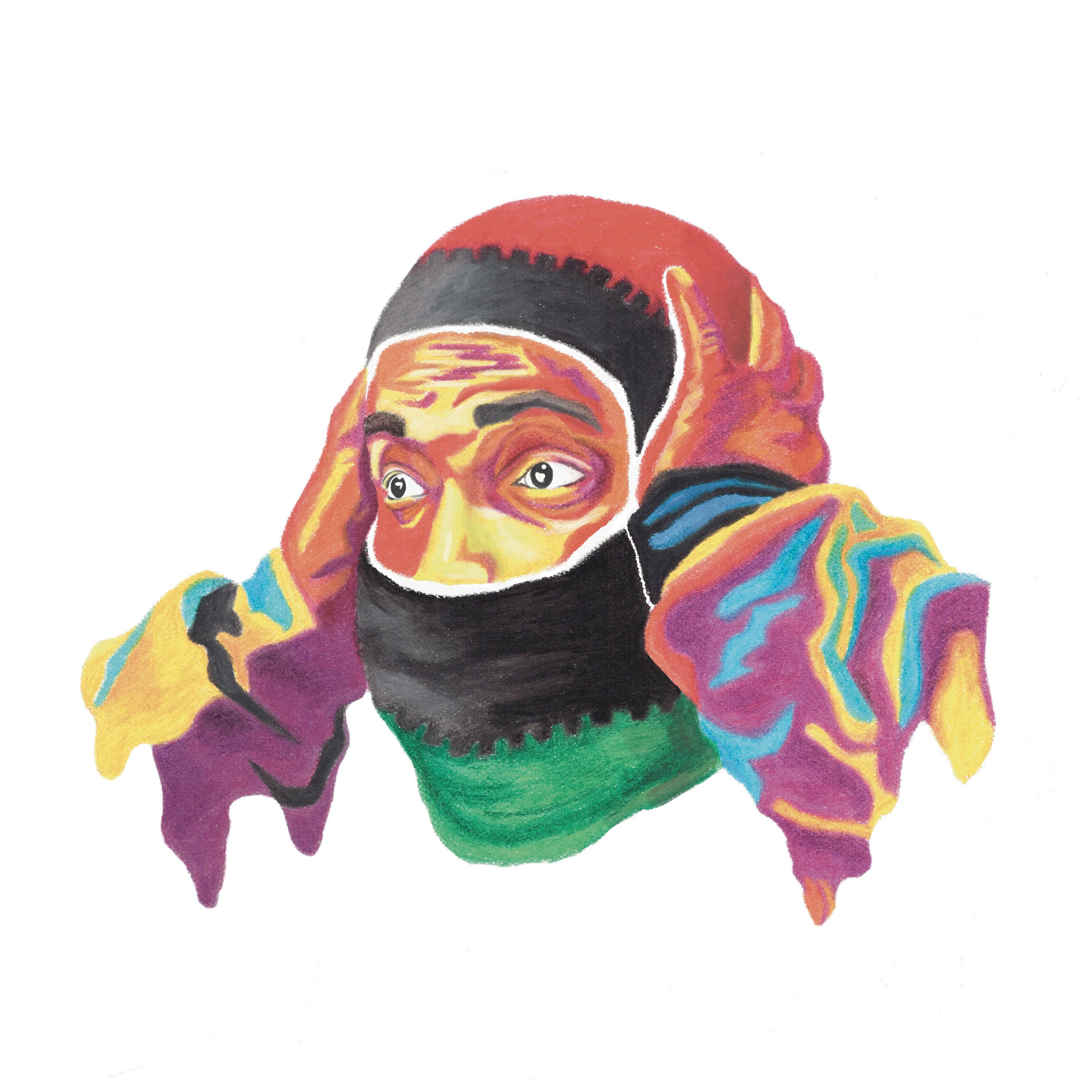
Since 2016, Fatboi Sharif has released records with Roper Williams, LoneSword, noface, Steel Tipped Dove, Bigg Jus, Fat Tony, and Duncecap, each collaboration lasting one album before he moves on. Crayola Circles pairs him with Child Actor, a producer who came up making dream-pop before landing credits with Navy Blue, Earl Sweatshirt, and ELUCID on the same Backwoodz Studioz roster Sharif joined for 2023’s Decay. The two had never worked together. Child Actor said he built the beats from jazz and folk scraps, and it shows: the production across these fifteen tracks (none longer than three minutes, the opener a 21-second instrumental) sounds like a college radio signal dying in a parking garage. Drums show up late or not at all. There’s almost nothing underneath Sharif except open air, a low throb, and whatever he decides to put there. He fills it with shrapnel. “The hotdog truck postponed by falling evidence,” he raps on “How to Disinfect a Live Grenade,” a sentence that contains a real noun and a real verb and no recoverable meaning between them. “Poison gateside near the playground, fell syringe.” And when Sharif raps “My parents asked if suicide is the solution” on “How to Disinfect a Live Grenade,” sandwiched between a ghost ship and a fast lane to heaven, or “My father who carved out my heart at arm’s length from a distance” on “The Destitute Stashspot,” those lines arrive at identical volume as the Reagan assassination and the mermaid fantasies and the poison candy apple carrot cake. The album is over before you’ve finished processing what you just heard. —Koda Lin
Sole & TELEVANGEL, Dads at the End of the World
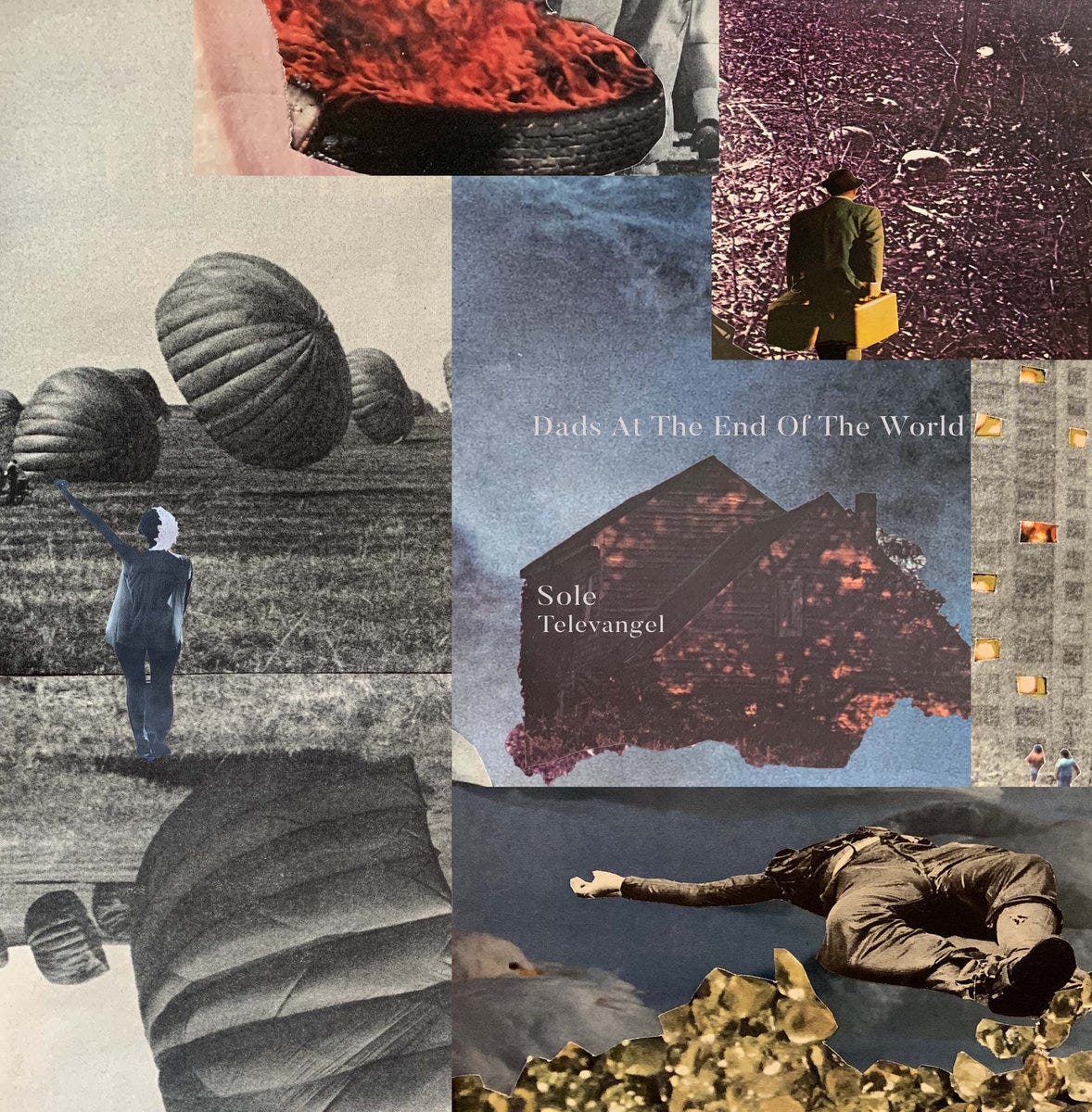
In ‘96, the story goes, a kid from Portland, Maine, Tim Holland, met Brendon Whitney, they rapped as Live Poets, who became Deep Puddle Dynamics, who became Anticon—an indie hip-hop label that, through the early aughts, steadily wore away at a niche but passionate crowd that there was a way for abstract rap to be viable on its own terms. Holland called himself Sole. Jump ahead: as he recorded with TELEVANGEL, Dads at the End of the World was conceived. “Homies in Catalunya” reads like an entire biography in less than four minutes-Greyhound bus to Fatbeat Records at 17; a schoolmate who tried to bomb his locker; a dot-com gig where he walked away from a quarter million in stock options; Anticon; the red rocks of Sedona; his dad’s apartment sold after the first overdose. “Kids,” on the other hand, looks you in the eye and says his dad was a junkie, that he attended a trailer-trash funeral and never got the watch his dad’s girlfriend had promised him, all without so much as a breath. In “Freedom,” Sole details a time he was gifted $60k by a Swiss fan who wired the cash into Sole’s bank account, paid off all his bills, and never wrote him again. In “Lift the Curse,” he poses his question “If direct action gets the goods, then why has nothing changed?” and answers it not with a philosophical argument, but with a checklist: stock up on bullets, chop and stack the firewood, plant 401 fruit trees, teach the children to fight. The light used to ignite the Molotov, the light used to keep the lighthouse running. Sole has been rapping for almost 30 years and has never sounded so clearly sure about the things he is certain about. —Wesley Durham
AZ, Doe or Die III

After thirty years, Anthony Cruz still gives sentences that do not allow people to distinguish McLarens and murders. This is the third outing in his Doe or Die Trilogy. In this LP, Cruz expands on how fast the McLarens are and shortens the time it takes to die. He shows the formula he has perfected since he opened Nas’s Illmatic at age twenty-two. In “Uniqueness,” Bvlgari cologne gets four bars, but murder only gets half. In “No Need for Lactose,” he describes the perfect element of causality in four lines: crack spots, real estate, McLarens, and enemies. On “Winners Win,” Amar Noir shows off the same deadpan style as his dad while Cruz says that he is the literal owner of the trilogy. AZ, at fifty-four, is still retrospective. His song “I Was Once There Too” says his inspiration as Rakim, Kane, Kool G Rap, and Pretty Tone, he runs through neighborhoods in which he and Half-A-Mil used to chill, to say that he is free now. Half-A-Mil was murdered. So was Phil (not me, though). AZ kept the words and kept going, thirty-four minutes of them, his gold chain, a little thinner at the collarbone than the day he put it on. No one noticed his decade of independent releases pre-Griselda, was the model, and in 2026, when he released again, he said Pyrex, project buildings, and dead friends in the same way he did in 1995. —Phil
A$AP Rocky, Don’t Be Dumb
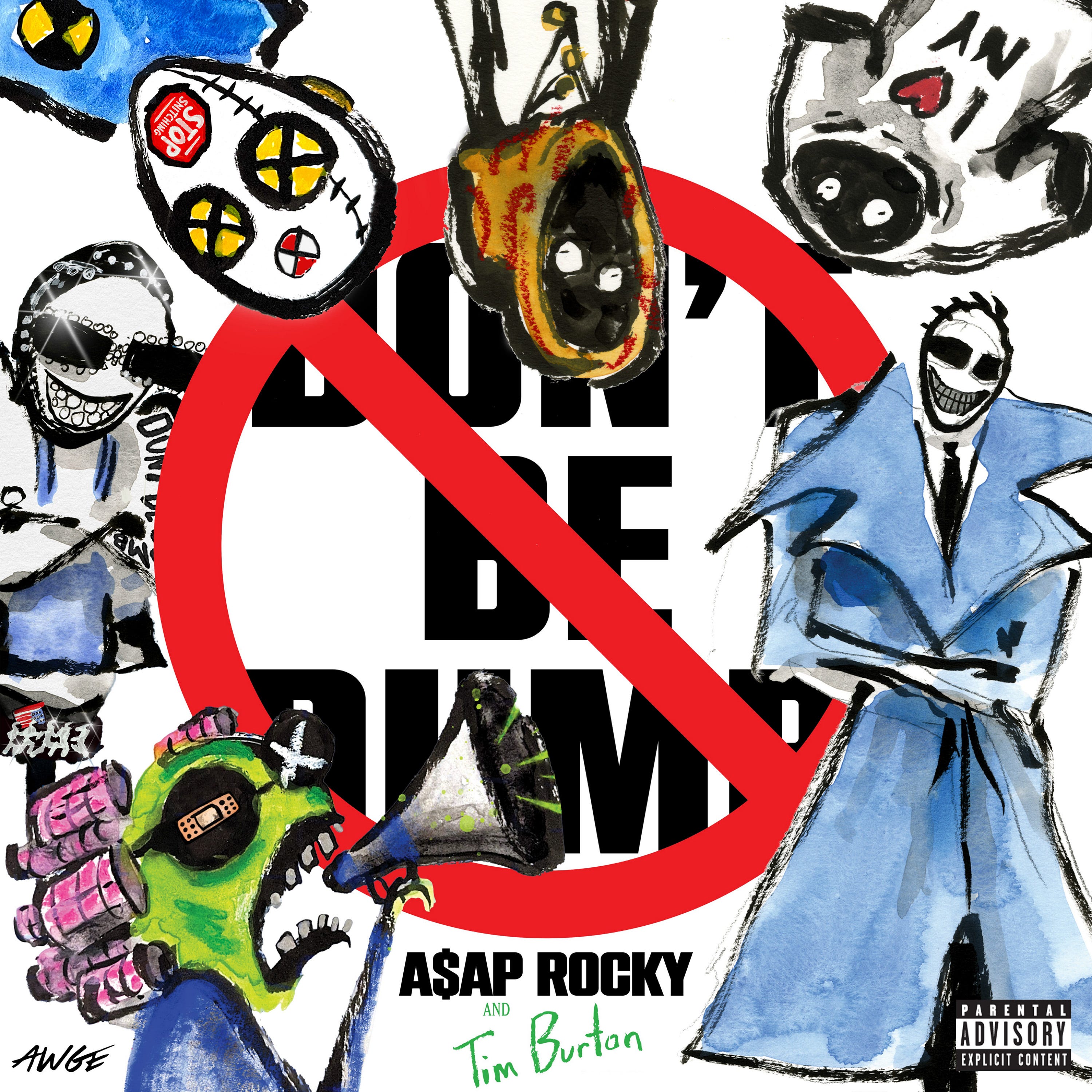
Eight years—that’s how long A$AP Rocky waited to deliver the follow-up to Testing, a divided, abstract album which drew in acolytes while turning off casual listeners. Since that release, he’s acted in A24 films, co-hosted the Met Gala, begun a family with Rihanna and witnessed the entire hip-hop landscape reform around him time and time again. The biggest question around the arrival of Don’t Be Dumb wasn’t whether or not Rocky could still rap. The biggest question was whether or not he still wants to and, if so, what, in the time since semi-abandoning the game, does he have to say about it? This record is an immensely bold creative swing that he hits most of the time. Where else could you find Westside Gunn making gun-cock sounds while Damon Albarn coos harmony on “Whiskey (Release Me),” or Jessica Pratt’s mesmerising psych-pop clashing with apocalyptic wails from will.i.am on “The End”? Rocky told The New York Times that the album is “what 2011 Rocky would be making in 2026,” and that very oxymoronic sense of the future-forward past makes up the majority of this listen. Jordan Patrick and Loukeman’s beats on “Don’t Be Dumb / Trip Baby” nod toward Live.Love.A$AP, but their production feels unmistakably modern; a more spacious, skewed version of the classic sound. It’s hardly the reset button Rocky may have wished to slam down in his time away, but Don’t Be Dumb is solid proof that he’s never truly lost the thread. Pretty MFer still know how to put on a party. —Zachary Penn
IDK, e.t.d.s. A Mixtape by .idk.
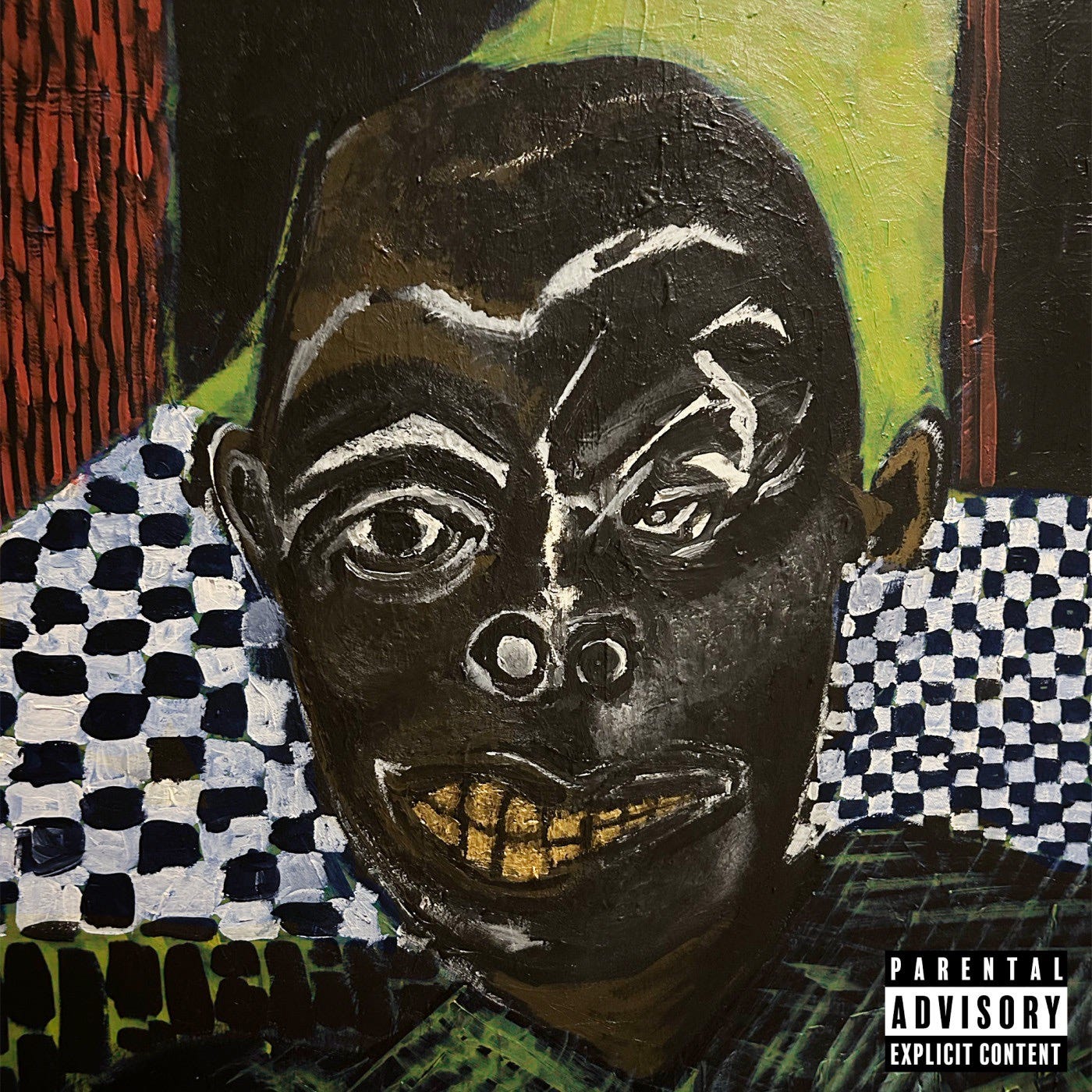
The producer credits alone are enough to write this review: Kaytranada, No I.D., Madlib, Conductor Williams. When you factor in guest spots from Pusha T, RZA, Black Thought, and even a posthumous DMX verse (the first to receive official estate blessing), e.t.d.s. appears to be an all-star collection built for connoisseurs. IDK (aka Jason Mills) has been languishing in the outer rings of the mainstream for years, respected but not acclaimed enough to break the barricade; with e.t.d.s., he’s crafted his most convincing attempt to crystallize that admiration into something irrefutable. The idea here is to mimic the energy and production aesthetic of the early aughts mixtape era. Raw, urgent and primed for physical circulation rather than streaming data. The concept is derived from Mills’ experiences with prison, and in his handling of the material, the urgency rings true. “SCARY MERRi” finds Conductor Williams in the most chilling zone, with a dizzy, sinuous energy; you brace yourself for this track as it unfurls. “S.T.F.” matches Kaytranada’s characteristic bounce with the growl of DMX, whose presence on new production feels weightier. A curious figure, IDK continues to occupy a no-man’s-land within modern hip-hop. Not street enough for street anthems and too street for backpackers; too eager for more than a cult following. He may not have his “Smokey Robinson 2000” on e.t.d.s., but he does have something that might be considered definitive. —Nehemiah
Kneecap, Fenian
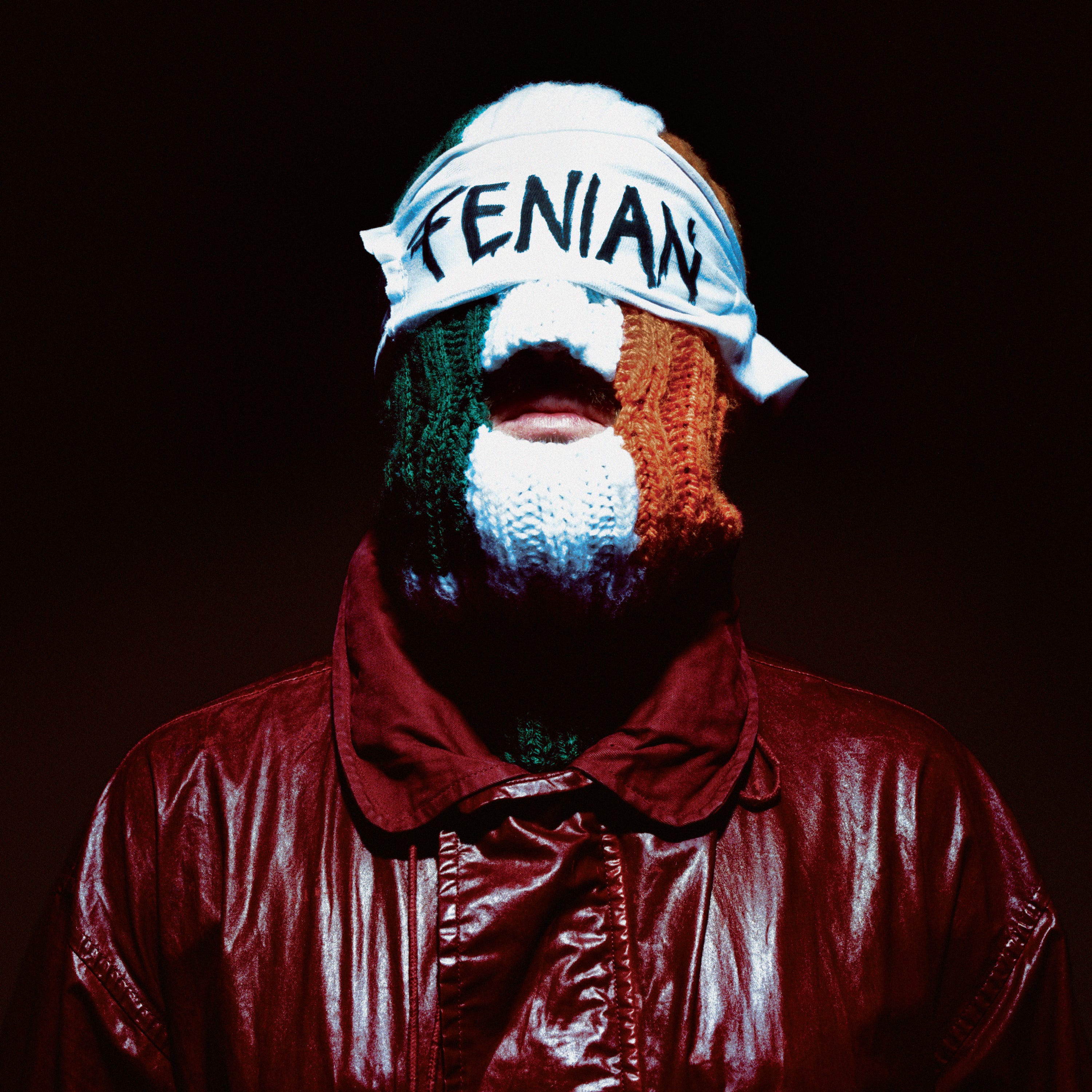
The British government has received many things to their disapproval in history, but Kneecap, with their new album, Fenian, might be the best of all. Making its way through Belfast, Kneecap’s first release since their 2021 release, Fine Art, is an album bursting with creativity. It’s the breath of fresh air the rebellion movement has desired. Each song is a message being sent through Downing St. with a forcible push. With Keir Starmer in power, Kneecap has suddenly become a much larger, more threatening figure. This is primarily due to their support of Palestine. Mo Chara (the group) has faced legal problems for various reasons, one troubling instance being the group’s support for the violent Hezbollah group, as a flag was tossed onto the stage. This group has faced much criticism with their self-made documentary, but overall, has received immense support and proved to be inspirational for many. With this movement, the group decided the best way to combat the criticism was to make an album. Each song is a message they are crafting. There are various discursive elements layered in the album.
As the names of the songs portray, “Carnival” speaks to Mo Chara and their court cases, and “Palestine” speaks to the current situation in Palestine and the case of genocide, with an Arabic verse being rapped by FAWZ. “Occupied 6” left no room for error or misinterpretation–the 6 counties within the Northern part of Ireland are occupied. Kneecap is not solely a group to be labeled as militant republicans. They also go after the RAAD group with their song fictitiously named, “Radical Republicans Against Drugs. They also sample the saying “Tiocfaidh ár lá” (our day will come) in an ironic way within the song to say that it’s true to talk nonsense at parties. With various effects, the songs bring a feeling of dread to the listener, but they also give a feeling of elation. With the song “Cocaine Hill,” you are likely to feel frustration; it is an instant classic. Finally, the album ends with an amazing collaboration with Kae Tempest on the song “Irish Goodbye,” which is a wonderful addition to the album. While the British Government struggles to maintain control over its country, the UK’s left-leaning artists have given it their warmest welcome. —Brandon O’Sullivan
Cadence Weapon & Junia-T, Forager
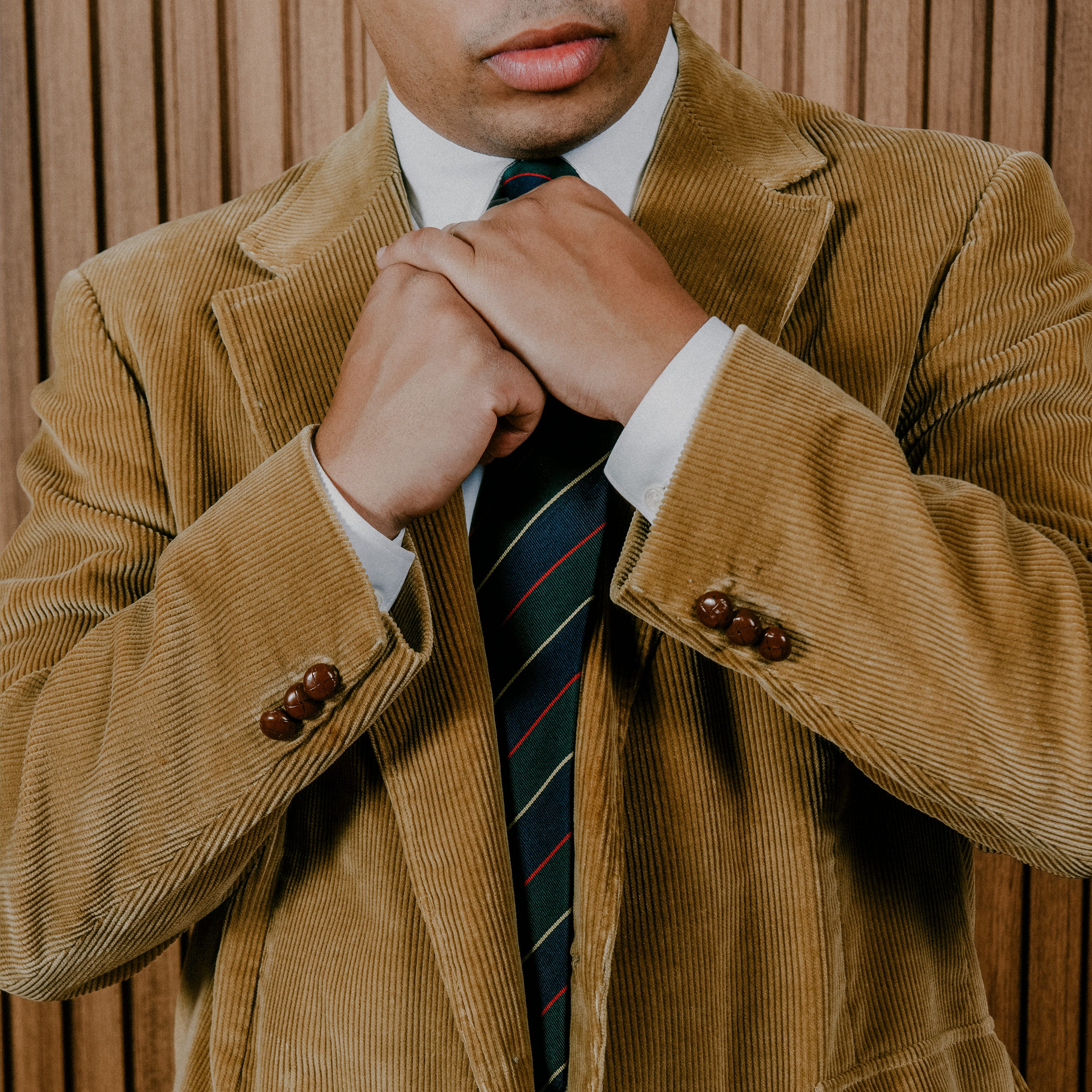
Cadence Weapon grew up rapping in math class, failing math, blogging about records for Stylus and Pitchfork before he could rent a car. By twenty, he had a Polaris nomination; by thirty-five, he had the prize. Junia-T, the Toronto producer behind the boards here, almost quit music after his 2014 debut flopped, rebuilt through Addy Papa’s Riot Club sessions, and came back with Studio Monk in 2020 to a Polaris longlist nod. He’s also Jessie Reyez’s touring DJ. Forager is their first collaboration, and its conceit fits inside an interlude: Pemberton buys old clothes, and he thinks digging through racks for the right garment is the same discipline as digging through crates for the right bar. He bought a Harris tweed blazer on the way to the studio, virgin Scottish wool from the Outer Hebrides, and describes it on the record the way a collector describes a rookie card. An interlude on “501XX” details a pair of hidden-rivet jeans worth twenty-five thousand at auction. Elsewhere, he thanks his therapist on “Toronto Zoo” for saving his life; “Babymoon” sketches a trip to Miami’s Arts District with his wife before their son arrived. The Niagara Region sixteen has him eating exotic cheese with his main squeeze, she orders the Riesling, and then he’s describing a Woolrich barn coat like he’s outside tapping maple trees. Canadian design runs through the album (Edmonton as origin, Toronto as work, Hamilton as home, the Niagara region as a weekend), and those places feel inhabited rather than visited. The fashion bars are funny; he needs your opinion the way he needs another tote bag, he pulls up dressed as Bebop and Rocksteady. But the fatherhood and the geography are what stay. —Rian Frost
Oddisee & Heno., From Takoma with Love
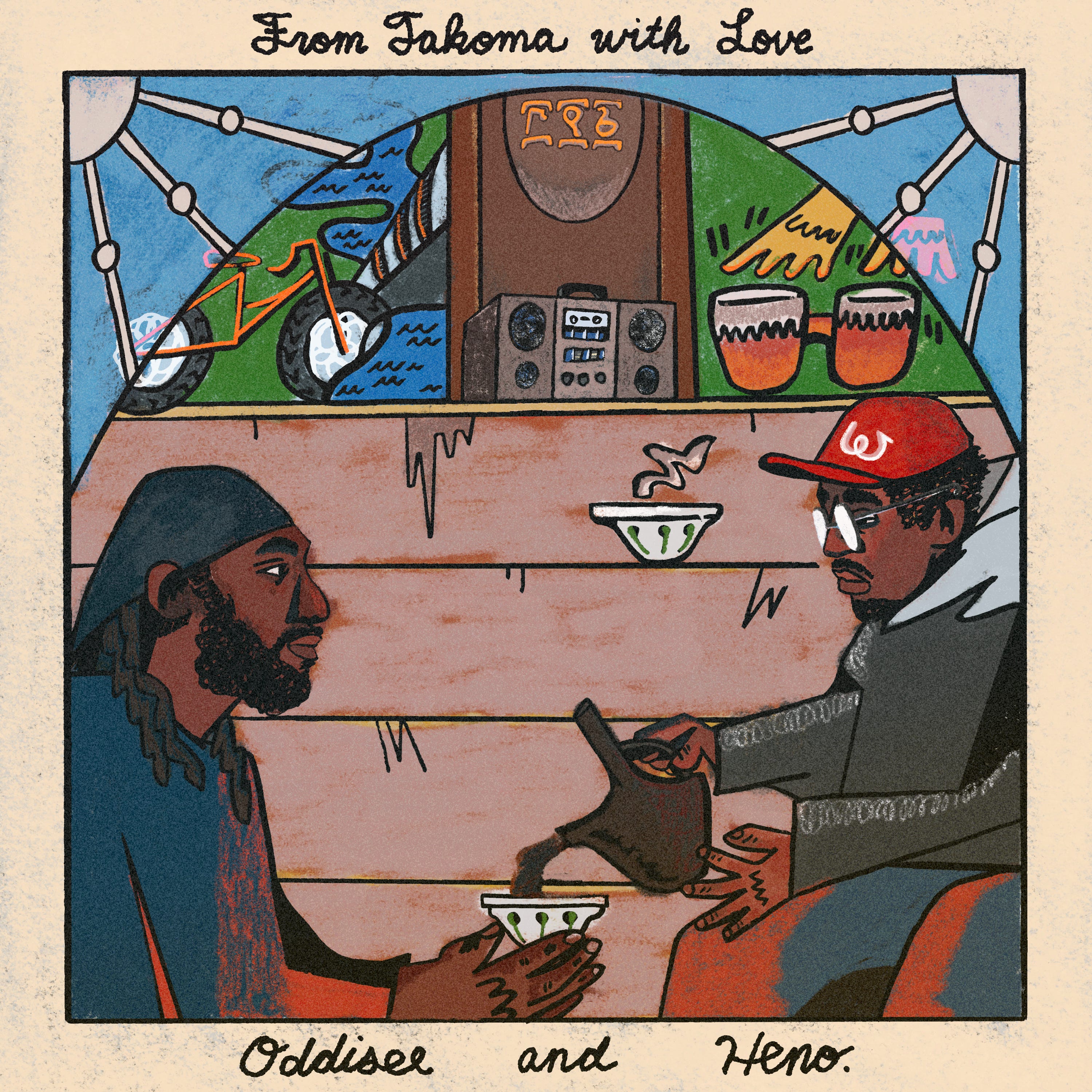
Yihenew Belay’s name is Amharic for “this is what you see is what you get.” He went by other names for most of his life because Americans couldn’t say it. He put a period at the end of Heno. when he stopped letting that bother him. He’s from Takoma Park, Maryland, first-generation Ethiopian-Eritrean, and at six years old, undercovers at Maple and Lee mistook him for a drug dealer pushing pills. He grew weed, started making beats, left for Oakland, then LA, then came back. Amir Mohamed el Khalifa, who goes by Oddisee, is Sudanese-American, raised down the road in PG County and Silver Spring. His father moved back to Omdurman in 2007 and survived the civil war, shrapnel from a bomb that killed four soldiers hitting his apartment building while it was being used as a refugee shelter. Oddisee got his start in Garry Shider’s basement studio (Parliament Funkadelic) and placed his first major beat on DJ Jazzy Jeff’s The Magnificent in 2002. Back then Heno. was still a kid. They grew up minutes from each other. Their fathers are from opposite sides of the same continent. “Integrity,” their first collaboration, came in 2025. From Takoma with Love is co-credited.
Oddisee produced everything. On “Woe Is Me,’ Heno. raps about getting cuffed at Maple and Lee at six, and Oddisee follows with his own verse: “Product of immigration and disengagement, a combination of food stamps and visas.” On “MIMS,” Oddisee almost misses a stop sign, his kids crying in the back, his mother calling, his phone on Do Not Disturb. On “Round the Way,” he names Largo High, Sago Creek, brothers in Merlin, family in Toronto, his father in Sudan surviving janjaweed. Same suburbs, a generation apart. Heno. is on Aurelius Street in Germany, drinking herbal tea for “Good Habits.” Nobody there had heard of him. He did a show and suddenly they urgently wanted to work with him. A kid from Takoma Park who learned a set of codes around the same time he was told to eat his vegetables, halfway around the world, and they still can’t pronounce his name. —Quinn Baptiste
Rap Man Gavin, Garden Dance
Bottom Rock is run out of Cape Town by rapper Gavin, who also runs a one-man art collective/label which has been steadily uploading to Bandcamp since 2020, his name an album title he gave an autobiographical tome from Carl Jung. Garden Dance, the album currently being peddled around for four years, the Jesse The Tree-produced beats smear and shuffle more than they smack, and samples of dialogue from psychology seminars, apartheid era broadcasts and interviews on LSD precede every song. Gavin raps for three verses on “Mapungubwe,” named after the ancient southern African kingdom whose ruins white settlers insisted Black people weren’t able to construct, dispelling the myth before “Ritual of Art,” the lone collaborative number on the album, where Gavin spits about the master dripping in blood in the cotton field, about statues which ought not to stand; and Jesse sees hands covered in blood clutching pearls at the ghastly golden door. “In the Angel’s Nest” gallops through incessant self-doubt, suppressed shame and psychedelic pandemonium. This is a rapper who has been consistently uploading for six years to a website the bulk of whose rap following abandoned years ago, and who is running an art collective outside the underground circle which would otherwise know about his project; he’s been mailing rhymes across the ocean to a dude in Rhode Island. This is the best one, by either of them, either one of them will ever do. —Kendra Vale
Finale, The Good
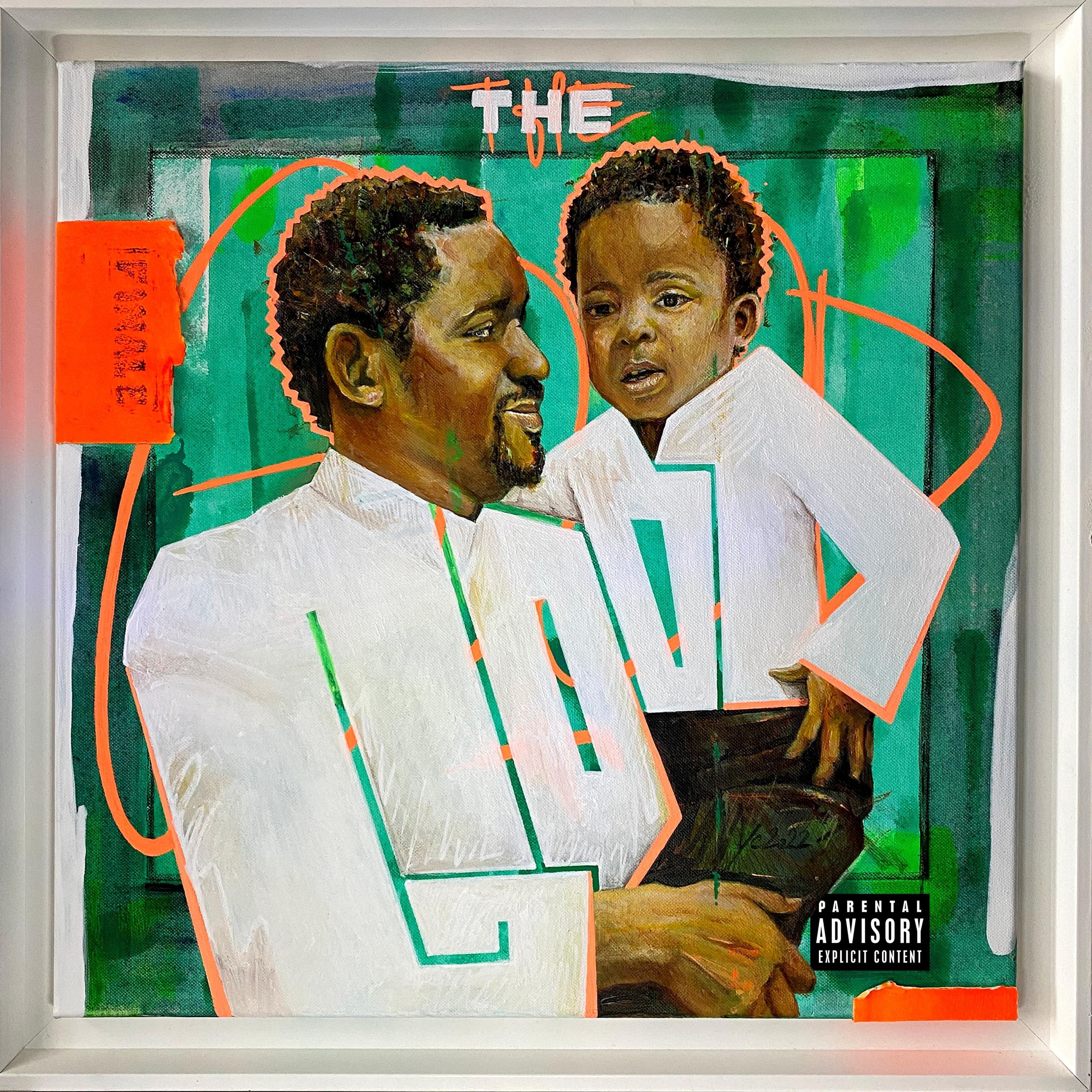
In 2019, Finale released an EP called 62 and pulled it from digital shelves after exactly sixty-two days. The joke was clean and the move was old-fashioned, the kind of thing a Detroit MC who quit his automotive engineering job in the late 2000s to chase rap full-time would do without explaining it to anybody. The Good is his first proper solo LP since Odds & Ends with Oddisee in 2015, and on the second song he says the number out loud, “Who knew I needed six years off to grow?” He opens the album listing what he’s after (“One good night with one good crowd and one good mic”), and by the elegy “A Good Time to Go” the word has turned into a prayer for the listener (“I just pray you locate the good”)/ The same Detroit circle from twenty years back is here in full force—beat-switch diptychs split a fifth of the album mid-song, doubling DJ Manipulator’s, Apollo Brown’s, Nottz’s, and Kev Brown’s contributions into a roster that’s been trading beats with each other since the mid-2000s. The four-verse posse cut “4 Rounds” (produced by Mute Won, with Guilty Simpson, IAMGAWD, Phat Kat) is not bidding for the pop charts and not pretending otherwise. Finale isn’t selling to anybody outside the city. He’s writing for the people who already know who Etrid was. — Harry Ford
Jae Skeese & ILL Tone Beats, The Good Part, Vol. 1

When he was a kid in Buffalo, Jae Skeese used to write short stories before learning to translate those narrative sensibilities into rap bars. A decade of work, a handful of mixtapes and a pair of label/crew co-signs later—first his own crew, then 7xvethegenius’s group alongside his own; eventually an entire deal via Conway the Machine’s Drumwork Music Group—he found a producer he excels with. ILL Tone Beats, another Buffalo native that built a name cutting grimy boom-bap for Elcamino, Conway the Machine’s collective the Black Soprano Family and damn near half the ecosystem adjacent to the Griselda crew, takes soul samples and butchers them with a similar type of no-frills efficiency; the fat, the meat, the bone all present, just enough marbling to stay tasty. Conway the Machine and Stove God Cooks both make appearances on “Accelerant,” trading verses with Skeese in a style akin to three cousins one-upping each other at a cookout, until the track’s so dense it almost collapses. Cory Gunz handles the hook duty with a summer-ready, almost nonchalant quickness on “Curt Menafee” that Skeese echoes on his bars. ILL Tone keeps the production relatively contained to one set of ideas and one sound, which gives Skeese room to work on his verses and shows off just how strong his writing can be when it’s left in the spotlight. The Buffalo rappers that feel the need to describe their hometown as the best place in the world to live somehow never manage to bore me, especially not Skeese, who’s so specific and grounded in his appreciation that it feels like a place you’d want to go to, no matter where it is. —Harry Brown
Ghais Guevara, Goyard & The Kayfabe Reveal
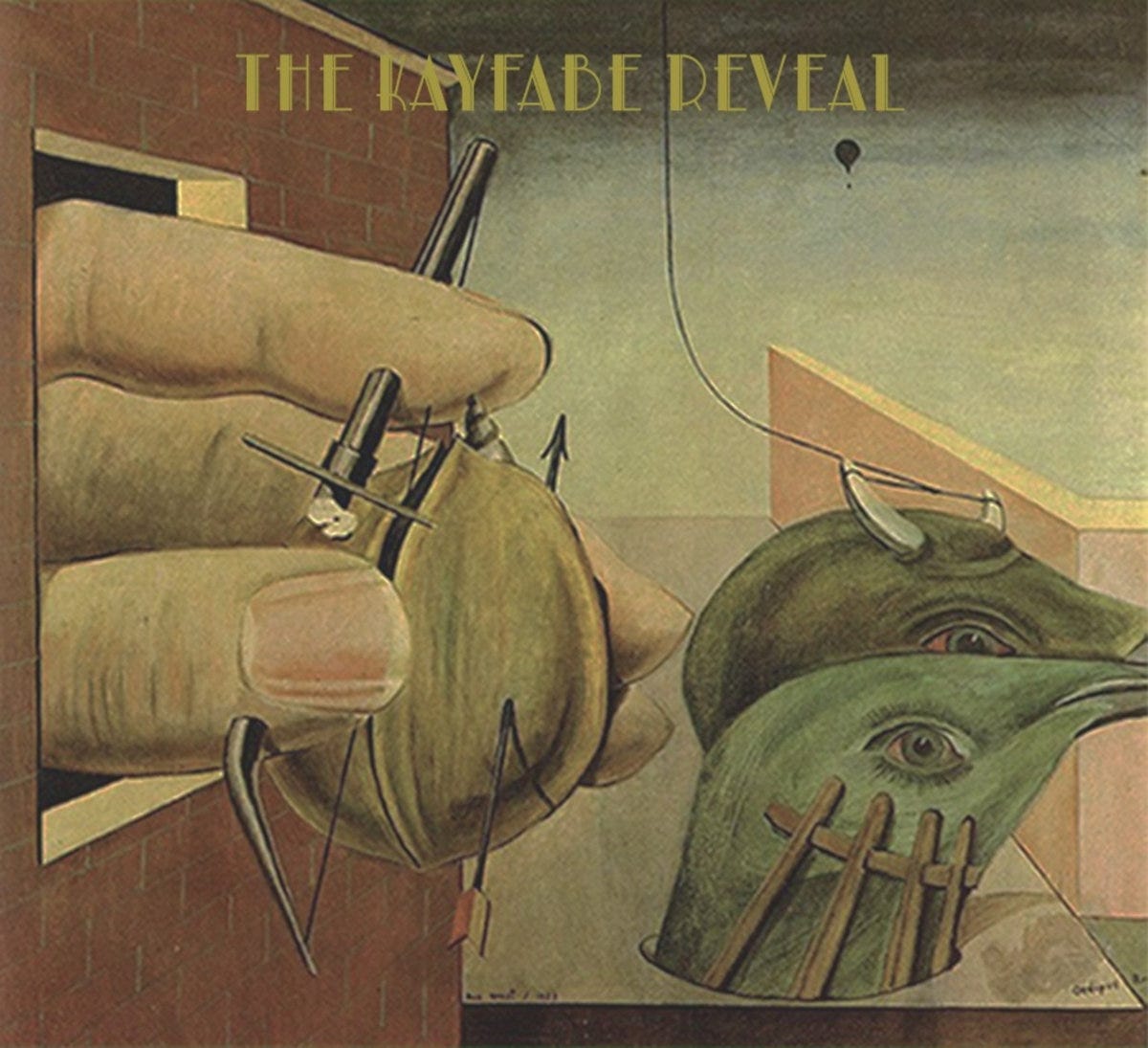
Few rappers have played Marxist bookshops, punk dive bars, and sold-out festival stages before the age of 25 like Ghais Guevara. Last year, he put out Goyard Ibn Said, a two-part concept record about the rise and eventual immolation of a fictitious rapper called Goyard who shed all parts of his personality to make it in the music business. It played at Kendrick’s Super Bowl. Critics took notice. Audiences kept their distance. On The Kayfabe Reveal, Guevara continues his story, maintaining the fiction. But his autobiography bleeds so heavily into the narrative that there’s hardly enough fiction for the persona to contain. Goyard still narrates the story, but this time he tells the story of a revolution. A tyrant called Jouissance, who orchestrates the kayfabe, is overthrown, and the record chronicles the uprising, from its ignition, through its climax, through its devastated aftermath. Robinson pulls his philosophical sources as any film director might his epigraphs-Nietzsche on ressentiment, Bruce Fink on Lacan’s jouissance, Deleuze and Guattari’s Anti-Oedipus as narration between songs, Cormac McCarthy cited as part of the closing track. It would seem to be unpalatable and preachy. It is not, for the reason that each song on the record is so bound to the artist’s lived experience in physical space that the theory vanishes in favor of life. —Alexandria Elise
Teller Bank$, Hate Island
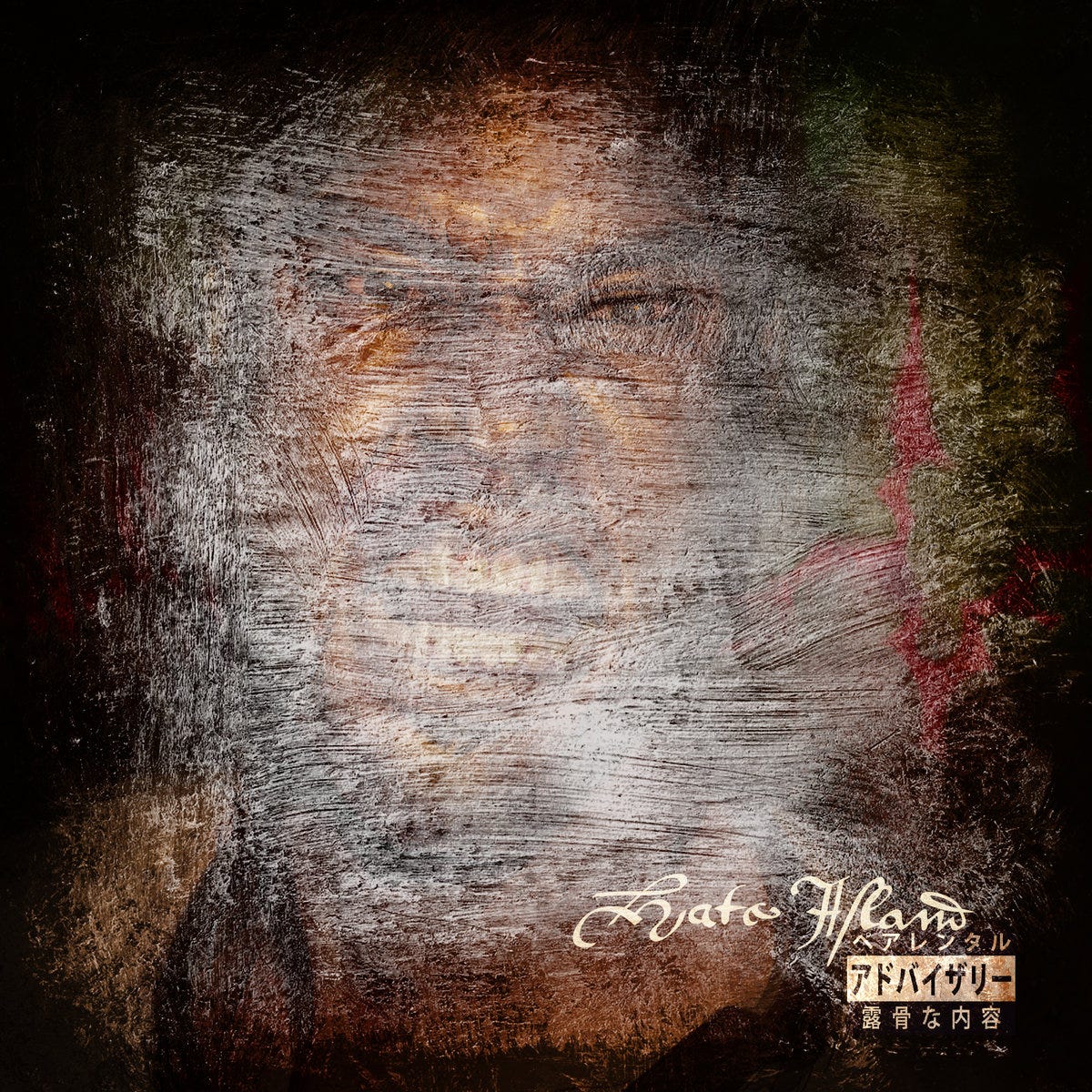
On DRUG$$$, the 2025 album he recorded with Philadelphia’s TripleDollar$ign collective, the central conceit was “What if Rico, Mitch, and Ace were one and the same person, and they was a rapper.” Hate Island, arriving seven months later with the same producers, deals with the aftermath of the Hustle-and-Die. That success, it seems, didn’t bring peace. The TripleDollar$ign producers chop up soul and funk samples into choppy, stubby loops, and Teller Bank$ barks over them, at full blast, in pretty much every song, filling the verses so high with bars that the beat barely has anywhere to move to. He claims, on “A Hate Supreme,” that he caught a body, is slinging enchiladas and sleeping with his rifle, then offers an apology to his momma: “Sorry momma had to do it/Know you raised me smarter but life is stupid.” On “HATE HATE HATE,” he serves customers in front of a church on Colfax, checks Facebook on a burner phone for missing persons advertisements, then, midway through the song, in one long breath, swerves from American imperialism to mass incarceration (“Slavery ain’t ended that’s American imperialism”) without so much as a pause to signal the change. You’re not gonna feel too at ease listening to Hate Island, either. It’s on the title track that Teller lets us know that “the rest of it just happened,” and that he decided not to write any of it down. For a man who put out multiple albums just in 2025, it’s precisely in the space between the obsessive recording and the deliberate absence that the whole album resides. —Devon Kai Brooks
ELUCID & Sebb Bash, I Guess U Had to Be There
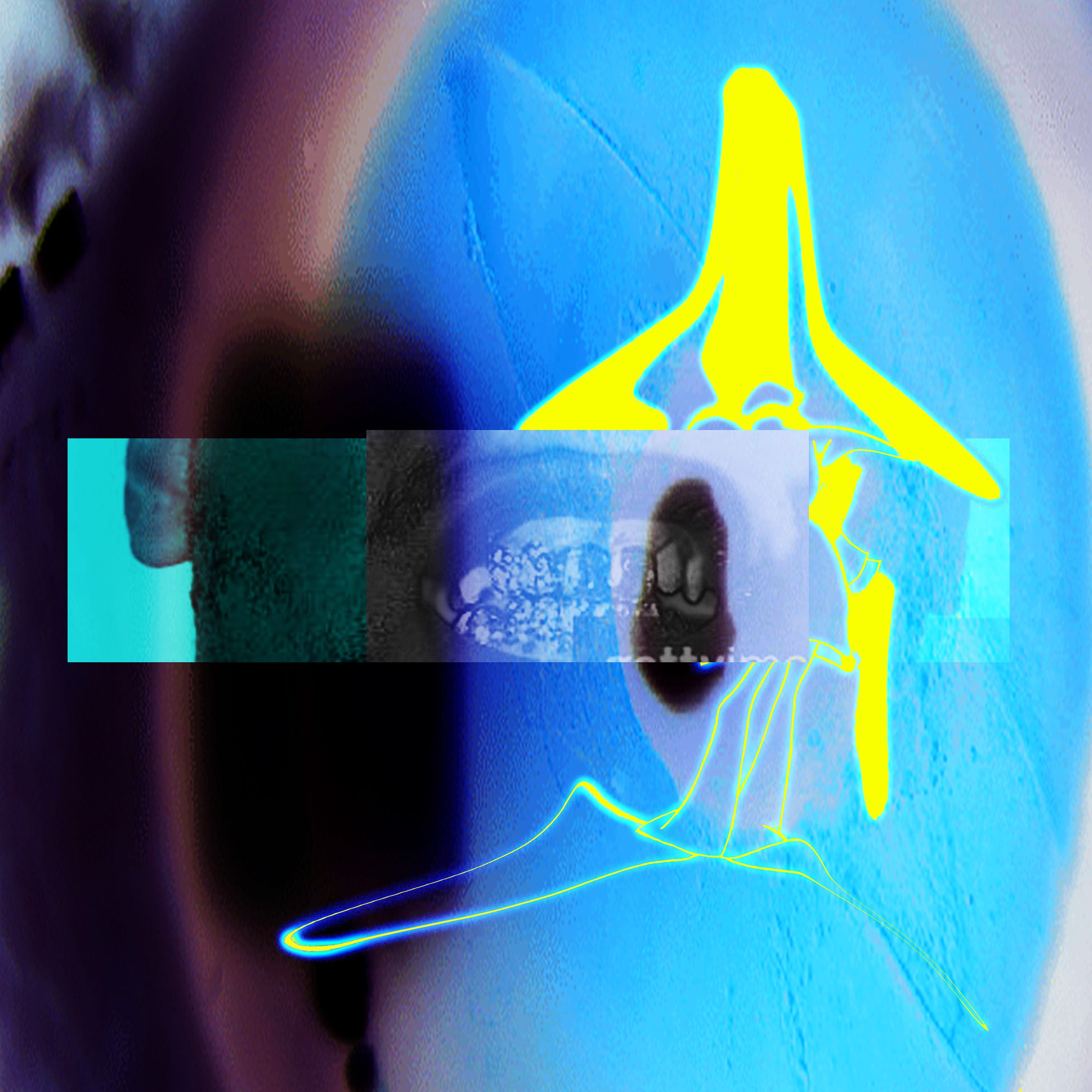
ELUCID was in The Alchemist’s L.A. Studio to put the final touches on Haram when he started bumping other people’s beats between takes. He kept inquiring about who made them, and the recurring response was Sebb Bash—a Swiss crate-digging producer from Lausanne who’d won the Swiss Federal Office of Culture’s National Music Prize, who’d helmed “Mtissages,” Switzerland’s very first rap radio show, who’d also given ELUCID the rare, exclusive compliment “He’s the best producer I know” after he persistently badgered Alchemist. Sebb sent beats throughout the I Told Bessie sessions, two of which landed, but the two had never met in the flesh until Sebb’s trip to New York, where they still never got to record, but hung out smoking in the park and eating sandwiches. From day one of the I Guess U Had to Be There sessions, it was clear what they were crafting an album-and it’s twelve tracks are weighted with a patient knowing.
“Coonspeak” utilizes the slur right there in its title and drags it from the inside out (burnt cork smeared across laptops, Donny Hathaway crooning on a balcony with iridescent wings, an unrepentant gumbeat), and by the second half ELUCID owns back each inch of the slur to himself and no one else. On “Fainting Goats,” a James Baldwin sample situated between Breeze Brewin’s rapid-fire Juggaknots rhymes and ELUCID’s own verse articulates the struggle succinctly: Not having the ability to express oneself is the final destruction, and a passive workforce would be ideal. The “Parental Advisory” closing the album are real-life questions asked by a child: why is it at the end of a belt, did the strap wake you from your sleep, how’s it hurt you more than it hurts me? —Mina Abdel
Marlon Craft, The Internet Killed the Neighborhood
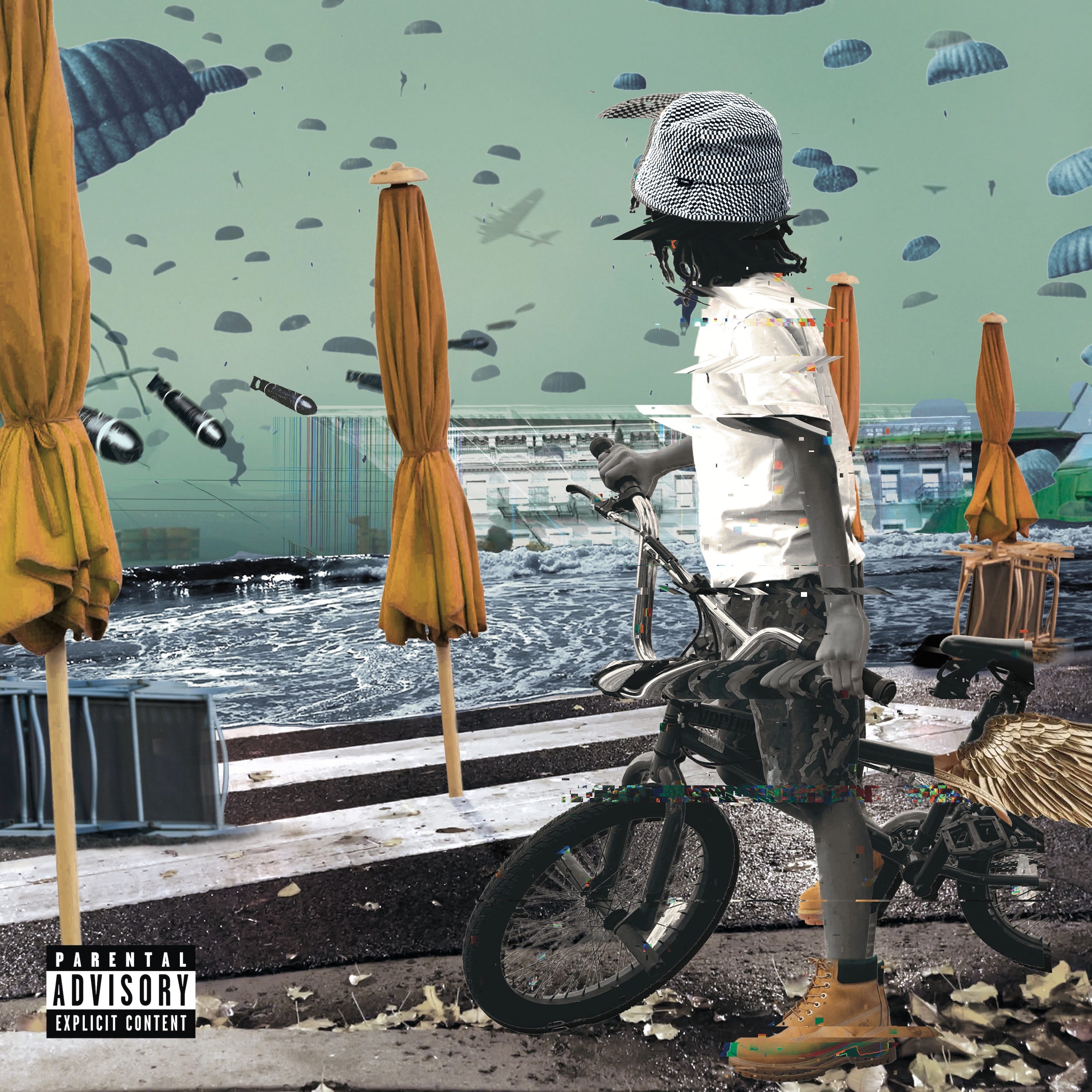
Manhattan Plaza, the Mitchell-Lama building on West 42nd Street, has given preference to performing-arts tenants since 1977—jazz musicians, Off-Broadway actors, dancers, all stacked in subsidized apartments while Times Square scrubbed itself shiny around them. Marlon Craft grew up there. Father on the drums, mother in the theater. He hooped AAU in the South Bronx, studied urban education at American University, came back to Hell’s Kitchen, and started freestyling on YouTube out of his childhood bedroom. He signed with Sony, put out Funhouse Mirror in 2019. Six years and a whole lot of his own cash later, he finished The Internet Killed the Neighborhood. The album’s central grievance is blunt enough to fit on a bumper sticker: the physical neighborhood—the block, the bodega corner, the open mic where strangers became collaborators—got eaten by the internet, and nobody seems to miss it much. On the title track, produced by five people including CARRTOONS and River Tiber, every city of dreams has become a city of memes dictated by a shitty regime, people reduced to human load screens with nothing behind the buffering. An interlude flips Wu-Tang on itself: it was about the money when the Wu wrote “C.R.E.A.M.,” but now wealth is just a smokescreen. On “Analog Man,” Havoc chops Samuel Barber’s Adagio for Strings into something that creaks under six minutes of bars and a string quartet recorded in Mexico City, and Craft says your favorite rapper would be cuddled up next to Elon on the rocket ship, leaving everyone for dead in the cockpit making TikToks. An MC from subsidized housing in Hell’s Kitchen who left a major label, paid for his own album, built a subscription community to stay afloat, and spent six years arguing with his phone about what it took from his block. —Quinn Baptiste
Isaiah Rashad, It’s Been Awful
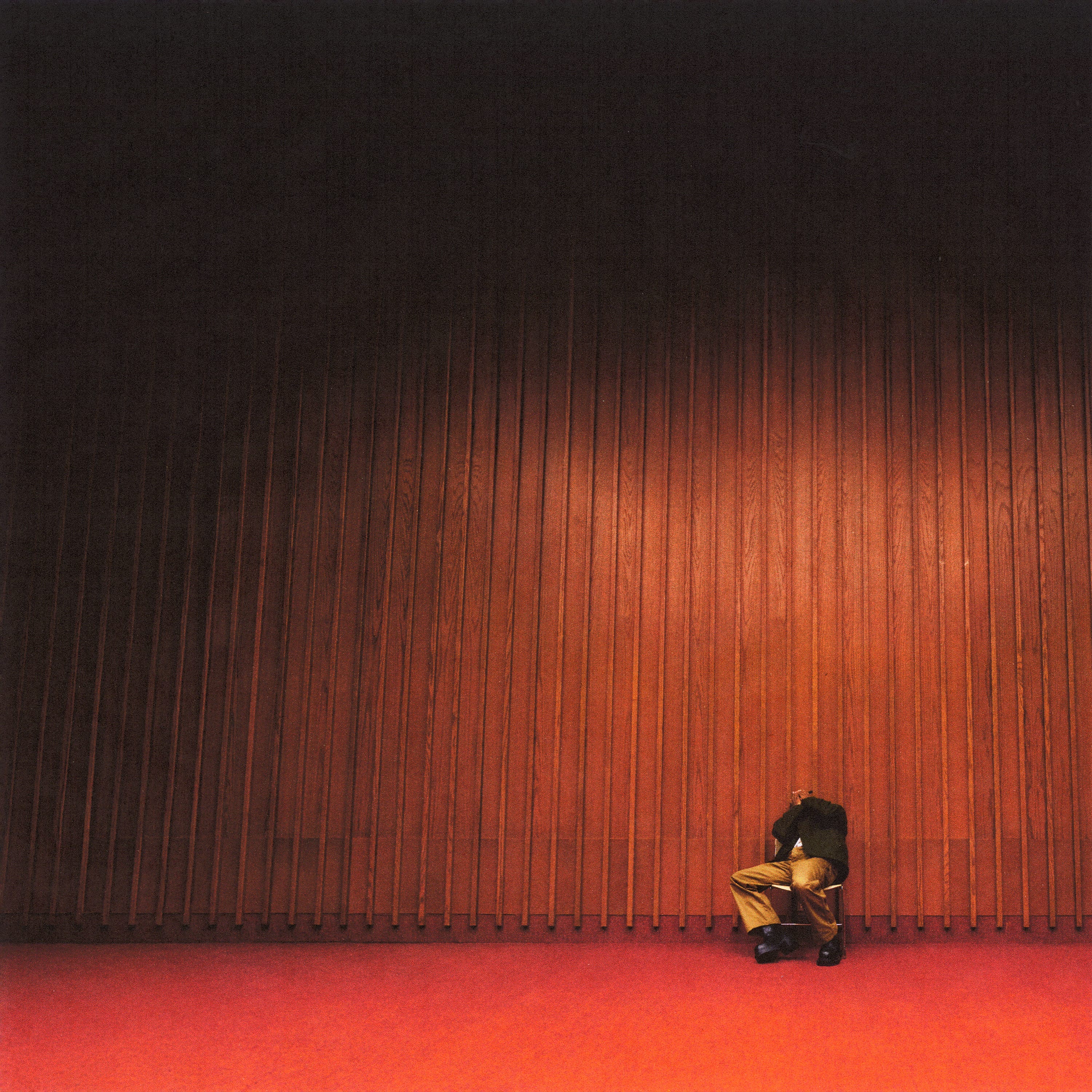
They’re not just a little inspirational pick-me-up that TDE threw in merch orders to support a fanbase that has had its fair share of ups and downs; “I just want to see you smile” is this year’s most incisive example of cruel misdirection. Isaiah Rashad was not the second coming overall. It’s Been Awful is a relapse diary—and that’s not even the most fucked up part. It names the substances he can’t stop doing and the people he has hurt while doing them. The production by KTC and Julian lends the album a sonic cohesion that the lyrics lack. Rashad’s confessions of crystal meth use bleed into love songs, bleed into freestyle sessions, all reeking of that lethargic Southern style. Rashad’s doctor warns him about irreversible damage to his heart, and his mother cries in a desperate plea for him to come back home. When he leaves his family to choose money and drugs over love, it is shocking. “Act Normal” depicts 12-year-old Rashad and shows how this family of sex addicts, parents and all, Rothschild, shows how this family, including Maxwell and Rothschild, were addicted to sex; parents included. The chilling question he poses to the audience is one that he never expects to have answered: “What is love when I don’t trust a boy or a girl?”
Across the third record, sobriety is nonsensically romanticized and marks most of Rashad’s restarts, with “The New Sublime” warning against romanticizing Percocets, “M.O.M” saying don’t do a line then two bars later saying pop two, and “Scared 2 Look Down” setting the quitting limit to eight. On “SUPERPWRS,” he has many unanswered confessions: how he survived, no clue; how he got clean, then messed up, then got clean again, no explanation. The most haunting moment of the record occurs when someone threatens to end their friendship if he doesn’t change. Rashad asks, “Damn, you don’t wanna be my friend no more?” A few bars later, he states, “Say I’m never going back, but then again, I don’t know.” It’s Been Awful opts out to conform to the emotional redemption arc, the cautionary tale, or the recovery narrative. Rather, it is the documentation of a man who is methodically destroying everything in his life; there is no resolution of any kind in sight. —Phil
Deante’ Hitchcock, Junkie in the Sun

The longing that propels Deante’ Hitchcock’s 3rd album operates like gravity—constantly, and almost invisibly, drawing everything into its depths. A 33-year-old native of Riverdale, Georgia, Hitchcock leaves behind an unfinished chapter of what would have been an ambitious trilogy (Good in 2016, Better in 2020) to produce his 3rd album, from the trilogy’s planned finale, Best. With the help of Brandon Phillips Taylor, the album’s producer, and one of the warmest, soul sample-based tracks, Hitchcock is delivered an emotional canvas. A constant emotional frequency across the album, it enables his delivery style, which is conversational in nature, to shine. However, it is in “Almost There” where the album’s most terrifying moment occurs. In the track’s most memorable, and possibly one of the spookiest moments, Hitchcock is described as having a .45 in one hand. His voice, in a moment of a psychological break, is split, with one of the many arguing inner monologues dismissing him as ‘stupid and useless,’ while the other, more sympathetic element, begs for him to spend time with his son.
Dismissing both voices, there is a psychological break in the middle of “The Cycle.” In the track’s second stanza, there is a split, and the controller of the monologue shifts to the victim, with the shooter then assuming control. The title track lists so many things that the narrator wants: wanting to see life looking back at his mother, wanting people to stop calling him Dante, wanting to be able to prove something. Then the reversal: “But maybe he was here before on the low, and this go around, he just tired of chasing.” The assumption that everyone wants what you want for them falls apart. Deadpan verses on “Funny Thing” are filled with irony. Street fights between him and his brother and one in which he is praising God for his good lungs right before he smokes, leading up to a sequence that goes from “Fuck niggas ain’t supposed to ride” to lying to government officials to hummingbird to his grandfather dying. —Daliah Green
Starker, LIVING TYPE DANGEROUS Vol. 1 “North Face Nace”

The Cooper Houses in Williamsburg used to sit in the middle of a neighborhood where you might catch a buck 50 on the train on your way to cop a Tony Touch tape. That was the Giuliani-Bloomberg era, when the blocks still had Avirex jackets and ‘97 Benz with the bugged headlights and Jadakiss floating out of Jeep windows. Most of that is rubble now, or a quote on a plaque, but Starker raps about all of it like he just stepped outside five minutes ago. On LIVING TYPE DANGEROUS Vol. 1, the Nuyorican rhymer tears through soul loops and grimy East Coast beats at a clip so frantic the bars crash into each other—stray memories piling up on half-finished jokes, threats dissolving into punchlines before he remembers the threat. He’ll stuff his face with cannolis from the Italian bakery that survived gentrification on “Pignoli,” then skid into a story about his brother trying to rob their father for a watch. The family melodrama and the rainbow cookies share a sentence. He’s on his anti-“Empire State of Mind” shit; Aaron Judge ain’t saluting the flag to “Up in the deli is how she met me, giving the custy a nose job.” Over Nicholas Craven’s crate-digging mist and Lord Unknown’s grimy loops, Starker barks out nonsense with dead-serious conviction (“Y’all niggas is escovitch fish”), has a little of Ghostface’s dusted stream-of-consciousness, and there’s a Rio da Yung OG energy to the stretches where he clearly has no idea what’s coming out of his mouth next. YL, the mellower half of their duo RRR, drifts in on “W.K.I.R.G.W.” and “Flipmode” to let you breathe, but Starker shoves you right back. Subjxct 5’s chain-snatching theme on “Flipmode” will have you wanting to check if my uncle’s bootlegged Clue tapes from 2003 are still in his closet. —DeShawn Ellis
Coyote & Statik Selektah, Machetes & Micheladas
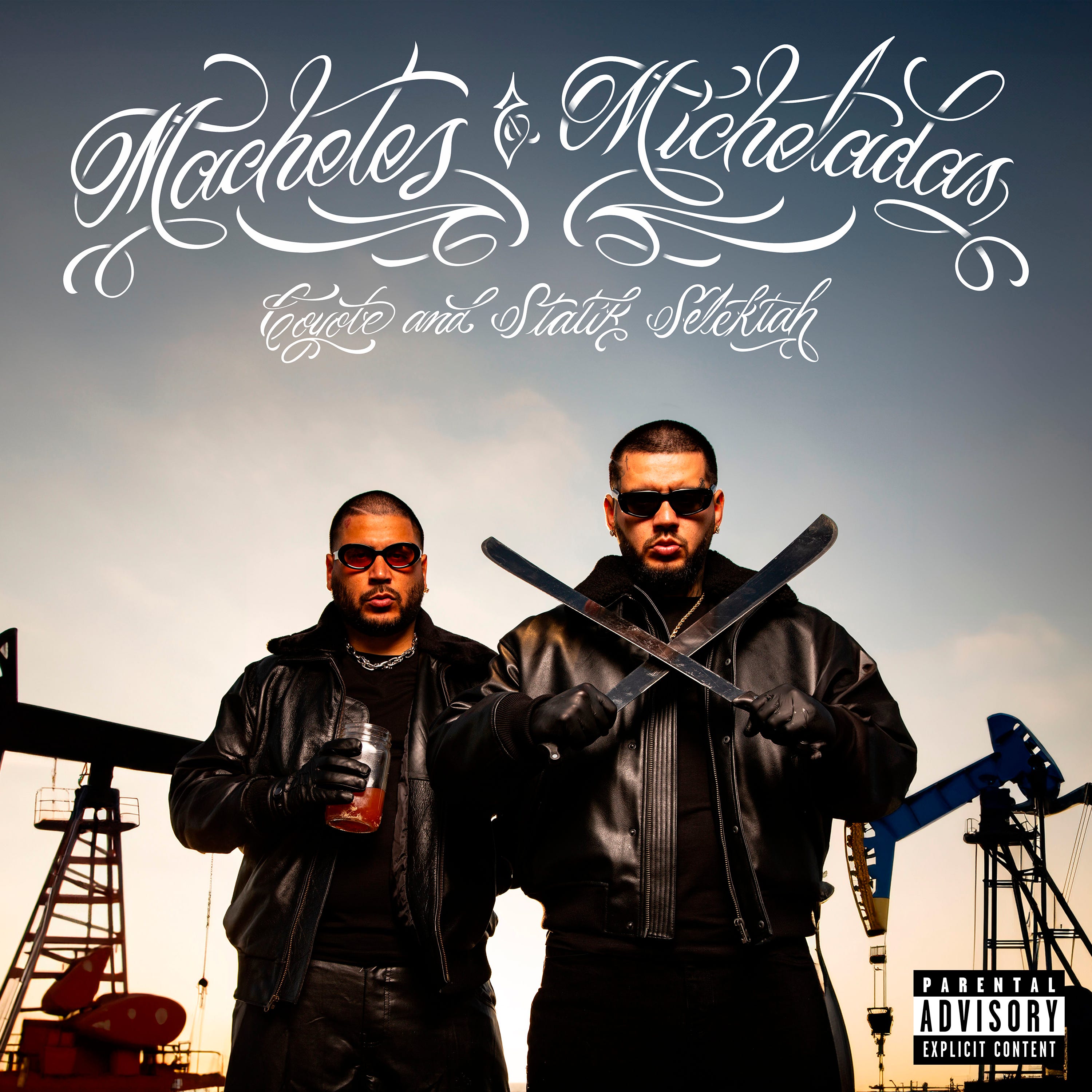
The Morales brothers, LadiesLoveGuapo and Ricky Blanco, grew up in Hawthorne bouncing between the South Bay and Mexico, raised on Wu-Tang and Nas, started rapping together after they lost a championship basketball game, sat down, smoked for the first time, and never stopped writing. They own a barbershop on Melrose Avenue. Their name, Coyote, means trickster and also means the person you pay to get your family across the border. Both definitions apply. Their fifth album hands every beat to Statik Selektah, the Massachusetts DJ who’s spent two decades keeping boom bap’s sample chops in circulation, and he repays the trust by never once trying to modernize them. Over that, the Morales brothers rap in Spanglish about finishing bagging up work and then playing lotería, about wanting Jordans and ending up at Ross where a pair of nylon Cortez on the half-off rack changed their whole self-image, about a kid named Johnny who was a straight-A student until his father got killed in a drive-by and ended up on the street begging for dope money. Conway the Machine stops by with a verse about a car that’s mango on the inside, tajín on the outside, silk pajamas, Tracy Chapman playing. B-Real and Sick Jacken share a track—a kind of Psycho Realm reunion by accident—and Jacken, three decades deep, announces that sobriety is his new high, his parents from Sinaloa. R.A. the Rugged Man, on the political song that flips Biggie’s “What’s Beef?,” goes after people who are afraid of Black mermaids and Bad Bunnies and Bud Lights, says the Oval Office looks like Jerry Springer, and stands behind every syllable. Locksmith, on the same track, figures if Jesus showed up tonight they’d deport him. Nobody pulled a punch. —Joelle Figueroa
By Storm, My Ghosts Go Ghost
Jordan Groggs died in June 2020—three months into the pandemic, making his death somehow both shared and profoundly isolating. He was 32. RiTchie with a T and Parker Corey, the remaining rappers in Injury Reserve, finished the album they’d been working on with him, released it as By the Time I Get to Phoenix (named after Isaac Hayes’s cover of the song Groggs had championed), and then disappeared. Their 2023 comeback came in the form of a name change to By Storm, named after a song on the last record and signifying that continuation would be tantamount to transformation. Their debut record under the new name, My Ghosts Go Ghost, shies away from a neat healing narrative. billy woods guests on “Best Interest,” a track that’s both a gnarly cameo and sounds like industrial machinery crumbling in slow motion. “Dead Weight” and “Grapefruit” swerve wildly through the same tempo and texture changes that characterised Corey’s pioneering glitchy production on Phoenix, pushing it even further into the ether. RiTchie’s delivery has always been a contrast to Groggs’s shambolic charisma, and here it feels like a form of defence; it reads less like a direct address to grief and more like someone pacing around the outside of it. This is how the duo wrote the album, in a way that feels uncannily similar to how it was made; it’s RiTchie negotiating the wreckage without ever purporting to have made it to the other side. Groggs’s absence is the event horizon of the album. —Brandon O’Sullivan
Farma G & Relense, Nearly Nothing’s Enough
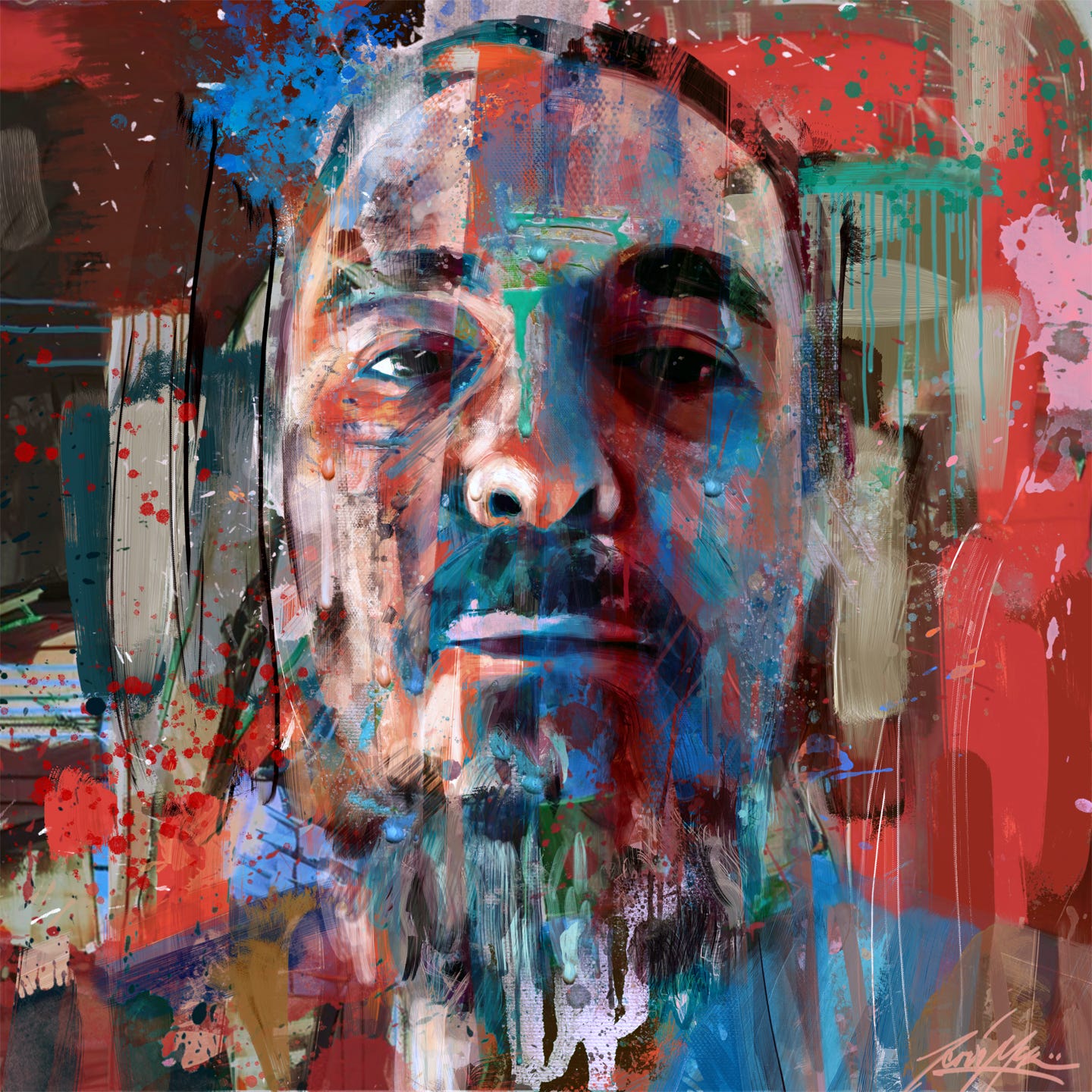
Depression never found its way into conversations for Robin Coombes. He chose to rap about it on “Mr. Moany.” The song presents the character waking up without energy. He’s surrounded by rubbish, rolls out of bed and watches the bugs, rolls a spliff, stares into a mirror and plays Call of Duty. He hasn’t done any chores, hasn’t showered, but applies Lynx and then a bleach gargle. He eats 5 cakes, and writes in grime on the window. Coombes is the child of songwriter Peet Coombes for the Swimmer’s 1978 transatlantic record hit, “Fool (If You Think It’s Over).” He and his brother Chester, drenched themselves into hip-hop. They saw it through Beatstreet and Roxanne Shanté battles. By the ‘90s, this dynamic birthed Task Force and led to a new style of hip hop—the Music from the Corner series, that defined a construct for a vast number of the UK’s underground catalogs. They are still receiving debates in their wake. The entire album is produced by Brighton-based Relense, whose thump holds every song at the same temperature, and the discipline of that single room forces Farma G to do the work with his voice and his pen. He is inspired by an unhealthy mix of conspiracy theories, Jack Kerouac, and even the Monkey King who is trapped for five hundred years and later wrote a form of a five-part stratagem and the Book of Five Rings. — Tariq Belson
KJADE, On Everything I Love
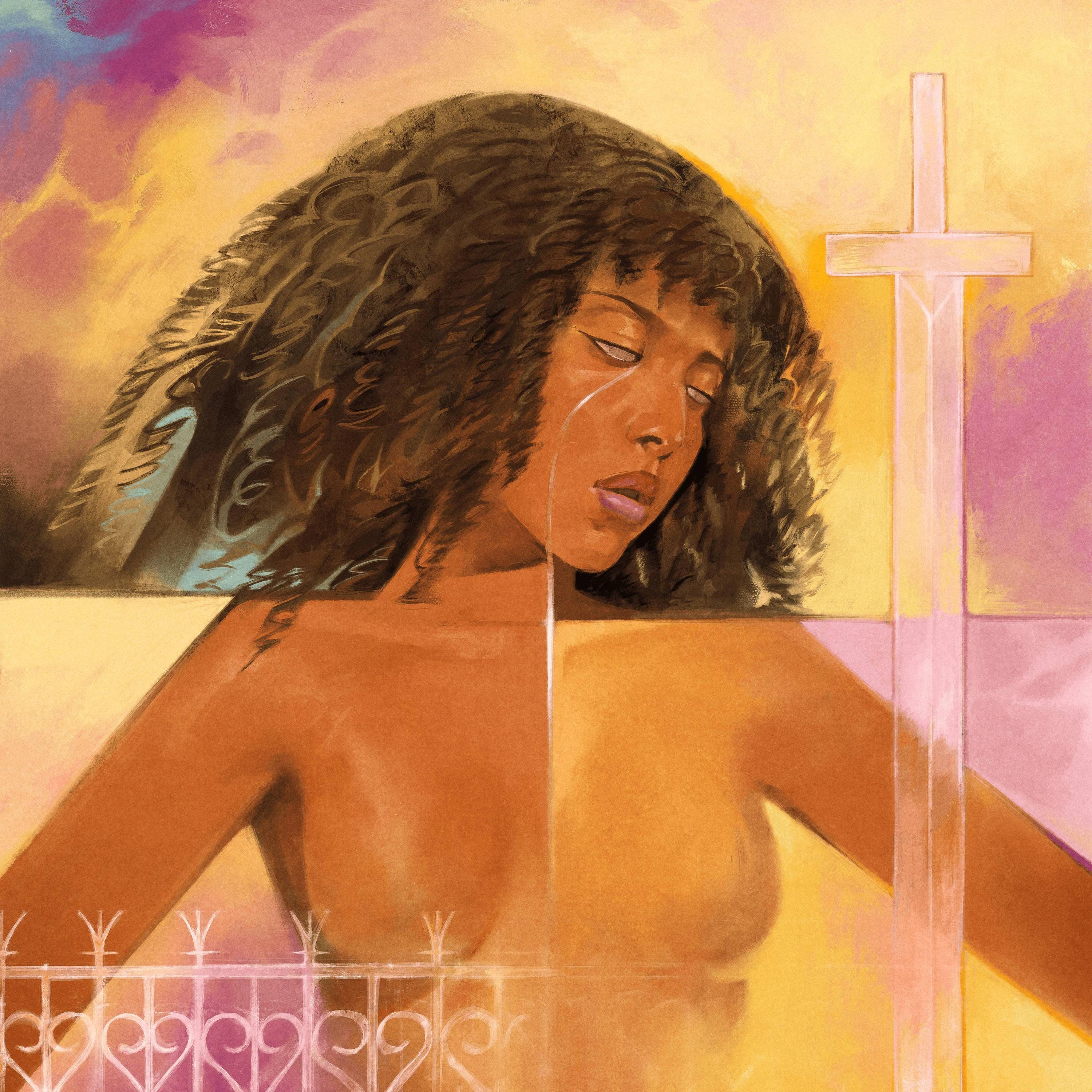
While rapping had not yet come, KJADE curated performance art shows and modeled for Envy Mag. She moved from California to Arizona, started releasing music in 2022 with her single “REASON”, and spent 5 years constructing her debut album, The Sound That Trees Make, an album for which Esteba handled production in its entirety. The album has the same patience of someone who mastered sitting still before knowing what to do with their words. Everything I Love has none of this patience. In “Redbone,” she proclaims, “I’m on the hunt for my rapist to kill what weapons inside of me,” later in the track namedropping Phoenix for facilitating coordination against her and not for the game. She immediately pivots from that thought to “Keep the raps high just to keep the rent low/I won’t stop till we free the Congo,” tying rent with the Congo simply because that is how her reality operates. In “Douglas,” she drops the most gut-wrenching line on the album: “They almost killed me when I told ‘em all that you gon’ need some help/Asking a Black woman for something, well, she’ll go kill yourself.” This line, though a literal interpretation of a request for assistance met with suicidal instructions, also feels like a meta commentary of the song’s overarching narrative about what happens when you refuse to conform and ask for help instead. In “She’s So Heavy,” she begins the track by saying, “You not hard, you just aggressive,” aimed at one person who mistook the latter for the former, but then in the second verse, she requests her mother, sister, nan. The track “Superjail” begins with “Fuck going global, I’m going solo,” and she really means it; the song continues to refuse to monetize her own trauma and says, “No better chip on my shoulder just from the trauma,” collecting the dub, like Tchaikovsky. —Noura Haddad
JuJu Rogers, Pink Guitars, Spaceships N Voodoo Dolls
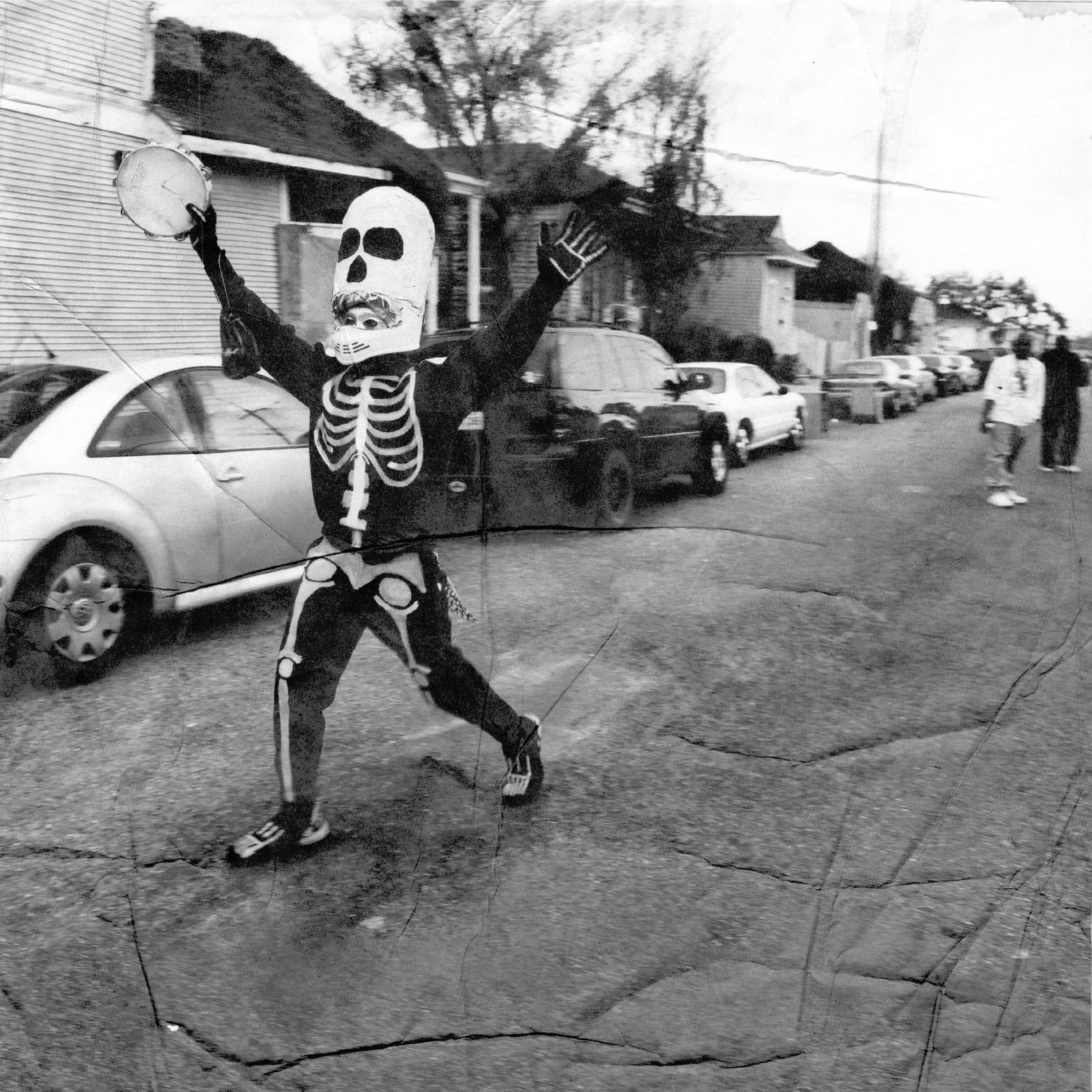
Schweinfurt, the small Bavarian city Julian Rogers is from, housed American military personnel after WWII. His unexamined lineage to this history comes from his father, a New Orleans native, who left him B.B. King records and Louisiana Creole French, a language Rogers now uses in his wartime poems on “European Dead Zones.” He was silent for five years after his 2019 release (40 Acres N Sum Mula). In his most recent project, Rogers describes his genre as “Afrophunk,” a term that embodies many of Rogers’s contrasting selves: German Panther Lord, Black misfit, a hood’s intellectual who reads Lenin on rooftops, wearing a Turban and Cowboy boots. Although Rogers calls his album Pink Guitars, Spaceships N Voodoo Dolls a manifesto, it presents more of an idea of a quilombo, a self-organized settlement of escaped slaves in colonial Brazil, existing outside the colonial economy and societies. Rogers’s self-made label, Counterkultur, gives an instance of his independence, and so do his bars. He’s not American enough for American rap, not German enough for the German rap industry, and he speaks on Maroons and quilombos from a city few people have heard about. In “No Sun” he asserts that people want to put him in a box, yet they have no idea where to actually put him. —Miles Everette
Rosco P Coldchain & Nicholas Craven, Play With Something Safe
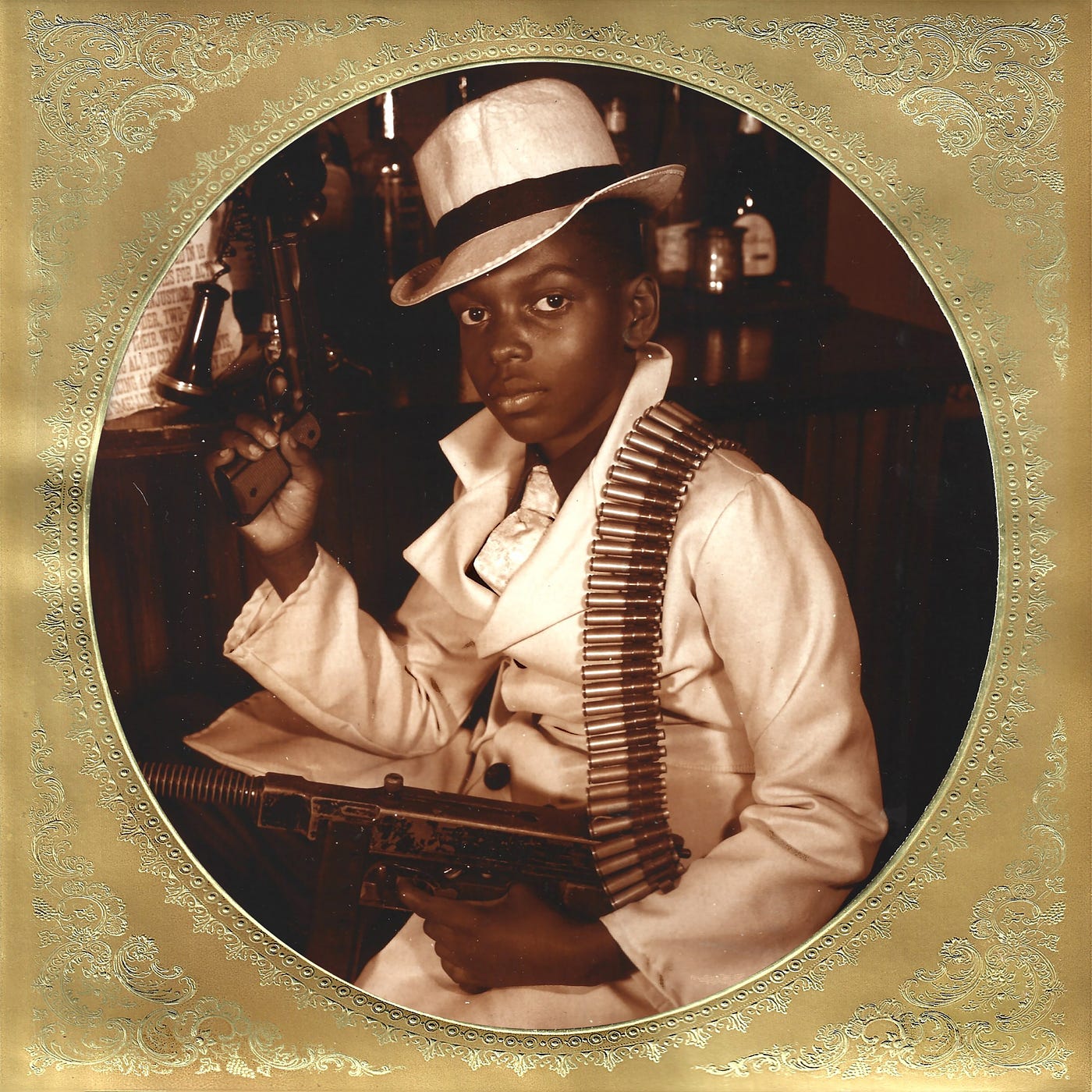
After spending fourteen years in prison, Play With Something Safe is Rosco P Coldchain’s first proper full-length since his release, produced entirely by Montreal’s Nicholas Craven, whose drumless soul-loop flips stay out of the way and let the stories run long. And the stories are staggering. On “Prayer Group,” he’s ten years old, lying in bed next to his sleeping mother, wondering if he can sell what the man in the Troop jacket and Lee jeans sells. He wore a kufi to school; kids called him Pookie, Pork Chop, Saddam Hussein. He dropped out in ninth grade. He was tired of powder milk and welfare cheese and boiling water on the kerosene heater, and watching his mother starve was eating him up, so he ran away from home, put on his LA Gears, and copped a buck-thirty pack from Brunroni at 17th and Ingersoll. On “Hold My Hand,” a mother’s crosswalk warning, “look both ways before you cross the street, hold my hand,” sits between two verses about brain matter on Louis Vuitton and buying outfits for closed caskets. Ab Liva and Jimmie D show up on the title track, both Re-Up Gang affiliates, and rap about filing serial numbers off guns and scraping pots in trap houses as if they’d all been sentenced to the same room at different times. Rosco’s grandmother shared blood with David Porter of Stax Records, and Premier kept calling the jail every year for fourteen of them. —Phil
Earl Sweatshirt, MIKE & SURF GANG, POMPEII // UTILITY
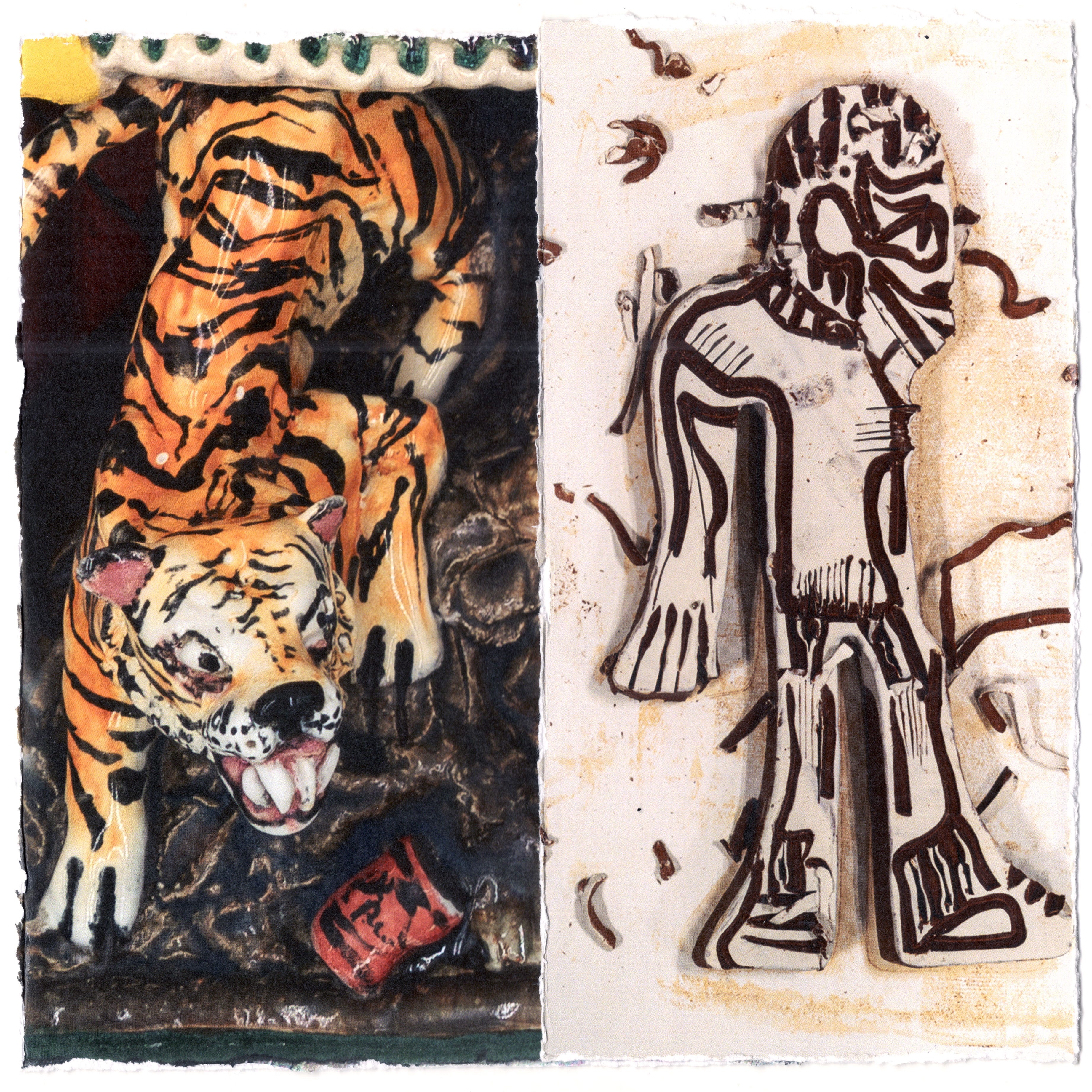
Late in 2023, at the Warp studio in Los Angeles, MIKE fell asleep in a corner while Earl Sweatshirt and a handful of SURF GANG producers kept recording. Other bodies were scattered around the room—exhausted, stiff, barely moving. Someone cracked that it looked like Pompeii. The joke became a title. The sessions stretched another two years, split between Tony Seltzer’s New York studio and various rooms in L.A., and the album that came out of them is enormous: 33 tracks across two discs, MIKE’s 15 on one side, Earl’s 18 on the other, every beat from SURF GANG’s Harrison, Evilgiane, and affiliates. MIKE writes tighter under the noise, compressing his mother’s death and the count of hundred racks into four bars on “AFRO,” then dashing through traffic with packages on “Minty,” telling a friend to take their talents off LinkedIn. On “Shutter Island” he speed-reads a whole childhood of damage in couplets: “Those crooked slums, a thug’s resort/...She shouldn’t trust my stubborn love/They never gave your son a choice.” Earl, on his disc, is funnier and more plainspoken than he’s been in years. On “Charli 2na” he compares himself to the Jurassic 5 MC and admits the bottle bent him out of shape in the same verse. On “:( again :)” he draws a line in the sand with a stick, takes account of the damage he did, and decides to fix it. On “AOK” he says he wants his kids, calls the people keeping them from him clowns, and remembers a time when all he wanted was a tub and his pops. When they finally trade bars directly on “Leadbelly”—“I told Twin, ‘you better than me/I still got vendettas to see through’”—both of them are grinning. Wiki introduced these two in 2016. —Koda Lin
Ill Conscious & Finn, The Premise
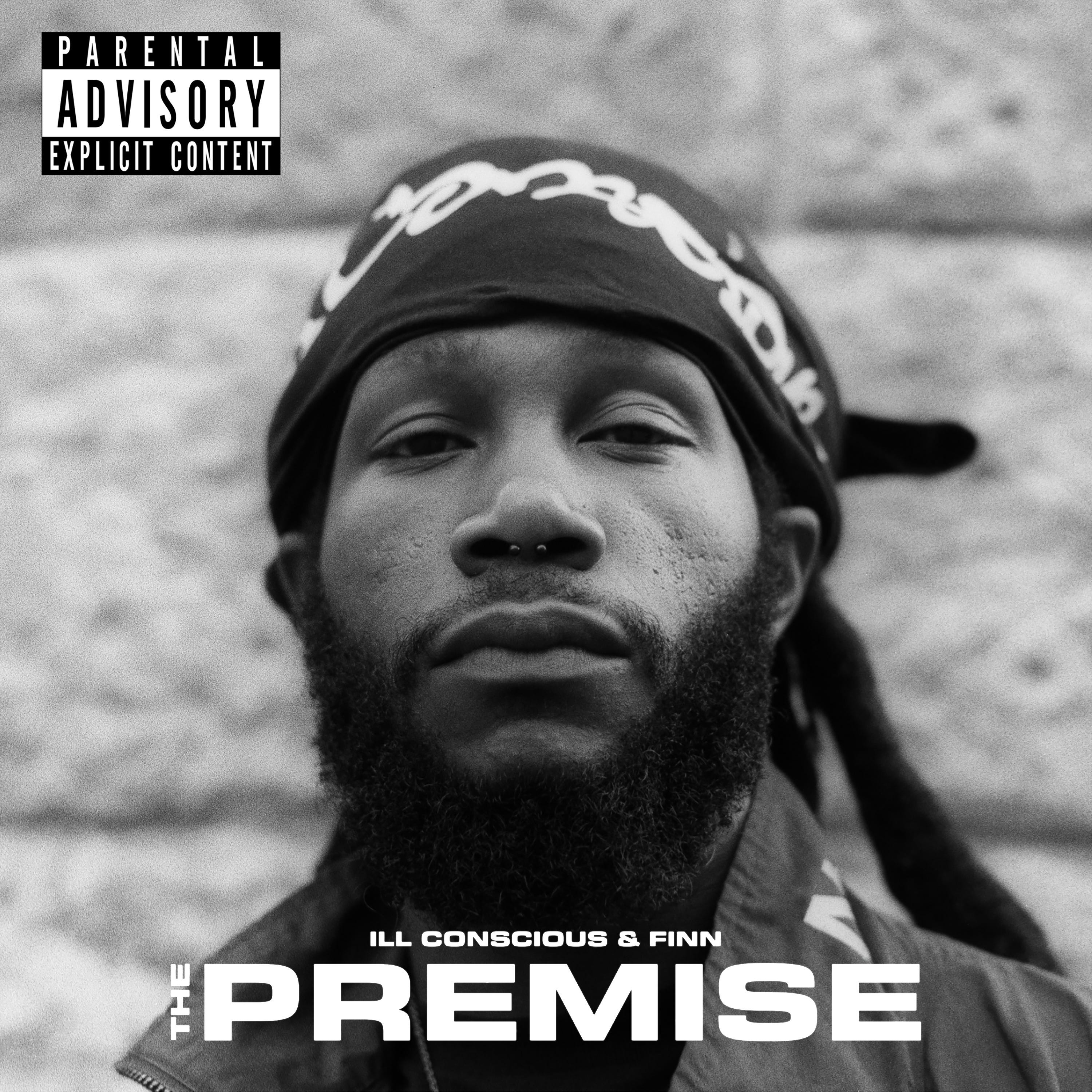
Ill Conscious comes into existence once again, to the release of his sixth studio album, as the musically inclined, street theologian cellular biologist. The MC traces a DNA strand through Flavius Josephus, Tigris, Euphrates, perhaps carbon traces, mitochondria, appears on “Tuthmosis” (named after a pharaoh: Egyptians), “But instead they stuck in themselves like mitochondria” used as a curse on the brothers and their search for justice and their plight of being too far out of their cells. The production never stumbles with continental drift, assuming Pakistan to Kuwait in one breath. “Pupils Become Rivals,’ the song is one of betrayal, but the topography of body horror, even the verdict, is met with a descending bass, and every punchline is weighted with threat. “This Mr. Miyagi verse Ricky Bobby in Talladega/Get hit in the lobby, Tupac in the blood decorated.” And then, on “Pineapple Mimosas,” fatherhood is a funny thing. There are court summonses alongside a cup of mimosas in Miami Beach. A father can have a court summons and four baby mamas on the side; again, the production is as breezy as the coastal stretch. Throughout the album, it’s between excavating God’s signature through the DNA, the DNA in the midst of the streets of Baltimore, the DNA through the pleas to courts, and the DNA broken into a blossom topiary. And here we have a mystery constituent’s dilemma, as one cleanup your premises while your DNA is the plan to create and destroy. —Harry Brown
Genesis Owusu, REDSTAR WU & THE WORLDWIDE SCOURGE
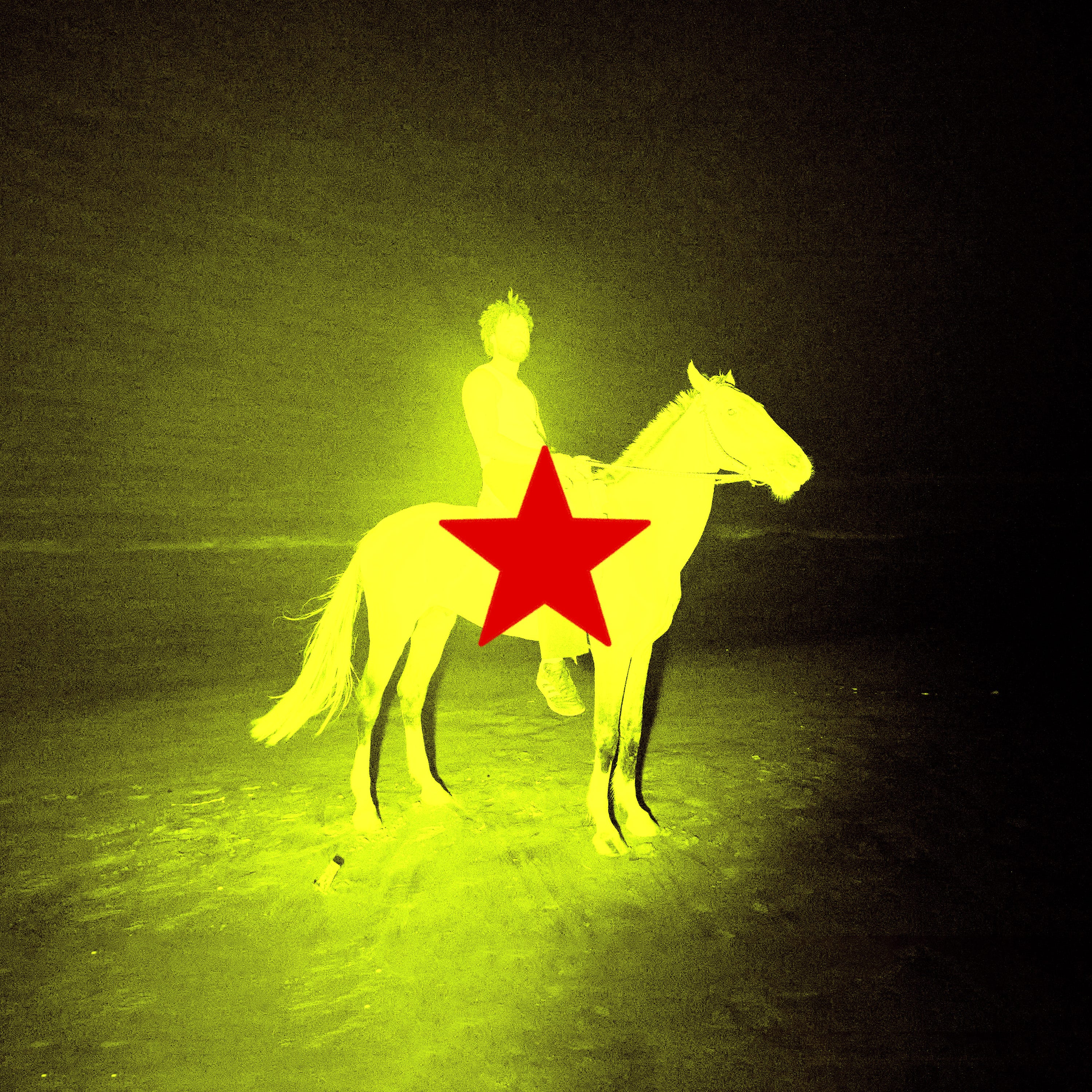
The revamped church in South Wales, where Genesis Owusu confined himself with producer Dann Hume, as a place for radical transformation. There were ten-hour long jam sessions. Vocals were recorded in the nave during church bark and bass dictated the volume levels, and people slept in the pews. This is how the Melbourne rapper decided to go for the big follow-up to his back-to-back ARIA Album of the Year wins and tours as the supporting act for Paramore. He decided to destroy everything in his path and to build everything back up from the ground. With REDSTAR WU, who is Owusu’s clear-minded, alter ego who is “seeing the world as it is,” he uses every genre in his reach. Industrial stomp reduces a church organ on the title track. Breakbeats snap with neo-soul bass. A four-on-the-floor house kick shares the low with programmed drums that swap to live in the middle of a song and then back again. The political overview is broad and based on Owusu’s perspective. “The Worldwide Scourge” describes a white woman crossing the street in fear and contains a bar with rappers degrading women. “Should I blame her for seeing me and picturing a threat/Or the centuries of whipping that’s keeping women in debt?” Owusu asks over a liturgical organ and then later reveals that his own solidarity merch was made by exploited labor in the middle of his verse. There is no one to save us from the mess of real time. —Phil
bbymutha, rent due
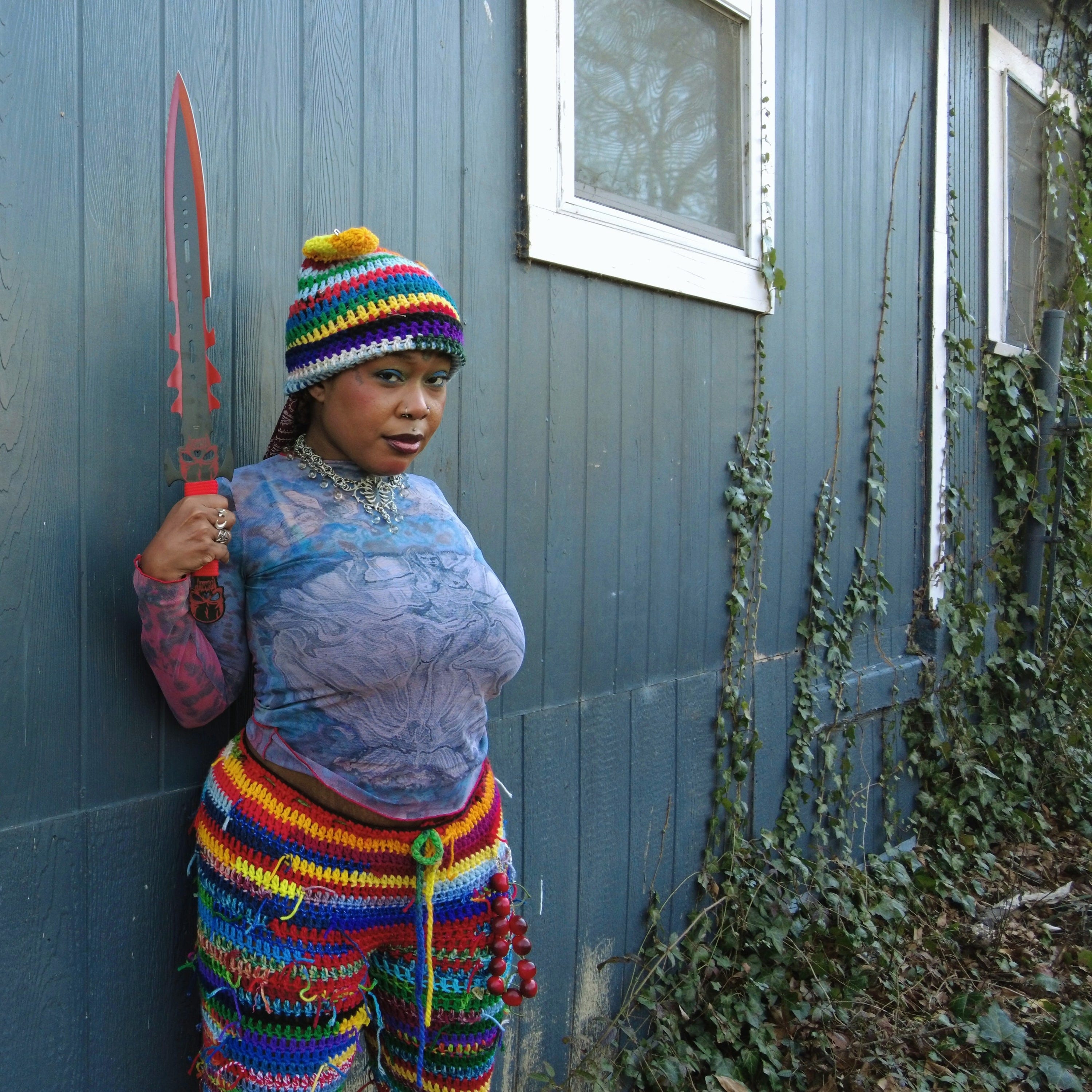
Brittnee Moore was twelve years old when she got committed to a psychiatric ward in Pensacola for hitting a teacher. They diagnosed her with depression and ADHD, expelled her, and sent her back to Chattanooga, where she’d spend the next two decades becoming one of the funniest, meanest, most stubbornly independent rappers in the country, mostly without anyone outside of Bandcamp and SoundCloud knowing her name. On “mainstream,” bbymutha admits her Louis bag is fake, says she fired her managers for giving her headaches, and notes that her boyfriend DJs for her both downstairs and on stage. “personally” lists everything she hates about the industry—signing deals, starting over, working with people who see her as a check. Then she asks why she always has to be the gangster, always the bitch, when she’s a hero to her kids and her neighbors. “runnin” is the one where she wants to escape but can’t, so the hook just says it flat: “Fuck it, I’m mother, so I gotta handle it anyway.” She has been doing this since Muthaland. She can rap “I’m a goofy goober” on a song called “mutha massacre’s mental mania!” and mean it as hard as anything on the record. She learned from Gucci Mane and Trina and La Chat and Gangsta Boo, Southern rappers who understood that talking wild shit and talking real shit are the same conversation, just different volumes. “threat” has a pre-chorus where she walks through every identity that costs her points in public: too country, too old, a mother, a witch. —L. Ari James
Fat Ray & Raphy, Santa Rosa
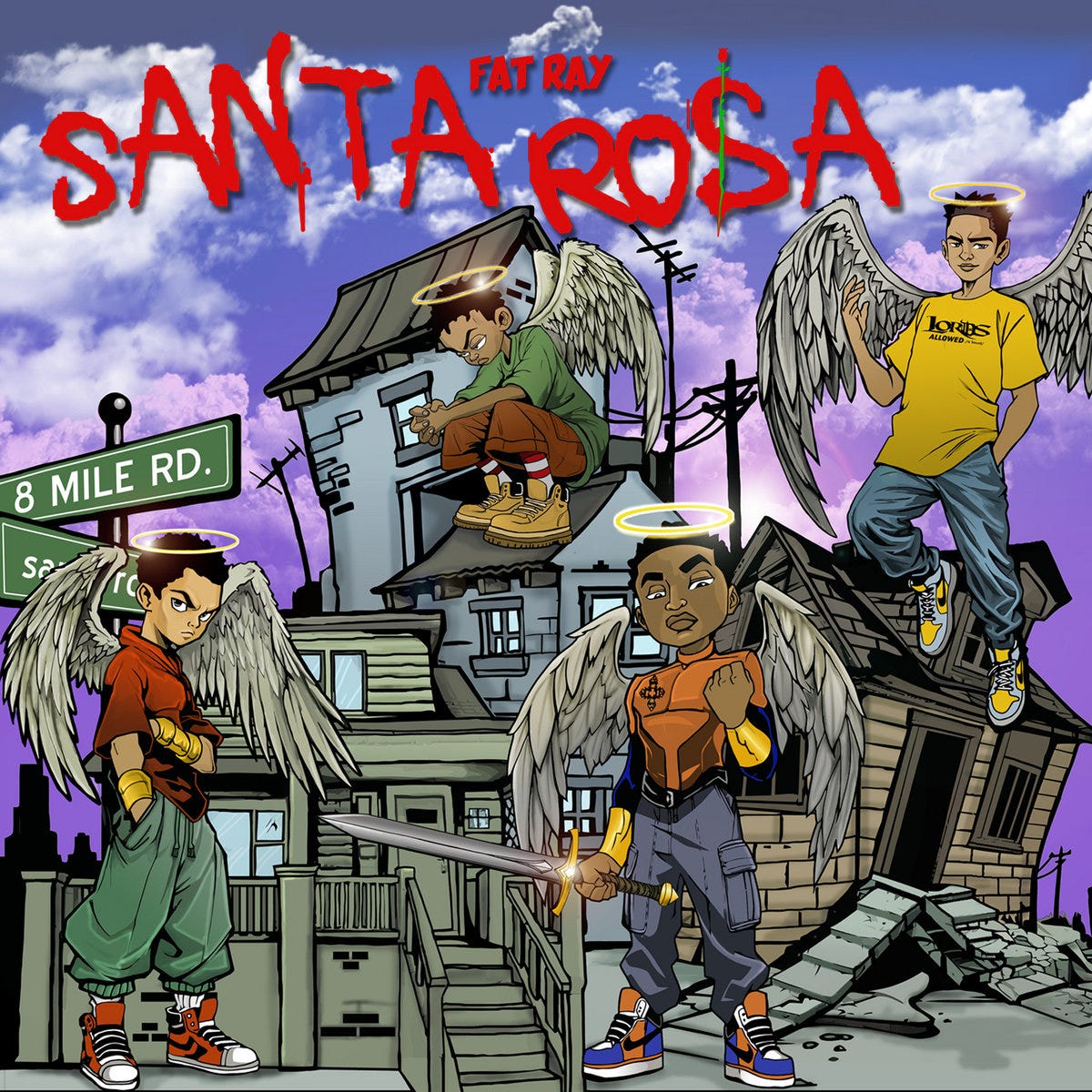
Detroit’s underground has been quietly running on its own current for years, the kind of scene where Fat Ray who watched Proof run battles at the Hip-Hop Shop window in the ‘90s can spend a decade off the grid, resurface in 2018 with a mixtape and a sophomore album in the same calendar year, and still feel like he’s just getting warmed up. He put out Santa Barbara in February 2021 as the second-ever release on Danny Brown’s newly minted label. Santa Rosa is the sequel, made entirely with Bruiser Brigade in-house producer Raphy, who Brown has compared to a young RZA for his ability to tailor beats to whichever Bruiser is at the mic. Raphy chops soul and funk samples into hard, unhurried loops; Fat Ray fills every pocket. On “Rap City in the Basement,” he wakes up berating his own reflection for living in the basement when he’s supposed to be on Melrose, then flips mid-verse and crowns himself Ray Hova. When billy woods walks into “Change Us” with a Pontiac fishtailing on black ice and rigor mortis waiting on him but moving too slow. He raps about street economics with no sermonizing—“Lockdown” has fiends copping even when the price of the stock drops, “Big Worm” warns you not to cross your plug if the plug has Indian blood and runs with the Aztecs—and addresses younger Detroit kids on “K-Dot Pool” with the directness of someone who’s been watching the same patterns repeat for twenty years: “Why is you sellin’ blues?/Hangin’ with niggas hatin’ and waitin’ to tell on you.” —Harry Ford
4FIVE6 NICE & DeevoDaGenius, SHOOT DICE NOT PEOPLE
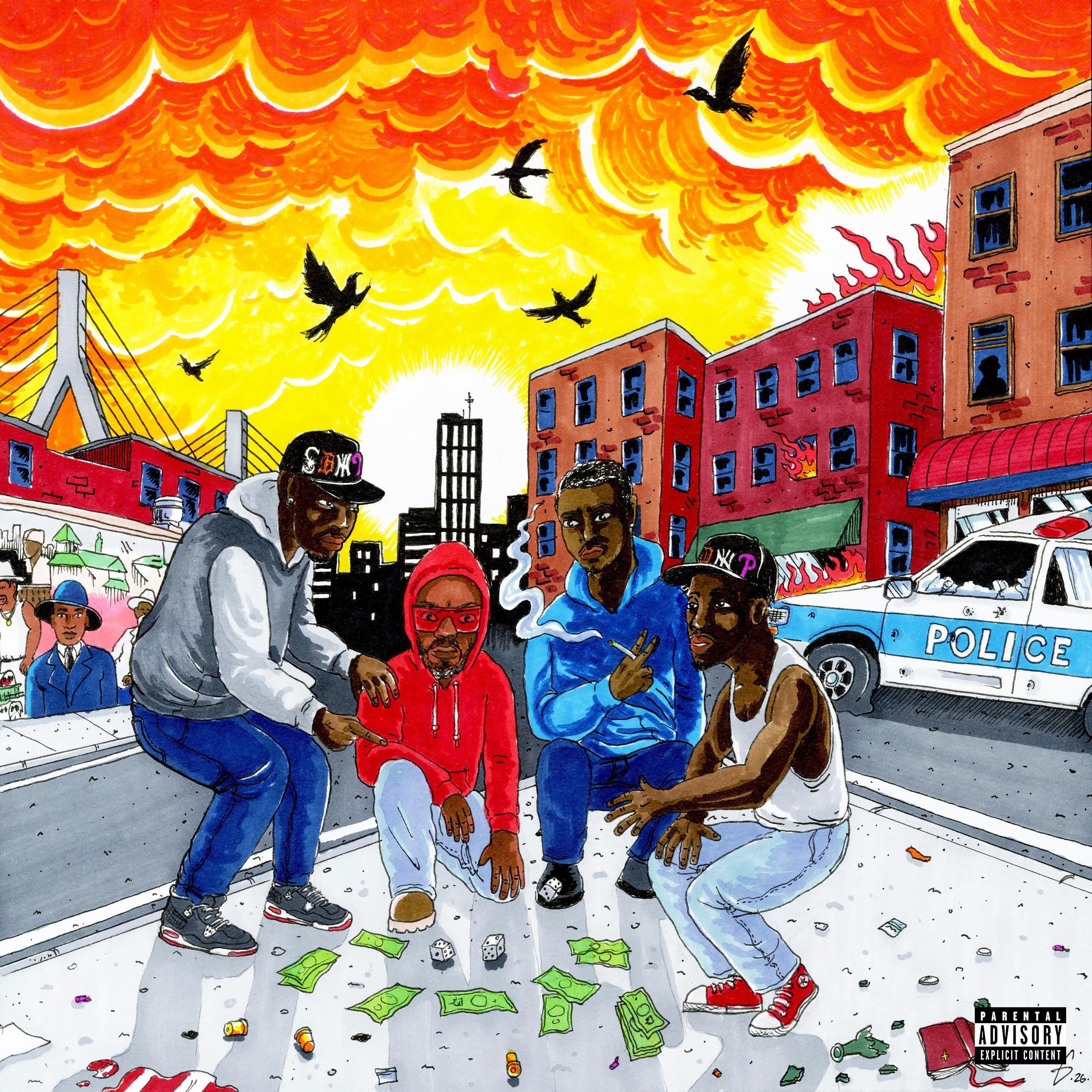
As a single-producer Massachusetts rap record, this is arguably the most powerful to date. Thereafter, it creates a dialogue with one voice and one board. Where DeevoDaGenius collaborated with Kil the Artist and BLUEBILLHILL on Angels With Filthy Soul, this follow-up takes everything away and does everything alone. 4FIVE6 NICE is alone at the mic, and DeevoDaGenius is alone behind the boards. This project begins, and even more, with the question, “Who is left when shit hits the fan?” 4FIVE6 NICE answers the question with lived experiences and not hypotheticals. “HERO (PAYTON PRITCHARD)” describes his (or will be his) progress and evolution, with the end goal of transitively counting digits from his fit. He does this with no celebration and a matter-of-fact report, but the nostalgia and progress manifest. When 4FIVE6 NICE describes “old Boston WHERE the men were really made,” he also shouts out Bone Crusher and the street rap of the early 2000s. The emotional heart starts from “FCKEDUP (WHATITFEELIKE)”, which is where 4FIVE6 NICE describes how he couldn’t even afford fruit snacks for his kids and how his grandmother passed away and shattered him into “a million pieces.” 4FIVE6 NICE continuously raps with the drained clarity of someone who’s borne the burden of dual lives for too long. The corner of Massachusetts is finally getting its flowers. —Reiko Oshima
Nick Grant, Smile
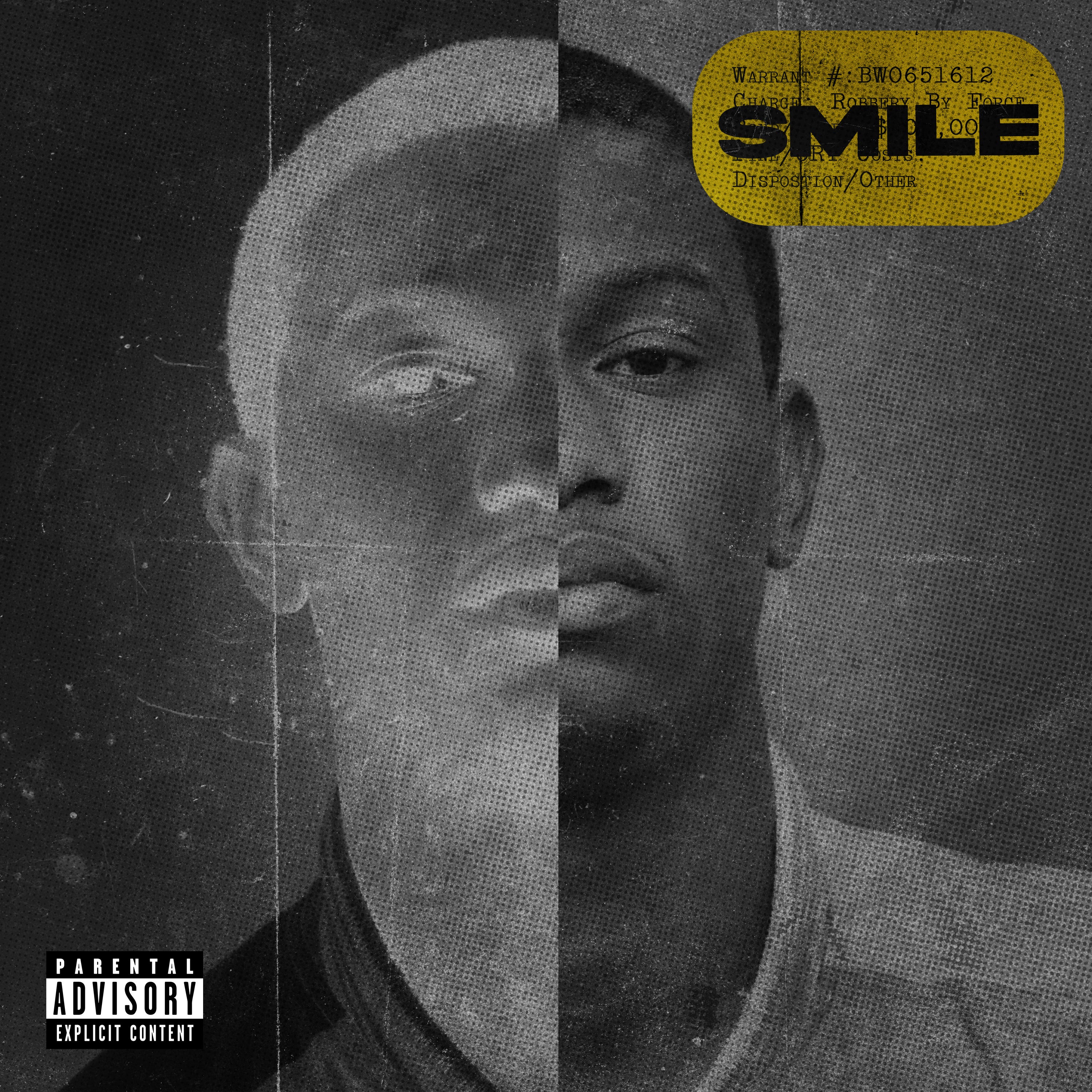
The greatest talent comes from artists who break the mold and redefine music on their own terms. For a decade, Nick Grant would write on his grandmothers porch in Walterboro, South Carolina. A small town estimated to have a community of about 5000 people. From the co-signs of André 3000 and Nas, which both took place during the remarkable mixtape ’88, Grant found the waiting had been the problem. Smile is a Southern Gothic Novel—a short stark account of modern Southern rap, on the scientifically absurd economics of rap through B. Daniel’s morose stimulus and Stoic’s breaks. “Sensitive Gangsta” critiques street credibility constructed from genuine but fine beef to illicit street credibility for protection. The track is carried by a coroner as a witness to the performance and draws its conclusions from docile observations. Clarity takes prominence as Grant’s downbeat on the kick is a concise modern rap on Grant’s complex consonants. This calculated control makes CyHi’s playful and dense verse on “Razor Ramon” feel almost out of place. Grant’s simple ruin decorates his reimagination of Southern rap. Southern rap showed Grant that he had to distill the essence into witness, testimony, and the strange illiterate poetry of reality. By ignoring fads and trends Grant creates something more uncommon than a great album, he creates an honest one. —Dai Kurihara
Nappy Nina & Swarvy, Sow & So
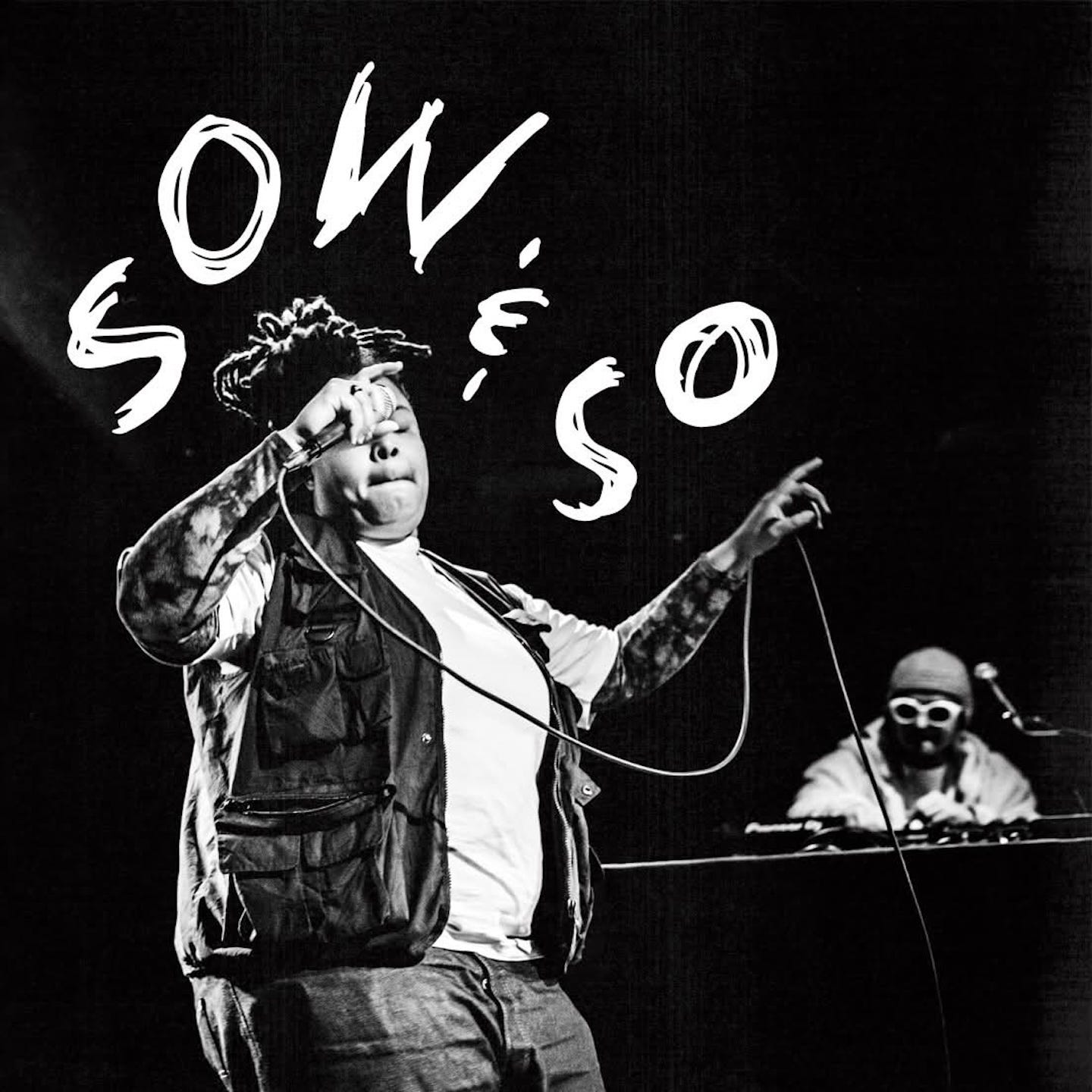
The courteous response might have been nobody was looking for another rapper–producer duo record in 2026, but Nina and Mark Sweeney (Swarvy) showed up with something that made formalities a thing of the past. Unlike 2024’s Nothing Is My Favorite Thing, which let Nina’s verses evaporate into nothing, Sow & So landed with precision. What looked like a deceptively simple approach with Sweeney, who’d spent time in Los Angeles with Mndsgn and Zeroh, brought Rhodes piano, electric bass, and kit drums to beats where the border between sample and take was kept ambiguous. A small band-sized collection of him backing Nina’s sharpened focus. When she kicked off “Been Through” with “Cut from a cloth that has been discontinued,” the weight had the feel of something said on a phone call that wouldn’t be forgotten. The hidden genius of this album was in the combination of felting drums and high-pitched synth chimes that gave Nina’s writing space and weight in elegant balance. The story of Nina’s grandad’s battle with alcohol returned on “One Fifty,” as did the story of Nina’s time in foster care with the track “Deep Stretch.” Gun handles and snow angels on factory floors was the inspiration for Tongo Eisen-Martin’s poems as the bass guitar and Rhodes held a chord on the track “Half Step.” Everything was struck by hand, with the duo’s working theory holding position: the most radical of all is to just finish what you start. —Dr. Chong
cunabear & Steel Tipped Dove, STBC! III: “Shifa”
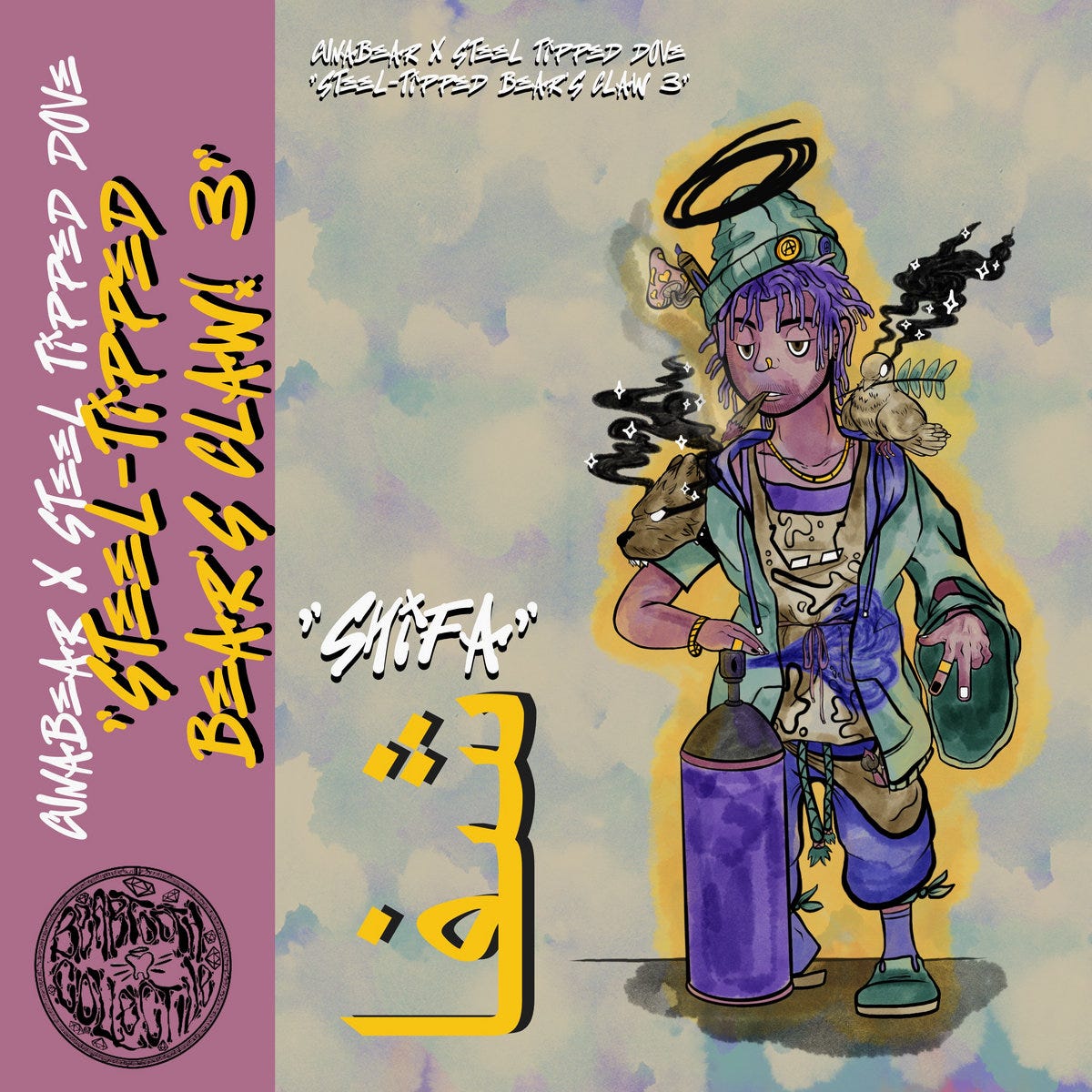
The STBC! series began when cunabear, a rapper and illustrator based in Richmond, Virginia, signed up to Steel Tipped Dove’s Patreon in late 2018, roughly, and began downloading instrumentals from Steel Tipped Dove’s “loohps” series and daring himself to rap over as many as possible. The first part of the series dropped in 2021, the second part (Phantasmagoria) in 2023, and by the time they’d reached part three, Shifa, they’d developed something of a telepathic rapport. “Shifa” means healing in Arabic, and cunabear was in need of two things-both family drama and financial issues, both of which had made his innate talent, when combined with these needs, into something akin to being at war. Once he healed these two issues, his inherent ability could continue operating on an unimpeded level. On the track “Grandma’s Hands Manifested a House for Me,” cunabear raps about crossbeams and concrete slabs while his wingspan opens doors, shoulders hold walls, and feet are buried in a family foundation he’s building himself. On “Sardonyx-Coated Prayer Hands,” cunabear smells like chai and sweat, his bank account on all fours, asking, “Do you understand the violence it took to become this gentle?” then tearing down borders to build a collective throne. He finger-flicks One Punch Man out of the storyboard on “Colossus (How to Build Community)” then charges spirit bomb energy with two thumbs touching then stops to question, “If punk never died then where are all the radical lovers?” —Lance “LX” Brooks
UllNevaNo & Philth Spector, Stephon Barbury
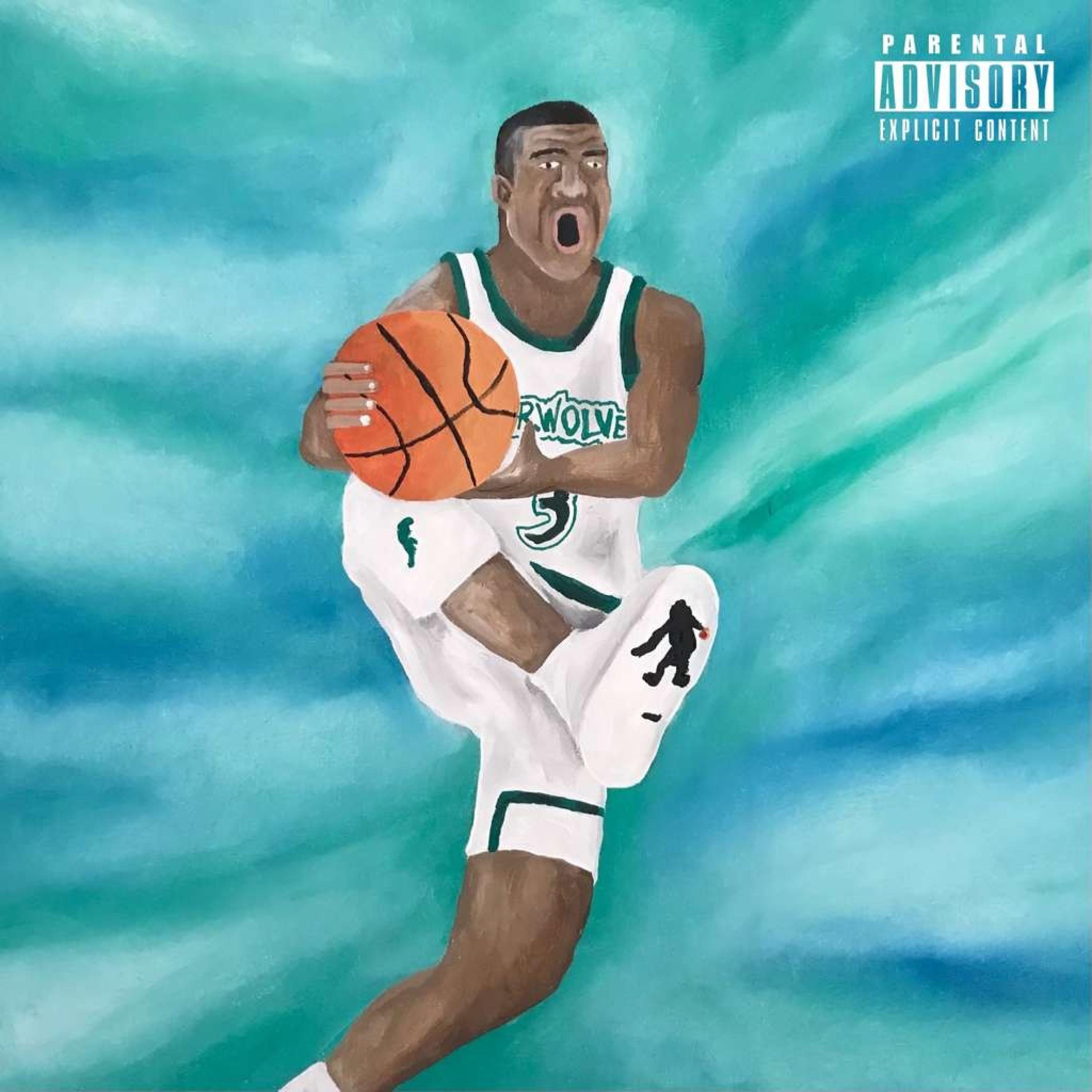
There’s a clip that runs through the LP, Stephon Marbury passing to himself off an opponent’s turned head with an announcer calling it a most unique maneuver. It bears the presentation of a deliberate placement because the album does the same things with self-inventive concepts from unexpected angles. UllNevaNo merges his name with Marbury’s, and the comparison stretches beyond basketball metaphors. UllNevaNo keeps his one-producer discipline while working with Philth Spector, a member of the $$$ collective, and maintains the same pattern established through his color-coded collaborations with Kev Brown, 9th Wonder, and God Sense Beats. Spector wins the argument of pace, building the Philadelphia International catalogue. He allows UllNevaNo to pause from the dense references to tackle moments of raw and unexpected vulnerability. Eight bars of “Yellow Jackets” open six universes. Stephon Barbury finds triumph in refusing false binaries, post-NBA Marbury selling affordable sneakers that worked as well as the $150 ones, winning three CBA titles in Beijing on his own terms. Tournament bars and wedding vows. Underground discipline and emotional exposure. Pass to yourself off another player’s skull, then stomp the loop in your own sneaker. —Koda Lin
Da Flyy Hooligan, Supreme Cut Untouched Magnificence II
He was a kid from Nigeria who, prior to even being known as Iron Braydz, and prior to becoming Da Flyy Hooligan, moved to Harlesden, North West London, in the early 90s and found himself rhyming anywhere they’d let him. The legend has it he was backstage at a Public Enemy gig in London when Chuck D himself invited him up onstage to rhyme: he did, and instantly earned Chuck’s approval. This audacious quality, that of someone barging into someone else’s space and refusing to play second fiddle, can be seen throughout the twenty-odd releases Hooli has put out between 2017’s original S.C.U.M. and this sequel. The first one was all Agor and featured drumless, sample-based loops, indebted more to Roc Marciano and the Wu Tang Clan than any of what was going on in the UK scene at the time: this sequel follows suit with the same producer, just better guests:
Hooli snaps SIMs and ghosts his proximity before torching his burner on “Lab Coats,” a dreamy ride through White City in a Maserati followed by a dedication to Nipsey Hussle before the mood darkens on a call from his cousin explaining the infraction with “Nightingale Road,” M1 recalls Big Pun in ‘99 wanting to fight Bush for “what he done to them Haitians in Miami” in “China,” while Hooli blames Boris Johnson for COVID, and General Steele names Fred Hampton and remarks, “If you ain’t fightin’ to live, then you’re probably already dead, nigga.” A posthumous Sean Price verse appears, calling himself “the prophet of profit,” and says he was “selling them cracks with a grin, and a karate chop that could split krills in two”. He sounds loose, funny and mean. On “Expensive Wishes,” the façade crumbles. Hooli sprays on a new Versace, and his thoughts go back; days spent locked away without taking calls while his mama was worried sick, the vision of his mama’s burial and a self-perception of someone that was unable to fulfill her wish; his own brother literally sliced him open, sixty-four stitches, eight months of pain; he beat his depression, escaped the hate, and left. —Noura Haddad
Propaganda & ProducerTrentTaylor, This Is Our Fellowship
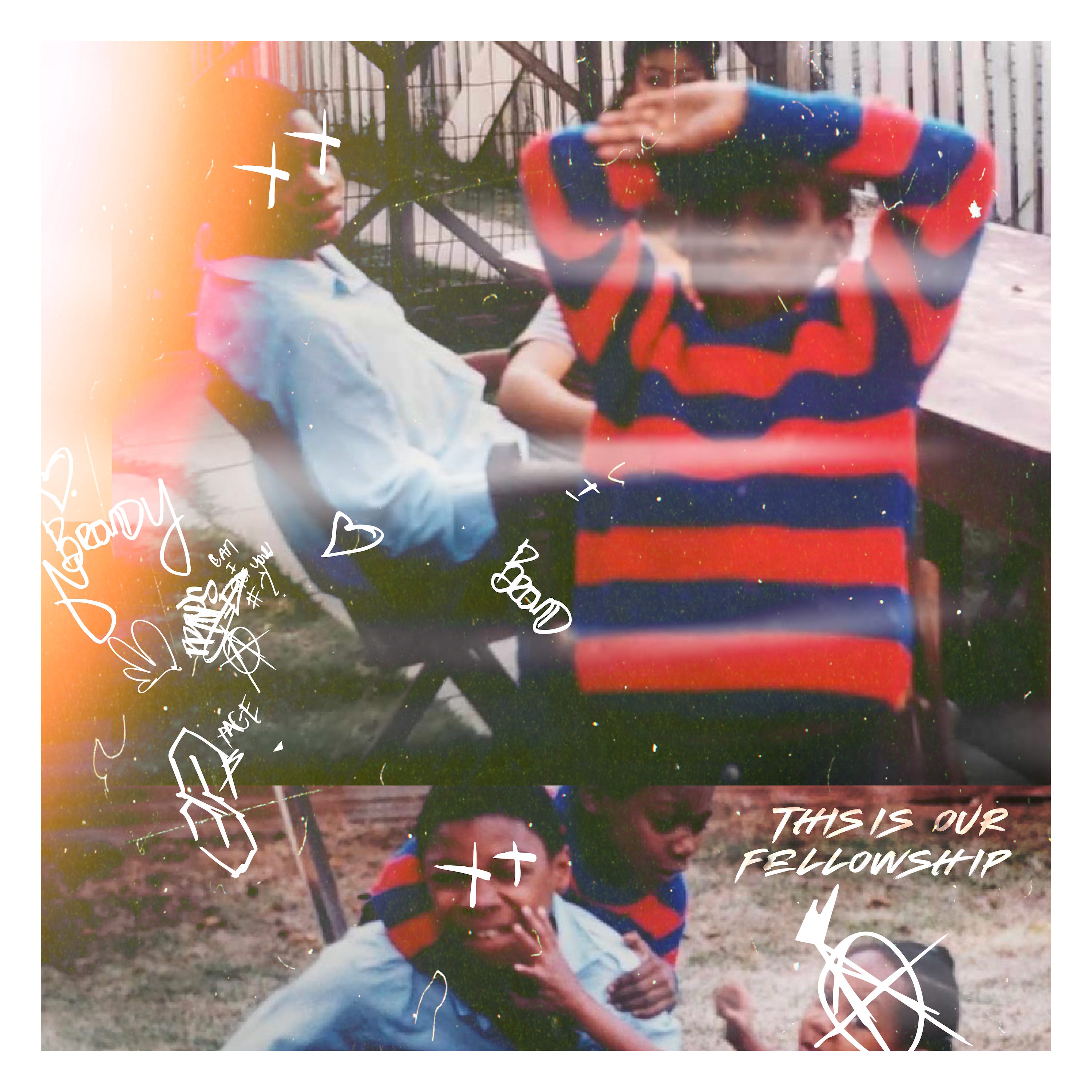
Jason Petty’s father was a Black Panther. Petty grew up as the only Black kid in a predominantly Mexican neighborhood in Los Angeles, took up graffiti and breakdancing, went to college and came out with degrees in illustration and intercultural studies, then taught high school for six years before he quit to rap full-time under the name Propaganda. His collaborator here, ProducerTrentTaylor, bought an MPC4000 on Amazon while deployed in Afghanistan, made beats between shifts servicing A-10 Warthogs, and got dishonorably discharged for smoking weed in his final week of service. He ended up homeless in the Phoenix area, knocking out beat tapes from couches. They connected through the underground West Coast network (Propaganda guested on TrentTaylor’s Fashawn collaboration YOU OWE US WITH INTEREST in 2024), and This Is Our Fellowship is what happened when two men with wildly different routes to the same room decided to make a record about what boys become when nobody teaches them how to feel. On “I Didn’t Leave You,” he goes after the institutional church by name, says good theology was supposed to crush arrogance but he got stuck in one-upmanship, says a place where a gay daughter is unwelcome is a non-starter, then delivers a four-bar indictment of Trump, then names Derek Minor and Lecrae at the end, calls them his dogs till the wheels fall off. — Phil
Sideshow, TIGRAY FUNK
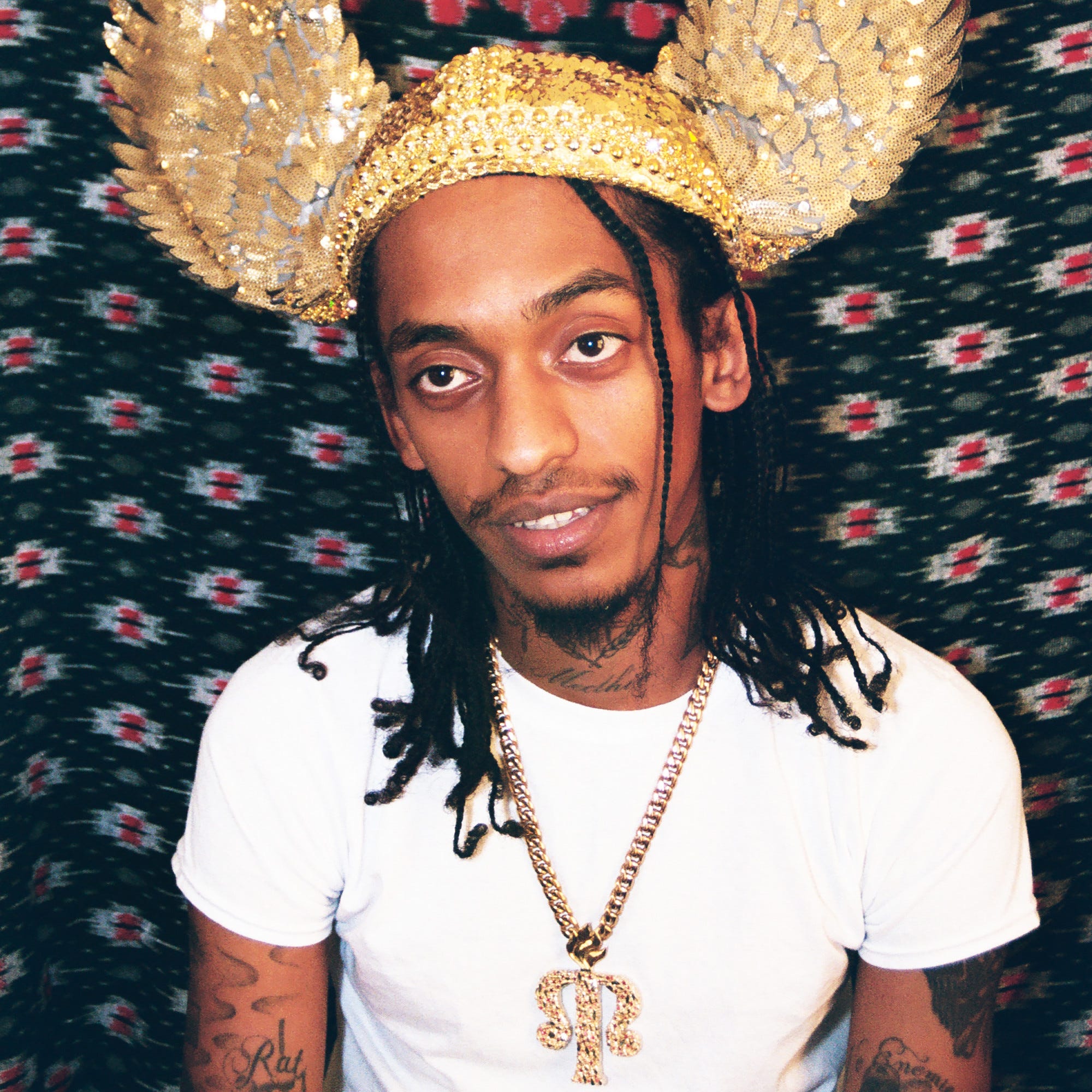
Born in Tigray, Ethiopia, and raised in the DMV after immigrating to the States, and with roots in LA and TIGRAY FUNK itself carries all three zip codes in its DNA. It’s 32 tracks on four discs over an hour’s worth of music, a duration that sounds intimidating until you find out most of the tracks are under two minutes. The whole record features an animal fable of who is the prey and who is the predator, and uses it to describe everything from the war in Tigray (where between 2020-2022 hundreds of thousands of Tigrayans were killed, and millions displaced) to serving tables as a DMV teen to throwing dollar bills at a strip club while on a highway hitting 120. On “LIFES AS VIOLENT AS YOU MAKE IT,” Alexander Spit produces a buoyant piano loop for the opposite sentiment: “You need advice, or you need a weapon?” he asks, before moving on. “MARTYR MOST HIGH” uses a stately beat one could imagine lost in an unreleased MF DOOM tape, and he states simply: “I do not trust white people.” On “ALENA()PARADISE LOST,” he directly addresses the calculation: “The rich stay rich, the workers’ pay is cut.” It’s a person sewing the rags of a devastated home country, a new country where your fears are validated, and a painful personal past, and not flinching away from it. —Termaine M. Scott
Blu & Exile, Time Heals Everything
A kid from the west side of Los Angeles famously made a rap album in 2007 about praying to the sky and believing the sky was listening back. Below the Heavens has been lionized on underground-canon lists every year since (which, admittedly, is the kind of reception most rappers would sell a kidney for), and the writer responsible, Blu, has put out records with his producer Exile all through the two decades since while the mythology of the debut kept collecting interest no royalty check could match. But what happens to a rapper who’s been understood to matter more than he’s actually been paid for? On “In My Window,” the 37-year-old Blu writes about that exact predicament, that while he didn’t get the money he envisioned, he’s “blessed enough to pay my rent with this.” Time Heals Everything, his sixth with Exile, is the record on which the duo apparently stops pretending the myth and the working rapper are the same person (and it’s about time), writing directly from the life of the guy paying rent. He separates “R-A-P” from “hip-hop” and claims the second, then spoils the claim by admitting his first Exile record was built to get shorties on the floor naked. On “Crumbs,” Rome Streetz and ICECOLDBISHOP get on a song with Blu to argue the machinery of prison and poverty from two different coasts at once. Black Thought, on the three-MC centerpiece, prays to the Lord for lighter skin and finer hair, a couplet that in most other mouths would curdle into a bad tweet but sits here inside a verse about being “out of pocket” for pride. Mach-Hommy reshapes “My Favorite Things” into an informant manual on the same track. Exile’s horns and Rhodes and chopped-soul loops still refuse every production trend since 2007. Blu has figured out how to be 37 inside the sound that made him at 24, and the harvest of hay of doing that is the whole engine of the record. —Phil
Chris Crack, Too Late to Start Following the Rules Now
No one is funnier than Chris Crack in current Chicago hip-hop; few are more prolific—24 albums since 2018, and not a single one is too long to enjoy in a lunch break, or so packed with jokes you won’t be quoting them by late afternoon. His latest outing, his second with Fool’s Gold after 2021’s Might Delete Later and entitled Too Late to Start Following the Rules Now, gives him the highest production budget to date, bringing Madlib and Hudson Mohawke in as producers and also recruiting Bruiser Wolf, Sir Michael Rocks from The Cool Kids and the Chicago underground legend Shawnna for “Don’t Wear Your PFP Outfit on the First Link,” grounding the ridiculousness in Chicago history as a seasoned rider cruising alongside someone else’s nightmarish delusion. Crack maintains his consistent position at the heart of the chaos, his distinctive deadpan effortlessly bridging the gap between advice, sex, pop culture dives and autobiographical truth without ever marking the transitions. He is not entirely without serious material, however. On “My Brother Knew the Real Angelo Roberts,” he traverses the complex relationship with his mother and father, teenage affairs with older women and college dropout status with a swiftness that signals he processes tragedy not by engaging with it, but by rushing past it. He is gifted with Devin the Dude’s narrative ability and Kool Keith’s inclination towards surrealism, and for years, he’s been saying more or less the same specific and offensive jokes, but still, there are new people willing to yell ‘action!’ in front of the camera. —Quinn Baptiste
Shloob, Trippin from the West
DaEndre “Shloob” Lawson, Jack Harlow’s oldest friend and co-hort in Private Garden, and the fraternal twin brother of producer-engineer DaWoyne “2forwOyNE” Lawson, never went anywhere else. Shloob opened for Harlow on two tours, rapping verses on The Homies with his brother and three other MCs from Louisville, and dropped Trippin from the West while working 40 hours a week and funding all of it out-of-pocket. The track “joe frazier” includes a passage where Shloob talks with a label that wanted “two or three bands a month” for advertising and a campaign to grow his Spotify streams. “Dog, I’m working 40 hours, and I’m paying out of pocket,” he told them, the rest of the song follows. He quit smoking, and it devastated him. The track “miss the ganja” harps on what prison is like when your sentence isn’t time served, but not being able to use to numb yourself. He feels like he has no vice left to purify his consciousness, and he’s too mean to hold his tongue now. The longest, and the loosest of the tracks, “Android 18” is a narrative about a flat tire, a shopping spree at Walmart, a girlfriend break-up a week before February 14th, being 30, naturally sluggish, Dead Rose and Wendy’s and Indy’s and Central (places that may hold no meaning to you, but do for him), and the notion that younger rappers will make their families sad with their gun verses, while the old ones rapping like they have anything to teach don’t make music, he’s just somewhere in between the two. —Chinedu Faulkner
Marqus Clae & !llmind, Untitled
A year ago, Marqus Clae went solo, creating the 7-track strip-down You Don’t Know You Love Me Yet, on no institutional record label. Just bars, and hoping somebody would catch on. Untitled is Volume 2 of that prayer, fully helmed by !llmind, and still manages to craft such dense minimalism that it’s only when you look for missing pieces do you realize how little space there is. On “Who Am I,” he’s simultaneously last of the Mohicans and a fire-breathing dragon. Neither is the song. Clae stuttering through comfort for his mother, grieving her own deceased mother, and knowing his words are missed: that’s the song. “Gods Work” addresses his grandmother and grandfather directly, stating he’s making them proud. You can feel the truth of it, until he confesses that he sent his music around and they left him overlooked while everybody else went chasing the glory. “Life dealt me broken records, but I remixed the pain/Dropped the needle on my scars, now they singing my name.” The album’s gem is “No Gain,” a lament that touches on an eight poured out to DJ Screw, a drive past NRG on a Sunday where shots are fired on South Main, and a reminder backstage by Ghostface to put their foot on their necks. The second verse reveals people calling him out for rapping only for Rakim fans, and an urge to diversify for a bigger platform. The crack game and the rap game run in parallel, he claims: re-rock sells more than the original. Should he change? He’s split. It’s not making a choice, and the fact that he hasn’t is the rawest part. —Danica Ford
Foundation album by Logic
https://open.spotify.com/album/6UPTokUkT66EsLwnJ7bzLF?si=5AWnjh00ScuRBUld56Fa8Q
Thank you