

The Appeal of the Storied Label Loved by Soul Fans the World Over
Based in Jackson, Mississippi, Malaco has delivered timeless songs alongside Dorothy Moore, King Floyd, and others. A label that shifted its menu with the times while always commanding deep trust.
Peter Guralnick himself bestowed the title “Last Soul Company” upon Malaco. Flying that banner from their Jackson, Mississippi home base, the label remains active to this day. As the last bastion carrying the traditions of Southern soul and blues in the post-Stax era into a modern context, Malaco is a storied institution beloved by soul fans around the world. That said, because the label lacks the crossover name recognition of a Motown or Hi Records, it’s also true that its full scope hasn’t necessarily reached the wider public. This time around we’d like to revisit the label’s appeal by focusing on titles reissued since then alongside new releases arriving this month—including few albums receiving their first-ever CD editions anywhere in the world.
Malaco’s name originally combined the surnames of its two founders—Mitchell Malouf and Tommy Couch (Malouf and Couch). The company was established in 1962 as a booking agency. In 1967, they opened a recording studio at their headquarters. This approach—building their own studio and assembling a roster of house musicians—was modeled after Southern predecessors Stax and FAME. Between 1968 and 1970 they released a modest handful of singles through Capitol distribution, but the turning point came when they brought in Wardell Quezergue from New Orleans as an in-house producer. Wardell, whose résumé included work with Fats Domino among others, recorded King Floyd’s “Groove Me” (1970) at Malaco’s studio. The single hit No. 1 on the soul chart (No. 6 pop) and became Malaco’s first nationally charting hit. Better still, Jean Knight’s “Mr. Big Stuff” (1971)—cut during the same sessions—was released on Stax and crossed over even bigger (No. 1 soul / No. 2 pop). On the strength of those results, Paul Simon and others came to record at the studio, and demand for the Malaco facility kept growing. The label side, however, struggled to land hits and was driven to the brink of bankruptcy. Then Dorothy Moore’s “Misty Blue”—recorded in 1973 but shelved until they self-released it in 1975—climbed all the way to No. 3 pop (also cracking the Top 10 in the UK and Australia), delivering a miraculous comeback hit. From that point forward, the label transitioned into a steady release schedule.
Through the late ‘70s into the early ‘80s, Malaco showed a gradual expansionist streak. They struck a distribution deal with TK in Miami, and when their predecessor Stax collapsed, a wave of talented personnel—artists and behind-the-scenes figures alike—flowed into the company. The range of sounds and styles Malaco sent into the world broadened enormously. You can see it in the Japan-exclusive compilations in the “Free Soul” and “Light Mellow” series that are part of this latest catalog reissue campaign: their sensitivity to trends and modern sensibility meant the music they produced was too varied to be boxed in under any single “Malaco Sound.”
Still, once the ‘80s were underway, rather than chasing mainstream crossover success on a national level, Malaco shifted toward reinforcing its image as the conscience of Southern soul—centering its output around Southern soul, gospel, and blues. In 1982, Z.Z. Hill’s Down Home became a surprise long-running hit, and the label established a template for modern blues expression. After Z.Z.’s sudden death in 1984, Malaco recruited Johnnie Taylor as its new marquee act. From there the label also signed Latimore, Bobby “Blue” Bland, Shirley Brown, Denise LaSalle, Tyrone Davis, and others—functioning as a second-act home for major artists who’d already made their names elsewhere. In the end, that stability-first approach is what sculpted the unwavering “Last Soul Company” identity the label carries to this day. But it has always been two forces working in tandem—brand trust and an underlying modernist instinct—that have kept Malaco in motion for more than 50 years.
Through the ‘90s—when Johnnie Taylor produced what’s considered the label’s biggest seller, Good Love! (1996)—and beyond, right up to the present, Malaco has continued operating at its own pace. In 2011, a tornado destroyed the label’s offices and studio, but the warehouse housing the master tapes survived (the offices have since been rebuilt on the same site). The unshakable brand forged as the “Last Soul Company” will surely continue putting out quality records for years to come.
In the 2000s, local giants like Willie Clayton and Marvin Sease gathered at Malaco. For a time the label even distributed releases from Jermaine Dupri's So So Def imprint, and signed acts like Kelly Price and Q Parker of 112. Looking back over the past decade or so, what stands out is the especially large concentration of gospel artists. The roster spans contemporary names like Tina Campbell of Mary Mary and BeBe Winans alongside legacy Mississippi-based groups like the Mississippi Mass Choir and the Canton Spirituals. There's also Christina Bell—who landed the role of Twinkie in the biographical drama The Clark Sisters: First Ladies of Gospel (2020)—and gospel/blues guitarist Mr. Sipp, each bringing a different stylistic flavor. Last year, blues guitarist Mike Farris also released an album on the label, and the overall picture suggests a lineup steadily gravitating toward the deepest roots of the music.
The Handguide to Malaco Records
Dorothy Moore, Misty Blue
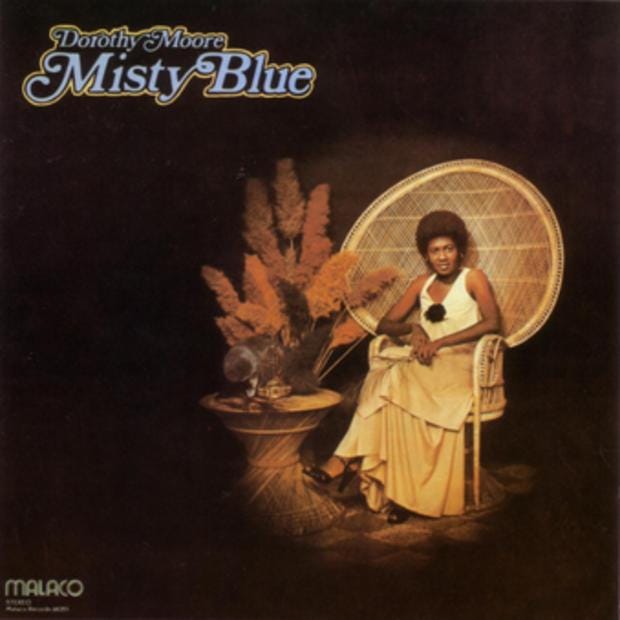
Jackson-born Dorothy Moore became Malaco’s flagship artist. After the title track—a ballad later covered by Monica among others—became a massive hit, this debut album was assembled around it. She wraps everything in her capacious vocals, from an Eddie Floyd composition (Floyd having migrated from Stax around this time) to a Willie Nelson cover. The earthy, mellow Southern warmth pulls you right in.
King Floyd, Body English
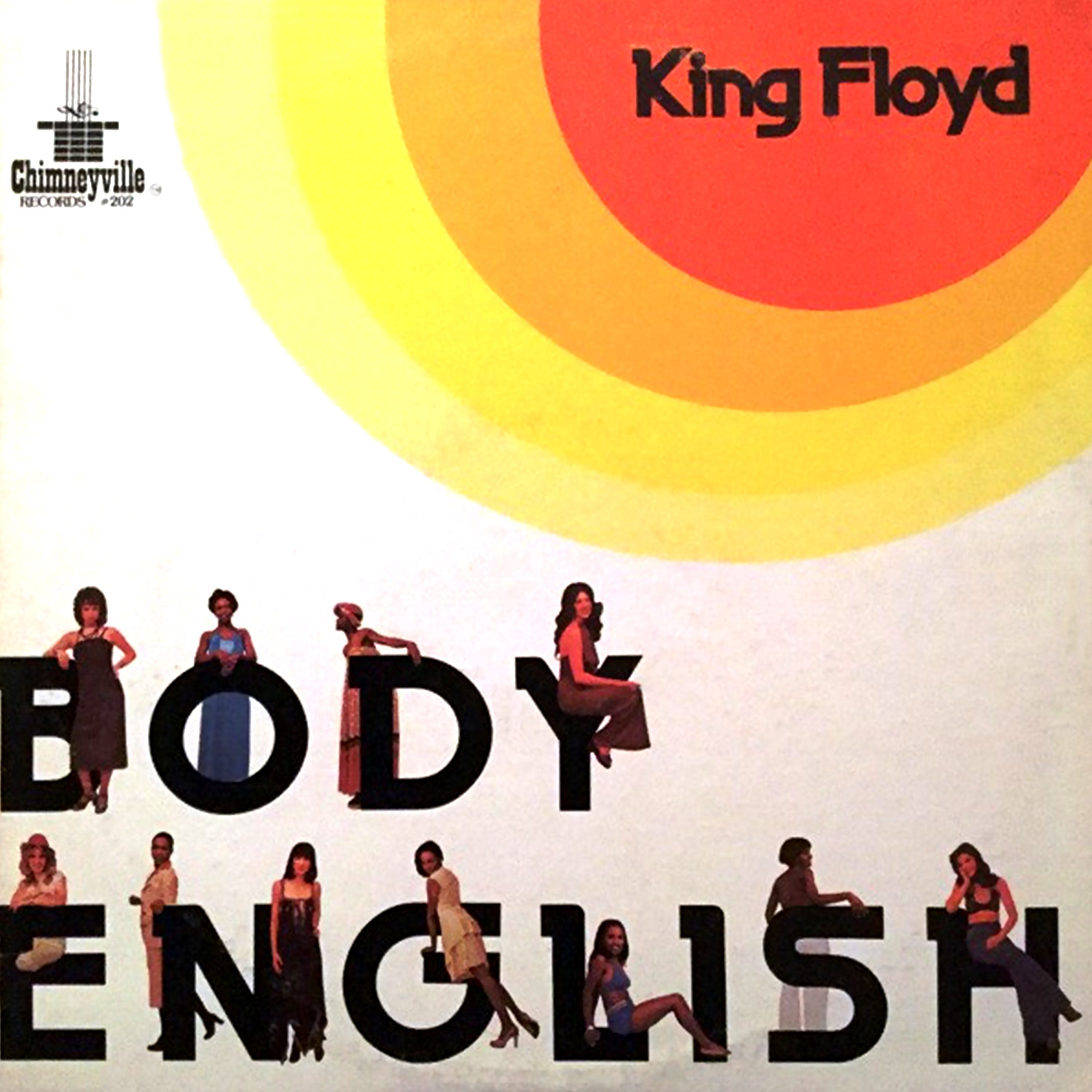
The New Orleans–born singer who wrote and sang “Groove Me”—the record that put Malaco on the map—delivers his second album on Chimneyville (fifth overall). Highlights include a funkier self-cover of “Baby Let Me Kiss You,” the breezy title track, and “Stop, Look and Listen,” which surges on a robust, sunny groove. The soulful, upbeat energy that answered the disco era is what stands out here.
Dorothy Moore, Once Moore with Feeling
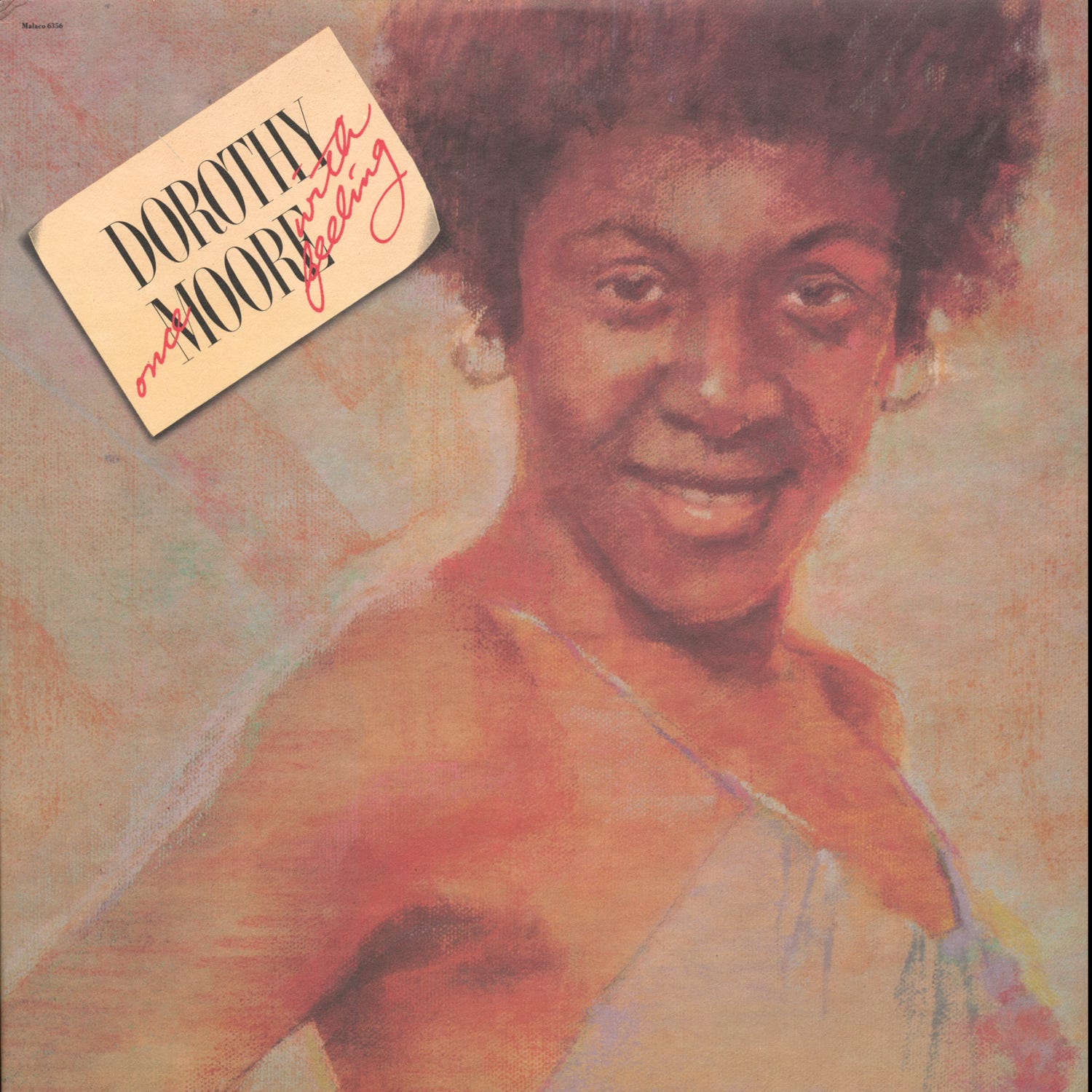
Her third album opens elegantly with “Special Occasion,” penned by Sam Dees. Compared to the records flanking it, the lighter, more mellow atmosphere here blends with Moore’s supple vocals in particularly satisfying ways—it’s a genuine masterpiece, and the Malaco rhythm section’s tight backing is superb. “Girl Overboard,” later covered by Snowboy in the ‘90s, has a flowing beauty all its own, and the deep flavors concentrated across the second half are something special.
Fern Kinney, Groove Me
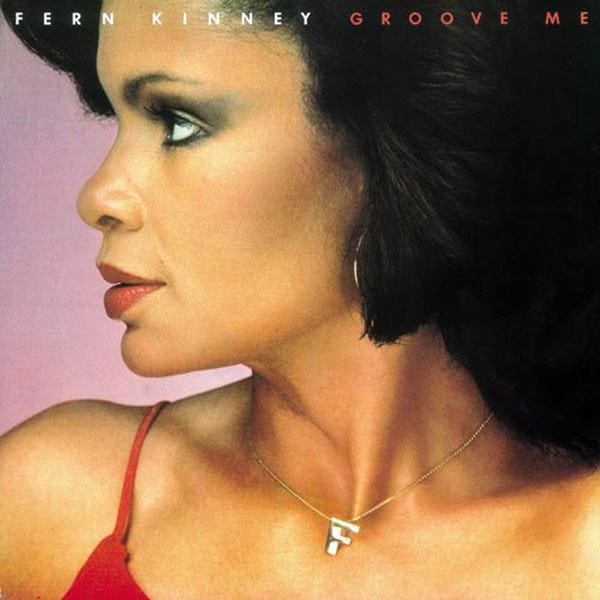
This debut from a Jackson-born singer with deep ties to Dorothy Moore takes a disco-oriented approach. “Groove Me” and “Baby Let Me Kiss You” are covers of King Floyd classics, and the electronic textures—laced with Caribbean elements—feel like a preview of the ‘80s. Kinney’s coquettish candy-coated voice, reminiscent of Anita Ward, is a perfect fit on her cover of Sylvia’s “Pillow Talk” as well.
James Bradley, James Bradley
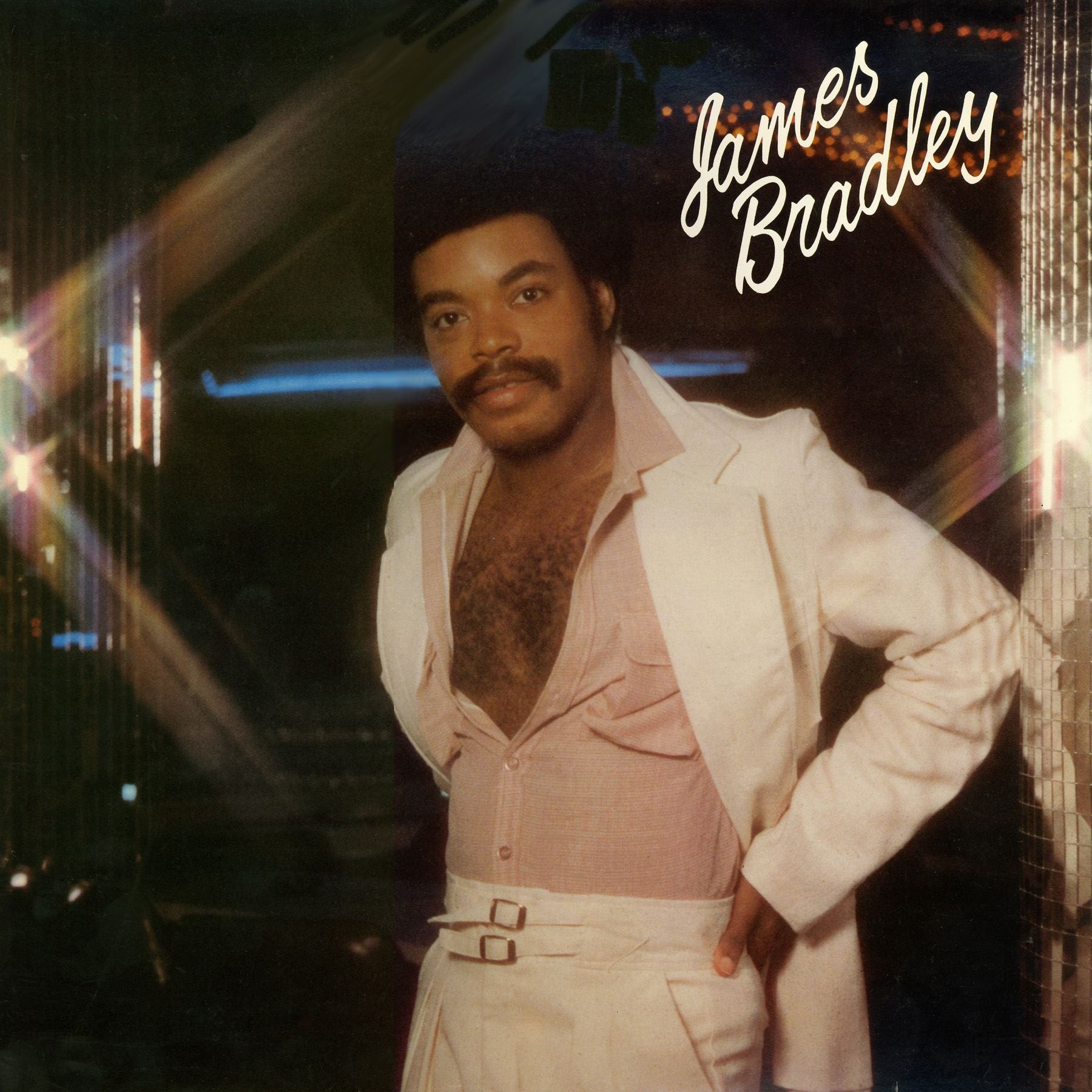
The sole album by this Michigan-born singer. Entirely produced and arranged by Frederick Knight, the first half—including “I’m in Too Deep,” which also got a 12-inch release on TK Disco—finds his powerful high tenor tearing through flashy disco-funk. The Southern-flavored ballads and urban mellow grooves like “I Can’t Get Enough of Your Love,” on the other hand, expose a deep soul constitution underneath.
Natural High, Natural High 1
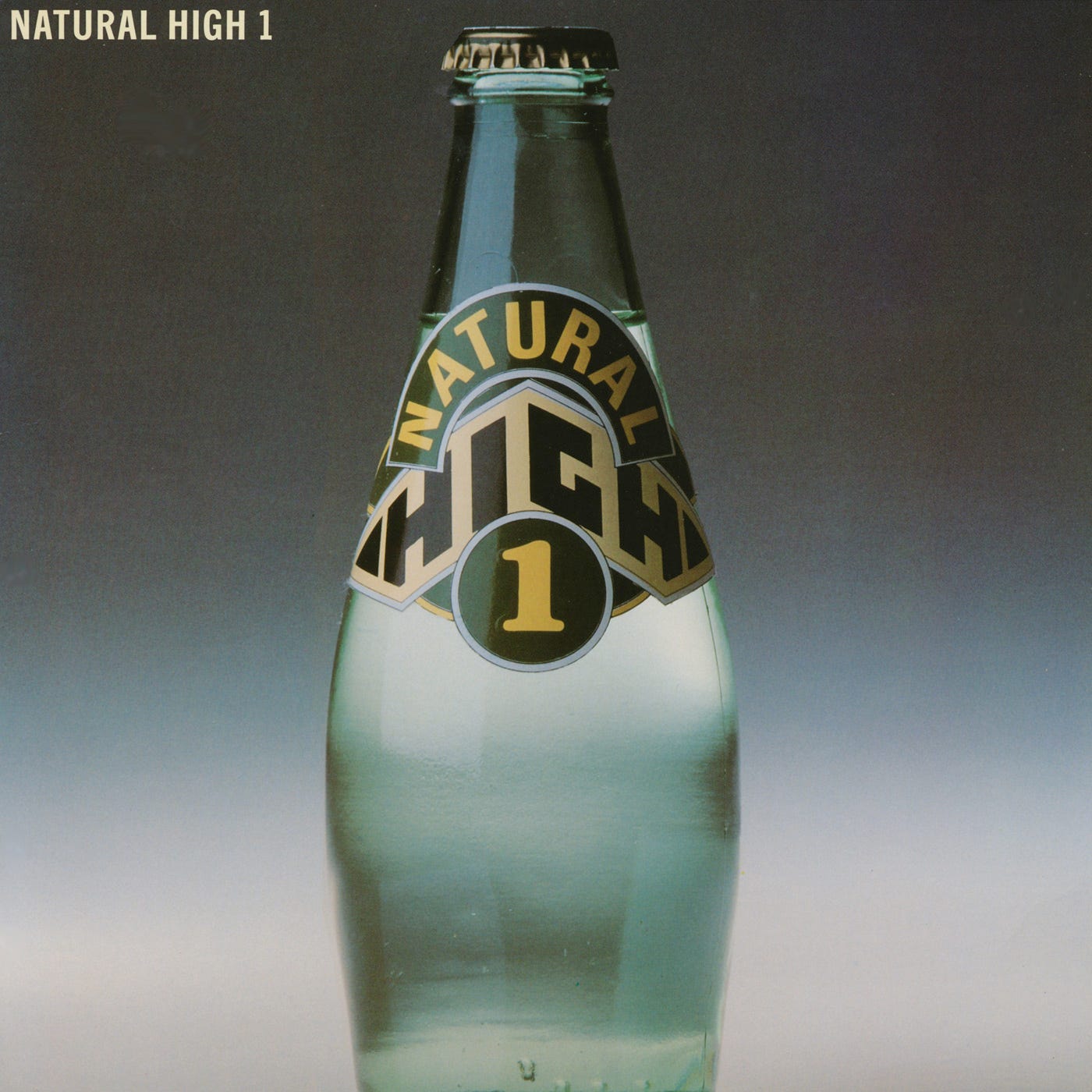
The sole album by this Mississippi-born band. Starting with “Dance to the Funk”—a boisterous opener built on a Sly Stone foundation—the record delivers one winning track after another: the breezy modern soul of “You Make Me So Very Happy,” the lazy-afternoon ballad “Trust in Me,” all powered by appealing vocal harmonies and tight musicianship. Even “Don’t Be Lonely,” which admittedly goes a bit too far in the EW&F direction, is polished to a high sheen. Enjoyable from corner to corner.
Sho-Nuff, Tonite
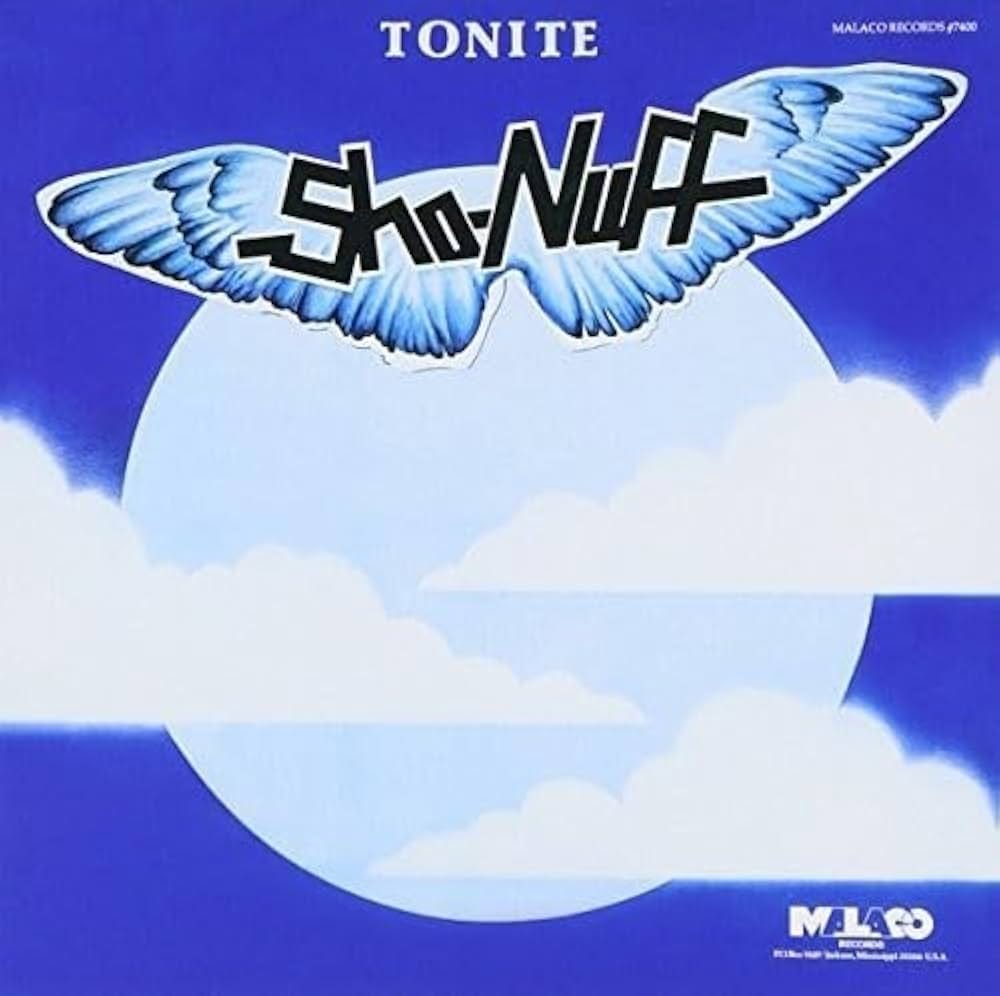
This second album comes from a band formed at Jackson State University who moved from Stax to Malaco. Driven by synths, claps, and bright bell sounds, the melodic, poppy disco-funk here sits close to Kool & the Gang’s work from the same period. On the flip side, slow numbers like “Let’s Love” and the falsetto-driven sweetness of “What Am I Gonna Do” carry the feel of a proper vocal group. Solid all around.
Dorothy Moore, Talk to Me
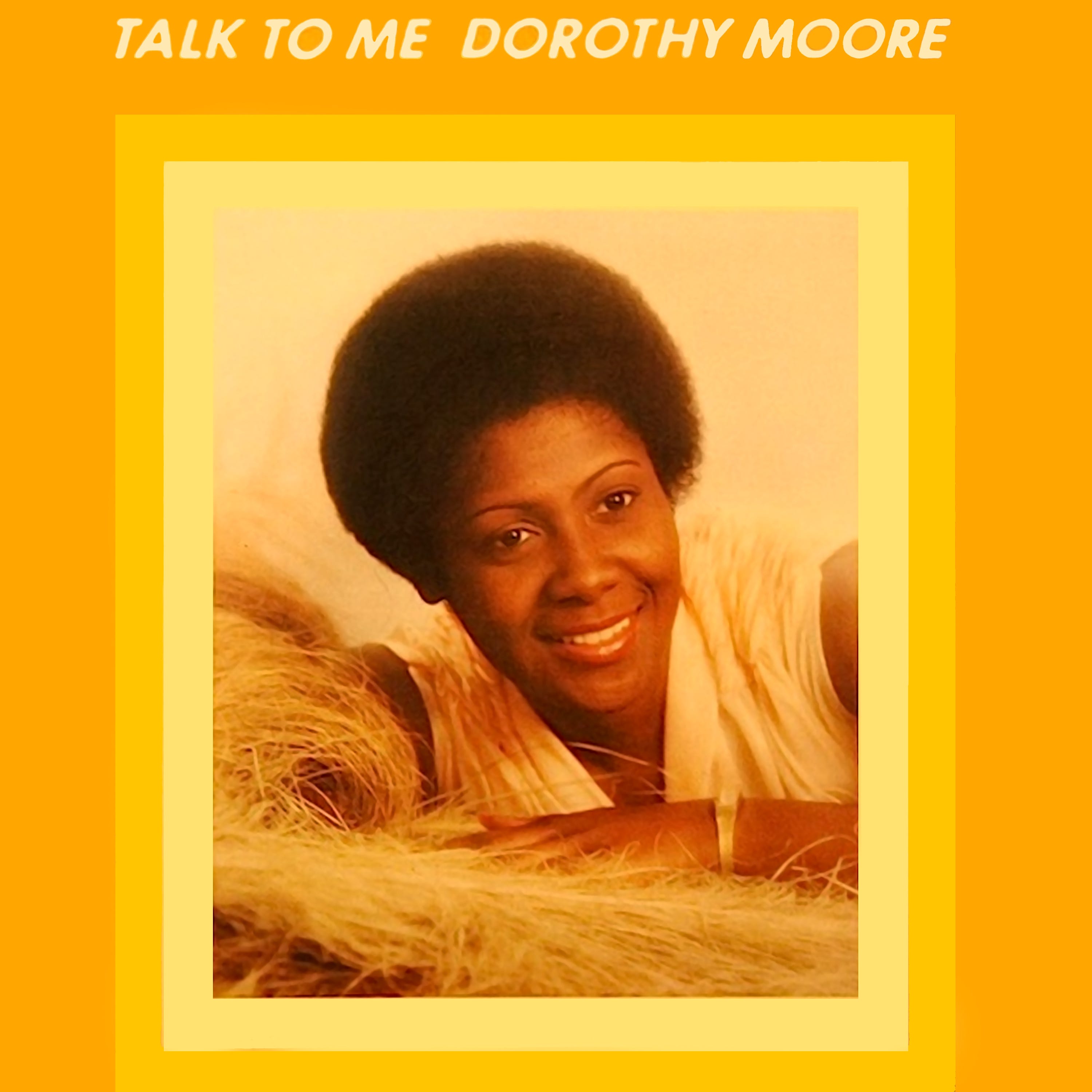
Moore’s fifth album overall and her final release from her first Malaco tenure. Produced by Carson Whitsett, it features breezy midtempo originals alongside covers of George Harrison’s “Something” and Chip Taylor’s “Angel of the Morning.” Moore sings country-leaning Southern soul with a voice that evokes Gladys Knight—deep, passionate, and fully committed. Her mellow take on the classic “It’s All in the Game” is another highlight.
Freedom, Changes of Times
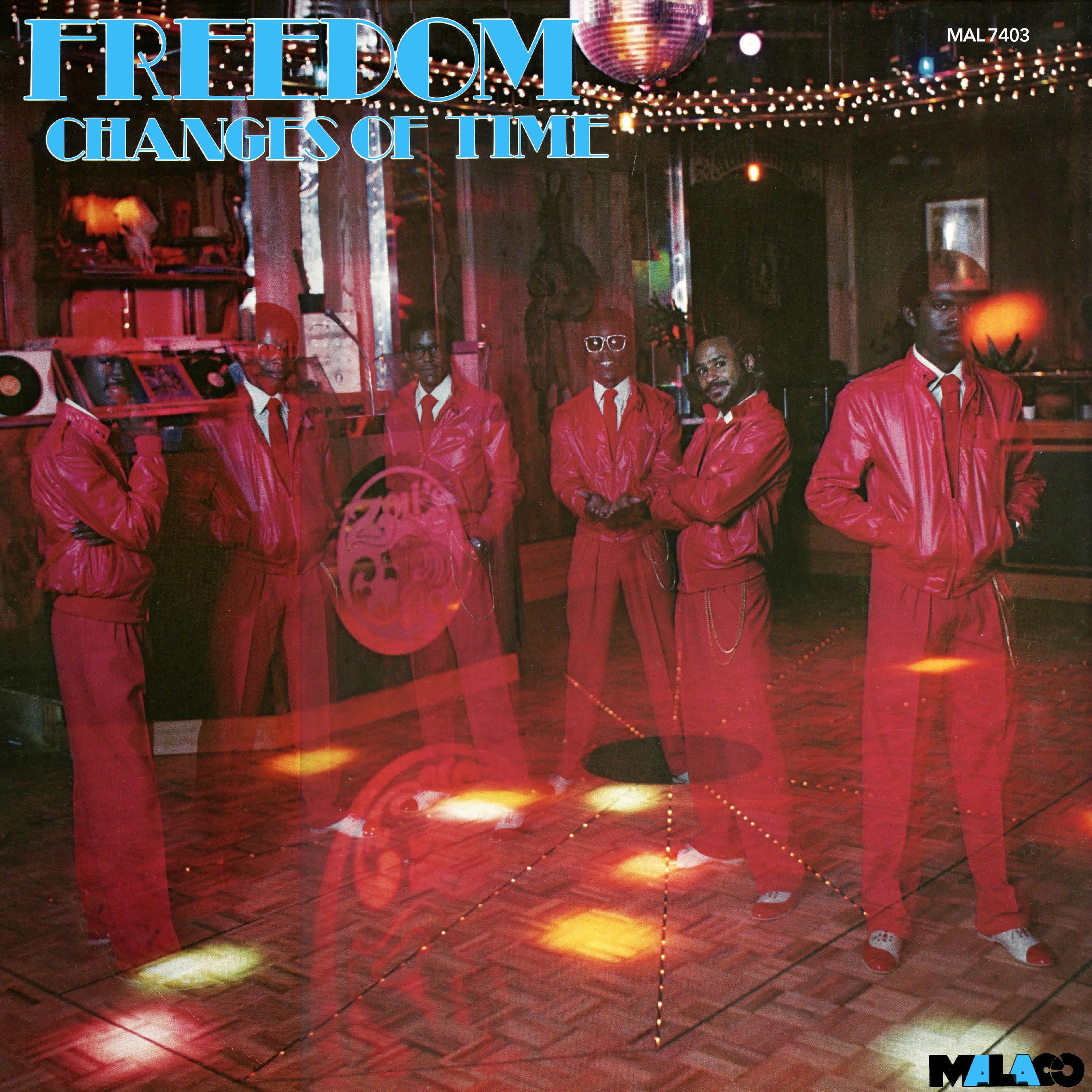
The third album from a Jackson-based funk band whose members—including Larry Addison, who went on to become one of ‘80s Malaco’s key session players—keep the modern, open-air party-funk feel intact. “At the Party” brings back the kazoo that made their 1979 hit “Get Up and Dance” so distinctive, riding a Bar-Kays–style disco-boogie groove, while mellow midtempo cuts like “I Give You Love” and "You" channel Switch.
Fern Kinney, Sweet Music
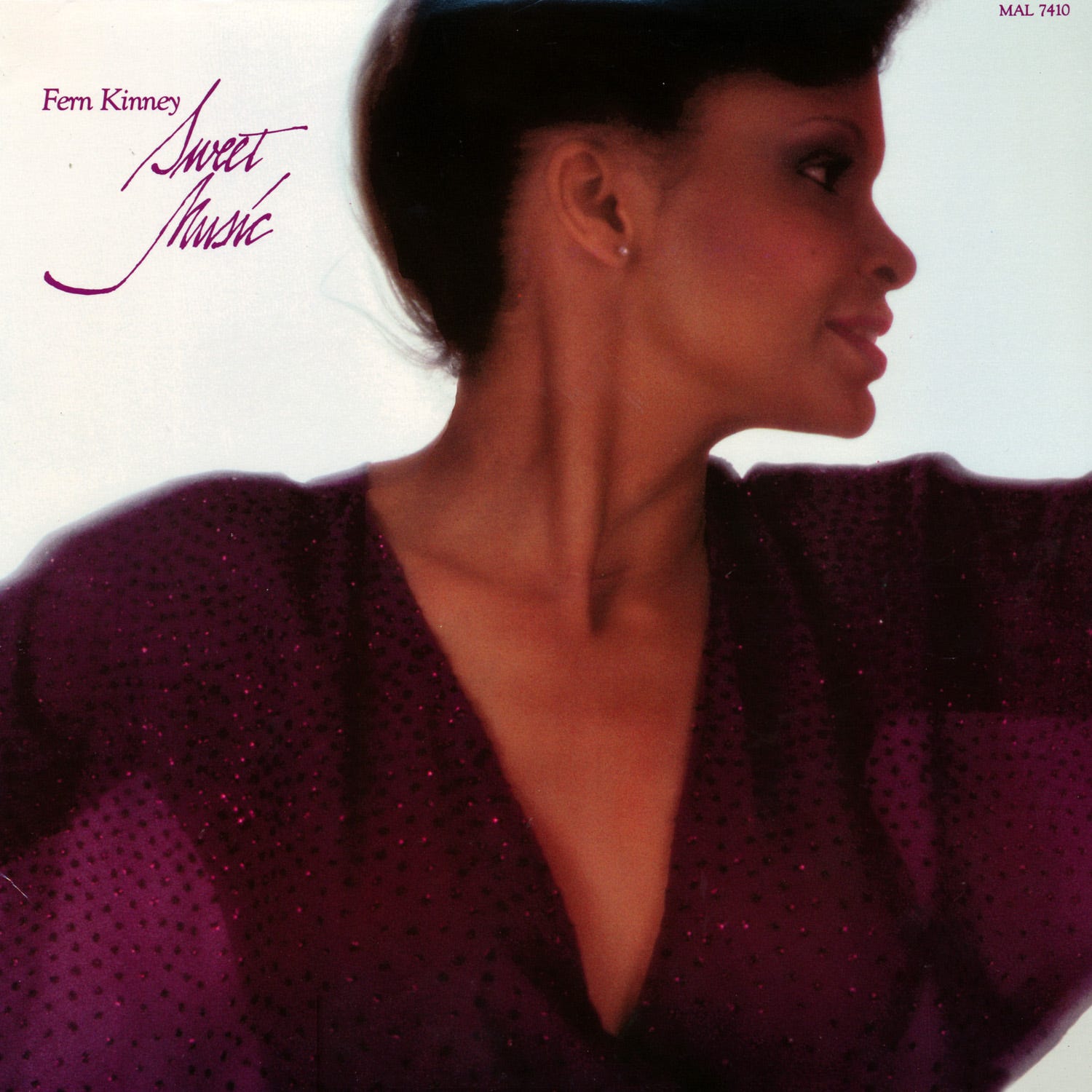
Recorded with essentially the same crack in-house crew, Kinney’s third Malaco album shifts away from the disco workouts of her first two records and toward Dorothy Moore–style Southern ballads, including a cover of a Toussaint McCall classic. Her coquettish voice still shines on the midtempo and uptempo numbers, all of which carry an elegant touch, and a shuffling cover of Kenny Rogers’ “Sweet Music Man” hits at just the right temperature.
G.C. Cameron, Give Me Your Love
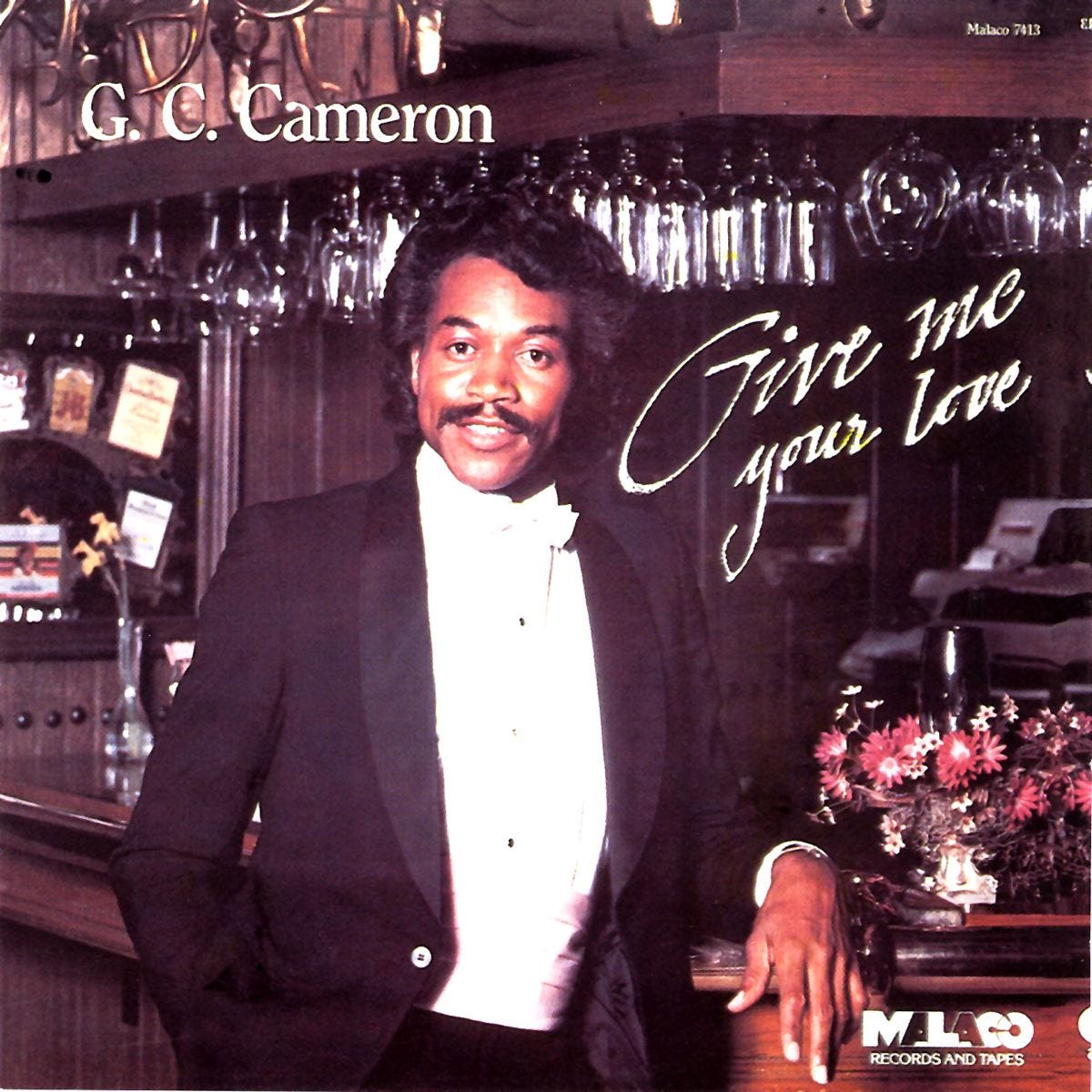
A Jackson-born singer who spent nearly a decade at Motown—counting his time with the Spinners—returns to his hometown label. The modern title track typifies the early-’80s Southern soul on offer, but Cameron also revisits a ‘70s new-soul sensibility, making for a rich and rewarding set. Covers of Marvin Gaye and Paul Kelly classics sit alongside a re-recording of his own “So Hard to Say Goodbye to Yesterday.”
Johnnie Taylor, Wall to Wall
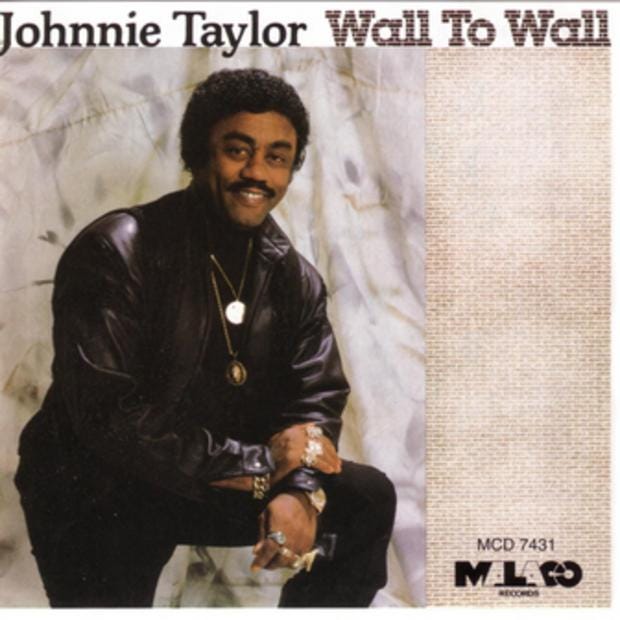
Taylor’s second album for what became his permanent home. The title track—built on a bassline famously indebted to Michael Jackson’s “Billie Jean”—sets the tone, and the album’s real strength lies in how skillfully it pairs Taylor’s rich, bittersweet vocals with urban-contemporary production. From the dramatic slow jam “Can I Love You” to the contemporary ballad “Just Because” to nostalgic soul and blues cuts, the listening stays consistently rewarding. A fine album.
Freedom, Are You Available?
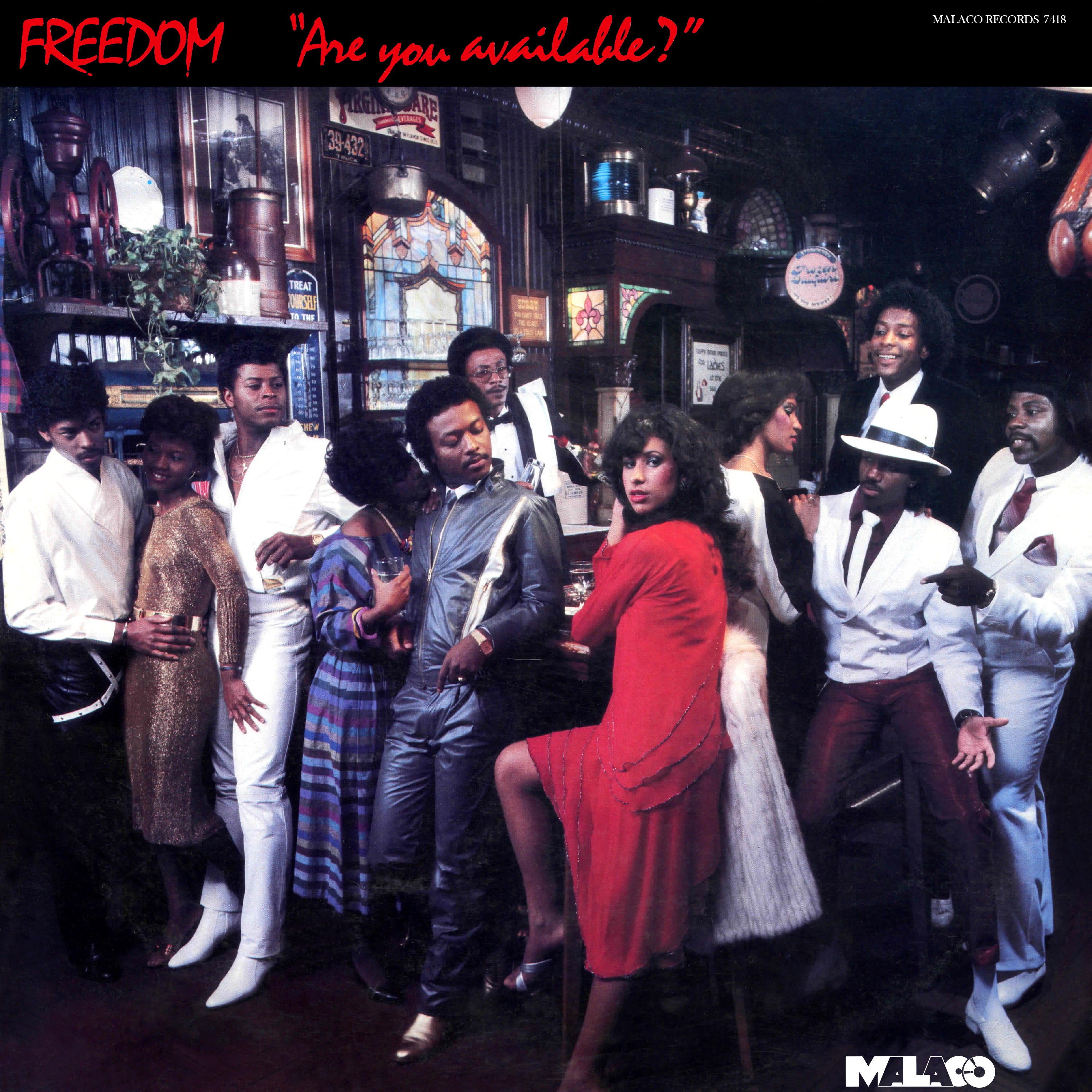
Another one from Freedom, this is the band’s fourth album. Three members carried over from the previous record joined three new faces—making it practically a different group—and outside singers handle leads on some tracks, which can be disorienting. But taken simply as a disco-funk production conducted by Benjamin Wright, it’s a blast. The breezy, Shalamar-esque “All for You,” the mellow “Rainbow,” and a cover of Prince’s “Do It All Night” sung by Sho-Nuff’s Freddie Young—cut into it anywhere and you’ll find something to enjoy.
Denise LaSalle, Rain & Fire
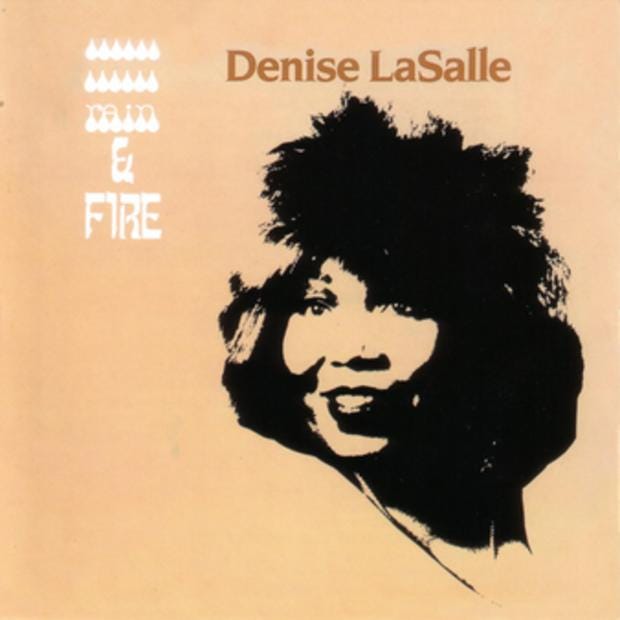
LaSalle’s fourth album for Malaco. Opening with a hefty blues-drenched soul number written by Phillip Mitchell, the record moves through brisk shuffles, Southern ballads, and a cover of the Shirley & Company disco classic, all delivered with seasoned ease and spoken-word interludes that exude the pride of a label marquee singer. On a spinoff track from her previous year’s hit “My Tu-Tu,” she pivots into electro-hip-hop territory and drops a full-fledged rap.
Bobbi Humphrey, City Beat
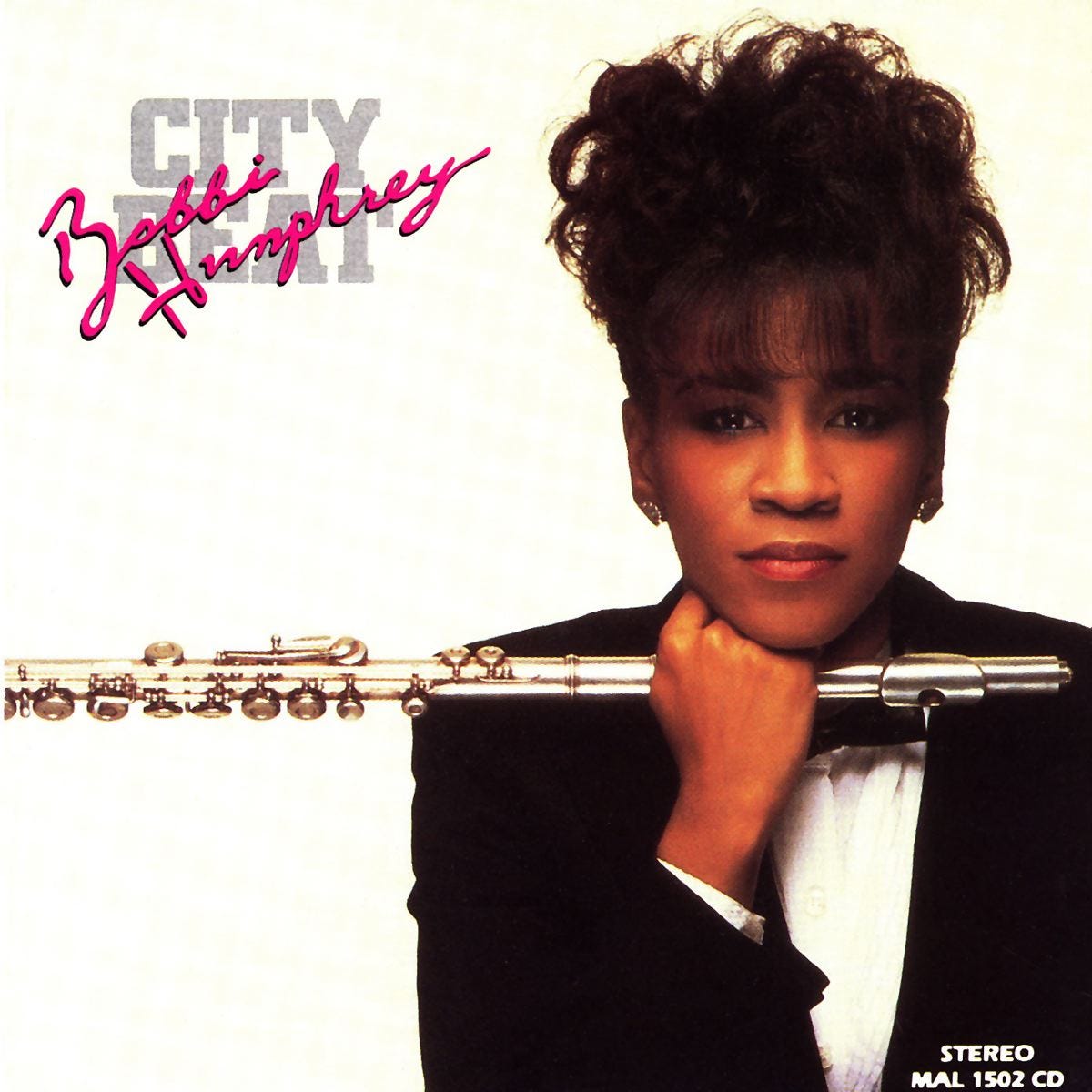
The woman flautist who recorded leader dates for Blue Note in the ‘70s alongside the Mizell Brothers surfaces on Malaco after a dormant stretch. The brit-funk–inflected uptempo title track was presumably the push single at the time, but listening now, the natural sweetness comes through more on the milder smooth-jazz numbers—her cover of Marvin Gaye’s “Come Get to This” and the male-female duet “Days of You and Me.”
Denise LaSalle, Hittin’ Where It Hurts
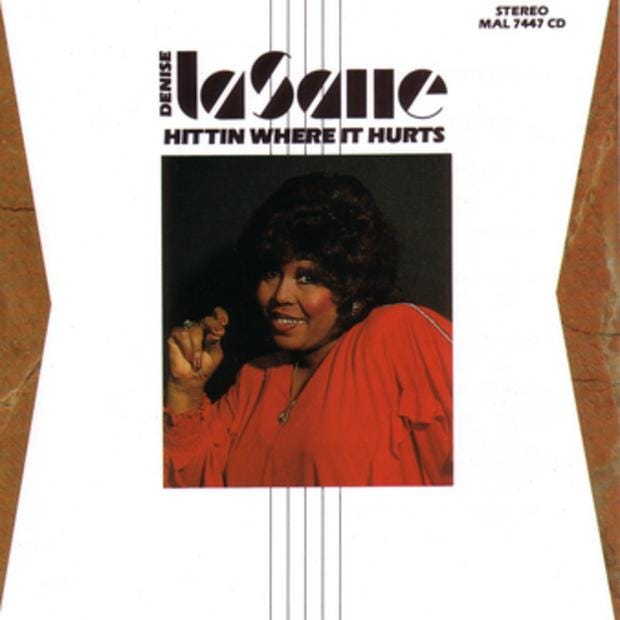
LaSalle’s sixth for Malaco includes blues tracks produced by Roger Hawkins and was partially recorded in Muscle Shoals. Bouncing funk workouts and self-penned elegant ballads carry a late-’80s heft while foregrounding a distinctly Southern feel, and LaSalle’s vocals are loaded with conviction throughout. A boldly reimagined cover of Sam Cooke’s “Bring It On Home to Me”—restyled in a go-go/Caribbean hybrid—is also on board.
Bobby “Blue” Bland, Midnight Run
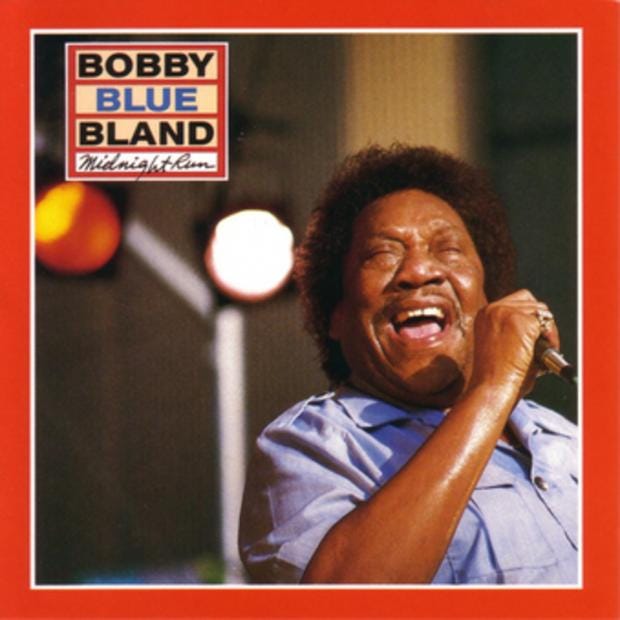
Bland’s final album of the ‘80s holds the course of the modern soul-blues direction he’d established since joining Malaco. Backed by top-shelf players from Memphis and Muscle Shoals, he sings Frederick Knight’s “Take Off Your Shoes” (B.B. King’s version had come out the year before), plus covers of Bill Withers and Mel & Tim classics, deploying his famous phlegm-clearing shout amid that characteristically smooth, burnished baritone. The reggae-tinged title track, penned by Tommy Tate, has a modern feel of its own.
Dorothy Moore, Feel the Love
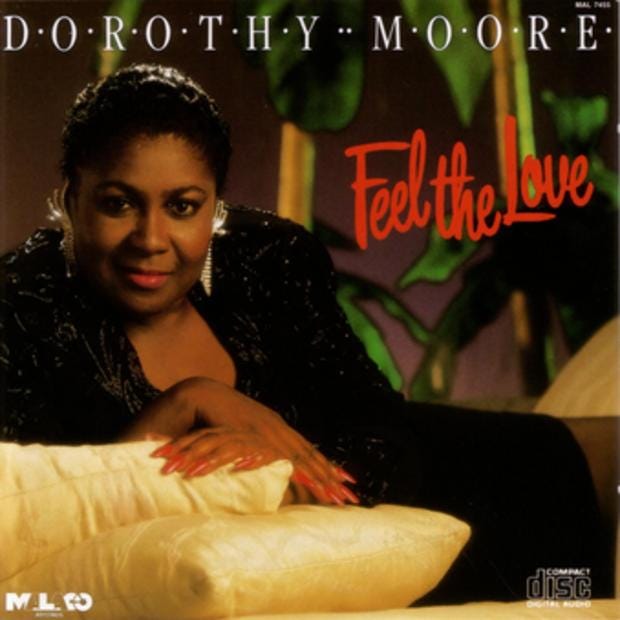
After a gospel album distributed through A&M and two releases on Volt, Moore returns to Malaco for the first time in roughly a decade. Tommy Couch produces, the Malaco and Muscle Shoals crews handle the playing, and the result connects seamlessly to her first-era Malaco work—a proper Southern soul record. Songs by Southern-affiliated writers and a cover of the O’Jays’ “Your Body’s Here with Me” anchor a set centered on elegant ballads delivered with settled, assured poise.