

The Best Hip-Hop, Pop, and R&B EPs of 2025
The records that matter are giving these fans top-tier appetizers and doing it in over or under twenty minutes. Here are the best hip-hop, pop, and R&B EPs of 2025, unranked.
EPs in 2025 feel like laboratories that the whole scene can see in real time, and the best ones move fast without losing depth. Hip-hop sets the range, from loop-driven confessionals that sit on near-drumless beds to chaotic, distortion-tilted outbursts that test the edges of flow and feeling, with club-born jolts pushing the tempo when the mood flips. They align with what sample platforms and researcher reports are seeing in micro-communities that incubate ideas before they hit bigger rooms, and a broader tilt toward niche scenes, setting the agenda rather than catch-all tags. Pop EPs answer from two lanes at once. One side leans into bright, belt-ready “recession pop,” the kind that goes for big choruses and quick relief when everything else gets tight. The other side reaches for trance and Eurodance euphoria, rebuilding old synth bliss for 2025 nights. The result is a year where short sets feel decisive, with singles that stick and deep cuts that tell on the maker’s headspace.
R&B keeps braiding its roots with the wider map, and the best EPs here ride that exchange. You hear Afrobeats swing and amapiano log-drums (for better and worse) meeting plush harmonies and plain-spoken diaries, a blend that now lives in pop charts and late-night playlists without explaining itself. The listening habits behind this are changing too, with fans moving through scenes rather than genres, and EPs arriving as focused statements that fit how people discover and replay music now. Expect tempo to jump from slow-talk R&B to four-on-the-floor lift, expect hand-to-heart detail in the verses, expect percussion and bass lines that point back to Lagos, Johannesburg, and London. The records that matter are doing all of that, and doing it in over or under twenty minutes.
Yola, My Way (EP)
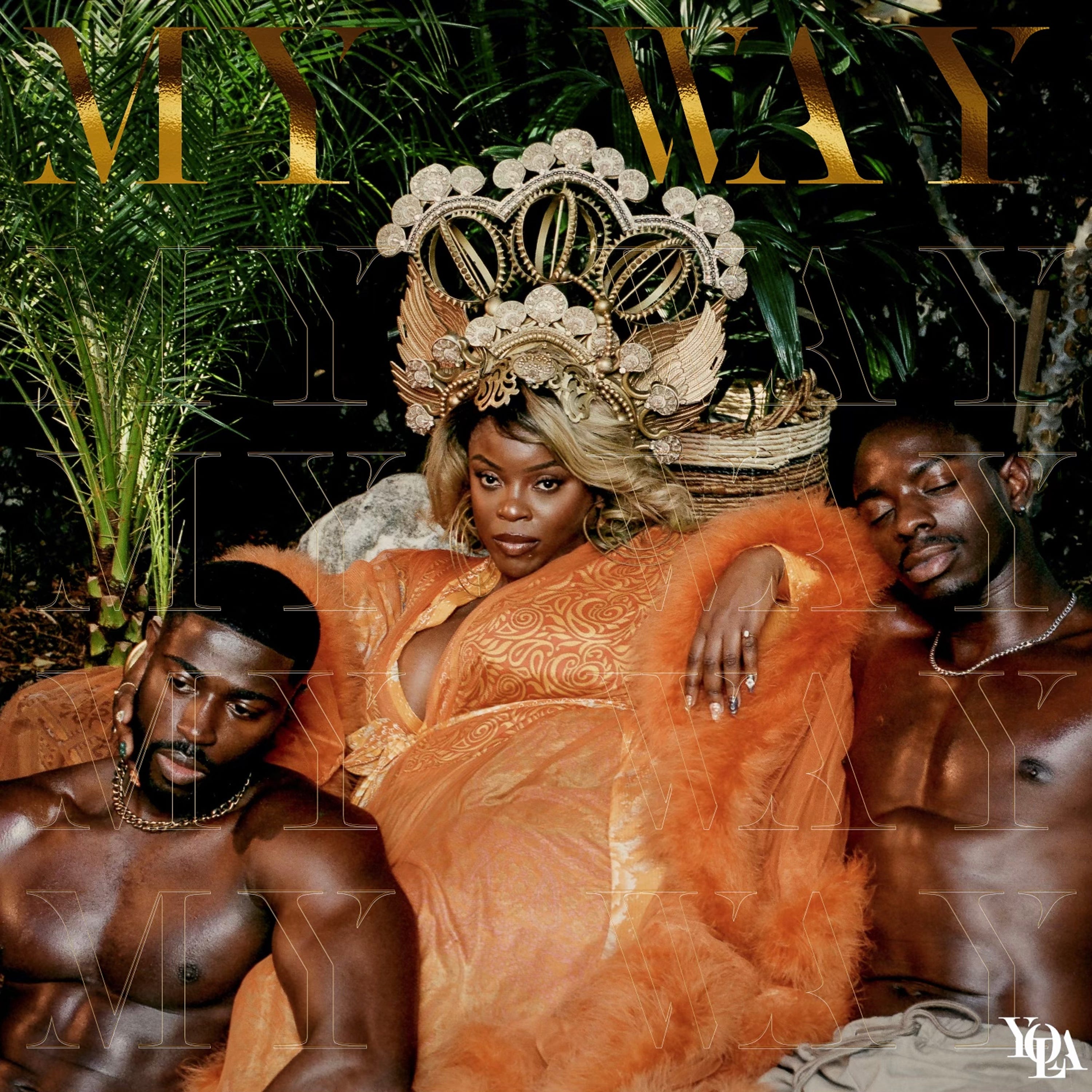
Six Grammy nominations and a Broadway turn as Persephone gave Yola the leverage to re-center her writing on agency, and My Way makes that stance legible across five compact cuts that lean into R&B and pop-soul without dropping her grainy storyteller’s bite. You hear it in how “Future Enemies” names temptation and draws the boundary in plain speech, then pivots to a melody that keeps the message front and center. From there, the title track’s declarative hook and the velvet lift of “Symphony” pull from the palette she’s been building since Stand for Myself, only tighter and more immediately sung. The EP’s design is simple on paper—five songs, no filler—but the impact comes from verses that read like pages from a diary you’re willing to show the room, choruses that land fast, and rhythm beds that nod to alternative R&B and broken-beat while staying song-first. Start with “Future Enemies” for the thesis, then “Ready” for how she resolves the self-talk into motion. — Ameenah Laquita
JoJo, NGL (EP)
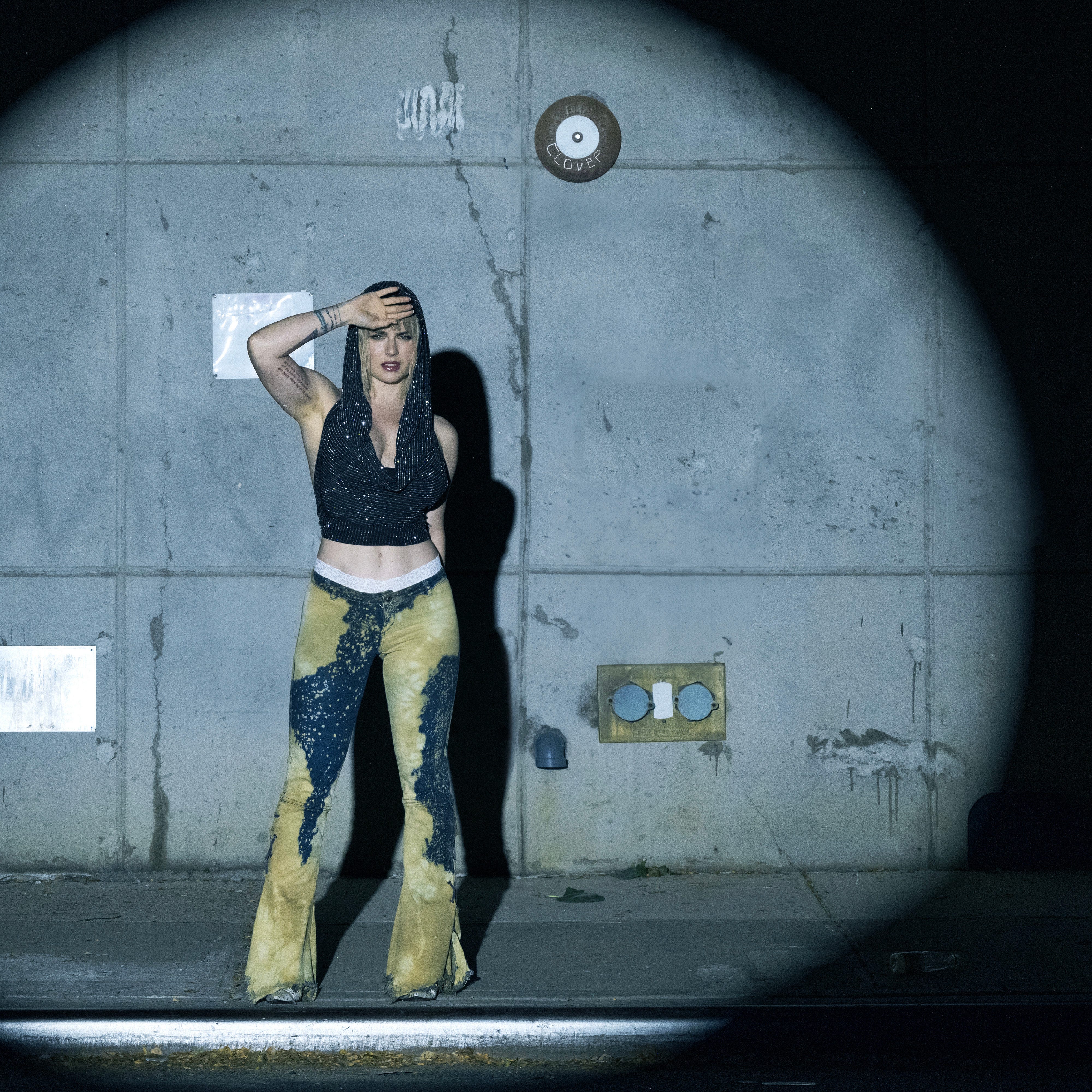
The story before the music matters here. A legal fight in the rearview and a memoir (Over the Influence) on shelves gave JoJo a framework to draw lines around what she wants to say now, and NGL is that statement delivered with pop precision and R&B muscle. The set arrays emotional states without handwaving—“off again” and “Nobody” sharpen boundaries, “Porcelain” and “Too Much to Say” connect to the book’s hard truths, and “Ready to Love” flips the lens to sustainable joy, complete with a crisp, performance-forward video. The writing banks on candid phrases and rhythmic phrasing that feels lived-in rather than performed for effect, and the productions keep the vocals in the foreground so the lyric decisions do the heavy lifting. — Charlotte Rochel
Jordyn Simone, Remember When (EP)
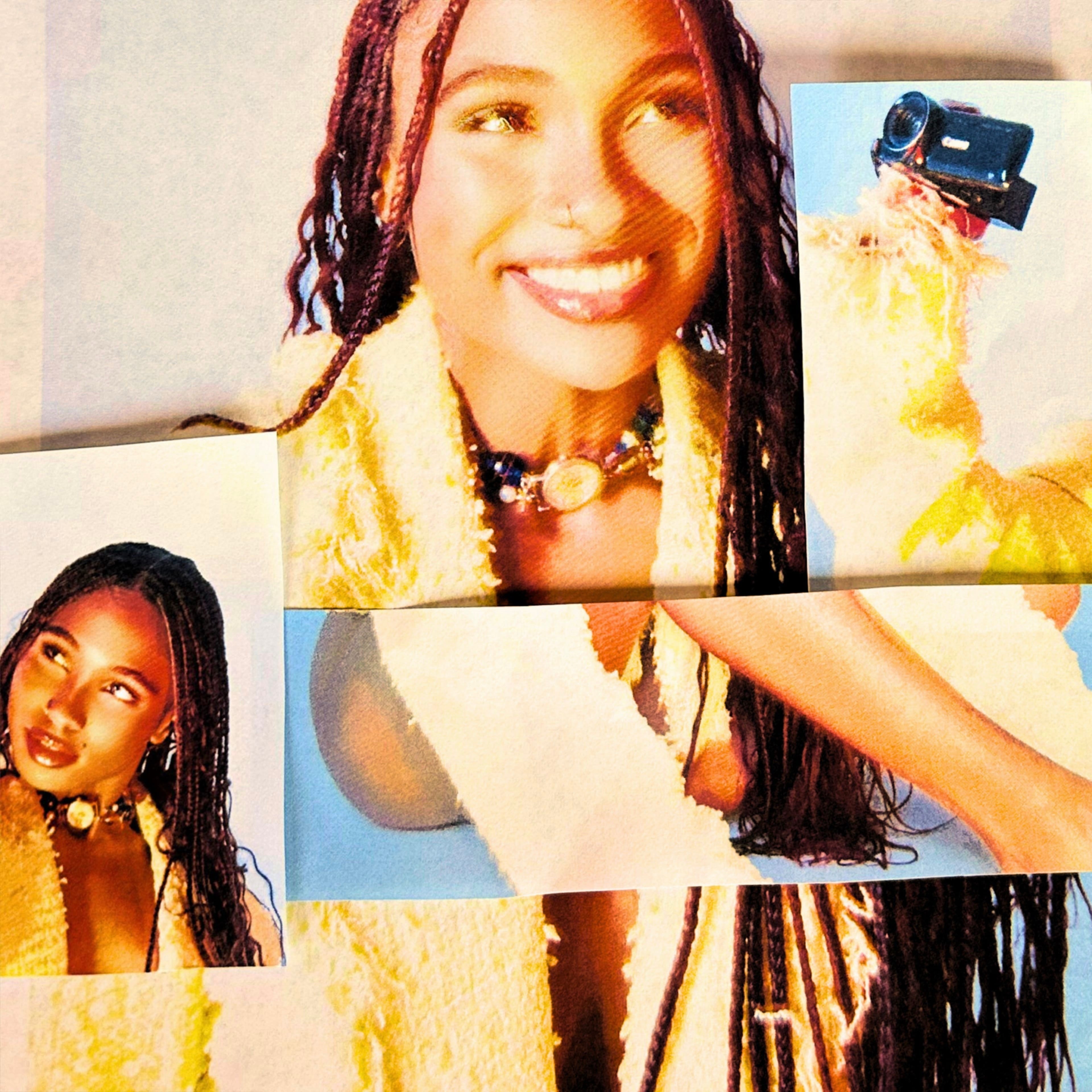
Jordyn Simone builds a concept you can hear in one glance, where every track is a duet with a different male vocalist, not for star-stacking but for lived dialogue, and that choice shapes the writing and the pacing of each cut. “Deep End” with Dende sets the emotional stakes, “What We On” with Phabo loosens the shoulders, “Spin” with Reggie Becton rides on shoulder-check flirtation, and “Grey” with TA Thomas settles into the slow-burn talk that many new artists avoid. The execution holds because the arrangements make room for two leads without tug-of-war, and because the pen keeps returning to specific moments rather than broad slogans; even a line like “Don’t wake up, that’s what dreams are made of” scans as scene, not slogan. For craft heads, “I Do” with Joseph Solomon is the session to study, pairing measured vocal stacks with clean, modern R&B production from Jack Dine and Mack Keane. — Imani Raven
Mack Keane, Entries (EP)
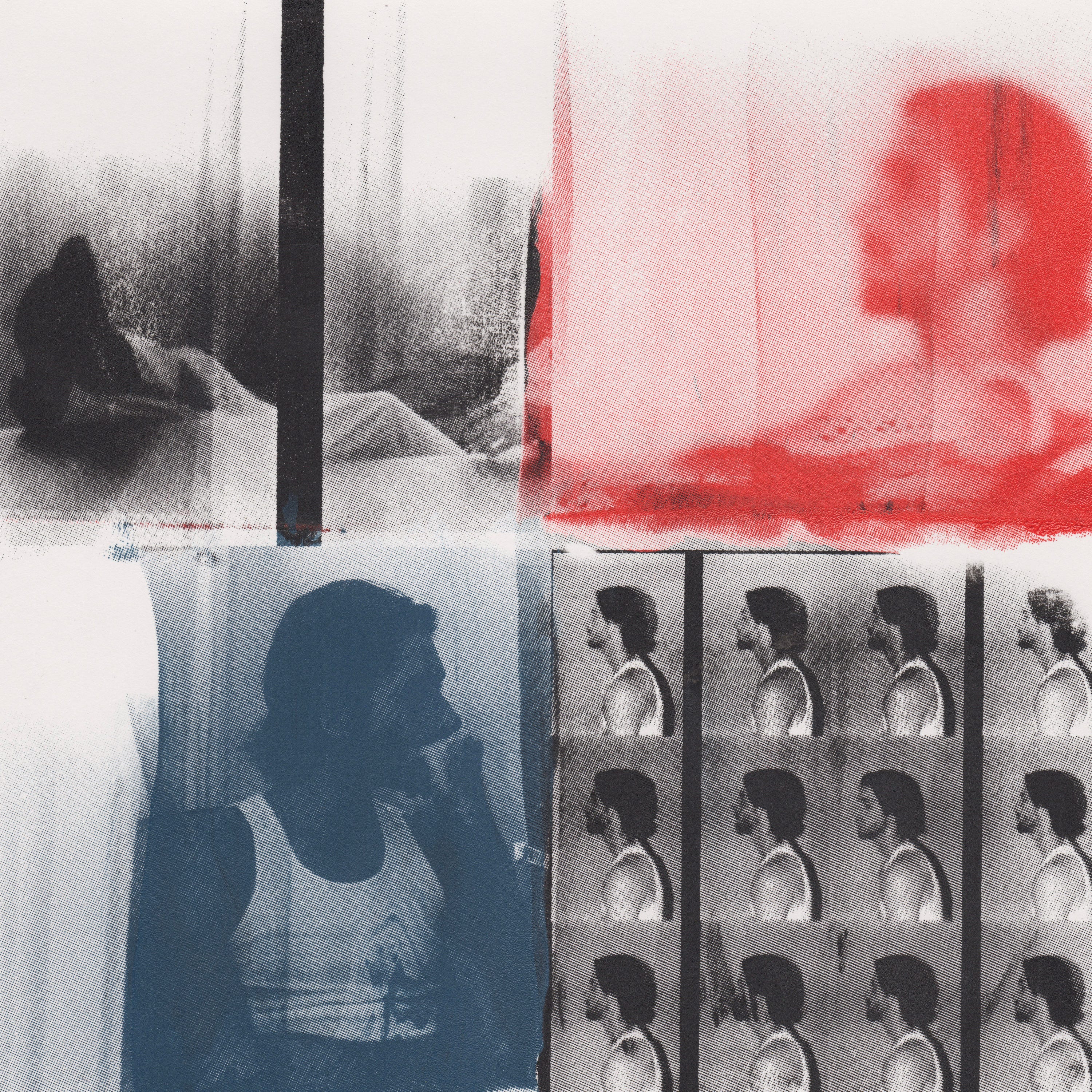
Keane’s last big checkpoint was the producer-singer partnership with ESTA on Intersections; Entries tightens focus and places his voice against lean, self-tooled backdrops that read like confessions set to pocket grooves, with “Grab Hold” opening his notebook to a simple directive—“Grab ahold to the life you’d like”—as “Another Man’s Life,” “Person I Knew,” and “Sophia” move between regret, resolve, and late-night doubt, while the middle run (“Y?,” “ALL TALK,” “IDK”) trims verses to the bone, and the production credits on key cuts confirm his hands-on approach, turning the record into a study in scale. — Phil
Summer Pearl, The Interlude (EP)
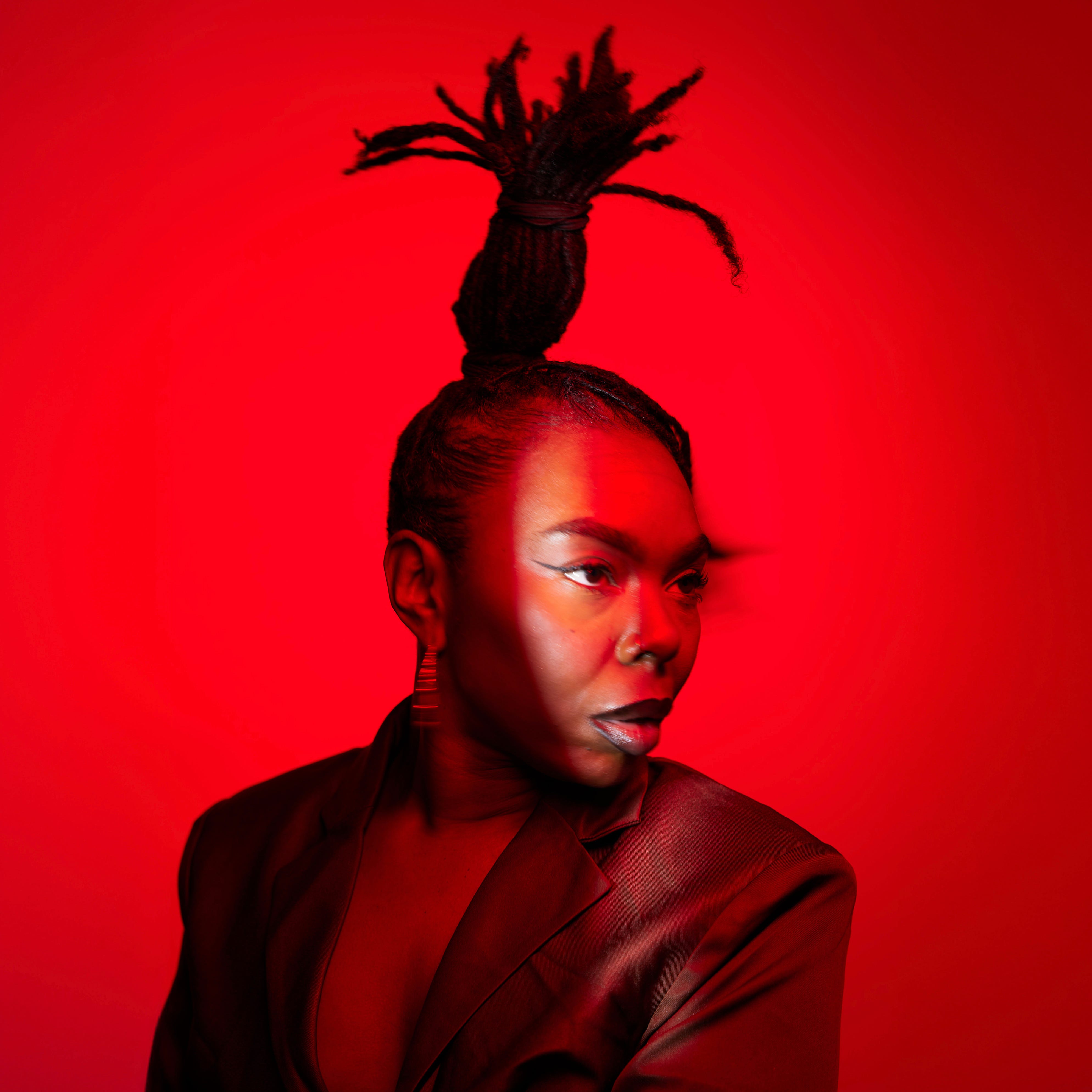
The North-West London artist has worked stages since her mid-teens and built a catalog where jazz inflects soul without swallowing it; The Interlude crystallizes that balance, folding recent singles into a compact suite where rhythm stays conversational and the writing calls things by their names—“The Rebound” treats romantic back-and-forth as movement rather than melodrama, “The End Game” stakes out finality with a singer’s economy, and “The Creator” pulls spiritual language into everyday stakes—with Kitto Records giving the release a clean runway and prior profiles placing her voice in a lineage of London improvisers who emphasize message over flourish. — Harry Brown
No Guidnce, Confessions of a Loverboy (EP)
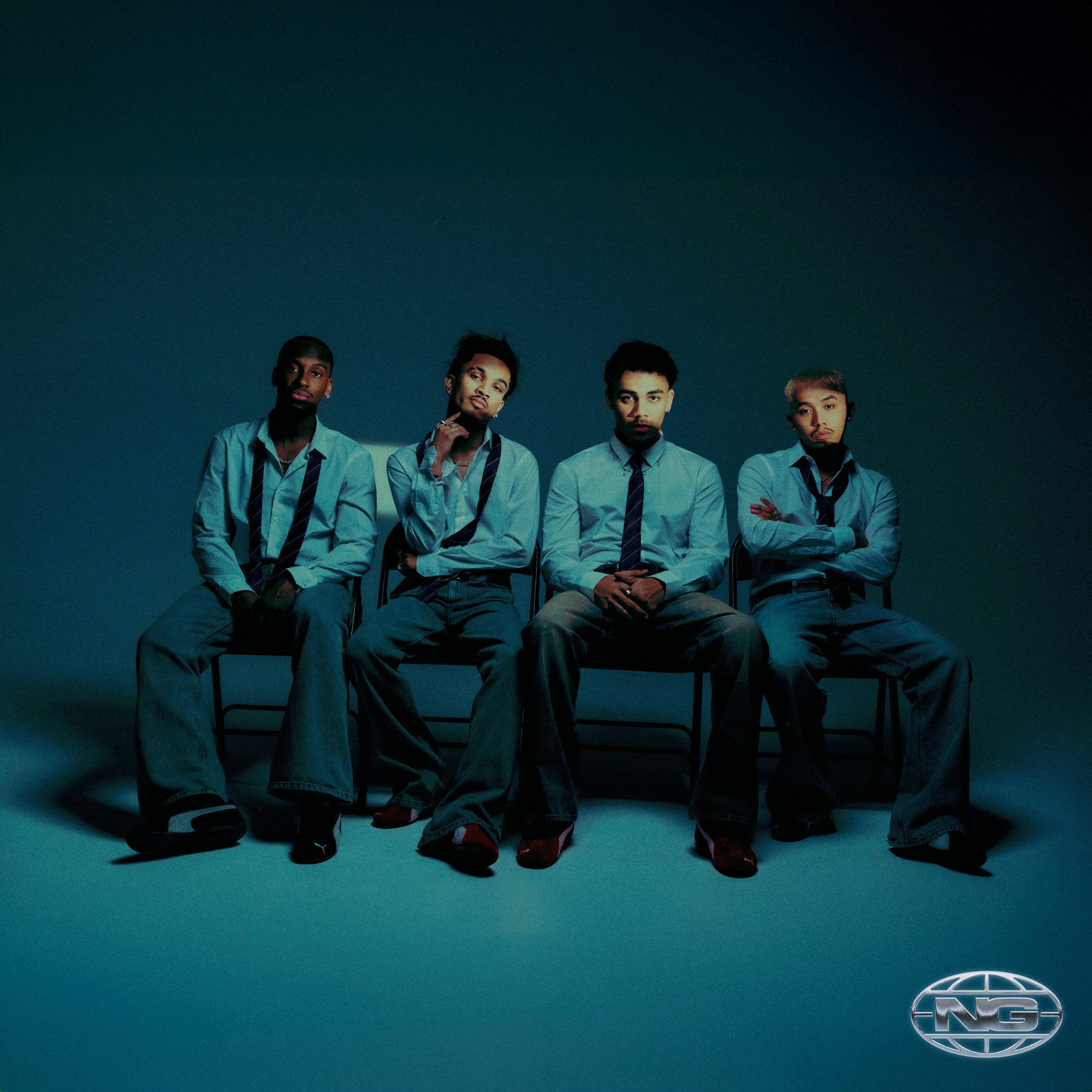
The quartet’s rise has been public—viral harmonies, heavy touring—and the new set converts that momentum into five direct records built on tight blocks of voice and drum, with “Around Me” and “Nostalgic” pushing tempo without crowding the pocket, “Different Ways” landing early with a plain line—“This living room has never felt so cold”—and “Lovers to Enemies” sharpening the writing with Tre Jean-Marie in the room, the whole EP cycled for immediacy and replay rather than a concept overhead; the point is performance, blend, and clean storytelling that reads in a club and across a phone screen. — Imani Raven
SHERIE, Yours Deeply (EP)
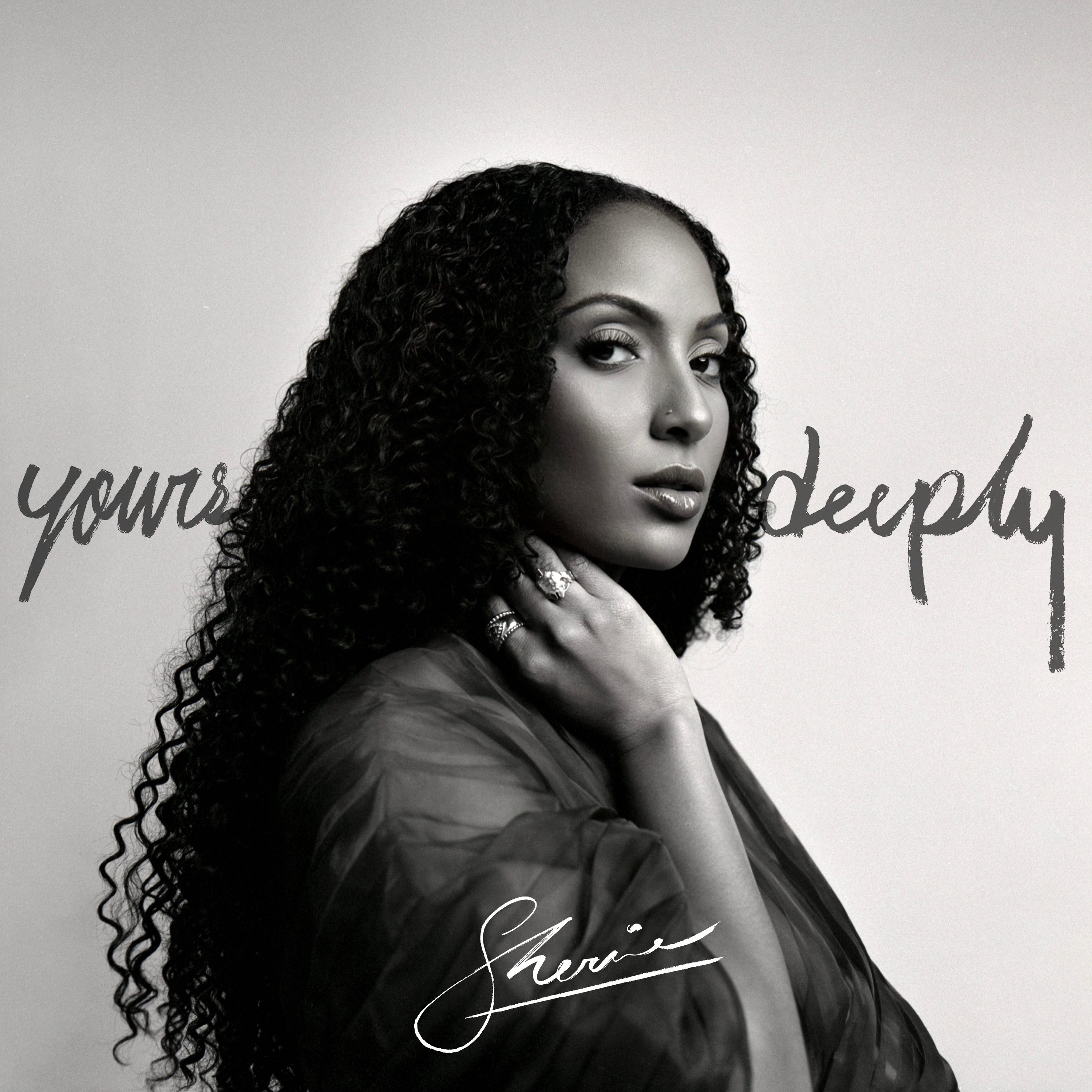
Before stepping out under the SHERIE moniker, Angelina Sherie Barrett cut records as a classically trained violinist and earned high-level songwriting credits (including “positions”), and that craft shows here: Yours Deeply moves like a set of letters written in one sitting, with “Truth Is,” “Deeply,” “Wine, Now?” and “Long Distance” trading ornament for clarity, the melodies tracing spoken cadence more than they chase runs, and the production keeping strings, keys, and low end in supportive roles so the verses can do the talking; the effect is intimate without being soft, a writer trusting the line and letting arrangement follow. — Jamila W.
GIGI, Waves of It (EP)
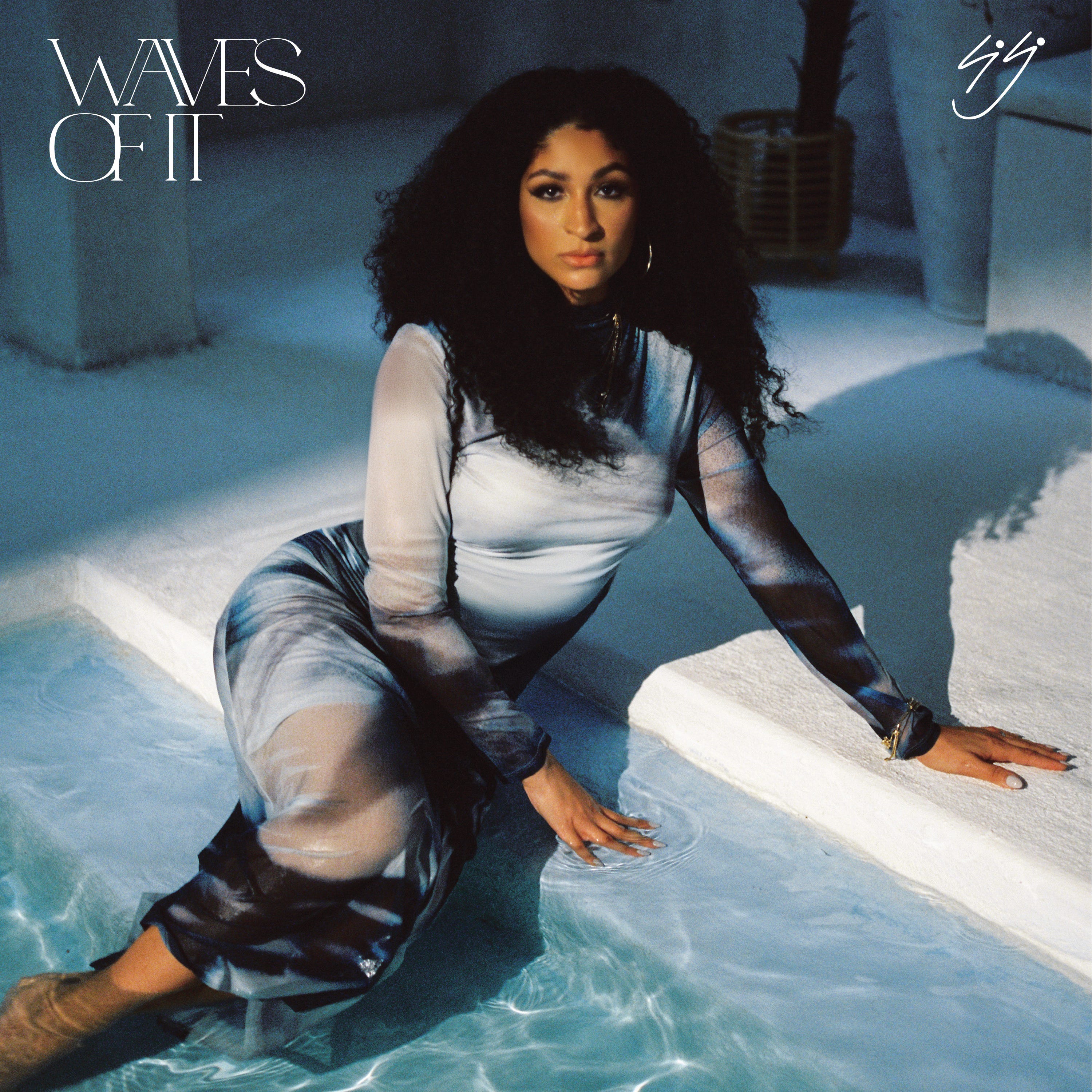
Detroit‑born newcomer GiGi (not to be confused with the NYC indie rocker Gigi Perez) parcels five songs into a 15‑minute mood‑board that toggles between airy R&B and gauzy bedroom‑pop. This project centers on the ebb‑and‑flow metaphor of its title: love rushes in, retreats, and rushes back stronger. “Tidal Wave” rides brushed snares and humid Rhodes to document that breath‑catch moment when you realize a crush has depth; “Reacquainted” flips nylon‑string guitar and chopped vocal clips into a lo‑fi confessional about rekindling trust. GiGi’s vocal phrasing nods to early Brandy—velvet glide with hiccuped runs—while her lyric sheet leans diaristic: lines about voicemail drafts, chipped nail polish, and secondhand novels. If anything, this predicts an early breakout among fans who gravitate toward Alex Isley or Joyce Wrice. — Brandon O’Sullivan
Joe Kay, If Not Now, Then When (EP)
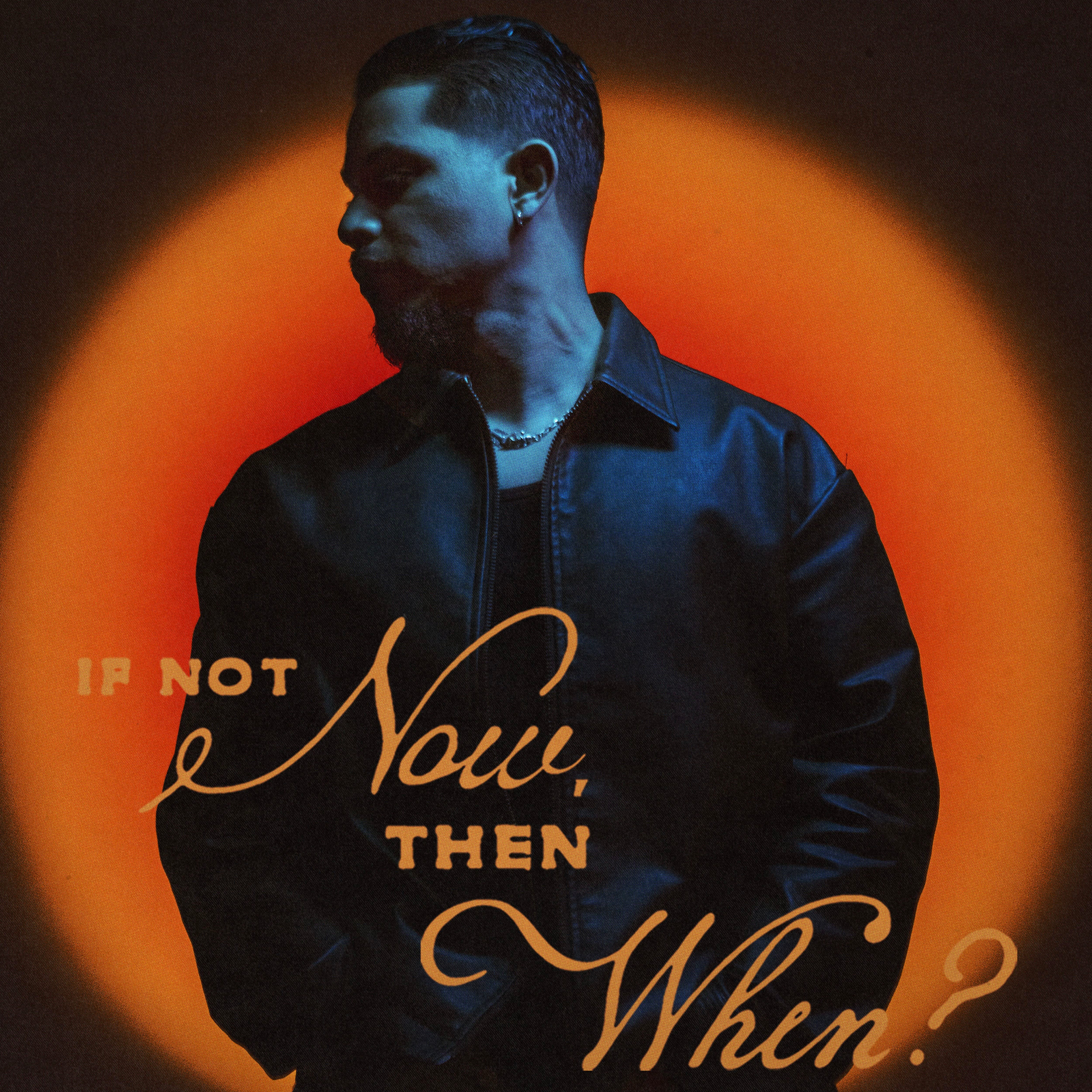
Soulection co‑founder Joe Kay built his global brand by curating other people’s tracks; here, he finally curates himself. The six‑song EP flips the collective’s signature future‑soul palette into autobiographical mood‑pieces that dart from dubwise low end to airy Rhodes chords. Kay describes the project as “a postcard from the process of learning to show up for myself,” and he literalizes that mantra by stacking communal vocals—Amaria, Arin Ray, Sinéad Harnett—around his own understated talk‑sing delivery. “Laguna Loop” welds pattering Afro‑beat percussion to cracked‑open diary entries about friendship fatigue, while “Venice Midnight” rides gospel organ until it dissolves into hiss like a cassette left on the dashboard. Worth a listen for production heads who enjoy hearing the DJ move from selector to subject. — Brandon O’Sullivan
Melanie Fiona, Say Yes (EP)
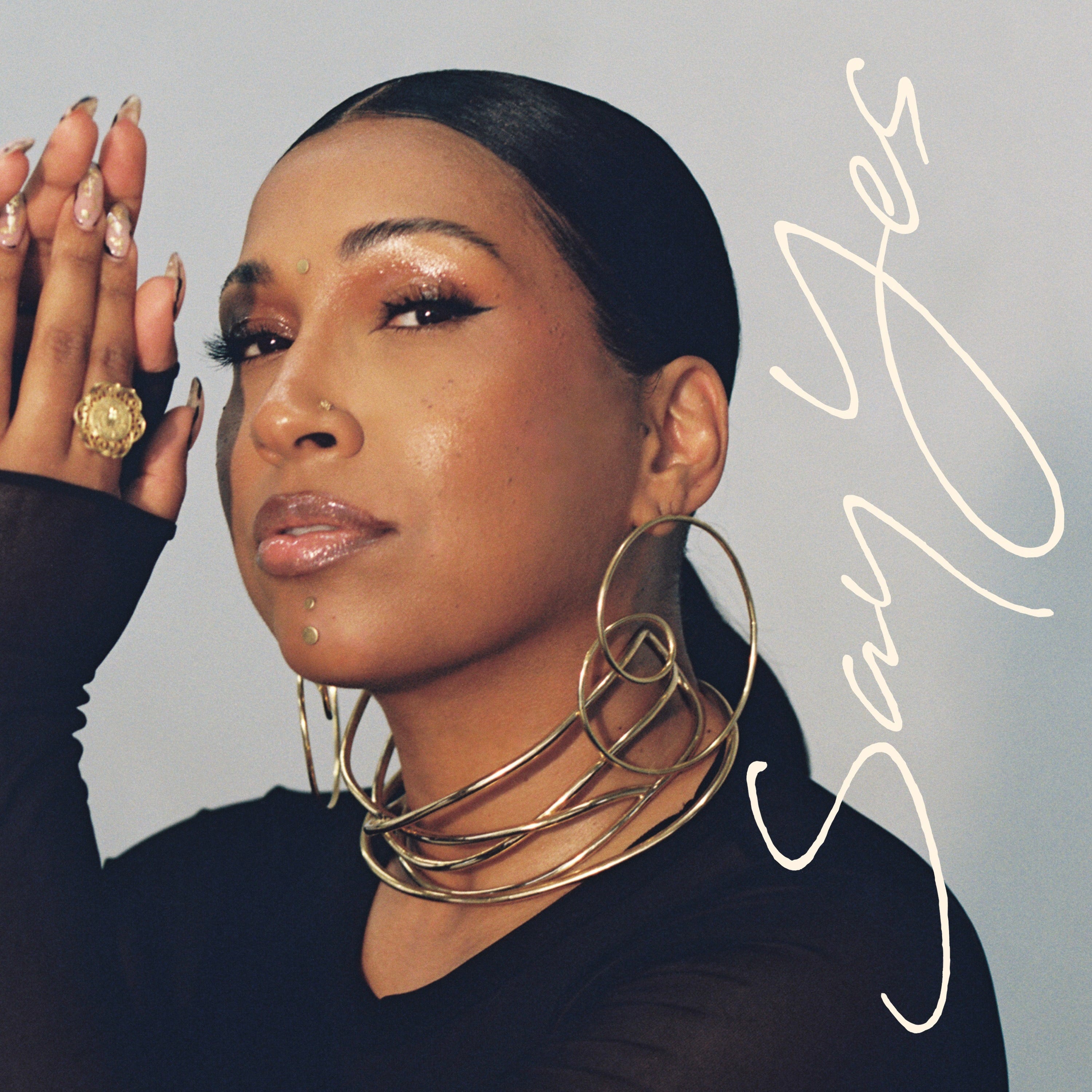
Melanie Fiona’s first multi‑song release in more than a decade doubles as a soft reboot for the once‑major‑label singer who spent years recovering from vocal cord trauma. In recent interviews, she frames Say Yes as “a permission slip to reclaim joy” while steering her own indie imprint, LoveLinc Music. The suite opens with the gospel‑leaning title track, anchored by plush Rhodes chords and a call‑and‑response hook that invites literal audience participation. From there, she toggles between buttery mid‑tempos (“Make Me Feel” featuring Vallejo rapper‑poet LaRussell) and a sumptuous closing jam that sneaks in bass licks from Thundercat and drum programming from Andre “Dre” Harris—effectively stitching her ‘00s neo‑soul heyday to the present. The EP’s real power, though, lies in Fiona’s willingness to narrate survival: she threads verses about postpartum anxiety and industry disillusionment through melodies that refuse to mope, giving the record an affirming pulse reminiscent of The MF Life but lighter on its feet. It’s an easy front‑to‑back spin that reminds you vocal texture can carry autobiography. — Jamila W.
Tia Gordon, Wait! I Have Something to Say.x (EP)
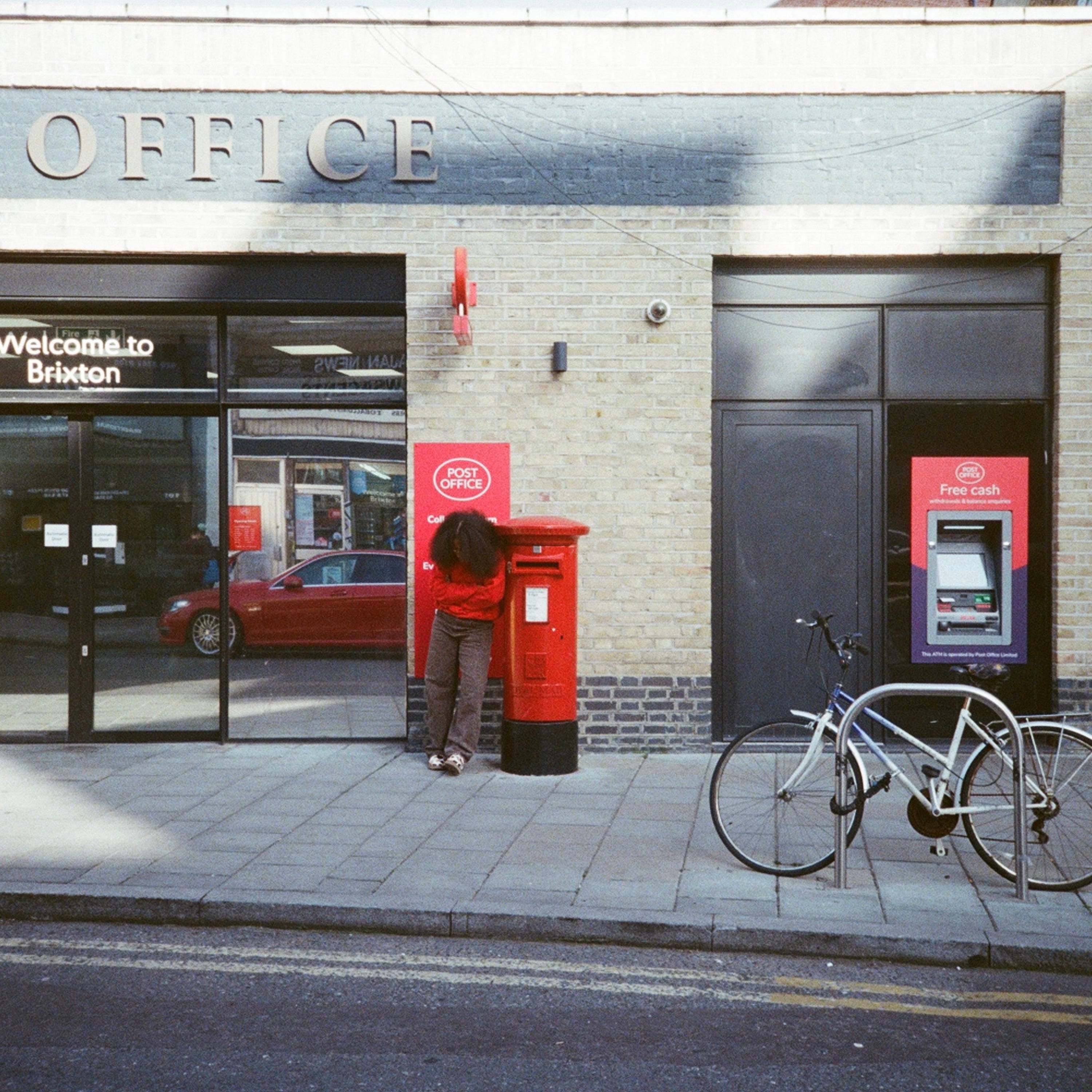
Last year’s with love. x introduced a writer who uses everyday language to tell on herself; the follow-up gathers five songs into a tighter circle and keeps the lens close, with “i’m not mad” and “misunderstood” using plain syntax to turn argument into melody, “one of a kind” leaning on a small refrain rather than a big hook, and “backwards loving” showing her preference for short forms that get out of their own way, a through-line supported by the EP’s clean sequencing and a release run built around direct performance clips. — Harry Brown
JeRonelle, Jaded Lover (EP)

Across Vulnerable and Regret & Reflect, JeRonelle built a lane on careful diction and choir-bred blend; the new project—titled Jaded Lover on streaming—tightens that approach with performance-ready cuts (“The Let Out,” “Take You Home,” “Alone”) that stack ad-libs with purpose and keep grooves unfussy so the leads can move freely, and the rollout’s live sessions underline how much of this music is designed to breathe in a room rather than hide behind layers, a choice that puts phrasing and dynamic control at the center of the experience. — Harry Brown
ROSEYE, Ways of Speaking (EP)
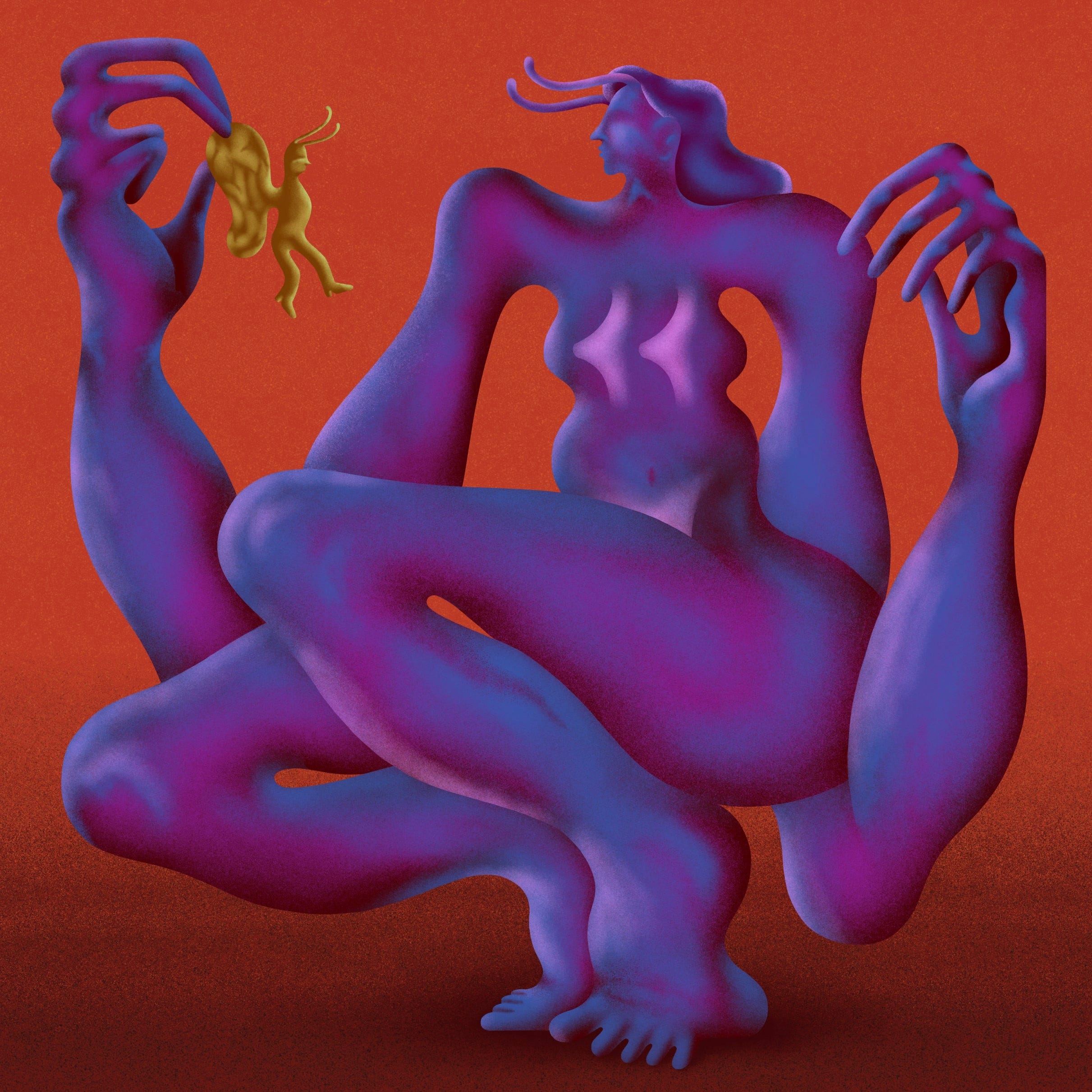
ROSEYE floats across five tracks of satin synth pads, finger-snap percussion, and sax lines courtesy of Candy Dulfer that ripple like heat mirages. “Ayesha” opens with layered vocal stacks that swell into a mid-tempo stepper, while “Deep Dive” invites its lover into aquatic metaphors over sub-bass pulses that bloom like underwater thunder. Throughout, lead vocalist Tallulah Rose slips between English and wordless melisma, turning every hook into an exercise in emotional code-switching. Ways of Speaking balances sensuality with self-interrogation. “Y.A.M.U” reframes vulnerability as power, chanting “You are my undoing/You will be my ruin” until surrender sounds victorious. Subtle polyrhythms draw on broken-beat and Afro-Latin grooves, but the mixes stay air-light, letting Rose’s phrasing ride just ahead of the pocket. In barely twenty minutes, the group sketches a world where intimacy becomes its own language, a reminder that sometimes the most radical statement is speaking softly yet clearly about desire. — Harry Brown
Alex Isley, When (EP)
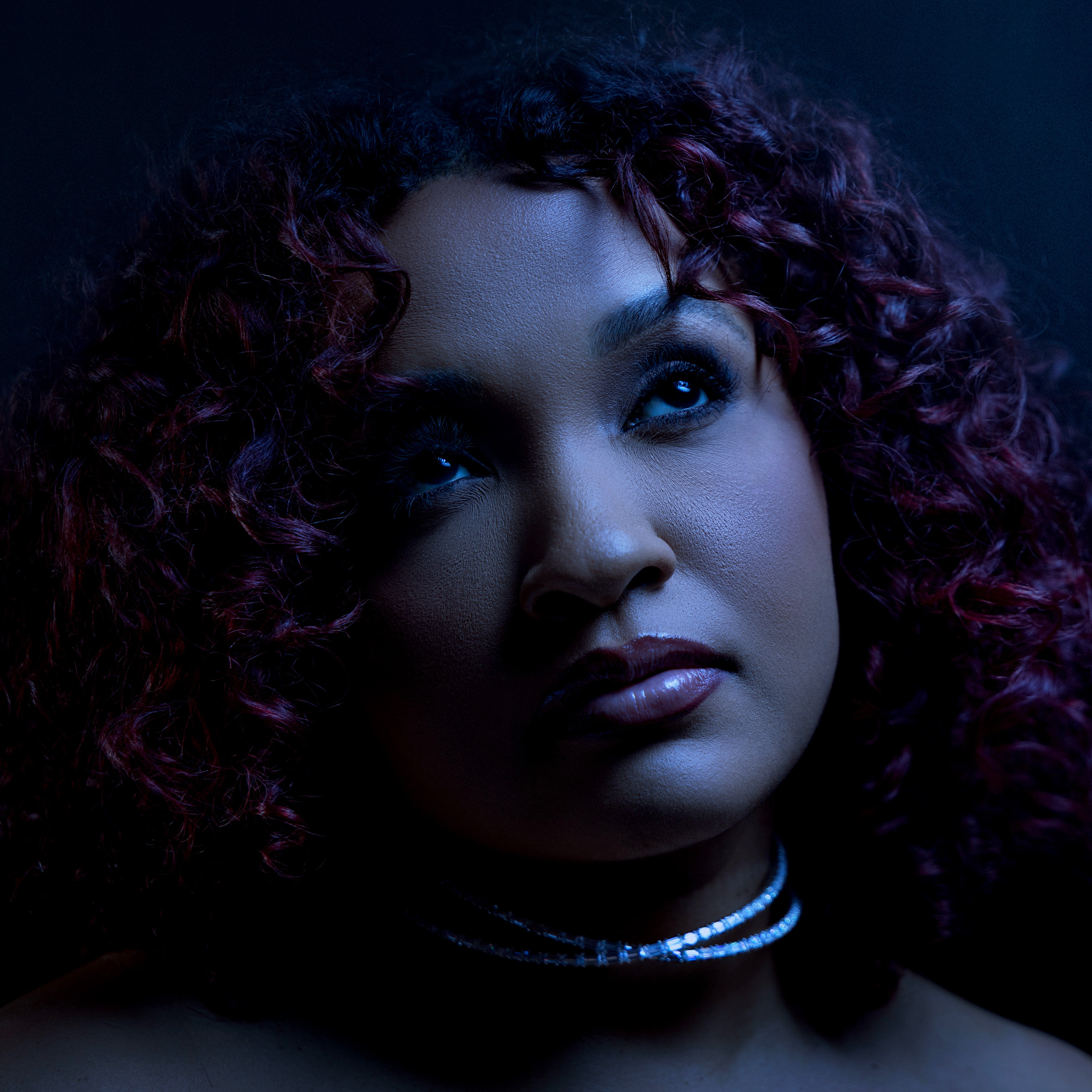
Issued on Free Lunch/Warner, When marks Isley’s major-label bow and her most tactile songwriting yet. “Mic On” and “Ms. Goody Two Shoes” showcase two poles: one a KAYTRANADA-assisted dance cut flirting with melodic rap; the other a Camper-produced slow jam that sways through vapor-soul filters. The EP opens with “Holding On,” where feather-soft falsetto grapples with future uncertainty, and closes on “Thank You for a Lovely Time,” an after-the-storm lament underscored by brushed kalimba and upright bass. Across seven songs, Isley interrogates timing—when to risk love, when to let go, when to declare self-sovereignty—wrapping each inquiry in gauzy harmonies that evoke her parents’ Isley lineage without leaning on nostalgia. — Tai Lawson
Ash Leone, All Is Well (EP)
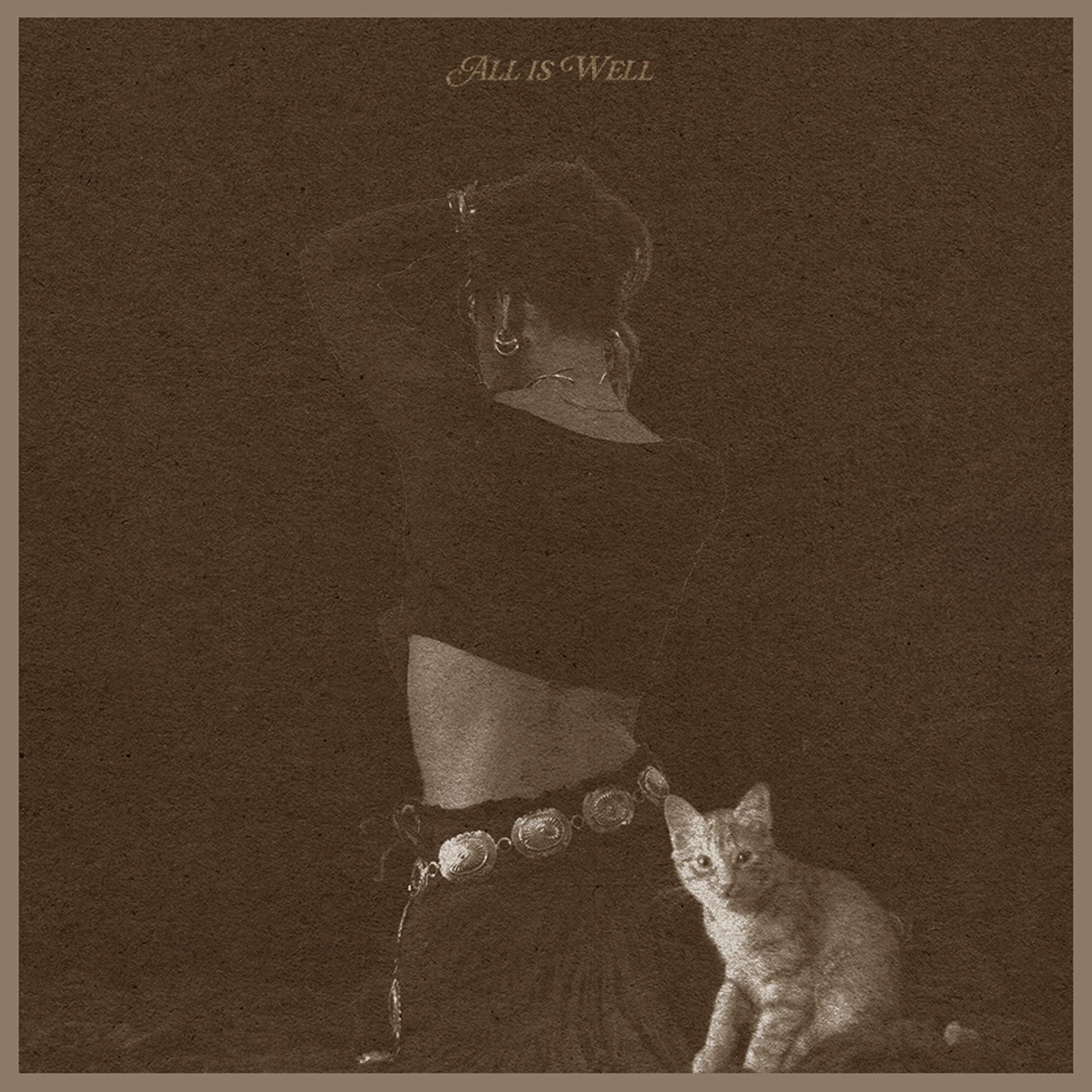
Ash Leone has been quietly stockpiling bulletproof hooks. This EP pulls the thread through with a steadiness that feels earned. “Might Take A While” lays out the project’s patience-first posture with unhurried phrasing and a melody that climbs only when the words call for it, while “Valleys and Peaks” turns the self-check into a sing-back line that reads personal even at full volume. The writing keeps cutting toward simple truths—what you can carry, what you can’t—set against production choices that prize clarity over tricks, so a single guitar or a dry snare shot can do real narrative work. The run of singles around the EP (“Terracotta Walls,” “Time,” “I Might”) mirrors that approach, but the five-song set earns its own lane by staying economical and letting the songs stand up without scaffolding. — Jamila W.
TA Thomas, Southern Soul (EP)
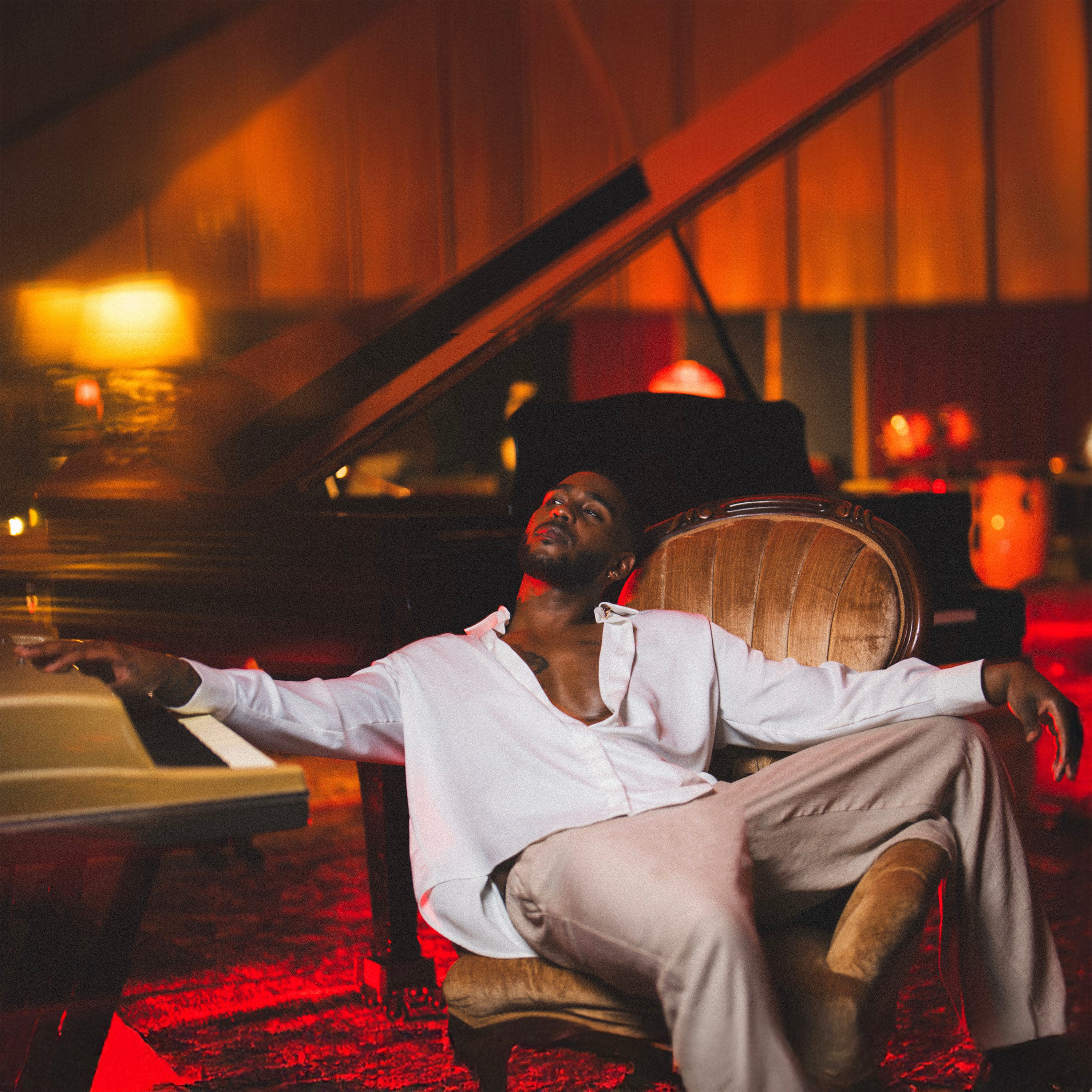
Long before he signed with Def Jam, TA Thomas cut his teeth as a member of the R&B group Next Town Down and made his solo entrance with 2022’s Caught Between 2 Worlds, a record he described as capturing the male perspective of being in and out of love. The Mississippi native now uses his first major‑label project, Southern Soul, to stake a claim on the music he grew up with. He says southern soul combines R&B, gospel, blues, and “maybe a little sprinkle of country,” and he wants the EP to paint an image of who he is and where he comes from. That context animates the devotional ballads inside. “Preach,” co‑written by Lucky Daye, pairs church‑choir wordplay with sensual confession as Thomas sings, “How’d you get that body to preach?/Let it speak to me, baby,” turning desire into testimony. “Devotion” floats on a dreamy arrangement as he wonders aloud if he is the last thing on his partner’s mind when she falls asleep and the first thing she thinks of when she wakes. “Girl of Mine” shifts into a two‑step groove and finds him basking in answered prayers, admitting “Words can’t explain what you do to me… I love how you love me.” Throughout Southern Soul, Thomas roots modern R&B melodies in the church‑soaked feeling of his hometown and delivers a concise set that celebrates romance, accountability, and the music that raised him. — Tai Lawson
Gaidaa, Yarn (EP)
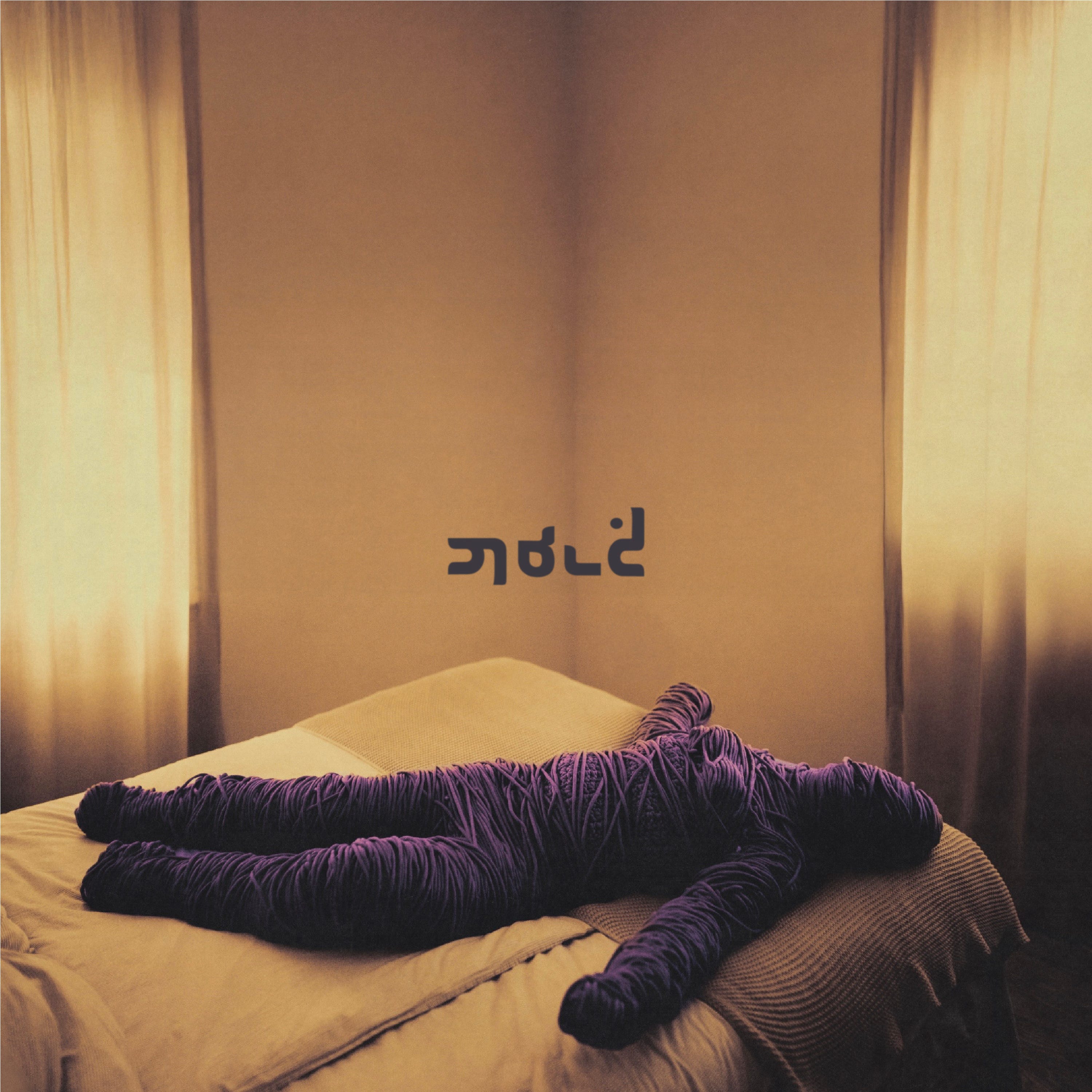
Gaidaa’s story begins in Eindhoven, where the Sudanese‑Dutch singer first turned heads in 2018 with her feature on Full Crate’s “A Storm On A Summers Day” and expanded her reach with the 2020 debut EP Overture, a thoughtful introduction that earned praise while clocking millions of streams. Her follow‑up, Yarn, is heavier, wiser, and more tangled. Rather than rushing toward resolution, she honors “the slow, sometimes uncomfortable process of becoming” and threads eight tracks with soul, acoustic, and alternative R&B stylings crafted with long‑time collaborator AgaJon. “Distance” drops into a downtempo groove built around mellow acoustic guitar and warm bass, letting her quietly dazzling vocals muse on space and closeness. “Rolling” brings softly snapping beats and layered vocals to a track that sways with understated confidence, while “Runaway” rides a shuffle of drums and intricate instrumentation so she can glide above the mix. Yarn refuses tidy endings and instead traces self‑doubt, healing, and surrender with warmth and a voice that invites listeners into her journey. — Imani Raven
Orla Rae, Orla (EP)
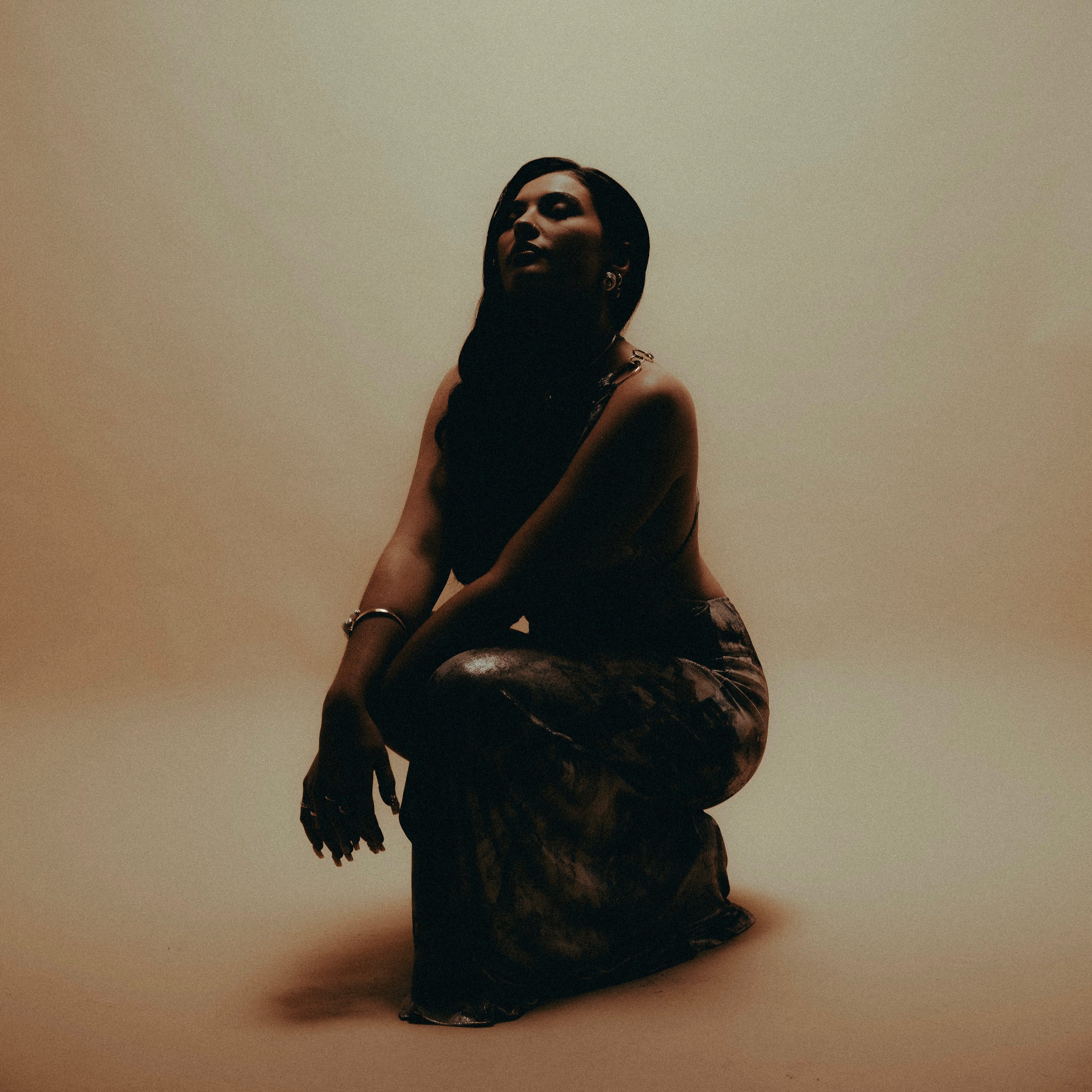
Brighton‑born singer‑songwriter Orla Rae grew up in a home filled with Stevie Wonder, Jazmine Sullivan, and Cleo Sol and began honing her voice in local choirs before writing her own songs, fusing R&B, soul, jazz, and pop. Those influences surface throughout her debut EP, Orla, a collection that pairs powerful vocals with intimate storytelling. She built momentum by performing at local venues and touring with Grammy-winning jazz duo Blue Lab Beats, which helped her refine a sound that BBC Radio 1Xtra presenters later championed. Tracks like “Richest Girl” and “Leave a Light On” showcase her ability to blend intricate harmonies with vulnerability, while the recent single “FOMO” digs into longing and self‑reflection with a horn‑assisted arrangement that nods to her jazz roots. Across the EP, she sings about the euphoria of new love, the unease of people‑pleasing, and the confidence that comes from owning your desires. Her warm, agile voice sits atop grooves that move between vintage soul and contemporary R&B, and her lyrics avoid bravado in favor of honesty. Orla may be a new name, but her songwriting already balances classic sensibilities with fresh perspective, positioning her as a promising voice in the UK soul scene. — Ameenah Laquita
Lizzie Berchie, Night Shift (EP)
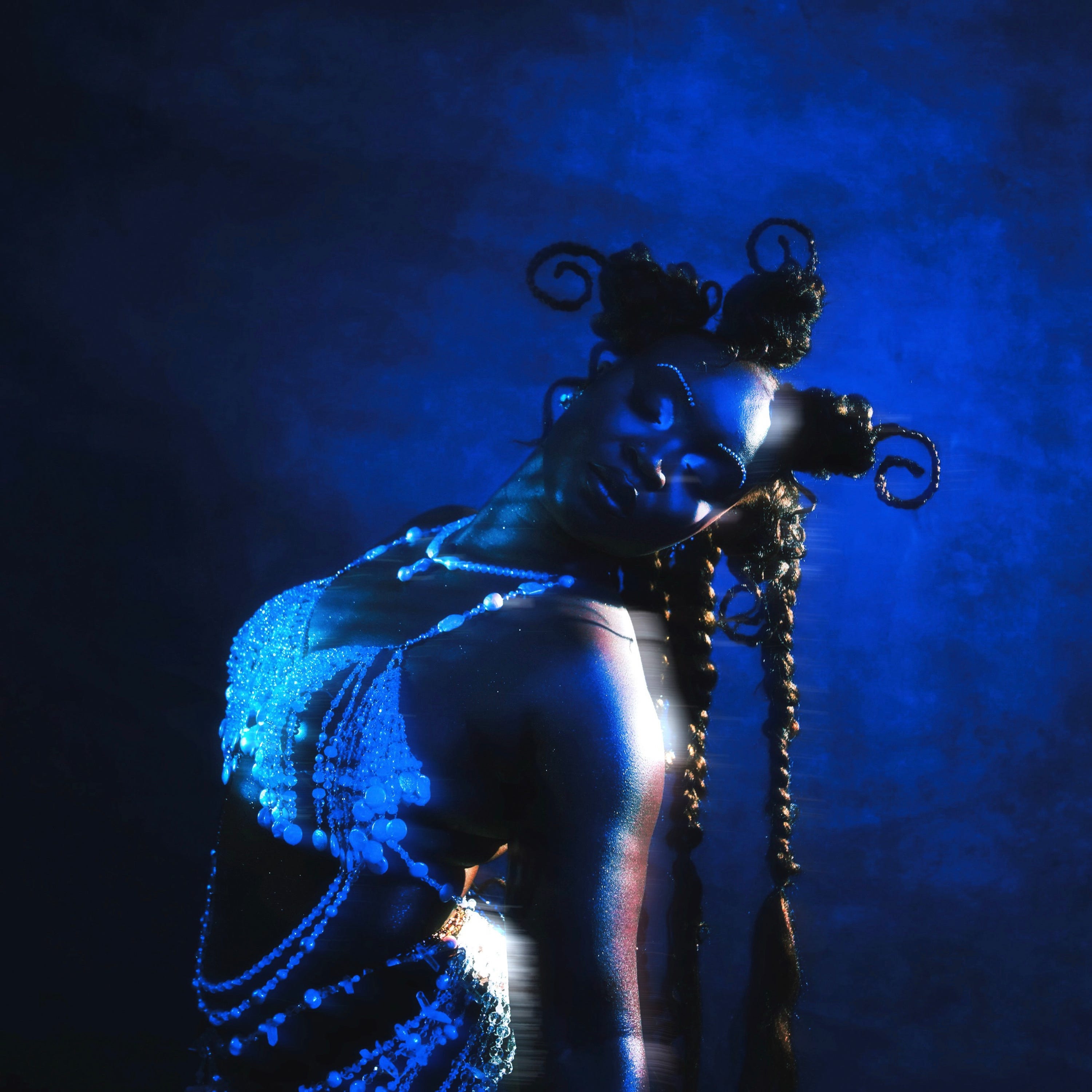
Before Night Shift, Lizzie Berchie built a patient run of singles that set up a shift in tone and stance, from the early confessional “I Hope” to the bolder “Company” and the duet “Love Deep” with Filah Lah Lah, a path that leads to an EP about choosing yourself and living with the cost of that choice. The writing draws a straight line between private resolve and public action, most clearly on “I Hope You Understand,” where a promise to leave is not posturing but a boundary that lands with plain language, “I’m leaving in the evening” and “I gotta put myself first,” and the rest of the song fills in the fatigue and hard won certainty behind those words, with verses about sleepless nights and the need to move faster toward a life that fits. “Company” widens the frame to the rush of new closeness, not as a fairy tale but as a reason to stay present, her hook repeating “Ooh, I’m falling deeper, really, really like your company,” which reads less like a slogan and more like a check-in from someone gauging whether mutual effort is real. “Love Deep” functions as the counterweight, a pledge that intimacy survives only when care is practiced daily, and the EP threads that idea through smaller choices in the verses, from how a partner listens to how work erodes attention. — Brandon O’Sullivan
Aaron Taylor, Yours Always (EP)
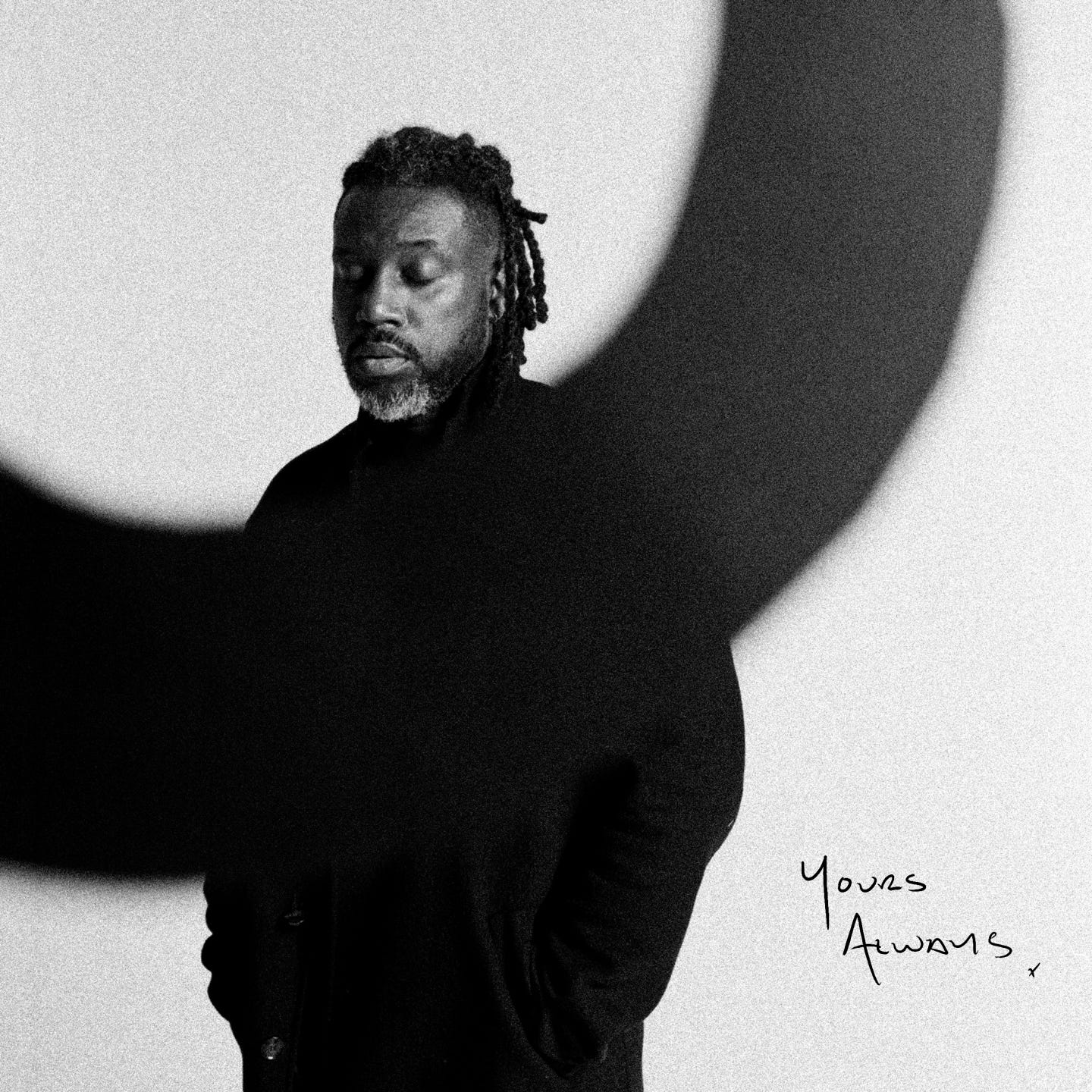
Aaron Taylor has spent the past decade steadily crafting his own corner of London’s soul scene through projects such as Icarus and Have a Nice Day! while collaborating with like‑minded artists. Yours Always, released this spring, distills that experience into a seven‑song meditation on connection and purpose. “Across My Mind” is a tender message to a friend he hasn’t seen, built around his own raw guitar playing and lyrics like “You just ran across my mind… I just want you to be happy… I know sometimes life gets heavy” that check in without judgement. “Summer in June” was mostly freestyled in a late‑summer jam session and longs for warmth not to fade; he sings “I really miss you… like the summer breeze in June… my heart gets weaker each day you’re not by my side” over breezy chords.“Nevermind,” the last song written, shows him letting go in order to receive again and pushes into singer‑songwriter territory as he resolves “Never mind/I will find another/Love that’s mine.” Taken together, Yours Always uses simple melodies, gentle grooves, and heartfelt lyrics to chart the highs and lows of connection, all delivered with the warmth and sincerity that have become Taylor’s hallmark. — Imani Raven
Oddisee, En Route (EP)
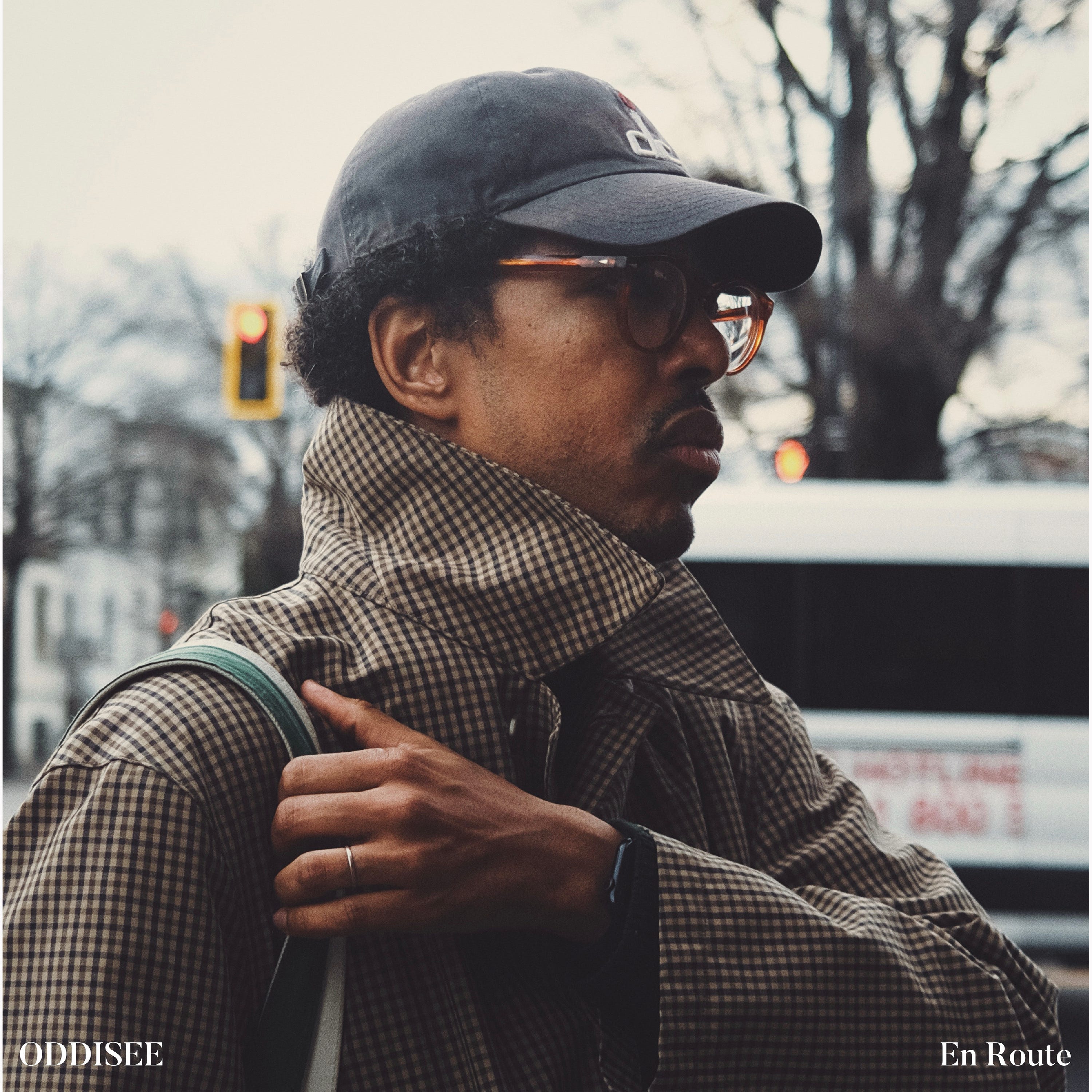
For nearly two decades, Amir Mohamed el Khalifa, better known as Oddisee, has balanced jazz, soul, and rap with a diarist’s attention to detail, from his 2015 Mello Music Group debut The Good Fight through 2023’s reflective & Yet Still EP. His return to the label with En Route feels both nostalgic and forward‑looking: the project opens with “Tomorrow Can’t Be Borrowed,” a stream‑of‑consciousness meditation over jazzy piano chords where he challenges the notion of living on “borrowed time.” “A Rare Thing” follows with horn‑tinged boom‑bap as he ruminates on how uncommon it is to truly know love, while “Small Talk” shifts into a funk groove to put everyone’s supposed glory days in the rear‑view mirror. “Natural Selection” sees him doing his thing with no one to save him, an assertion of self‑reliance that echoes his long‑standing ethos of making music on his own terms. Throughout, Oddisee slips between internal doubts and social commentary without ever sounding didactic, and his hooks arrive almost casually, carrying the weight of lived experience. The concise four‑song set is unified not by a sonic gimmick but by his commitment to telling the truth about ageing, love, and ambition; it may be his seventh EP, but En Route captures an artist still moving, still questioning, and still finding new pockets in his signature jazz‑rap palette. — Harry Brown
HILLARI, New Beginnings (EP)
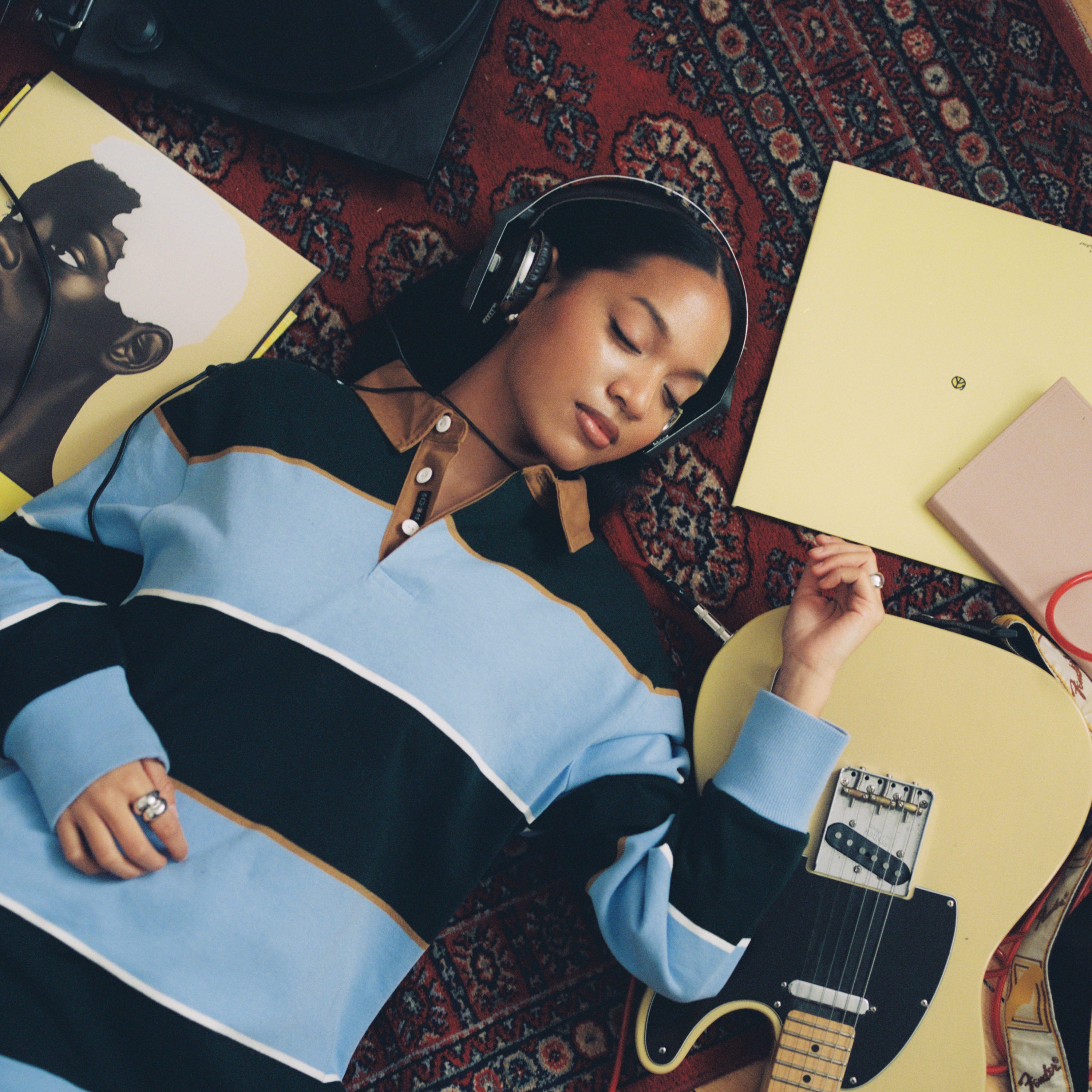
Norwegian‑Filipina singer HILLARI emerged with introspective ballads on her debut EP How Is Your Soul and gained traction when her single “Loyal” broke into the Philippines’ Viral Top 50, leading to nominations for Best New Artist and R&B/Soul at the Norwegian Grammys. Her second EP, New Beginnings, reflects a widening horizon: no longer writing alone in her bedroom, she made much of the seven‑song project in Los Angeles with new collaborators, and the music feels like walking into a garden newly in bloom. Still rooted in soul, the EP embraces gospel hues and honest candour, addressing faith, uncertainty, and the search for peace within chaos. HILLARI anchors the set in personal mantras—“I’ll bloom wherever I’m planted” and “There’s a garden within me waiting to be watered”—which she repeats to remind herself that she can flourish even when circumstances are unclear. Her vocals glide over arrangements that blend R&B, soul, and jazz, and her lyrics encourage listeners to find courage in vulnerability and to nurture their own inner gardens. — Tai Lawson
SHRETA, SHRETA (EP)
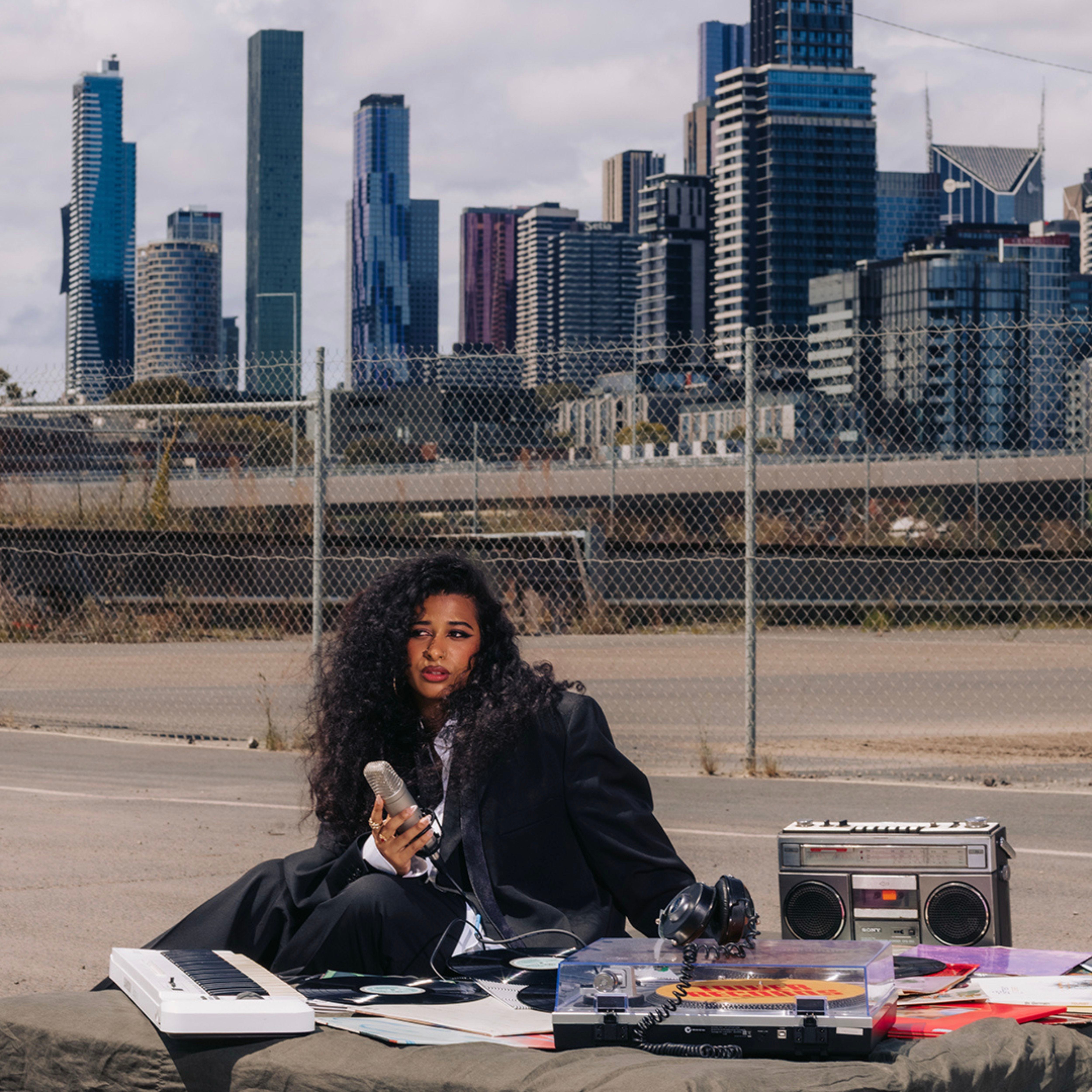
By the time SHRETA landed in Los Angeles on an artist visa, she’d already spent years pushing against the boundaries of Australia’s music scene. Raised in Melbourne by South Indian parents, she grew up singing Carnatic melodies at home and later discovered Missy Elliot and JAY‑Z sampling the music of her heritage. That duality shapes her self‑titled debut EP, a project she insists must be seen as a statement of who she is and where she’s from; she wants her face and her traditional Indian name splashed across the cover as a rebuke to an industry that often asked her to soften her cultural identity. The songs explain why she gambled everything on a move to LA. “Messy” opens the collection with a confession that oscillates between boastful and intimate; she turns a relationship dispute into a celebration of messy love that draws on her Carnatic training, “WDYM?” reads like a diary entry from a heartbroken night, while “Control” flips the script with a playful hook that could be an anthem for anyone taking charge of their own story. She fuses South Asian vocal techniques with R&B grooves, refuses to dilute her name or her story, and crafts songs that feel like conversations between friends about love, ambition, and belonging. — Charlotte Rochel
Natanya, Feline’s Return (EP)
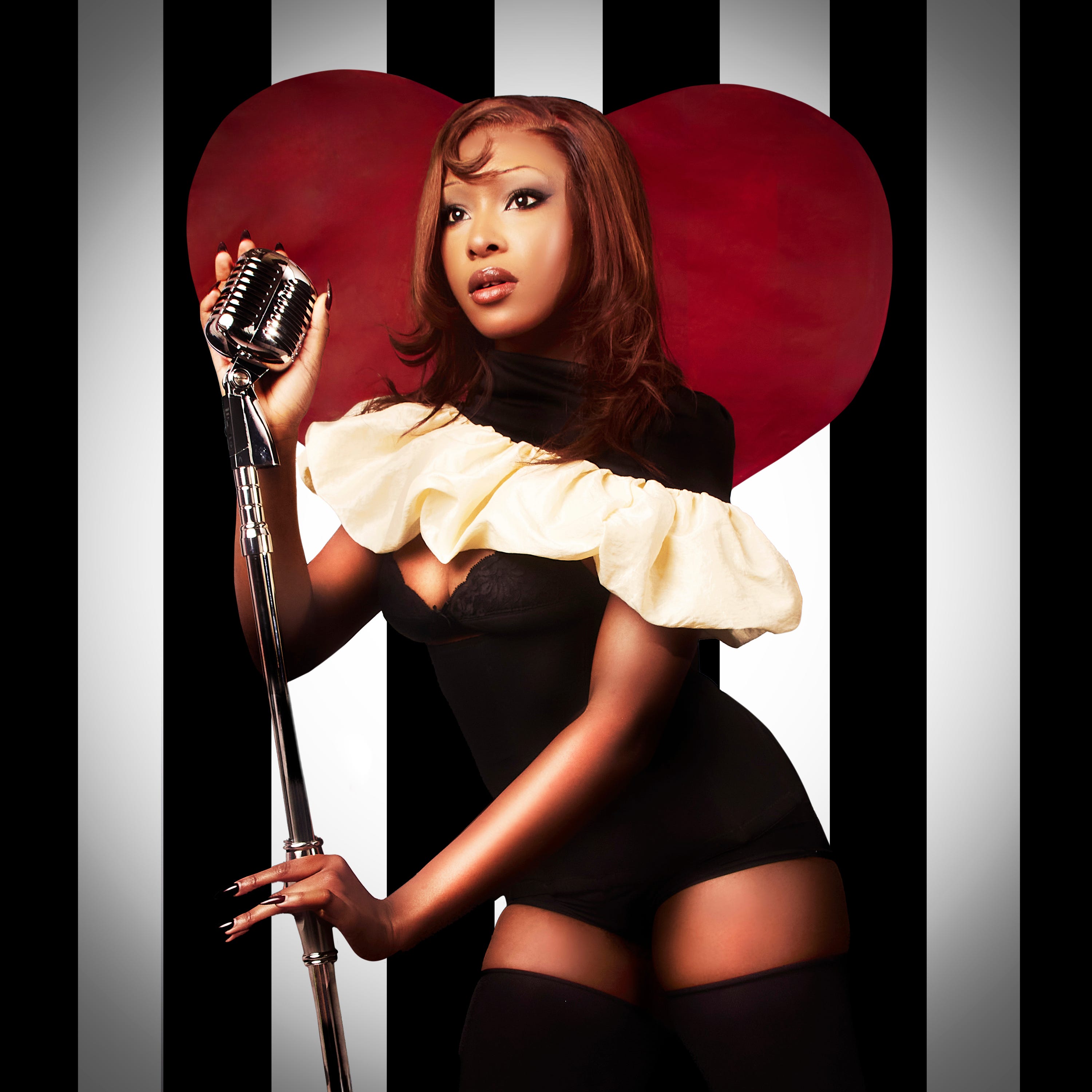
Natanya’s second EP begins with a lesson she learned while studying classical piano—how to turn limitation into style. After releasing 2023’s Sorrow at Sunrise and producing the single “Boombox” herself, she returned with a project born out of a turbulent period when a manager abandoned her before a gig and she was juggling university studies. Instead of retreating, she created an alter ego she describes as “seductive, silent, cat‑like,” channeling that persona into songs that move between camp, punk‑infused R&B, and vintage soul. Her lead single “Dangerous” previews the EP’s daring streak. The song rides a squeaky blend of trap drums and rising synths with no consistent foreground, yet she finds a way to float her vocals over the chaos, delivering a warning that’s as playful as it is risky. She moves through humid slow jams and airy pop without settling into formula, exploring vulnerability and fantasy with a producer’s ear for texture. — Charlotte Rochel
Toulouse, Nobody’s Coming to Save You (EP)
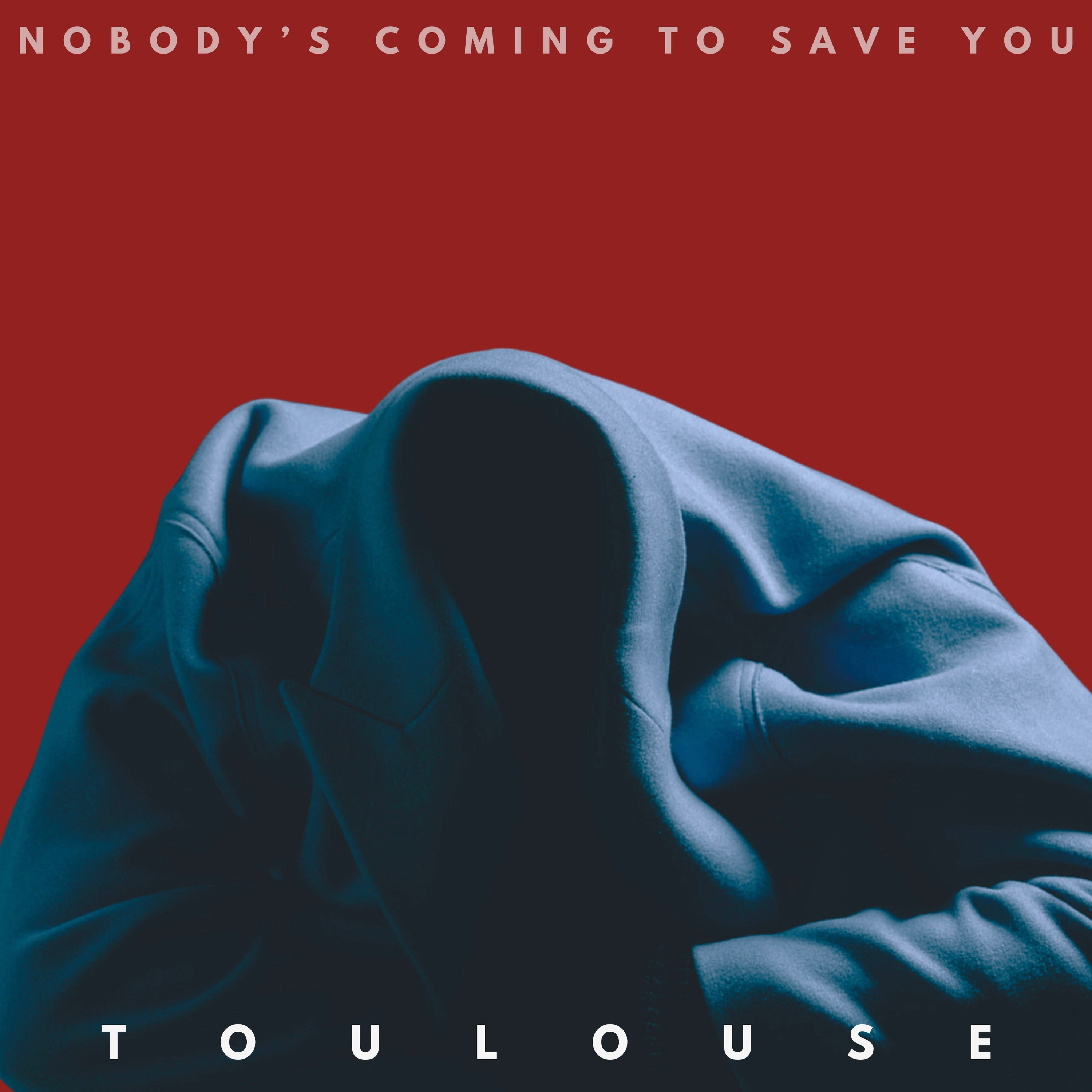
Toulouse has always preferred the shadows. A New York‑based, Nigerian‑born singer and producer who moved to the U.S. in 2004 and studied at NYU’s Clive Davis Institute, he first appeared in 2016 with the soulful single “So You Know I Care” and quickly earned a reputation for bending genre rules. Nobody’s Coming to Save You channels that shapeshifting instinct into a meditation on self‑reliance. That willingness to chart his own path defines the EP, which threads soul, alt‑R&B, and gospel into seven songs that grapple with the weight of personal responsibility. He sings about awakening from complacency, pleading with himself to “Keep” moving even when no one is watching and inviting collaborators like Fleurie to turn “All Your Days” into a balm for exhaustion. How do you make peace with your past when there’s no safety net? What happens when faith is your only anchor? Toulouse answers by letting his voice hover between falsetto and baritone, layering choral harmonies and sparse instrumentation to remind the listener that resilience can be as soft as it is steely. Even without the dramatic peaks of a full‑length album, the EP proves that he remains one of R&B’s quiet innovators, unafraid to blur genres in pursuit of emotional clarity. — Phil
ScarLip, Scarred B4 Fame (EP)
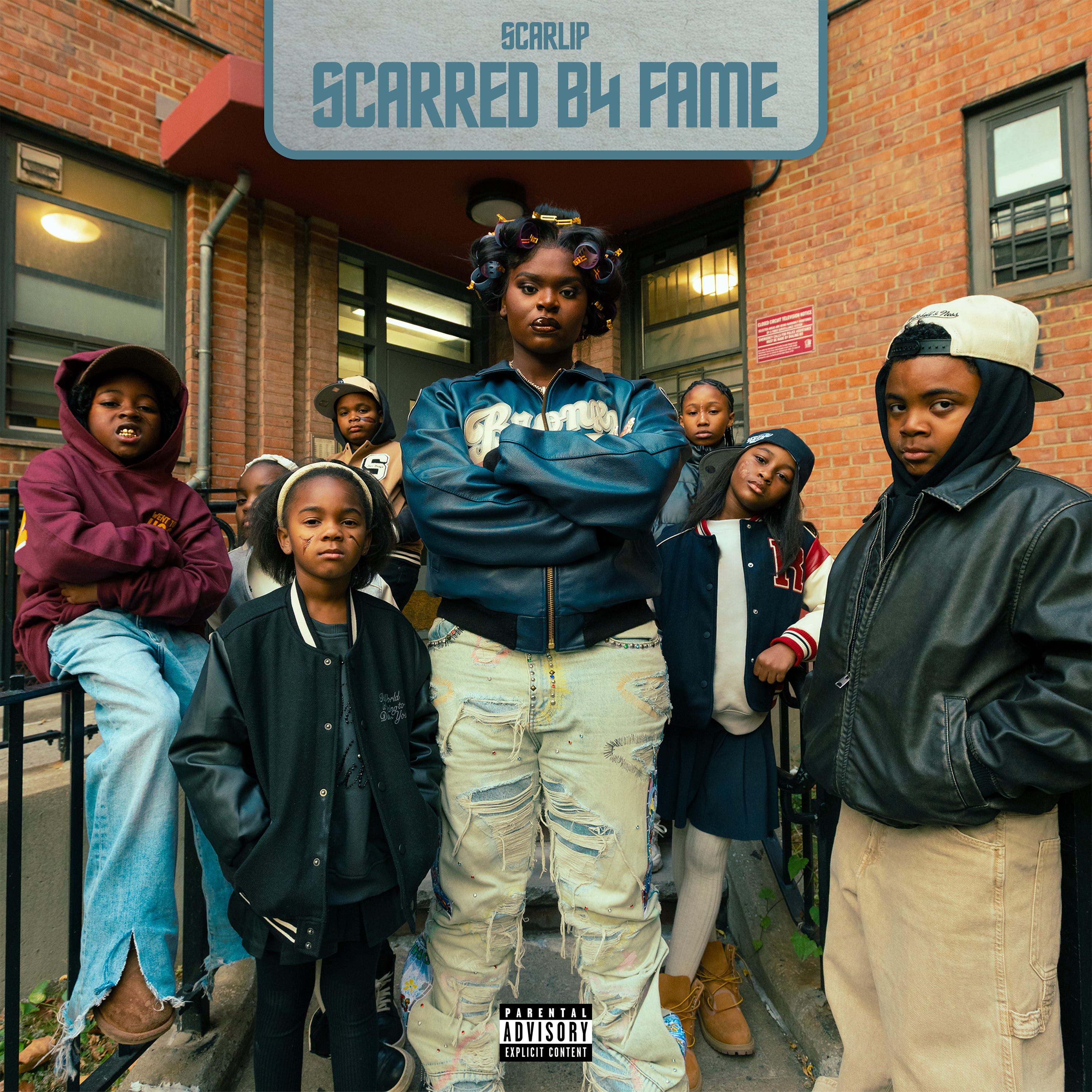
ScarLip’s first extended project arrives with the energy of someone determined to convert social‑media notoriety into something lasting. The 24‑year‑old Brooklyn rapper signed to Epic Records after her viral single “This Is New York”; she recorded Scarred B4 Fame to prelude a future full‑length. What could have been a straightforward drill showcase instead reads like a mixtape of a life spent hustling. “Pop That” pairs ScarLip with Lil Wayne over a Rockwilder and Swizz Beatz beat, and she uses the moment to stake her claim in rap’s heavyweight corner. She then flips Ludacris’ “Runaway Love” into a freestyle that reclaims Mary J. Blige’s hook for her own story before ending with “Lord Please,” a trap‑gospel plea for divine patience. ScarLip’s writing is conversational and raw; she leans into bruised honesty, offers glimpses of vulnerability, and tosses off threats with a grin. Though the EP has uneven moments, it reveals a rapper who knows her voice can carry both prayer and provocation and who isn’t afraid to bare her scars before the fame comes. — Tabia N. Mullings
JACOTÉNE, Untitled (Read My Mind) [EP]
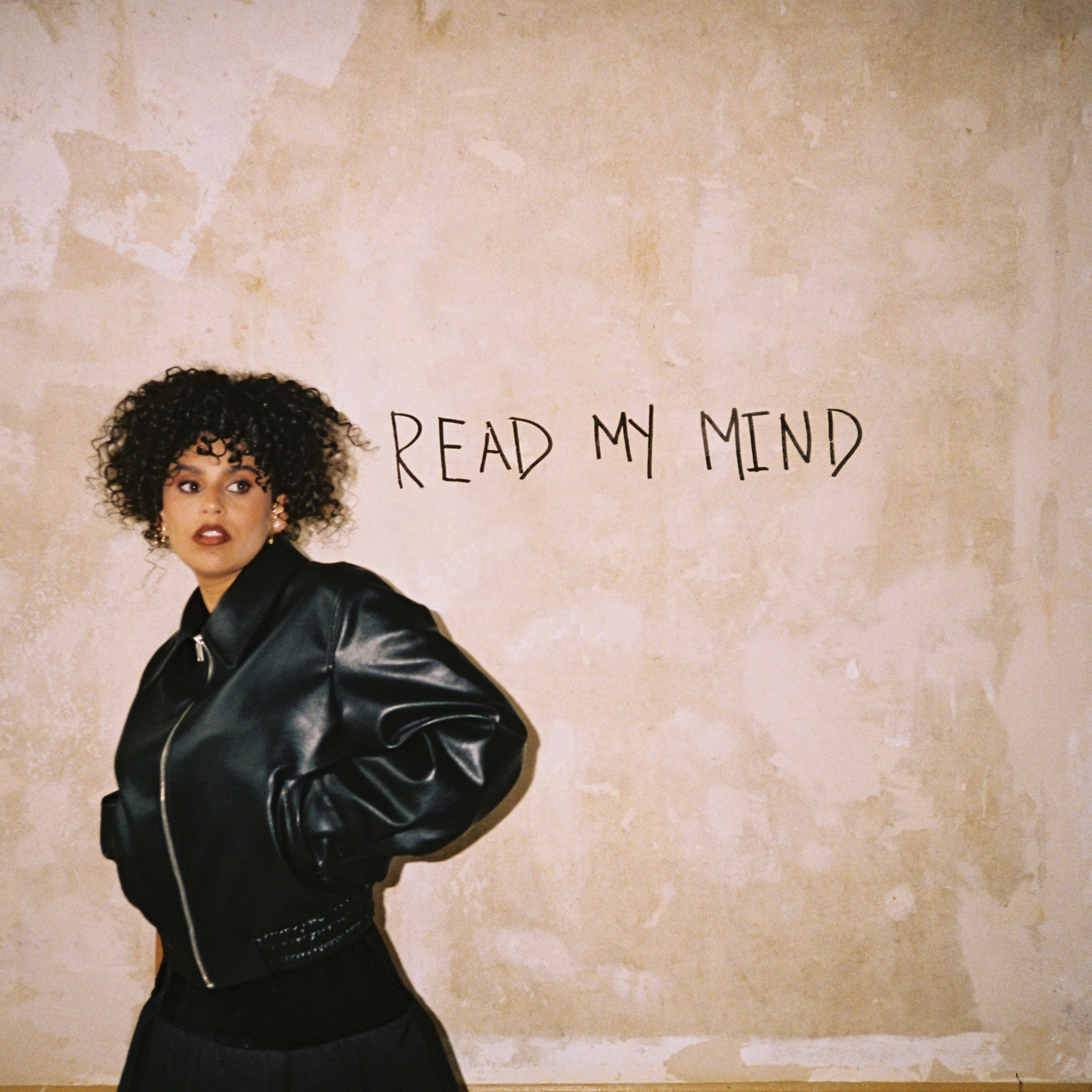
The first time many people heard JACOTÉNE was when she beat thousands of hopefuls to win Triple J’s Unearthed High competition with “I Need Therapy,” a raw track she wrote as a teen, then left school, signed a deal, and decamped to London to figure out who she was. That turbulent period is the subject of her six‑song debut, a project she says documents confusion and faith in equal measure, starting with “Only God (Intro),” originally a full song she sliced down to a personal confession about her spirituality, to the breakup anthem “Stop Calling,” where she vents about phone calls that reopen wounds. Her voice is both featherlight and resolute on “Stronger,” declaring, “I don’t wanna fall in love, ’cause I think maybe I’ve had enough,” a lyric she wrote when she felt her heart was worn thin and needed to protect itself. The self‑produced “Easy” offers a moment of calm with stacked harmonies and a lyric about trying not to overthink when love presents itself, while “Forgive Me” wrestles with guilt and the desire to be seen. The standout, “Why’d You Do That,” was recorded during what she calls a “confusion and heartbreak” period, an anthem reminding her to trust her own instincts. Untitled (Read My Mind) is less a polished debut than an open letter from a 19‑year‑old navigating independence and leaving home; its strength lies in her willingness to say exactly what she feels, even when that feeling contradicts itself. — Jamila W.
Claire Brooks, Mother (EP)
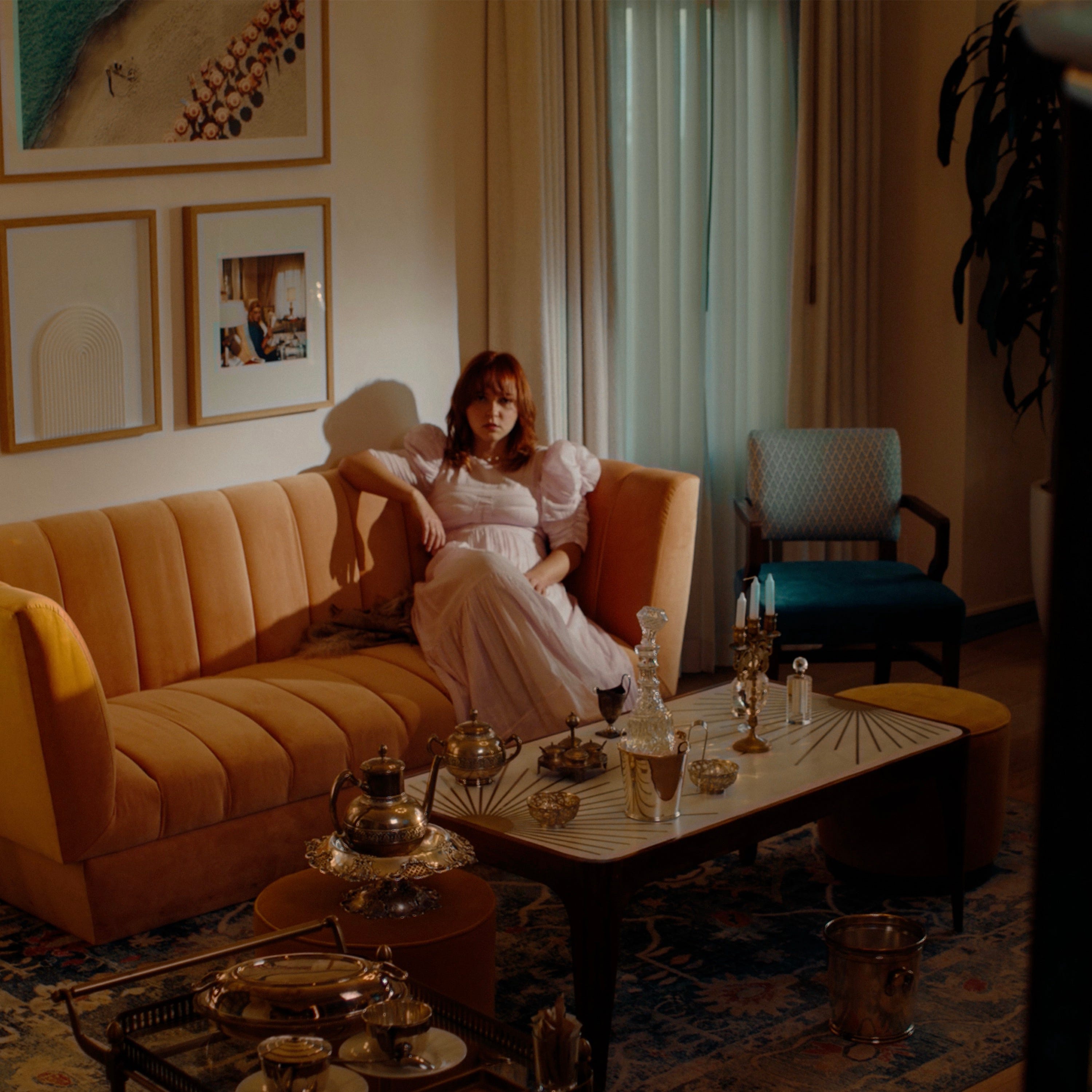
Claire Brooks grew up in Los Angeles in a household where her mother swapped her baby rattle for paintbrushes and her father spun long bedtime stories; she dabbled in fashion design, learned multiple instruments, and studied mechanical engineering at Stanford before deciding that music was her true north. Those eclectic roots inform Mother, a five‑song cycle that blends psychedelic indie‑pop, R&B, and jazz into something intimate and self‑possessed. The opening track, “Hush,” explores the push‑pull of intimacy and distance as she sings over hazy keys and a soft beat, blending rapped phrases with mournful, spoken‑word lines and drifting melodies. “Santal 33” follows with a bittersweet portrait of a relationship scented like the famous perfume but tinged with melancholy; she writes about remembering someone every time she smells a note of sandalwood. “Attitude” uses a slinky bass line as a backdrop for a lyrical rebuke of those who mistake kindness for weakness, while “Mother Medicine” finds her leaning into vulnerability, asking if healing can come from within when everything else feels chaotic. The closing number “Lucky Star” feels like a lullaby addressed to her younger self and to anyone who has ever felt unseen, gently reminding them that love doesn’t always look the way we expect. — Tai Lawson
Leven Kali, LK99: The Prelude (EP)
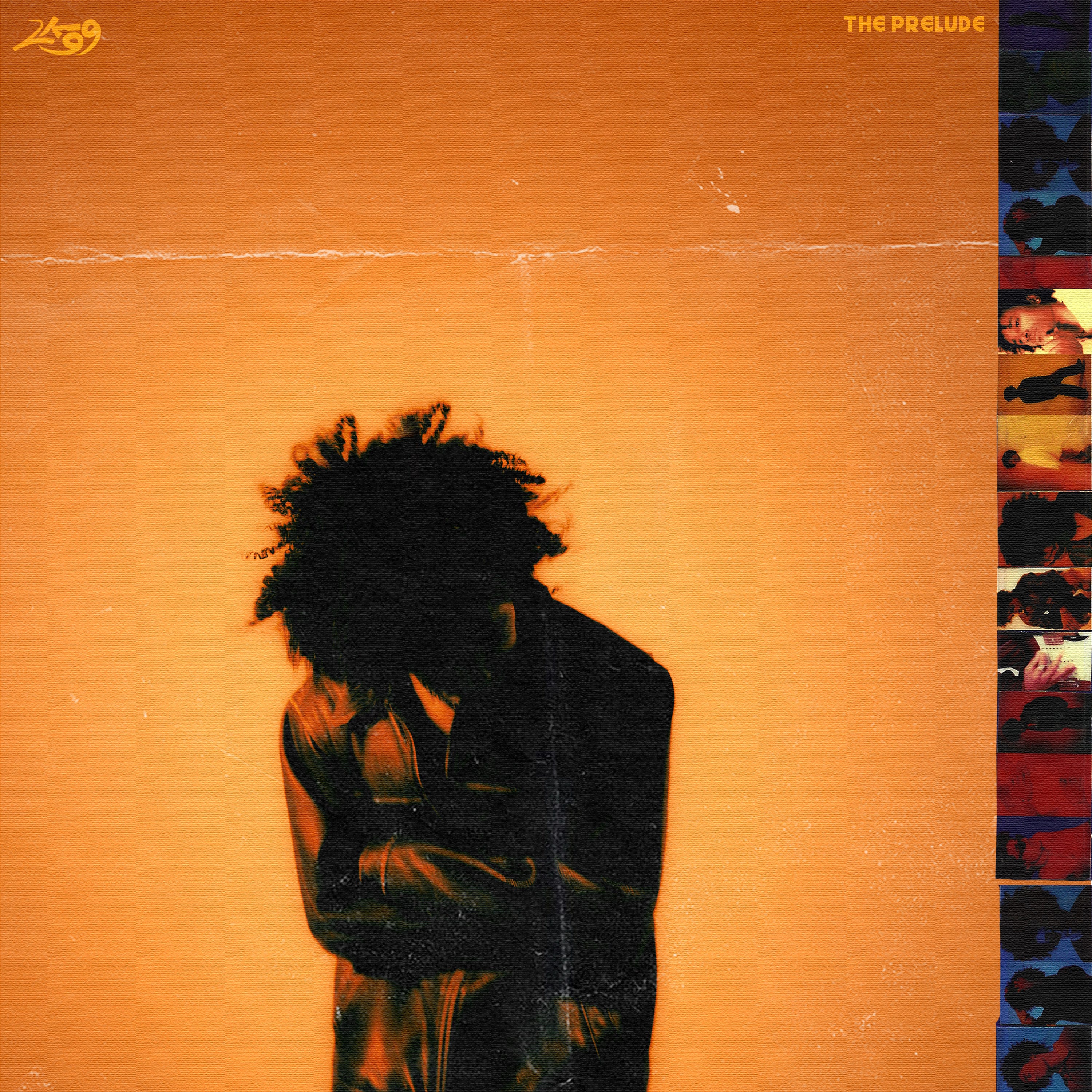
Leven Kali’s path to this EP includes writing and producing for Beyoncé, Coco Jones, and Skrillex and singing at clubs in Southern California before signing with Def Jam; his third full‑length is on the horizon, but he tees it up with LK99: The Prelude, a six‑song suite steeped in funk and psychedelic soul. The project opens with a track that imagines a collision between Thundercat and Tame Impala, balancing glistening distortion against strident funk guitar while he delivers a monologue that warns, “The CIA already got your mind, now whenever you open your eyes, all you see is AI”—a line that sets the tone for an EP preoccupied with technology and human connection. “In the End” rides stuttering drums and sun‑kissed bass as he wonders, “Maybe it’s the drugs, maybe it’s the fame, I don’t know what it is, but everyone’s gone insane,” revealing a longing for companionship amid chaos. The reggae‑tinged “Sleepwalking” uses quick‑witted rhythms, gentle bass and ascending synths to soundtrack his quest for intimacy, while “Pieces” slows things down with washing drums and muted guitar; he pleads, “Don’t give a piece of heaven to me, then kick me out of the sky,” confronting the whiplash of partial love. Leven tucks his lyrics into hazy wah pedals and cooing harmonies and lets them contrast with the gravitational pull of his basslines. — Brandon O’Sullivan
La Reezy & PJ Morton, Pardon Me, I’m Different (EP)
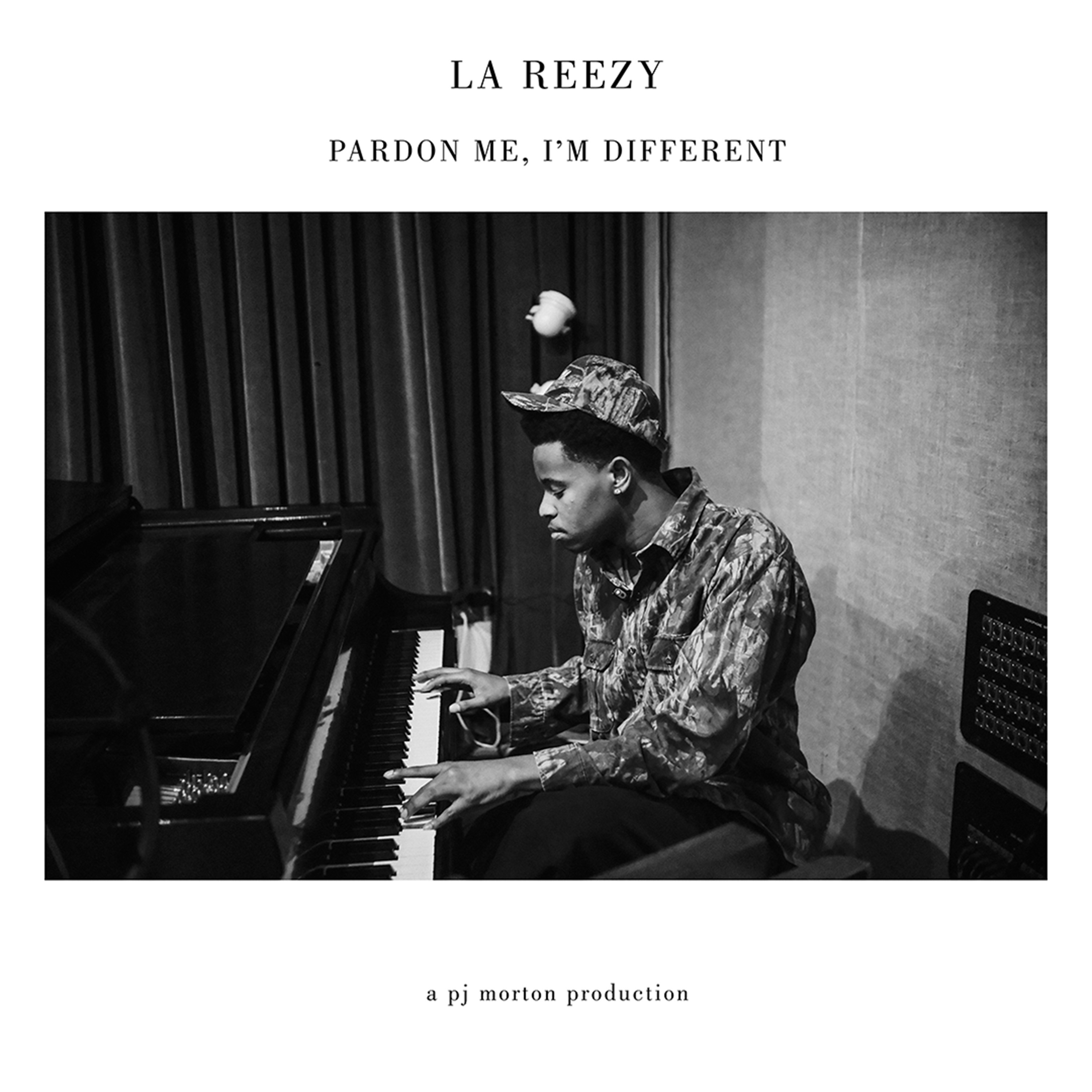
La Reezy’s rise in Houston’s underground scene has been steady, but teaming up with PJ Morton marks a turning point. The project is built around a frankness that appears in the writing as much as the title. “Reason” sets the tone, La Reezy rapping, “I got every reason to be here, don’t question my time,” and that balance of conviction and warmth shows up again on “Keep Tryin,” where La Reezy insists, “Keep tryin’, keep fightin’, don’t let the dark win,” turning perseverance into something chantable. “Baby” shifts toward playfulness, a duet where the lyric “Baby, you got me thinking forever” rides over buoyant keys. Each track pairs his blunt delivery with Morton’s rich arranging instincts, but it’s the writing that carries—whether it’s documenting survival, craving intimacy, or stating plain truths. Together they shape an EP that treats honesty like a skill as much as a confession. — Phil
Olympia Vitalis, People Watching (EP)
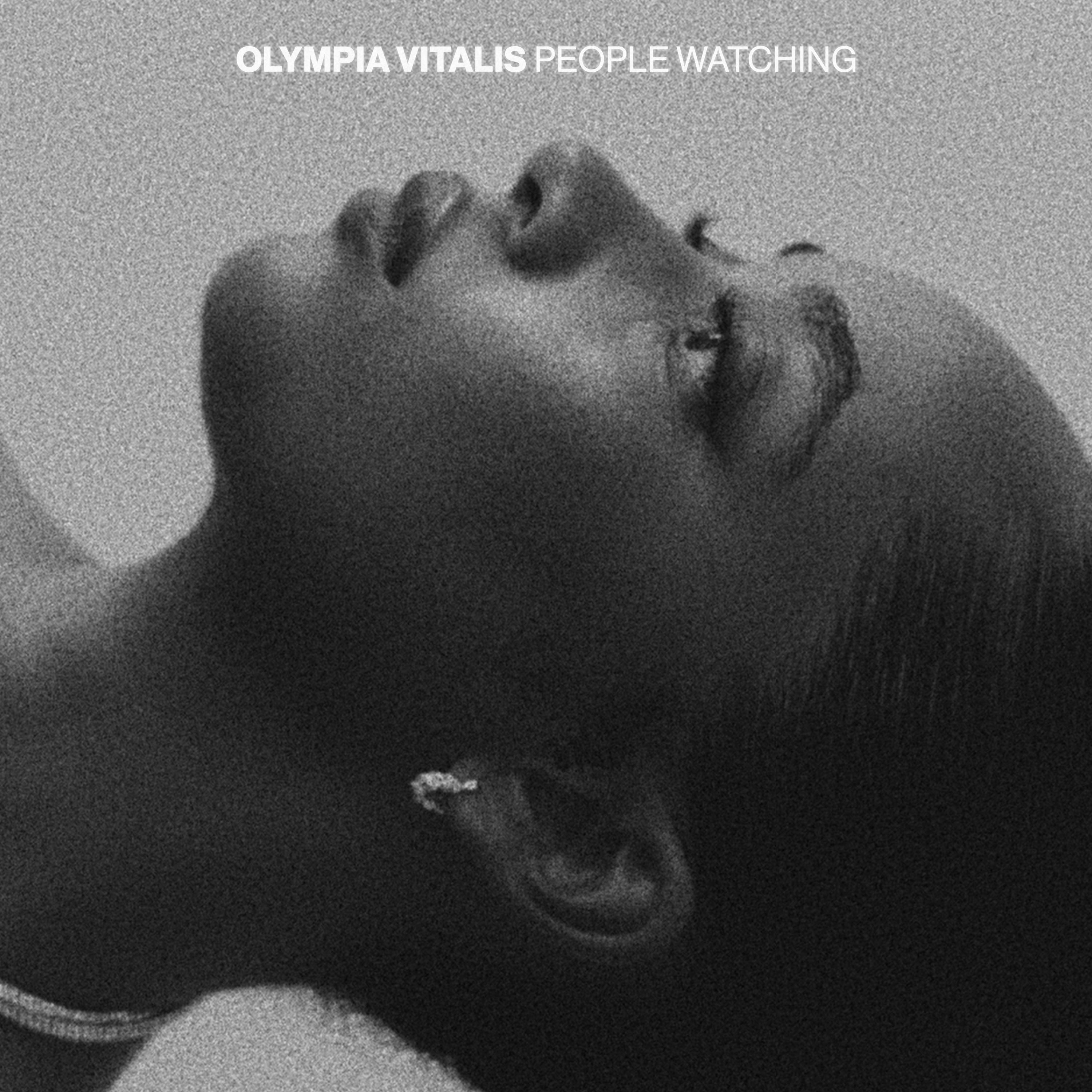
Olympia Vitalis describes her songwriting as a mix of character study and personal reflection, and People Watching embodies that idea with songs that sit between jazz, neo-soul, and R&B. “Painted Smiles” opens with the line, “Take back the reins it’s been a while/I played the part painted on my smile,” a candid take on masking vulnerability. “Narcissus” sharpens that mood by pulling apart ego and self-obsession, while “A Son’s Lament” digs into generational wounds. Across the set she weaves cultural roots—gospel influences, mixed-race identity politics, and London’s jazz circuit—into narratives that feel observational yet deeply personal.” Even in the quieter “Younger,” she asks what innocence gets lost over time, her delivery intimate but steady. The EP is about small, piercing truths she unearths from moments others might overlook, turning casual glances into meditations on identity and emotion. — Ameenah Laquita
CARI, Flux (EP)
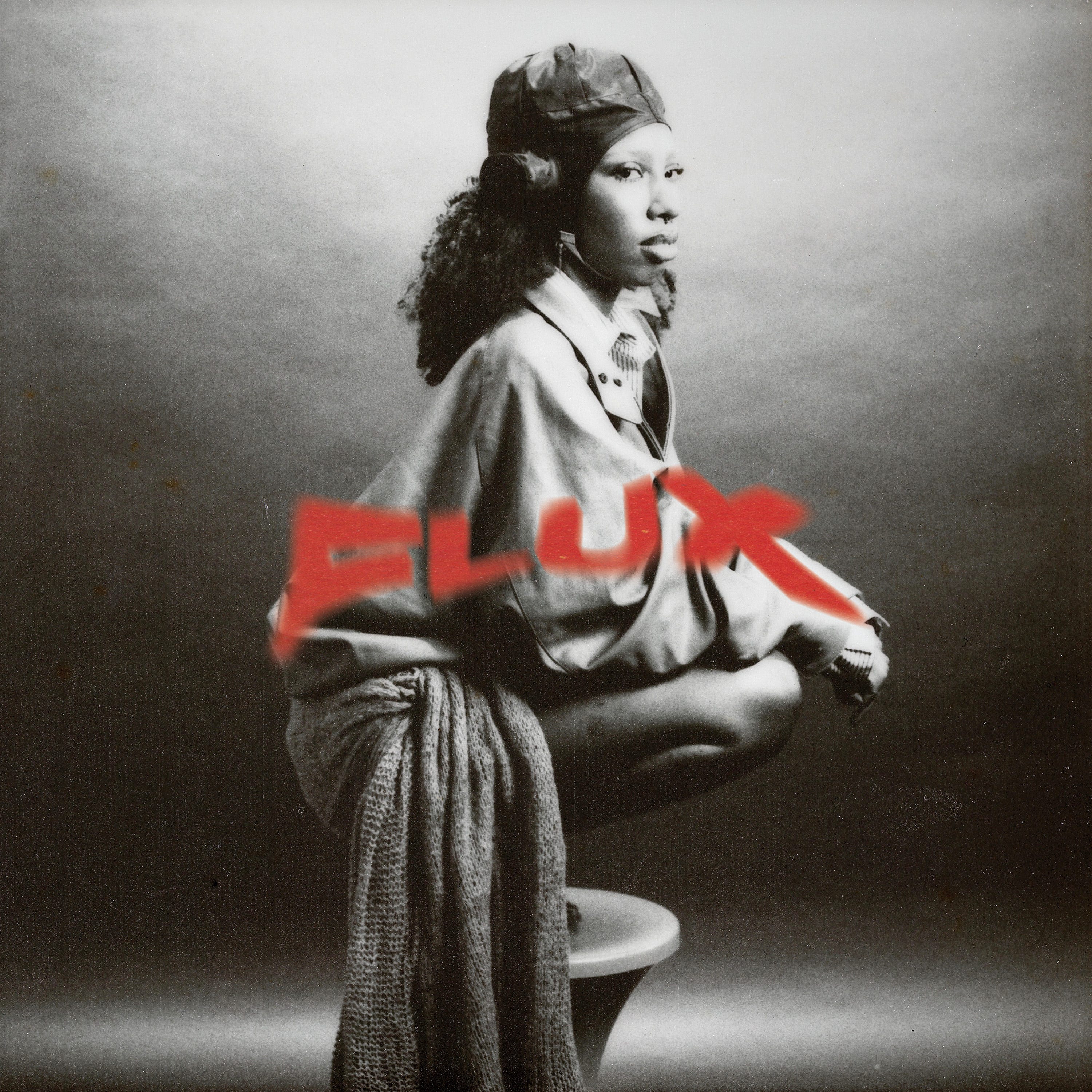
CARI has spoken about losing nearly everything before writing Flux, describing the project as survival through music. That urgency pulses through “Colder in June,” where she admits, “I gave my all, but it wasn’t enough,” layering heartbreak with a quiet strength. “Bleeding” doesn’t soften the edges either; its refrain—“I’m still bleeding though the wound’s long gone”—captures grief that lingers even after the cause fades. “Over and Over” turns cyclical resentment into song, while “Creatures” plays with eerie imagery to mirror the unease of toxic love. What stands out isn’t only the pain she writes through but her ability to translate it into clarity; each track is a snapshot of healing in progress. Flux becomes less about loss itself and more about finding power in naming it. — Tai Lawson
Nectar Woode, It’s Like I Never Left (EP)
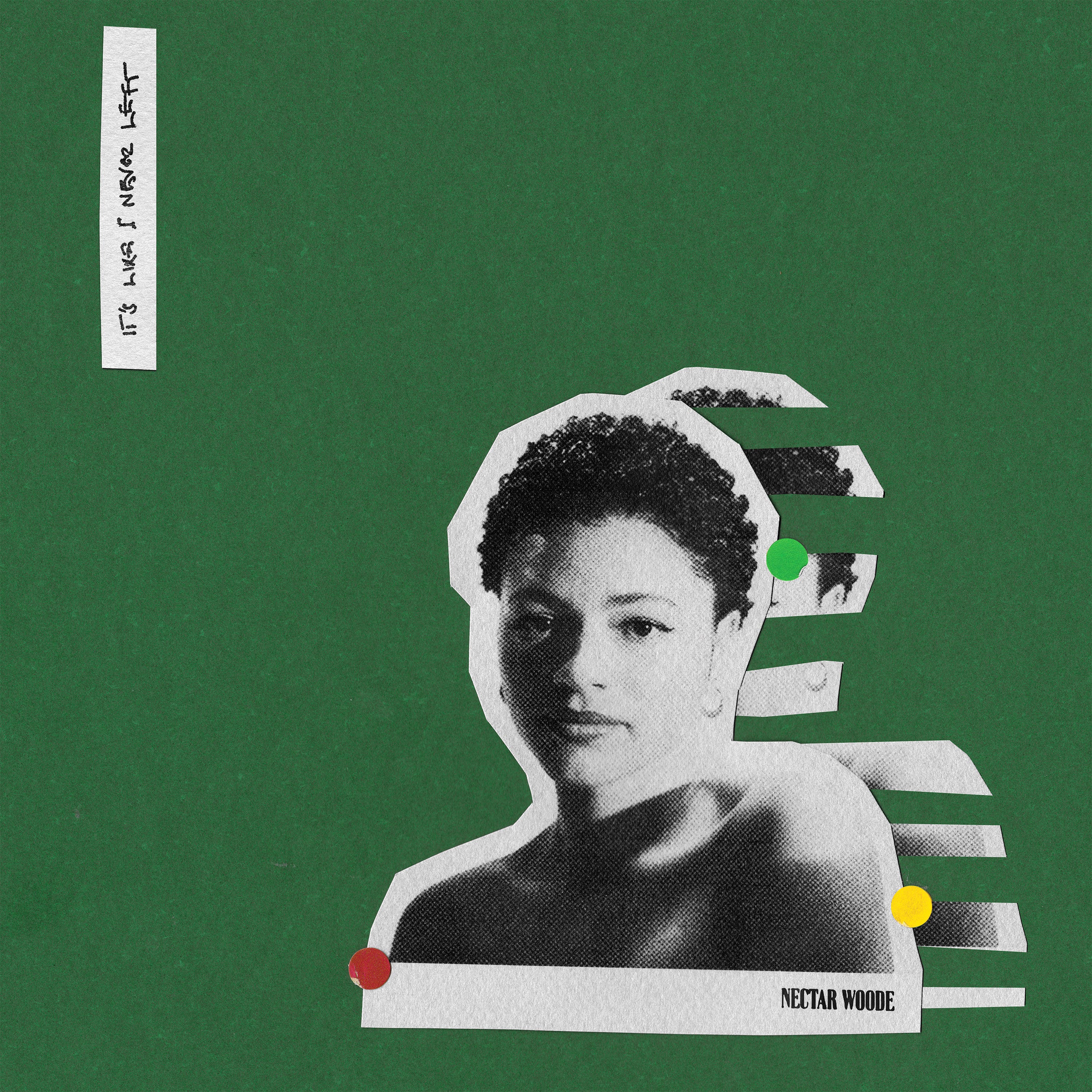
London-based singer Nectar Woode channels heritage and intimacy across It’s Like I Never Left. “Only Happen” carries the lyric, “Bitterness in time, don’t know where I’m going,” placing uncertainty right at the heart of her songwriting. The EP moves through love’s varying shades—songs of longing, estrangement, and slow reconciliation. On “Honeymoon Phase,” she twists romantic clichés into something questioning, while “Deep Down” deals with unspoken truths that weigh on relationships. The Norman Records description highlights its blend of R&B, soul, and subtle pop flourishes, but it’s her words that shape the project most clearly. She doesn’t overcomplicate her delivery; instead, she offers fragments of thought that feel plucked from a notebook mid-draft, raw but deliberate. That’s what gives It’s Like I Never Left its resonance—songs that feel as immediate as the moment they were written. — Ameenah Laquita
Oswin Benjamin, Norma’s Grandson (EP)
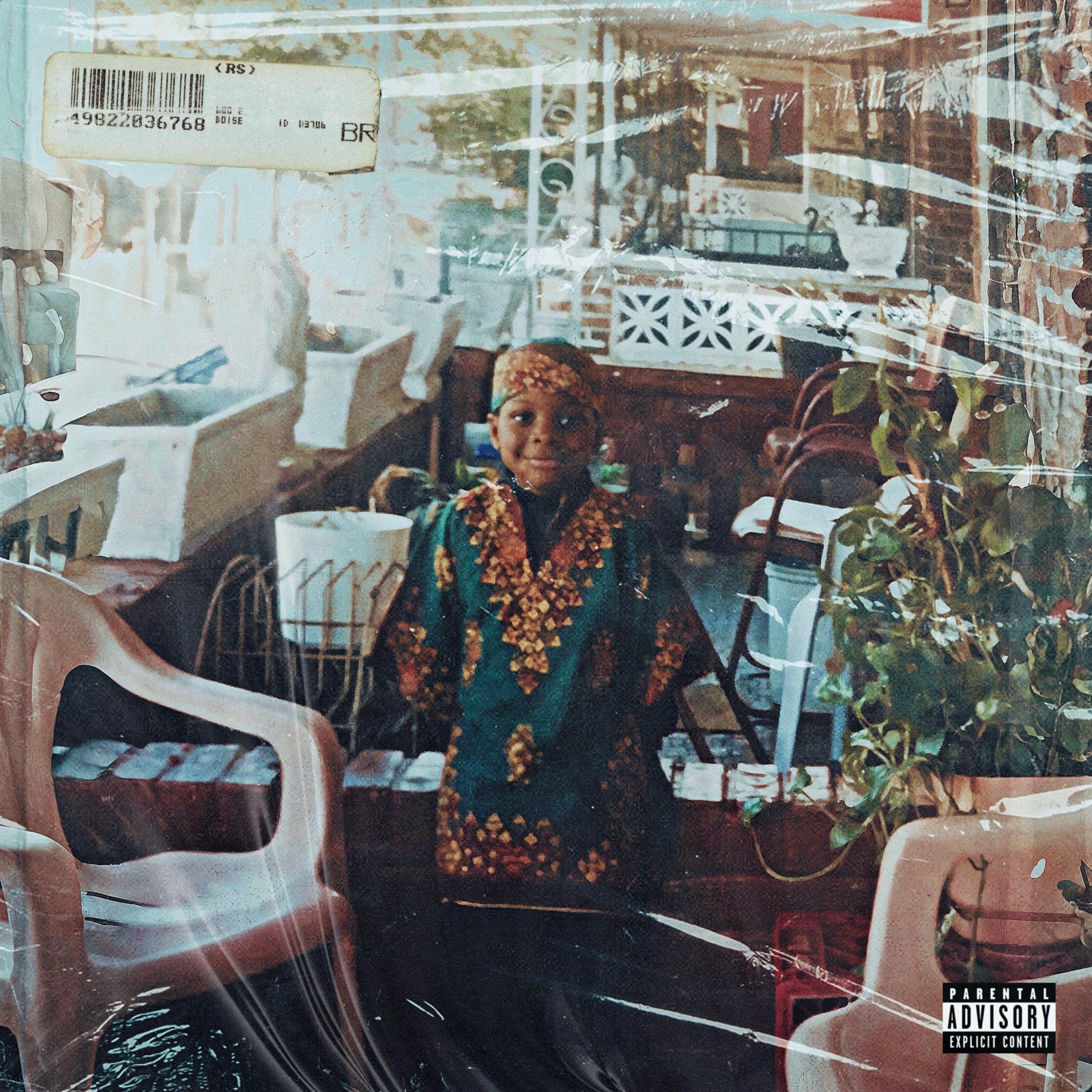
Oswin Benjamin has spent years proving range in New York spaces that reward clarity, from festival sets to cyphers, which makes Norma’s Grandson feel less like a left turn and more like a tightening of purpose around family and responsibility. “God.Love.Family” lifting faith as an anchor while resisting easy answers, “Takes a Village” turning mentorship into action items rather than platitudes, and “Guyanese Prophet” staking pride in heritage as a daily practice that shows up in work and speech rather than a tagline. When REASON steps in on “Too Many,” the writing shifts from inner accounting to inventory of pressures and distractions, and you can hear the questions the project keeps asking throughout, which is what success is supposed to fix, what it actually breaks, and what a person owes the people who shaped them. — Nehemiah
greek, Cedar’s Tape (EP)
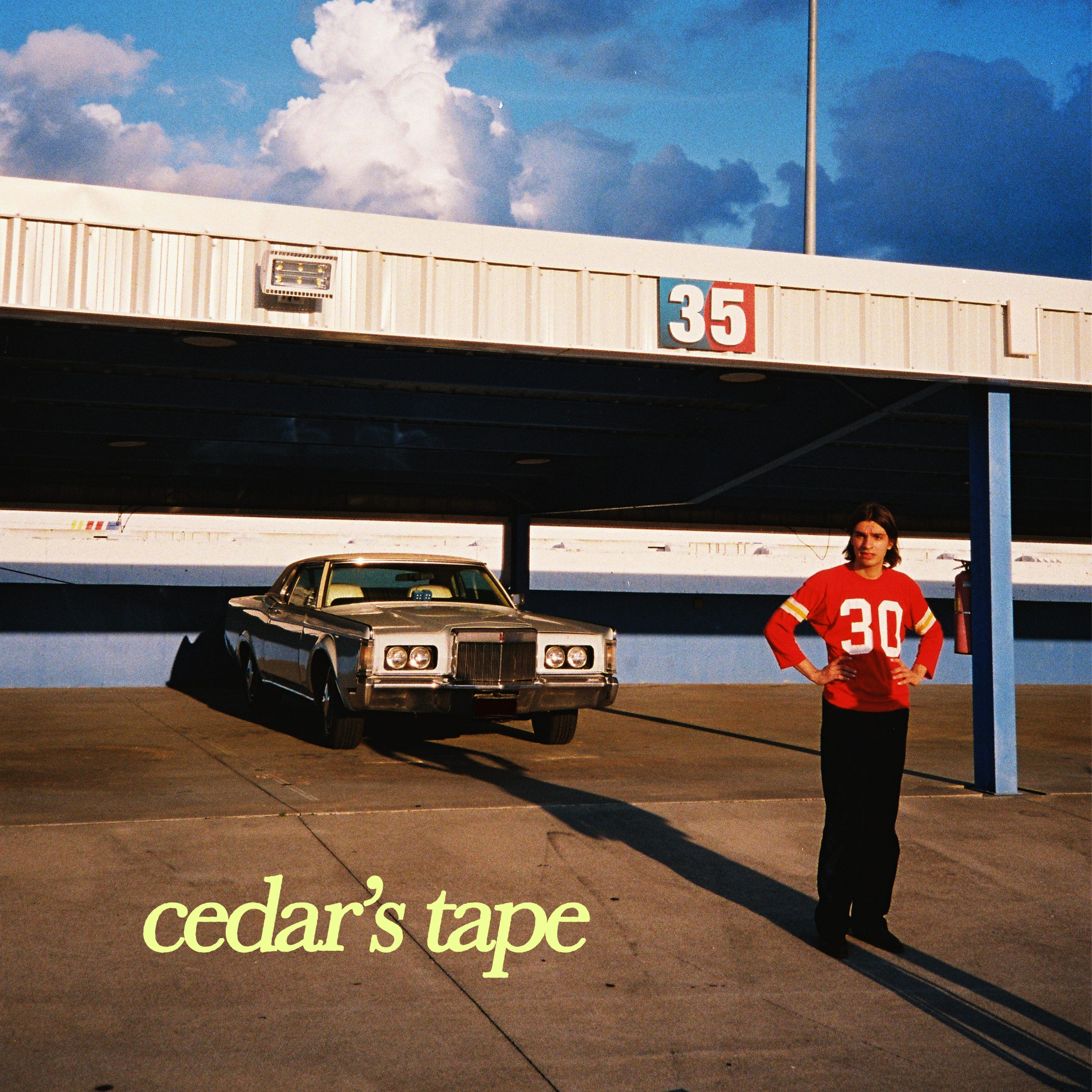
greek has pivoted more than once across a young catalog, from the mood pieces on EXTC to the sharper writing on Accelerator, and now, Cedar’s Tape is a field note set on how a person tries to rebuild trust when the past still shows up uninvited. “Helpless” spells out suspicion with the kind of phrasing that feels heard rather than embellished: “I never saw a thing, but I just can’t help it, I’m losing my ways,” then circles the doubt with questions that never get a clean answer, which turns the song into a record of a mind working and failing to settle. “Call Me” aims for steadiness instead, a simple pledge that doubles as a boundary and an offer, “Call me when you need me,” and the verses stack small details of care and restraint rather than big declarations, the kind of writing that makes devotion credible because it stays specific. The rest of the tape moves between those poles, one track admitting that distance grows out of silence and the next insisting that showing up beats any grand promise, and who writes vulnerability without bargaining for sympathy, and who lets repetition work like honesty rather than effect. — Brandon O’Sullivan
Amber Navran & Phil Beaudreau, Dreaming (EP)
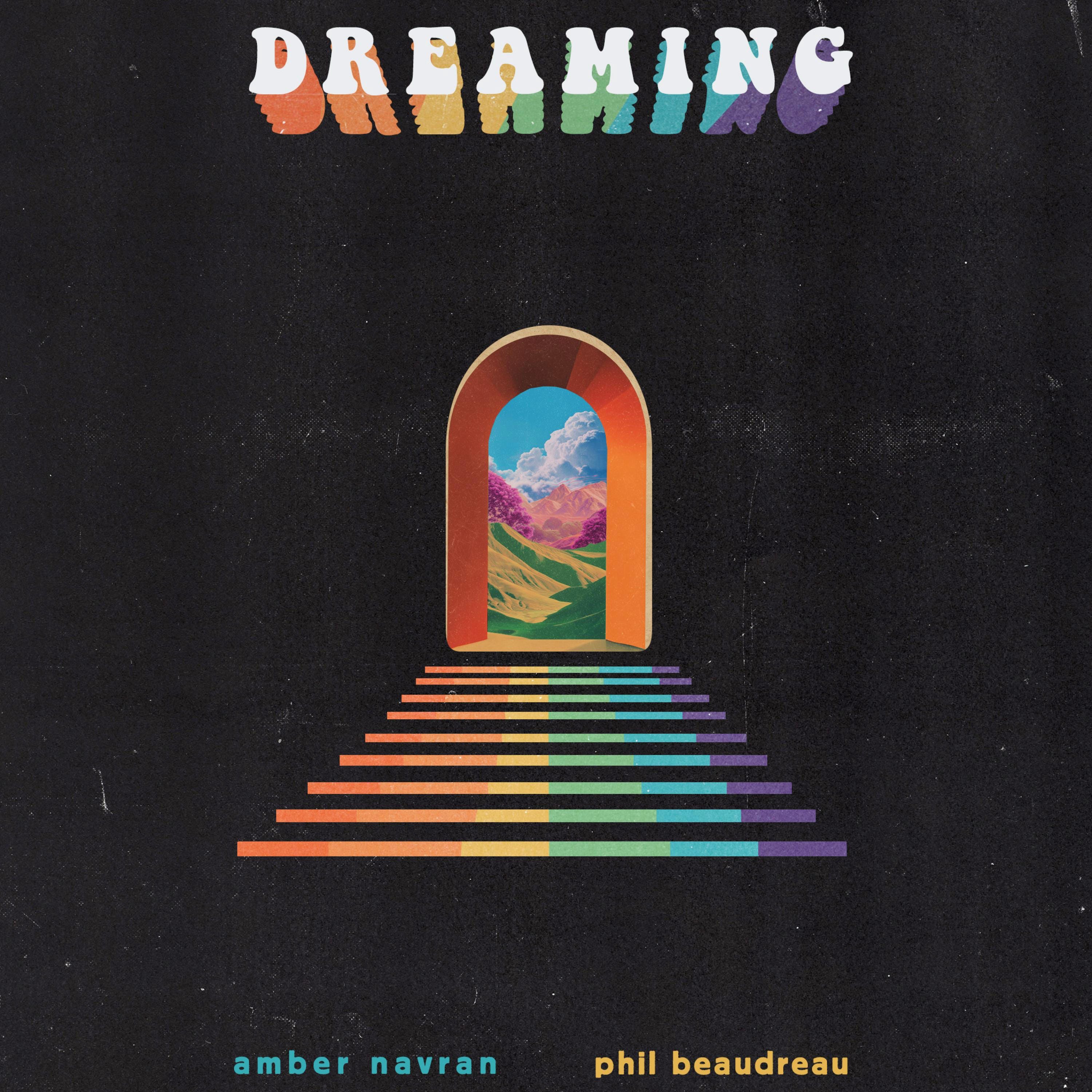
Los Angeles musician Amber Navran has spent most of the past decade refining her songwriting as the vocalist and woodwind player in the neo‑soul trio Moonchild; with four albums and tours opening for Jill Scott, Stevie Wonder, and The Internet, she built a reputation for subtle melodies and unhurried storytelling. Dreaming pairs her voice with singer‑producer Phil Beaudreau, and the result is a compact, lyric‑driven set that flows like a conversation between old friends. On “So Good,” she repeats “I’m feeling untouchable/Free floating above it all,” celebrating a sense of peace with the world. “Been Broken” cracks open a cycle of dysfunction with almost conversational lines—“Maybe we’re still right two times a day” and the weary admission “Band‑aid on a band‑aid … baby we’ve been broken/” The song keeps returning to that hook, not for drama but to stress how easy it is to patch over deeper problems. The tone shifts again in “Miss Me,” where Navran and Beaudreau take pleasure in self‑renewal; there’s a playful call‑and‑response (“Sounds like you miss me/Just go ’head and miss me”) and a scene of looking in the mirror: “Same hair, same dress/New smile, new confidence … My love is free, but it’s not a guarantee.” — Murffey Zavier
Raheem DeVaughn & Grenique, When Butterflies Become Unicorns (EP)
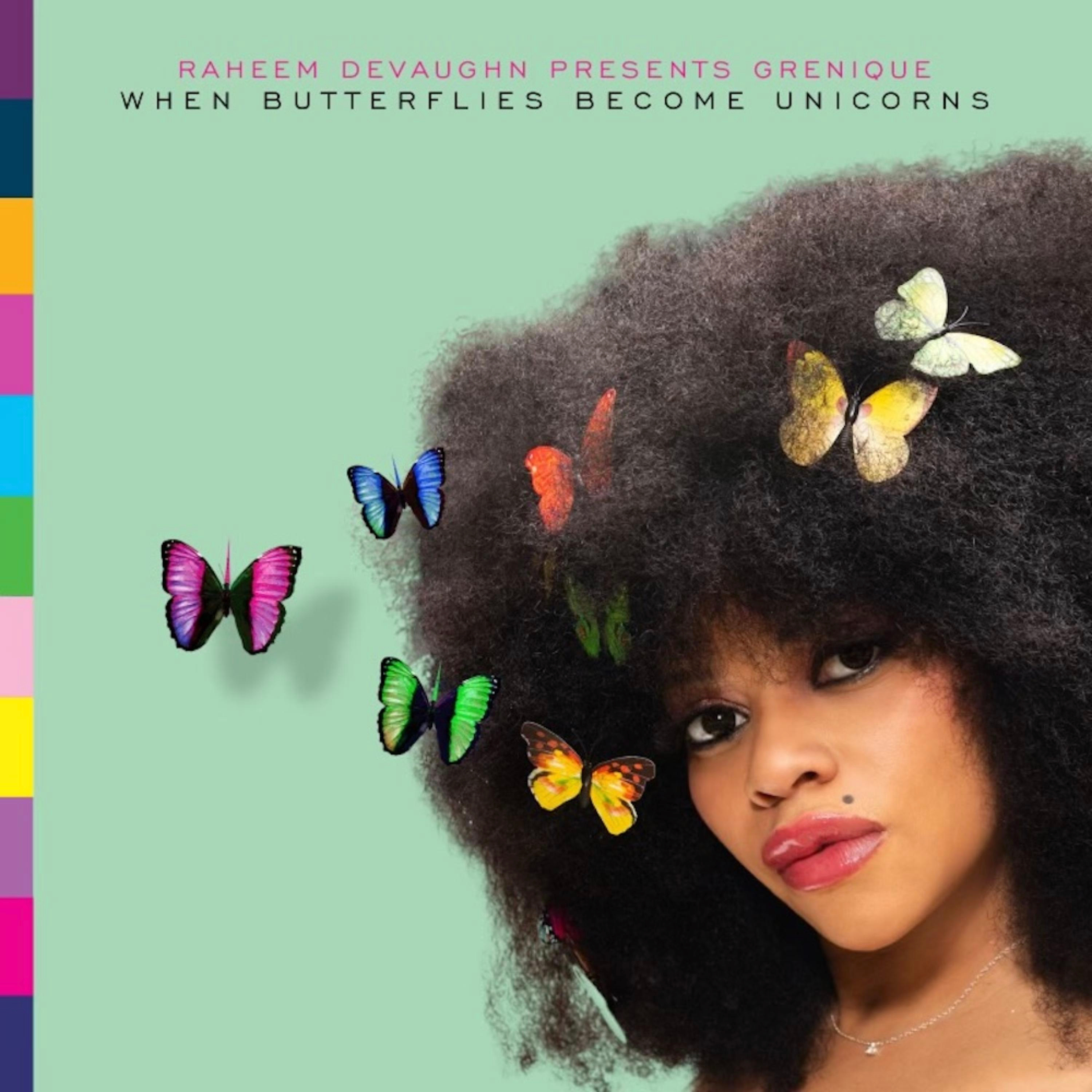
For years Raheem DeVaughn has been the self‑styled “Love King” of modern soul, and his collaboration with ‘90s singer Grenique finds him working toward something more reflective. The record has the structure of a complete love story, but the real draw is the way the two singers use each track to explore different shades of connection. The opener is a spoken‑word prayer that clears the room for the love songs to follow, and “100” is a pledge to show up without condition. “Purple Flowers” paints devotion with bright imagery, while “What A Love” makes room for rapper 7xvethegenius to puncture the sweetness with assertive verses. DeVaughn and Grenique trade lines about appreciating how far they’ve come, and the theme of looking inward runs through the remaining songs. “Intergalactic” stretches the metaphor of love into the stars, “Lullaby” is a gentle promise to rest together, and the closer “All the Man” pairs DeVaughn’s gruff tone with Jeff Bradshaw’s trombone to assert what a good partner should be. — Imani Raven
Domo Genesis & Graymatter, World Gone Mad (EP)

Years removed from his beginnings with Odd Future, Domo Genesis has quietly matured into one of hip‑hop’s sharpest lyricists. World Gone Mad is presented as a five‑song showcase: there are no hooks, no guest verses, and almost no distractions; a review notes that the EP is “just straight bars” designed to draw attention to his words. On “Weezy Face,” he calls himself “the underrated greatest,” adding that “anesthesia’s on the cadence,” a wry acknowledgment that his smooth delivery can sometimes make people overlook the grit of his writing. That self‑awareness threads through the project. In the title track, he admits, “I know the game, and I can tell you ain’t nobody finna save you” and follows it with a moment of humility: “Got to pray over my ways, I know I’m not all the way a product/Made imperfect but I’m working.” The beats might be exiguous, but Domo’s verses are dense with internal rhymes and references to his early days, his independence, and his refusal to lean on former associates. — Harry Brown
Sasha Keable, Act Right (EP)
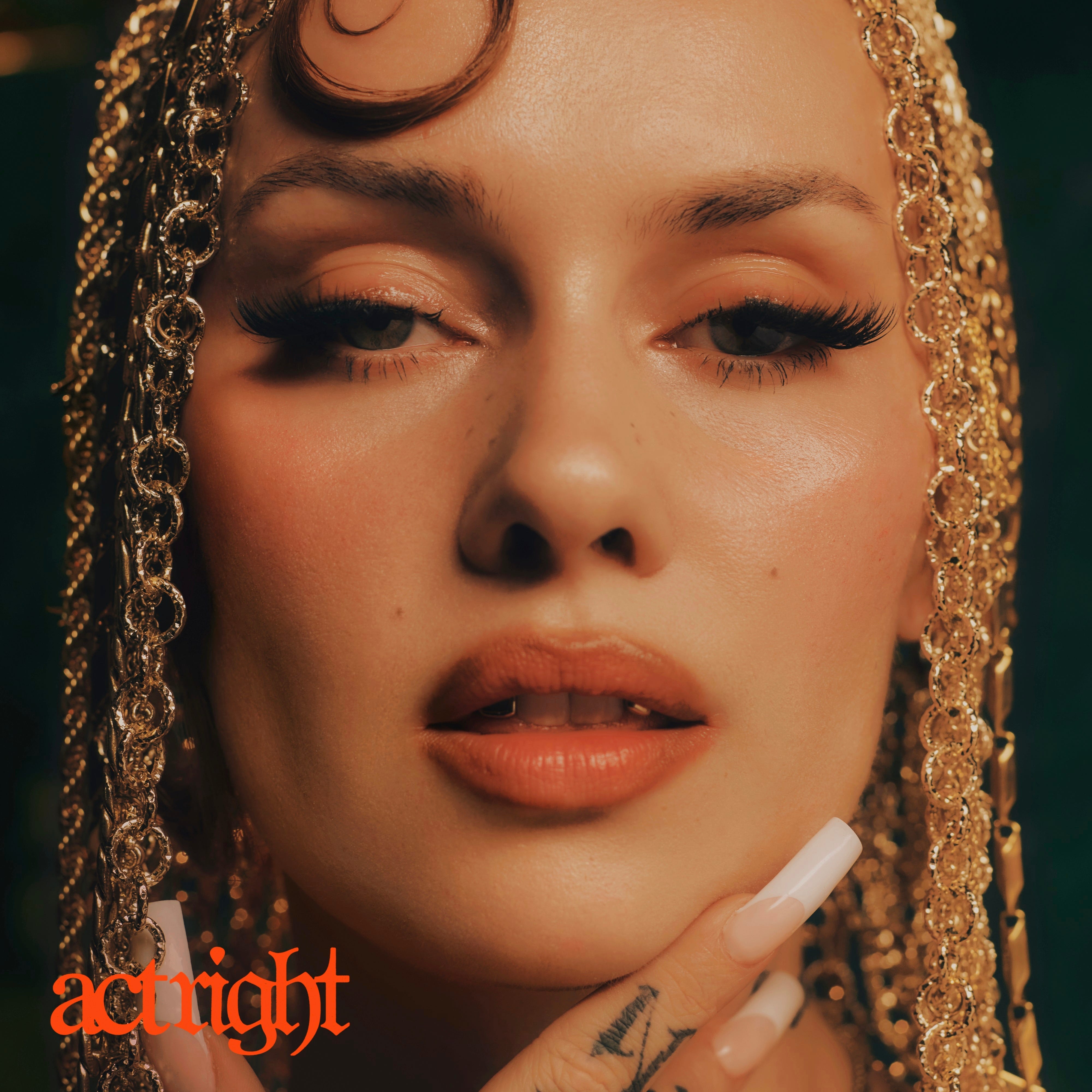
A decade after early breaks with Disclosure and a widely shared duet with Jorja Smith, Sasha Keable puts her catalog’s bluntest writing in one place and runs it through arrangements that keep the voice foregrounded and the message unambiguous. The title cut comes from a tight Keable–Étienne partnership, setting the project’s posture of boundaries and self-definition; “Move It Along” pairs her with Leon Thomas and lets two writers trade direct language—Keable’s dismissal lands with “Really had it bad for you, wish it was simple,” then the hook answers like a hand wave. She swivels to physicality with BEAM on “Work,” where his patois-slipped verse and JSTRNGS’ beat swing the track toward sweat rather than subtext, and the explicit hook (“Oh, baby, won’t you work”) telegraphs intent without coyness. “Feel Something” turns the temperature down without softening the stance, riding Taylor Hill’s hip-hop-soul bed as Keable repeats, “I just wanna feel something, something,” a plain desire line that threads through the EP and ties the writing to her recent singles run. What makes the set work is how the songs move with clarity about what she wants, refusal, and what she’ll accept next. — Jamila W.
Darrel Walls & PJ Morton, Heart of Mine (EP)
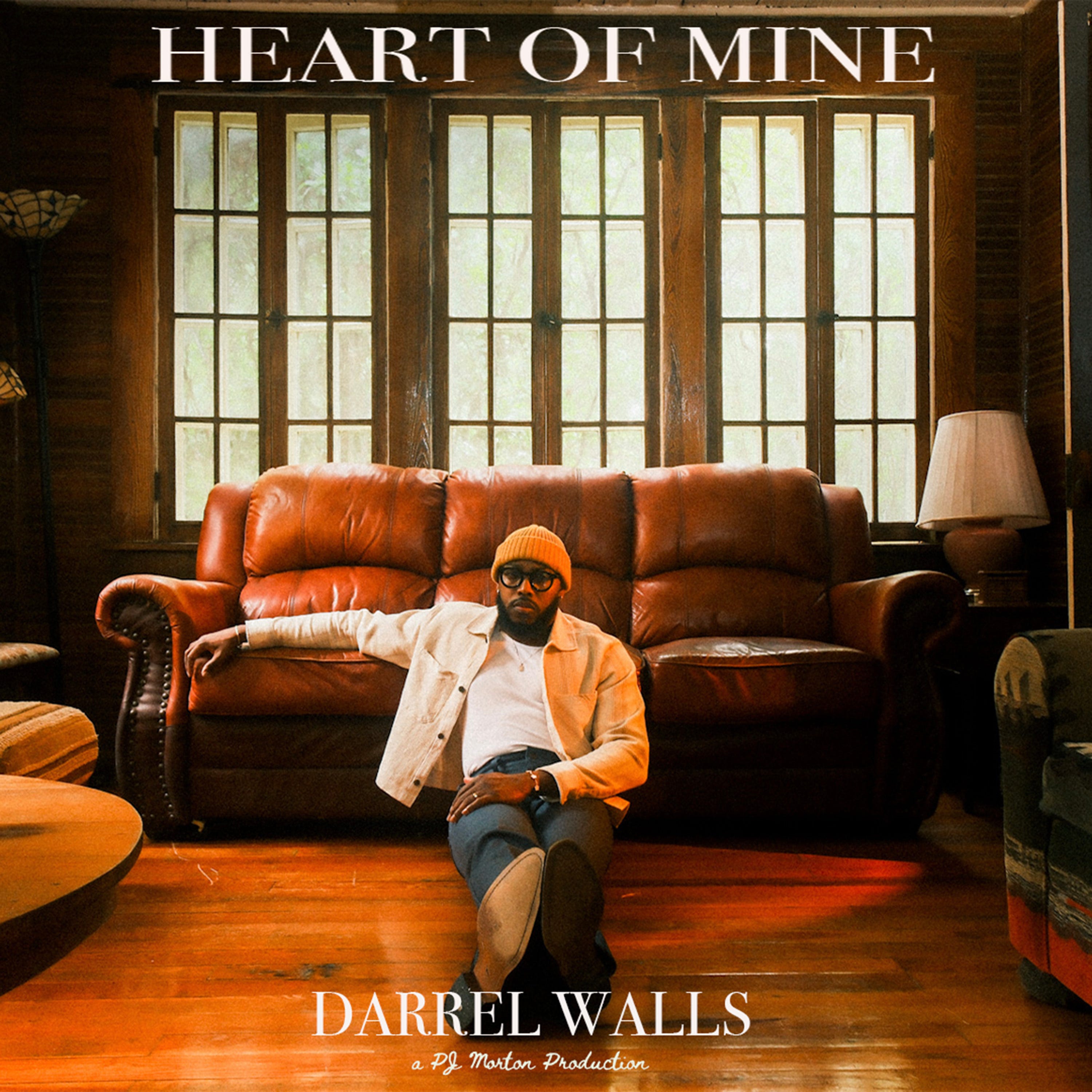
PJ Morton brings the producer-pianist instincts that have anchored both Maroon 5 duty and his gospel projects into a room with Darrel Walls, the tenor many first heard leading The Walls Group, and the pair sharpen a short set into testimony, confession, and instruction. The writing stays plainspoken and singable, which makes the architecture easy to follow: “Heart of Mine” opens the book with need—“I’ve still got so far to go” and “help me fix this heart of mine”—while Morton’s piano sits under a small string section conducted by Mike Esneault, giving Walls a cushion for held notes and runs that never crowd the lyric. “Move” shifts from plea to action, and the chorus centers faith with the line “Faith without works is dead,” a thesis the arrangement underlines with a crisp pocket, Chris Payton’s guitar jabs, and a bright horn accent from Keyon Harrold; Morton’s credited production keeps each element in proportion. — Imani Raven
Zyah Belle, Are You Still Listening? (EP)
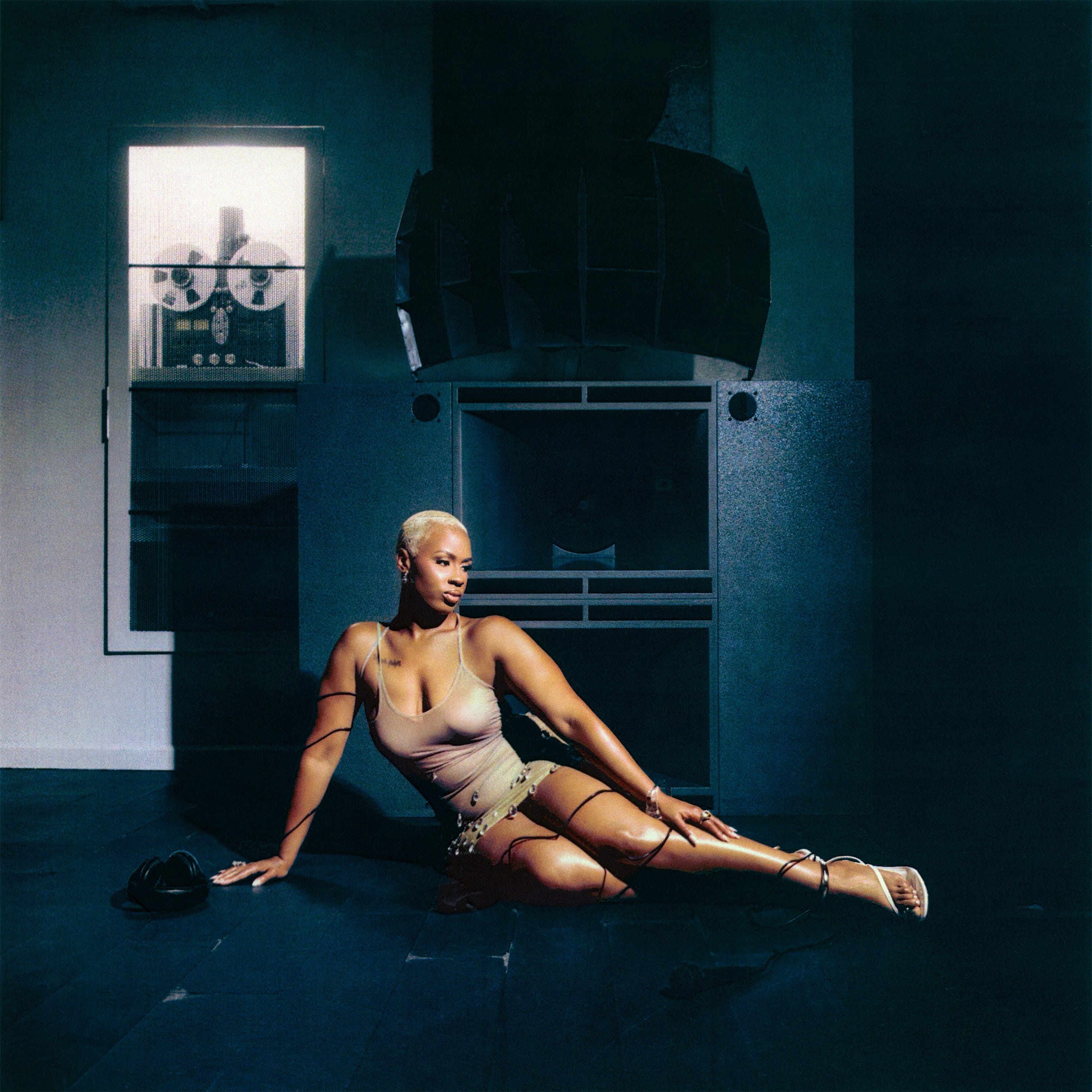
With the underrated Yam Grier, it introduced Zyah Belle as an R&B stylist willing to speak plainly about heartbreak. On Are You Still Listening?, she goes even further, asking whether she’s still in tune with her mind, body, heart, spirit, and community. That question plays out in songs that alternate between righteous anger, self‑celebration, and flirtation. The EP opens with “Lyin,” a blistering address to a cheating partner; Belle doesn’t hold back, shouting lines like “Yo mama still wishin’ I had yo ugly kids” before reminding herself to move on. “Deserve” flips the script; over an upbeat groove, she chants, “I deserve to look this good/I deserve to look this fly/I deserve to talk my shit,” turning self‑affirmation into a communal chant. Throughout, Belle’s voice remains conversational and direct; she makes space for vulnerability but refuses to be timid. By centering her own worth and inviting collaborators to show up as equals, she turns the EP’s titular question into an invitation to listeners: Are you still paying attention to what really matters? — Jamila W.
TAVE, Fly Away (EP)
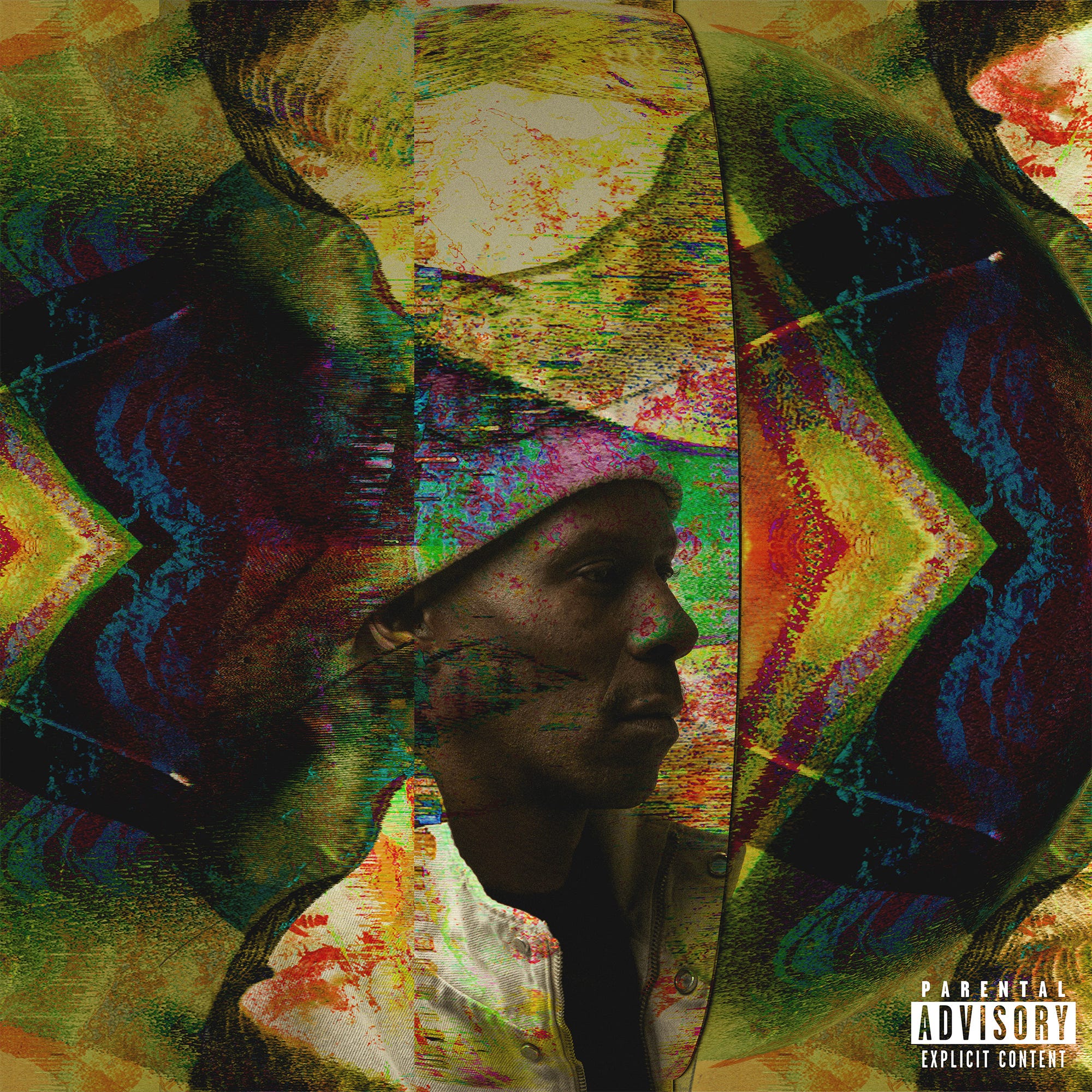
Before stepping out as a singer, London‑born TAVE built his reputation behind the scenes, co‑writing and producing for Little Mix, 6LACK, Masego, and Jazmine Sullivan, and even co‑producing a K‑pop debut that shot to No. 1. Fly Away presents him not as a hired hand but as a narrator of his own journey. The project grew out of introspective moments in St. Lucia and a desire to return to life’s fundamental truths, and that grounding makes the songs feel lived‑in rather than hypothetical. “Fly Away” sets the tone; over airy horns and steady bass, he sings about surrendering to love with the refrain “I love this easy fly away,” a line that, as one profile notes, celebrates the beauty of being true in love while embracing life’s natural flow. The rest of the EP expands on that ethos. “US,” featuring Eric Bellinger, takes a grown‑up look at separation, using tender dialogue to show how mutual respect can survive a breakup. “Trinity,” with Mali Music and Cory Henry, layers melancholy harmonies over candid verses to comfort broken hearts, while “Into You” brings back Kenyon Dixon and Stacy Barthe for a hypnotic exploration of toxic attraction, where confessional lyrics about ignoring red flags sit alongside warm melodies. — Phil
Mahalia, Luvergirl (EP)
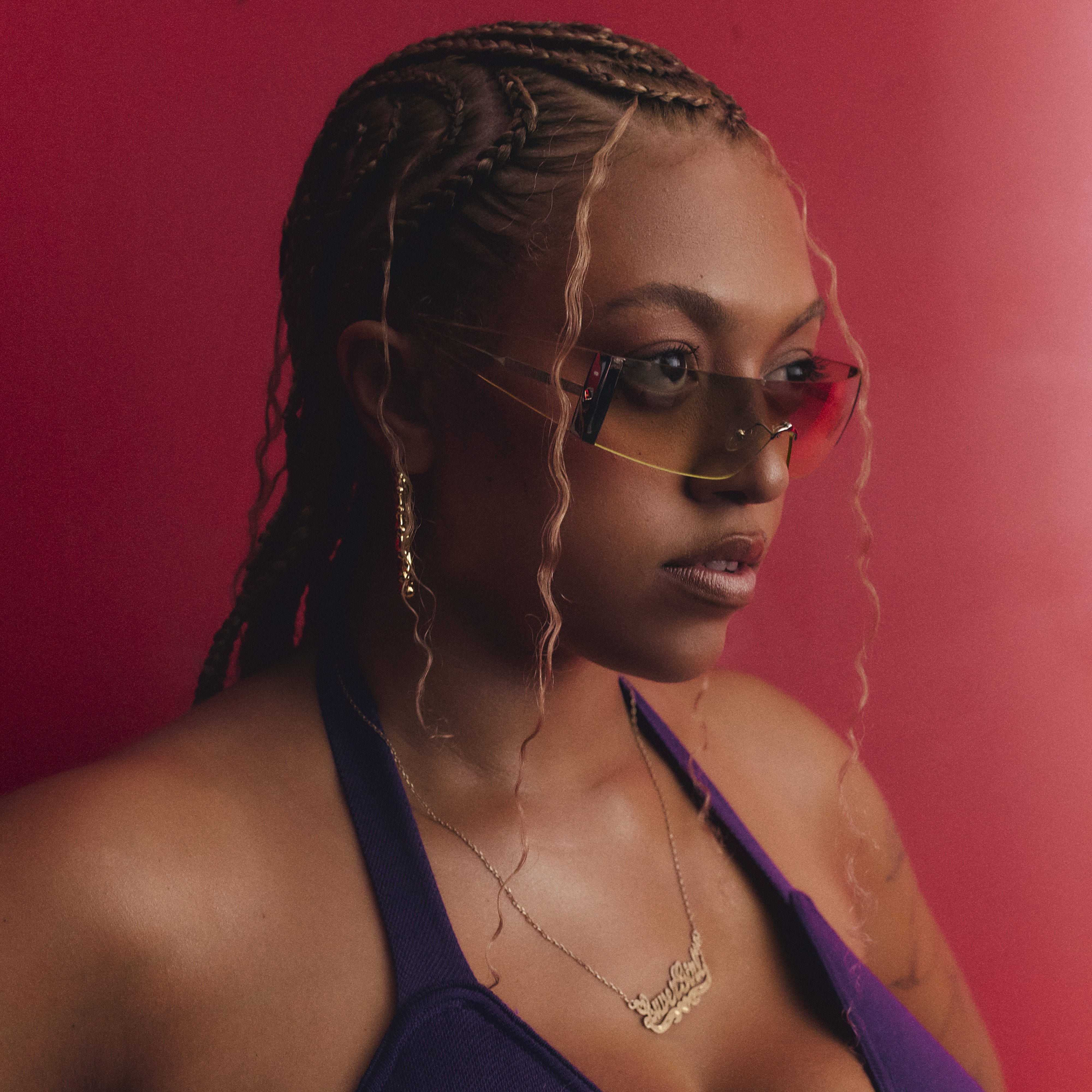
Mahalia has spent the last decade honing a conversational brand of R&B that often braids vulnerability with humor. Her seven‑song EP, written across the UK, Jamaica, and St Vincent, marks a deliberate return to her Jamaican musical roots. Instead of reflecting on heartbreak, she wanted to capture a cultural moment where, as she puts it, “girls [are] taking back a bit of our … control.” Though she isn’t overtly lecturing about empowerment, she admits the songs are built around telling men what to do. The result is a set that embraces playfulness without surrendering agency. “Different Type of Love” pairs her velvet tone with dancehall star Masicka to sketch a relationship defined on her terms; “Pity” with Tanya Stephens turns disappointment into a sly dismissal; and “Pick Up The Pace” with Bayka cajoles a hesitant partner into keeping up. The solo cuts “Instructions” and “Testing” carry the EP’s thesis most clearly; she issues direct directives about respect and then checks whether her partner can meet them, while “Pressure Points” with Lila Iké swaps notes on emotional triggers. — Imani Raven
Coast Contra, The Fifth (EP)
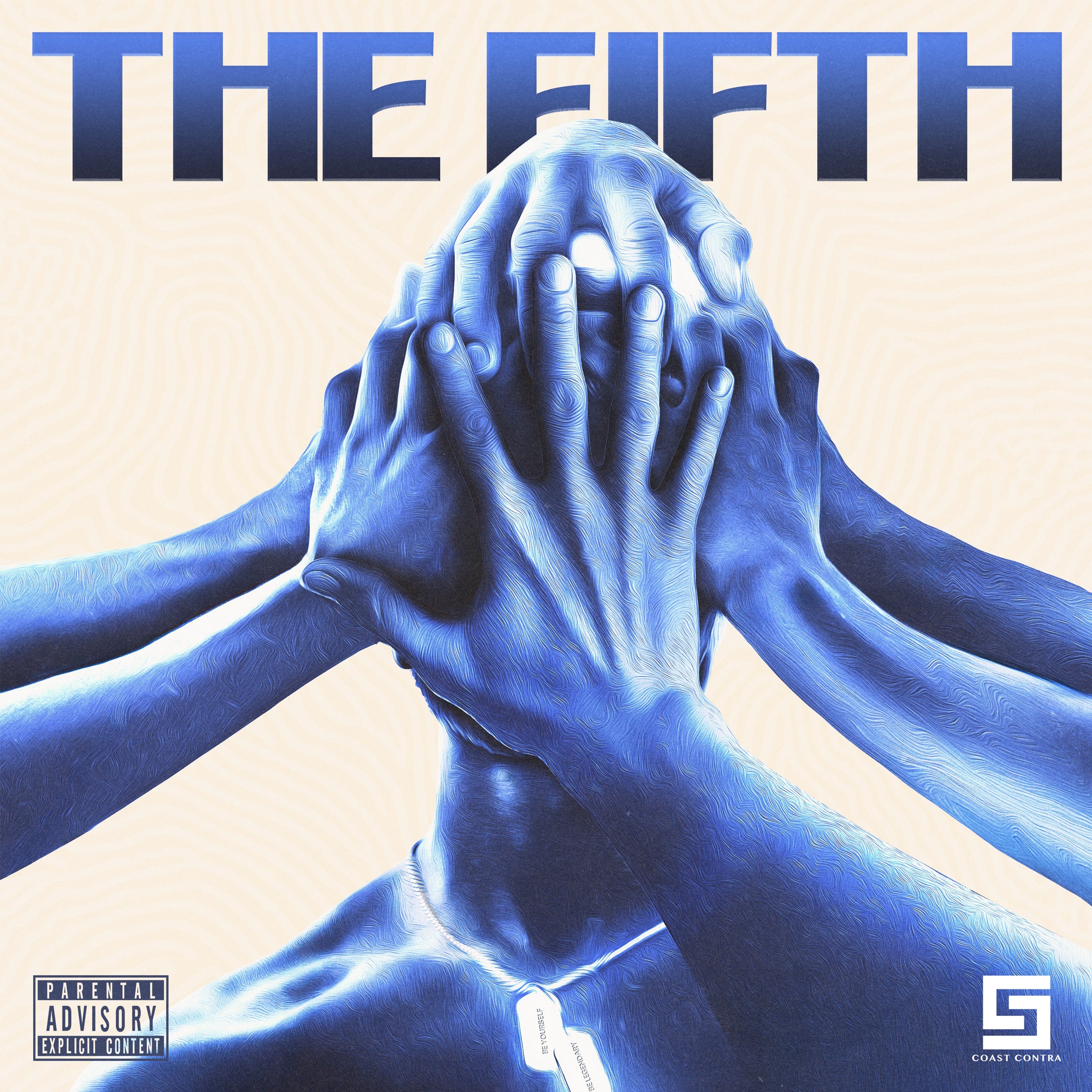
Los Angeles quartet Coast Contra—siblings Taj Austin and Ras Austin (sons of rapper Ras Kass) alongside RioLoz and Eric Jamal—came to wider attention through viral freestyle videos before releasing the album Apt. 505 and the EP The Old Way. Their third EP, The Fifth, shows how the crew’s storytelling has evolved. They open with “Rulaz,” a track that kicks the door open with gravelly delivery and dismisses weakness in the circle; they rap about having “no weak links around them” over a beat that straddles jazz and trap. Each member trades verses, bragging about loyalty and determination rather than material trophies. On “Don’t Worry,” a piano loop from producer Tae Beast frames a more reflective set of bars; the group warns listeners not to stress over money because wealth doesn’t guarantee peace. It’s not a preachy song—rather, it’s a reminder to keep perspective. “N2G” dips into a trap to celebrate their self‑made path, the hook repeating that they’re “running it up” while staying grounded. The surprising centerpiece is “Woman,” a five‑and‑a‑half‑minute ode to experiencing a love like no other. The rappers slow their flow to admire a partner’s strength and grace, trading macho brags for admiration. They close with “God’s Grace,” using smooth rhymes to count blessings and enjoy the simplicity of a good day. What distinguishes The Fifth isn’t its length but its shift from pure bar‑for‑bar exhibitions to songs that consider love, faith, and gratitude. — Reginald Marcel
Jae Stephens, Sellout II (EP)
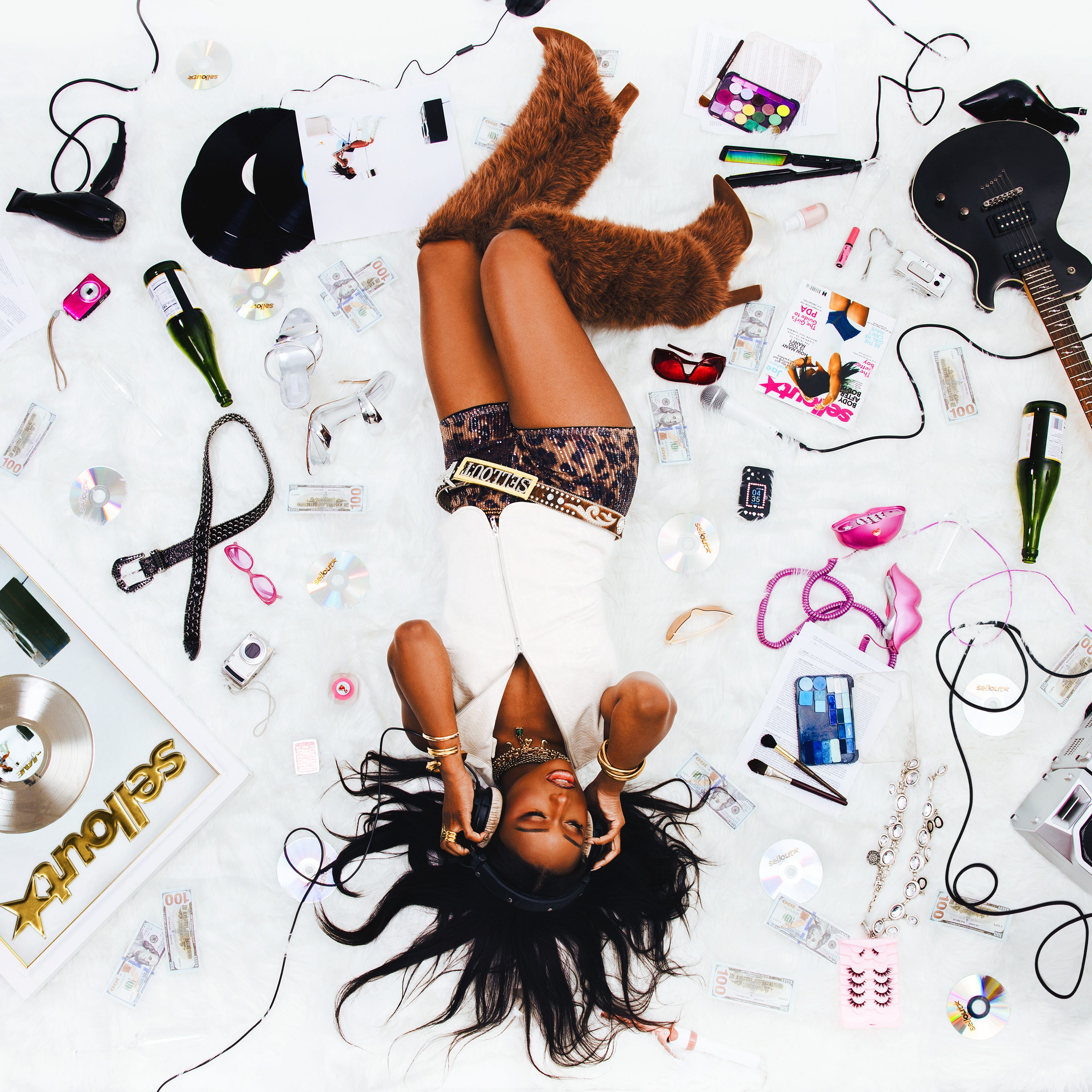
Jae Stephens built her name over the last few years with a fearless streak of R&B‑pop singles that swung between flirtation and independence. Her last year’s Sellout EP put her on the map. The sequel arrives as a playful extension of that run, and its songs feel like dispatches from a twenty‑something who knows the party always moves wherever she goes. On “SMH,” she jokes about juggling romantic suitors, waking up in a “real sexy mood” and wondering which man she’ll pick that day, listing them like shoes she swaps out as she pleases. The swagger carries over to “Kiss It,” where she purrs over a thumping bassline, inviting a lover to find out what happens when anticipation meets confidence. Stephens’ writing here is conversational and teasing; she doesn’t hide her intentions and leans into word‑play, at times naming individual guys to illustrate how casual she is about commitment. Halfway through the EP, she flips the perspective: “Afterbody” is a high‑octane standout where she relishes the chaos of late‑night lust. That spontaneity translates to lyrics that cast her as the last call hero—“We may not show up together/But we’re leaving as a pair,” she smirks—and it makes the hook addictive. She slows down only on “Choosy,” where she admits she’s tired of men who talk a big game but don’t follow through, singing “Talk but they never show/All these clowns still can’t entertain me.” — Charlotte Rochel
Leela James, 2BHONEST (EP)
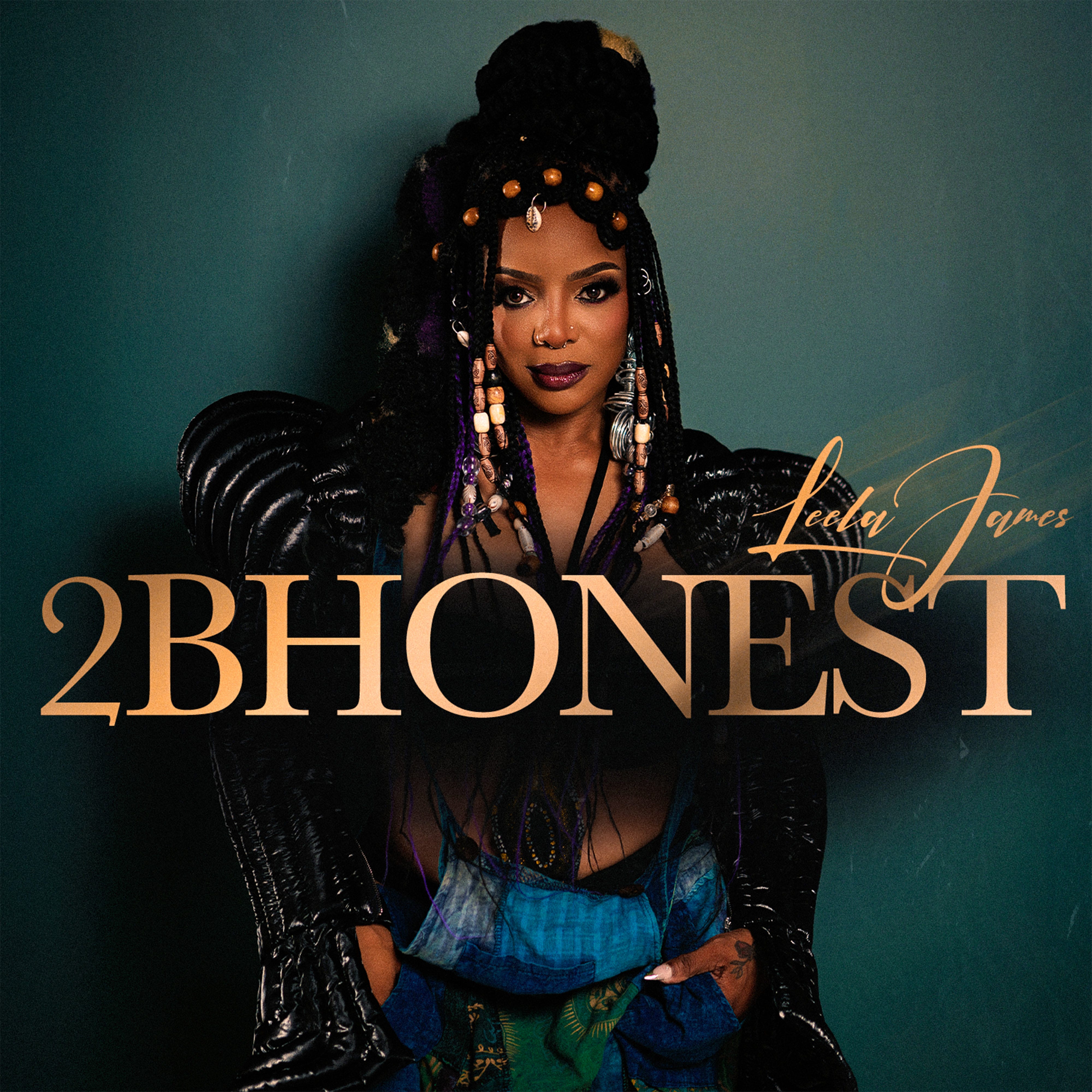
Leela James’s stature as a soul‑rooted vocalist who has never been afraid to speak her mind sets the stage for her confessional EP 2BHONEST. After decades of albums that honoured the grit of classic R&B, she frames this compact project as a space where she allows herself to “be too honest,” telling stories drawn directly from her own life. In the title song, she sings about relationships tested by uncomfortable truths and moments when lovers expose their imperfections. Instead of leaning into melodrama, she uses plain language to make vulnerability feel liberating; the hook is built around her assurance that soul music is timeless, and she’s determined to tell her own story. 2BHONEST also includes singles like “Right on Time,” where she admits impatience and the struggle to trust that love arrives when it should; the narrative is simple but heartfelt as she recognizes growth in herself when she surrenders control. Another standout, “Honest,” finds her telling a partner that candour is the only way forward; she doesn’t catalogue technical flourishes, but instead delivers lines that sound like advice between friends. Across six songs, James navigates hope and heartbreak with unvarnished lyricism and a willingness to inhabit every feeling where her voice cracks on confessions and smooths out when she celebrates small victories, making this EP feel like a late‑night conversation with a trusted elder. — Imani Raven
Dayo Bello, DB (EP)
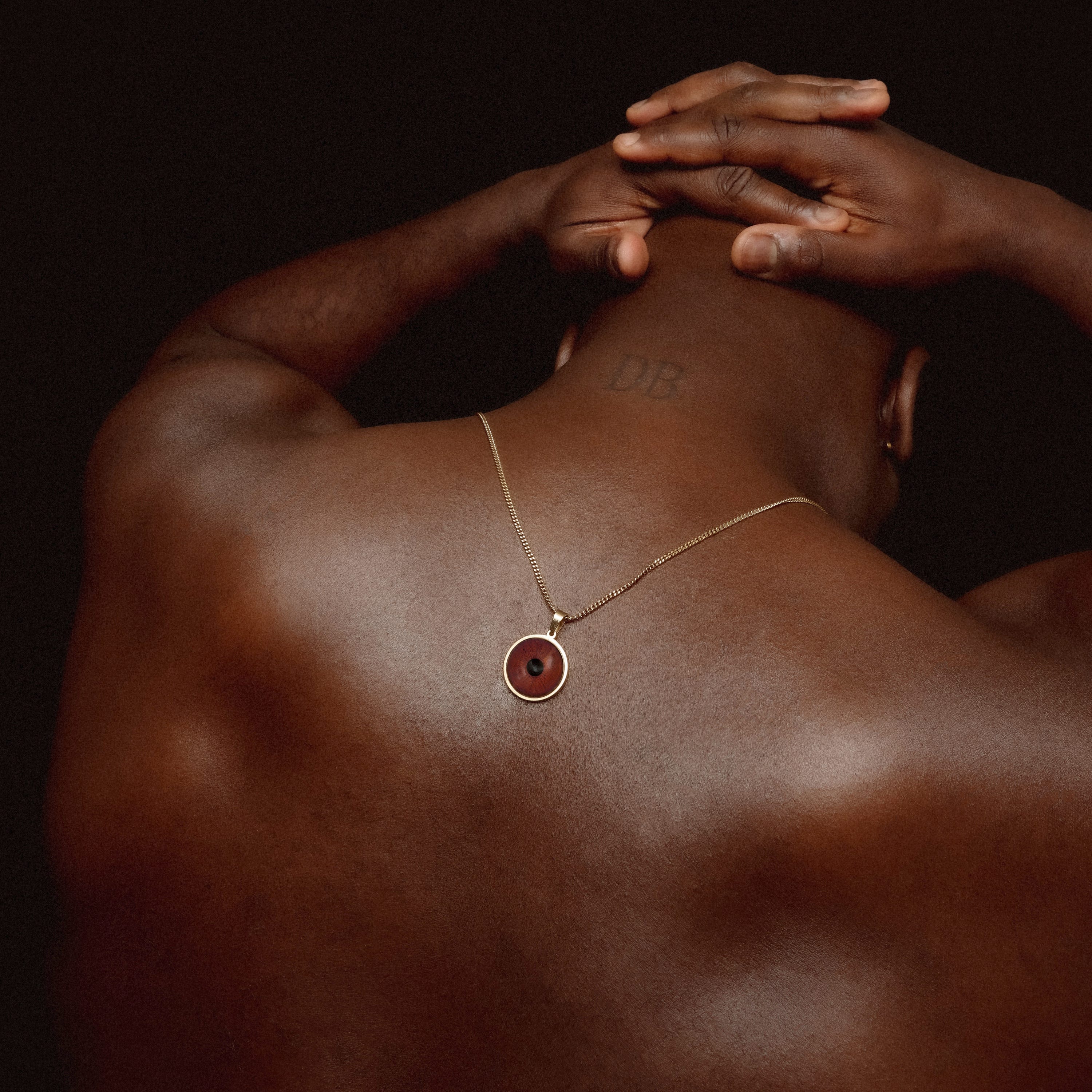
London‑born Nigerian‑British singer Dayo Bello has been carving a niche in U.K. R&B since his teenage years. After training at the BRIT School, he released early ballads like “Mine,” then built momentum with the contemplative singles “Wait for You” and “What About Me?” His 2023 EP Outside and 2024’s A Penny for Your Thoughts balanced smooth falsetto with intimate songwriting. The new EP DB builds on those strengths by exploring commitment, insecurity, and the hard work of romantic reciprocity. In the opening track “No Letting Go,” he pledges loyalty to a partner, painting stability as an active choice rather than a default; he sings about holding on through storms and making love feel like home. “4ever” follows with a more tender tone—Bello croons “You give me peace of mind/With you, I lose all time/Your body sings for mine,” presenting devotion as something cosmic and spiritual. Later, on “Lost in You,” he navigates vulnerability by confessing how disorienting it is to fall completely for someone. Bello has delivered a suite of songs full of earnest vows, self‑doubt, and the quiet hope that the right person will understand. — Ameenah Laquita
Sheléa, Spirit (EP)
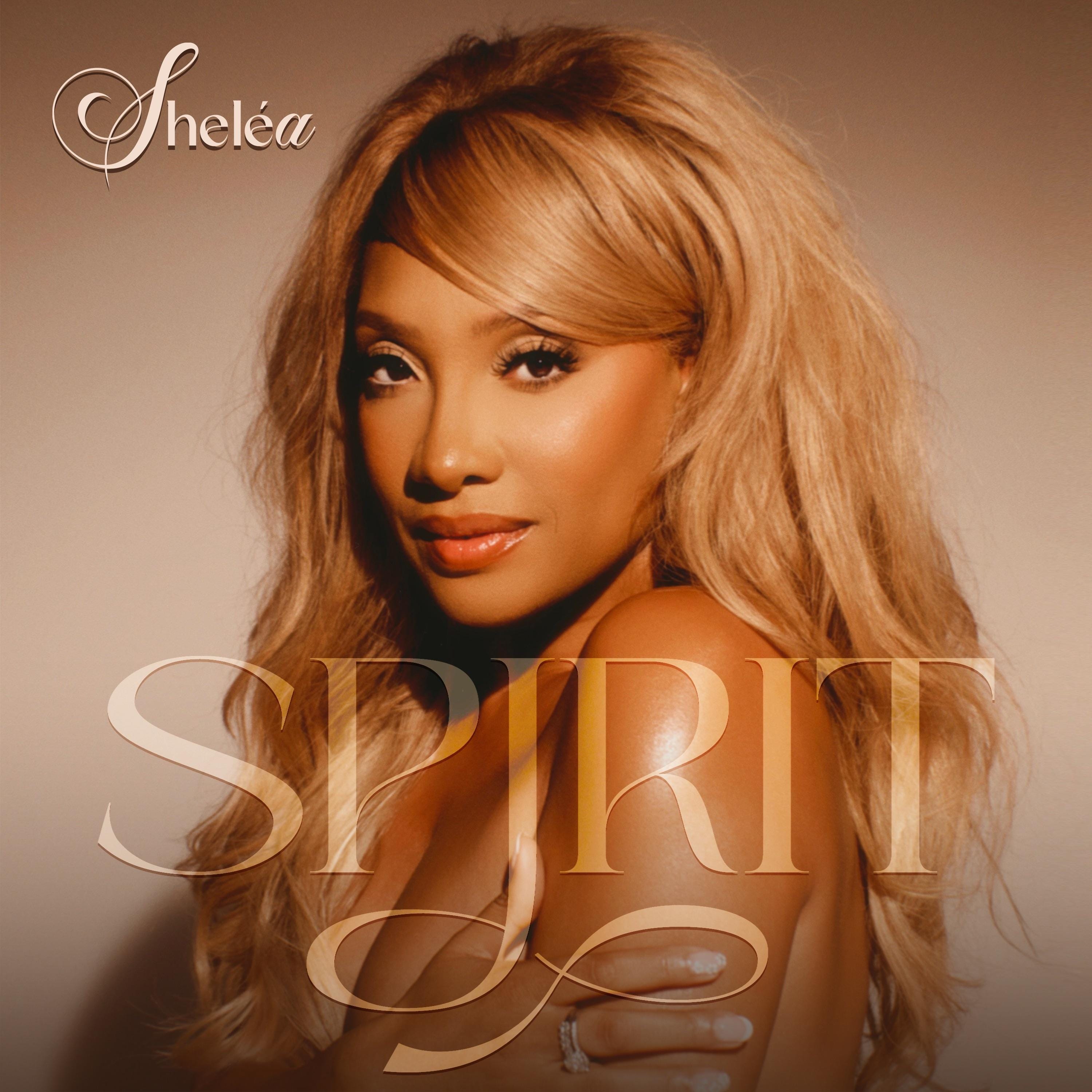
Sheléa Frazier’s résumé is already packed—she’s sung at the White House, acted as Dorinda Clark in the Clark Sisters biopic, and performed alongside legends such as Stevie Wonder. After years of guest appearances and singles, she is turning inward on Spirit, a project built around three songs she released earlier this year. Mentored by Quincy Jones, Sheléa has long been celebrated for her piano‑driven arrangements and classic soul phrasing. Spirit leans on those strengths while centring stories of reflection. The oldest song here, “Time Machine,” is a cinematic, Motown‑inspired ballad in which she meets an ex and wonders if he still thinks about their past; she sings, “Oh, do you think about us/Do you think about all the things we might have been before we gave up.” Her writing turns memory into a film reel, moving from casual small talk (“I heard you got a brand new job and moved away/How’s your mom and dad…”) to the aching confession that she wishes she had a time machine to “travel back to our love.” — Brandon O’Sullivan
Mnelia, Complicated. (EP)
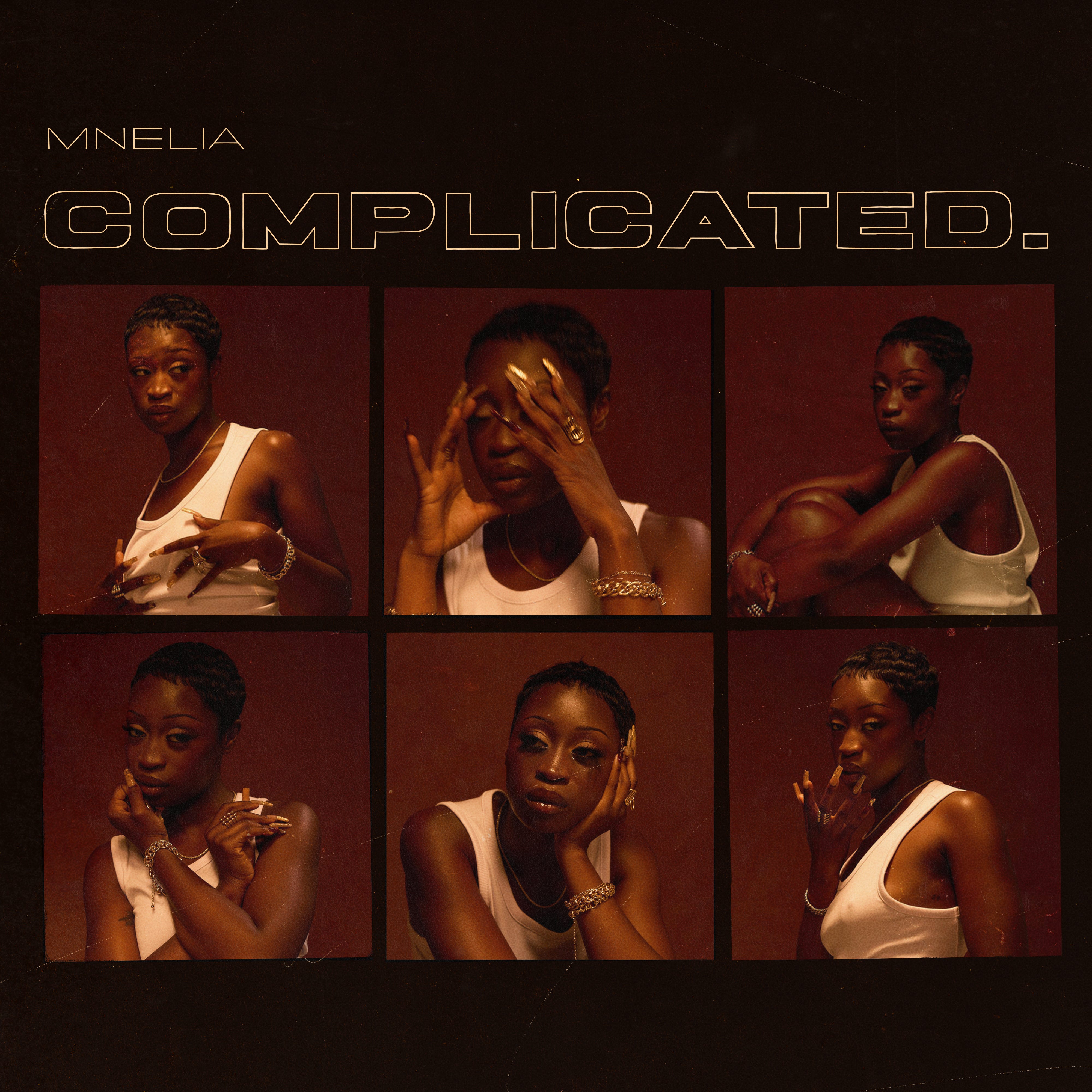
South London singer Mnelia burst onto playlists with singles like “Say Yeah” and collaborations with artists like Loso Lii. Her new project Complicated. isn’t a linear story so much as a series of vignettes about modern love. She records without a grand concept, later realizing the songs reflect the season she is living through. That honest approach yields an eight‑track set that moves between vulnerability and defiance. “Brozone” tackles the awkward task of moving a lover into the friend zone. Over a woozy beat, Mnelia gently but firmly tells a suitor that they’re better off as friends, choosing clarity over mixed signals. “Hold You Down,” featuring Strandz, shows her loyalty from the opposite angle—here she promises to support a partner through struggles, harmonizing over his rap verses and blurring the line between romance and partnership. Throughout the EP, Mnelia’s writing is confessional yet conversational. Her gauzy, silky tones and sharp storytelling create songs that feel like voice notes sent to a close friend. — Ameenah Laquita
Ama Louise, Long Story Short (EP)
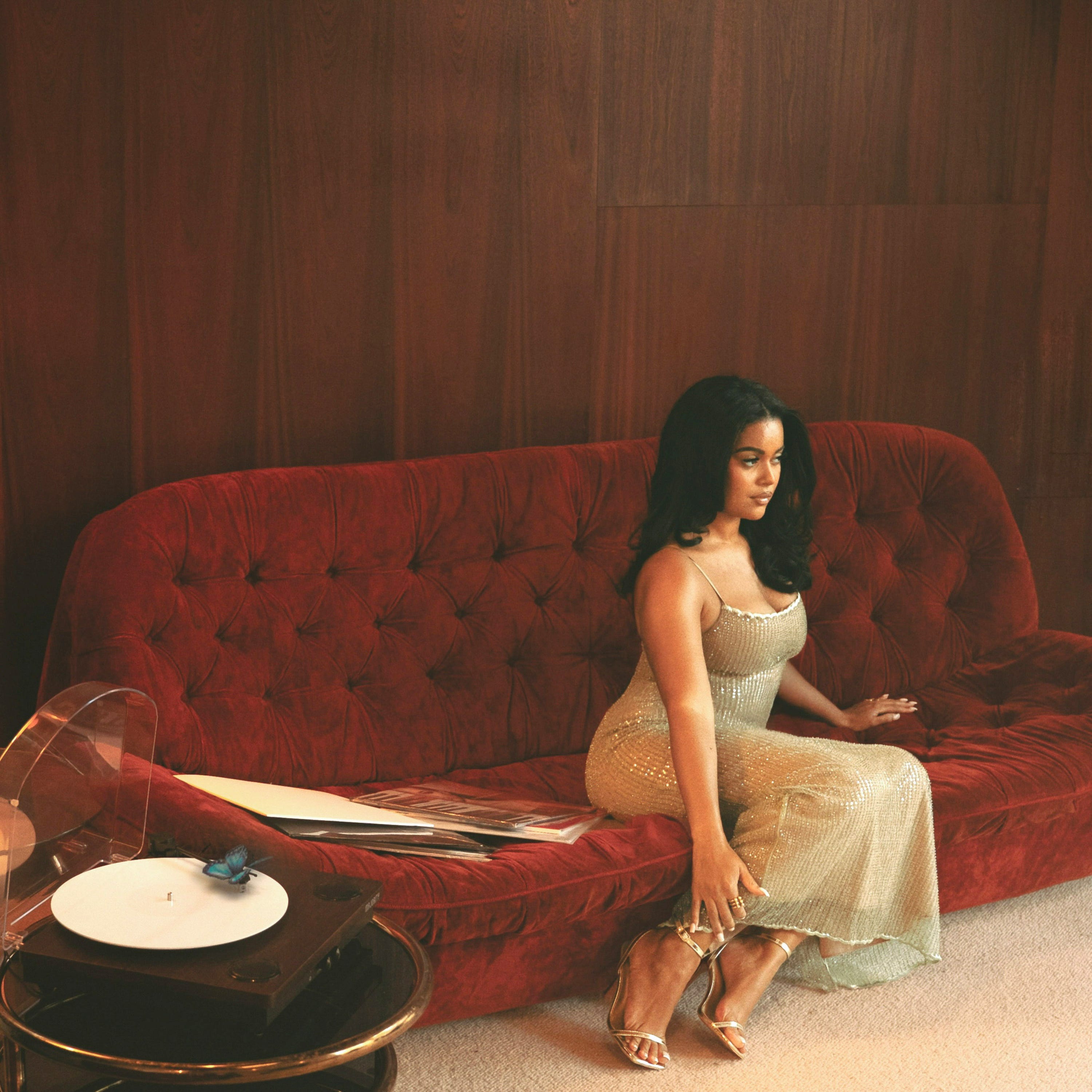
Rising singer‑songwriter Ama Louise stepped into the spotlight over the past year with a run of intimate singles. This EP shows why she deserves the buzz. Her single tracks “Focus,” “Hindsight,” and “Don’t Mind” signalled an artist with a soulful tone and the ability to glide over contemporary R&B arrangements. Rather than collecting singles, she crafts a cohesive seven‑song set where each piece feels intentionally placed; the flow carries through moments of introspection and rich melodic landscapes. On “Focus,” she sings about choosing herself after a draining relationship, letting her voice climb into a higher register to emphasise how freeing that choice can be. “Hindsight” pairs a laid‑back groove with lyrics about lessons learned when time creates distance between her and past mistakes. “Don’t Mind” finds her addressing a partner directly, coaxing them to accept her honesty. — Jamila W.
Brenna Whitaker, Enraptured (EP)
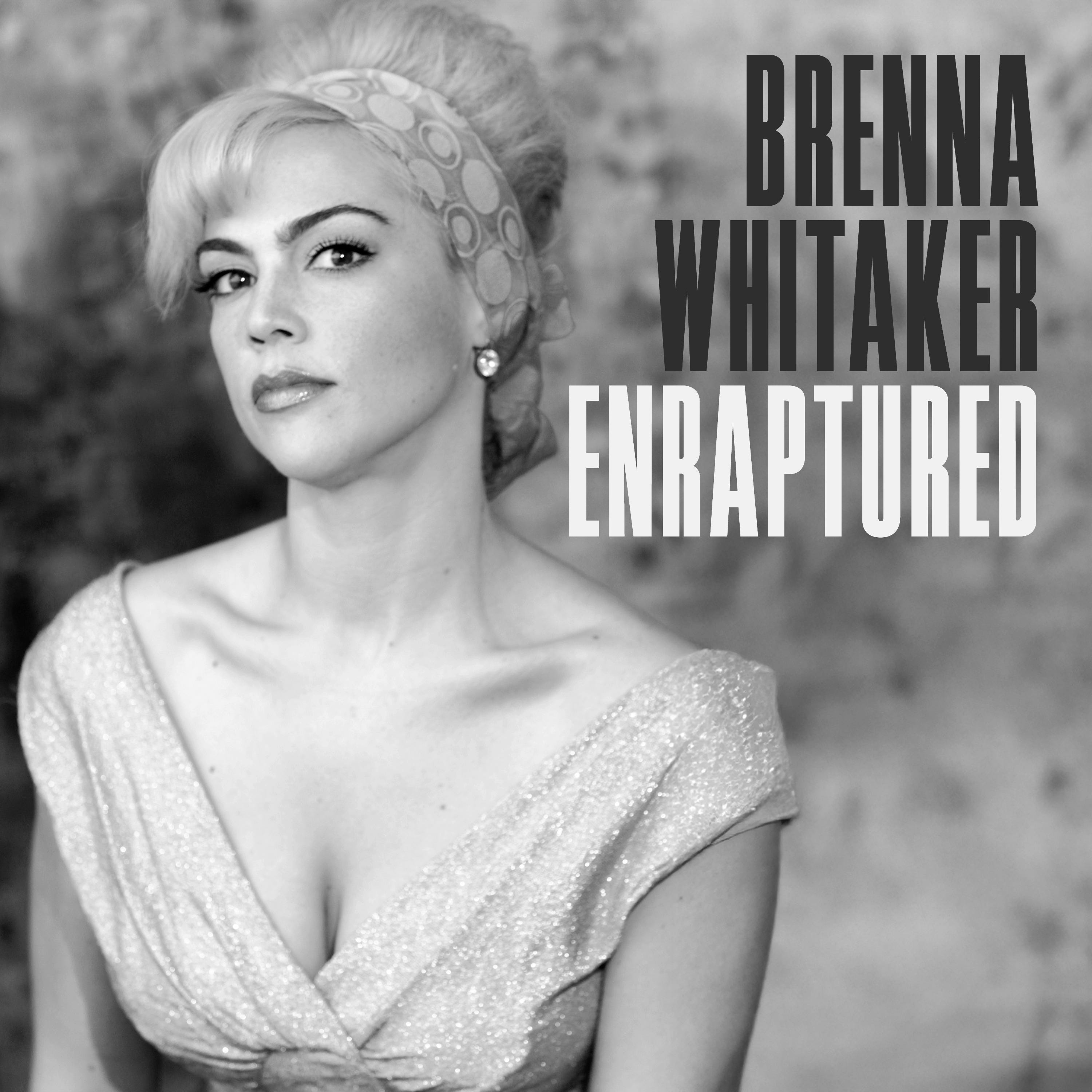
Brenna Whitaker, known for her big‑band jazz vocals and work on the live circuit, returns after several years with Enraptured, a set of interpretations that doubles as a tribute to classic songwriting. It’s a rare R&B EP built entirely on covers, yet Whitaker makes each song feel personal. She begins with Burt Bacharach and Hal David’s “I’ll Never Fall In Love Again,” treating the familiar melody as an intimate confession rather than a show tune. She lingers on phrases like a lover weighing whether to risk heartbreak again. Her take on James Taylor’s “Don’t Let Me Be Lonely” slows the song to a hush, highlighting lyrics about solitude and the yearning to connect. When she sings Boz Scaggs’s “We’re All Alone,” her phrasing turns the seventies soft‑rock standard into a tender lullaby. Whitaker doesn’t reinvent Stevie Wonder’s “Overjoyed,” but she underlines the song’s message of quiet gratitude by softening the original’s jubilant runs. A shimmering version of “Pure Imagination” from Willy Wonka draws out the childlike wonder in its lyrics, and on Carly Simon’s “Nobody Does It Better,” she leans into the double entendre of the verses, turning the Bond theme into a sultry ballad. — Imani Raven
GIGI, Between Us (EP)
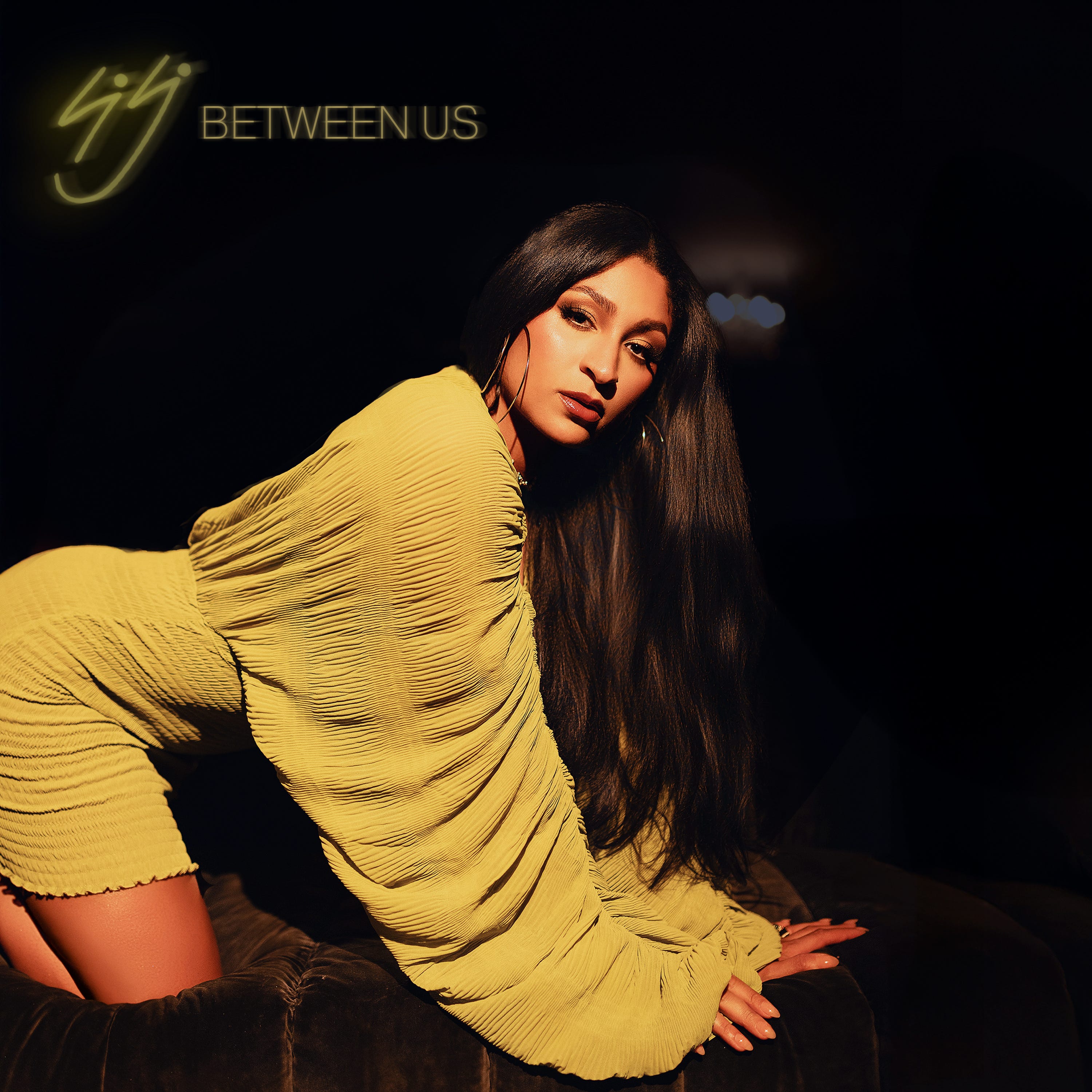
After gaining attention with singles like “LMK” and “Make Up,” Detroit‑born singer GIGI expands her palette with her earlier EP and double-back on Between Us, a seven‑track collection that fuses the sensuality of 2000s R&B with modern production. In the seductive opener “LMK,” she whispers over sparse instrumentation, using pauses between lines to convey hesitation before asking a partner to be direct about their feelings. “Make Up” flips the mood by embracing playful tension. She sings about turning arguments into intimacy, a theme that recurs throughout the record. The EP’s deeper cuts expand the emotional scope: “Where You At” turns uncertainty into longing without surrendering self‑respect, “Unbothered” mixes a carefree hook with verses about setting boundaries, and “Hold On” closes the project with a plea for patience in love’s difficult moments. She isn’t writing for radio trends but rather chronicling the messy middle spaces of romance, letting each song pulse with honesty and self‑assured sensuality. — Brandon O’Sullivan
Kent Jamz, Fear (EP)
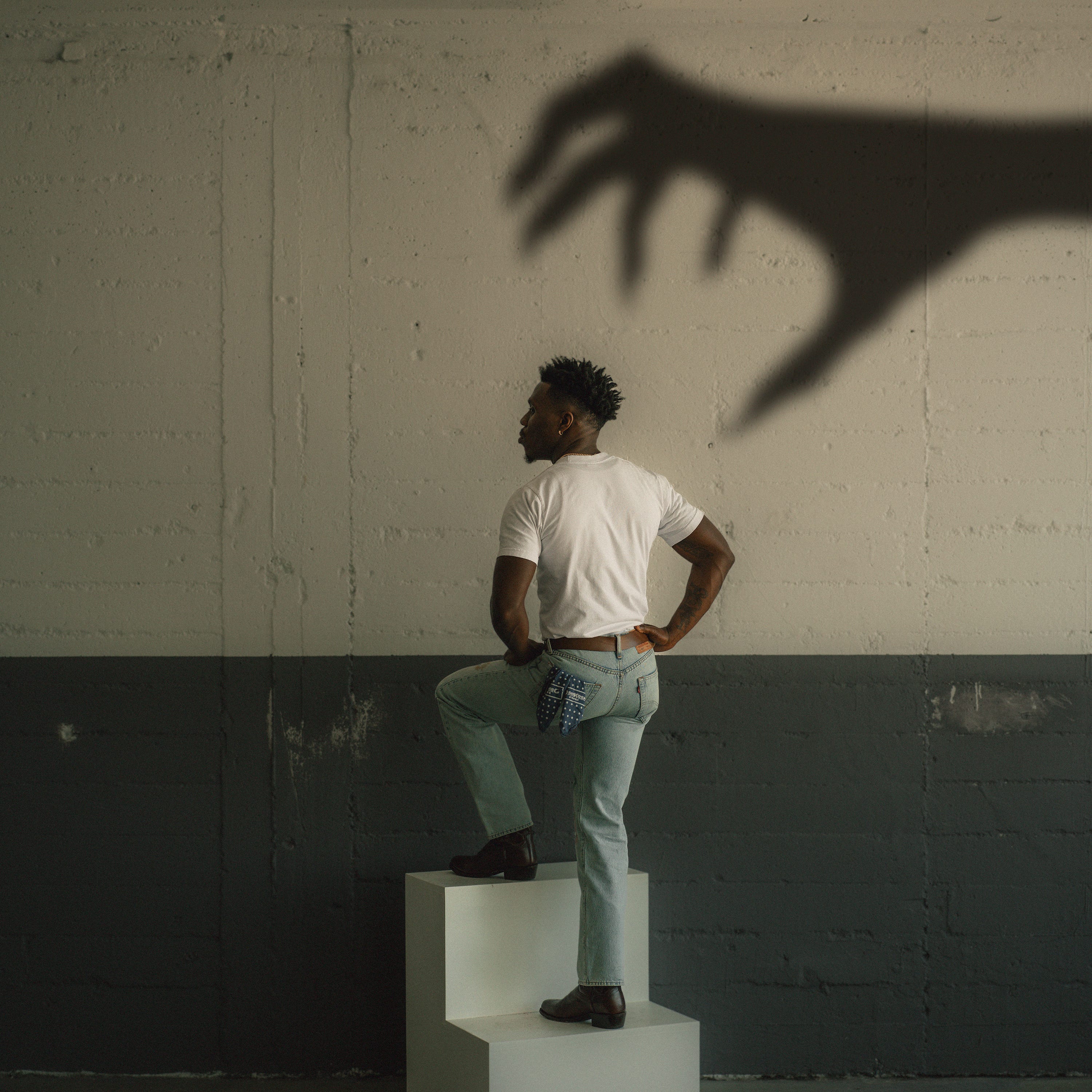
Kent Jamz spent several years away from recording while confronting personal struggles. With Fear, he recorded the project during a two‑year stay in a rehabilitation facility and worked with producers like K. Roosevelt and Gwen Bunn. The songs are introspective and triumphant; opener “Demon Days” finds him trapped in darkness after the end of a relationship, crooning lines such as “Shouldn’t have let you walk away/Nothing but demon days since you went away.” On “Renegade,” he glides over a breezy groove to imagine the kind of unconditional love he wants: he says the song represents a partner who loves him, stands up for his character, and invests in his growth. Reflecting on the EP’s purpose, Jamz notes that heartbreak taught him who he was, and solitude taught him who he could be. His narratives of recovery and self‑love on Fear unfold with vulnerability, making the music feel like pages from a personal journal set to melodies. — Phil
Natanya, Feline’s Return Act II (EP)

While the first act is abrasive, Natanya does it again with a part two that’s more vulnerable. She views them as two separate universes that eventually connect. “Jezebel” arrived in September and served as a letter to women who, like Natanya, juggle expectations of being the best daughter, sister, and friend while still pushing their own lives forward; she said it’s an “I get it” message acknowledging the judgement women face when they choose themselves. Other tracks highlight her versatility: “Meeting You Once (The End)” turns Jersey Club rhythms into a sunrise‑ready groove, while “Ur Fool” pairs soft indie pop with a guest verse from Unflirt. The EP closes with introspective songs that emphasise honesty and vulnerability; Natanya notes that she aims to drop her ego and write about what she’s actually thinking rather than an aspirational version of life. She draws inspiration from singer‑songwriters like Joni Mitchell and Amy Winehouse, blending storytelling and candidness into her writing. — Charlotte Rochel
Isaiah Falls, Lucky You (EP)
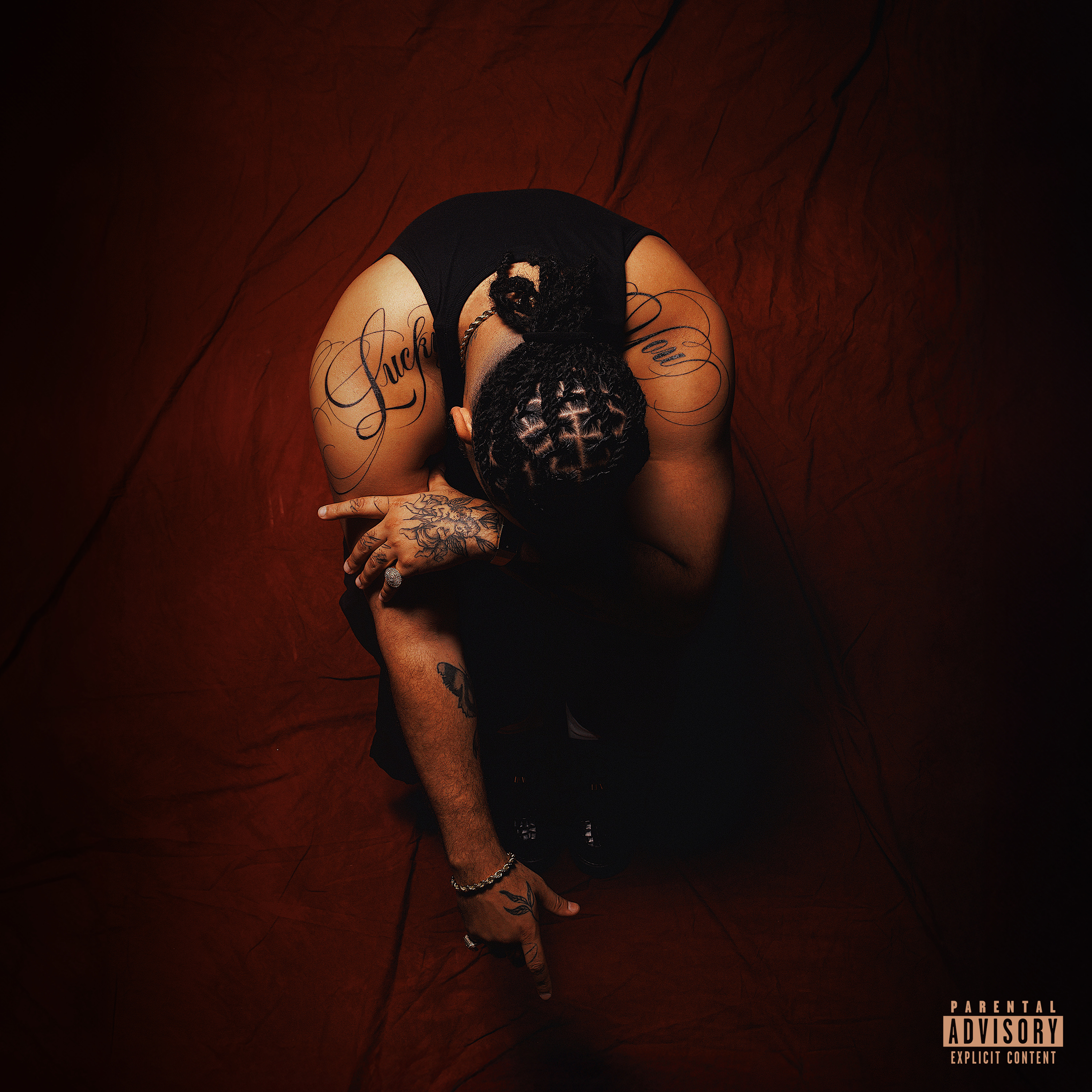
Isaiah Falls built his reputation on blending tender melody with vivid storytelling, and his short releases have acted as companions to larger projects rather than stop‑gaps. After building a following with LVRS Paradise, a lush full‑length R&B suite, he returned with Lucky You, a six‑song set that feels more like an after‑hours roundtable than a commercial between albums. Falls invites peers such as SiR, Joyce Wrice, Alex Isley, and Chase Shakur and writes as if the songs are whispered confessions. In “Brown Sugah,” he opens with a memory of the Florida sun and admires the beauty of a partner’s skin (“That Florida sun do miracles for your skin”), and SiR joins him to riff on the sweetness of darker complexions (“They say the darker the berry, the sweeter the taste”). “Just a Dream” drifts between temptation and nostalgia as Alex Isley teases with lines like “twist me like a Swisher Sweet,” then insists the romance shouldn’t be rushed. When Falls shifts from earthy imagery to spiritual longing, as on the ballad “God Is Real,” he collapses the carnal and the sacred, singing plainly, “I know God is real by the way you make me feel.” Even a potentially playful duet such as “Butterflies” grounds itself in sincerity when he admits that a smile can give even a thug butterflies, and Joyce Wrice responds, “If I had to, I’d choose you,” turning pursuit into selection. — Jill Wannasa
Pynk Beard, Red Dirt Diaries (EP)
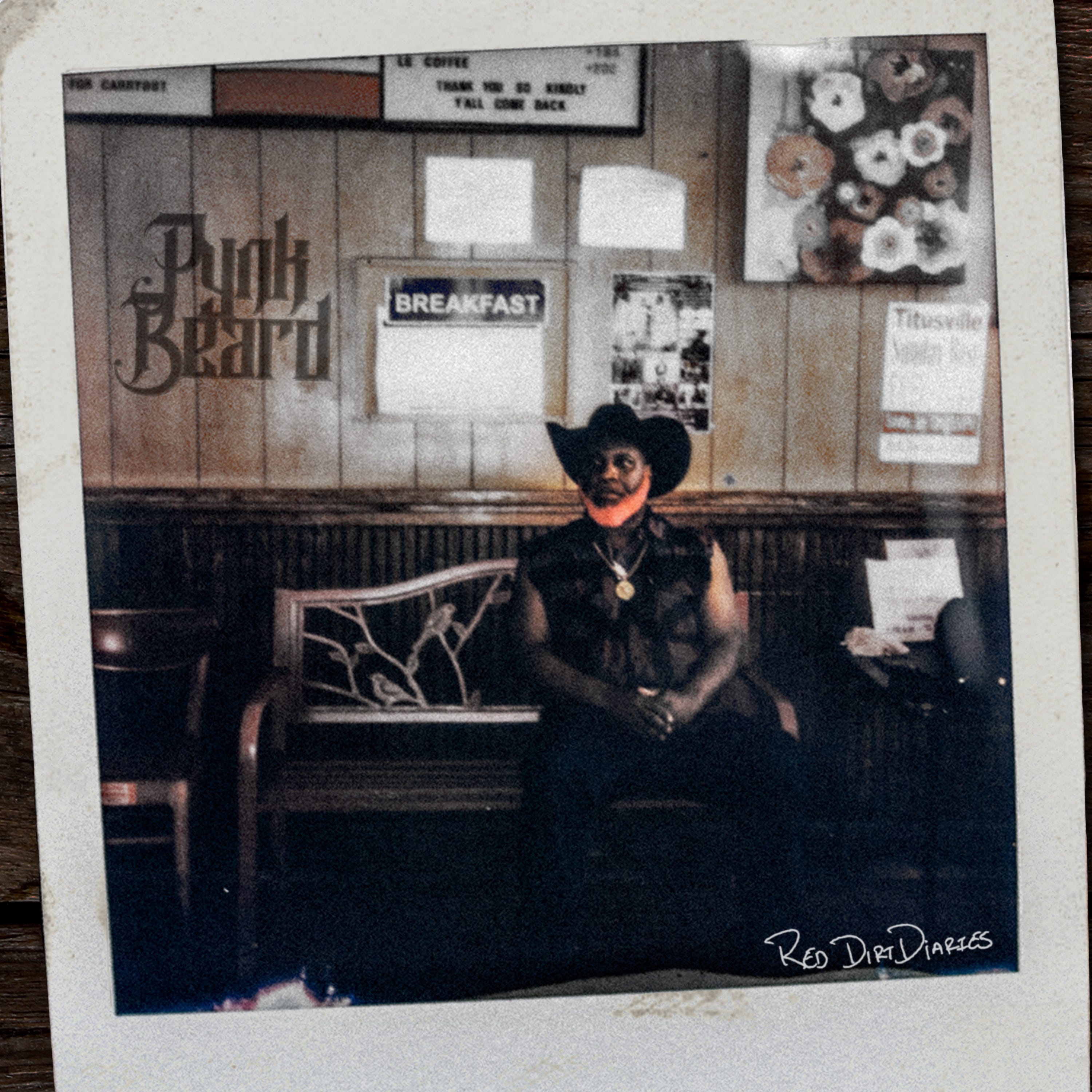
If you know Sebastian Kole, then you would know that he spent years behind the scenes writing hits for pop and R&B stars—most notably Alessia Cara’s breakout single—but after finding himself burnt out and disconnected from his own artistry, he dyed his beard pink, embraced his roots in the church and honky‑tonk bars of Alabama, and reemerged as Pynk Beard. Red Dirt Diaries is a reclamation and a travelogue through Southern Black music, drawing from gospel, R&B, and country without treating any of them as costume. “I Lived” recalls his upbringing as a preacher’s son, balancing reverence with rebellion and reminding listeners that playing country bars taught him as much about community as directing church choirs. “2 Rich dor My Blood” flips a familiar trope by describing a partner whose extravagance makes him uncomfortable, and “Mine, Lord Willing” is a honky‑tonk ode to the women in his life that mixes church vernacular with barroom humor. On “One More Slow Dance,” he slows to a croon and treats the act of dancing as a prayer, while lead single “Sip” turns happy hour into communion. — Brandon O’Sullivan
Leon Thomas, PHOLKS (EP)
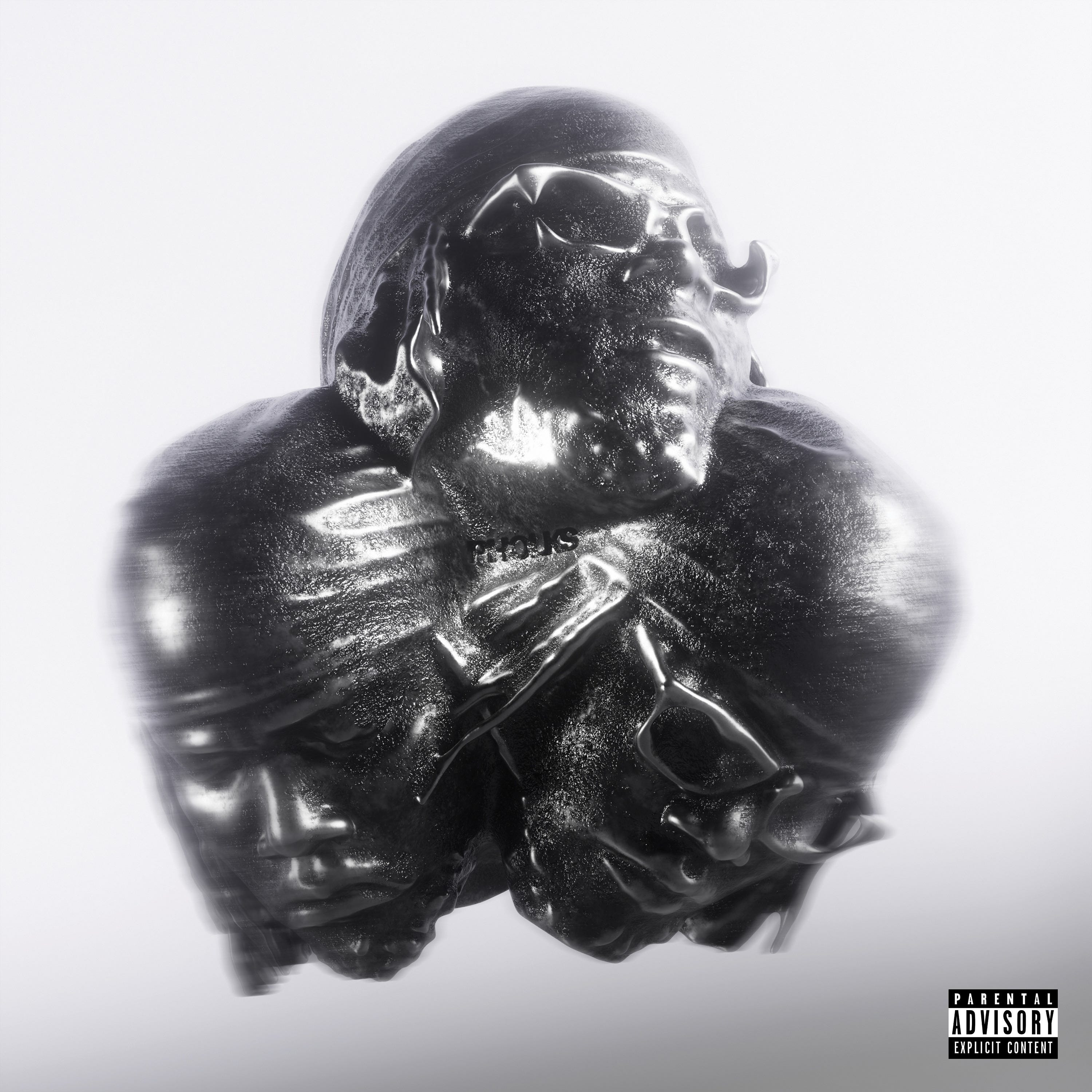
While having a breakout year with last year’s Mutt that brought him Grammy nominations and success, PHOLKS feels like him taking that freedom and pointing it toward the funk bands and guitar‑heavy records he didn’t hear enough of in modern R&B. Leon Thomas spent his childhood working within others’ visions, from Broadway as a child to helping shape songs for superstars as a teenager, to now coming to his own. Sessions began with jamming with his close collaborators Freaky Rob and D. Phelps before anything formal happened, and the credits back that up, listing them as executive producers alongside a small, tight group of players. That looseness comes through on “Just How You Are” and “My Muse,” where the mood tilts toward reassurance instead of drama: he sings to someone as they are, stacks harmonies over a groove that nods to older R&B, and lets the affection sit without sarcasm or distance. Later, “5MoreMinutes” explores the tension of wanting more time to mend, while songs like “Baccarat” and “Feel Alive” go into risk and release before “Lone Wolf” ends with a heavy, introspective affirmation. Leon wants to fold his love of those older records and the losses he’s carrying into short, bright tracks that still move with the momentum that made people notice Mutt in the first place. — Tabia N. Mullings
Sadistik & NOWHERE2RUN, The Vacants (EP)
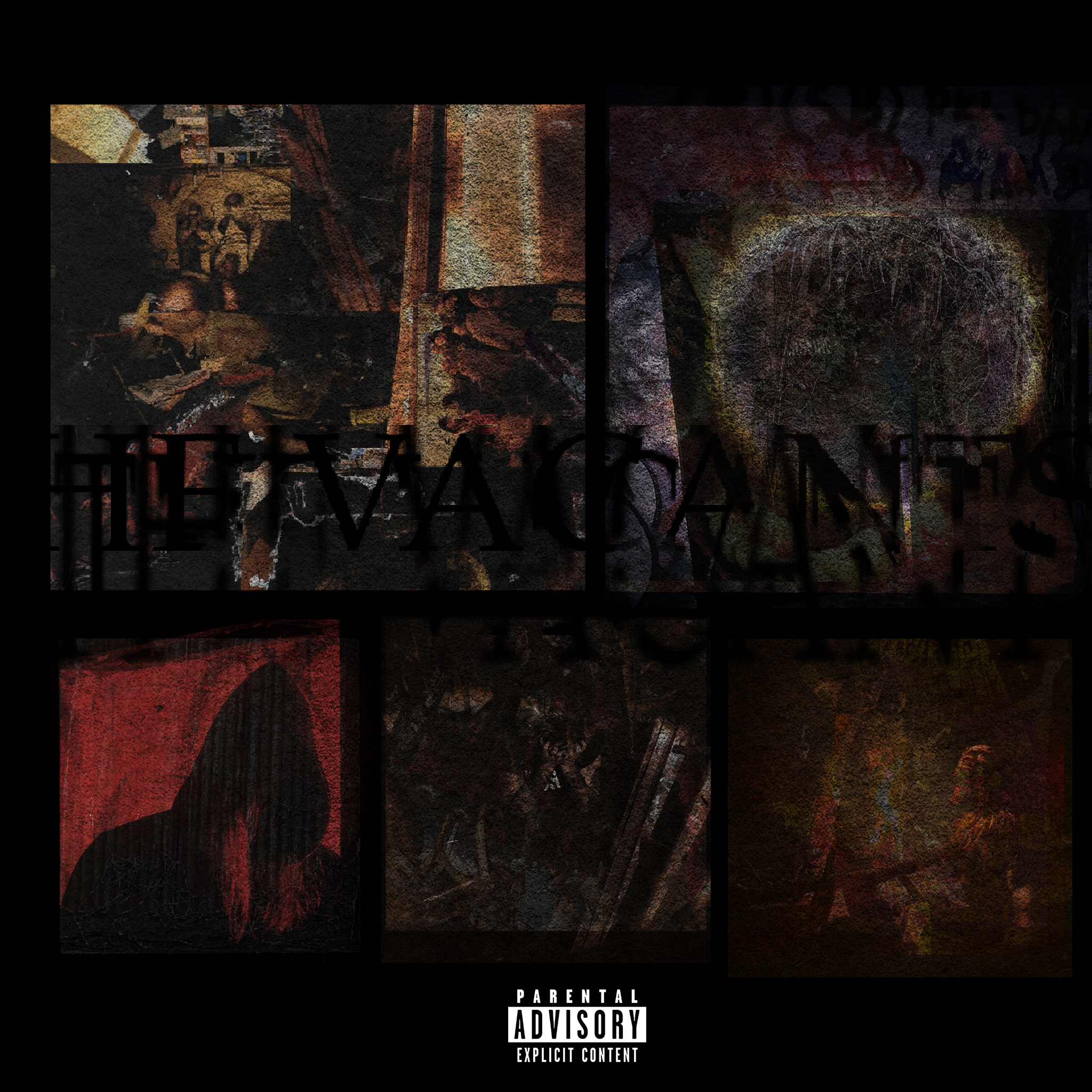
Seattle rapper Sadistik has long cultivated a cult following with his gothic imagery and dense rhyme schemes, while NOWHERE2RUN—the production team of Jami Morgan and Eric “Shade” Balderose from the metal band Code Orange—specializes in jagged drums and horror‑movie atmospherics. Together, they create The Vacants, a collaboration that feels like a haunted house built out of rap verses. Sadistik explores paranoia and envy on songs that reference snakes in the grass and vacant stares, his voice nearly swallowed by the dense production. For listeners accustomed to polished R&B, The Vacants may feel abrasive, but it’s the contrast that makes it compelling: Sadistik’s writing remains literate and confessional even as NOWHERE2RUN coats every surface in noise. By merging rap cadences with metal‑influenced production, the collaborators blur genre lines, creating a dark, cathartic EP that functions as a sonic horror novel. — Nehemiah
Storm Ford, Down Payment (EP)
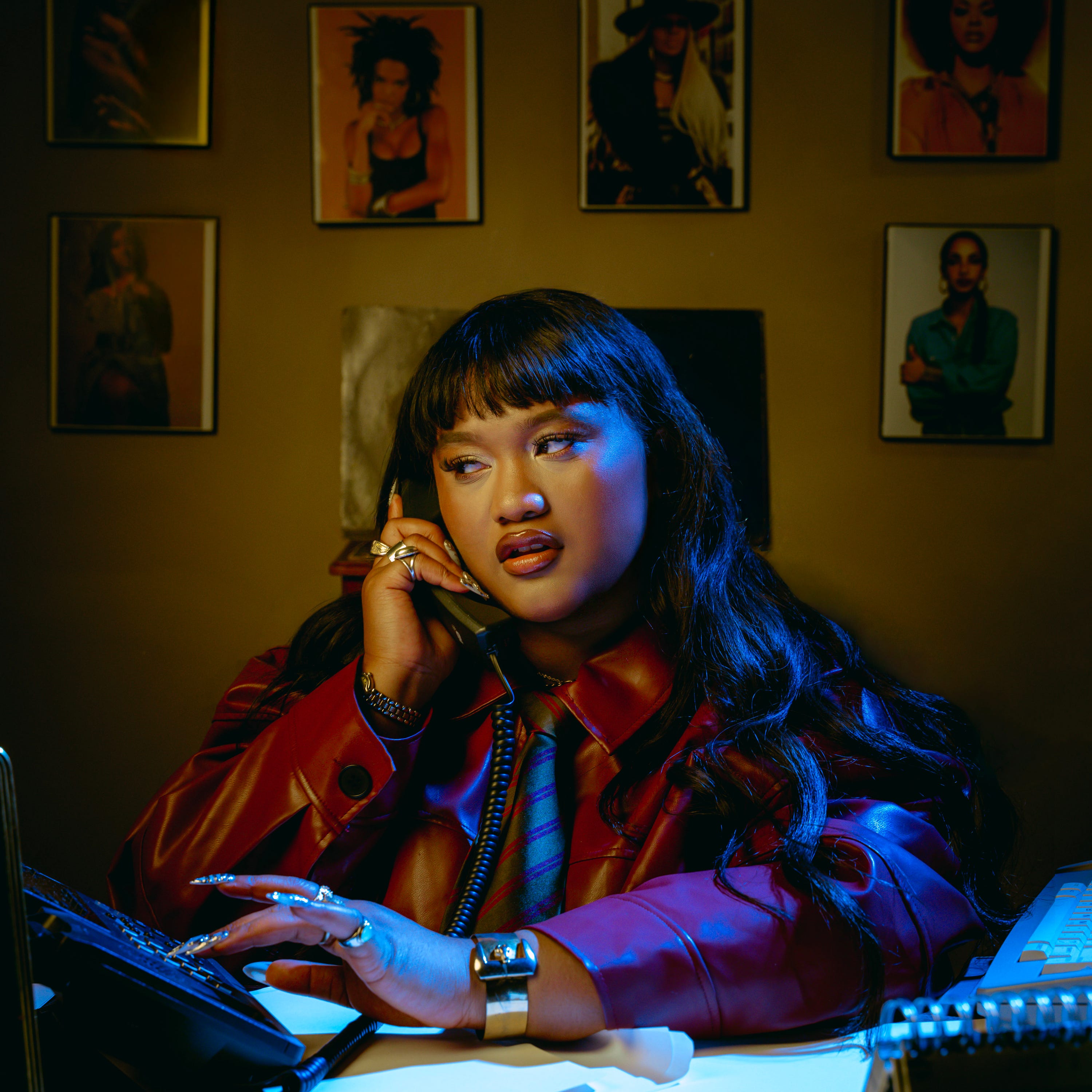
Storm Ford’s ascent from Providence songwriter to solo artist has been gradual, with writing credits for Ari Lennox, Mary J. Blige, and Summer Walker giving way to her own voice. Her EP, Down Payment, examines the emotional cost of commitment, and it does so with a bluntness that reveals both tenderness and resolve. The opening song “All the Way” is a highlight: Ford pledges devotion without fantasy, singing “I’m choosing you as you are/I would travel anywhere, as long as you are the one to take me there.” “Trying” flips the optimism of “All The Way” into realism; she opens the freestyle with stark lines about believing too many lies and falling too many times (“Believed in one too many lies and fell for one too many times/Passions come and go/Leave me open and alone”), but then finds hope with a resilient mantra, “Lord knows I’m trying to love again,” turning heartbreak into determination. She balances cynicism and hope, whether describing self‑sacrifice for a reluctant partner or reclaiming her self‑worth. — Jamila W.
pat junior, Rough Around the Soul (EP)

Raleigh’s pat junior has worn many hats—as a producer for other artists, a rapper, and a Grammy‑winning collaborator. On his Bandcamp page, he calls the EP “a testament to me finding out that I was a lot more human than I realized … and that’s okay, “and that vulnerability threads through the eight songs. Rather than bragging on Rough Around the Soul, pat junior turns inward—“Free Myself” wrestles with self‑doubt and the desire to break generational habits, while “Energy // Inner G” plays on a homophone to explore spiritual balance. He brings guests into his world without sacrificing intimacy. 3AM’s verse on “Stay Down” feels like a conversation between friends encouraging each other through burnout, and Ro Moore adds melodic warmth to “cracked poetry,” a track that compares self‑growth to repairing broken pottery. The short “Barely Fragile Freestyle” captures a stream of consciousness moment where he admits that even when he projects toughness, he’s easily hurt. By the time “A Smile Torn” arrives, pat junior has moved from questioning his worth to accepting contradictions, acknowledging that joy and sadness can coexist in one expression. Rough Around the Soul is spare and self‑produced, but its minimalism is a strength. — Brandon O’Sullivan
Demae, Deep Dive (EP)

Five years on from Demae’s debut Life Works Out…Usually—a DIY‑soul coming‑of‑age record rooted in Black joy and self‑belief—Deep Dive lands as a quieter, more distilled version of the same voice as it was on last year’s Deliver Me, now signed to FAMM and working with Little Dragon’s Erik Bodin on production. “Closer” swings into a two‑step groove that turns the dancefloor into a way of getting out of her own head instead of escaping it. “Don’t Play the Fool” zooms in on a “good girl” expected to stay small and agreeable; “Steppers” widens the frame to the community level, a dedication to the people who keep moving “light as feathers” and refuse to disappear. When Yukimi Nagano drifts in on “Thank You,” the song becomes a breakup that doesn’t need a villain, just two people admitting they’ve outgrown something while still being grateful it happened, and closer “Light” feels almost like a blessing spoken over someone who’s gone under for a while but might still surface. The production threads London broken beat, hazy electronica, and jazz‑ish keys through her soft, slightly grainy alto. As a whole, it’s a series of self‑addressed letters about love, womanhood, and freedom—asking over and over how much of yourself you can protect while still letting other people all the way in. — Ameenah Laquita
St. Panther, Strange World (EP)
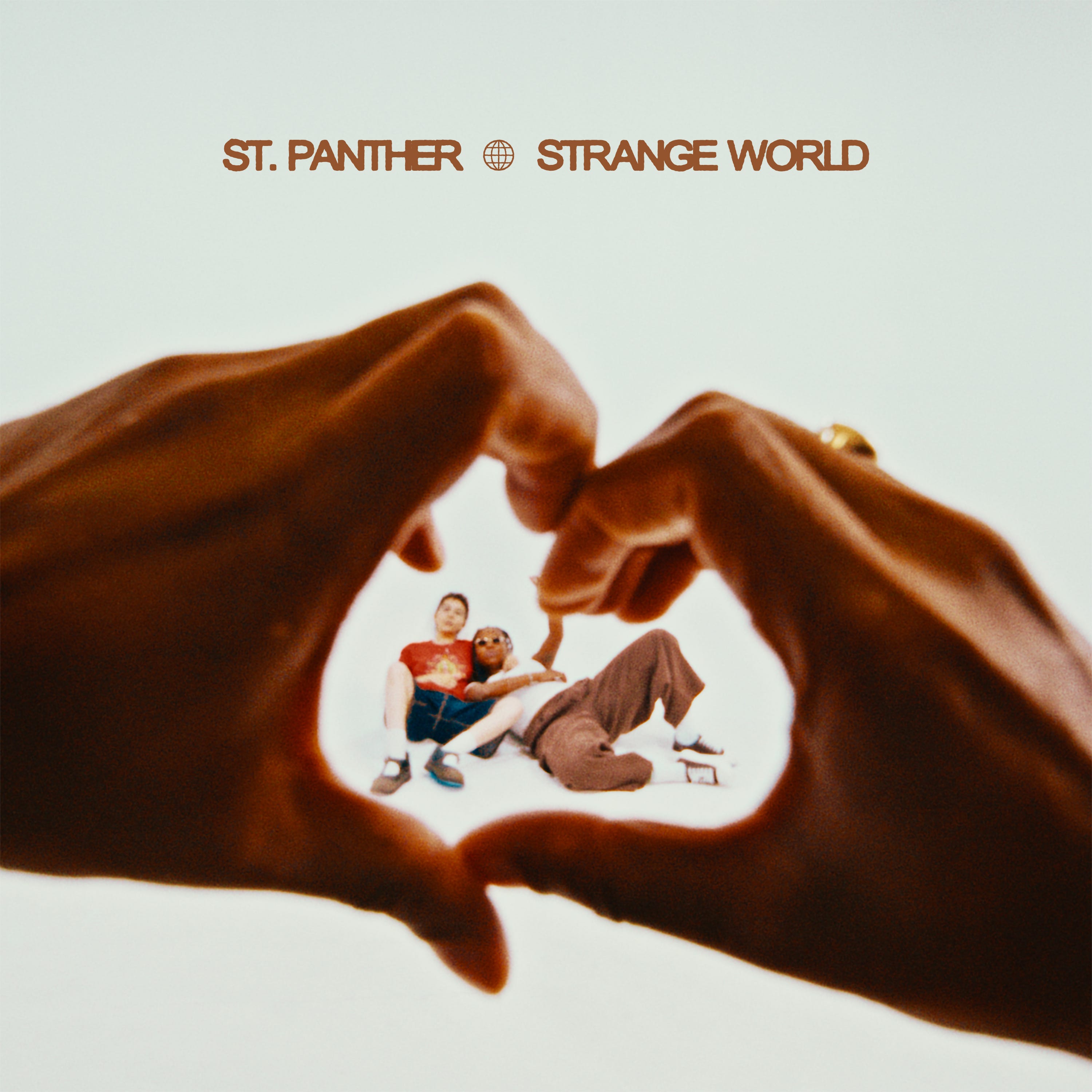
As a nonbinary Mexican/Colombian producer, singer, rapper, and multi‑instrumentalist who grew up in Orange County and now works out of East Los Angeles, St. Panther showed up as a behind‑the‑scenes kid making beats for other artists, then as the face of the 2020 breakout These Days and a brief stint in the major‑label system. Strange World is the first release since walking away from that side of the industry, a six‑song EP recorded between a rickety apartment setup in Boyle Heights and co‑producer Chris McClenney’s Haven Sound studio in Burbank, and put out through drink sum wtr. “Brand New” keeps things close to the keys and to their voice, soft chords underneath as they admit that “this time is different” and that someone makes them “feel brand new,” treating the idea of opening a new door in their life, as the banger “Strange World,” with Rae Khalil and Erik Bodin’s live drums, feels like the moment they refuse that numbness outright, organ stabs and a shuffling bass line wrapping around a hook where they insist “I’m still rooting for us,” trying to hang on to the idea that whatever future they are imagining has to come from actual community rather than from algorithms. Beyond Strange World, they keep circling the same set of problems from different angles: how to stay present in a culture that keeps offering escape on how to care about far‑off crises and the people in your own apartment at the same time, how to hold onto joy without lying about how exhausting this era is. — Phil
Gabriel Jacoby, Gutta Child (EP)
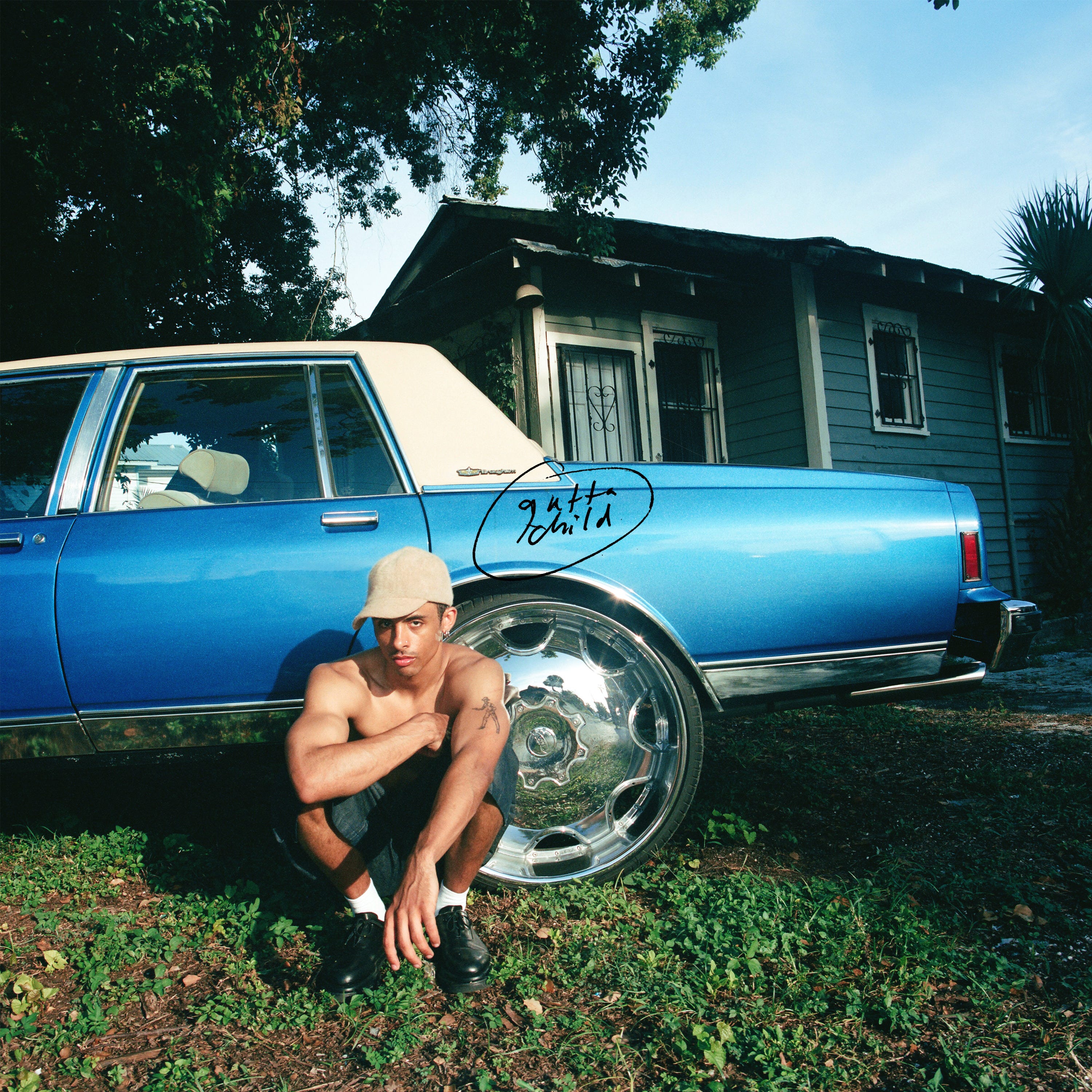
Raised between South Carolina and Tampa and now signed to Pulse, Gabriel Jacoby is a self‑taught multi‑instrumentalist who talks about blues, funk, Dirty South rap, and 2000s R&B as the stuff that’s genetically coded into him. You can hear the arc he’s talked about—early tracks full of impulsive charm, later ones written from a steadier, more responsible vantage point, while the production keeps jumping between funk, soul, and hip‑hop in ways that underline his main point: there are no real rules here as long as what you’re saying feels honest. Gutta Child is his attempt to put that DNA in order for the first time. Opener “Hello” starts almost like a front‑porch monologue (half‑spoken, blues‑leaning cadences over humid drums) before it accelerates into something closer to a rap verse, setting up the EP as a story about a young man who’s done a little too much and learned just enough from it. The title track and “Same Sign” lean into that post‑Y2K soul space: rubbery basslines, falsetto that frays at the edges, a kind of romantic optimism that still remembers what it costs. “Bootleg,” with Tampa legend Tom G, drags local club history into the mix, its percussion echoing that Neptunes‑era snap while Jacoby uses the song like a city anthem and a flex about how deep his Southern references run. “Dirty South Baby” throws harmonica into the stew and basically dares you not to nod along; “Baby” and “The One” slow things down into warm, guitar‑brushed love songs, and “Be Careful” strips the arrangement back so his voice can carry the warning, brushing up against Anthony Hamilton territory without ever turning into pastiche. — Brandon O’Sullivan
iAMLYRIC, BLKBRD (EP)
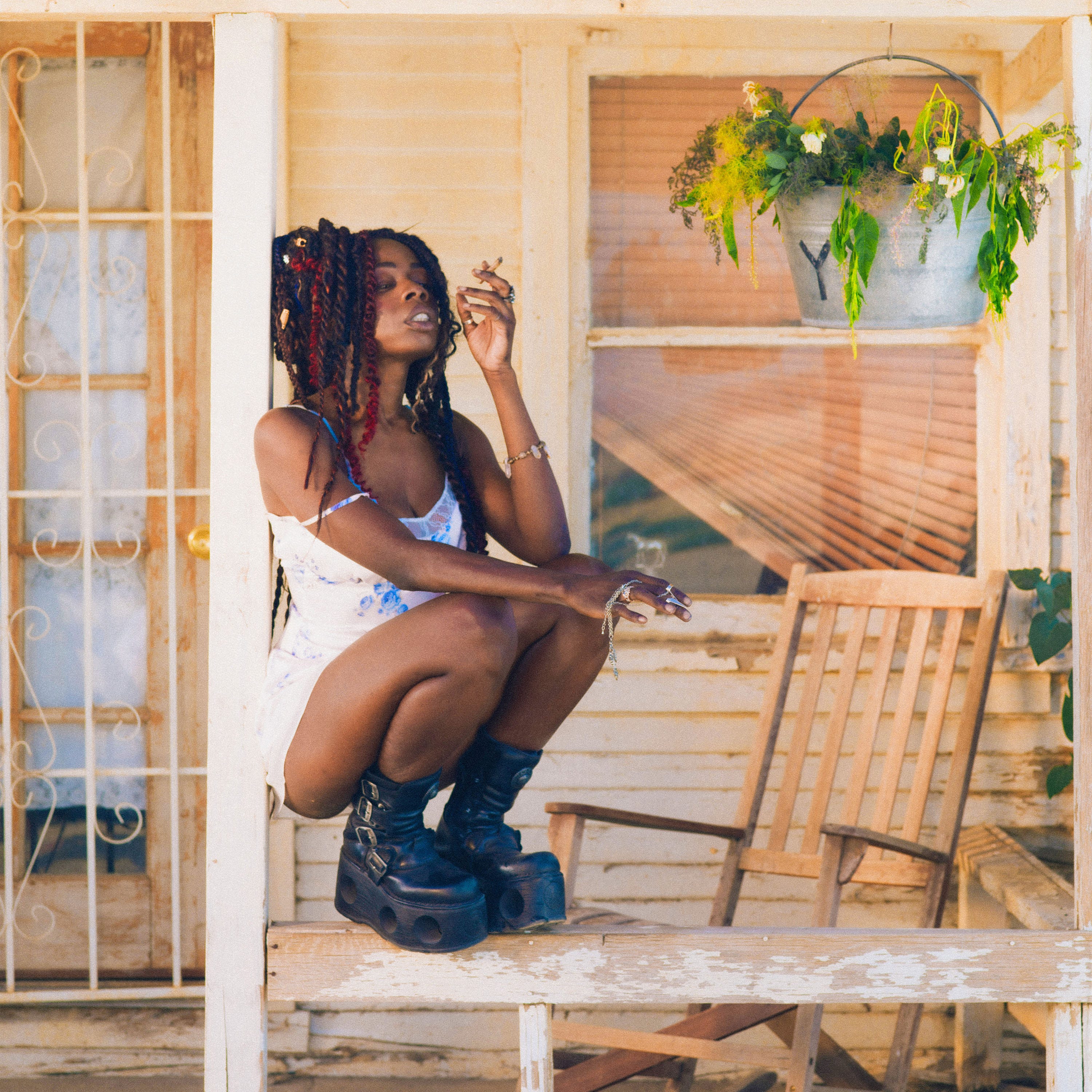
Performing under a name that nods to bell hooks with its lowercase “i,” the Houston‑raised rapper/singer says it herself as “I rap the blues,” and that placement matters—her work sits right where spoken‑word, protest music, and Southern storytelling overlap. You would think iAMLYRIC has read every warning label about being a Black woman in America and decided to write her own instead. When listening to BLKBRD, a ten‑song, 37‑minute project (that’s more of an album-length), it feels like the first time all of those pieces are organized into one deliberate thesis. When you go through “Tar Baby,” “If They Come For Us (Broken Barbie),” “I Know Why the Caged Bird Screams,” “Half of a Yellow Sun,” “Women Who Run With the Wolves,” they are all titles borrowed from Black literature and feminist myth, repurposed as chapters in a story about being caged, studied and underestimated and then refusing to stay there. “Chaos,” with Isaiah Rashad, feels like a back‑and‑forth between two people who’ve seen the inside of the industry machine and are still trying to keep their internal compass intact; later, “A Beginner’s Guide to Aviation,” featuring A Room Full of Mirrors comrades The Ichiban Don and Joose, turns flight itself into a metaphor for leaving old versions of yourself on the runway. She keeps coming back to the blackbird image, using dense references to ask the same core question: if the world insists on reading you as trapped, what does it sound like to write yourself as already flying? — Phil
Odeal, The Fall That Saved Us (EP)
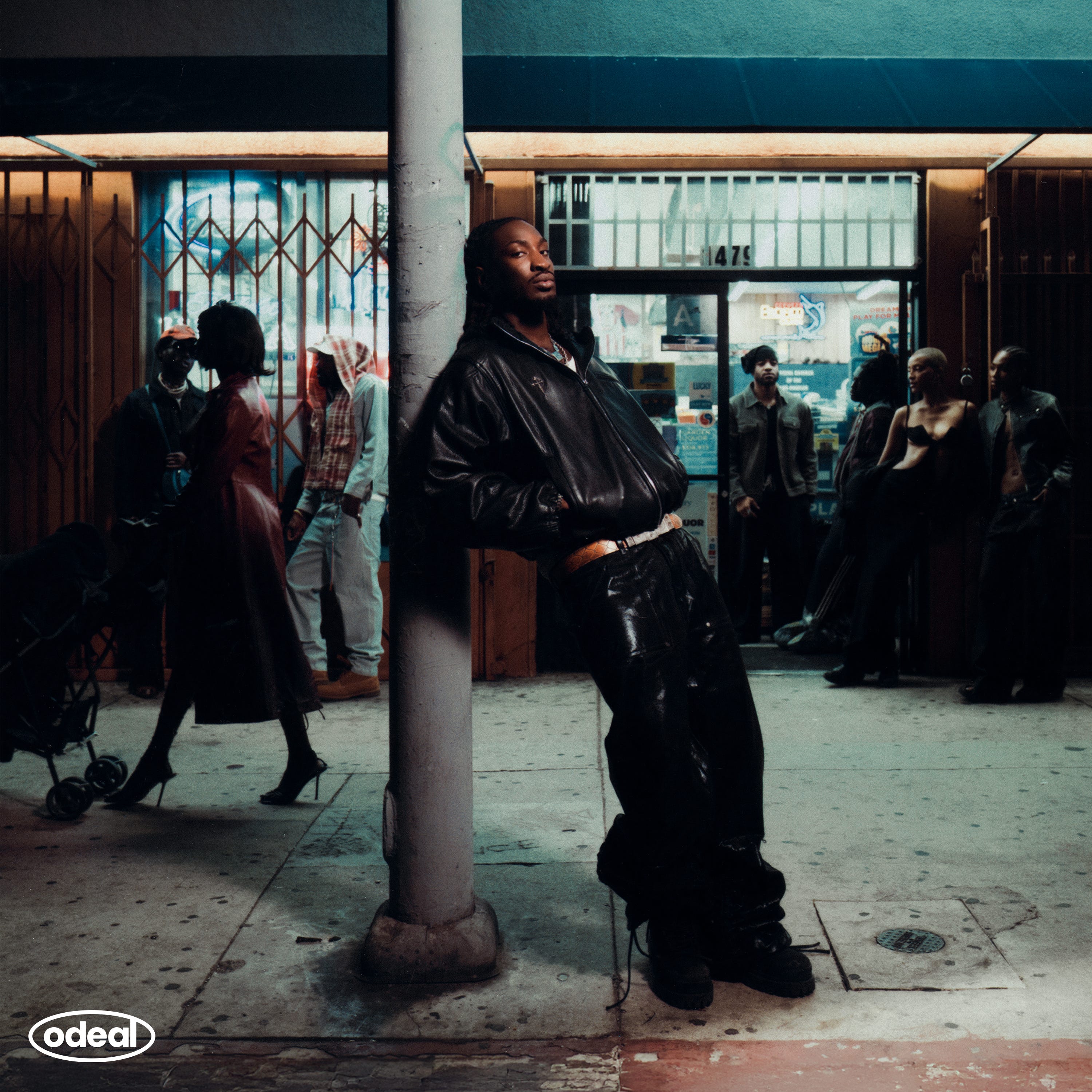
A man who is so good at what he does, and he is so fine. Odeal has been turning his own romantic mess and the stories he hears around him into a connected world for a while now, building an imaginary city he calls Lustropolis so the tangled parts of love have somewhere to live. He carries that shifting sense of home (between Nigeria, Spain, and the UK) into the way he folds Afrobeats pulses, R&B progressions, and a slightly husky baritone that rarely sounds rushed. He followed the breezier The Summer That Saved Me with The Fall That Saved Us just a few months later, a nine-track set he’s constructed as the colder-season companion: less about being outside, more about what happens when the warmth drops and you’re left alone with the parts of yourself and your relationships you’d been avoiding. From there, “Molotov” and “Cold World” strip the glow off that hope; one pokes at whether the connection was ever as solid as he pretended, the other lingers on how quickly affection can harden when trust starts to feel one-sided. The other Fall songs with “Addicted” and “Pretty Girls” lean into his taste for early‑2000s‑style club R&B, letting him sound charming and reckless over bounce-heavy patterns, while “Blur” and “Wicked” slow the tempo again so he can sit with temptation and the pull to stay even when every sign points elsewhere. — Jamila W.
SABRI, What I Feel Now (EP)
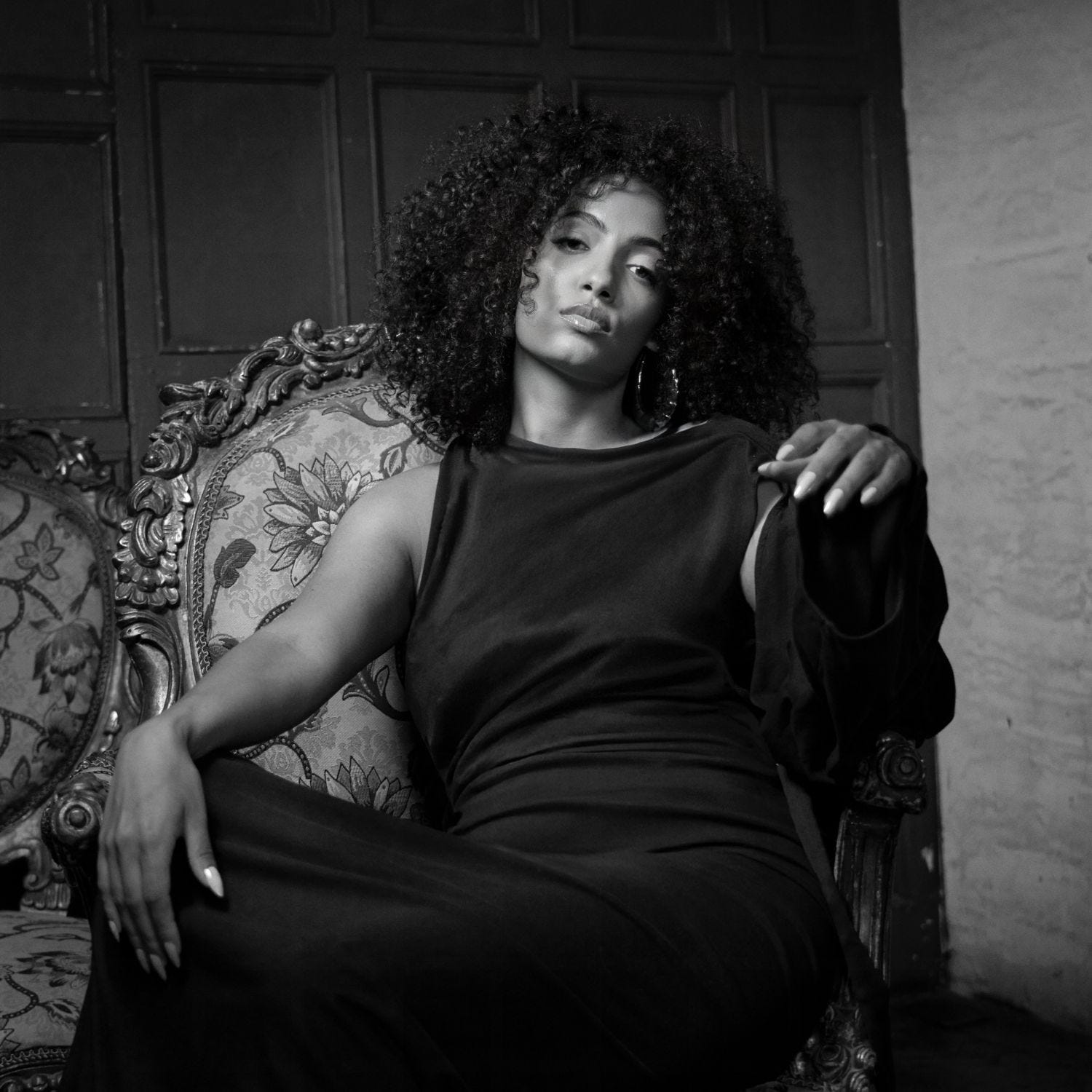
Raised in Amsterdam by Moroccan and Algerian parents and glued early to R&B, soul, and hip‑hop before she started cutting her own songs as a teenager, SABRI grew up studying how big voices carry hurt without losing their edge. Her 2022 debut EP, Actually, I Can, introduced her as a writer preoccupied with strength and self‑awakening; What I Feel Now lands a few years later as a tighter, six‑song dispatch, her taking the title literally and building a set around feeling something, naming it, and moving with it instead of smoothing it over. “Sold Myself For Love” digs into the cost of that choice, spelling out how she lost pieces of herself trying to hold a volatile relationship together, and “Dumb MF” takes that realization to its loudest version, the guitar more jagged and her tone rougher as she finally lets all the anger she’d been holding back out in the open. “Loved You” lays out the contradiction of resenting what someone did to you while still feeling tied to them; its bounce is lighter than the sentiment, and “Blocked” sounds like her putting action behind that shift, piecing her confidence back together over a groove that moves more freely than the relationship ever did. Opener “Make Me Feel,” produced by BLK ODYSSY, catches her at the point where her body has already decided she’s in deep and her mind is still arguing, her vocal gliding over bright synths and drums while she admits how exposed she feels keeping somebody close instead of pushing them away. — Imani Raven
Tems, Love Is a Kingdom (EP)
From her early years in Lagos to breaking into global charts, how can you not say this artist doesn’t deserve it all? Tems has always approached love as a test of honesty. After her 2024 debut album and tours, she released Love Is a Kingdom, a surprise self-produced EP. If you know about her, she will sing about love, faith, and identity, questioning access, cost, and spiritual reflection. On “First,” she sets the rules out loud, talking about spending time by herself, refusing to let anyone control her story, and repeating that she has to put herself “fir‑fir‑first” period. “What You Need” and “I’m Not Sure” sit in the middle ground between attraction and distance, their grooves smooth enough for a dance floor while she keeps insisting that she isn’t what the other person needs and wondering out loud if she should trust any of it. One of her most entertaining songs, “Big Daddy,” aims straight at a man who enjoys being flattered but wasn’t present when she needed help, and she spends the song questioning why he wants the title when he didn’t show up for work. She wants a kind of love that matches her sense of self‑worth, and she’s ready to walk away from anything that doesn’t. — Ameenah Laquita