

The Handguide to ALT-R&B (2010-2015)
We spotlight the important releases from 2010 through 2015 that defined the Alternative R&B movement and provocative albums that, while influenced by this trend, brim with their originality.
A live-instrument-based form of neo-soul that brought a hip-hop interpretation to ‘70s soul wounds—this music, led by D’Angelo, Erykah Badu, Maxwell, and others, became a major movement in the late 1990s. It was organic and raw, almost in defiance of mainstream R&B at the time. By the 2000s, the EDM boom arrived as neo-soul artists continued to develop independently. Surrounded by the flood of EDM sounds, a new style ascended as a sort of counter—ambient and chill music that would later be called “Alternative R&B.” Dante Nicholas piece on YAMS Magazine’s The Rise of ALT&B is a good start.

A key foundation for this movement was Ye’s 808s & Heartbreak (2008), which sparked debate upon its release. The ripple effects grew stronger when Kid Cudi, involved in that album, released the introspective Man On the Moon: The End of Day (2009). Someone sampled “Say You Will” from 808s & Heartbreak on “Say What’s Real,” featured on their 2009 mixtape So Far Gone (full disclosure: that person is not featured on this guide). Under the banner of “Alternative R&B,” the scene quickly expanded. Out of this wave developed Frank Ocean’s nostalgia, ULTRA (2011), The Weeknd’s trilogy of mixtapes, and many of the albums included in this guide.
In this section, we spotlight the important releases from 2010 through 2015 that defined the Alternative R&B movement and provocative albums that, while influenced by this trend, brim with their originality. This era saw not only landmark works from Frank Ocean and The Weeknd—both emblematic of Alternative R&B—but also the debuts of artists like SZA, Kelela, FKA twigs, and The Internet. Their cutting-edge releases signaled the arrival of a new era and sparked excitement in listeners. And even now, when we revisit those albums (with our special guest, aka the incomparable talent behind a filmless score., The Music Directory, and things i collected, Shanté), we can still feel that same thrill.
Essentials
Frank Ocean, nostalgia,ULTRA.
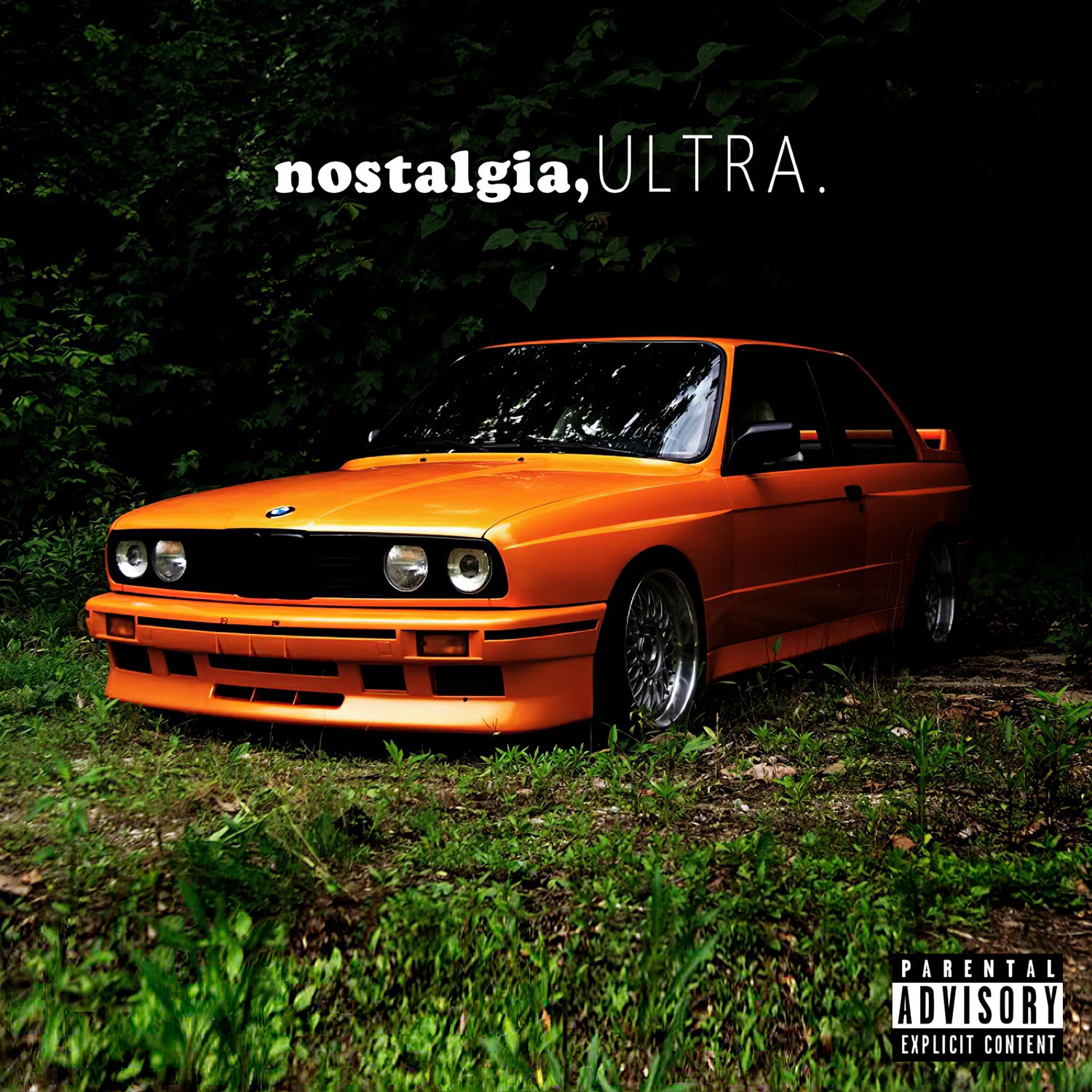
Everything began here. Yes, everything started right at this point. Frank Ocean, who had penned songs for Brandy and John Legend, met Odd Future and then signed with Def Jam Records. Disappointed with the label’s treatment, he released nostalgia, ULTRA for free on Tumblr. Its hazy, drifting songs seeped from the cracks of major-label systems and the standard R&B/hip-hop/indie-rock frameworks, slowly permeating the world. In doing so, it set the tone for the next era. Frank defined a new sense of originality in pop music, suggesting that true newness now means revisiting the past—an idea that can feel both beautiful and harsh. The album cover shows a cool orange BMW from the 1980s parked amid lush greenery; a cassette clicks into play. He opens with a cover of Coldplay’s “Strawberry Swing,” sprinkles fragments of Radiohead into “Bitches Talking,” and even angered Don Henley by reworking Hotel California by the Eagles. Carefree R&B anthems, once full of party-and-sex bravado, suddenly felt outdated. Indeed, this album redefined the very conception of how pop music should sound and feel. Today’s pop culture, so often concerned with revival and nostalgia, remains under its influence. nostalgia, ULTRA portrays the helpless sadness that arises when people awaken from a collective dream—a sorrowful weeping that has yet to stop. —Brandon O’Sullivan
(adapted from this feature on things i collected)
It’s not an exaggeration to say that Ocean is one of the most groundbreaking artists from the millennial generation. Previously affiliated with the edgy California rap collective Odd Future, Ocean set himself apart from the pack with his debut mixtape. As his music combines elements of soul, rock, rap, gospel, psychedelia, and more, he’s considered an alt-R&B pioneer. Ocean defined what the genre would become in the 2010s—even though he famously evaded labels (when he dropped nostalgia, ULTRA, he filed it under “bluegrass” for sh*ts and giggles).
The sound design on nostalgia, ULTRA, is brilliant, with elements like panning, visceral tape-deck changes, clips from TV and video games, and radio tuning throughout its 42-minute run. —Shanté
The Weeknd, House of Balloons
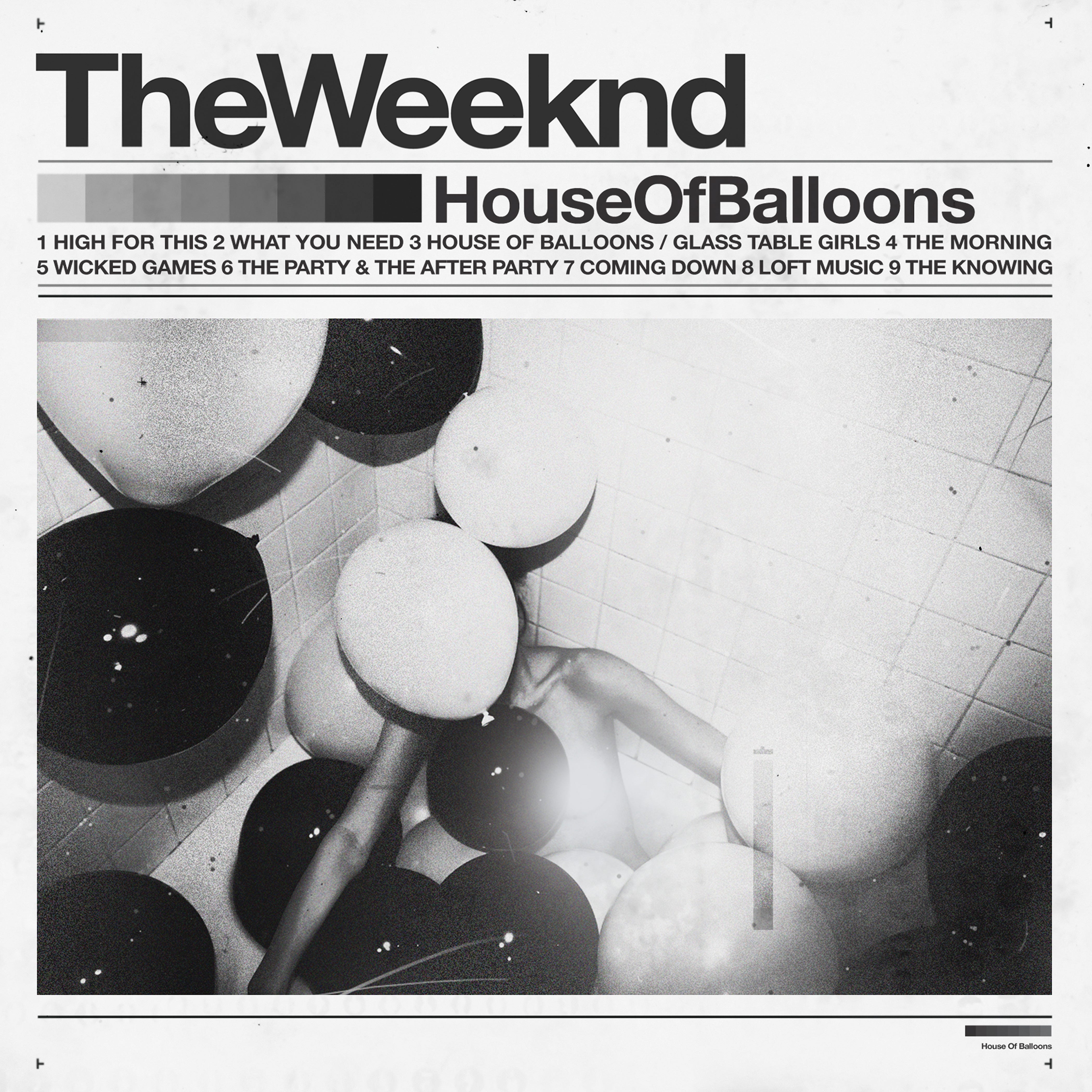
Back in 2011, hearing this release for the first time left many listeners baffled. The sleeve design didn’t even show an artist’s face—so no one knew if this was a band or a solo act; it looked almost like a piece of 1980s British new wave. Yet the music itself, though marked by new wave and trip-hop influences, was undeniably R&B of the hip-hop era. It took what Kanye West and Drake had been exploring—introspective sing-rap—and developed it fully into song form. No one then could have guessed it would be labeled “alternative R&B.” People simply wondered, “Who is The Weeknd, making music like this?”
The artist behind it turned out to be Abel Makkonen Tesfaye, a 21-year-old Ethiopian Canadian from Toronto who had dropped out of high school to become a singer-songwriter. Plunged in a lifestyle of drug use, he created tracks alongside Doc McKinney and Illangelo and first uploaded a few songs to YouTube. Then he released House of Balloons online as a free mixtape. Its decadent yet chill bedroom pop, built over references to rock acts like Cocteau Twins and Beach House, captured the hearts of cutting-edge internet listeners and made countless “best of” lists. The Weeknd followed with two more free mixtapes, Thursday and Echoes of Silence, later compiling them (plus bonus tracks) into the Trilogy CD. By then, he was already famous—though he avoided much public exposure and stayed underground in spirit. Once he prepared himself to become a pop star, he signed a major deal, teamed up with Daft Punk and Max Martin for a string of hits, and soared to global stardom. Even so, a dark shadow still surfaces in his voice, hinting that he carries the darkness of House of Balloons within him to this day. —Phil
Frank Ocean, channel ORANGE
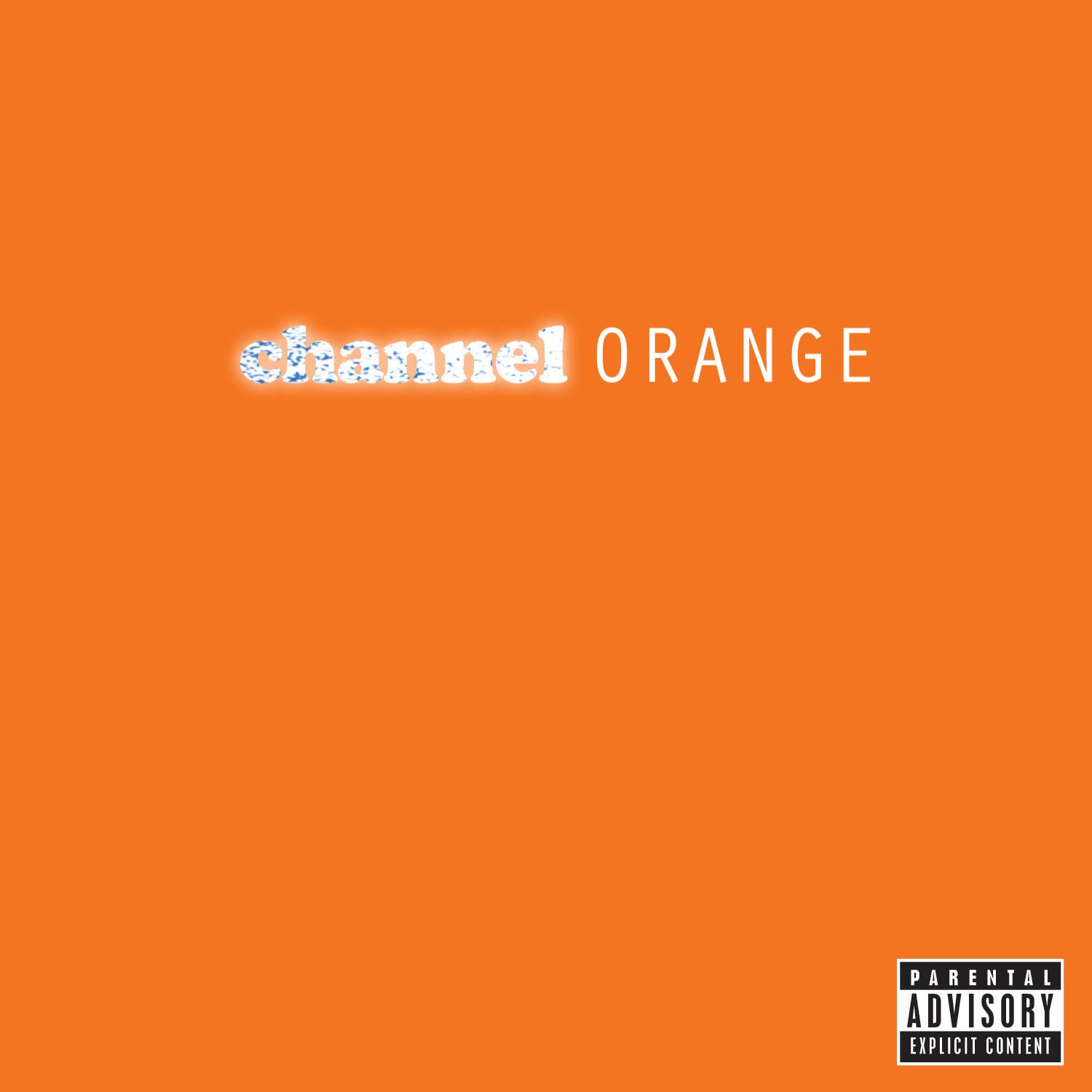
When Frank was still seen simply as a member of Odd Future (OFWGKTA), he was already closely connected with the producer Malay. Channeling funk, rock, gospel, new wave, and Prince-like flair, Frank followed nostalgia, ULTRA by releasing his first official album, channel ORANGE. Deeply inspired by Jimi Hendrix and Pink Floyd, and having sharpened his skills on John Legend’s Evolver (2008), Frank revealed just before the album’s release that he had once been in love with a man—an unrequited romance he sings about in his piercing falsetto on “Thinkin Bout You.” The track “Pyramids,” which shifts from EDM-styled dance to slow-jam groove, turned heads, as did the ballad “Pink Matter” with André 3000 and the jazzy instrumental “White” featuring John Mayer. With a broad palette and lo-fi ambience, it felt boldly new in 2012, standing alongside Drake and James Blake in pioneering the alternative R&B sound.
Yet the album also delivers classic R&B touches in “Sweet Life,” produced with Pharrell Williams, and the laid-back rap of Earl Sweatshirt on “Super Rich Kids.” Frank explores wealth with a faint sense of dread about financial collapse. Elsewhere, love is framed as drug addiction—ironic lyrics that transform decadence into pop. With channel ORANGE, he launched into the mainstream, shaping an R&B future that would soon arrive. It’s hard to deny that, before Blonde (2016), this album already offered a vision of R&B to come. —B
Miguel, Kaleidoscope Dream
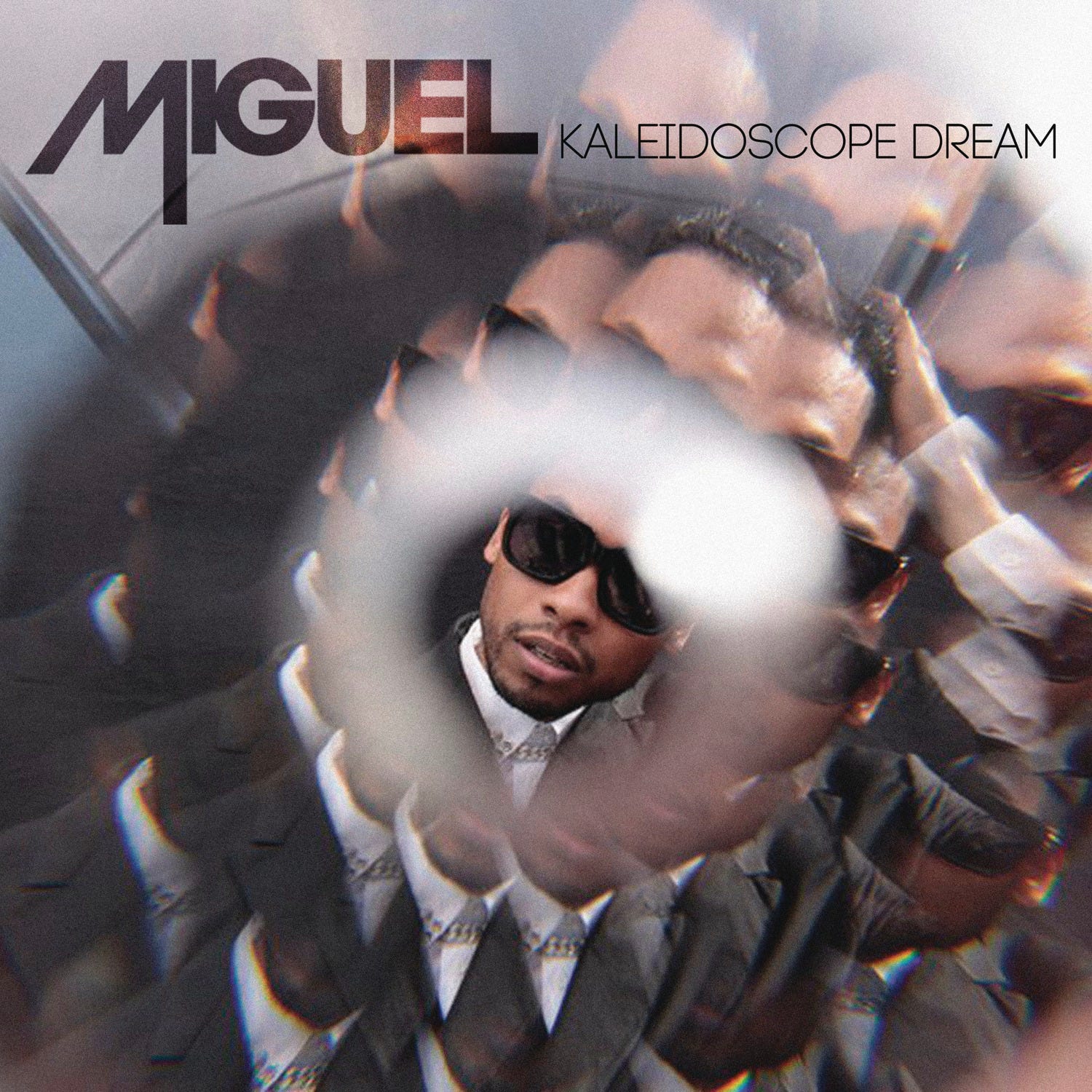
Miguel drastically changed things up on his second album, where he’s credited as producer for the majority of tracks. On the title track, which samples Labi Siffre’s “I Got The...” (familiar from Eminem’s “My Name Is”), Miguel compares the rush and euphoria of sex to a kaleidoscopic drug trip. Like a kaleidoscope, the album reveals many faces of Miguel—both as a person and an artist.
On the first single, “Adorn,” he declares, “Let me adorn you with my love,” wholly entranced by his partner; on the second single, “Do You…,” he casually asks, “Hey, do you like drugs?” becoming the carefree playboy. “The Thrill” captures the pulse of a New York night in an up-tempo groove, while “How Many Drinks?” is a mid-tempo jam that wonders, “How many drinks will it take to get you to come home?” The final track, “Candles In the Sun,” uses church-like organ chords to question the world’s injustices and call for unity. Yet every facet belongs to the same person. One unifying thread is the guitar, which stands out in the rock-flavored “Don’t Look Back,” where Miguel warns, wolf-like, “If I’m not back by nightfall, run from me,” and the erotic “Arch & Point.”
Another key element is Miguel’s raw expressiveness, which triggers listeners’ own memories or emotions. A prime example is “Pussy Is Mine,” a freestyle he initially belted out during studio downtime, later uploaded to YouTube, and eventually included on the album. It’s a song many men can’t help but relate to. A fearless directness, balanced with rock-tinged R&B production, made Kaleidoscope Dream a landmark, further propelling the “alternative R&B” wave. —B
Kelela, Cut 4 Me
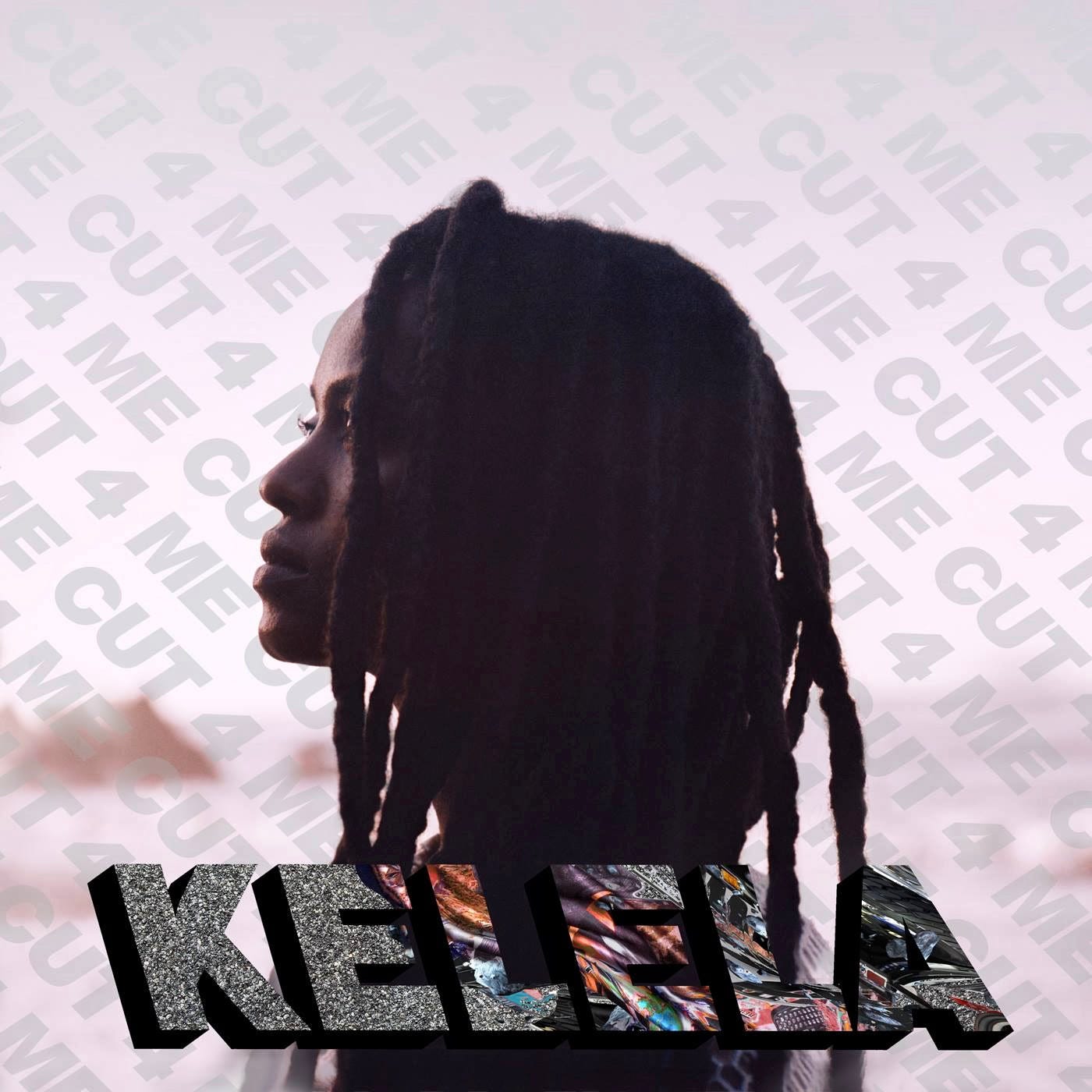
Kelela was born to Ethiopian parents and raised in Gaithersburg, Maryland. After moving to LA, she caught the attention of Teengirl Fantasy and contributed to “EFX,” connecting soon after with the Fade to Mind label—sister to the UK’s Night Slugs. The collaboration with Kingdom on “Bank Head” became her calling card, its blend of UK bass and R&B pushing beyond conventional boundaries. That track appears here and also landed on Solange’s compilation Saint Heron.
When the mixtape craze began to settle, Kelela dropped Cut 4 Me as a free download. It was welcomed with excitement, heralding a fresh new talent. The lineup of producers—Kingdom, Bok Bok, Nguzunguzu, Jam City, Girl Unit—was a who’s who of the online underground, injecting edgy bass-music aesthetics, club-culture references, post-club experimentation, and industrial grit. A subtractive, minimalist approach lets the low end and vocals stand out dramatically. The last two tracks, “Something Else (Interlude)” (often titled “LIE” in some versions), with its blend of birdsong and noise, and the beatless, bass-heavy “Cherry Coffee,” feel especially free.
Her smooth melodies—echoing Janet Jackson, Brandy, Groove Theory, and Aaliyah—fuse effortlessly with these futuristic tracks, forming an R&B nobody had heard before. In truth, no album quite like Cut 4 Me has appeared since, making it less a glimpse of R&B’s future than a singular 2010s milestone. (Kelela herself has noted that labeling R&B as a mere “basic” style is discriminatory: by tradition, it’s always been hungry for new directions.) A deluxe edition featuring Night Slugs remixes followed in 2015. —B
Before Kelela was known affectionately as “mother” by LGBTQ+ fans and for asking “where da weed at?” on tour, she was a 30-year-old singer from the DMV area who’d previously cut her teeth performing jazz and indie rock in local music scenes. I remember exactly where I was when she dropped her debut mixtape, Cut4Me. I was in my downtown Atlanta dorm room browsing music blogs (as I was prone to do) when I saw the mixtape cover. With my interest piqued, I pressed download and played the music on repeat for the foreseeable future. What Kelela did for Black queer femmes in terms of feeling seen in electronic music spaces correlates with the deserved reverence she receives from fans far and wide. —S
Bonus: Various Artists, Saint Heron
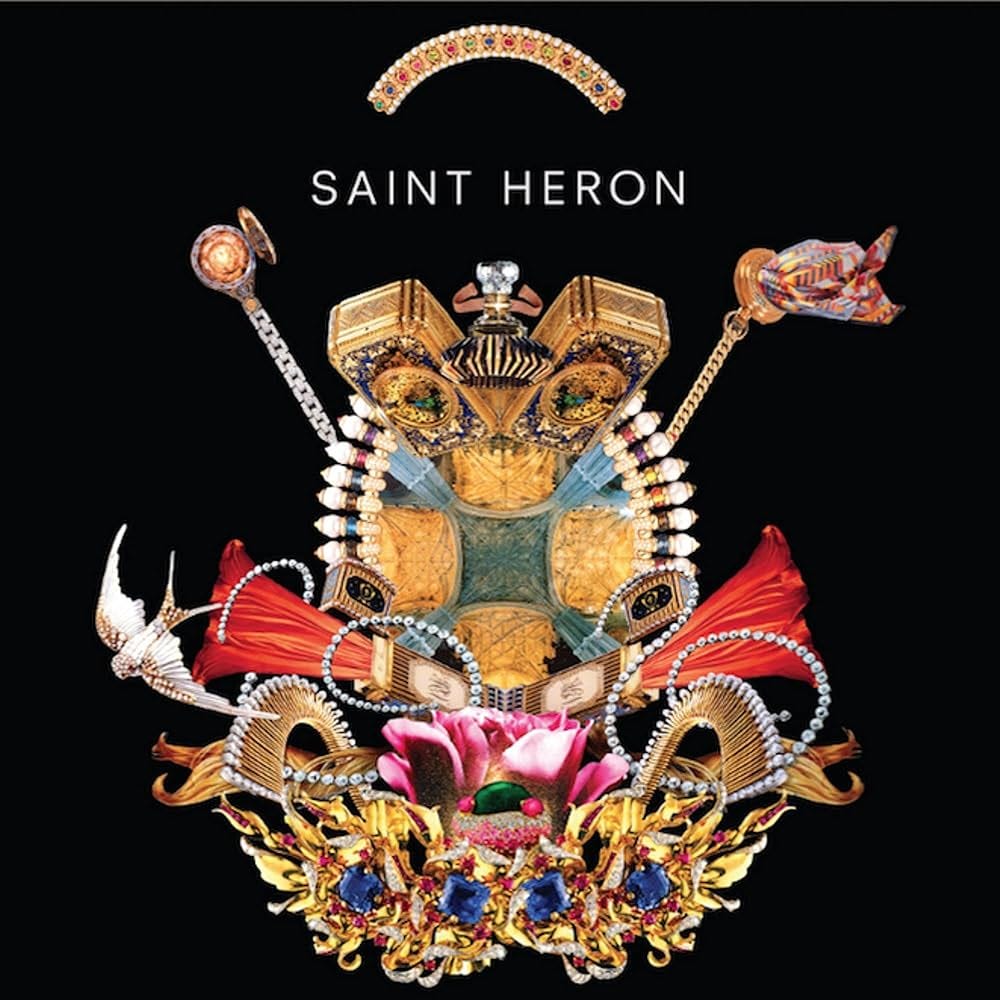
Much of 2013 saw Solange running a Twitter campaign called #DeepBrandyAlbumCuts, chastizing critics writing about the experimental nature of R&B for failing to recognize its past. Saint Records, her new imprint to be distributed by Sony, could have launched with her own third record. Instead, its first project is a compilation album, Saint Heron, which consists of twelve tracks from eleven artists Solange claimed to have been “assembling from across the internet,” according to Billboard. It features Kelela, Sampha, Jhené Aiko, Petite Noir, and Cassie, all names that will recur in this section as members of the online underground community whose work forms this selection, and many of whom have their own respective entries here already. The release of the compilation was preceded by a trunk show for Opening Ceremony in SoHo with media artist Rashaad Newsome designing the sleeve.
On the compilation’s playing order, Solange herself is absent for much of the duration. Kelela’s interlude to Cut 4 Me comprises a full version of “Go All Night”; the third track, “Bank Head,” is a collaboration with the producer Kingdom. “Indo” by Cassie gives Solange her first full solo production credit; Sampha’s contribution is “Beneath the Tree,” Jhené Aiko sings “Drinking and Driving,” Iman Omari contributes “Energy,” and L.A.-based duo BC Kingdom provide “Lockup.” Solange’s voice does not appear until the final song on the record, “Cash In,” which is the only one she herself sings. —B
FKA twigs, LP1
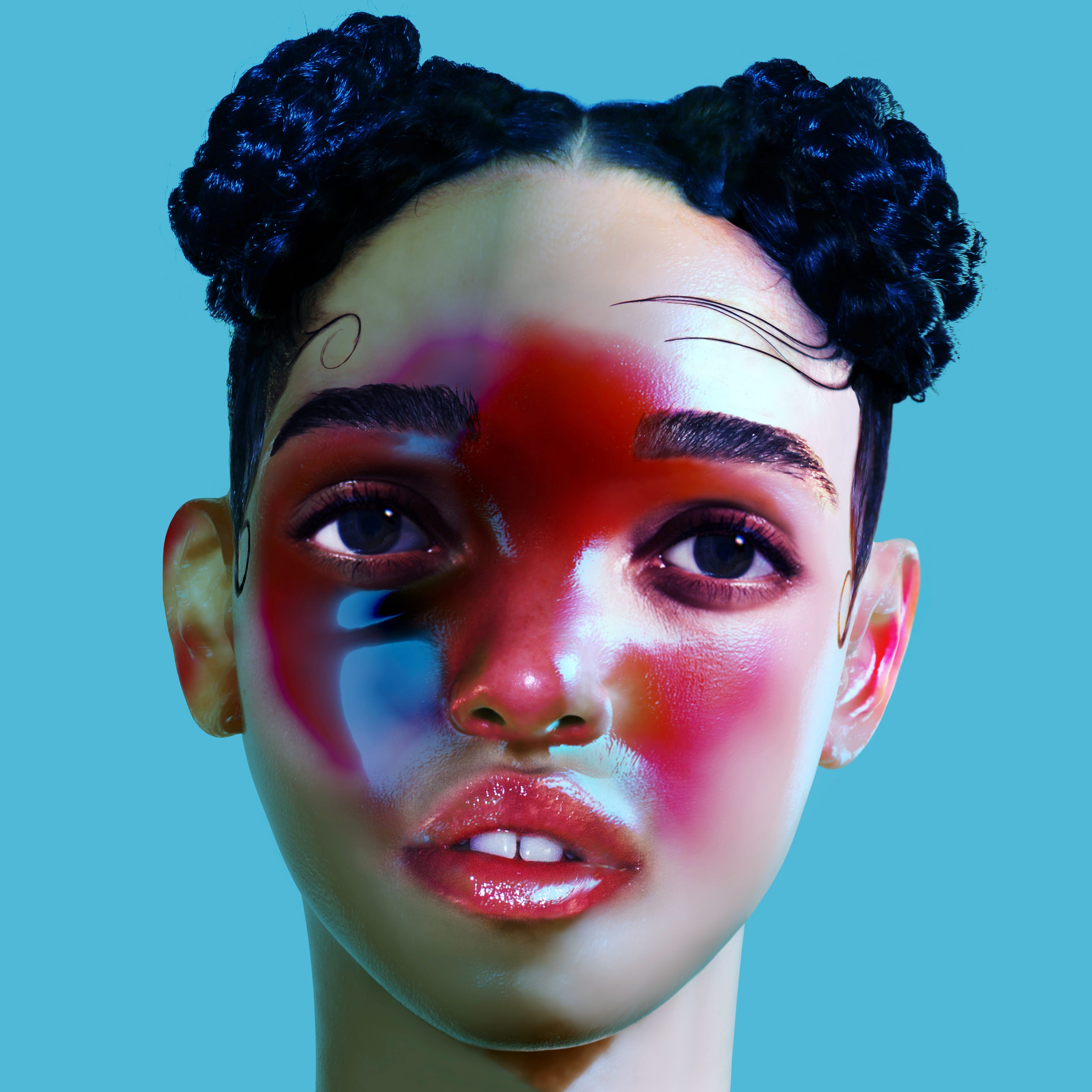
Initially, FKA twigs appeared in the scene with two conceptual EPs that felt more like experimental electronic production—some listeners perceived her as a trackmaker who featured her own vocals. But her debut album, LP1, signaled her move toward firmly establishing herself as an R&B singer. Consequently, some from the electronic crowd complained, “She’s singing too much.” Yet if you set that background aside and simply listen, LP1 deftly balances mainstream appeal with provocative arrangements, a fine line only she could walk at this stage.
Where once she shouldered much of the production herself, here Paul Epworth and Emile Haynie stand out. “Pendulum” features a trace of Epworth’s dramatic flourishes, though much is kept minimal—a tension that underscores twigs’s artistic vision. Haynie, known for crafting Lana Del Rey’s decadent pop, perfectly amplifies the dark-but-beautiful mood twigs was seeking.
A defining characteristic is the sharp, digital snare, evoking the meaning behind “twigs”—the cracking of her joints when she dances—and the “popping” moves of a dancer. By embracing such an artificial sound, she paradoxically highlights her own physical presence. Dancing looks weightless but requires bearing one’s full body weight—a duality reflected in the album’s tracks, where ominous electronic noise collides with delicate vocals. The sensual songwriting may recall Sade or Aaliyah, while her throaty delivery hints at an almost stoic approach to physicality. This potent longing for bodily reality within digital soundscapes makes LP1 feel truly “futuristic,” and looking back years later only reinforces that prophetic image. —P
Jhené Aiko, Souled Out
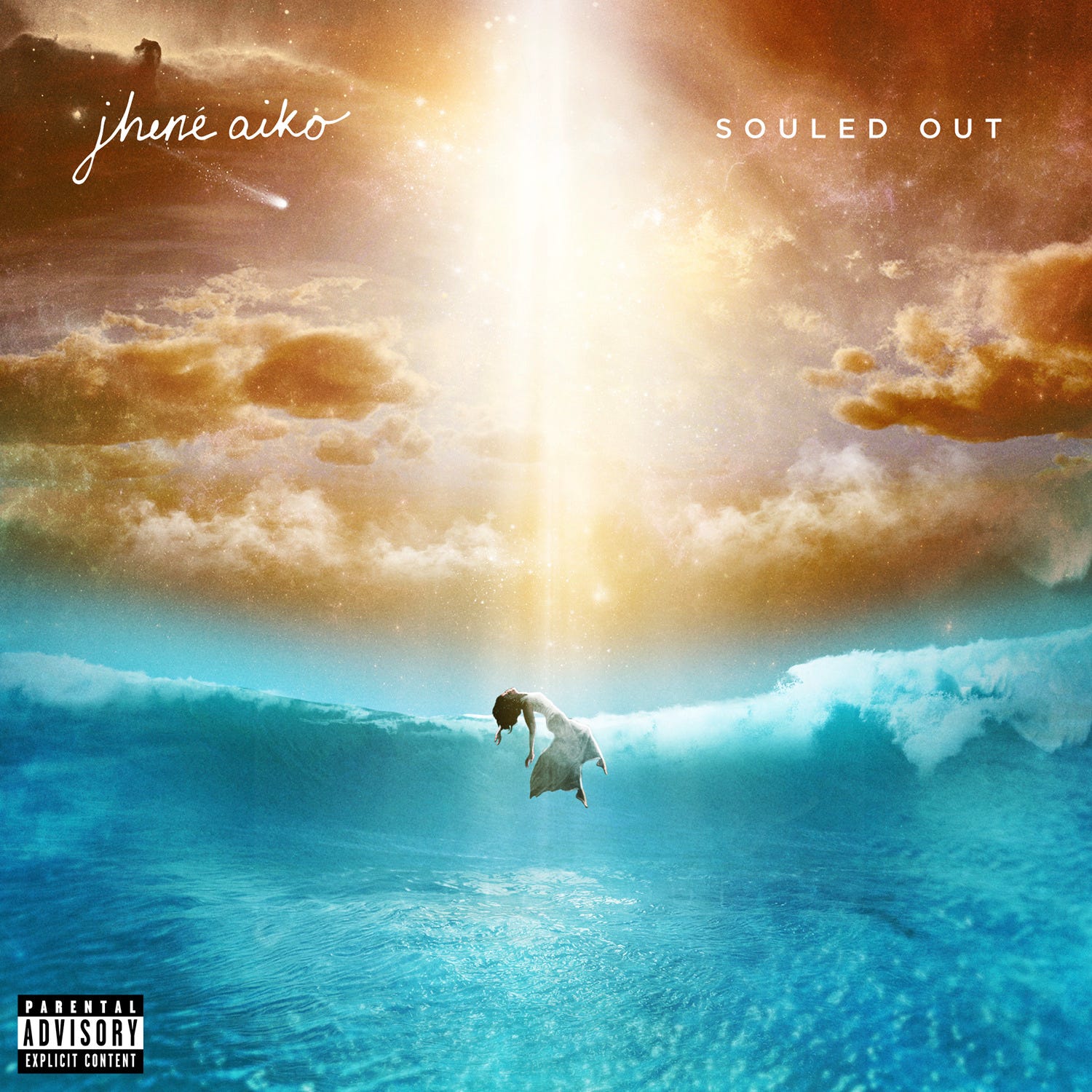
From her epoch-making mixtape Sailing Soul(s)—released alongside The Weeknd’s House of Balloons in the rise of ambient R&B—Jhené Aiko took three and a half years to craft her first full-length album. She signed to Artium Recordings, founded by No I.D. under Def Jam, released the EP Sail Out, and then unveiled Souled Out. The cover art alone is striking. One might mistake it for a spiritual jazz album rather than an R&B debut. But it aligns with the concept of depicting a woman’s healing process from heartbreak. From here on, Aiko’s albums often explored themes of solace and salvation. Souled Out marks a key starting point for that. As each track plays, the atmosphere grows more meditative and dreamlike—truly a “healing soul” vibe. Two songs provide the album’s axis: “Spotless Mind” and “Eternal Sunshine.” Both were inspired by Michel Gondry’s film Eternal Sunshine of the Spotless Mind, about a couple who erase each other from memory.
Jhené’s “Spotless Mind” aligns her own emotions with the film’s heroine, also reflecting the album’s gentle island-tinged undercurrent. There’s “W.A.Y.S.” (short for “Why aren’t you smiling?”), named after a favorite phrase of her late brother Miyagi, who passed away from a brain tumor in 2012, as well as “Promises,” featuring his voice along with her daughter Namiko’s. “The Pressure” tackles the challenges she faces as an artist. Personal elements run deep, leaving only one major guest: Common on “Pretty Bird (Freestyle).” Her rapper-like attitude—an outgrowth of her admiration for 2Pac—appears here too, with references to 2Pac’s “Picture Me Rollin’” in “Wading” and 50 Cent’s “Many Men” in “To Love & Die.” Production comes courtesy of longtime collaborator Fisticuffs and, crucially, No I.D., plus a single appearance by Thundercat. —P
The Internet, Ego Death
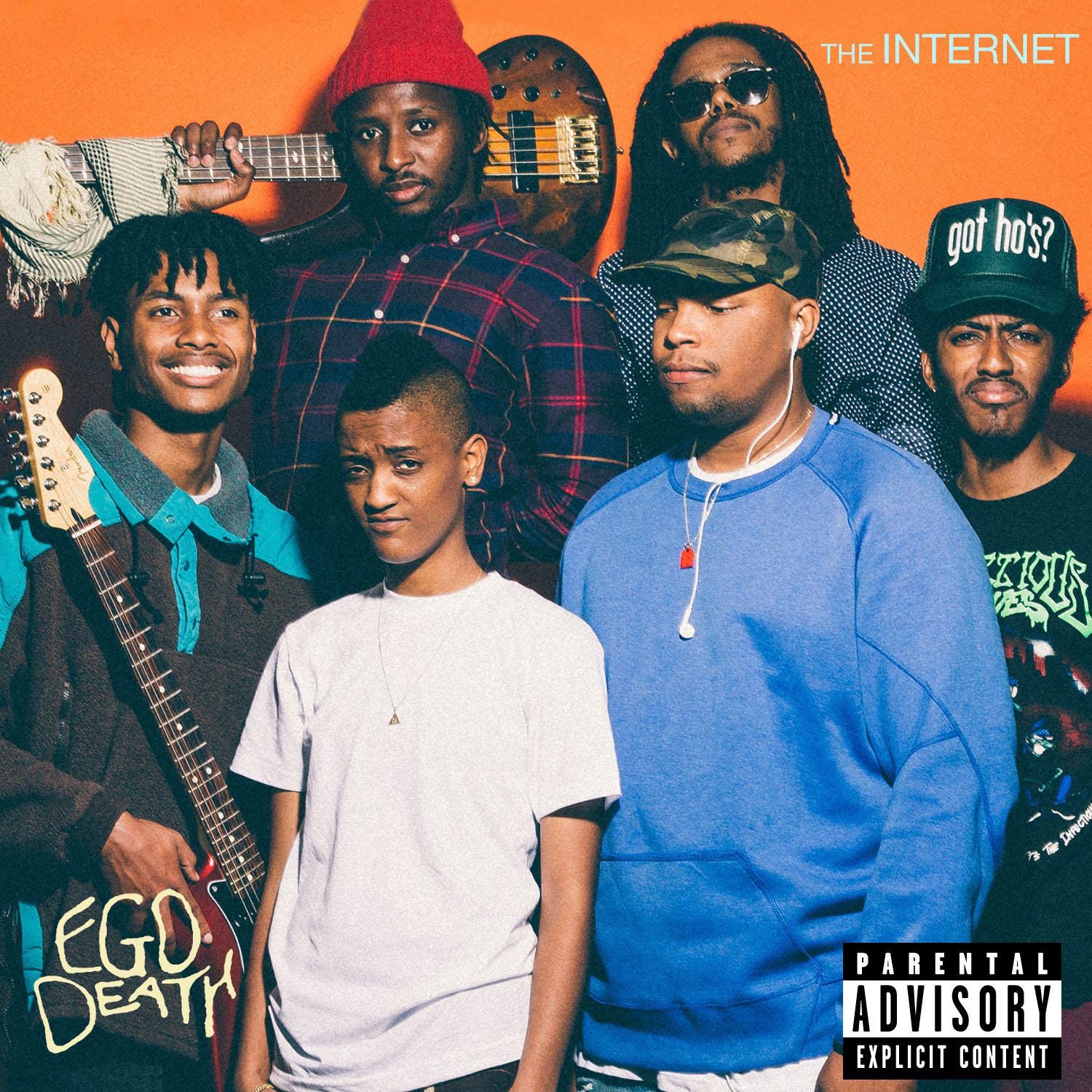
With each new release, The Internet seems to evolve further. Their third album, Ego Death, saw the addition of keyboardist Jameel Bruner (Thundercat’s younger brother) and a then-teenaged guitarist/bassist, Steve Lacy, forming a six-member band (Bruner would later depart). This expanded lineup brought a more unified ensemble groove and a stronger “band” feel. Core members Matt Martians and Syd still guide the project, but Matt has noted in interviews that everyone on The Internet can make beats—“That’s the cool part.” Compared to their prior albums, Ego Death has deeper, more complex tracks.
“Just Sayin/I Tried” merges two songs, the first produced by Steve Lacy and drummer Christopher Smith, the second by Daniel Bambaata Marley (Bob Marley’s grandson) and Smith, showcasing the group’s multifaceted style and Syd’s shifting vocal tones. “Get Away” is a propulsive opener; “For the World,” featuring James Fauntleroy, highlights Syd’s gift for melodic, pop-savvy songwriting. Collaborations with Janelle Monáe on “Gabby” and KAYTRANADA on “Girl” push boundaries with bolder soundscapes. The album ends with “Palace/Curse,” opening with Tyler, The Creator asking, “You’ve never been to a party?”—it marks his first cameo on a track by The Internet, anchored by a massive bass line. Ego Death was nominated for Best Urban Contemporary Album at the 58th Grammys, cementing The Internet’s status as a band truly shaping the sound of their era. —B
The Weeknd, Beauty Behind the Madness
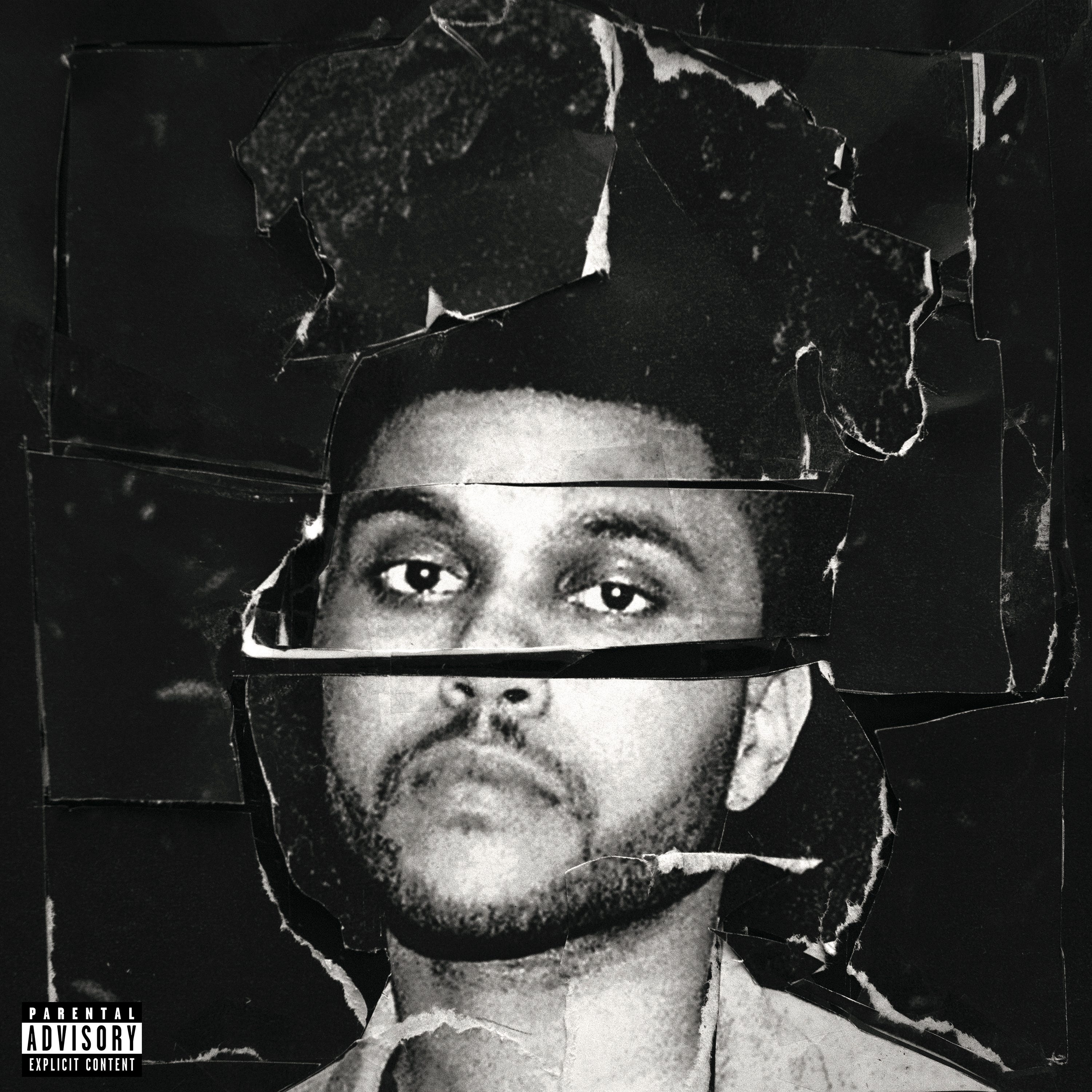
With House of Balloons in 2011, The Weeknd ignited the ambient R&B trend and instantly became the talk of the music world—but his official debut, Kiss Land, failed to yield a major hit single or strong sales. To make a comeback, he teamed up with Max Martin via Ariana Grande’s “Love Me Harder.” Though collaborating with today’s top hitmaker involved some creative clashes, The Weeknd gleaned the secrets of making smash hits—and continued working with Max Martin on his next album.
The result was Beauty Behind the Madness. The Weeknd credits Max Martin for helping transform his “dark, skewed” music into something accessible to a wider audience. The prime example is his first U.S. No. 1 single, “Can’t Feel My Face,” which draws clear inspiration from Michael Jackson. Even Quincy Jones praised it, and among the many MJ tributes from that era’s disco revival, “Can’t Feel My Face” may stand as the pinnacle—an homage that honors the King of Pop while preserving The Weeknd’s gothic edge.
Freed by Martin’s influence, The Weeknd expanded his range more than ever. Noteworthy are the grimy trap-soul vibe of “The Hills,” the second-line beat in “Losers,” both polished by longtime collaborator Illangelo. Kanye West contributed to a rework of Soul Dog’s “Can’t Stop Loving You,” retitled “Tell Your Friends.” Add a pitch-black blues duet with Ed Sheeran in “Dark Times” and a decadent collaboration with Lana Del Rey on “Prisoner,” the guest performances become vibrant cornerstones. Beauty Behind the Madness soared beyond a million in sales, confirming The Weeknd’s giant stride toward global pop dominance. —P
Albums/Mixtapes/EPs That Defined the Era
Janelle Monáe, The ArchAndroid
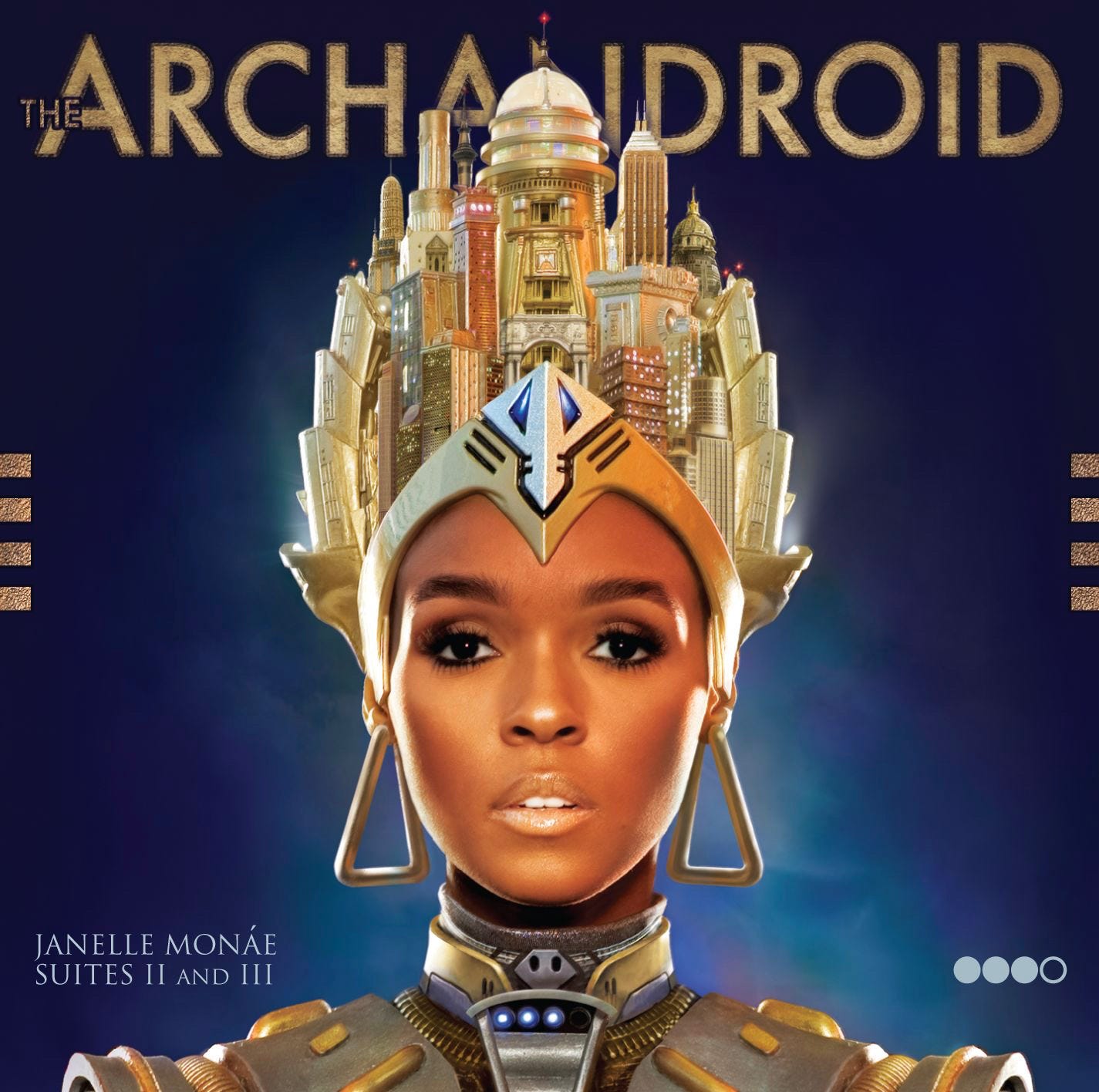
Monáe’s debut suite is a widescreen Afrofuturist statement which uses R&B as a launchpad rather than an arrival. Woven into its android-liberation narrative is torch-song crooning next to psych-soul (“Mushrooms & Roses”), orchestrated funk, and stadium-size guitar solos, anchored by tight, hip-hop-inflected drums. The ambition was every bit as important as the melody; linking Stevie Wonder’s utopian ideals to OutKast’s restlessly pluralist ambitions, Monáe cracked the door open for R&B records that could be conceptual and defy categorization. —B
Miguel, All I Want Is You
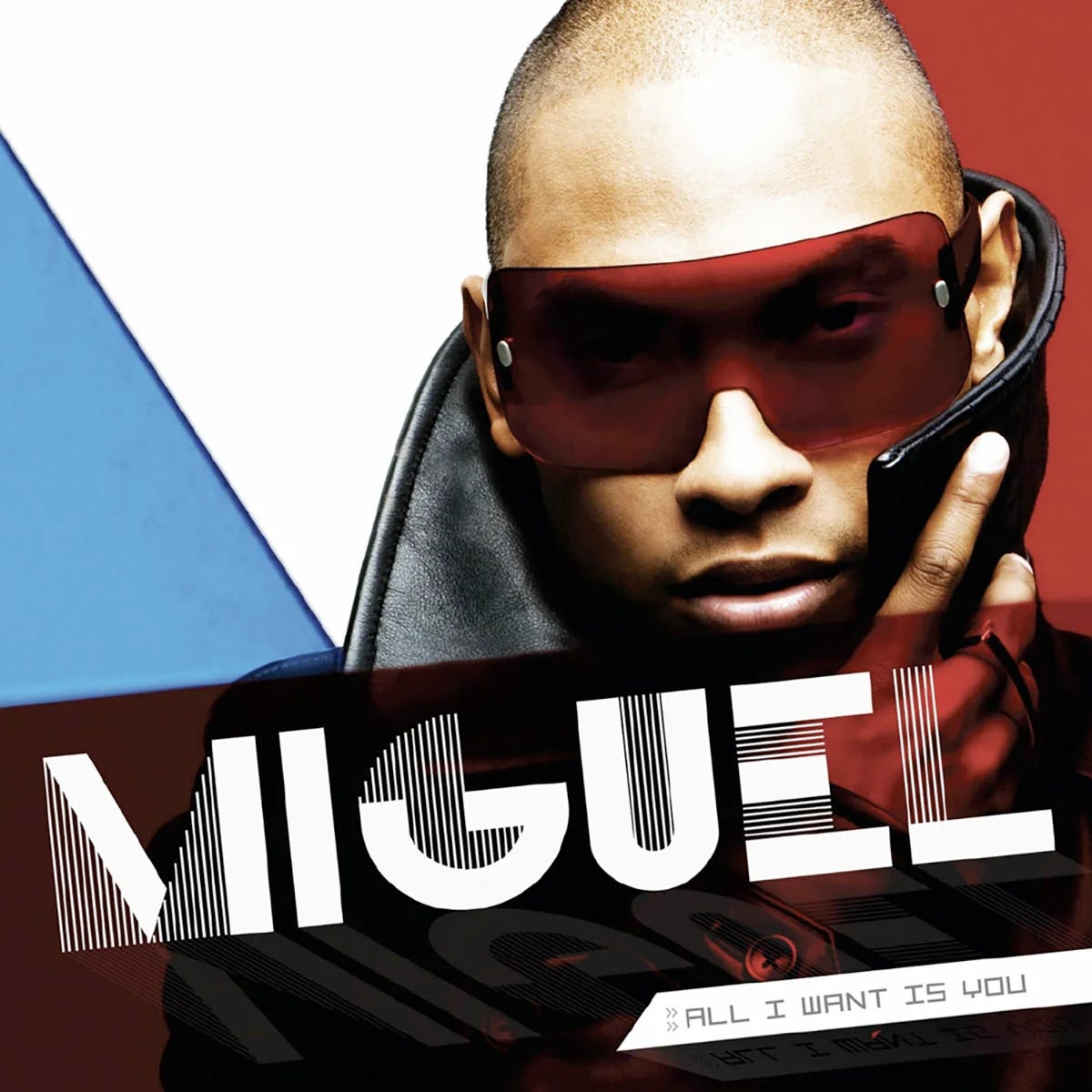
Miguel’s first album, which is by turns whisper-sweet over J Dilla-tinged drum loops and in-your-face with heavy electric guitar hooks, hints at his later psychedelic output through the collision between tactile bedroom soul and alternative-rock textures, while songs such as the viral-in-2023 hit “Sure Thing” are already positioning vulnerability as swagger, an indelible part of alt R&B. Though the record’s home-studio grime prevent the catchiness of the hooks from being overtly pop, its production implies that what the more earnest-feeling, emerging on-Tumblr crooners would soon do on their own terms: put DIY polish onto indie R&B. —P
Jhené Aiko, Sailing Soul(s)
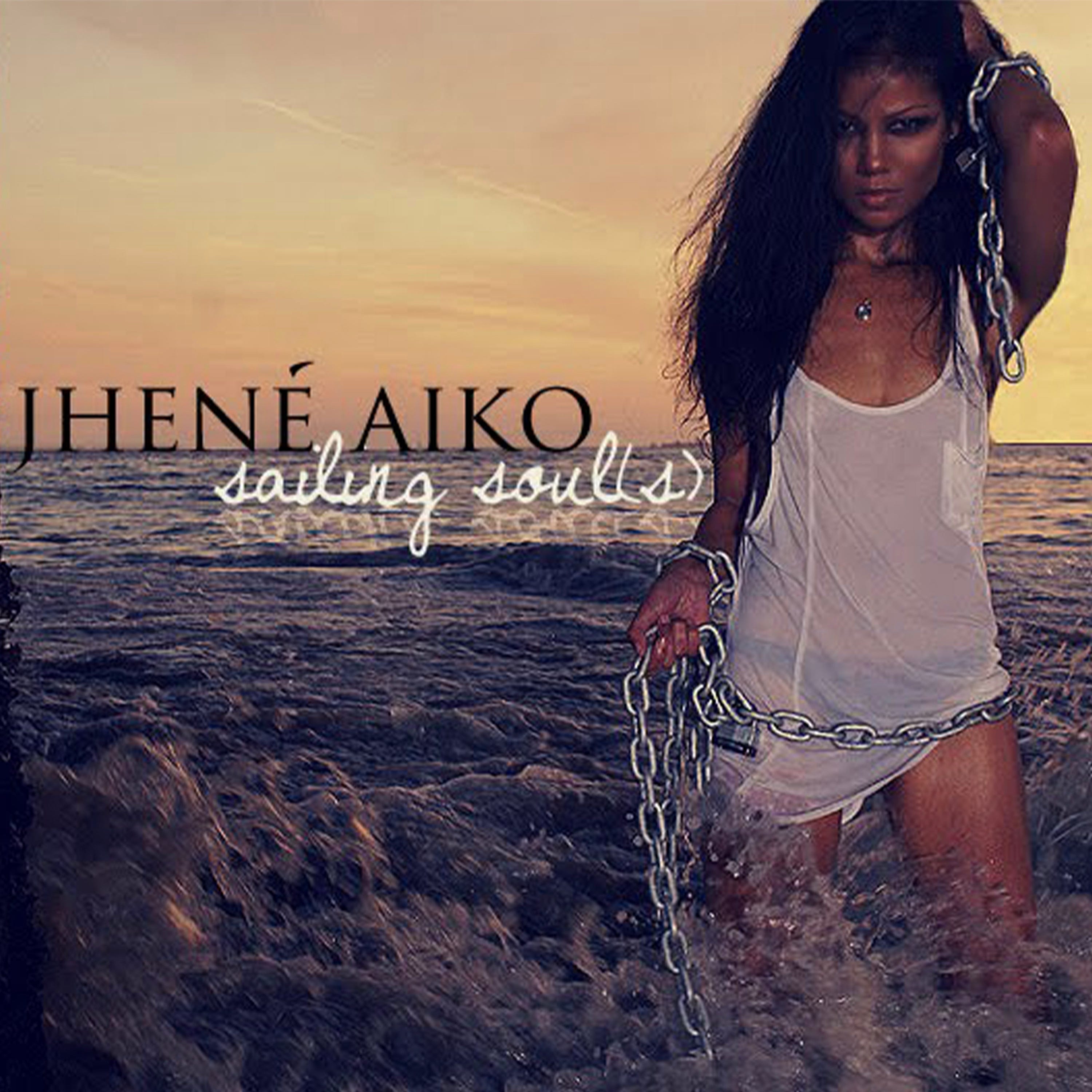
Having begun her career penning songs for B2K at a young age, Jhené Aiko was forced to take a break to raise her child, but quickly resurfaced. She balked at the idea of marketing herself insincerely as suggested by an executive at her label, and instead opted for her motto, “Sailing not Selling,” which would become the title of the record. The floaty, abstract nature in her lyrics and vocal delivery combine with Fisticuffs-produced ambient backdrops and hazy, hazy vocal production that would be crucial to 2010s Alt-R&B; this project arguably made the statement that alt R&B would come into its own soon. —P
Beyoncé, 4
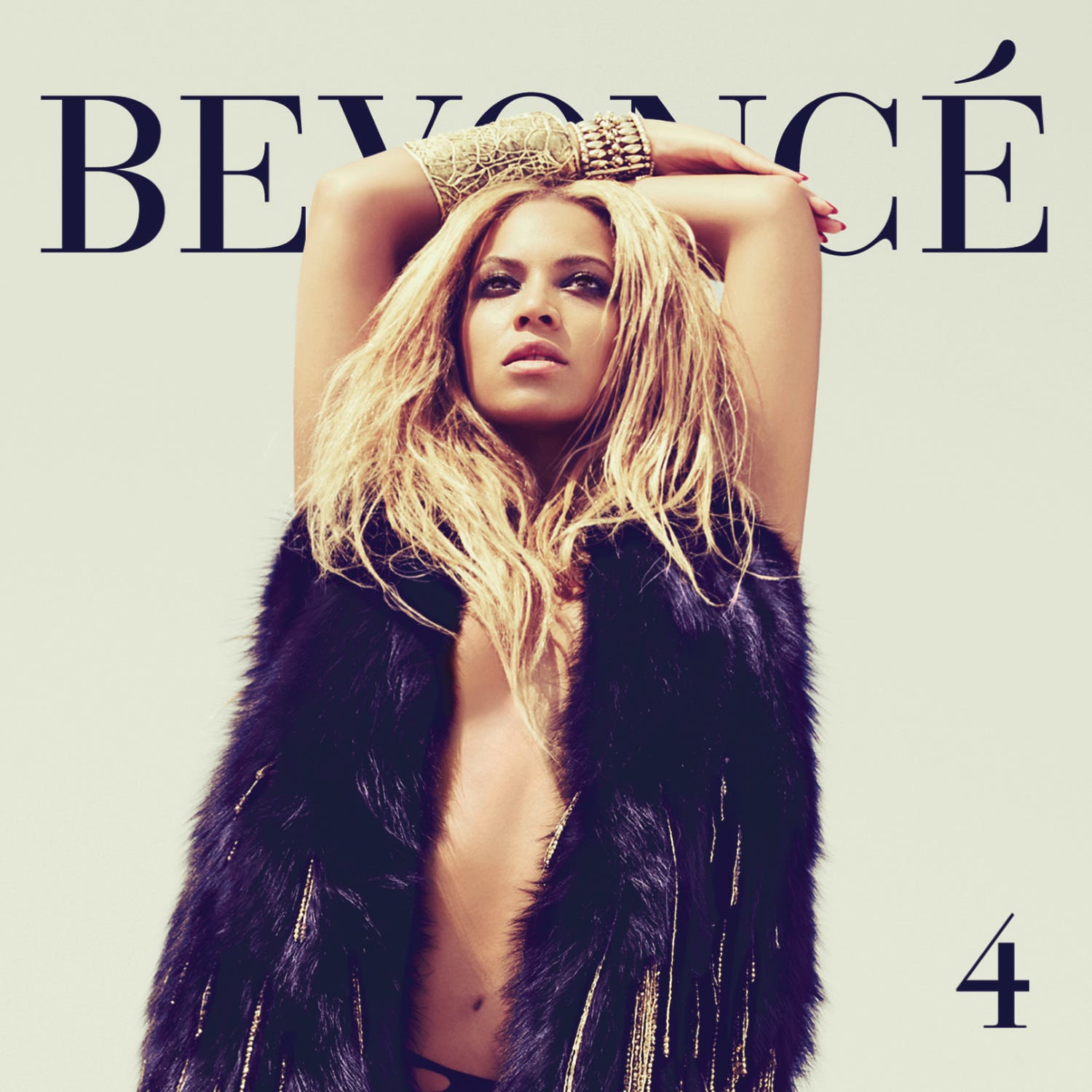
Though adding 4 might be questionable, given how far the project deviates from the indie feel that usually denotes its influence, the way the album utilizes vintage soul aesthetics (“Love on Top”) alongside Fela-inspired polymeters (“End of Time”) and a slowed down torch-song feel (“1 + 1”) allowed the mainstream R&B scene to experiment with less-conventional chord changes and live bands while Beyoncé’s unpolished vocals (raw, melisma-lite) prove that even with an arena-sized platform, artistic integrity was possible, setting the tone for the many Alt-R&B artists of the future. —B
The Weeknd, Thursday
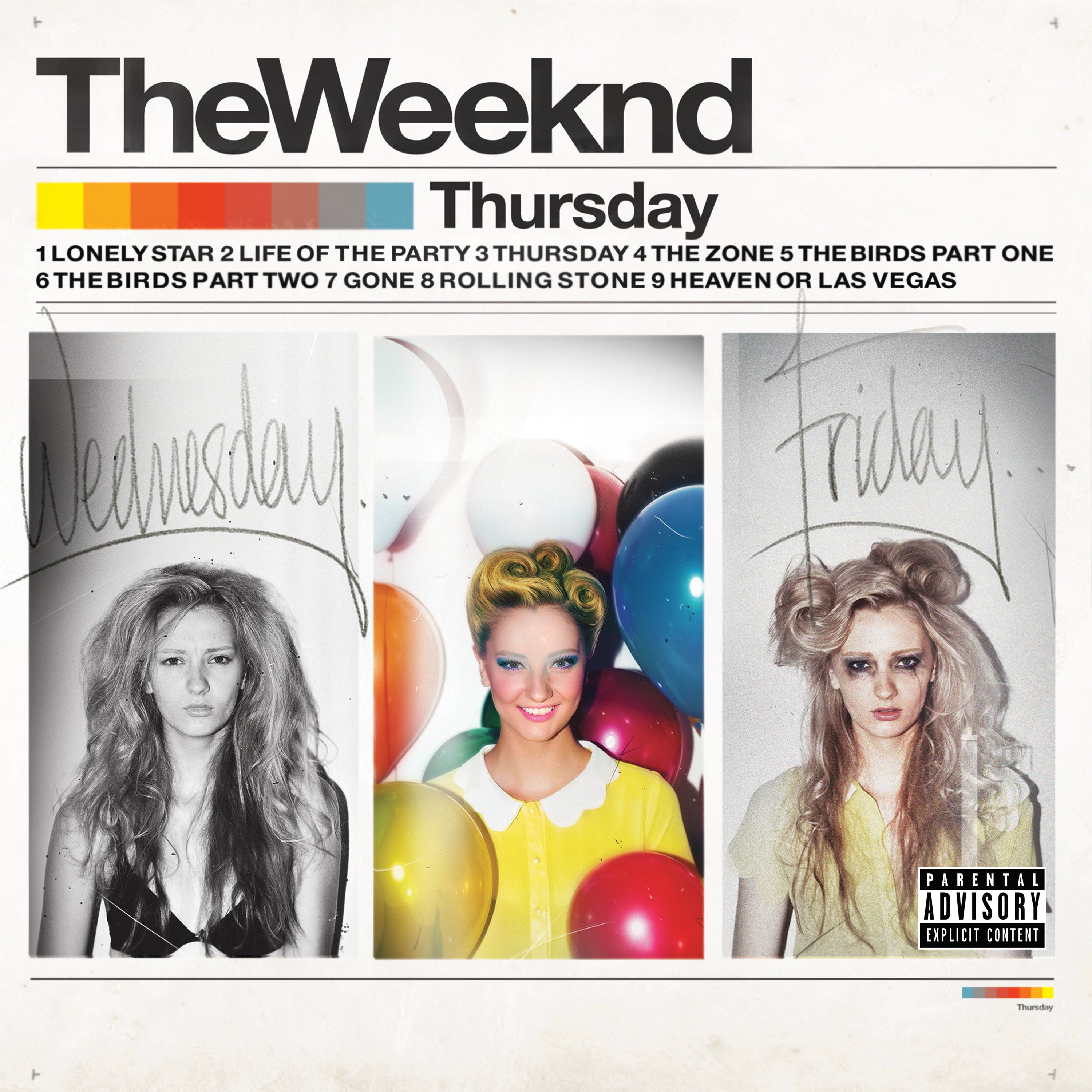
The second part of Abel Tesfaye’s narrative arc is a perfect distillation of Alt-R&B’s noir-bent tendencies, with drug-infused slow-motion production, horror-movie synths, and hedonistic lyrical narratives which reflect on the personal toll of the lifestyle. Illangelo’s echoey snares and warped synths create the perfect landscape for Tesfaye’s ethereal, often seductive, falsetto, and the cinematic bleakness in this mixtape’s music laid down the blueprints for an arthouse R&B or after-hours strip club anthem. —B
Goapele, Break of Dawn
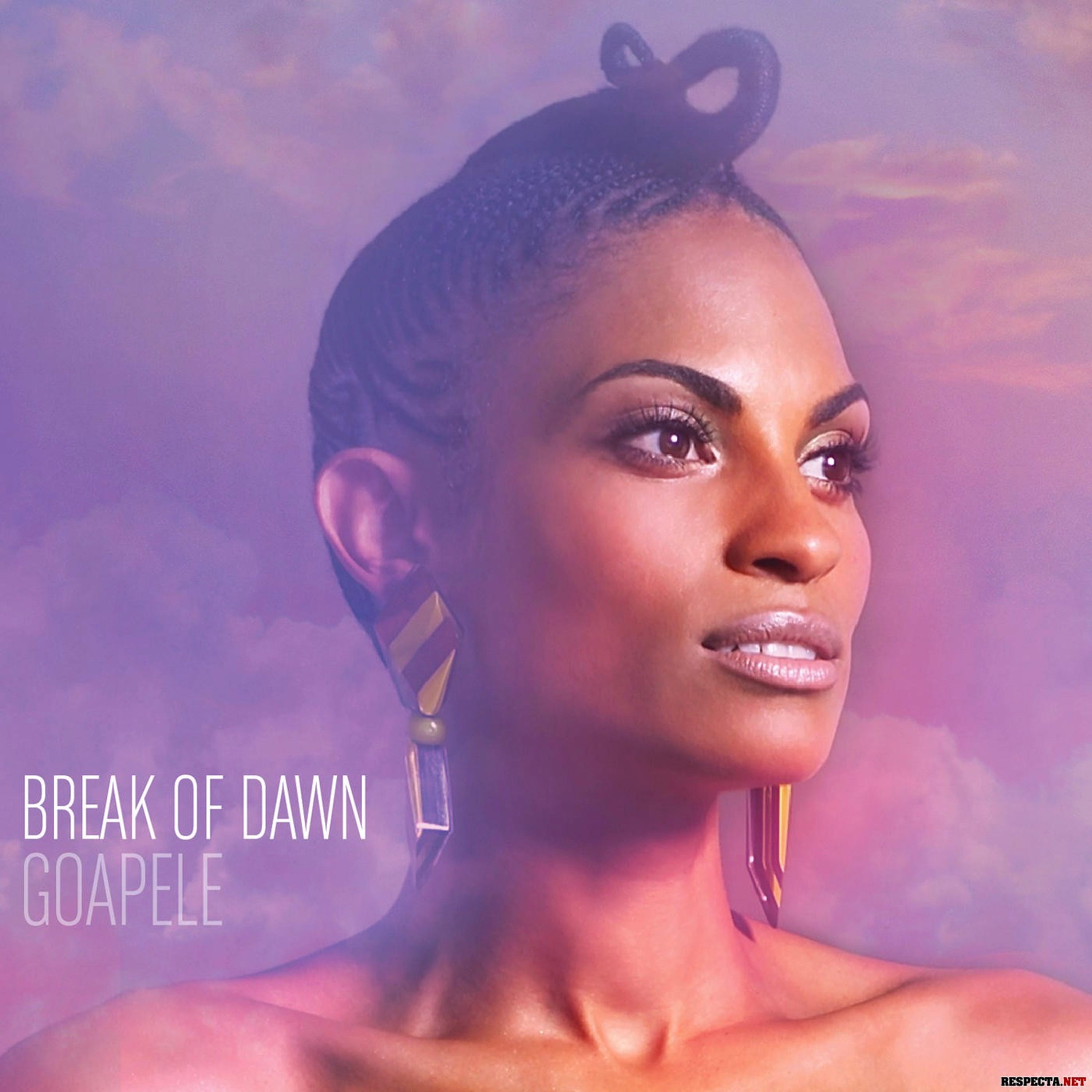
A Bay Area vet returning after a six-year break, Goapele offers a unique blend of organic soul elements (live Rhodes, jazz chord voicings) and modern beats which incorporates both sub-bass wobble and electronica synths in a soundscape that proves the extent to which alternative R&B was willing to accommodate its lineage while venturing into contemporary sounds. Her phrasing bends itself to each rhythm which, unlike those in previous neo-soul, refuses to settle for one groove, indicating how the genre could embrace classic soul arrangements alongside experimental electronic beats. —P
The Internet, Purple Naked Ladies
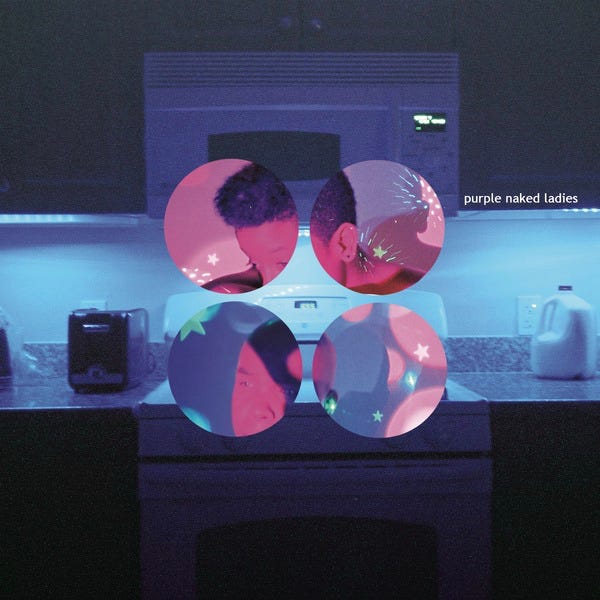
From the moment this band dropped, they sounded like a familiar R&B melody being fractured—via lo-fi filtering, rapid drum machines and the almost-whispered sincerity of Syd—the sound re-imagined the genre to include an “indie” bedroom R&B soundscape, with a queer woman’s experience within its mix. This loosely constructed (a lá D’Angelo’s Voodoo via Garageband) format truly sealed the embrace of lo-fi production and unconventional voices on the fringe of R&B. —B
The Weeknd, Echoes of Silence
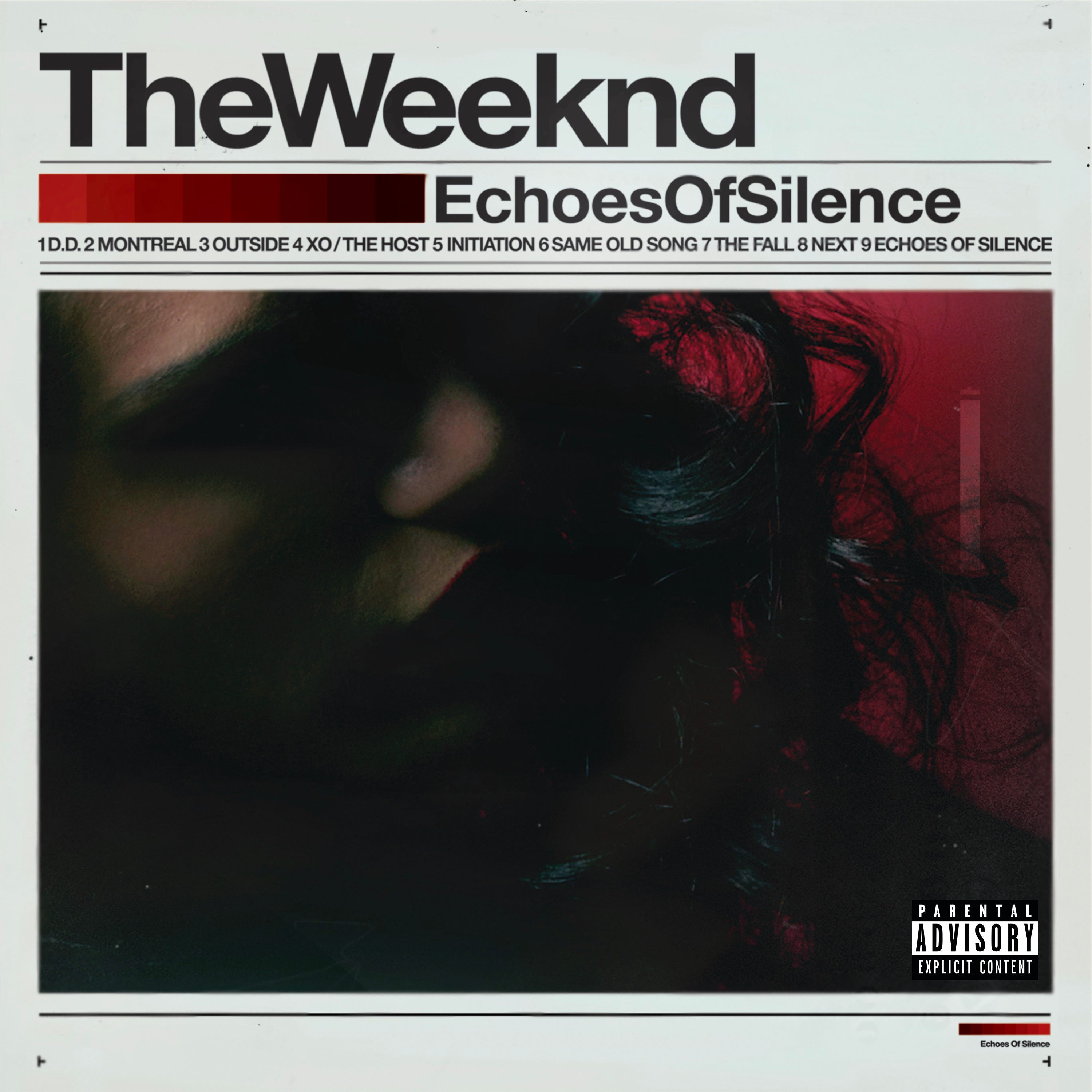
Where Thursday was the shadow self, Echoes embraced the spotlight—with spare piano chords, pitch-shifted madness and post-rock voids. The infectious title track, which transformed R&B to shoegaze, as well as his cover of Michael Jackson’s “D.D.,” were transformative not through cover songs or past eras, but by inverting music and adding the antidote to nostalgia in the Alt-R&B space. —P
JMSN, †Priscilla†
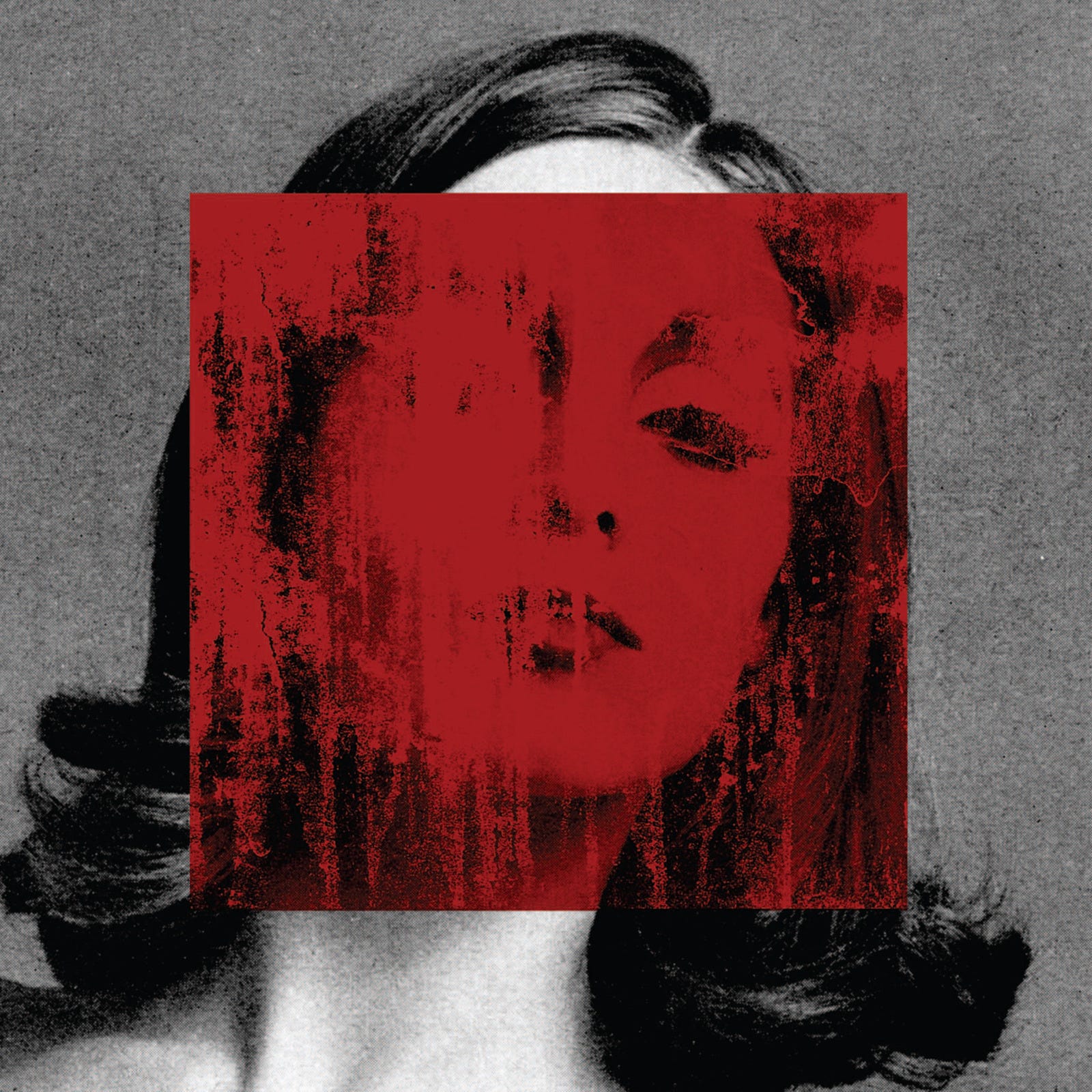
Singer-producer, Detroit-via-LA JMSN, dipped his gospel chord progressions in spectral reverb, glitchy percussion, and industrial clang. The project’s Catholic imagery and agonized falsettos gave heartache a sacredness that, combined with his self-produced distribution and emphasis on mood boards as integral components to the project, made this truly an indie Alt-R&B project. —B
Tinashe, In Case We Die

Even before “2 On,” Tinashe was combining airy vocal stacks on top of half-time, murky beats heavily influenced by Clams Casino and Salem, and creating a hazy R&B sound that focused more on textures and repetition rather than clarity. The music sounds exactly like flashing neon lights through fog and helped her cultivate a dark pop flavor in her later major label work. She showcased that choreographic instincts could thrive on even the most left-field and distorted of production. —P
Estelle, All of Me
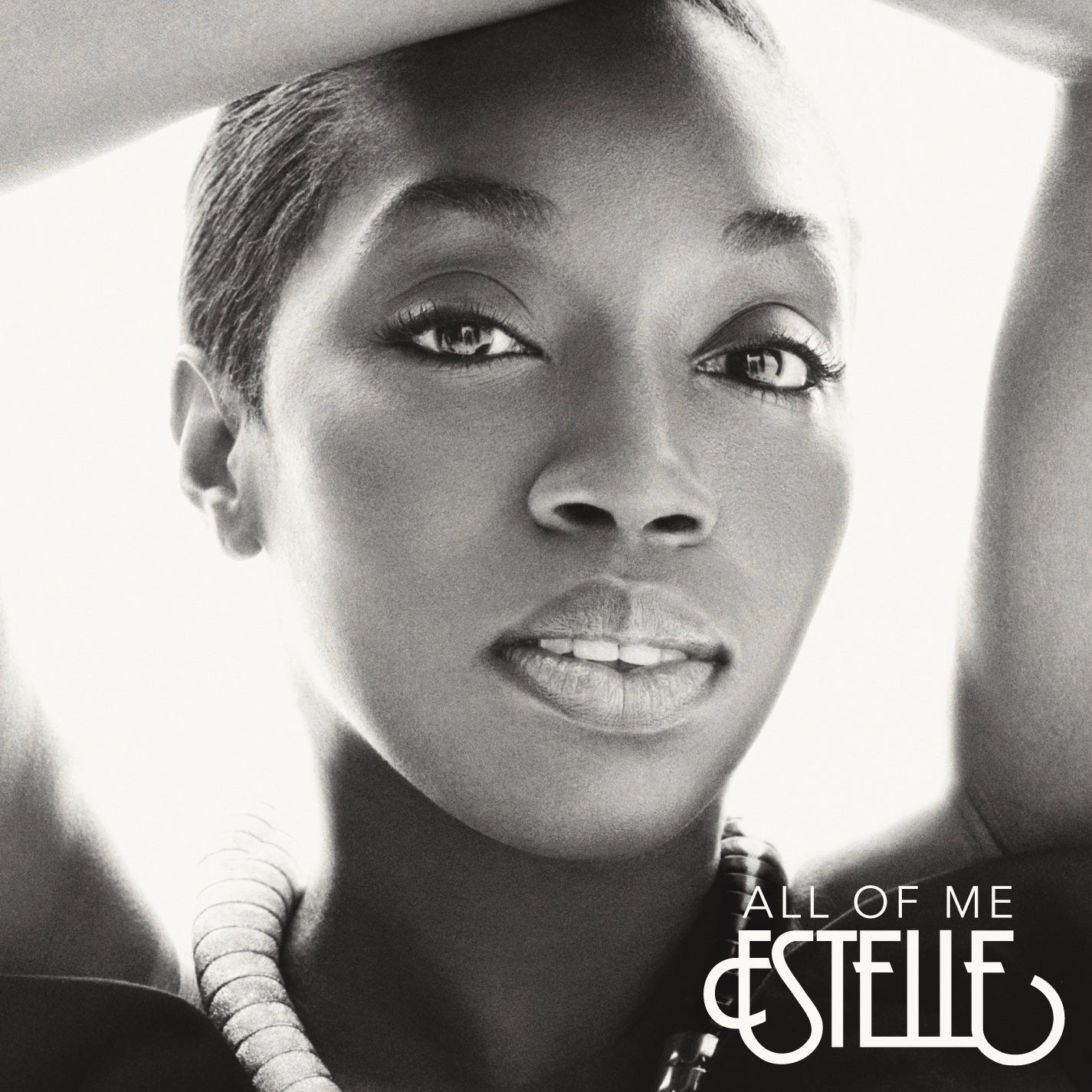
Estelle mashed together British club sensibility with Southern phrasing and strung together social media voicemails between songs, as narrative framing, that, coupled with her polished production and eclectic guest choices (from Rick Ross to Janelle Monáe), helped underline the border-erasing and diasporic conversation taking place in this unique and innovative R&B experience. —B
Robert Glasper Experiment, Black Radio
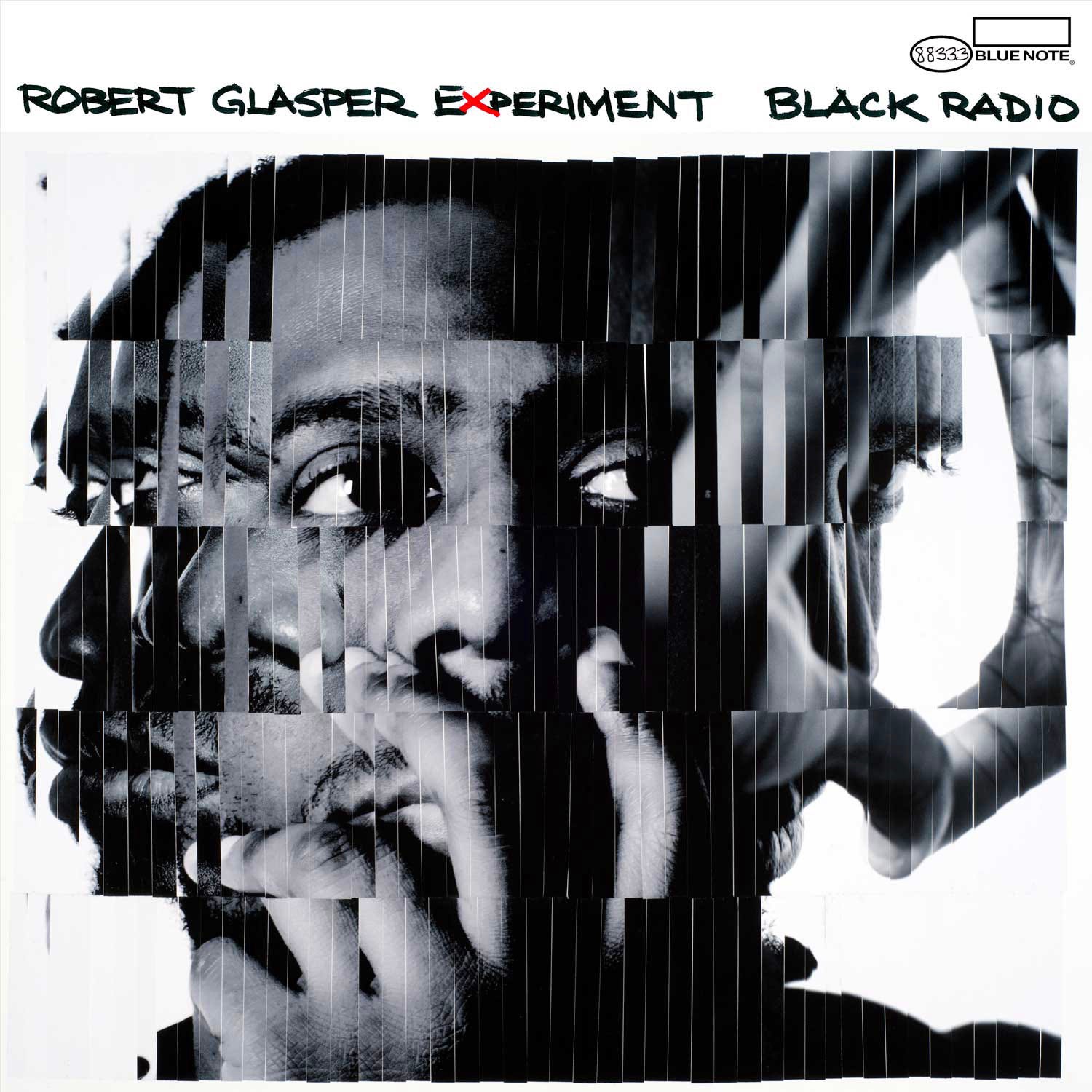
Glasper’s ensemble layered R&B vocals over a spacious jazz trio, with a Dilla-esque groove, that encouraged everyone from Erykah Badu to Lupe Fiasco to experiment with melodies that clashed against the harmonic structure, but proved that Alt-R&B didn’t need to be minimal and can co-exist within jazz circles just as easily as it did in laptop settings, bringing both the jazz festival-goer and the R&B playlist-listener together. —P
Sy Smith, Fast and Curious
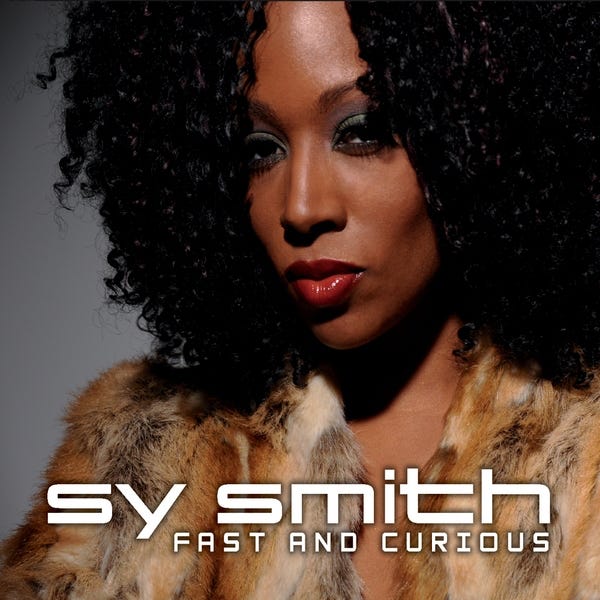
Before working with The Brand New Heavies and touring with Chris Botti, Smith layered her vocals over synth funk-grooves that drew inspiration from 80’s boogie and even progressive house, where producer Mark de Clive-Lowe’s signature broke-beat patterns added an unpredictability to the groove, pushing listeners to find a new pocket to dance in. Her sound also highlighted a lesser-told strand of Alt-R&B music, which comes from the underground London, Los Angeles, and Philly electronic scenes. —B
Yuna, Yuna
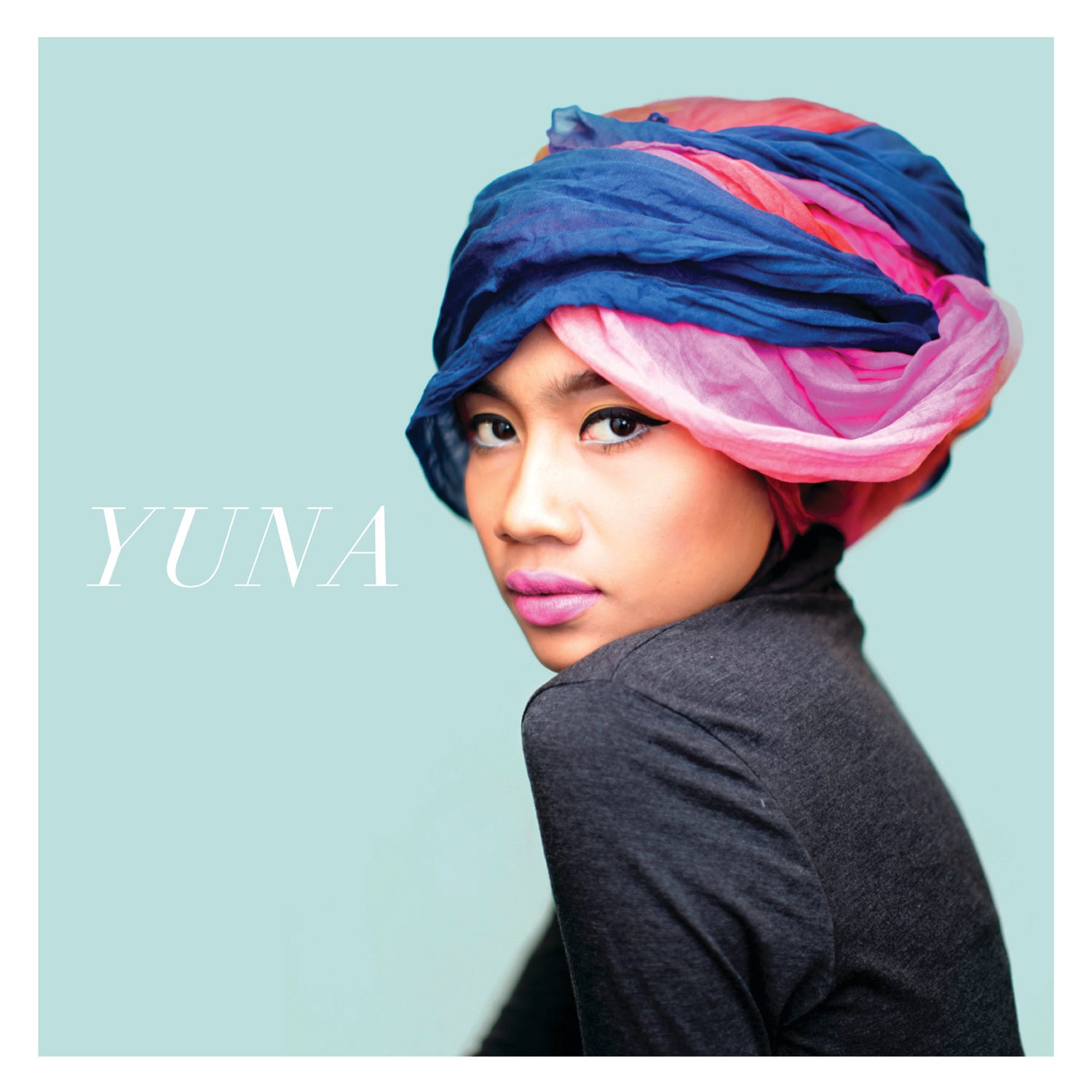
Her US debut softens acoustic singer-songwriter intimation with a crisp beat and a cloud pop-esque guitar delay resembling The xx. Producer Pharrell Williams reimagined “Live Your Life,” replacing traditional sounds with syncopated claps and a slinky bassline, leaving ample room for Yuna’s breathy falsetto- that bridges the gap between Aaliyah and Feist to hover. Her fusion of styles represented an early phase of Alt-R&B’s globalization, indicating that bedroom confessional style pop music had no language barriers. —P
Alex Isley, Love/Art Memoirs
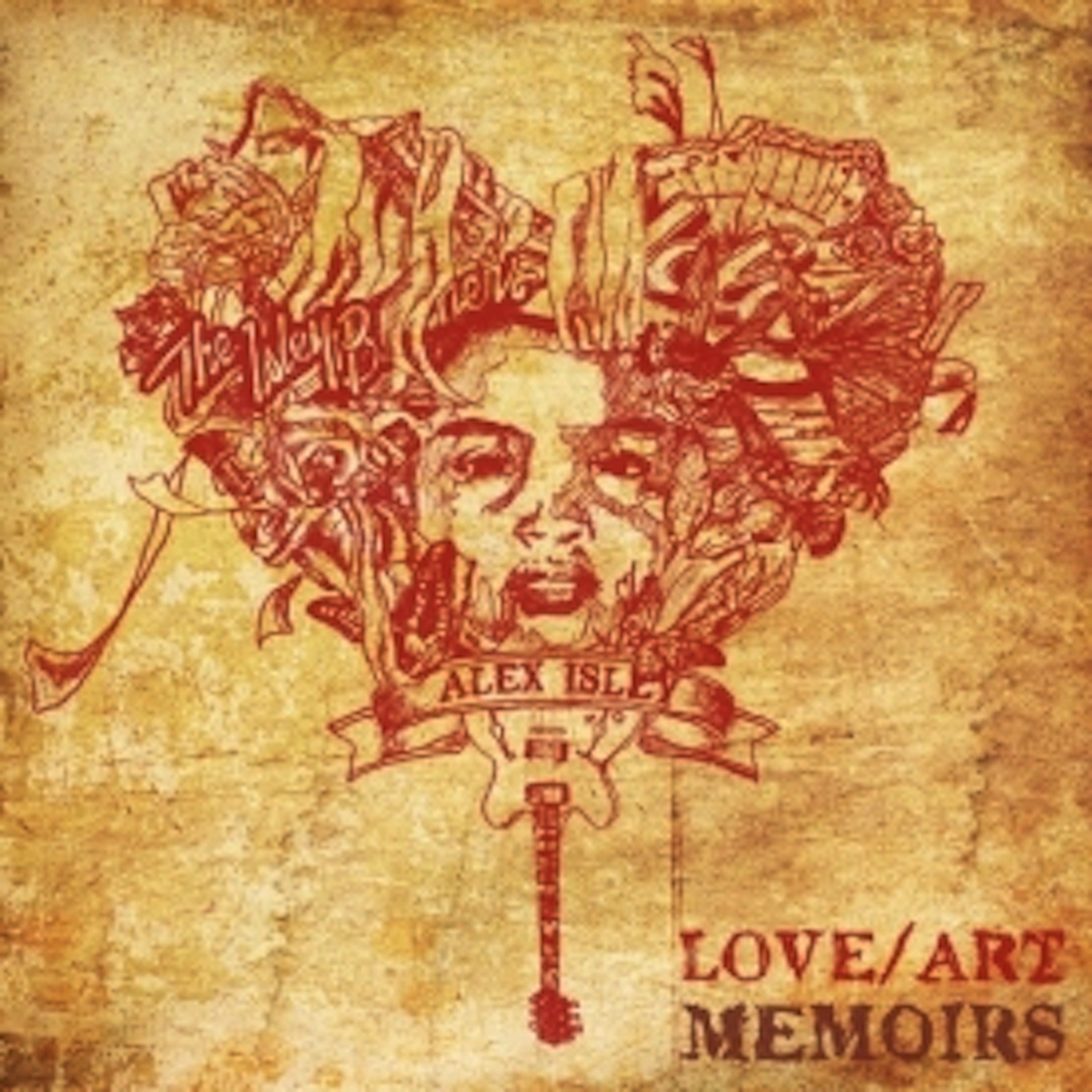
As the daughter of The Isley Brothers’ Ernie Isley, Alex Isley’s silken head voice is layered over a Fender Rhodes-heavy, self-produced arrangement with side-chained swell pads. Her delicate and sparse harmonies that echo her father’s, along with her interplay between jazz phrasing and muted, low-fidelity drums and sparse chords, would foreshadow YouTube’s “study beats,” creating the sound of quiet-storm bedroom headphone psychedelia years before the genre even existed. —P
Elle Varner, Perfectly Imperfect
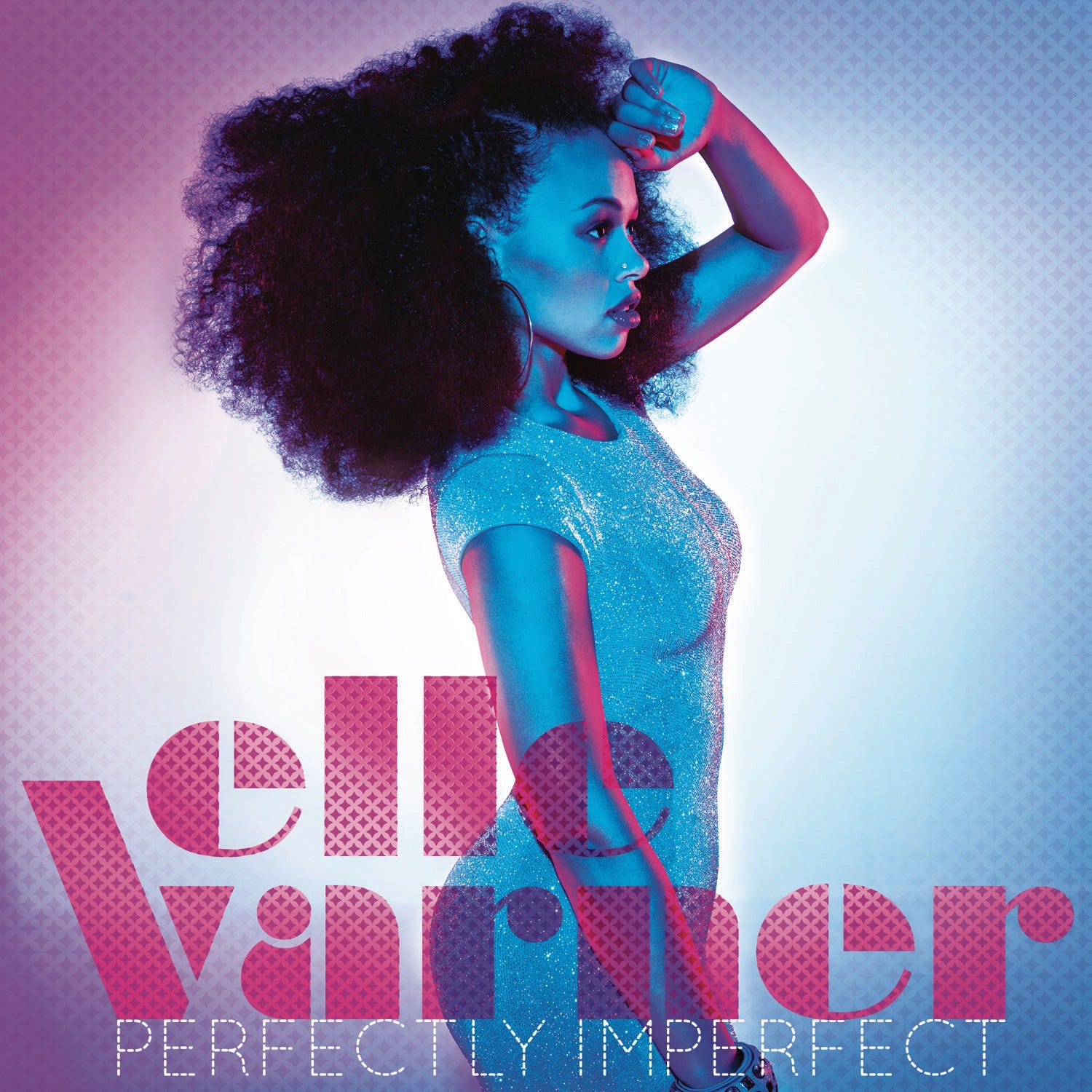
This feels like a patchwork of the entirety of the Black-roots continuum; twangy fiddle and acoustic guitar samples are placed on top of chunky boom-bap beats, and raspy belts transition to a half-spoken cadence reminiscent of the sound that would later find popularity on Soundcloud—as showcased in the tune “Refill” with its country instrumentation and swung-beat hip-hop instrumentation. It offered something to lure the average listener before they eventually became ready for the truly experimental sounds to come within the Alt-R&B canon. —P
Tinashe, Reverie
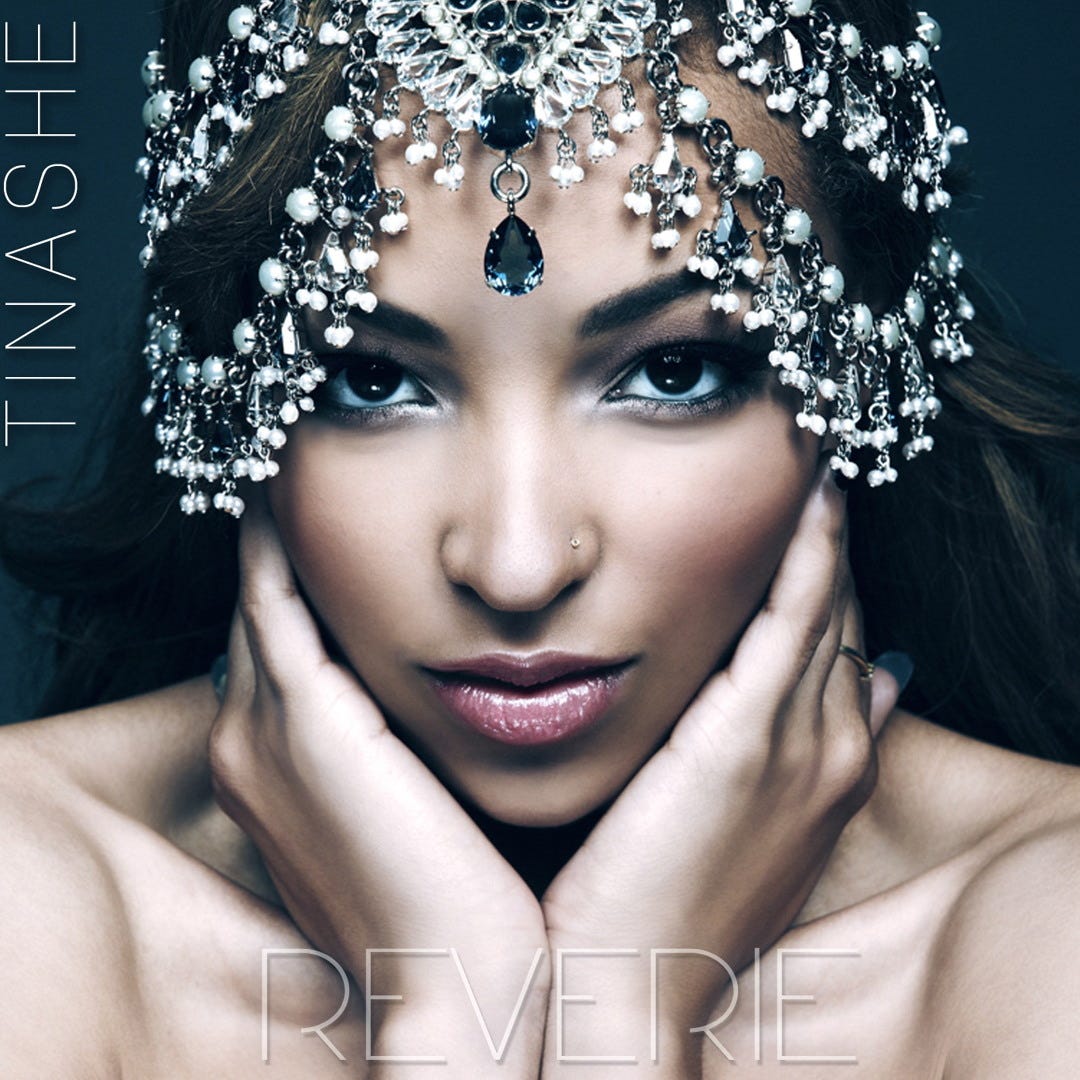
Self-produced and recorded in a bedroom studio, Reverie drowns trance-like vocals in hazy vapor and a sub-bass pulse that has influences from the witch-house and cloud rap scene. The project is less of a song structure and more of a fragmented, humid bedroom-pop experiment with a chopped-and-screwed feel. Tinashe’s light vocal style also became another textural layer in the song and pre-empted the hall-of-mirrors vocal production that would later saturate underground R&B of the streaming era. —B
Brandy, Two Eleven
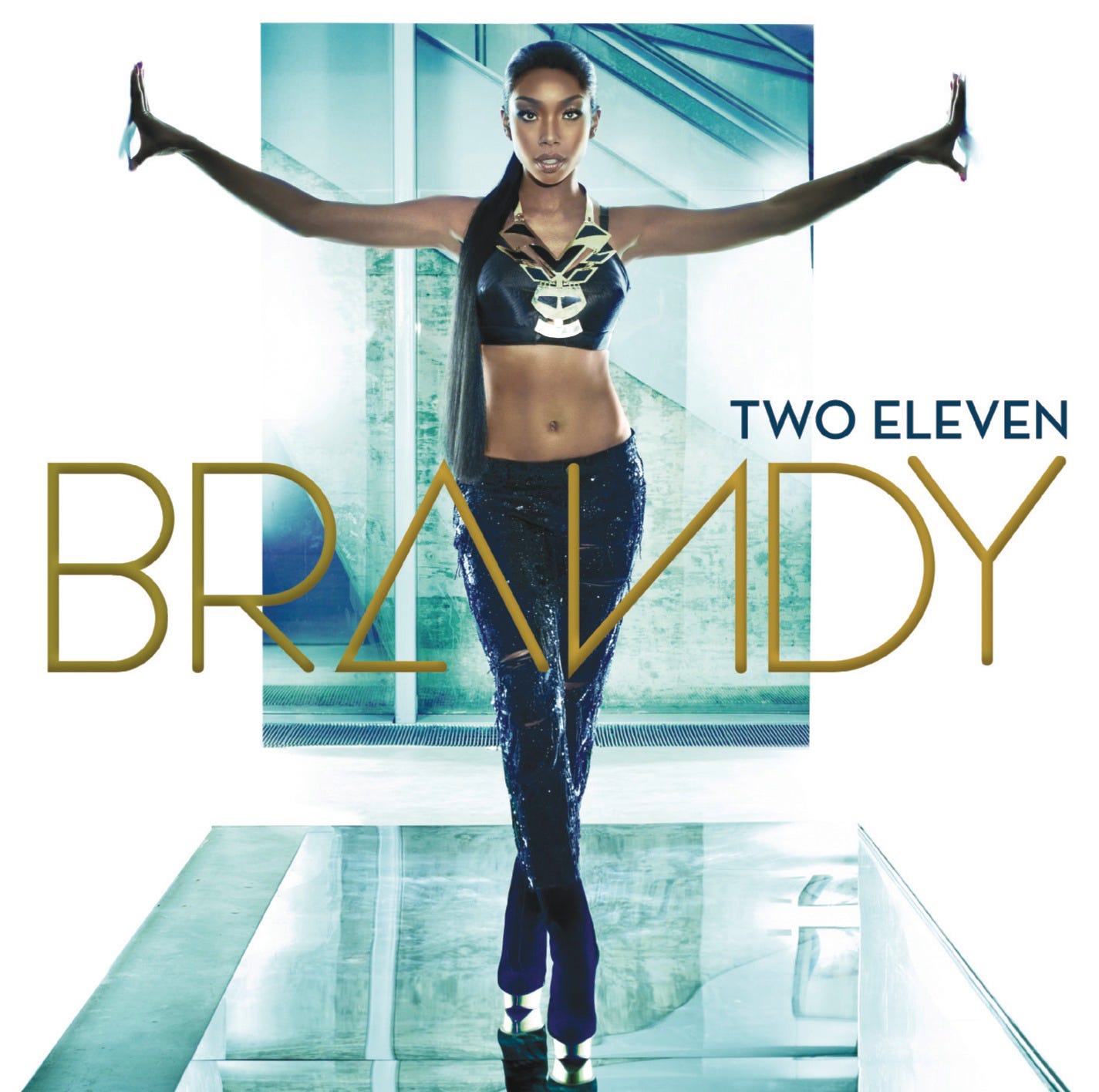
Following a 4-year break, Brandy delivered a refined and spacious album, filled with Mike WiLL’s sub-quakes, Switch’s glistening synths, and a bassline that provides breathing room for her signature, layered vocal arrangements to thrive. This update to her sound brought her husky alto into the modernist-minimalist sound scape, proving that a 90’s diva can indeed be molded into an Alt-R&B singer without sacrificing her gospel-influenced vocal runs. —B
India Shawn, Origin

Built by songwriter-producers Hit-Boy and James Fauntleroy, Origin creates an album with a rubbery synth bass, jazzy guitar fragments and sweeping choral layers as its basis for a nine-track meditation on self-love, while Shawn’s crystalline soprano never demands attention, rather floats on top as one voice among many-the sound of Alt-R&B prioritizing interiority and the quiet-hush of ASMR-esque chilling over belting vocal performances. —B
Rihanna, Unapologetic
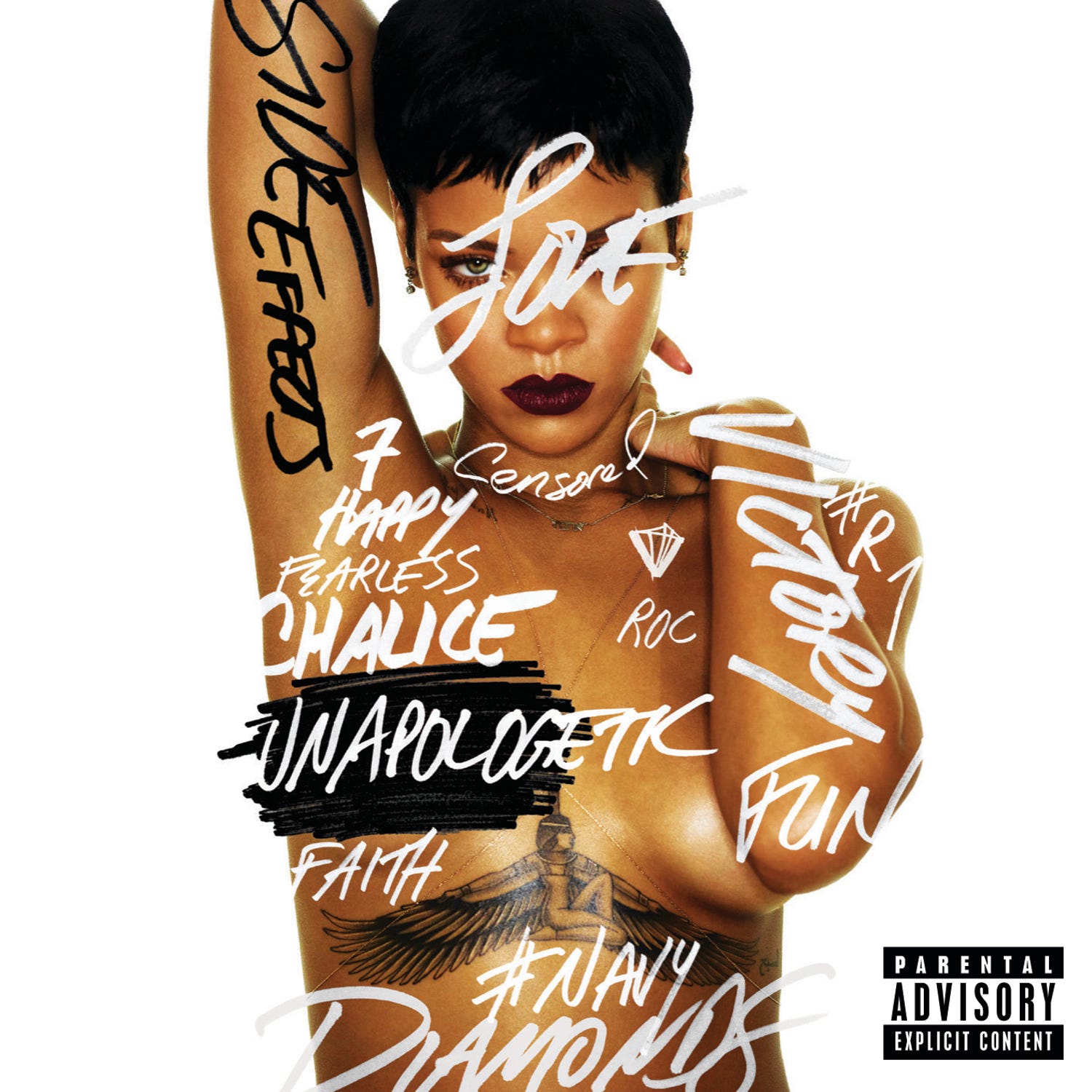
Rihanna’s seventh LP captures an aesthetic of post-dubstep, half-time slow-jams and trap elements with a delicate lyrical sentiment that distinguishes the album from her previous pop offerings. “Loveeeeeee Song” and “Stay,” in particular, strip back the production to a basic keyboard and a reverberating vocal that draws from The Weeknd’s noir soundscape more so than typical top 40 R&B. The track cemented Alt-R&B’s takeover of superstardom. —P
Alicia Keys, Girl On Fire
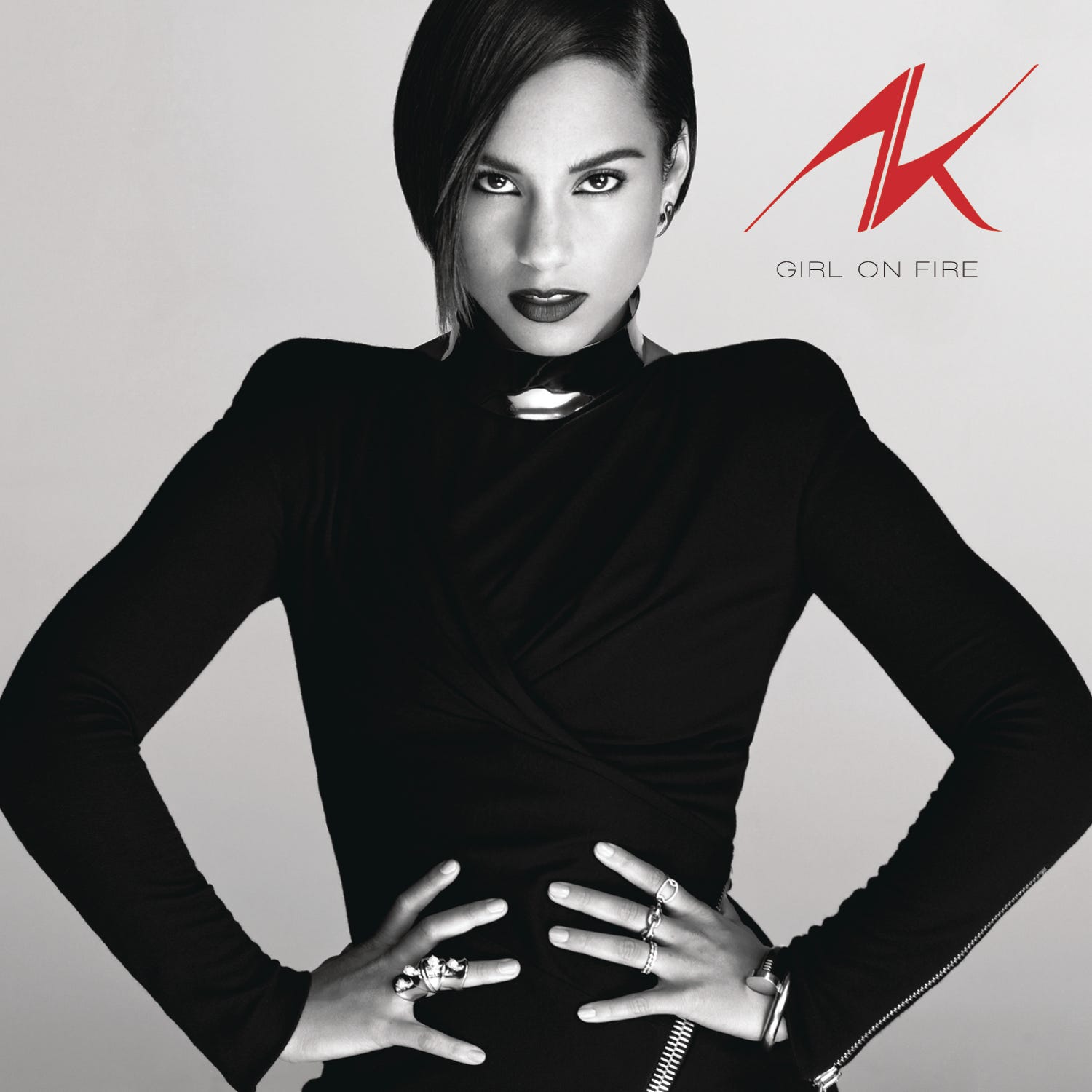
Ever adept at reading the zeitgeist, Alicia Keys enlists Frank Ocean, Bruno Mars, and Jamie xx (among others) for an album anchored in her trademark soulful power. Darkchild (Rodney Jerkins) brings an ambient mood on “Listen to Your Heart,” while Pop & Oak’s production on the sensual duet “Fire We Make” (with Maxwell) is a prime example of spacious R&B. “Limitedless,” also by Pop & Oak, adds a light reggae touch. The record toys with distortion, gospel shout-singing, and cinematic string swells, pushing Keys into riskier textural territory that foreshadowed the rawer, lo-fi edges. —B
Solange, True (EP)
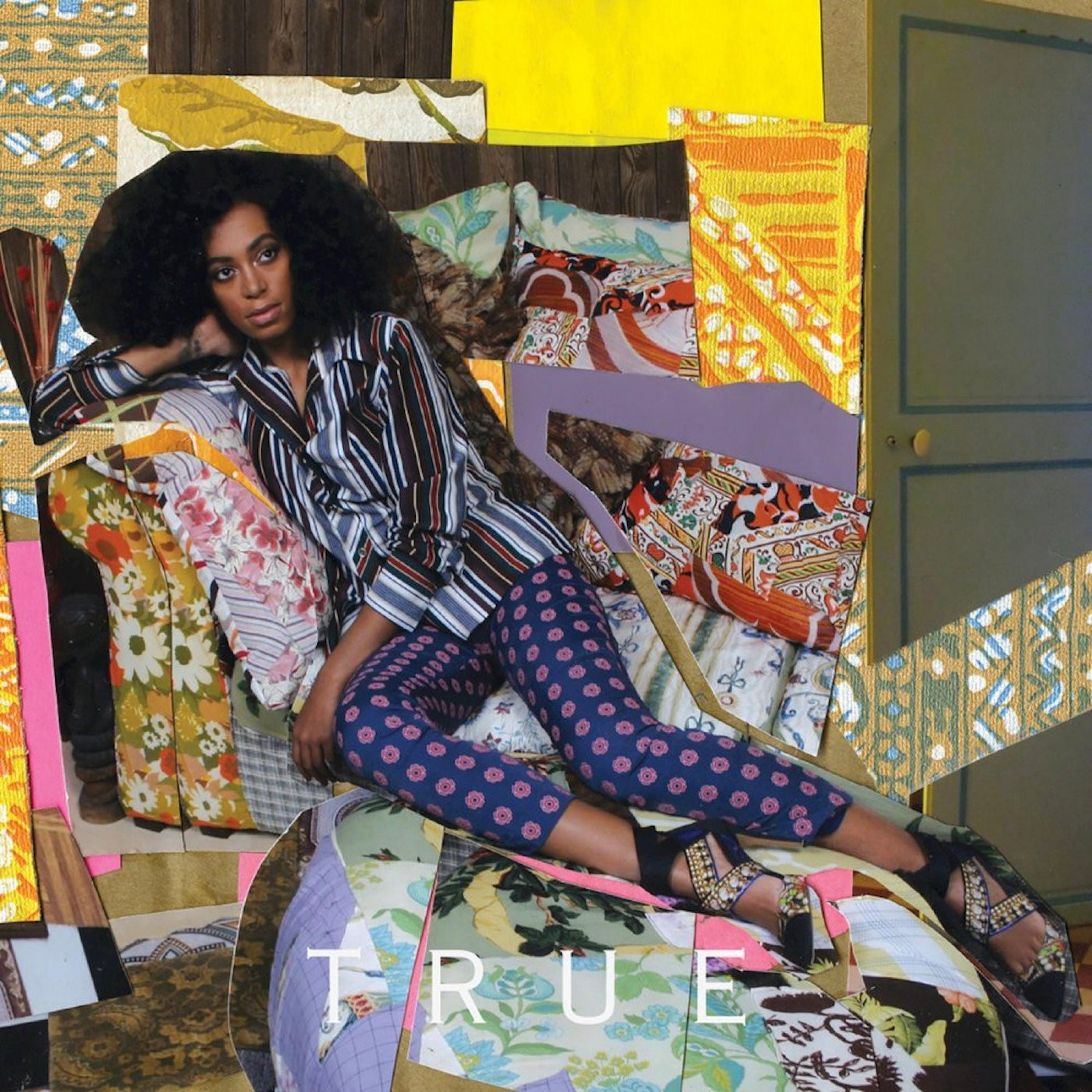
Released on Grizzly Bear member Chris Taylor’s label Terrible Records, this Dev Hynes–produced EP sparkles with 1980s electro-pop and funk references. “Losing You” recalls peak Madonna, while “Locked In Closets” channels early Janet Jackson via Jam & Lewis. The ambient interlude “Looks Good with Trouble” (later expanded to feature Kendrick Lamar) points to Solange’s knack for pairing dreamy soundscapes with sharp pop instincts. Seven songs of retro-future shimmer: It’s a breakup suite, but the sonic palette—equal parts post-punk, boogie funk, and chopped-and-screwed Houston grooves—mapped out new space for Black women eccentricity in alternative pop. —B
The year is 2012: it’s been four years since Solange said “F**k the Industry,” and we’re a year out from educator CaShawn Thompson going viral because of #BlackGirlMagic—for avid music listeners, it’s not a reach to say that the hype following Solange’s True EP ushered in the Black Girl Magic era. Raise your hand if you remember exactly where you were when you first heard the rhythmic screaming that comprises the beat for “Losing You?” Or when you first saw Solange on location in Cape Town dancing in that iconic brick-patterned suit for the accompanying video?
Solange has never been shy about embodying a visual aesthetic to match her sound. With a Mickalene Thomas portrait serving as the artwork for True, this was proto-art hoe. It was also a cultural reset—Black girls were rocking natural hair in droves, unabashedly loud and proud about loving indie rock, and racking up hours at the thrift shop to craft the ultimate hipster look. With Devonté Hynes (Blood Orange) co-producing alongside Solange, the music fused alt-R&B, new wave, and electronic music in an exciting, experimental way. Those who lived through the Obama hopecore era know that the 1980s were back in full force, and this project was no exception. The time-centric influence is of utmost importance, considering that Solange’s previous album, Sol-Angel and the Hadley St. Dreams, was infused with 1960s and 1970s inspiration. With each new release, the multidisciplinary artist moves us further into the future, foreshadowing the space-age essence of her mid-to-late 2010s masterpieces. —S
Bruno Mars, Unorthodox Jukebox
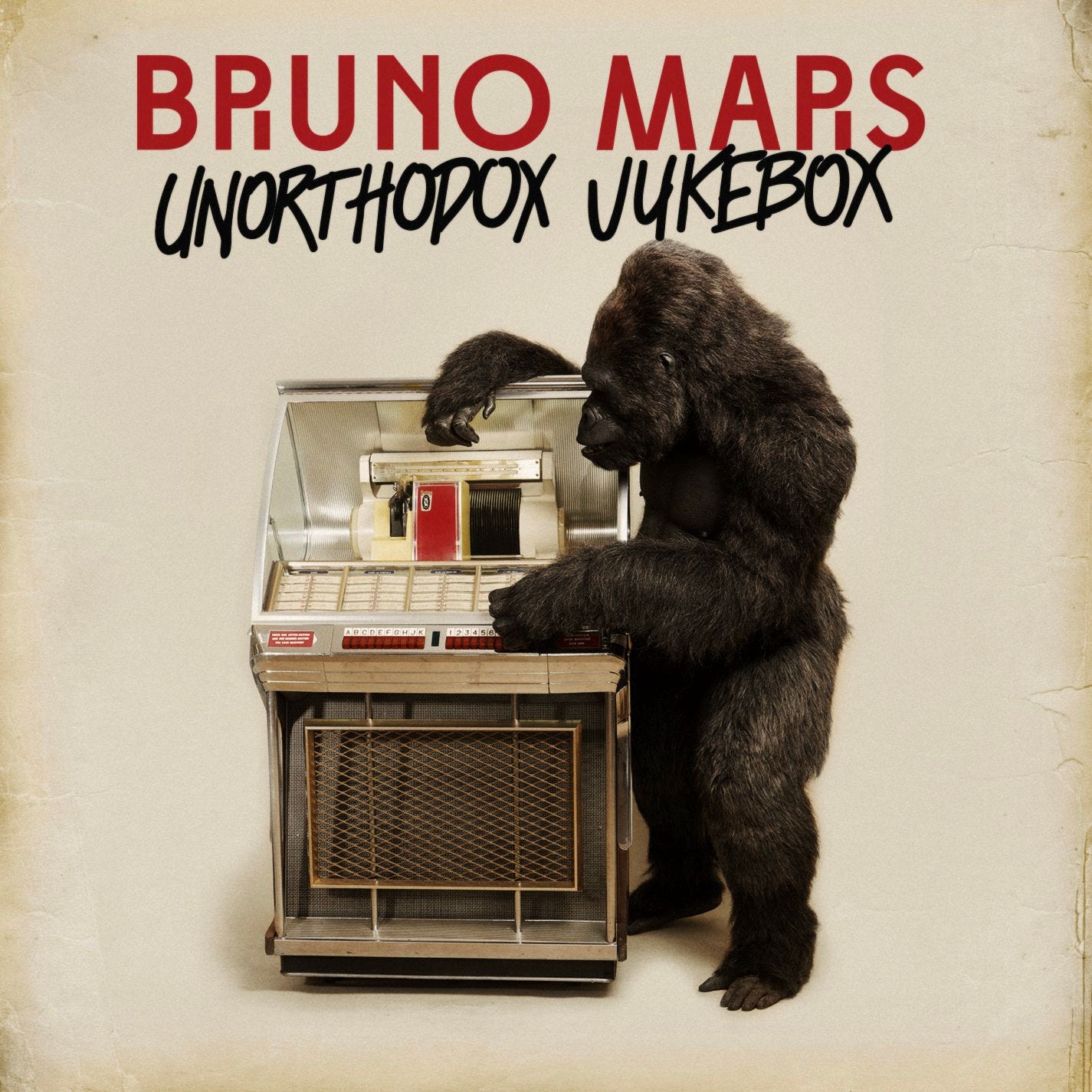
Once again working with The Smeezingtons, but now, Bruno Mars glides across genres by adding Mark Ronson and Diplo into the mix. He borrows from Jimmy Jam & Terry Lewis synth-funk, Police-style reggae rock, and ‘50s teen-pop melodrama, stitching them together with the precision of a crate-digging producer rather than a retro-soul LARPer. The mix of analog tape warmth and brash, heavily side-chained drums situates the project between Motown homage and forward-leaning club fare, nudging mainstream R&B toward maximalist, era-hopping experimentation. “Show Me” references the reggae scene of his Hawaii roots, but ultimately, that silky, sometimes raspy vocal always takes center stage, proving Bruno’s mettle as a vocalist. —P
Bilal, A Love Surreal
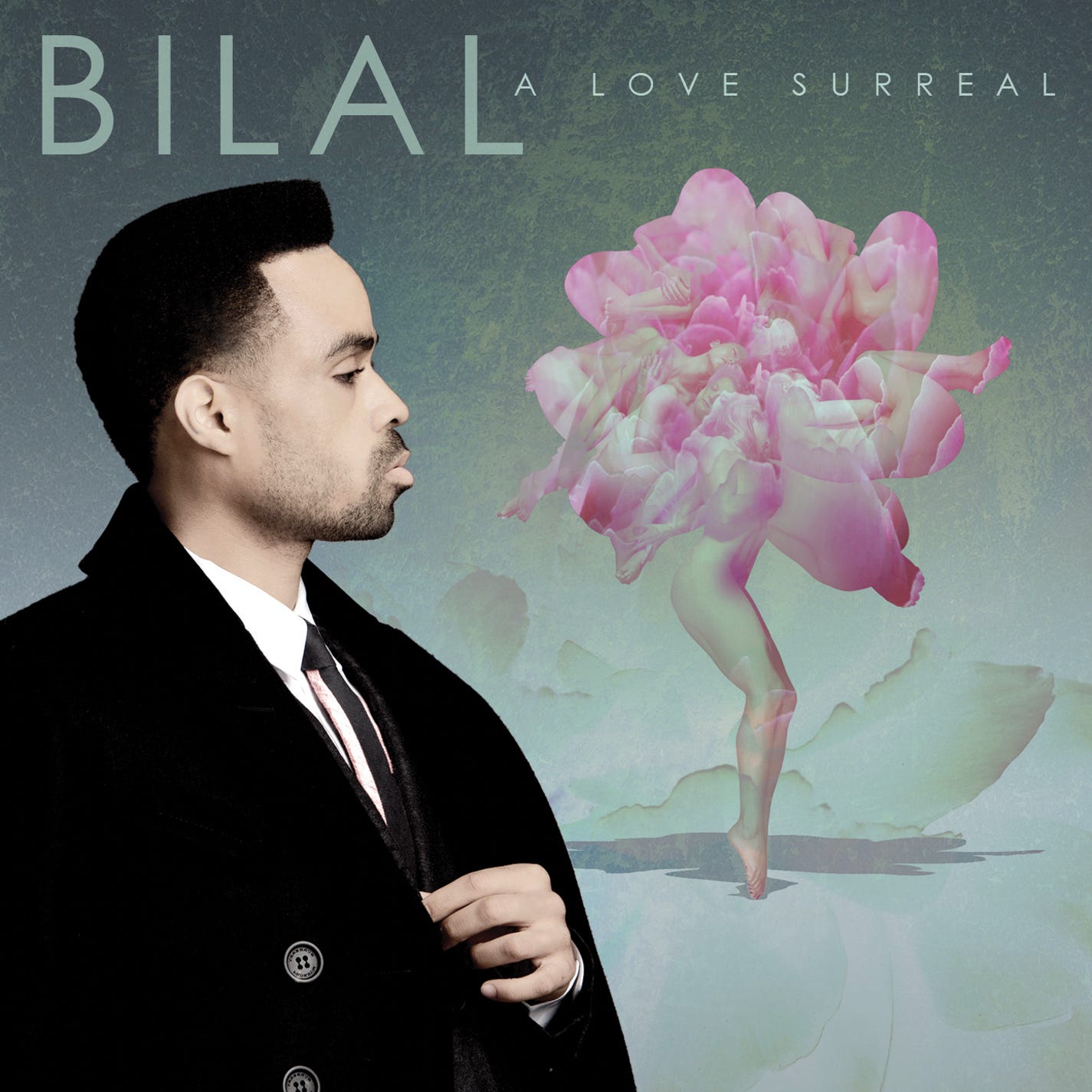
Recorded largely in first-take jam sessions, Bilal’s third LP feels fluid and painterly: woozy Fender Rhodes chords dissolve into Fripp-like guitar drones, while his elastic tenor pirouettes between jazz scatting and whispered falsetto. Free of commercial pressure, he organizes the record as a continuous suite that explores the psychedelic possibilities of soul, echoing the adventurous spirit of late-’70s Stevie Wonder and David Bowie’s Berlin phase in equal measure. —B
PJ Morton, New Orleans
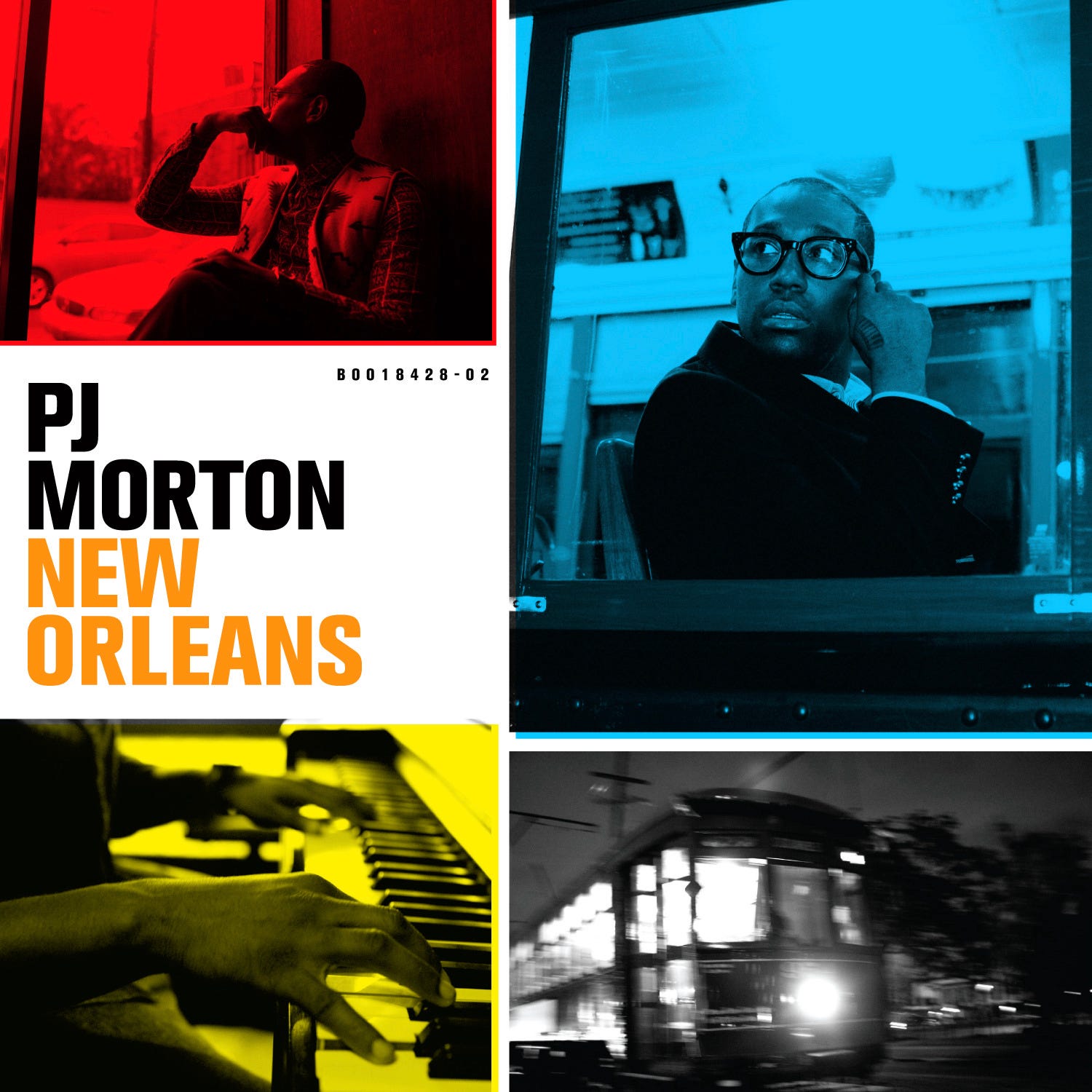
Known as a (semi-)member of Maroon 5, PJ Morton steered that group’s crossover brand of rock/pop, but here he focuses on uplifting, organic soul. “Heavy,” featuring Adam Levine, has a rock edge but is still undeniably funky. “Never Get Over You,” with Busta Rhymes, also shines. The result is a gumbo of Stevie-Wonder-style melodic turns, Bounce-adjacent groove, and lyrical sincerity that sidesteps both retro cosplay and radio-R&B clichés. It’s the sound of church musicians crashing an electropop party. His knack for melding multiple genres into a bright, accessible package foreshadows later attempts by peers like Jon Batiste. —P
Zo!, ManMade
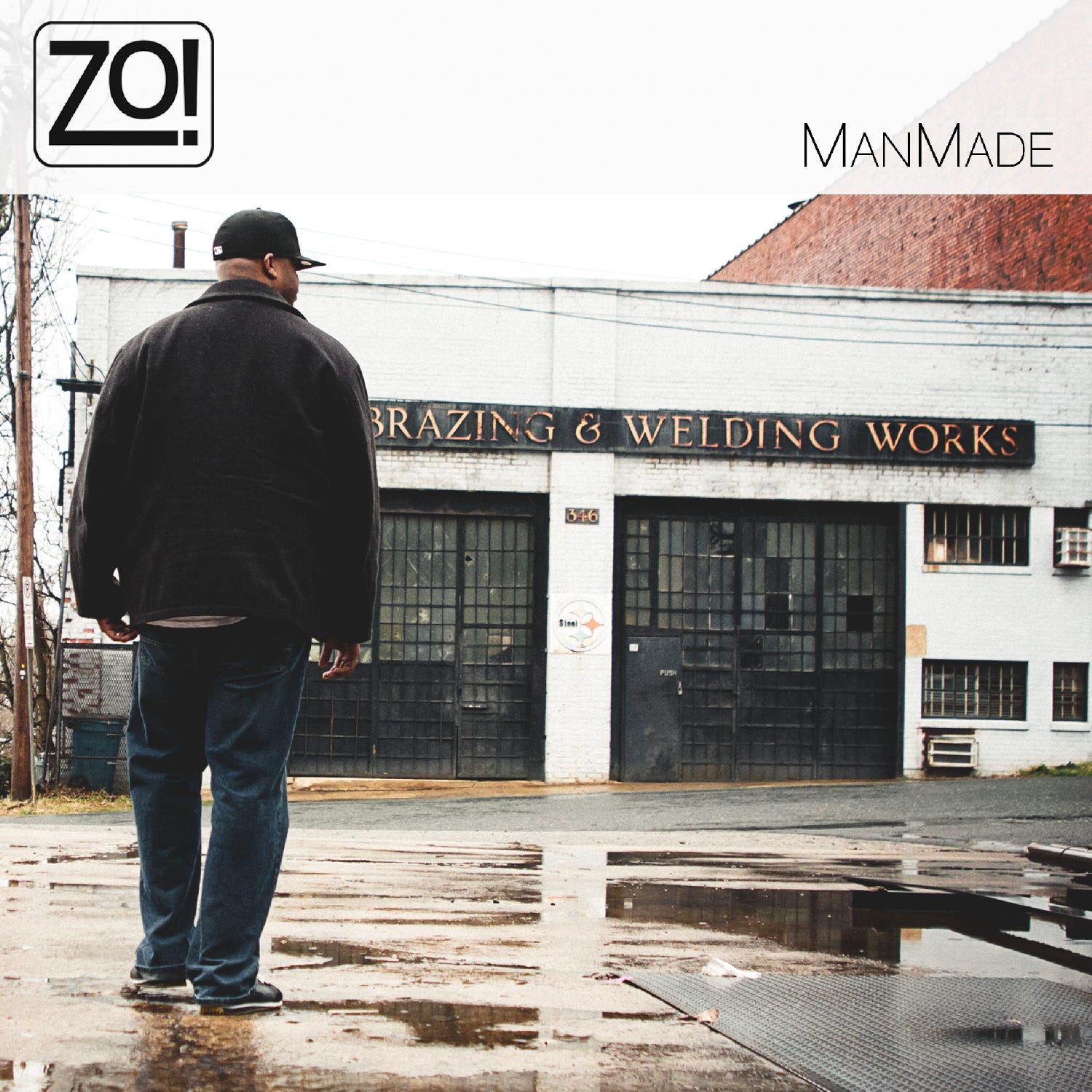
Keyboardist Zo! (known for his work with The Foreign Exchange) drops his second singer-focused leader album (he also releases instrumental projects). Co-produced by longtime collaborator Phonte, he ropes in Sy Smith and Eric Roberson for cameos, but the star is the gliding, slightly mechanical pocket—proof that analog warmth and digital precision can coexist without friction. Despite intricate rhythms, the melodies remain mellow and uplifting—“Tell Me Something New,” with Jeanne Jolly, and the spacey-funk “Out in the World” are standouts. A mostly “sunny” collection that brightens any mood. —B
PARTYNEXTDOOR, PARTYNEXTDOOR
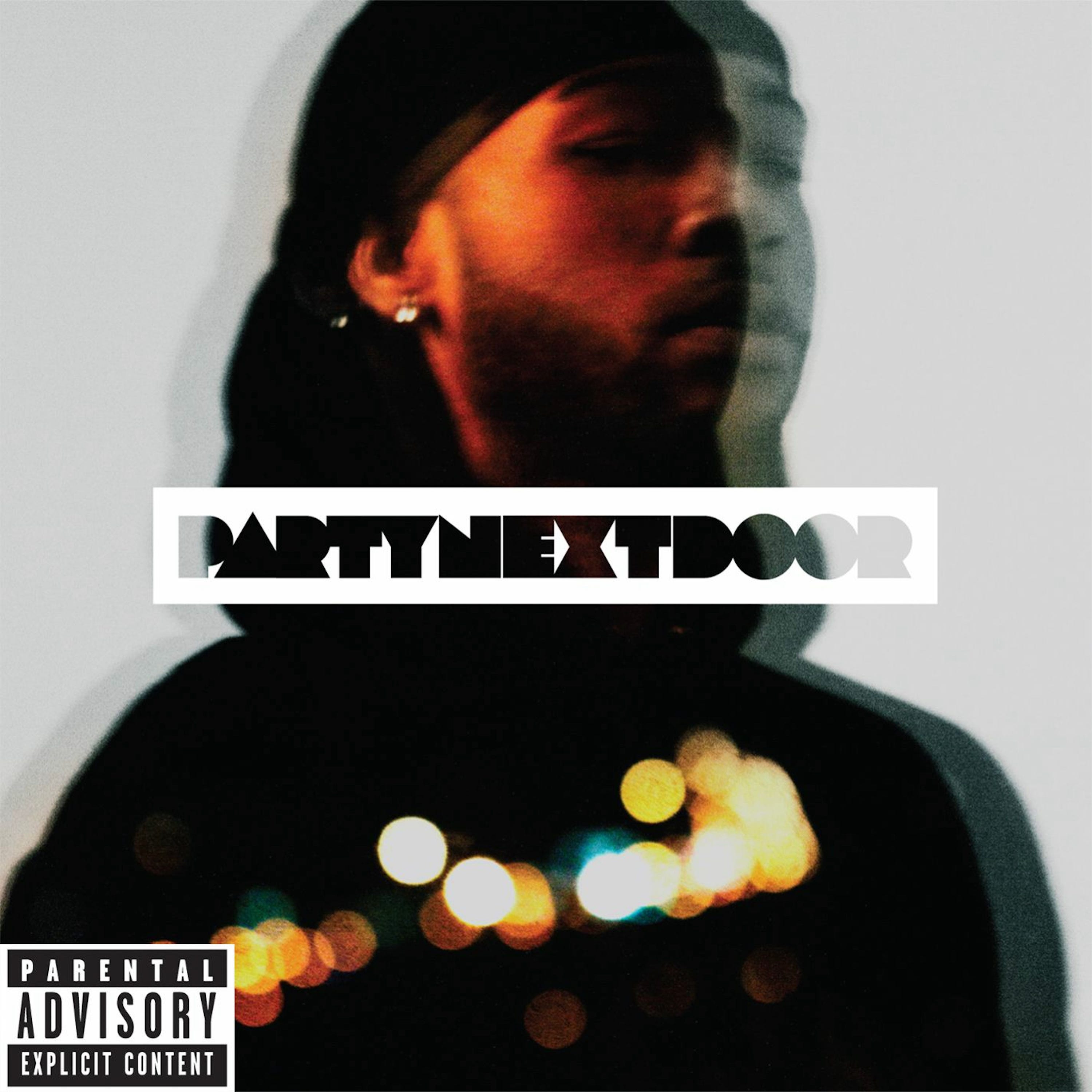
The first self-produced set by Ontario singer-producer Jahron Brathwaite channels Timbaland syncopation through the grayscale melancholy of Toronto at late night. In a style of pitch-warped vocal doubles, cavernous 808 kicks, and dancehall cadences. Everything orbits narcotized hooks that teeter on the boundary of rap phrasing and melisma, creating an archetype for beat-heavy Alt-R&B and laying the groundwork for later island-pop hybrids from OVO’s co-founder. —P
Mayer Hawthorne, Where Does This Door Go?
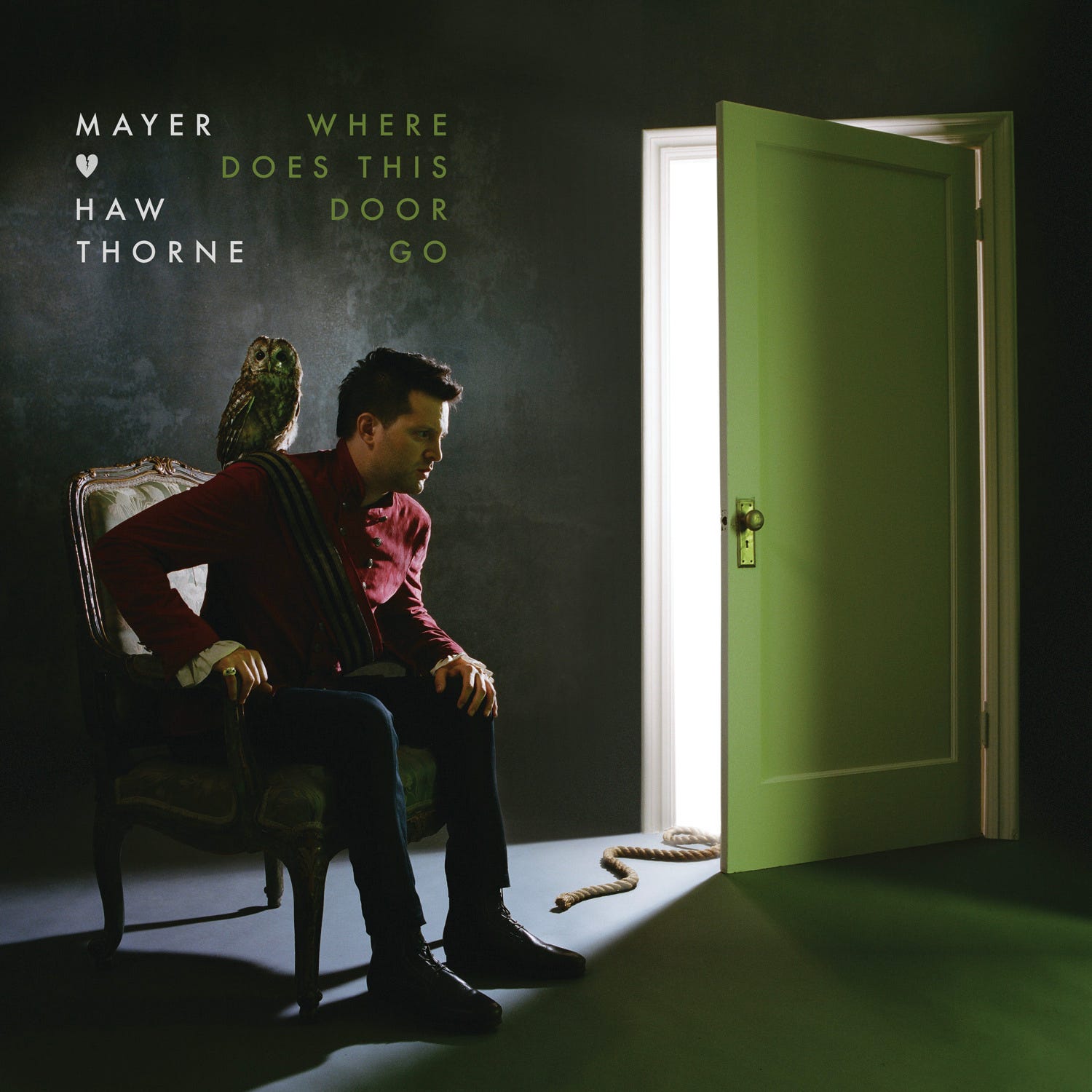
Shedding the analog soul costume of his earliest material, Hawthorne instead recruits Pharrell, Greg Wells and Jack Splash for an update that’s brighter, shinier and more synth-heavy. Hip-hop-trained drum programming complements yacht-rock guitar lines, and Breezy, Prince-esque falsetto vocals sit alongside Kendrick Lamar’s vicious guest turn. Stylistic progression proves that adoration for the ‘70s can indeed share the stage with hyper-modern pop and neon brightness. —P
AlunaGeorge, Body Music
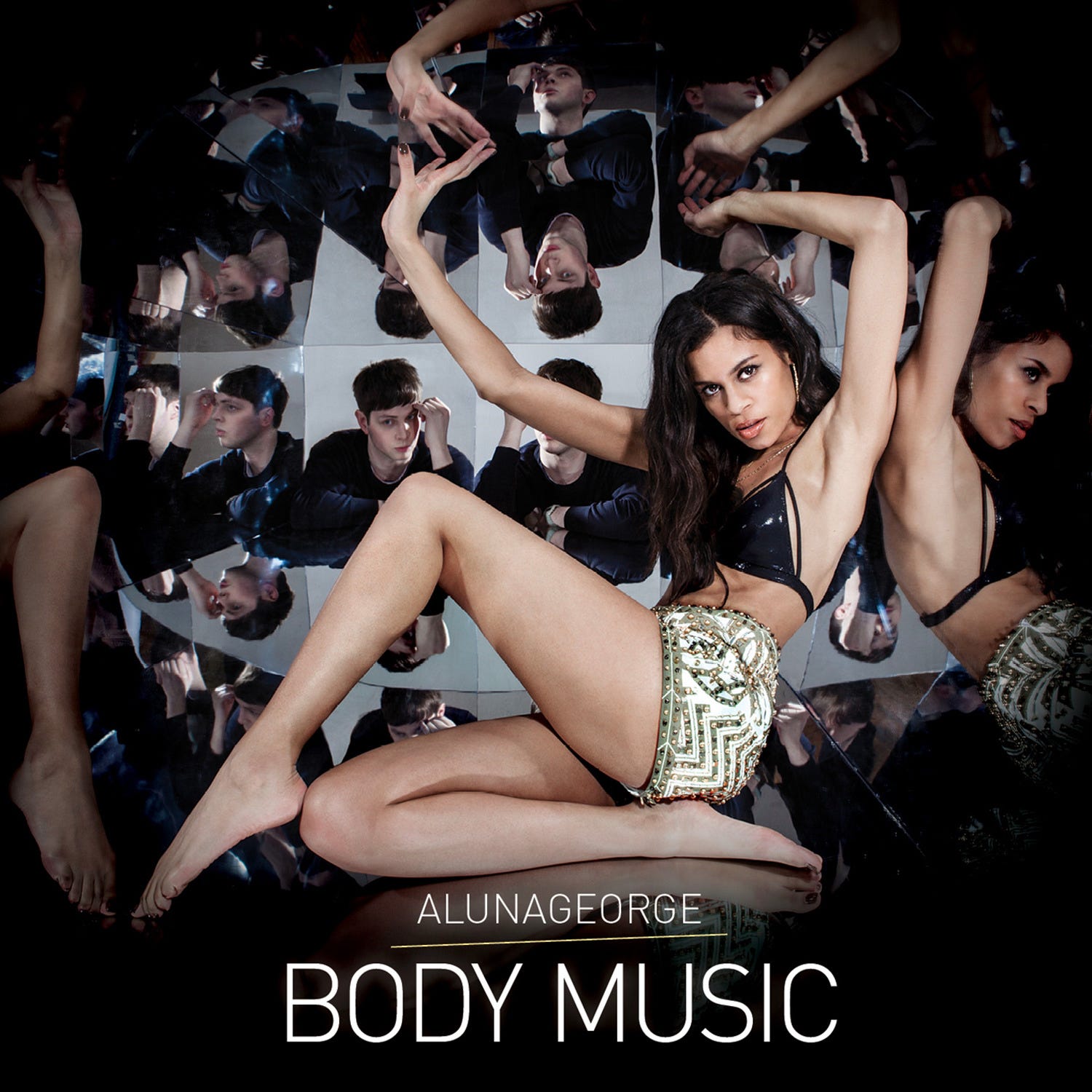
As ranked #2 in BBC’s Sound of 2013, this London duo fused new Timbaland-influenced productions, dubstep basslines, bright synth-heavy arrangements, and the R&B-channeling voice of Aluna Francis, covering both original tunes and Montell Jordan’s “This Is How We Do It” to claim their stake in R&B. This is R&B, of course, rendered as UK garage’s skittering beats and future-bass synths, combined with the skittery, syncopated percussion of The Neptunes and draped in glitchy vocal treatments that make the voice a kind of circuit board for rhythmic exploration. It shrunk the Atlantic, from London’s bass underworld to L.A.’s beats world, turning Alt-R&B into potential headliner material in a field of EDM. —B
Janelle Monáe, The Electric Lady
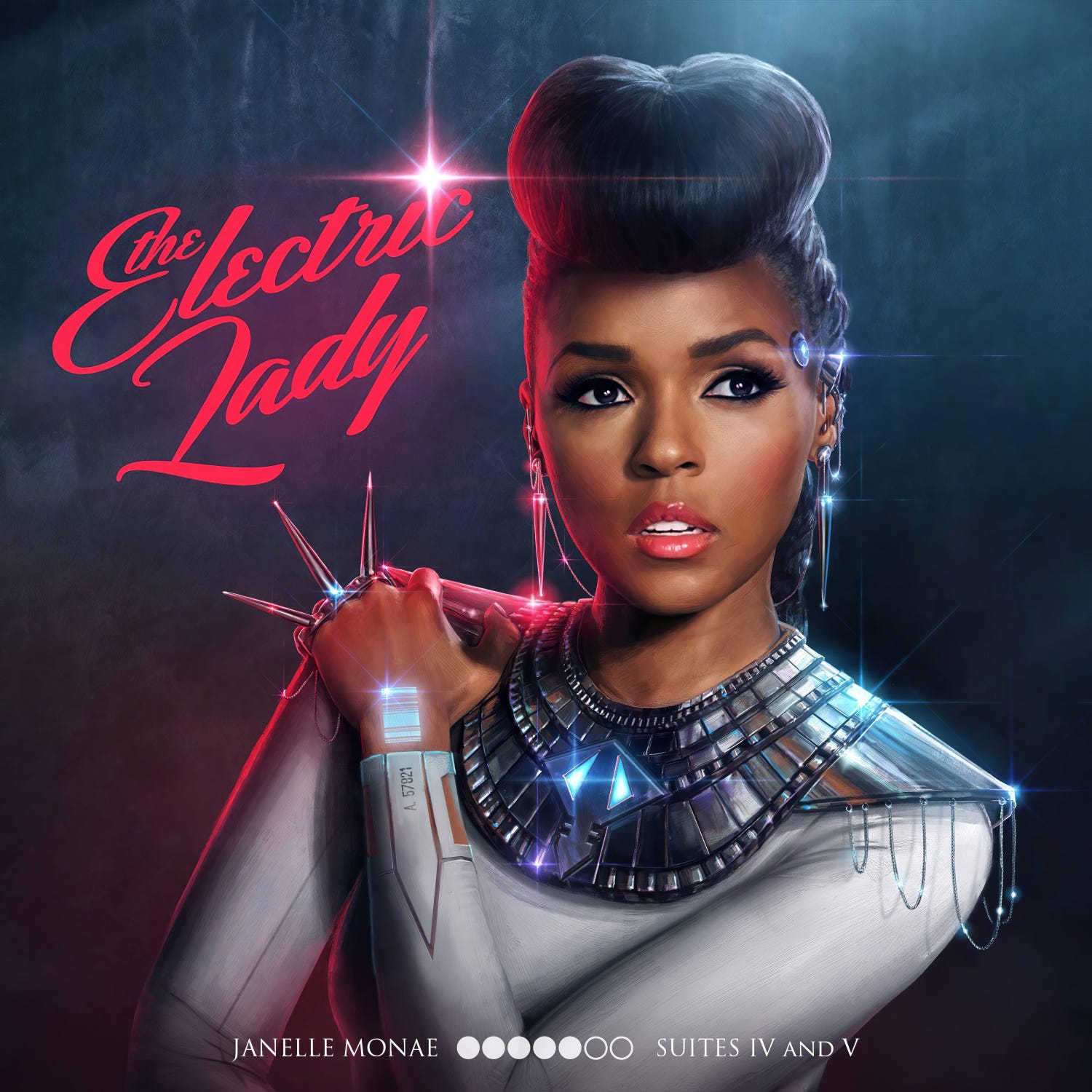
The second concept album of Janelle Monáe’s “Metropolis Suite,” following Metropolis (EP) and The ArchAndroid, broadened the scope of Monáe’s social commentary and sonic reach within the framework of her alter ego, Cindi Mayweather. Monáe expanded the mythology of the debut with an extended range of musical sounds: call and response gospel chorales, Parliament- Funkadelic horn stabs, En Vogue’s New Jack Swing style, jazz-fusion improvised solos, and guitar heroics reminiscent of Prince. The album’s Afrofuturist narrative about android liberation doubles as a declaration that R&B’s future belongs to polymaths who treat genre as a costume closet. Empowering tracks like “Q.U.E.E.N” and “Ghetto Woman” underscore the album’s progressive-soul intentions. Collaborations with Prince, Erykah Badu, Miguel, and Solange add star power, but Monáe’s own vision and confidence tie it all together. —B
Jessy Lanza, Pull My Hair Back
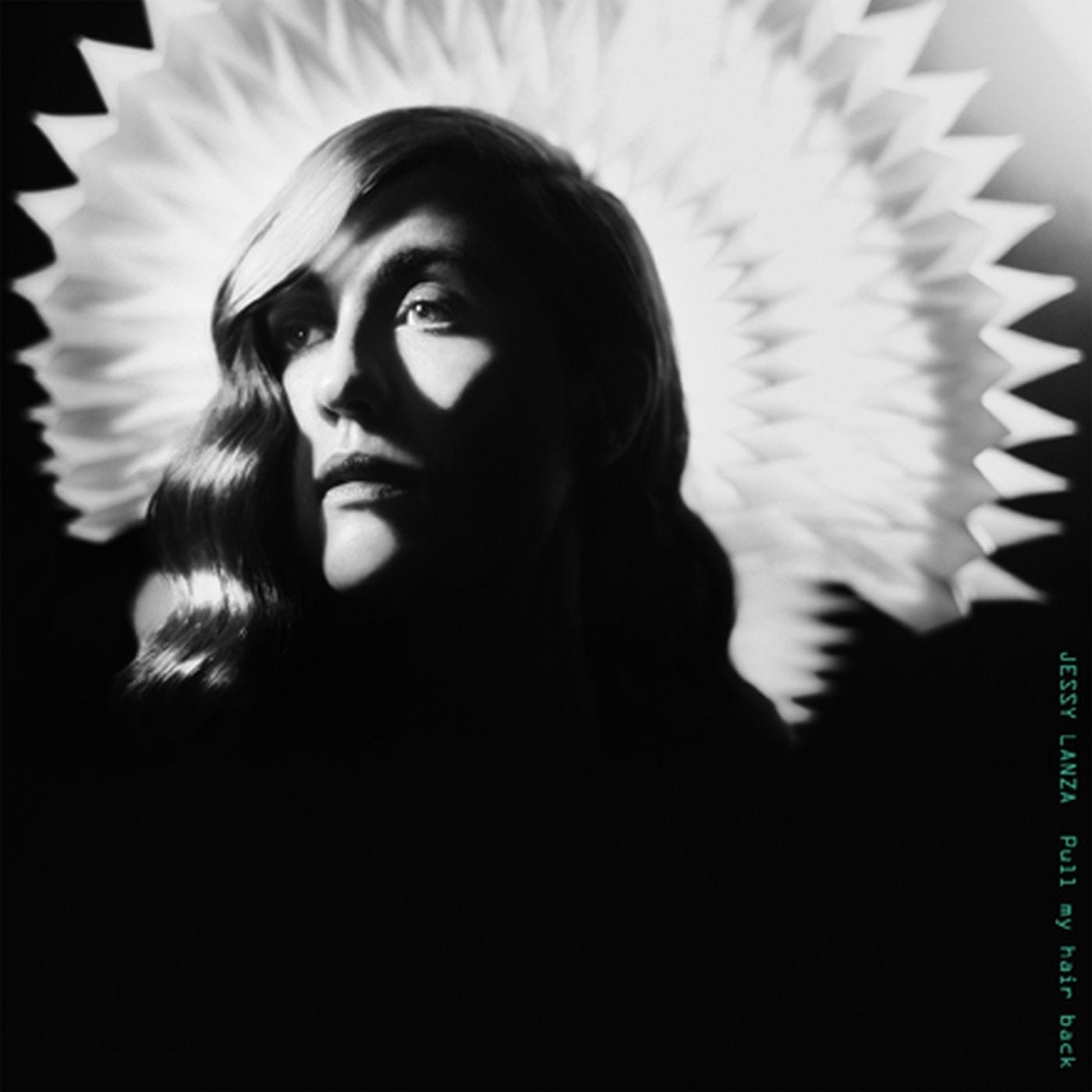
Lanza drapes her whispered soprano over skeletal 808s, filters borrowed from Chicago footwork, and vapor-thin synth chords, transforming minimalism into a kind of nervous sensuality. She often treats her voice as percussion—clipped syllables dancing inside Jeremy Greenspan’s elastic bass lines—turning break-beat science into torch-song confession. The album’s chilly restraint became a north star for producers who wanted R&B hooks without R&B bombast. —B
The Weeknd, Kiss Land
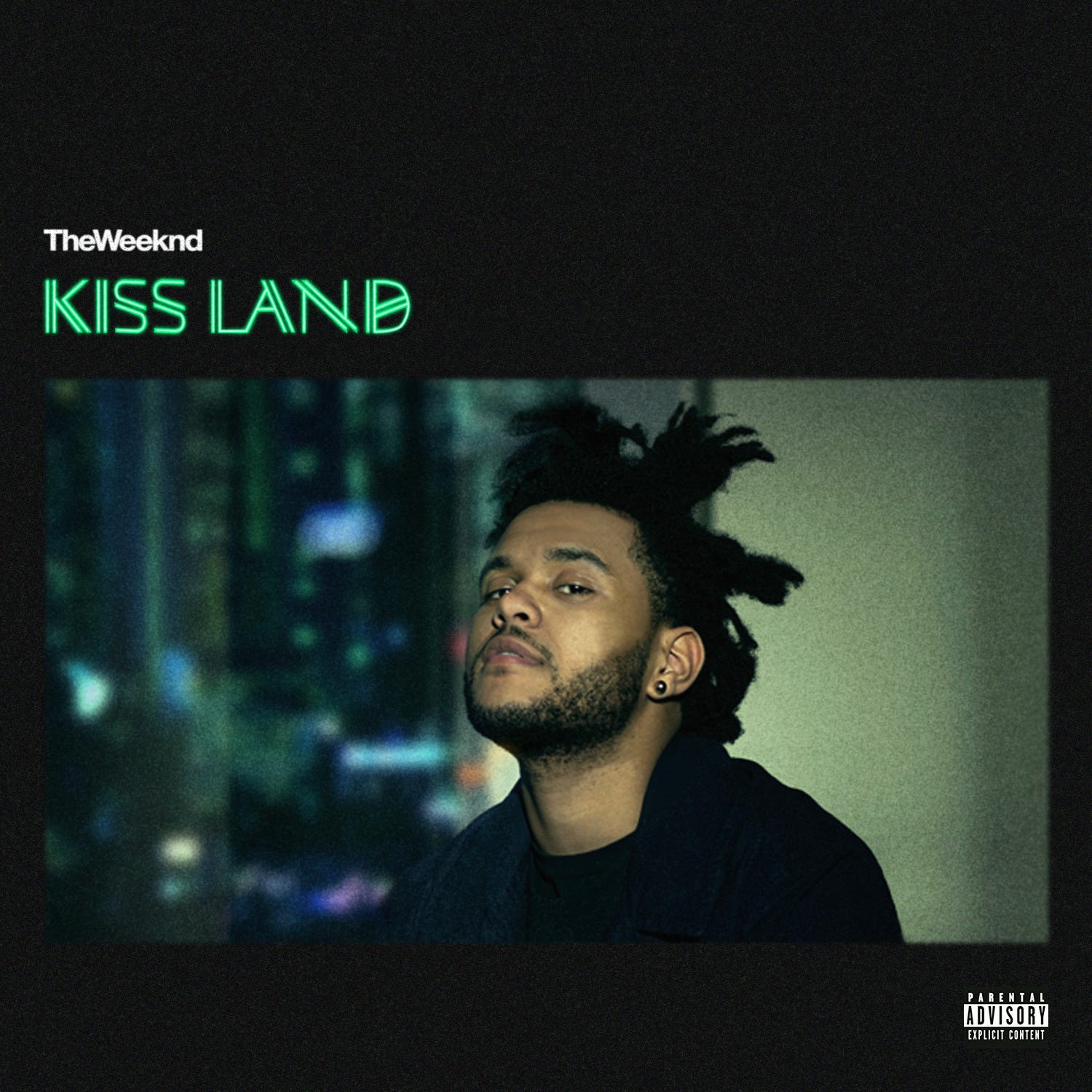
Abel Tesfaye scales his narcotic noir into IMAX: panoramic synth washes, slasher-film sound design, and Japan-obsessed imagery that frames lust as body-horror. Major-label resources polish the Trilogy template without sanding off its dread, letting cavernous drums and detuned pads soundtrack a narrative of alienated celebrity. The result proved alt-R&B could command blockbuster budgets while staying psychologically barbed. —P
The Foreign Exchange, Love In Flying Colors
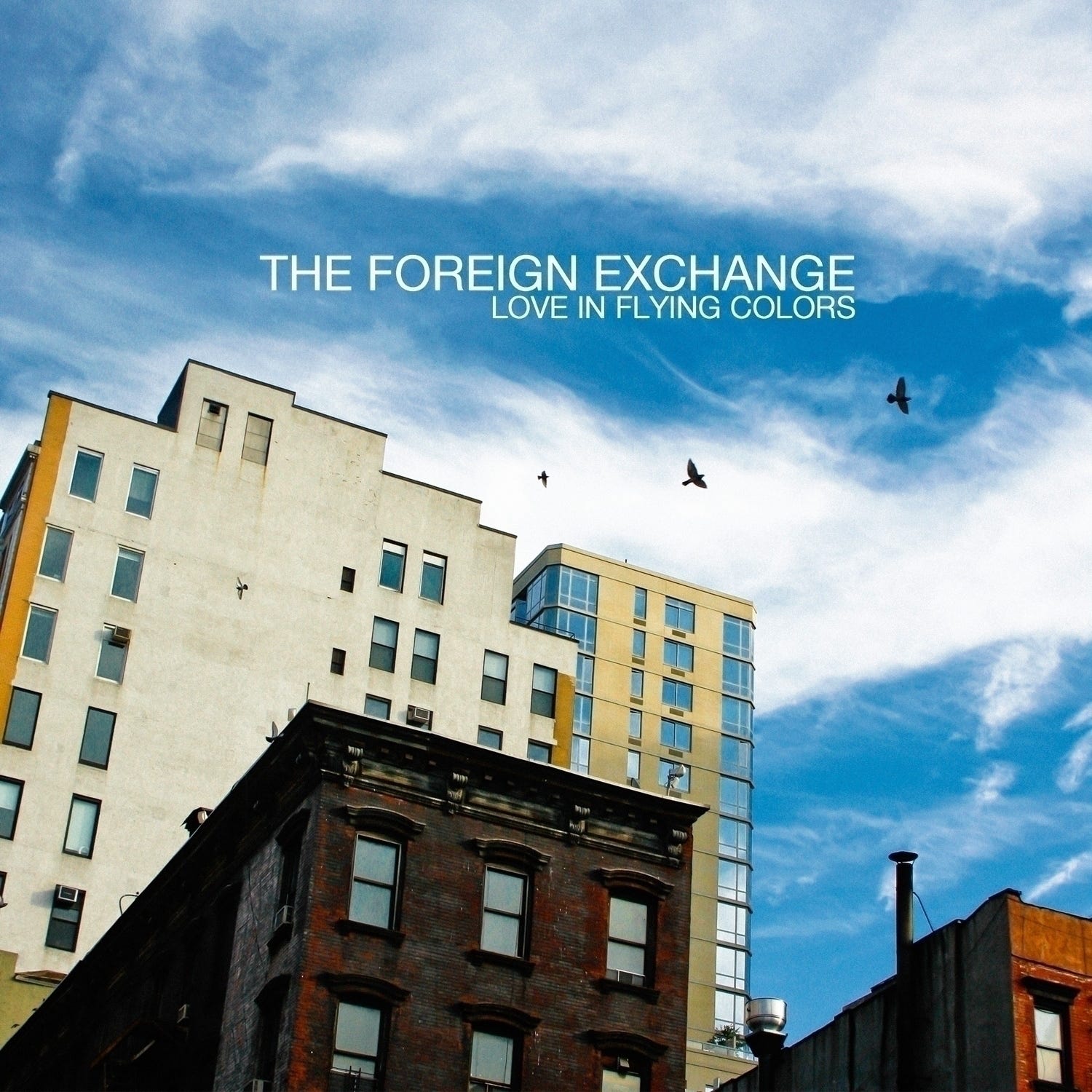
Phonte and Nicolay flood their fourth LP with live brass, disco-string flourishes, and soft-rock guitar, using groove-centric house rhythms to celebrate domestic stability rather than heartbreak. That exuberant musicianship, cut in Los Angeles and the Netherlands, casts R&B’s future as borderless and band-driven instead of sample-reliant. —P
The Internet, Feel Good
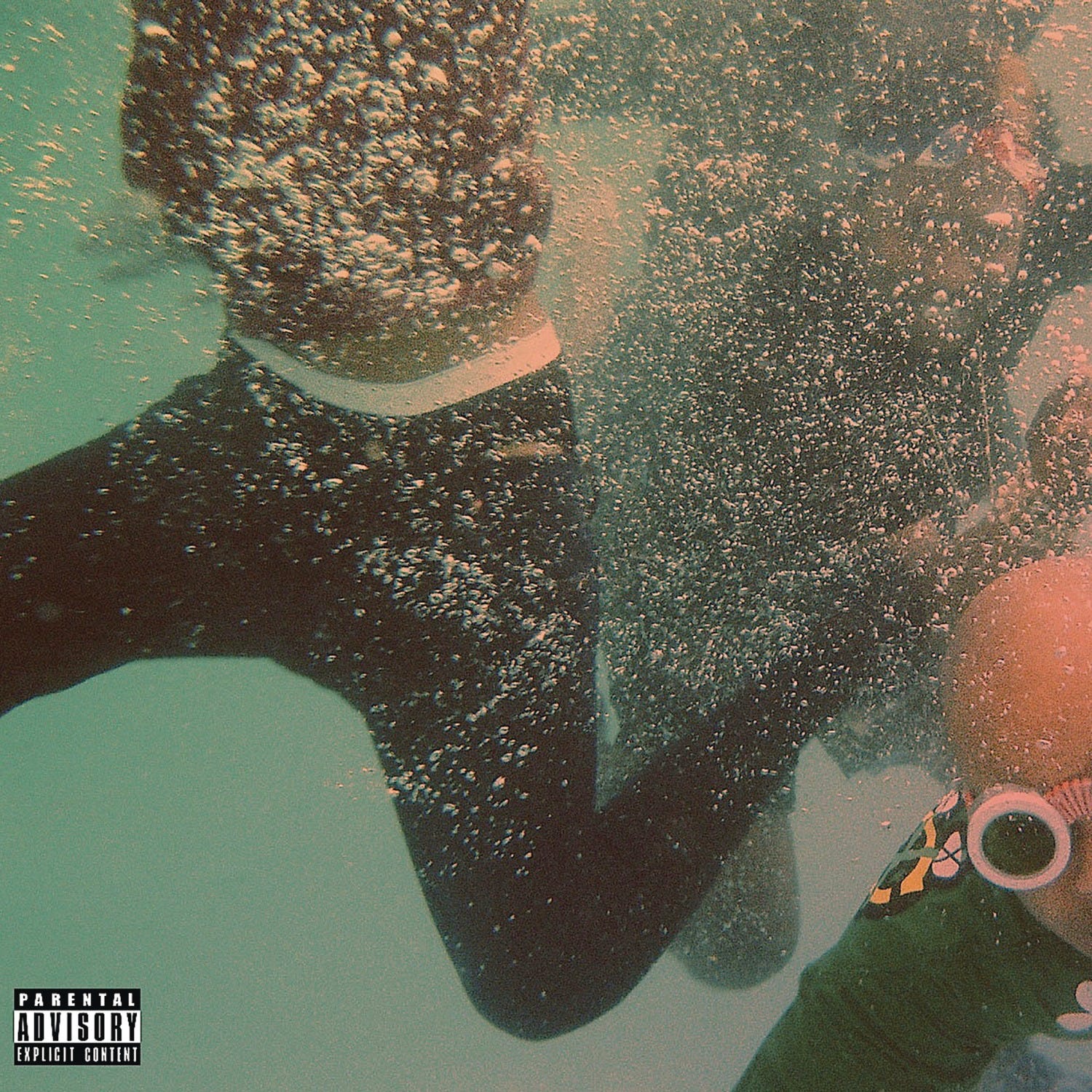
Syd tha Kyd and Matt Martians swap Odd Future’s distortion for analog warmth: Rhodes chords, jazz-fusion bass, and drum patterns that glide from G-funk to neo-soul. Songs bleed into one another like a DJ mix, framing Syd’s airy, androgynous vocal as just another texture in a psychedelic pocket built for late-night drives. Chad Hugo of The Neptunes assisted on the track “Dontcha” for this second album, which sees them realizing the musical direction they originally envisioned. By the next release (Ego Death), teen prodigy Steve Lacy would join, propelling the band even further. —P
Whereas The Internet’s debut was steeped in the haze and mystery of early 2010s R&B aesthetics, their sophomore effort, Feel Good, leans into something more precise—the album title alone feels prescriptive and decisive. The lo-fi vibes remain, but the jam session comes even more alive this time around. The longer songs on this record (extending beyond 7 minutes) are reminiscent of jazz suites. The standout single “Dontcha” is a funky bass-heavy groove for the yearners. Assists from the likes of Chad Hugo, Thundercat, Yuna, Jesse Boykins III, and Mac Miller round out the project, resulting in leftfield R&B that excites without diving too far into uncharted territory. —S
Amel Larrieux, Ice Cream Everyday
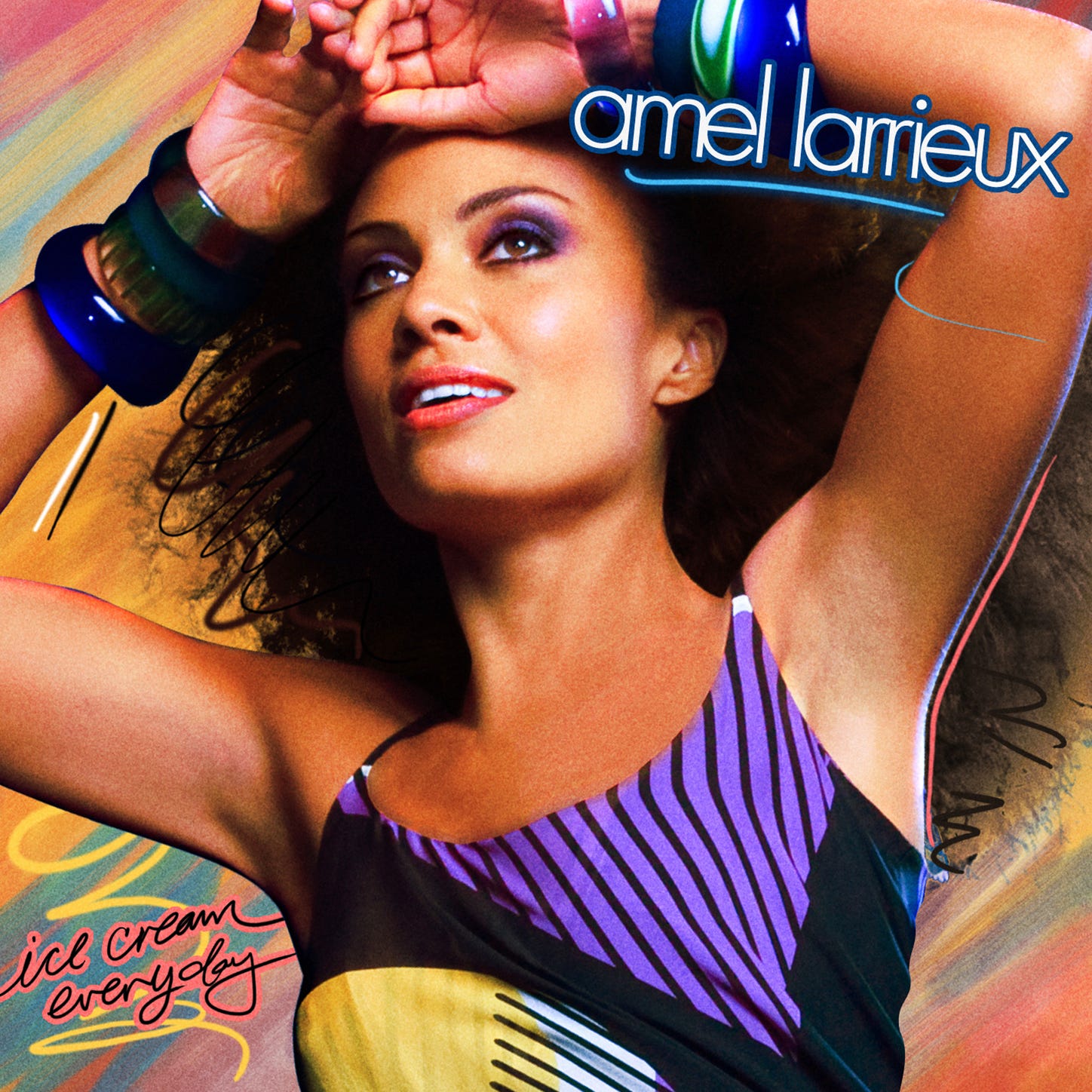
Former Groove Theory vocalist Amel Larrieux made a natural shift from hard-edged programmed soul to a more jazzy, organic R&B when she went solo—a fact that garnered a lot of attention. However, in truth, Amel and The Roots’ Questlove were friends who attended the same Philadelphia arts high school. She always wanted to write songs and arrangements under her own name. This album is her fifth solo release, and there’s no hint of wavering in her artistic stance. Her vocals are light but carry a certain resolute spirit. —B
Aloe Blacc, Lift Your Spirit
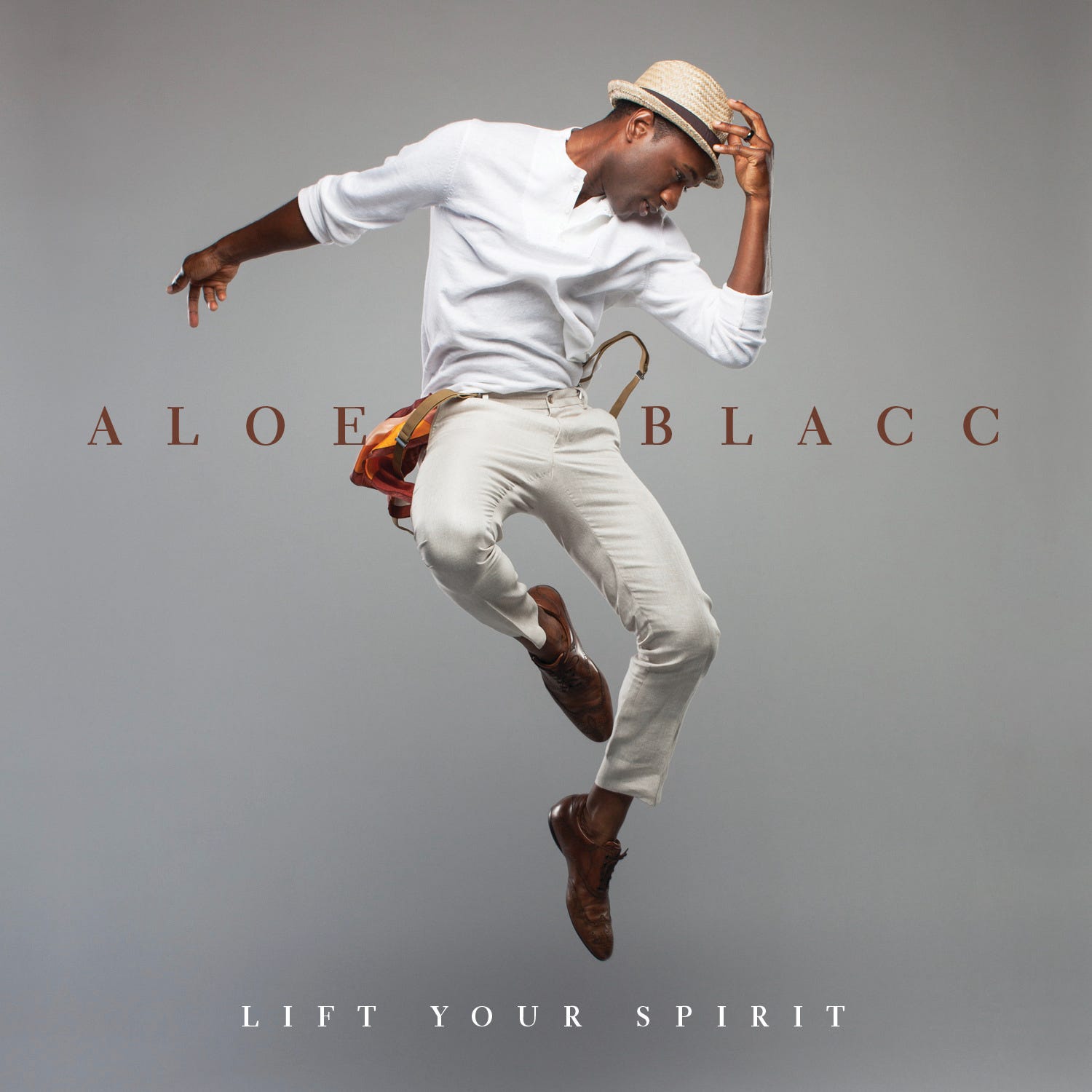
Born in California in 1979, this R&B singer’s first major-label release carries over the “old-school R&B filtered through hip-hop” sensibility he showed when he was with Stones Throw, but it also showcases the mainstream scale he gained from experiences like featuring on Avicii’s EDM anthem “Wake Me Up.” The uplifting track “The Man,” which cleverly references Elton John’s “Your Song,” became a massive hit—especially in the UK. The production team centers on DJ Khalil, with Pharrell Williams also lending his name. —B
Robert Glasper Experiment, Black Radio 2
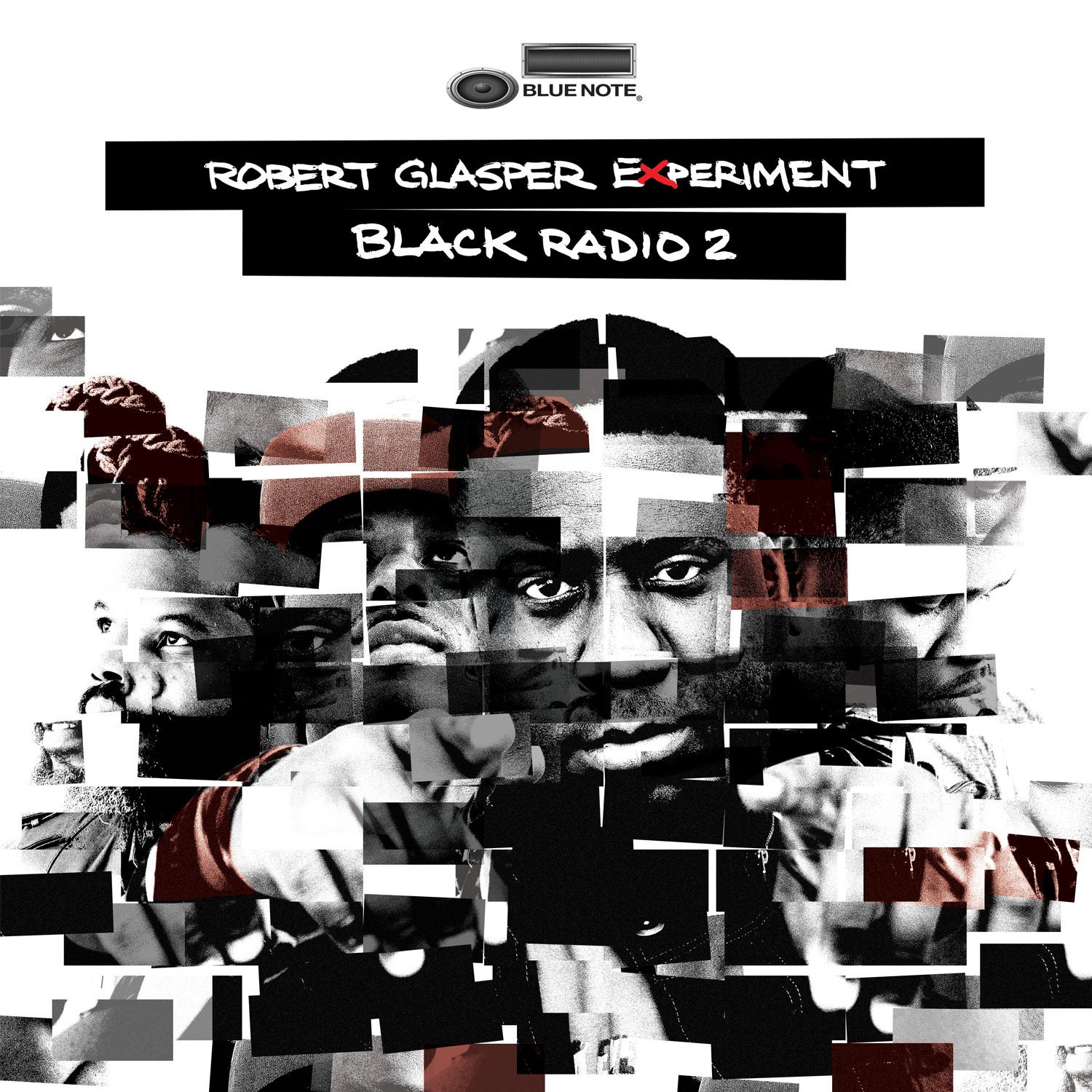
This second ambitious release from the jazz side, which found novelty in collaborating with R&B and hip-hop artists, sees the drummer of “Experiment” swapped out for Mark Colenburg, bringing in pockets of drum and bass. However, the fundamental approach of letting guests flourish over Glasper’s serene, mellow keys remains unchanged, including the continued presence of his school friend Bilal, who serves as a gateway to the neo-soul scene. Jill Scott, Dwele, Anthony Hamilton, Common, and others match perfectly with this backdrop; Brandy and Faith Evans deliver gospel-based vocal-based banger. And the contributions of Lalah Hathaway on “Jesus Children” are heavy, deep, and heartfelt. —B
Yuna, Nocturnal
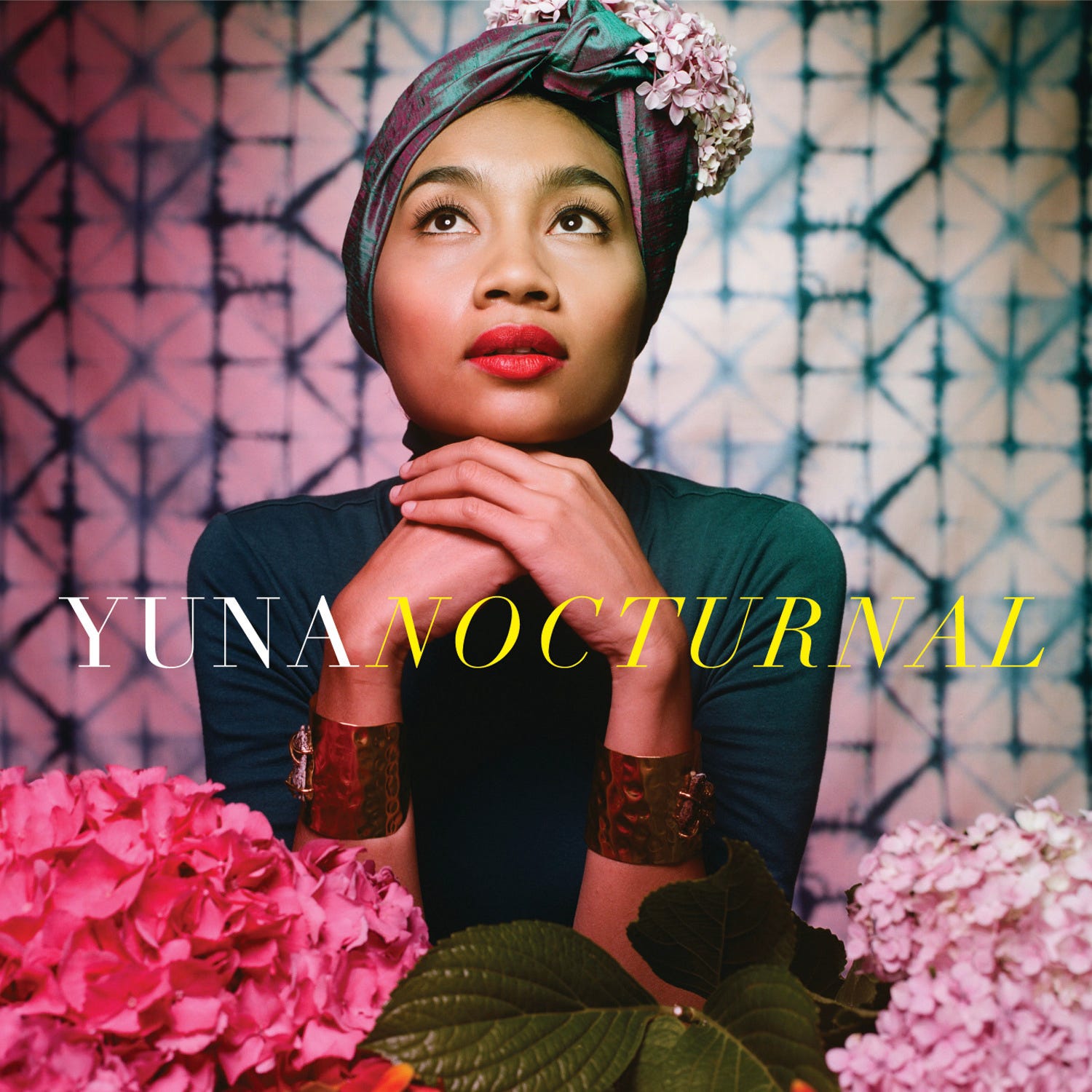
The second international album from this Malaysian singer-songwriter since joining the prestigious Verve label. While the star-studded producer lineup—including Chad Hugo, Robin Hannibal, and Om’Mas Keith, all keenly aware of the then-rising indie R&B scene—certainly grabs attention, the overall sound leans primarily into dreamy, floaty pop textures. The R&B nuances are relatively subdued, yet with tracks like “Escape,” produced by Chris Braide (who also contributed to Lana Del Rey’s Born to Die), one can appreciate the strong compatibility between this style and more atmospheric strains of R&B. —P
Blood Orange, Cupid Deluxe
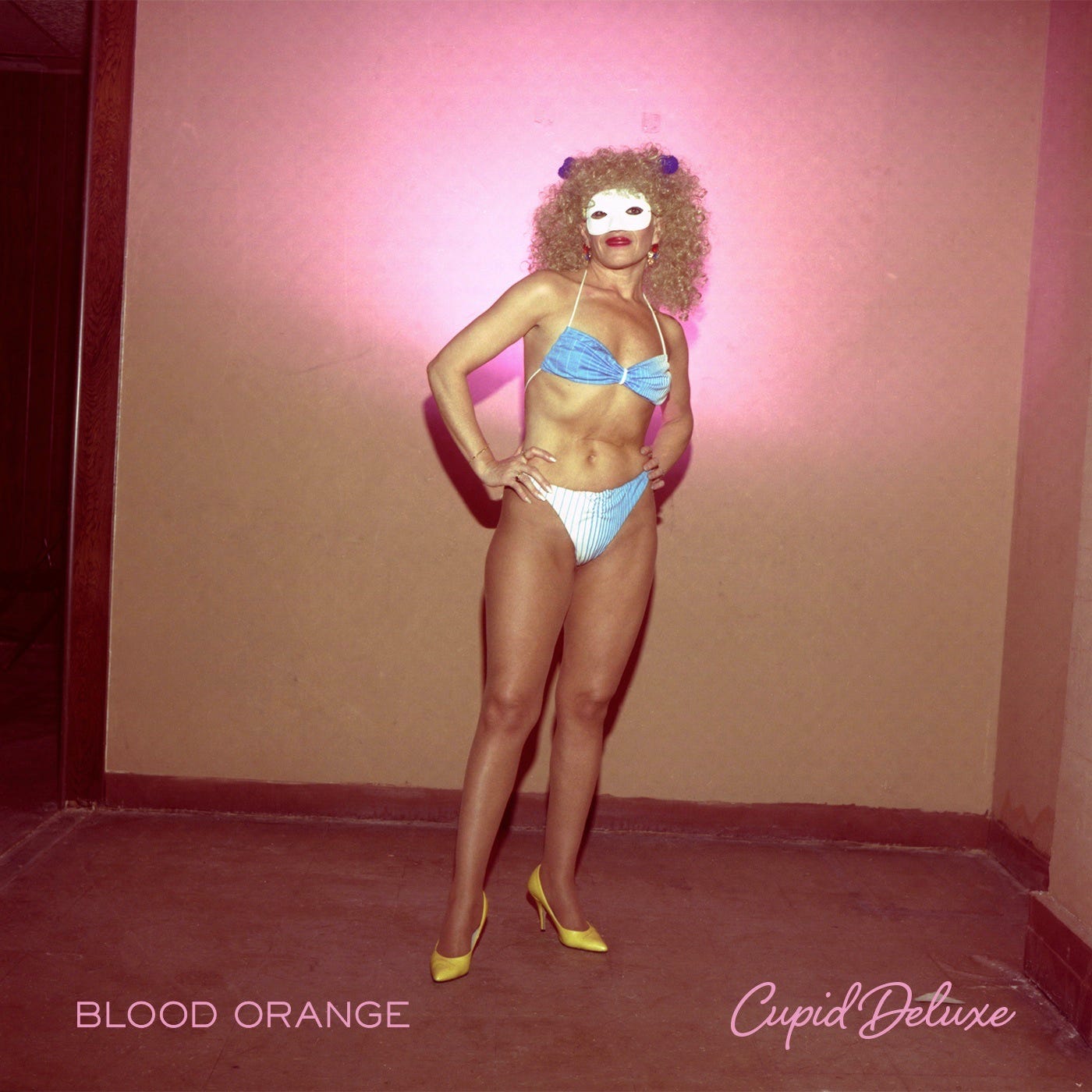
Born to a Sierra Leonean father and a Guyanese mother, Dev Hynes moved from London to New York, adopting the Blood Orange moniker. Having dabbled in dance-punk (Test Icicles), he here reclaims a sense of identity, melding disco and dance music with the freedom of funk and Afro influences. He curates an ensemble piece: funk rhythm guitars, new-wave saxophones, and guest vocals from Caroline Polachek to Skepta mingle inside tracks that evoke late-’80s Manhattan while foregrounding queer intimacy. The record’s city-pop collage approach makes nostalgia feel prismatic rather than retro, cementing Hynes as alt-R&B’s resident auteur-arranger. —B
Tinashe, Black Water
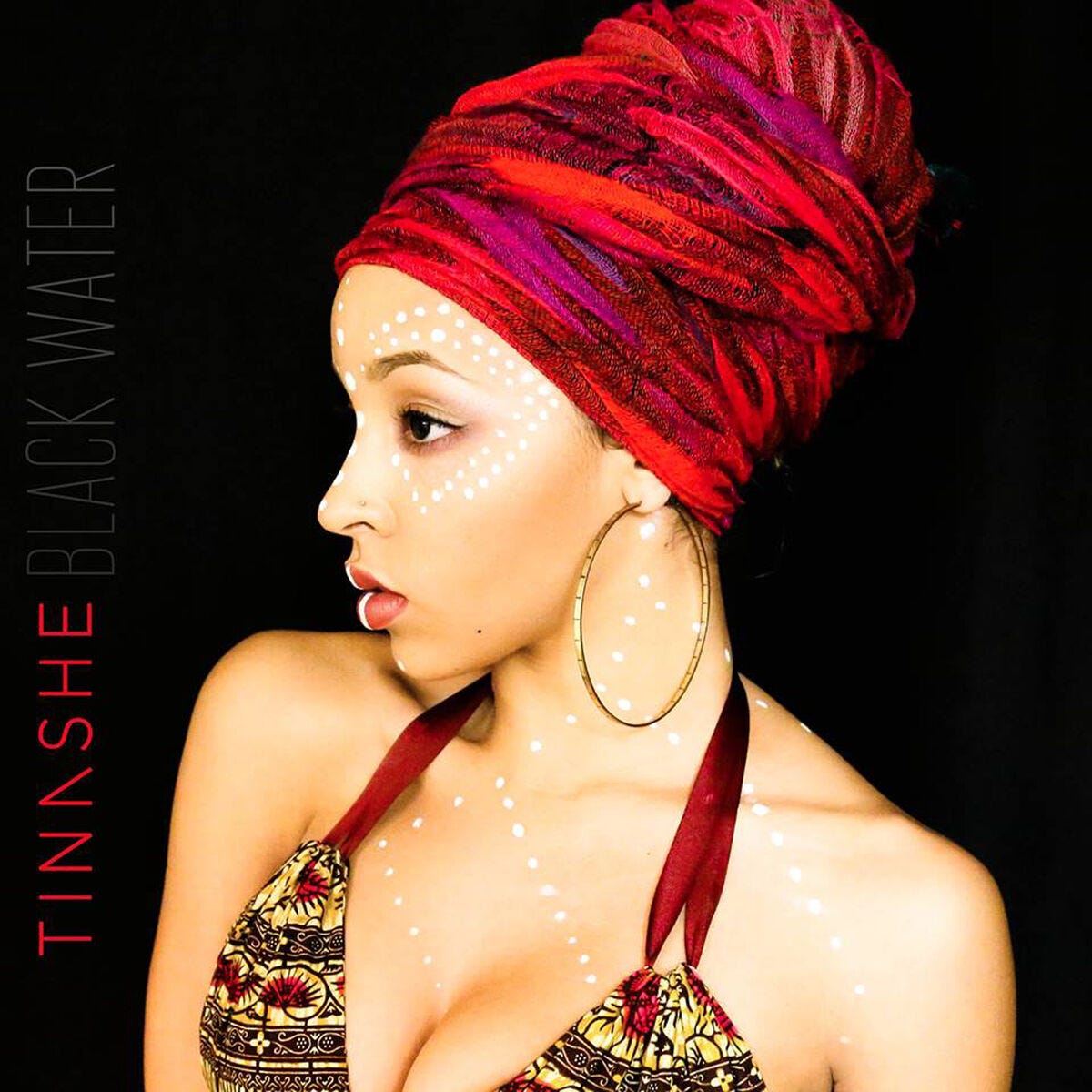
Tinashe’s third mixtape digs into even deeper territory. Boi-1da, Frank Dukes, Ryan Hemsworth, and Dev Hynes contribute to the production. Dev Hynes’s “Fugitive” is classic Hynes, while the slow-burning “Vulnerable” features a pre-breakout Travis Scott. On “Just a Taste,” she nods to Tony! Toni! Toné!’s “Anniversary,” toggling between subtle Aaliyah-like whisper and full diva belting—showcasing Tinashe’s impressive range. —P
Sevyn Steeter, Call Me Crazy, But… (EP)
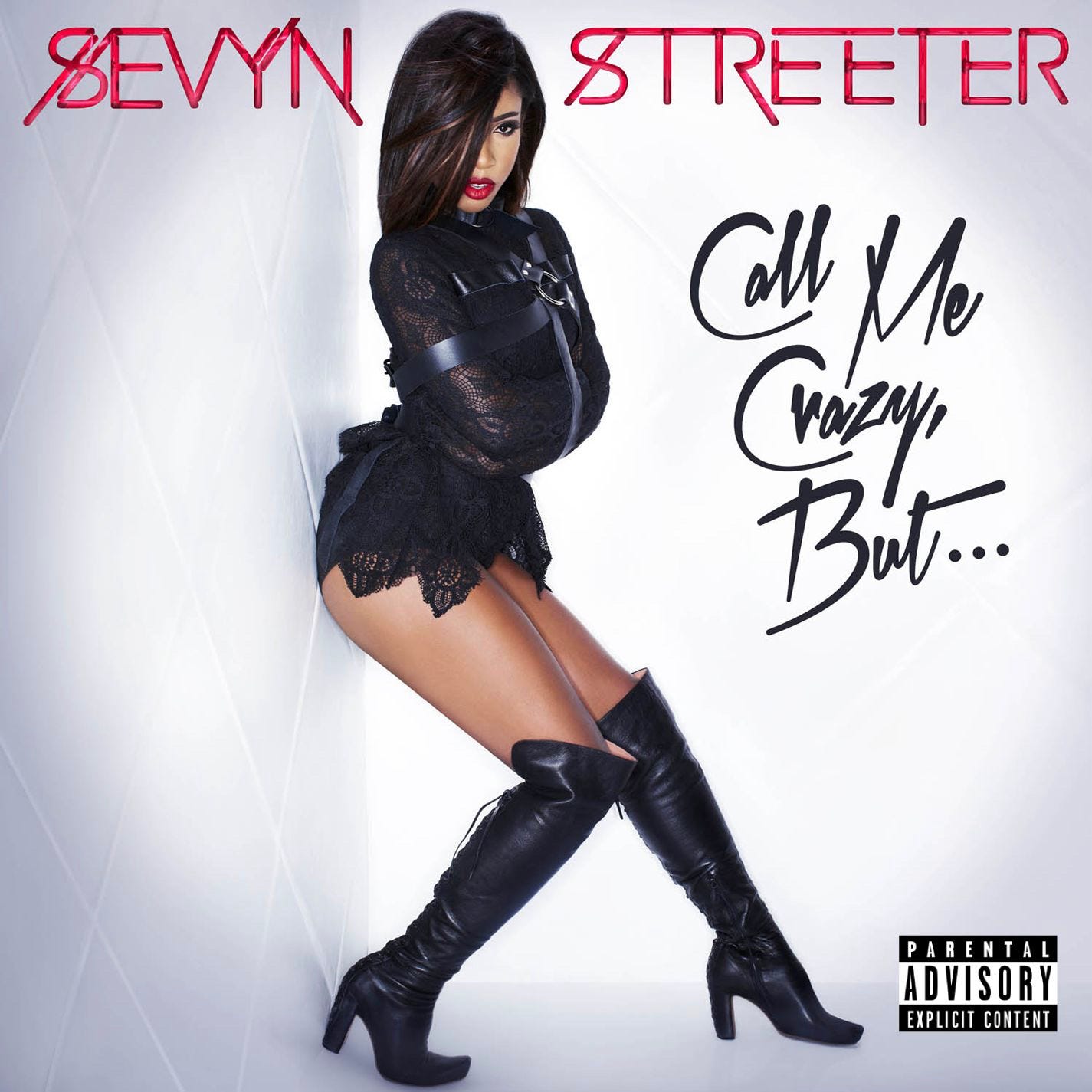
A veteran who saw two girl groups fizzle (one being RichGirl), Sevyn found success writing hits like Ariana Grande’s “The Way” and Chris Brown’s “Yeah 3x.” Her solo debut is short but star-studded. Chris Brown assists on “It Won’t Stop,” and “Shattered” leans into an abstract-leaning track. The centerpiece “Call Me Crazy” offers a chaotic rhythm section with electrifying guitar in a “too-much-is-never-enough” arrangement. The EP’s lean runtime and writer-turned-front-woman narrative highlight alt-R&B’s penchant for concise, emotionally candid storytelling. —B
Jhené Aiko, Sail Out (EP)
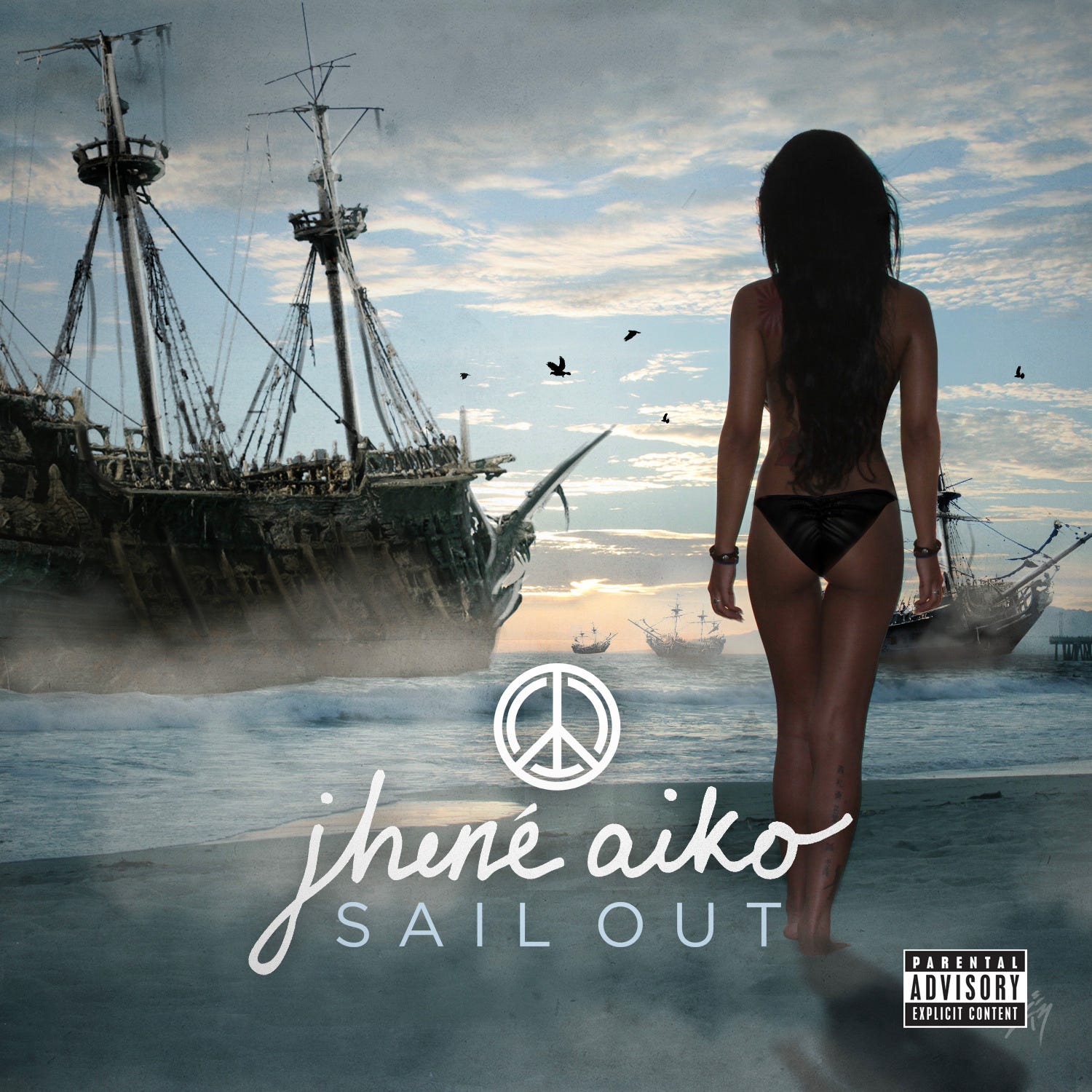
Just seven tracks, yet it features Kendrick Lamar, Childish Gambino, and Ab-Soul—attesting to the buzz she’d built since her 2011 mixtape Sailing Soul(s). From the dreamy “Bed Peace” (inspired by John and Yoko) to the JAY-Z referencing “The Worst,” she floats between shimmering melodies and moody production. “3:16AM” is darker and heavier, her delicate vocals providing a captivating contrast. The project’s detached intimacy helped standardize the meditative, semi-spoken approach that SZA and others would soon refine. —P
Beyoncé, BEYONCÉ
An essential piece in her discography, influential for both mainstream and alternative media—thanks to its surprise release, visual-album format, and bold Black-feminist narrative. Working with producer BOOTS from the rock realm extended her sonic palette. Without BEYONCÉ, neither Lemonade nor Renaissance might have existed. The raw vocal fireworks of “Drunk in Love” overshadow JAY-Z’s verse entirely, marking another pinnacle moment. The visual album merges chopped-and-screwed Houston rattles, Timbaland space-funk, and Frank Ocean-penned torch songs into a frank exploration of marriage, sex, and self-ownership. By wedding avant-R&B sonics to blockbuster pop strategy, Beyoncé redefined both album rollouts and the creative ceiling for mainstream soul. —B
Sidibe, Metaphysical (EP)
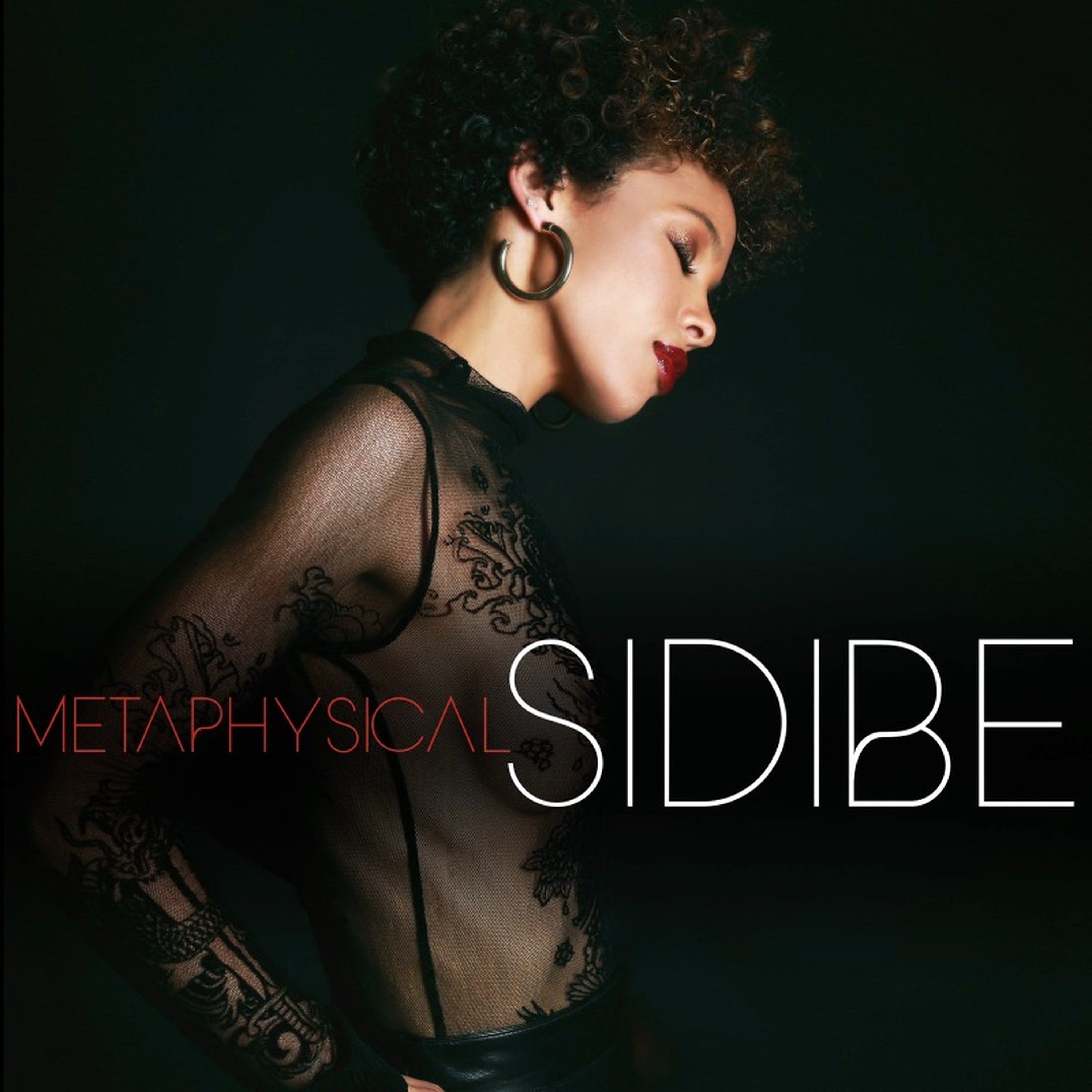
There are traces of the Louisiana and Senegal native’s lineage in this singer, whom Prince identified for having both Sade’s ease and Janet Jackson’s pop appeal. Producer Nico Stadi helped her shape 90s house styles and iridescent R&B under the clear expanse of her voice from an early stage of her career. Sidibe produced the first showcase for her, a set of six cuts built around floaty synth beds, rubbery murmuring bass lines and feathery piled-up harmonies that sound as influenced by quiet storm soul and crystal-clean singing as by glitch-soul and science fiction. Self-released, independence was the statement: paltry drums opened up room to suspend her hushed falsetto over the tops, with a thin crackle in the production and reference to influences of FKA twigs and early Quadron. Sidibe said she recorded the piece during a time of “death and rebirth,” and the gentle thrum of the album’s chords made the introspection a tangible presence. —B
Daley, Days & Nights
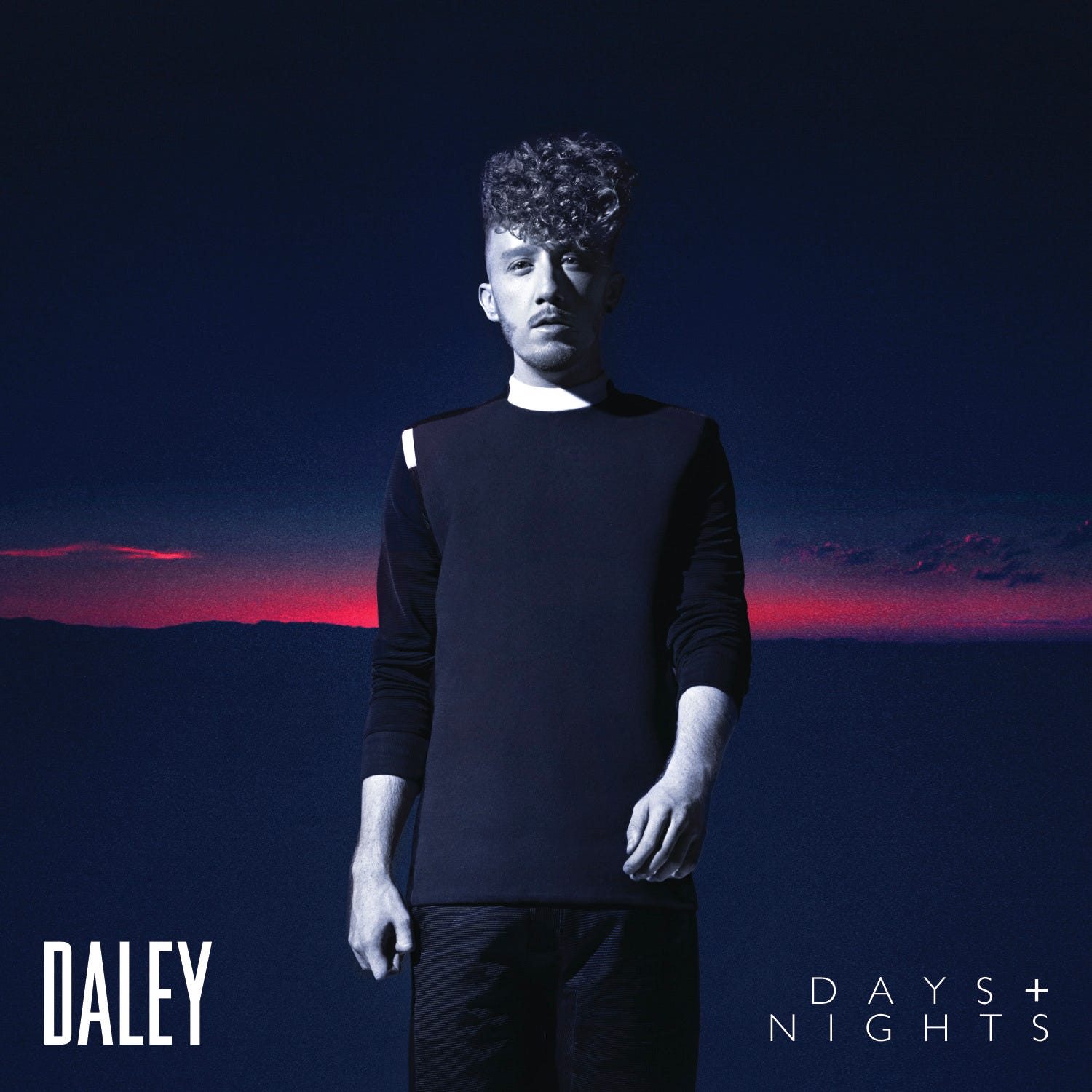
Hearing Daley on Gorillaz’s “Doncamatic” definitely turned heads. The Manchester crooner is all British blue-eyed soul’s elasticity over clattering drums and swelling, gospel gospel-choir vocals. Collaborations with Pharrell and Bernard Butler layered jagged, rhythm guitar lines and the boom-bap drum beat over a soulful R&B. Jill Scott’s guest turn here recalled Daley’s skill at sliding between gospel meowing and conversational singing, and the glassy synth-stabs and syncopated bass lines that comprise much of the album’s architecture seemed to bypass Adult Contemporary slickness to hit somewhere between a sprawling, confessional soul like Frank Ocean’s and Lewis Taylor’s more hallucinatory R&B peregrinations. —B
The Floacist, Rise of the Phoenix Mermaid
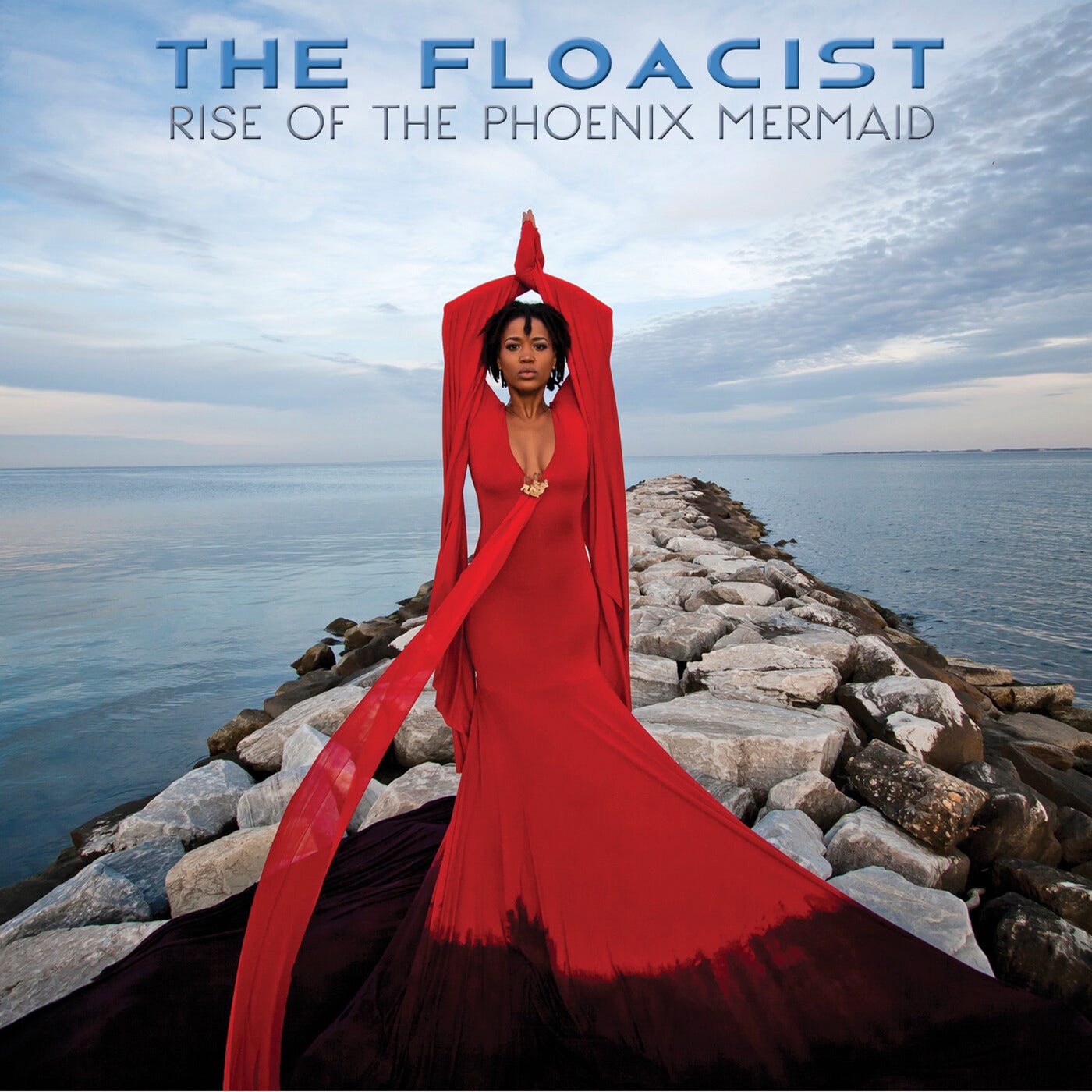
The third solo project from the British poet and rapper Natalie “The Floacist” Stewart, half of the duo Floetry, sees her knitting spoken-word cadences through rumbling bass and flutes over live rim-shot beats. Her explorations of Black womanhood and detachment from materialism appear in pieces that shift from dubbed-out echoes and Fender Rhodes glosses to neo-soul’s natural warmth, enhanced by a slightly surreal keyboard effect. Her ability to meld poetry into music makes the work feel at home in alt-R&B’s lineage of imaginative storytelling genres. —P
SZA, Z (EP)
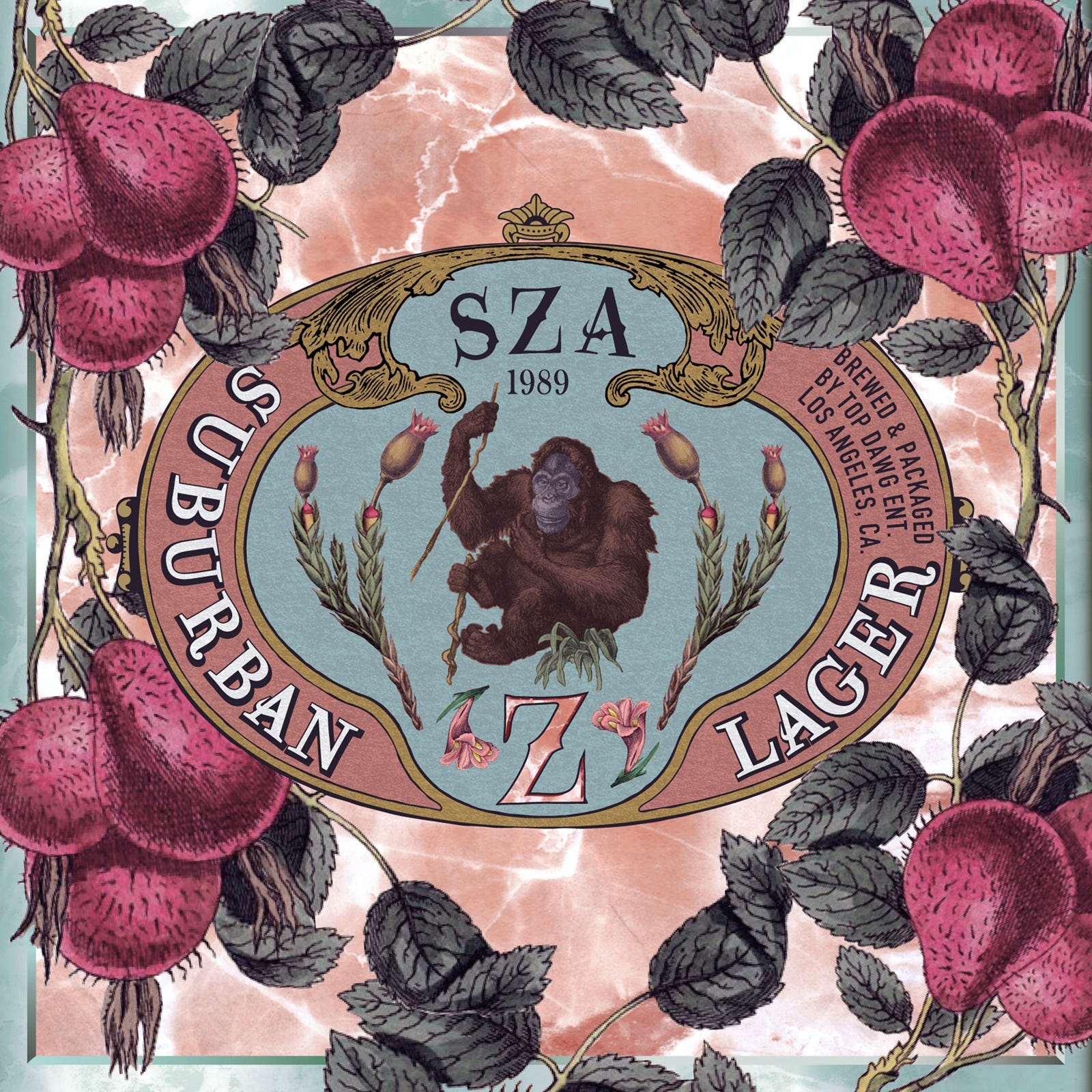
Kendrick Lamar’s label, Top Dawg Entertainment, has its first woman R&B singer, SZA. Her third extended-play album, but her first under TDE’s imprint, embraces both intimacy and experimentation. Mac Miller, Toro y Moi, and label mates appear, plus Chance the Rapper as a guest, already making it a star-studded affair. SZA’s voice remains subdued within that framework, flowing gently along the laid-back sound. There’s a frankness here that suggests a soulful vulnerability on the brink of transformation. Z’s collage technique foreshadows the genre-agnostic approach of later stars such as Fousheé and Ama Lou. —P
August Alsina, Testimony
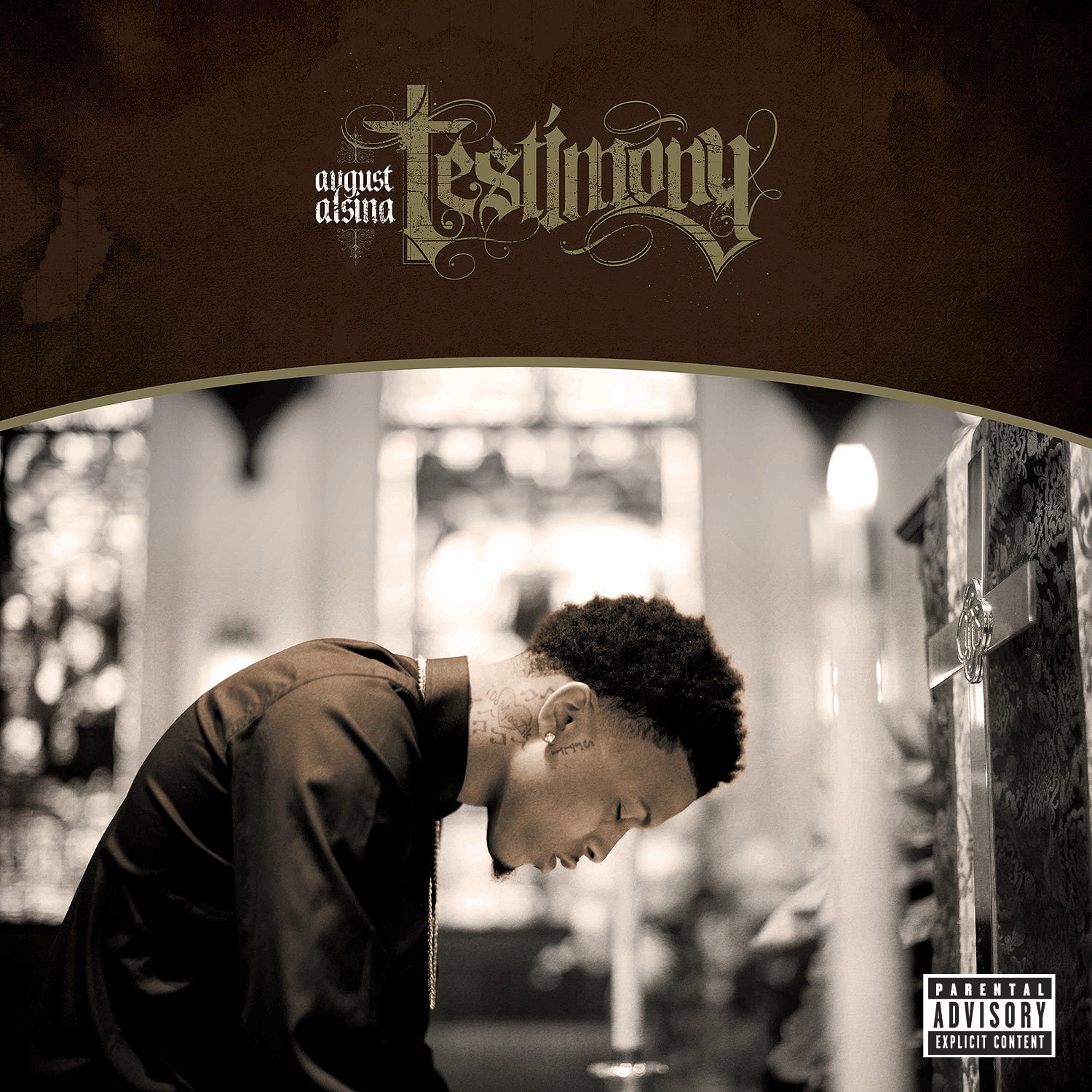
Selected as part of XXL’s “Freshman Class” in 2014 and releasing his first full album on Def Jam, August Alsina became one of the most successful street-oriented R&B singers of the mid-2010s. He has a tragic backstory involving family deaths and drug dealing, and you can hear him practically praying with that sweet voice on tracks like “I Luv This Shit,” making for a collection of standouts. He folds New Orleans gospel melismas into trap’s 808 thump, writing unflinching verses about gun violence, addiction, and survivor’s guilt. “Mama” is tear-inducing, showing heartfelt gratitude and love for his mother’s guidance. While heavily influenced by hip-hop, he also embraces tender, slow jams, offering a valuable variation in 2010s R&B. —P
Kelis, Food
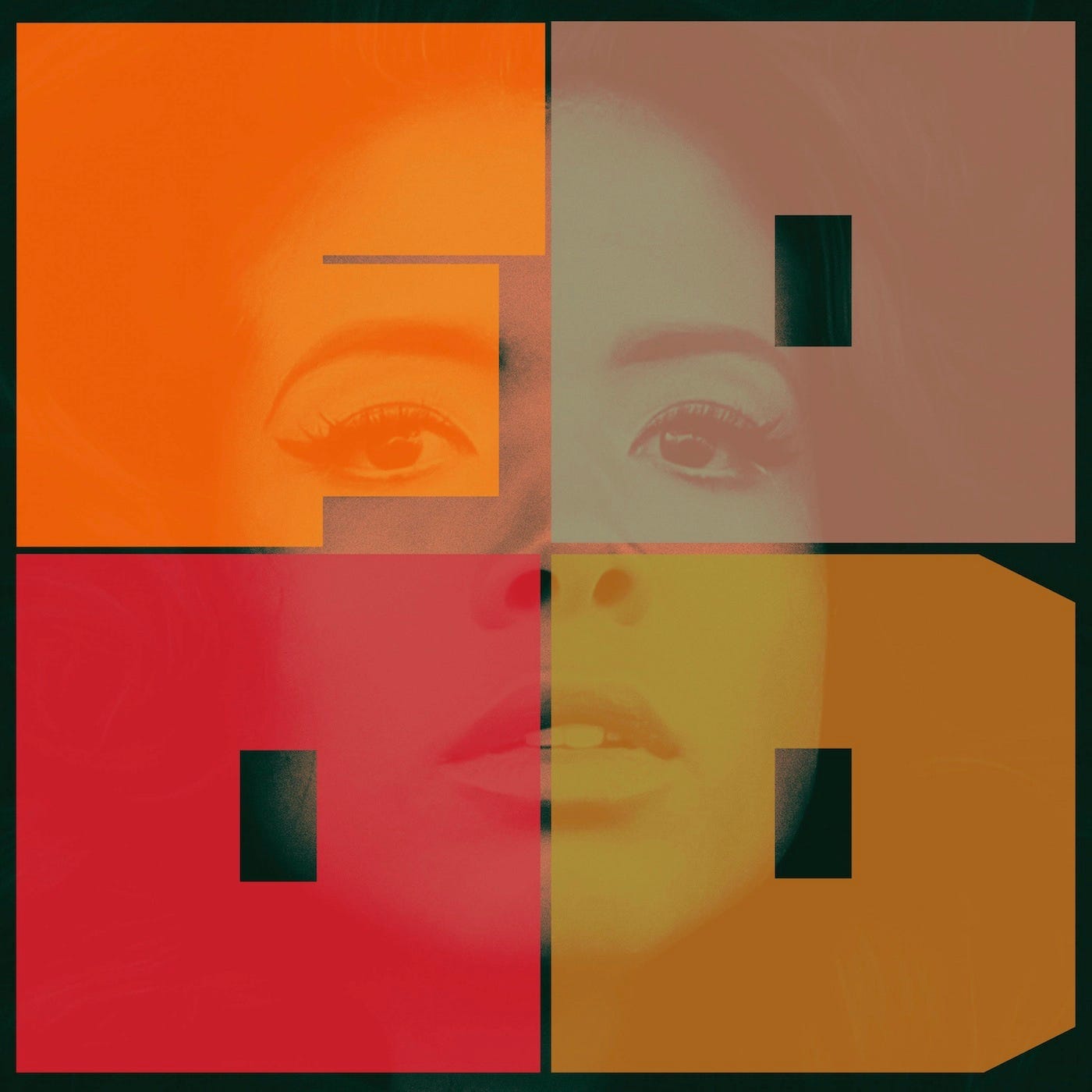
Produced by TV on the Radio’s Dave Sitek, Food swaps Kelis’s earlier EDM gloss for live horns, Afro-Beat guitar scratches, and smoked-out organ chords. Tracks like “Jerk Ribs” carry Timbaland-style rhythmic trickery inside analog warmth, illustrating how farm-to-table metaphors and culinary imagery can sit comfortably beside gritty low-end. By devising comfort food as sonic concept art, the album enlarges alt-R&B’s thematic palette. —P
Jesse Boykins III, Love Apparatus
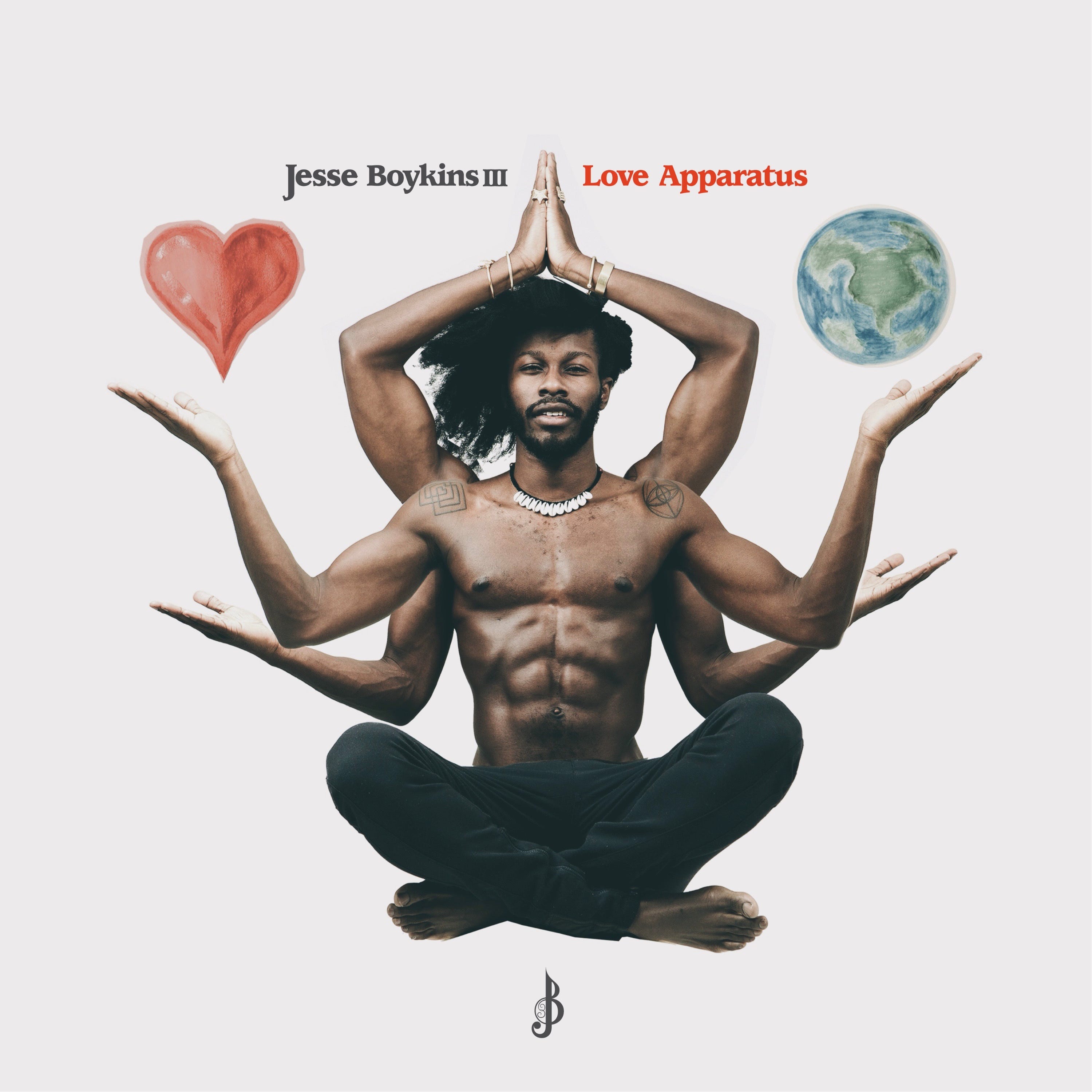
Working with bass-music producer Machinedrum, Boykins lets vapor-trail synth arpeggios and polyrhythmic hand drums swirl around his elastic tenor. Songs often begin as quiet meditations before blossoming into syncopated drum-and-bass passages, underscoring the album’s central question—how to create beauty in the digital age—by making the production itself a shifting sculpture. The silver falsetto-laced vocals are achingly seductive, and Phonte also makes a guest appearance. —B
Fatima, Yellow Memories
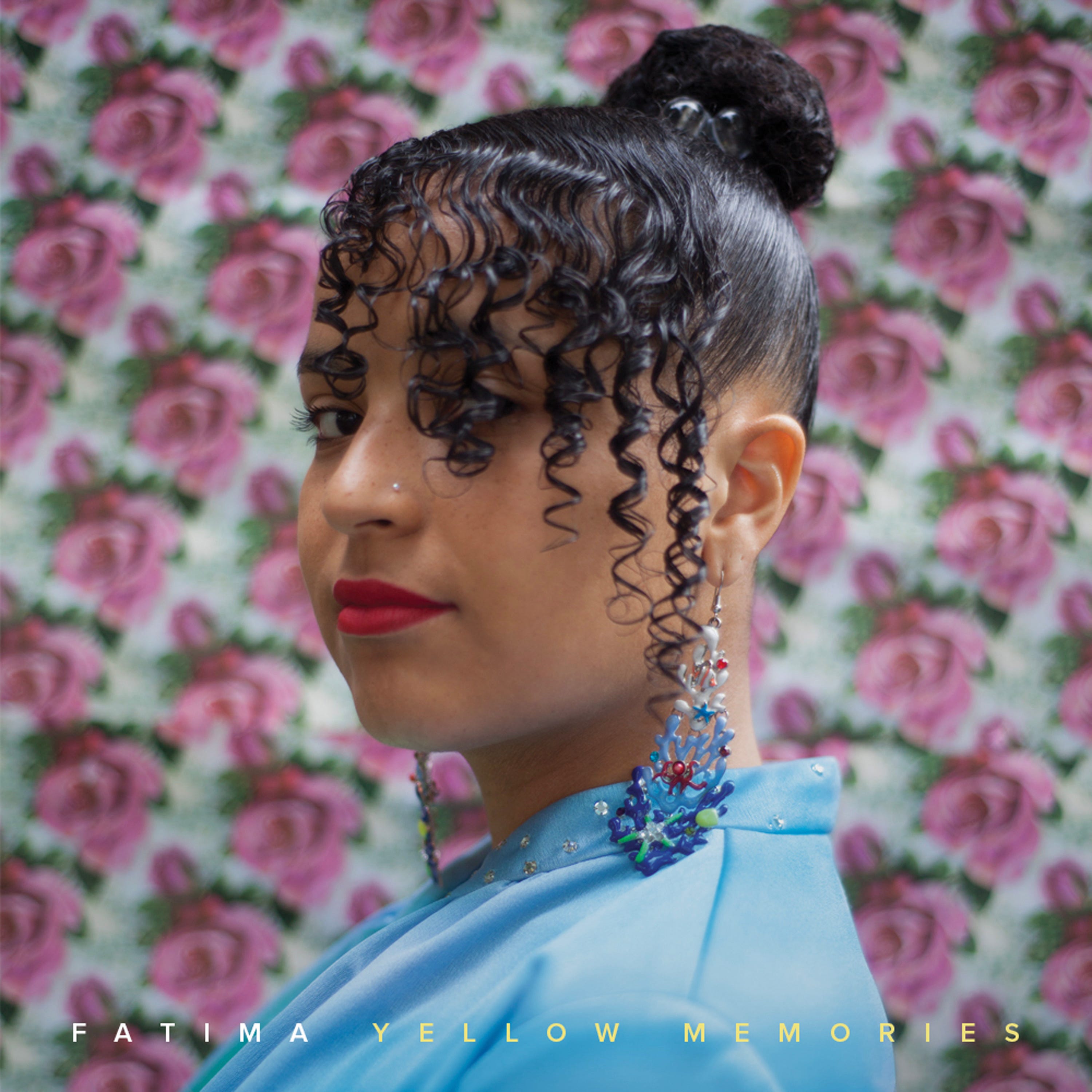
Born in Stockholm and active in London, the London-based vocalist threads her supple alto through her debut album, which was released on Eglo, operated by Alexander Nut and Sam Shepherd. As one might guess, the UK dance music scene’s influence is crucial here, with contributions from Floating Points (Sam Shepherd), Shafiq Husayn, Knxwledge, Theo Parrish, and more. The album touches on machine funk, jazz, neo-soul, and boom-bap—echoing the UK jazz resurgence of the late 2010s—yet Fatima’s conversational phrasing glues it together, turning eclecticism into narrative cohesion. —B
Mali Music, Mali Is…
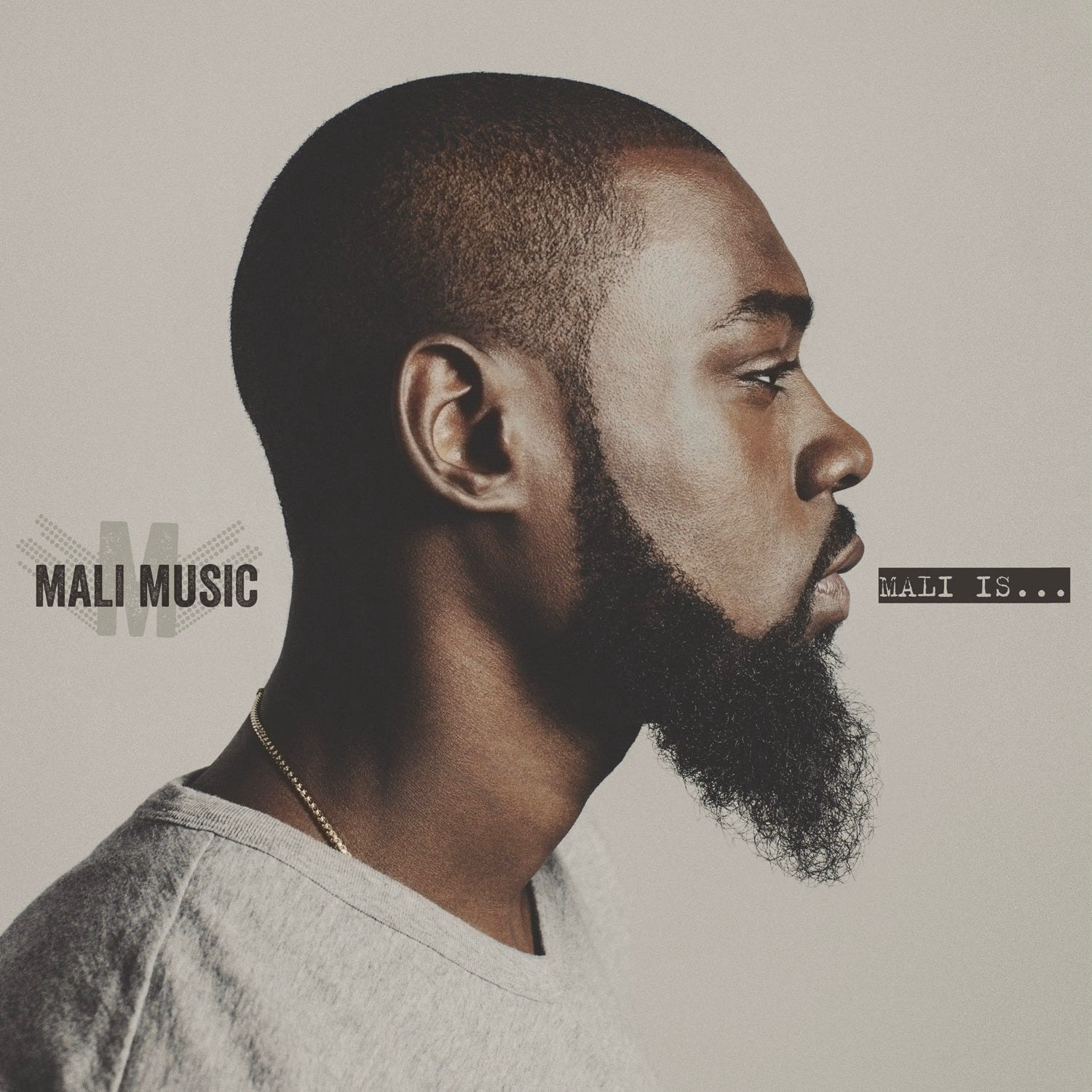
Mali Music began with boundary-pushing gospel, then signed to ByStorm under Mark Pitts (who discovered Miguel) to release this album. For someone who briefly spent time at Akon’s Konvict label, it’s not surprising that there are hip-hop/reggae undertones here. Produced largely by Jerry “Wonda” Duplessis, it features the gospel-tinged ballad “Beautiful,” which became a hit, and more up-tempo tracks by D’Mile where he sings with passionate intensity. Straddling the sacred and the secular, it’s a diverse project that doesn’t shy away from spiritual themes. —B
Marsha Ambrosius, Friends & Lovers
One half of the R&B duo Floetry and writer of Michael Jackson’s late-career gem “Butterflies,” Marsha Ambrosius follows her Philadelphia roots with a second solo album that maintains the sensual slow jam at the center but surrounds it with moody Rhodes chords, clipped trap hi-hats, and subtly detuned backing vocals. Explicit lyrics are delivered in swooning, jazz-inflected runs, turning erotic confession into psychological vignette; the album’s spacious mixes leave room for breaths, sighs, and studio chatter to function as instrumentation. “Laka La La La,” which is inspired by Minnie Riperton’s “Lovin’ You,” and “Stronger,” produced by Dr. Dre, which covers a Sade classic over Jeru the Damaja’s hip-hop classic “Come Clean” beat, are among the high-intensity tracks on an album full of density. —B
PARTYNEXTDOOR, PARTYNEXTDOOR TWO
Jahron Brathwaite doubles down on syrupy tempos, dancehall syncopation, and Auto-Tuned baritone blur, creating an environment where desire feels half-remembered. Synth patches wobble like heat mirages, and percussion arrives in sudden pulses rather than steady patterns, emphasizing emotional fragmentation over hit-single clarity. While his debut was treated as a mixtape, this is PARTYNEXTDOOR’s official debut album. The platinum-selling hit single “Recognize,” featuring a big-brother figure, gives a taste of his trademark: his restless urgency. It’s a space where his unique identity fully emerges. —P
Jessie Ware, Tough Love
This sophisti-pop croon glides across skeletal drum-machine ticks, midnight-blue synth pads, and Prince-echoing guitar flickers. Jessie Ware’s debut successfully modernized traditional blue-eyed soul and AOR with electronic elements. On this second album, guests like Ed Sheeran and Miguel, plus producer Benny Blanco, catch the eye. But far from overshadowing the project, their presence highlights how the minimal beats from Ninja Tune affiliate Two Inch Punch (credited here) stand out. Considering the stumble on her third album, this sophomore release might be the peak of her early career, featuring dense, pop-ready songwriting balanced by tasteful indie-disco and deep-house flourishes. —B
Kehlani, Cloud 19
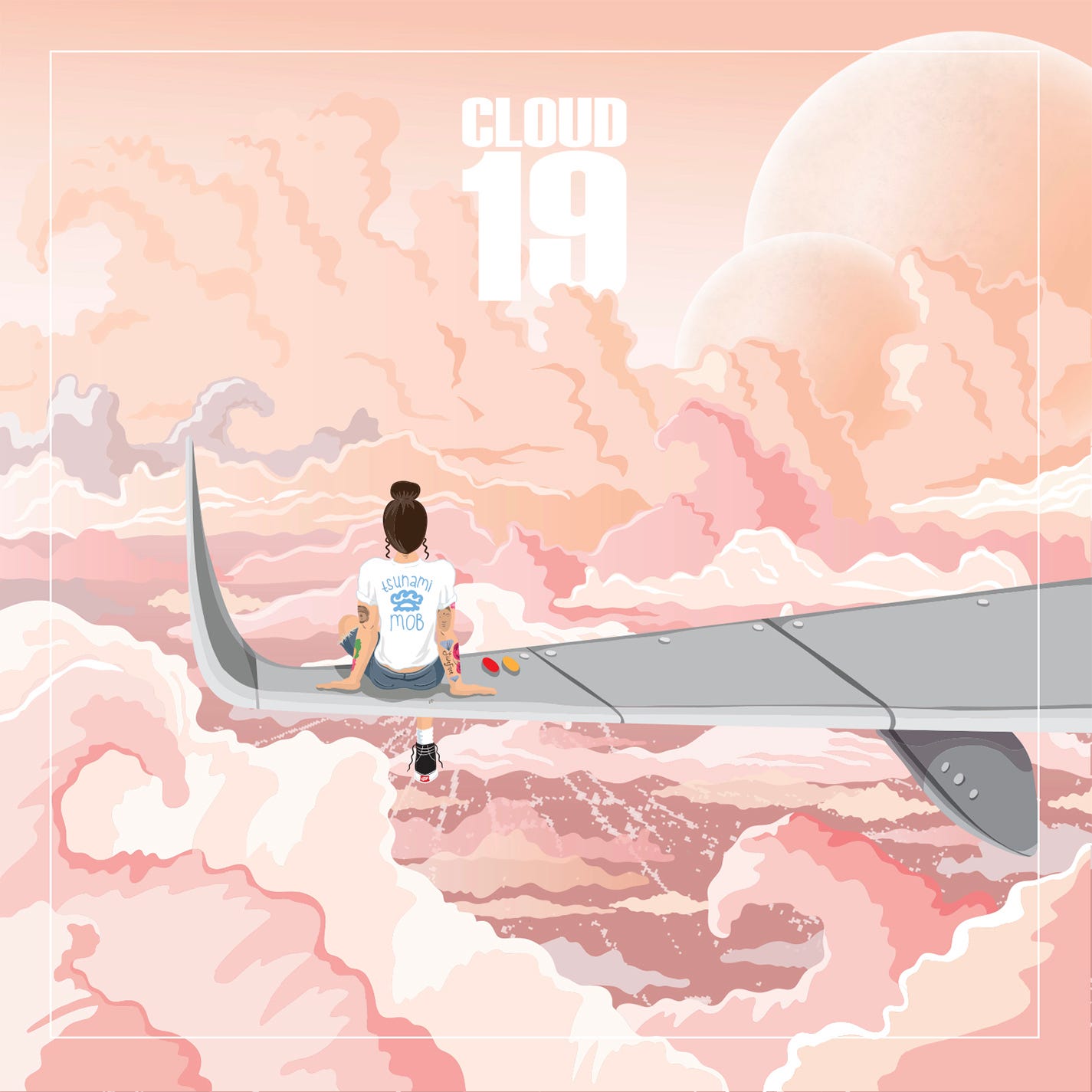
The Bay Area has long produced soul artists who thrived in the hip-hop era, like Tony! Toni! Toné! and Keyshia Cole. Representing the 2010s from that region is Kehlani, whose first official release is this mixtape. She has a “R&B singer’s voice” but phrases beats as flexibly as a rapper, embodying the very essence of 2010s soul. The sound incorporates trap elements without becoming too hard-edged. On “How We Do Us,” you can already hear her sampling iconic R&B classics—a technique she’d continue in later albums. The tape’s eight songs feel like Polaroids: quick, candid, softly saturated, hinting at the memoir-style songwriting that would push R&B into therapy-session terrain. —P
BANKS, Goddess
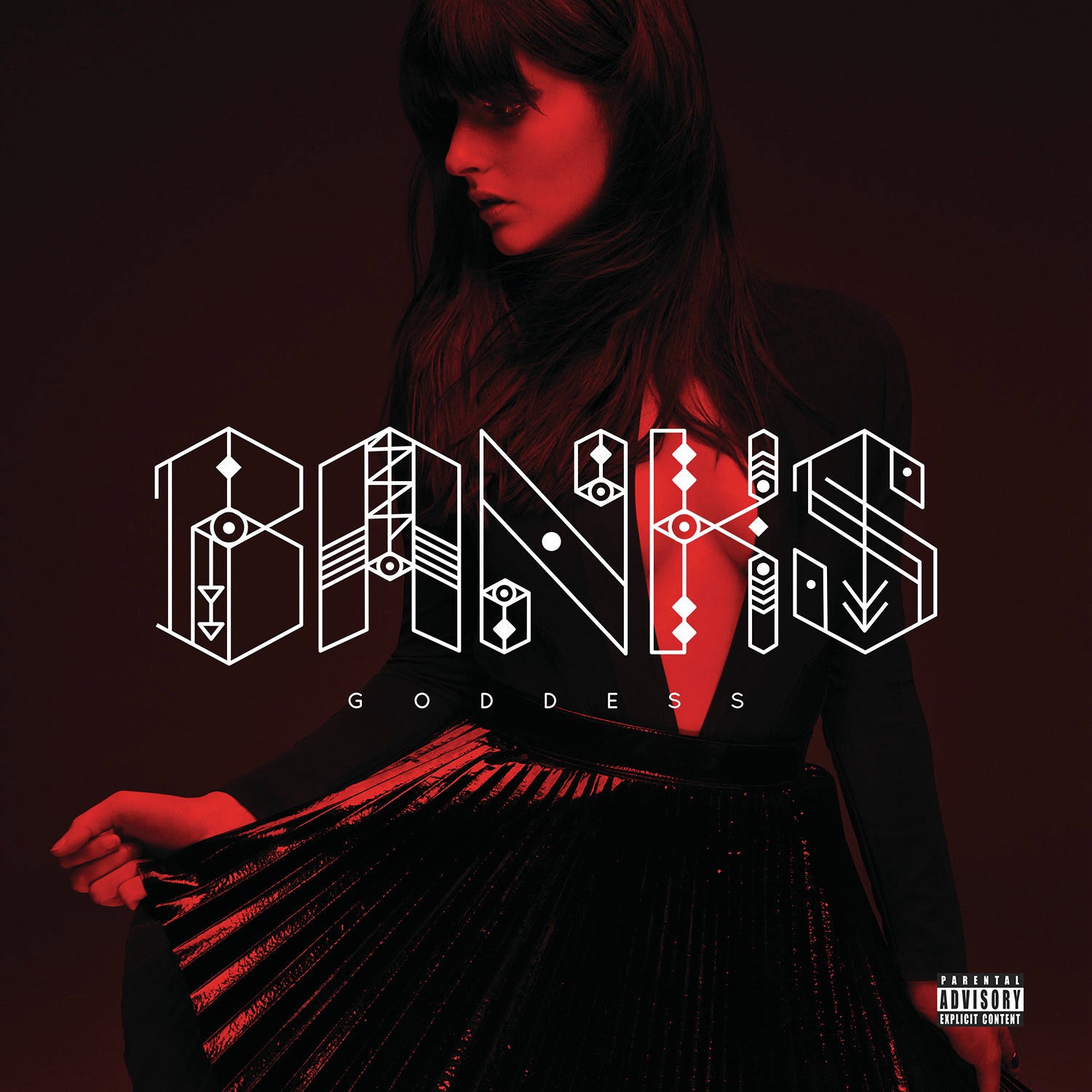
“R&B is soul to me,” says BANKS, a statement reflecting her own artistic identity. Upon release, her darkly distorted beats aligned her with the so-called “sad girl” wave of indie R&B/electronica, but in truth, most of the “goddess” concept here is about empowerment. She openly displays heartbreak and anger as she moves forward, a straightforward and soulful determination that can be heard, for instance, in the concluding track “Under the Table,” where she declares she’s learning—even if heartbreak is part of someone else’s game. Trip-hop drum loops, pitch-shifted vocal doubles, and skeletal piano lines construct a nocturnal labyrinth where her low-register growl can alternate between fragile and confrontational. Producers Lil Silva and Sohn season the arrangements with industrial hiss and reversed-cymbal swells, emphasizing tension over release and framing the singer’s narratives of power imbalance as gothic mini-films. —B
Childish Gambino, Kauai (EP)
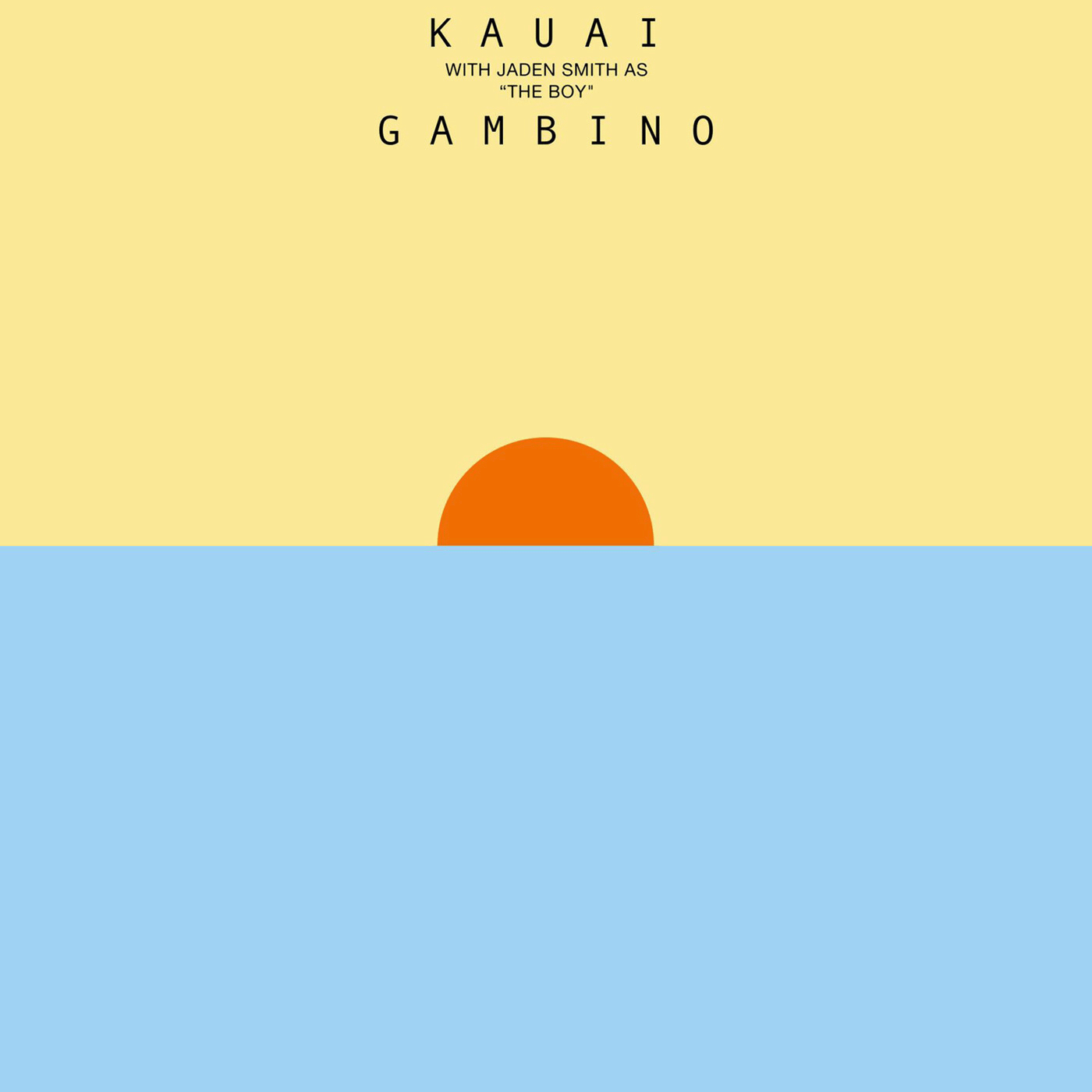
Donald Glover is known as an actor and the creator of Atlanta, and goes by Childish Gambino for his acting/screenwriting when he makes music. While he’s rooted in hip-hop, this EP—titled accordingly—leans into breezy R&B with resort-like vibes, showcasing his refreshing singing voice. As the sunnier companion to the trap-heavy STN MTN, Kauai blends breezy falsetto hooks with arcade-bleep synths and live Fender-Rhodes flourishes, evoking neo-soul warmth even as Donald Glover toys with rap cadences. Spoken-word interludes reference J-Dilla-style drum programming, situating the music between campfire sing-along and avant-R&B experiment. —P
Tinashe, Aquarius
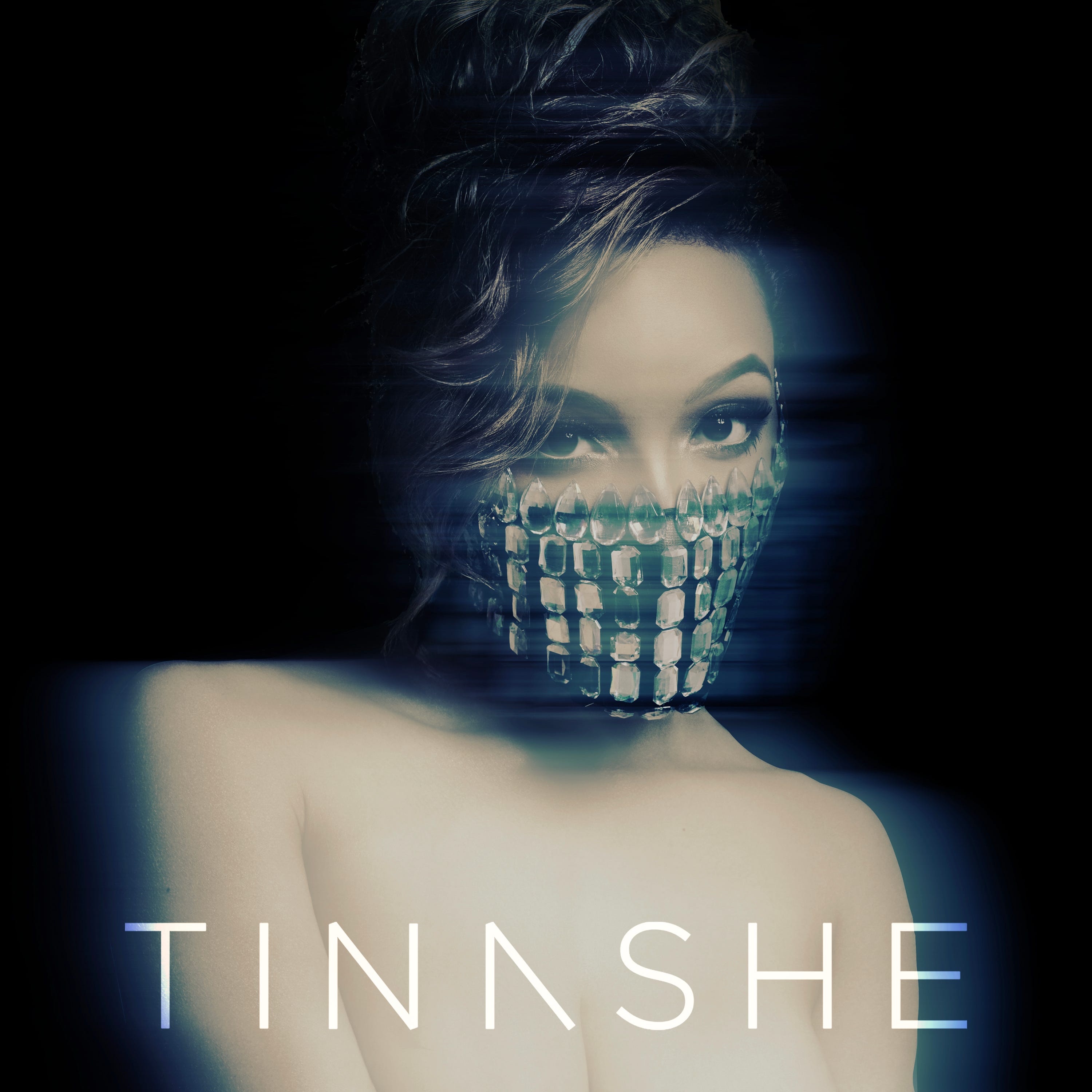
Tinashe fuses the dark-pop atmospherics of her home-studio tapes with DJ Mustard bounce and Clams Casino haze, refusing to flatten her layered whisper into radio sheen. Rolling snares, yawning sub-bass, and kalimba-like plucks create a dream-state where choreography, songwriting, and production feel inseparable, marking Aquarius as a manifesto for major-label autonomy. —B
Rochelle Jordan, 1021
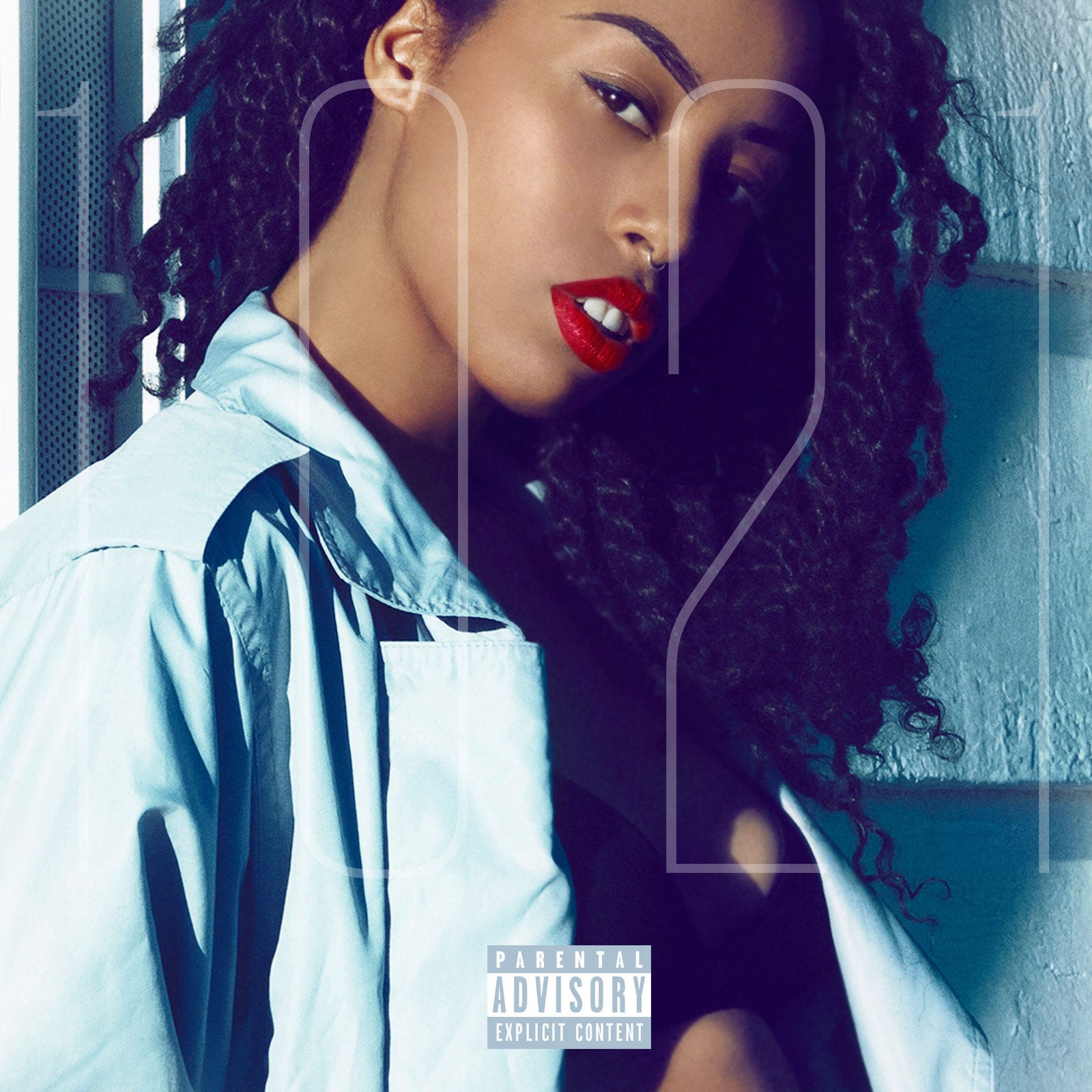
Born to Jamaican-British parents and raised in Toronto, Rochelle Jordan recorded her debut in Los Angeles. Producer KLSH’s West Coast-flavored beats match her intimate vocal delivery, exemplified by the popular track “Lowkey.” The result is a futuristic R&B sound reminiscent of Aaliyah or early Amerie, blending ambient textures with R&B so seamlessly that it evokes influences from fellow Toronto artists. After a seven-year hiatus, she’d return in 2021 with an even bigger, bolder scale. She pairs Aaliyah-style understatement with candid reflections on betrayal and self-worth; the combination renders nostalgia as forward motion. —B
Kali Uchis, Por Vida (EP)
Your heart might feel melted from her sugar-coated sound- completely consumed by the gentle vibe. Every song dances in her hands, even though you might not realize that until the moment you pull yourself out of the spell. Colombian-born American singer Kali Uchis paired a doo-wop skeleton (“Sycamore Tree”) to a hip-hop drum beat and a bolero vibe, with her vocals recorded through a thrift store mic, sharing stems through emails to KAYTRANADA and Tyler, the Creator. That mixture of Chicano oldies, strings from blaxploitation films, and percussions similar to reggaetón turned the album into a low-rider dream sequence and a guide to the next wave of Latinx voices in the alt-R&B genre. —B
Tuxedo, Tuxedo
Singer/producer/DJ Mayer Hawthorne, and award-winning hip hop producer Jake One (of De La Soul, etc) are the artists behind Tuxedo’s first album, an explosion of disco-funk ready for dancing. Their hip hop background gives it a driving rhythm while keeping its light, fun tone instead of the clunky seriousness that most revivals carry. Compared to the work of Daft Punk from their earlier albums that drew from the 70s, Tuxedo keeps a more airy and loose rhythm without the heavy feel of their French predecessors. —P
Tinashe, Amethyst
Tinashe’s label may not have recognized her talents during this time, but she achieved her artistic vision in this mixtape. While this mixtape was recorded in her bedroom over Christmas break, it maintains its atmospheric tone all throughout the EP and goes to great lengths with the instrumentation. Her rendition of Kool & The Gang’s “Summer Madness” on “Wrong,” accompanied by escalating layers of drums, matches perfectly with her brilliant lyrics. Tinashe, born in February, named this mixtape after her birthstone. —P
Kehlani, You Should Be Here

Take a broken laptop and a lost chance, get on a high-rise building, sit cross-legged and watch the Bay Area skyline turning colorful before you. The mixtape offers exactly that ethereal vibe. The 19-year-old Kehlani blends gospel-choir intonations with minimalist Rhodes loops by Jahaan Sweet, while crafting sincere verses on abandonment and chosen family that sound like entries from a diary being sung on Oakland front steps. Motivational words are included at the introduction of the mixtape and lead smoothly into songs like “Alive” and “Bright,” which offer a hopeful spirit. The mixtape includes collaborations from Chance the Rapper, BJ the Chicago Kid, and the late Lexii Alijai. With the artist being the executive producer and orchestrating every transition in between songs, mixtapes have been proven worthy as legitimate R&B albums. —B
Alina Baraz & Galimatias, Urban Flora
A collaborative masterpiece between producer Galimatias, known for his subtle, electronic textures, and singer Alina Baraz who offers hushed and laid-back R&B vocals, this album has been deemed as a defining point in the mid-2010s alternative R&B. Though detailed, the layering of sounds is never overwhelming; there are also natural sound effects like wind and water added to give it a calm vibe. Alina’s voice, along with the echoing effects, gets so blurred and abstract that it becomes an instrument itself—a heavenly atmosphere resembling a film score. —B
ABRA, Rose
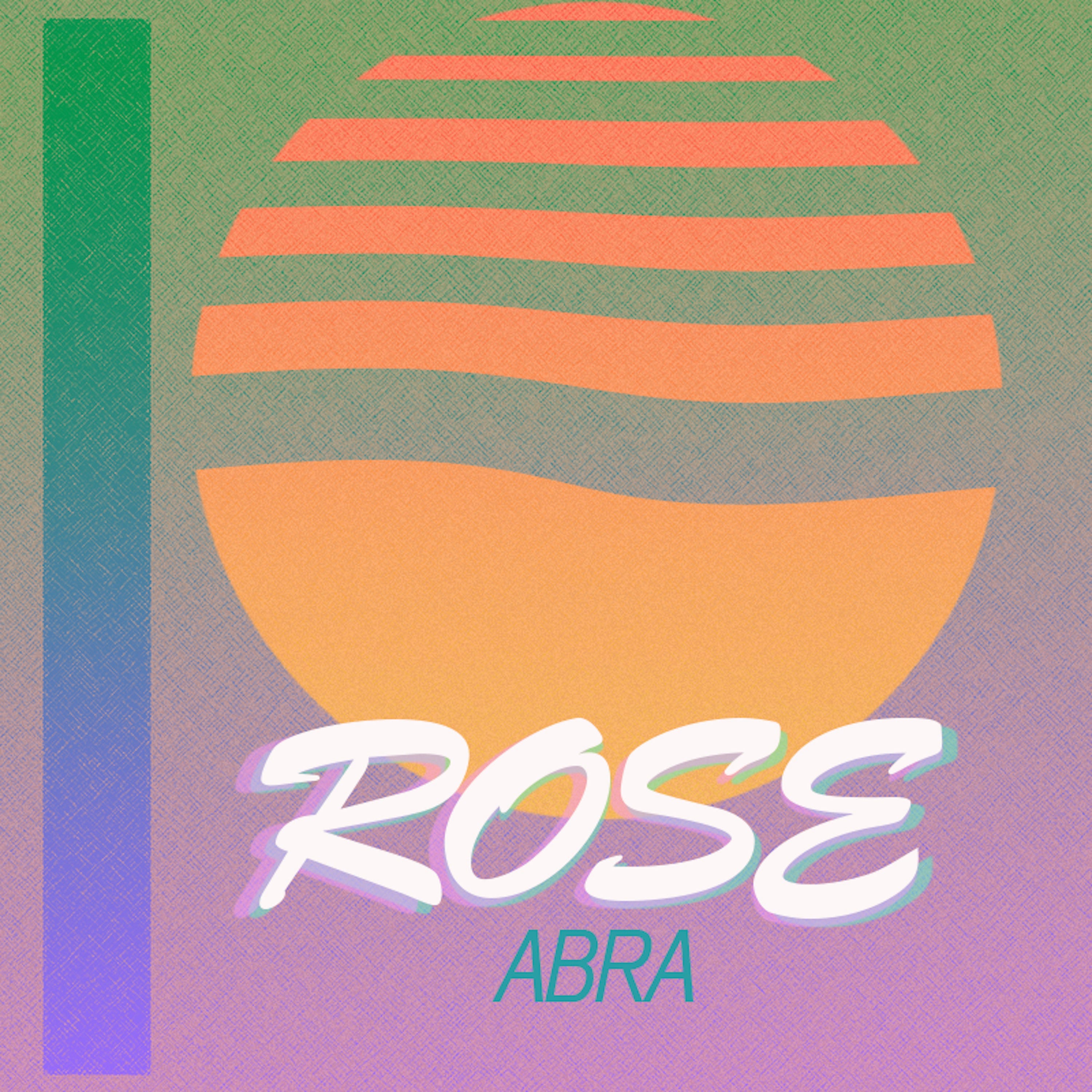
ABRA, a singer, songwriter and producer from Atlanta who refers to her style as “Darkwave Duchess”, managed to put on a dynamic soundscape with low-key track counts in her bedroom. A slinky, dark pop that still feels airy with the subtle hint of synth-funk laced through southern trap vibes. It’s incredibly catchy and a perfect example of how space and clever production can create a captivating mood. —B
Miguel, Wildheart
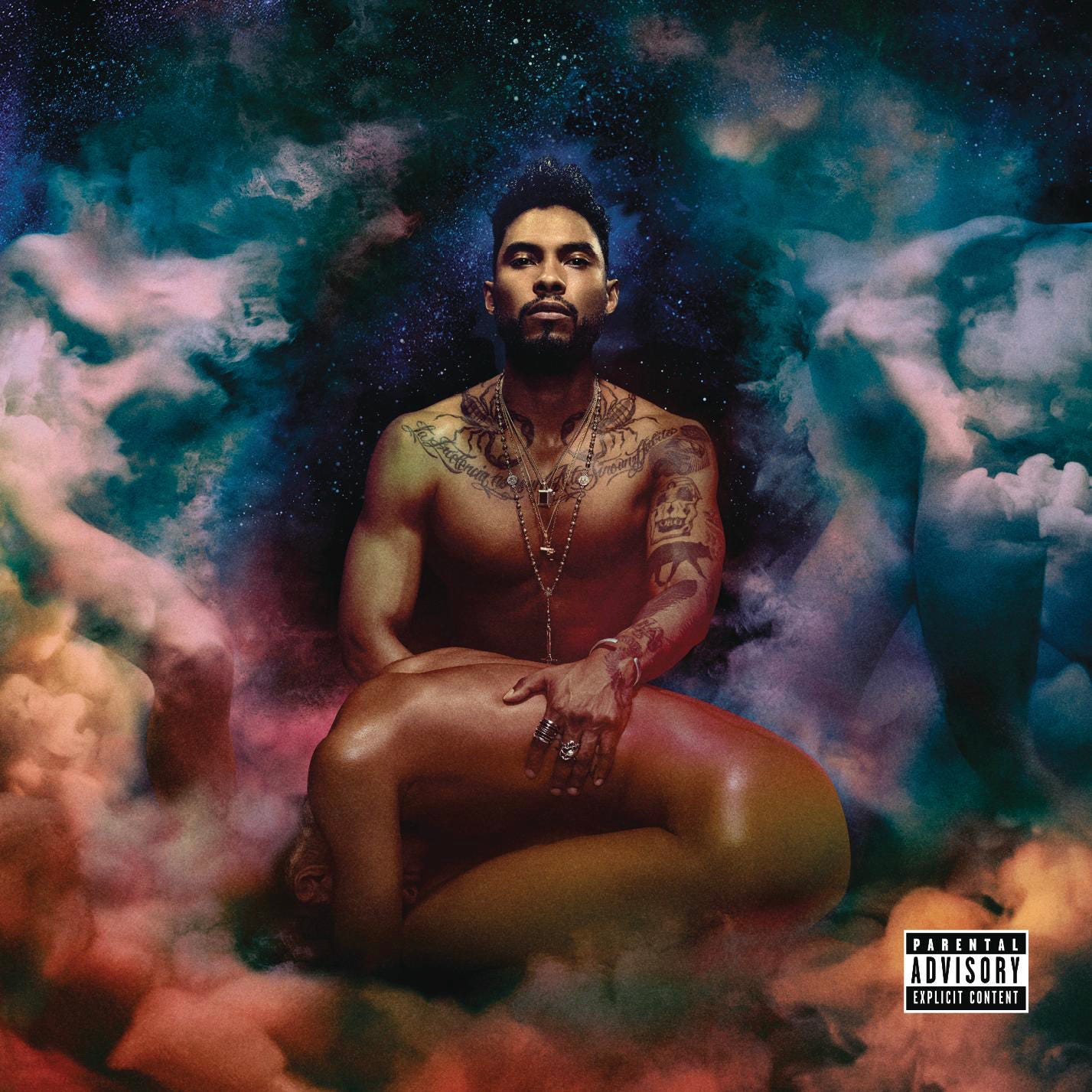
Miguel was one of the first artists to truly break through genre barriers by incorporating stadium-size guitar distortion, Prince-influenced falsettos and lyrics focusing on mutual passion, rather than conquest. The core of this album is soul music from the 60s and 70s, fused with the rock element from the same period. The lead single, “Coffee,” earned him a Grammy nomination for Best R&B Song. With features from Lenny Kravitz and Kurupt, among others, this album paved the way for artists like Tinashe and Kehlani to dabble in the psychedelic rock sounds within R&B. The poly-musical L.A. Rock-soul displayed the ability of alt-R&B to achieve an arena rock swagger without the slightest lack of sensual undertones. —P
Bilal, In Another Life
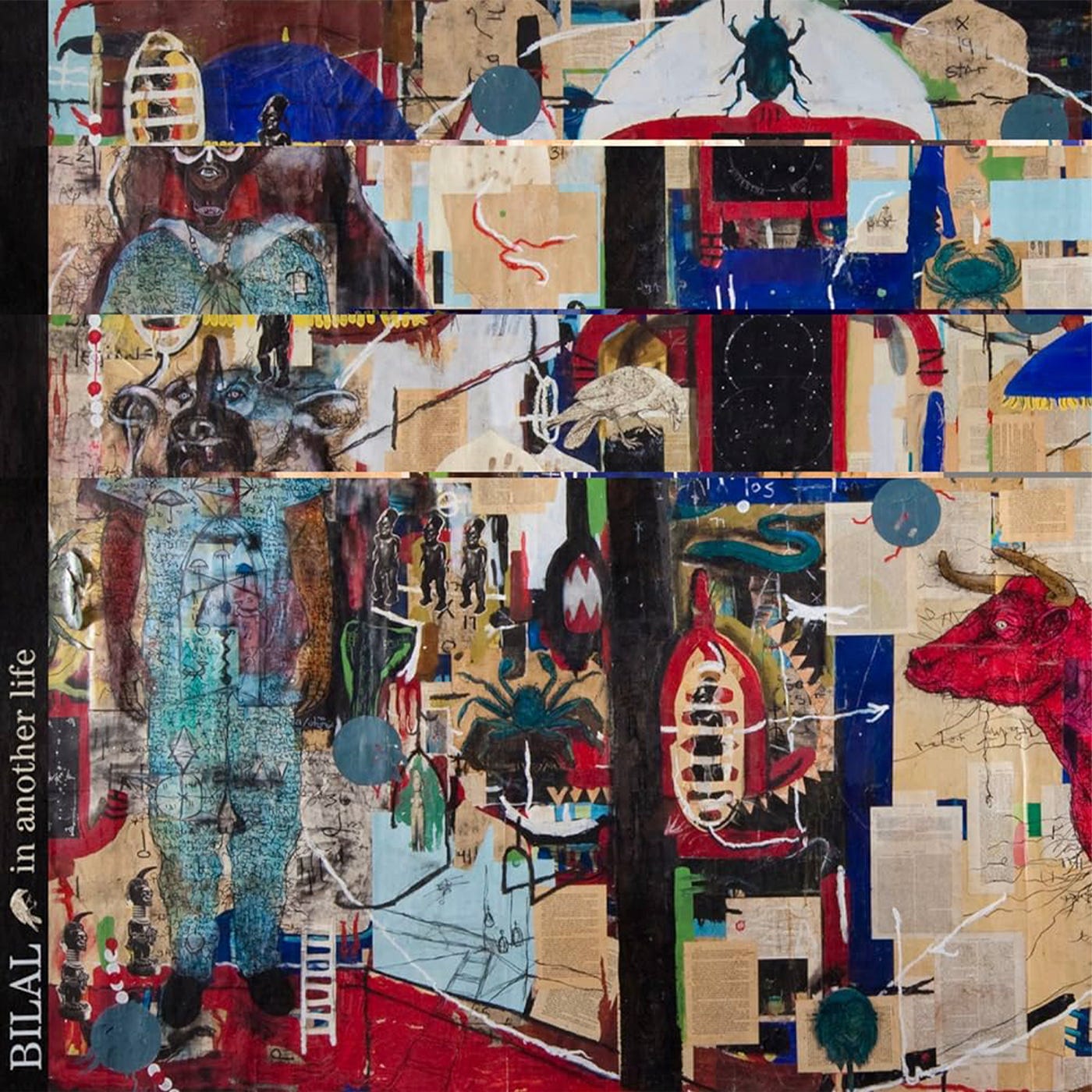
Although he is recognized for his association with the neo-soul scene through the Soulquarians, Bilal’s career started when he first worked with Dr. Dre; ever since the 2010s, he’s expanded his dark yet beautiful sound through collaborations with Robert Glasper and BIGYUKI. In this project, he comes together with the master of retro-soul, Adrian Younge, to experiment with a psychedelic sound, emphasizing Bilal’s eccentricity. Kendrick Lamar and Big K.R.I.T., artists who had previously worked with him, join forces with Kimbra for this modern soul journey. —B
Stacy Barthe, BEcoming
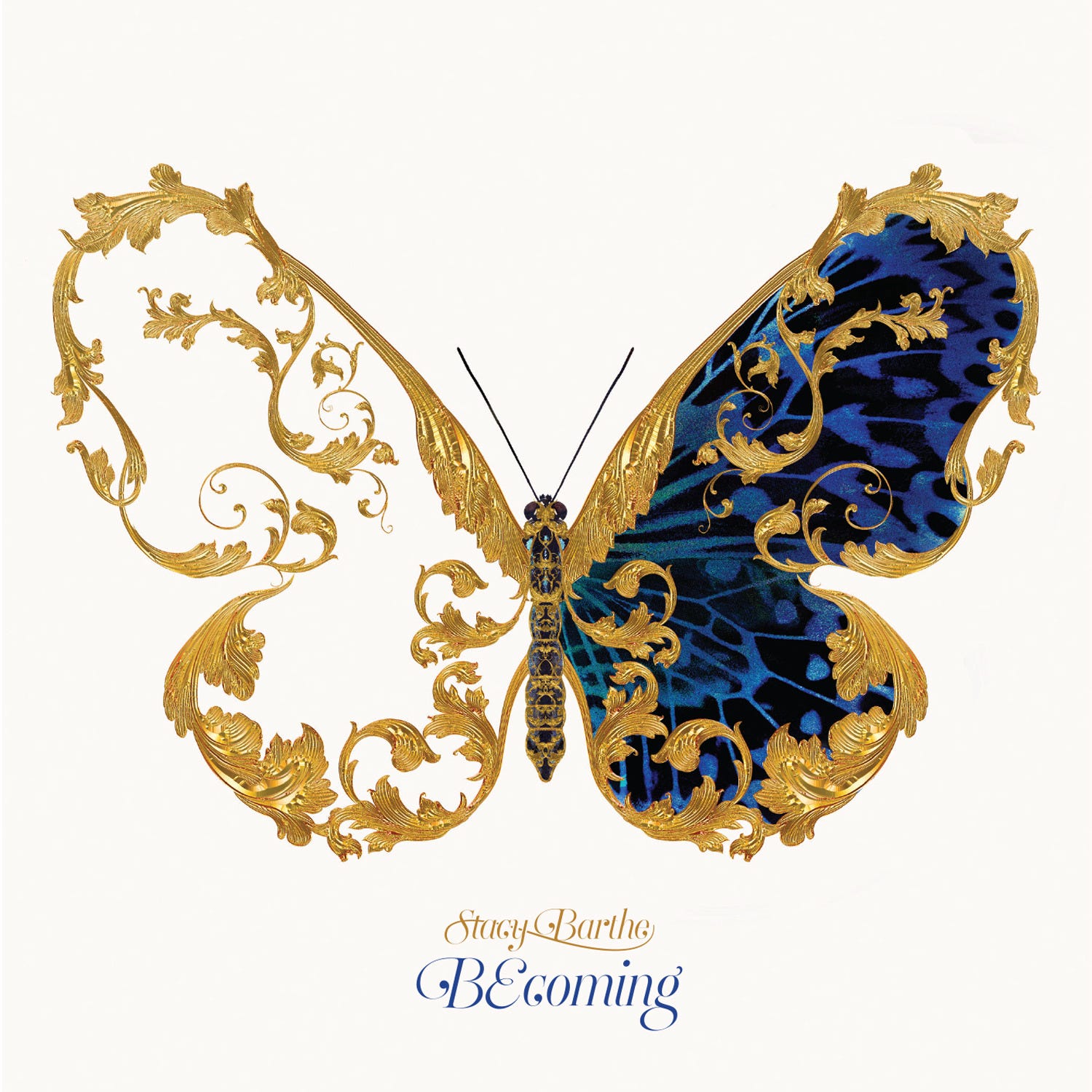
Hailing from Haiti through Brooklyn, Stacy Barthe, the woman behind the lyrics for Rihanna and Katy Perry’s most famous songs, brings her first full-length project as a singer, collaborating with Malay (who also produced for Frank Ocean) and Camper. Barthe’s knack for pop melodies is apparent; however, her lyrics also dive deep into struggles with suicidal tendencies, depression, alcohol, and weight loss. Even optimistic songs like the ones featuring Common maintain the ethereal soundscape of an alternative R&B song. The hip-hop soulful interpretation of Anita Baker’s “Angel” with John Legend also stands out. —B
Lianne La Havas, Blood
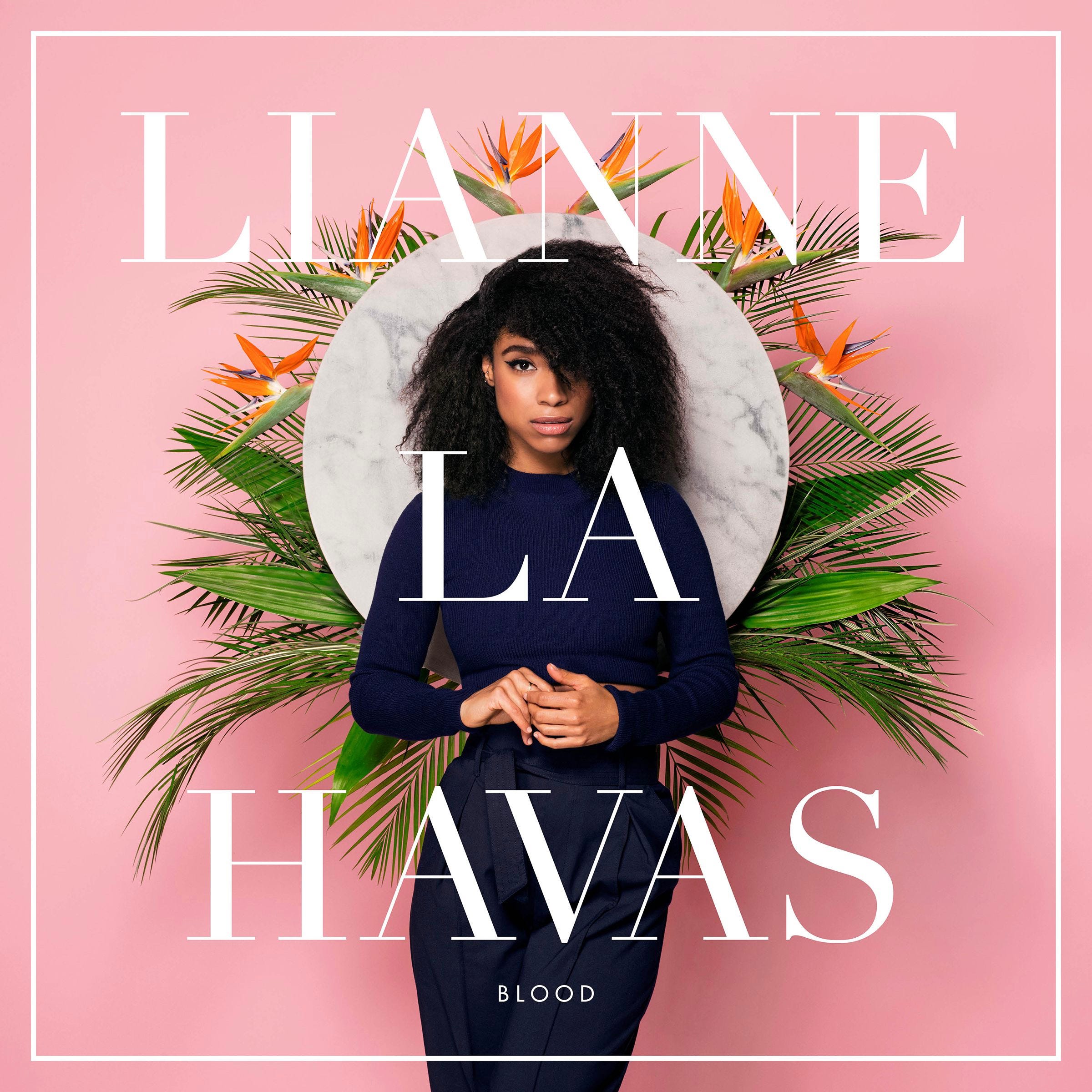
Building on her soulful and earthy signature sound, Lianne La Havas delves even deeper with her sophomore album. With production from Paul Epworth on the first track, and longtime Dr. Dre collaborator Mark Batson adding weight to the lowest end, the track also features the careful arrangement of strings, electronics and gospel-choir sounds. Her Jamaican and Greek background is influential in the title and in the vibrant last part of the album with dancehall-influenced “Midnight” and the inspiring “Grow.” A listen-worthy step forward. —P
SiR, Seven Sundays
Before landing a record deal with TDE, the Inglewood R&B singer released this debut mixtape on SoundCloud. Though he was used to performing power-packed vocals as a songwriter for Jill Scott and Tyrese, this album features him paired with a delicate vocal style with airy hip-hop production, creating an addictive sound. The mixtape also features Anderson .Paak, Knxwledge, Chris Dave and his older brother, rapper D Smoke, all artists who would later become prominent figures themselves. —P
Teedra Moses, Cognac & Conversation
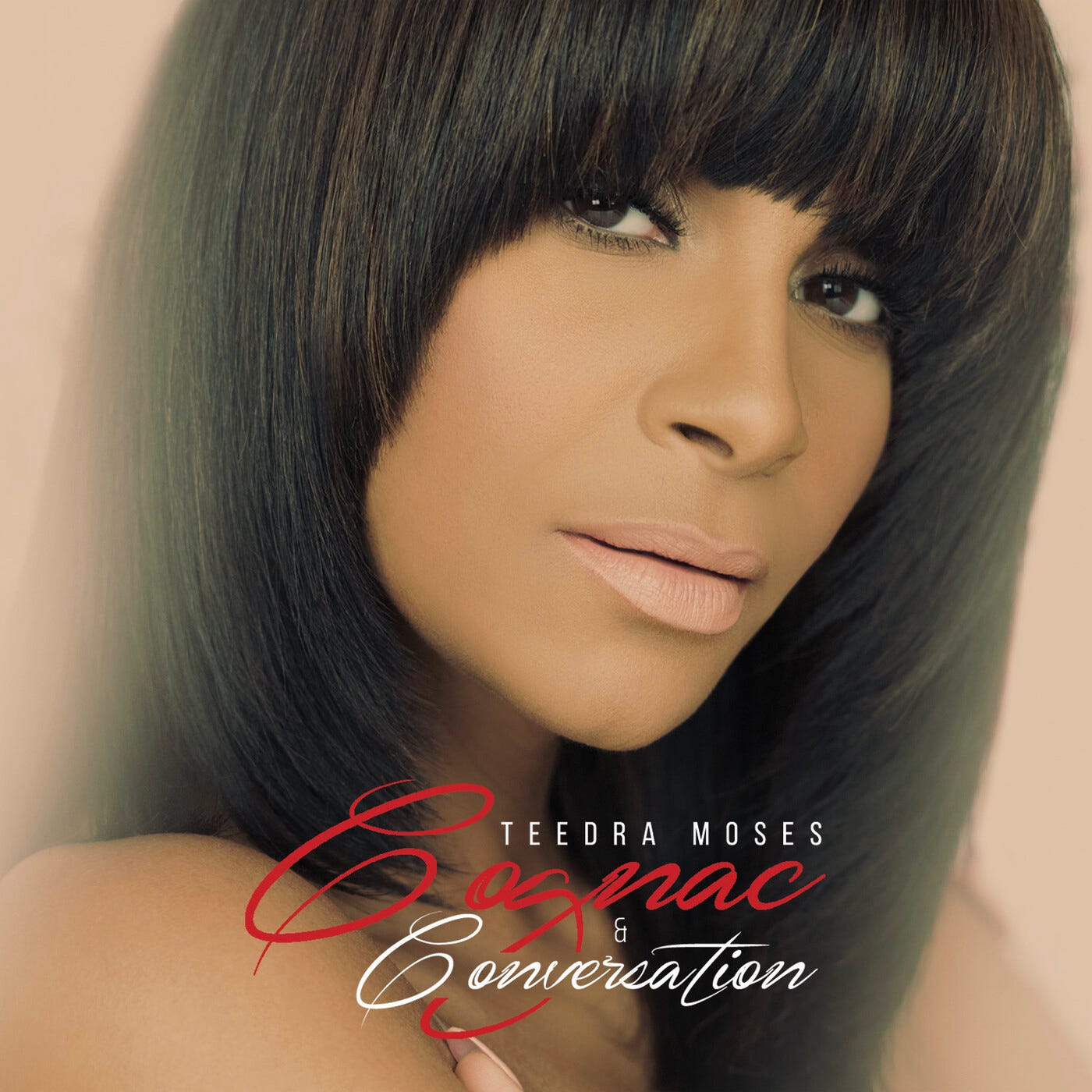
After her first 2004 album, Complex Simplicity, which brought us the KAYTRANADA-remixed hit “Be Your Girl,” Teedra Moses released multiple mixtapes before her official second album on Shanachie. She maintains a street-focused style with a collaboration featuring Rick Ross and incorporates club music with producers such as Boddhi Satva. Her organic and smooth voice matches perfectly with Anthony Hamilton in a gorgeous duet. Her later singles and guest appearances, notably one with Salaam Remi, prove she is still an artist worth listening to. —P
Dornik, Dornik
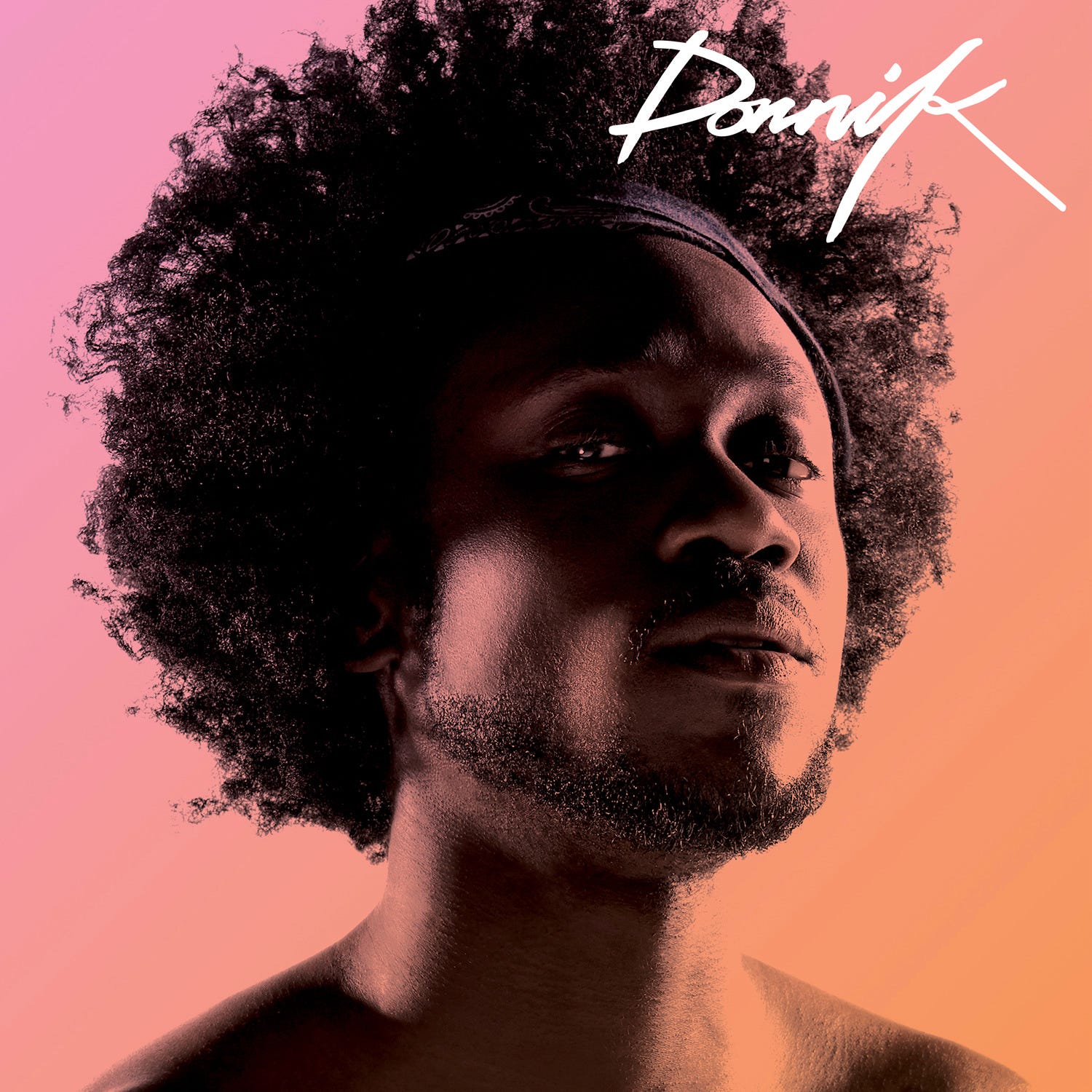
This singer/songwriter from South London started making music reminiscent of Prince’s drum-machine funk and Michael Jackson’s vocals when he was first noticed as Jessie Ware’s drummer and got a spot on PMR. Recorded entirely in his bedroom, the album begins with a rapid, pop-funk hit, “Strong,” then slows down to a mellow, jazzy tune, “Blush,” demonstrating the balance between edgy and easily accessible pop. Being a ghostwriter for Odd Future explains his meticulous yet silky work, considering that his songs are polished and yet incredibly smooth. —B
The Foreign Exchange, Tales from the Land of Milk and Honey
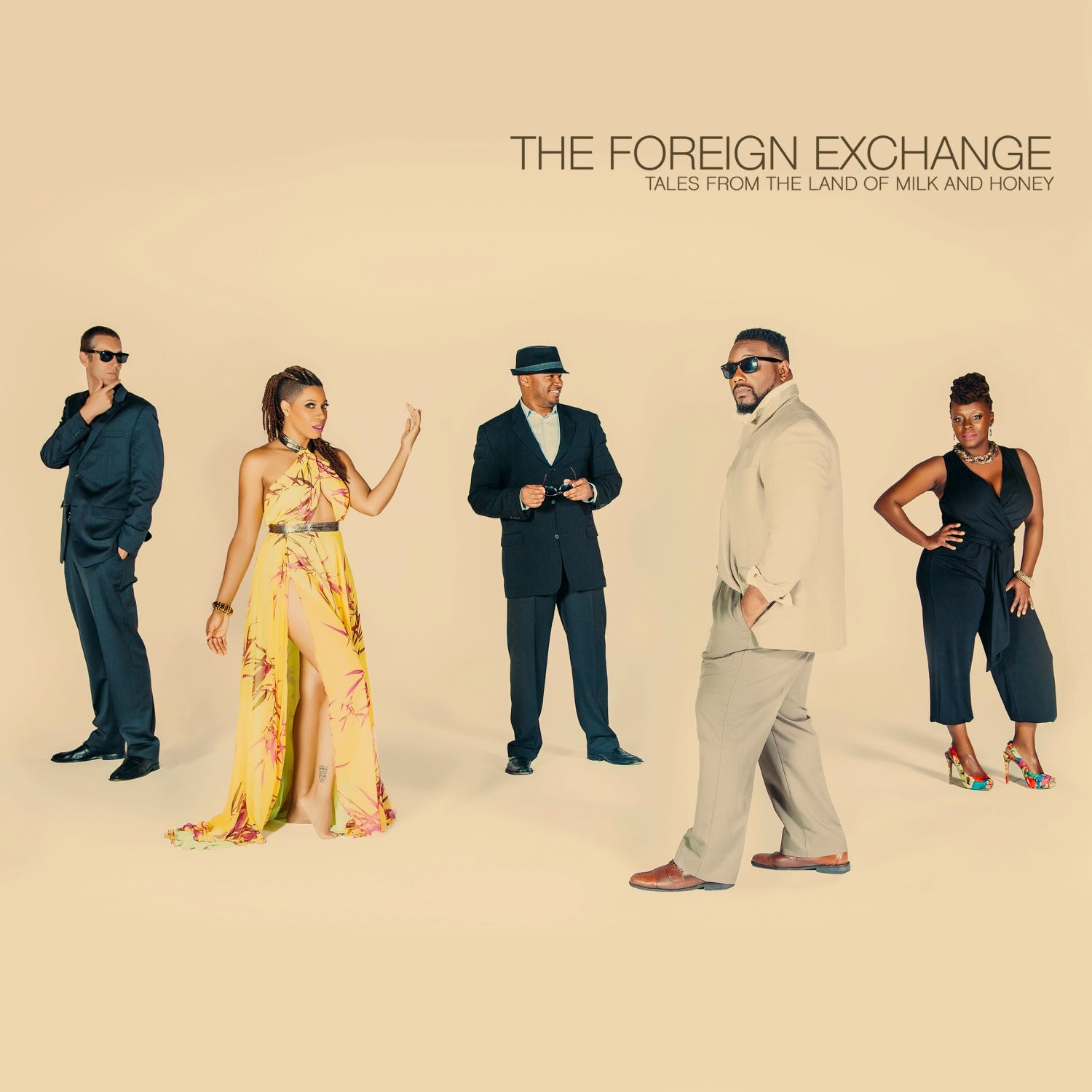
The duo, composed of a rapper/singer and a Dutch producer, met on Okayplayer and was originally an R&B-hip hop outfit before developing into a smooth R&B duo with a hint of AOR style. On this fifth album, Phonte and Nicolay have combined a house rhythm and soulful dance music with clever P-funk horns and New Orleans piano vamps and lyrics about growing up that prove that experimentation in the R&B domain could still be a joyful listening experience without losing its mature edge. They still avoid creating a work that is too isolated and self-indulgent, thanks to Phonte’s vocal delivery, which is both silky and gritty at the same time and contributes an indispensable funk feel to the album. —B
Ravyn Lenae, Moon Shoes (EP)
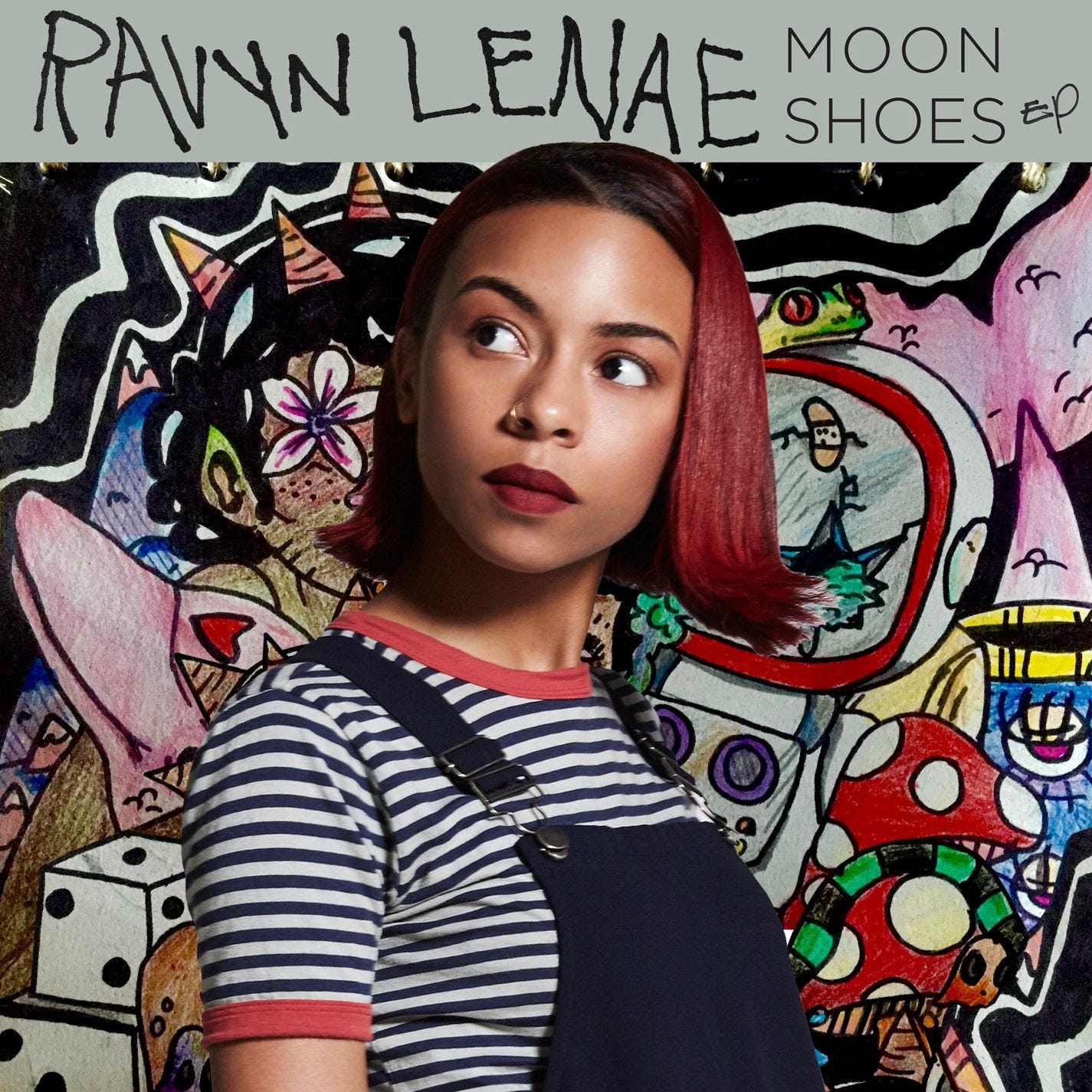
Studying classical music at an art school in Chicago, Ravyn Lenae gained recognition as a prodigy after releasing this EP independently at the young age of sixteen. Her percussive beats were heavily influenced by Timbaland and OutKast, but manage to retain a chamber-pop feel, and her pure vocals are laid on top of the unique instrumentation. Though she released a full album, Hypnos, in 2022, her future direction can be seen on danceable four-on-the-floor tracks such as “Free Room.” —B
Bryson Tiller, T R A P S O U L
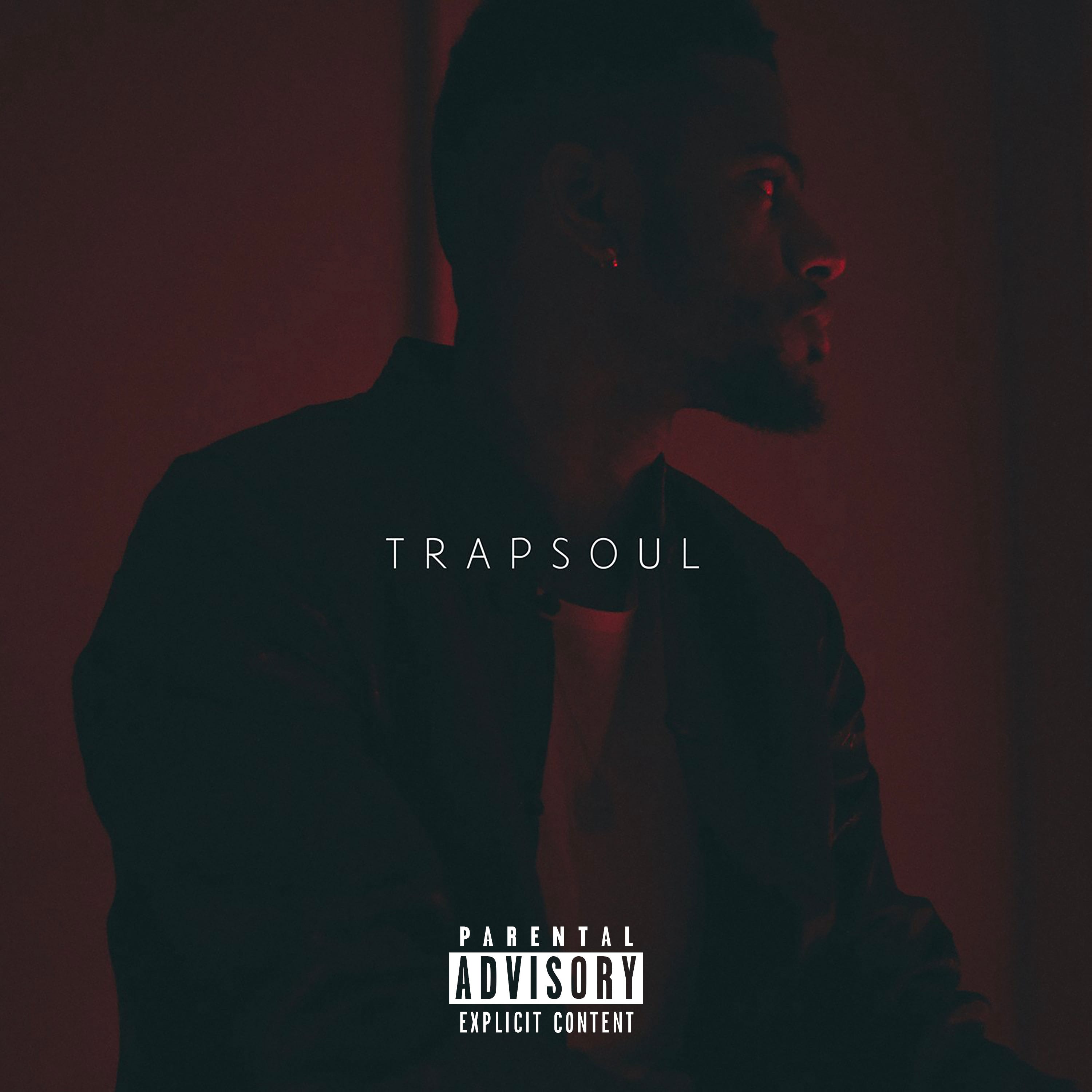
Bryson Tiller is not only sweet when singing, but he can also rap well, a true reflection of his post-alt-R&B artistry. As indicated by its title, the album revolves around a trap-driven production, showcasing Tiller’s fluid vocal skills. The sampling of classic R&B songs from Jodeci and Keith Sweat has been widely debated, but it is also a reflection of the marriage of contemporary production with an admiration for R&B’s history, while Timbaland made a special appearance. T R A P S O U L continues the lineage rather than breaking from the established mold. —P
Kelela, Hallucinogen (EP)
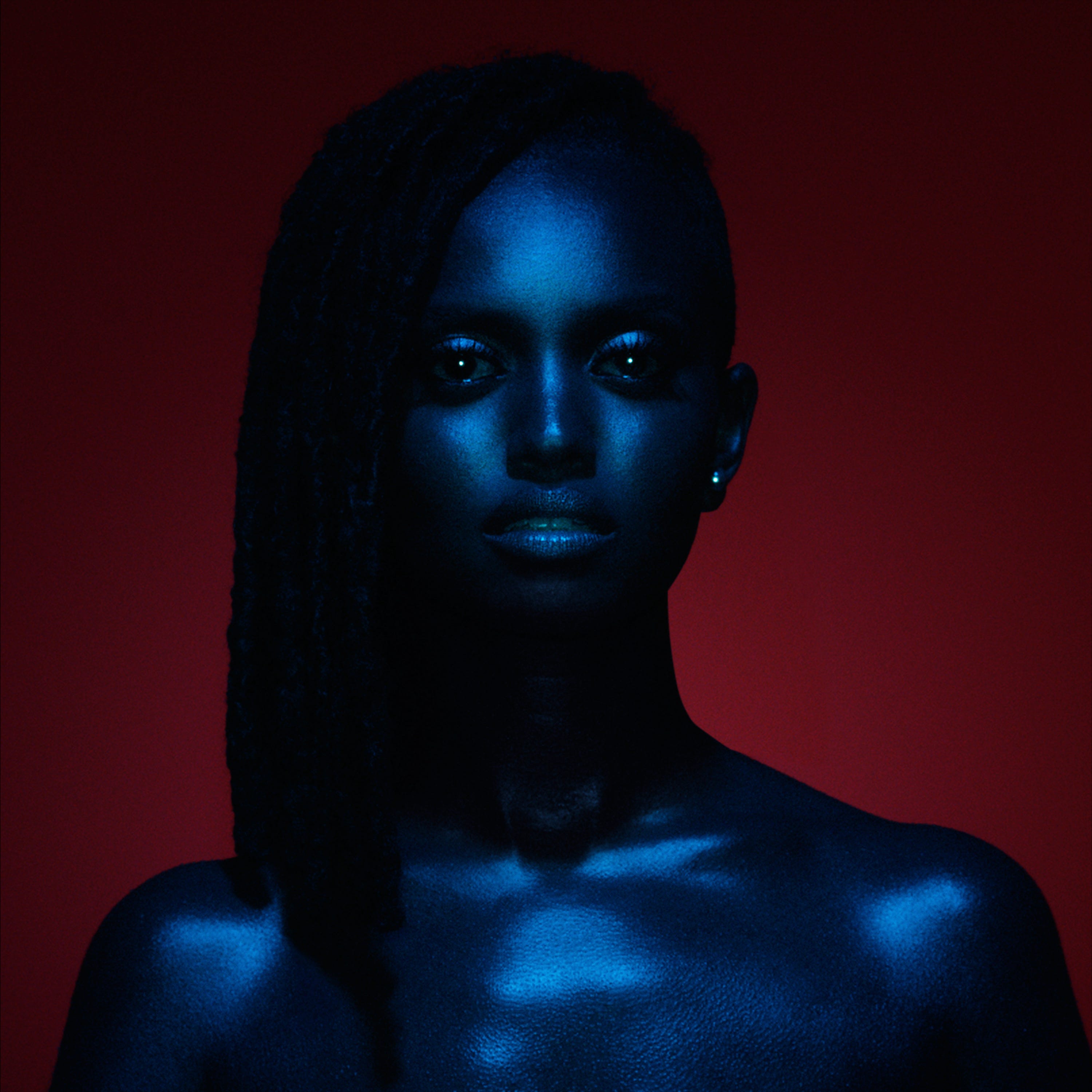
Kelela stands out as an artist who bridges the genres of electronic dance and R&B. On this debut EP, her vulnerability comes through painfully, almost as if she is releasing all her emotions to the public. Arca contributed to two of the six songs, while the irregular drum pattern and delayed vocals in the title track create a harmonious feel. The final track, “The High,” features a pounding, almost heartbeat-like instrumental that provides the backdrop for Kelela’s whispers of seeing what isn’t there, though the emotions are undoubtedly real. —P
Lido & Santell, The Passion Project (EP)
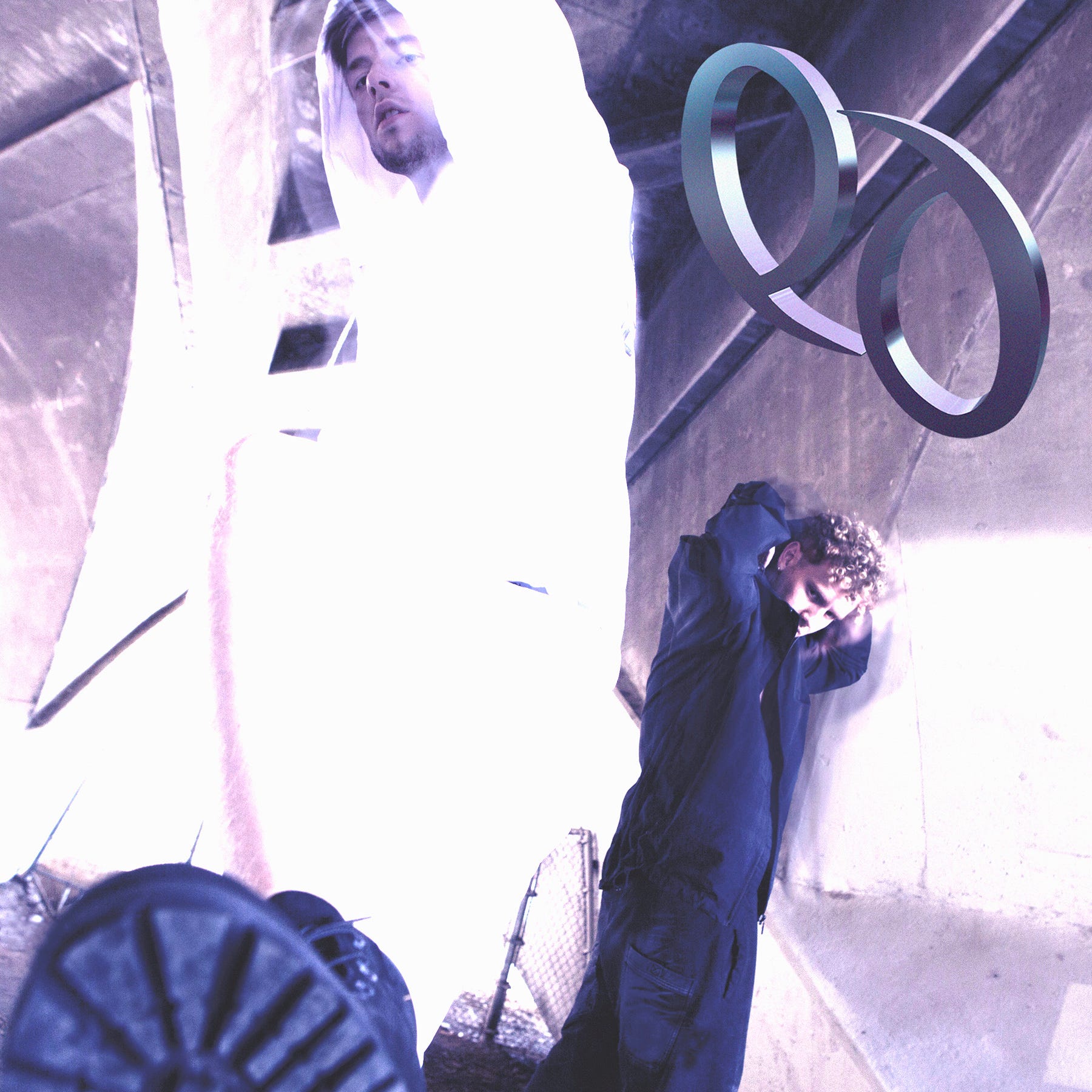
Producer Lido, known for working with artists such as Halsey, AlunaGeorge, and Chance the Rapper, collaborates with an unknown Santell on this EP for a taste of throwback R&B. Faithful to the late ‘90s-early 2000s sound, “Lady’s a Hoe” stands as a perfect example of this throwback sound. “Pillows,” with its orgasm sound sample and door knock, deviates from the EP’s norms but carries a compelling tension in its production. The EP manages to balance the suspense and comfort in equal measures, proving that alt-R&B during this period was not solely about shadowy beats. —B
Ty Dolla $ign, Free TC
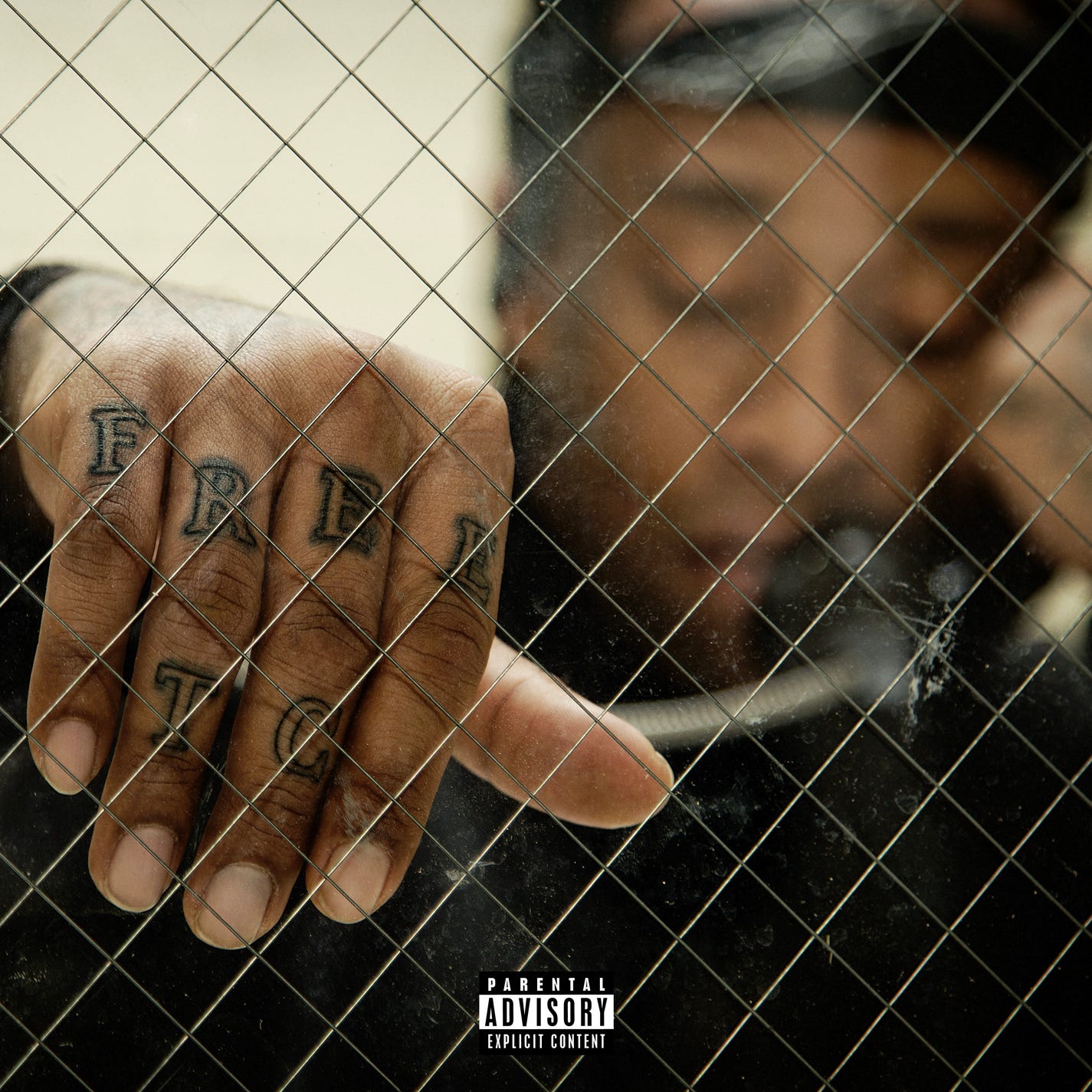
The album artwork of a prison visitation booth with Ty Dolla $ign on one side, speaking through the receiver while wearing his hand tattooed with “FREE TC,” serves as a symbolic message of his younger brother TC’s freedom. While it aims to shed light on his brother’s sentence, the album still includes a star-studded cast of performers. Starting off with the L.A.-inspired “LA,” it also features Fetty Wap and Rae Sremmurd on radio-friendly tracks, mixing thoughtful lyrics with a joyful, sunny feel that comes across as perfectly seamless. —P
Erykah Badu, But You Caint Use My Phone
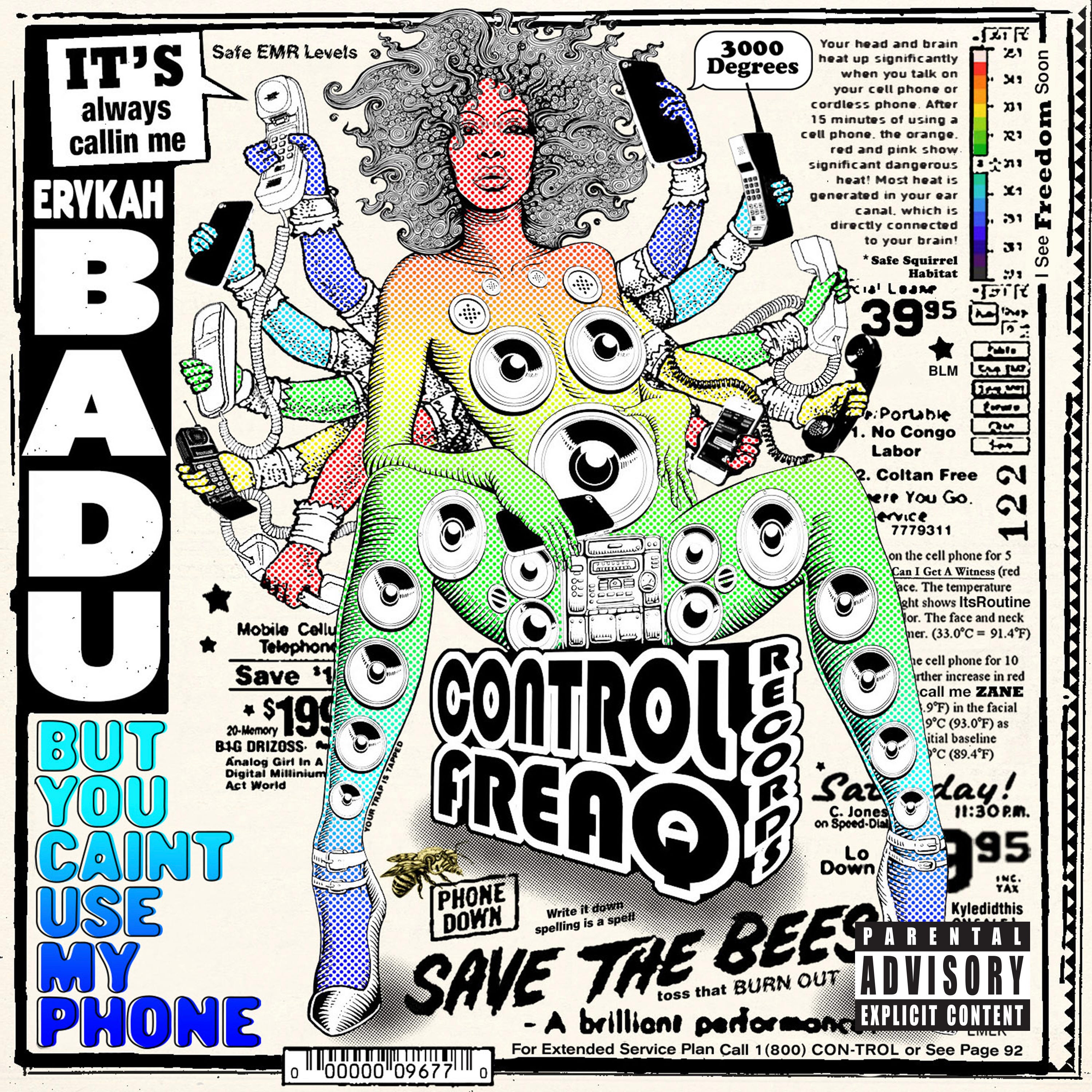
It all started when Erykah Badu remixed “Hotline Bling,” which is included on this EP as “Cel U Lar Device.” This collection of songs, produced in just eleven days at Badu’s own home, features the young producer Zack Witness, who reached out to the artist directly. With innovative and playful beats that complement her unique vocal delivery, the project also includes reworks of Usher’s “U Don’t Have to Call” and a track named “Hello” featuring her former partner André 3000, which is a perfect testament to the boundless creativity of Badu. —P
Alex Isley, L U X U R Y
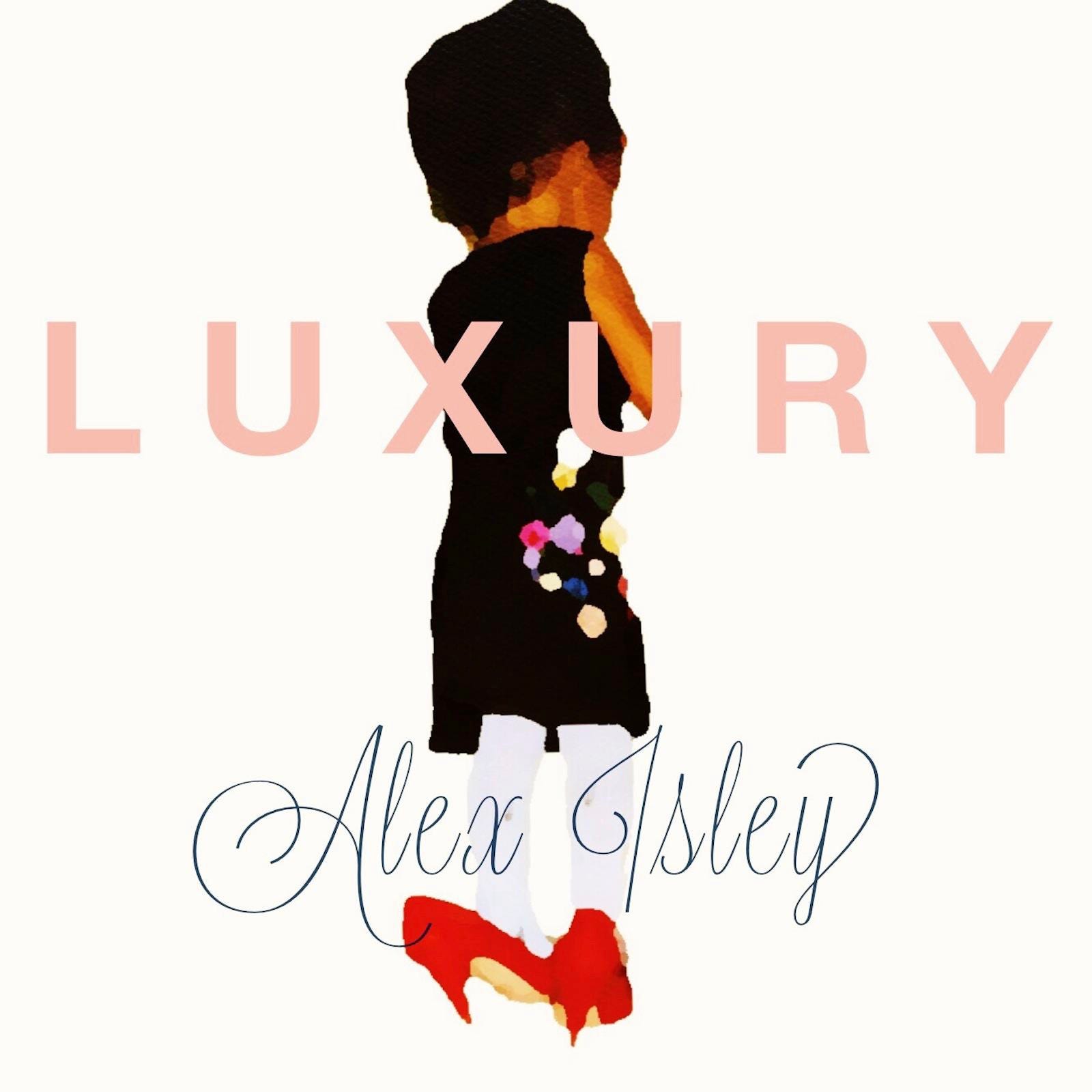
Alex Isley returns with her second, entirely self-produced project, though she uses session players for the live instruments. This independent effort is ambitious, featuring smooth, floaty slow jam “La Brea” and the mellow “inevitable” that showcases her vocal prowess. An indie-rock vibe is present in “String of Pearls,” and the inclusion of “Grown” with Kenyon Dixon adds an extra bit of sweetness. The DIY nature of the album only increases its overall appeal. —B
 | A guest post by
|
Lots of great music here!!!
a lot of music that is new to me…. thank you! I spend much of my R&B time in the 90s and appreciate being pointed towards artists I don’t know…