

The Handguide to Muscle Shoals: Southern Soul (‘70s Edition)
The Muscle Shoals region in Alabama—centered around the city of Florence—became a powerhouse in its own right.
Rivaling Memphis as a key cradle of Southern Soul, the Muscle Shoals region in Alabama—centered around the city of Florence—became a powerhouse in its own right. Producer Rick Hall, who founded FAME Studios there, effectively made it a holy ground for Southern Soul. The name FAME derives from Florence Alabama Music Enterprises. Since Florence sits along the Tennessee River, the surrounding area has long been known as “The Shoals.” Other notable studios in the Florence–Shoals area include Muscle Shoals Sound Studio, Quinvy Studio/Broadway Sound Studio (run by Quin Ivy), and Wishbone Studio.
Among the session musicians based there, the Muscle Shoals Rhythm Section—nicknamed “The Swampers”—is especially legendary. Comprised of guitarist Jimmy Johnson, drummer Roger Hawkins, bassist David Hood, and keyboardist Barry Beckett, they contributed to numerous Stax releases and participated in recording sessions across the spectrum of soul, R&B, rock, and pop. Their mentor was Rick Hall himself, who attracted an array of gifted players to his orbit. Notable among them were Jesse Boyce (bass) and Freeman Brown (drums), part of a powerful rhythm collective known as the FAME Gang—they played a crucial role in Candi Staton’s recordings, among others. This guide highlights not only works recorded in Muscle Shoals but also projects by Alabama-based artists.
Bill Brandon: Bill Brandon
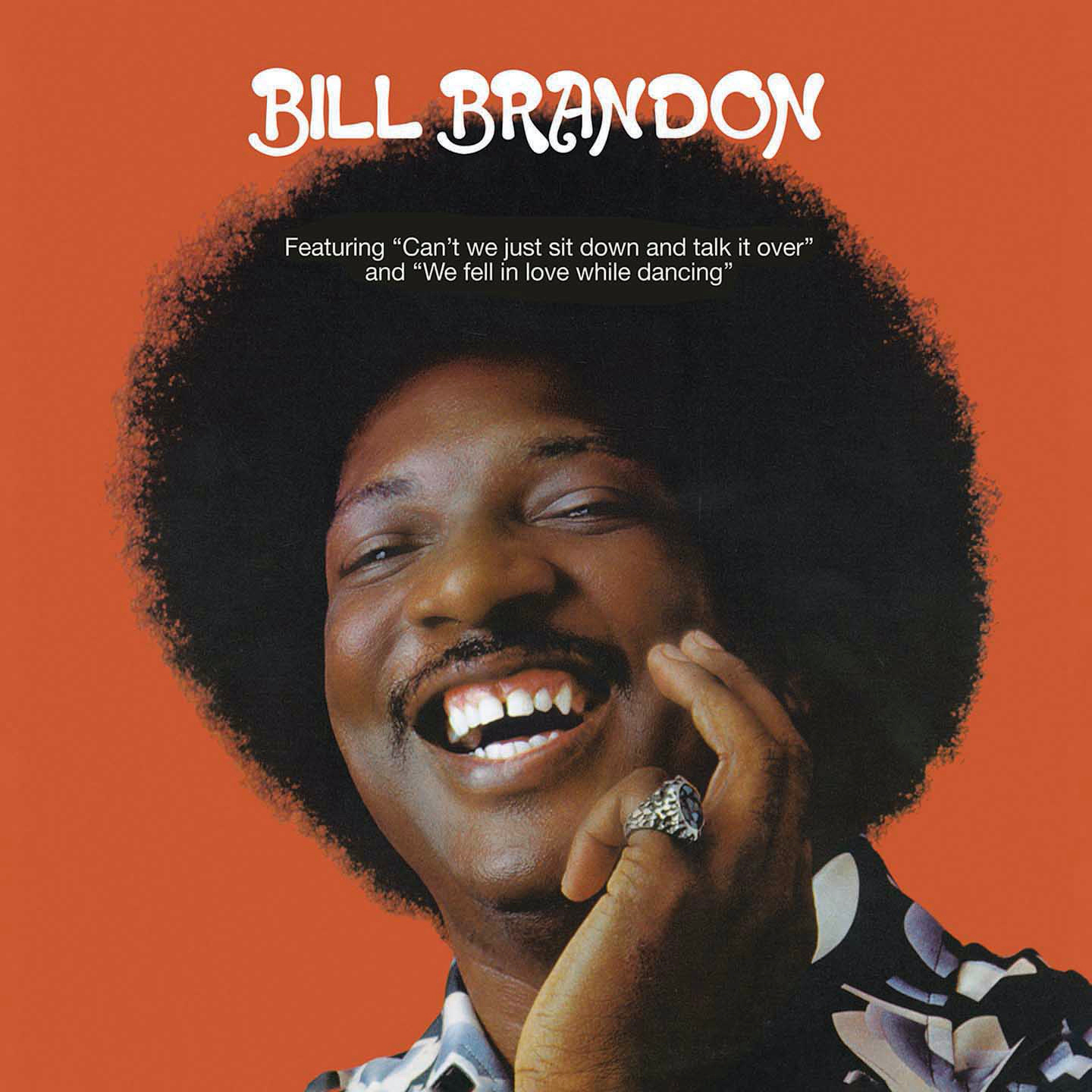
Beloved among Southern/Deep Soul aficionados, Bill Brandon released this singular, near-mythical ‘70s album. Since debuting at Muscle Shoals under Quin Ivy in 1967, Brandon cut several must-hear singles—many penned by Sam Dees—through 1976, all on the same label group. After the Nashville-based Piedmont label’s head, Moses Dillard, partnered with the newly formed Prelude imprint in New York, this album emerged in 1977. The slow-burning gems “Can’t We Just Sit Down and Talk It Over” and “Just Can’t Walk Away” encapsulate Dillard and Jesse Boyce’s signature production. Brandon’s powerful, dynamic, deep-soul vocals truly cannot be replaced, and the modern studio sound only enhances them.
Muscle Shoals Horns: Born to Get Down
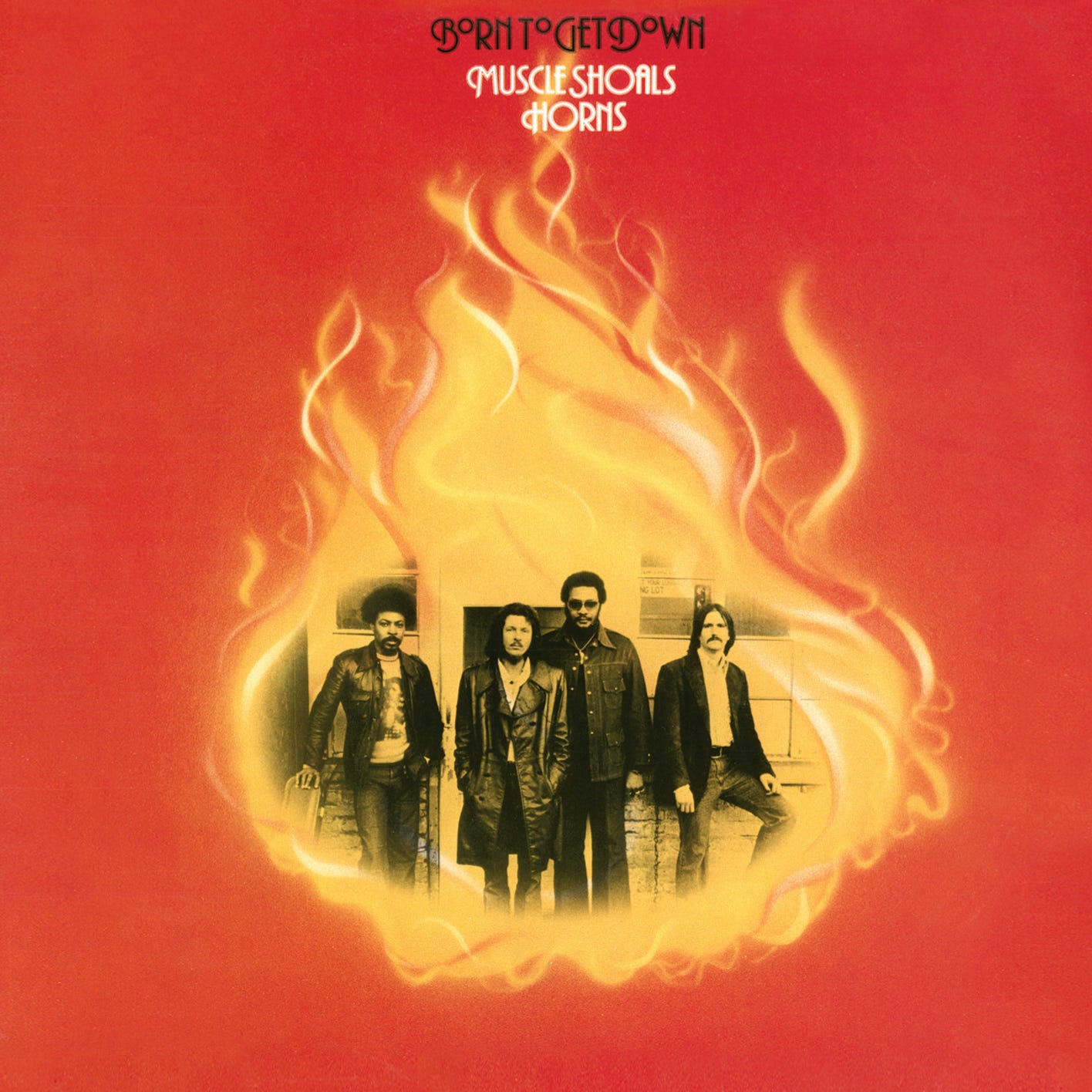
This second release by a unit composed of Muscle Shoals session musicians may look like a behind-the-scenes project, but it produced three hits: “Born to Get Down (Born to Mess Around),” “Open Up Your Heart,” and “Bump de Bump Yo Boogle.” Each carries a solid, bottom-heavy beat that proves the strength of Southern disco-funk. Trumpeter Harrison Calloway—who wrote, arranged, and sang many of these tracks—and producer/keyboardist Barry Beckett form the creative core. Guitarist Ken Bell contributes bold solos, while percussionist Tom Roady spices up the tracks. They wrap it all up by cooling down with a cover of the J. Geils Band’s “Give It to Me,” an effective closer.
Percy Sledge: I’ll Be Your Everything
After about eight years at Atlantic—where his explosive debut single “When a Man Loves a Woman” became a smash hit—Percy Sledge left the label. In 1974, he released this album on Capricorn Records. Produced by Quin Ivy and recorded with Muscle Shoals Sound and Broadway Sound, its title track climbed to #15 on the R&B chart and #62 on the pop chart, becoming his last charting hit. Although this record includes one track written by Phillip Mitchell, most songs were penned by country and pop songwriters. Yet Sledge’s warm, if not technically dazzling, vocal delivery fits the material perfectly, creating a soothing, comforting listen. In particular, the title track is profoundly moving, capturing a rugged yet tender masculinity. Pete Carr’s lead guitar work also shines.
Joe Simon: Mood, Heart and Soul
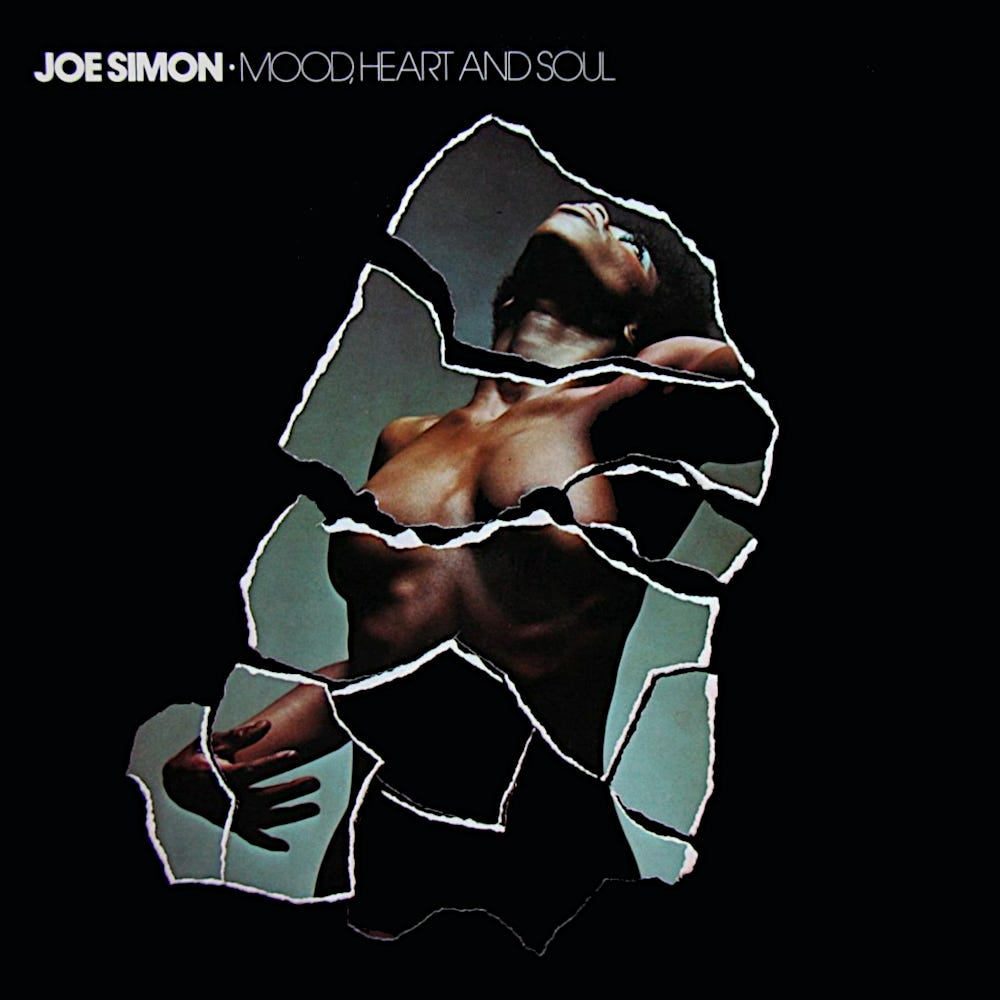
Though Joe Simon was a heavyweight soul singer with numerous hits from the mid-‘60s through the ‘70s, he’s long been known among die-hard soul fans by the phrase “I know the name, but I’ve hardly listened to his music.” His allure lies in a controlled, slightly husky yet richly resonant baritone—a voice brimming with warmth and masculinity. Although he’s best known for his country-tinged numbers, his repertoire is actually quite diverse. During his tenure at Spring Records from 1970 to 1979, he recorded all over the U.S., but this 1974 session at Muscle Shoals stands out as a hidden gem. It’s slow-to-midtempo throughout, capturing the true essence of a pioneer who bridged Southern soul and country—with a dreamy, mood-soaked vibe from start to finish. Incidentally, Simon covered “Misty Blue” in 1969, well before Dorothy Moore’s famous version in 1976.
Lorraine Johnson: The More You Want
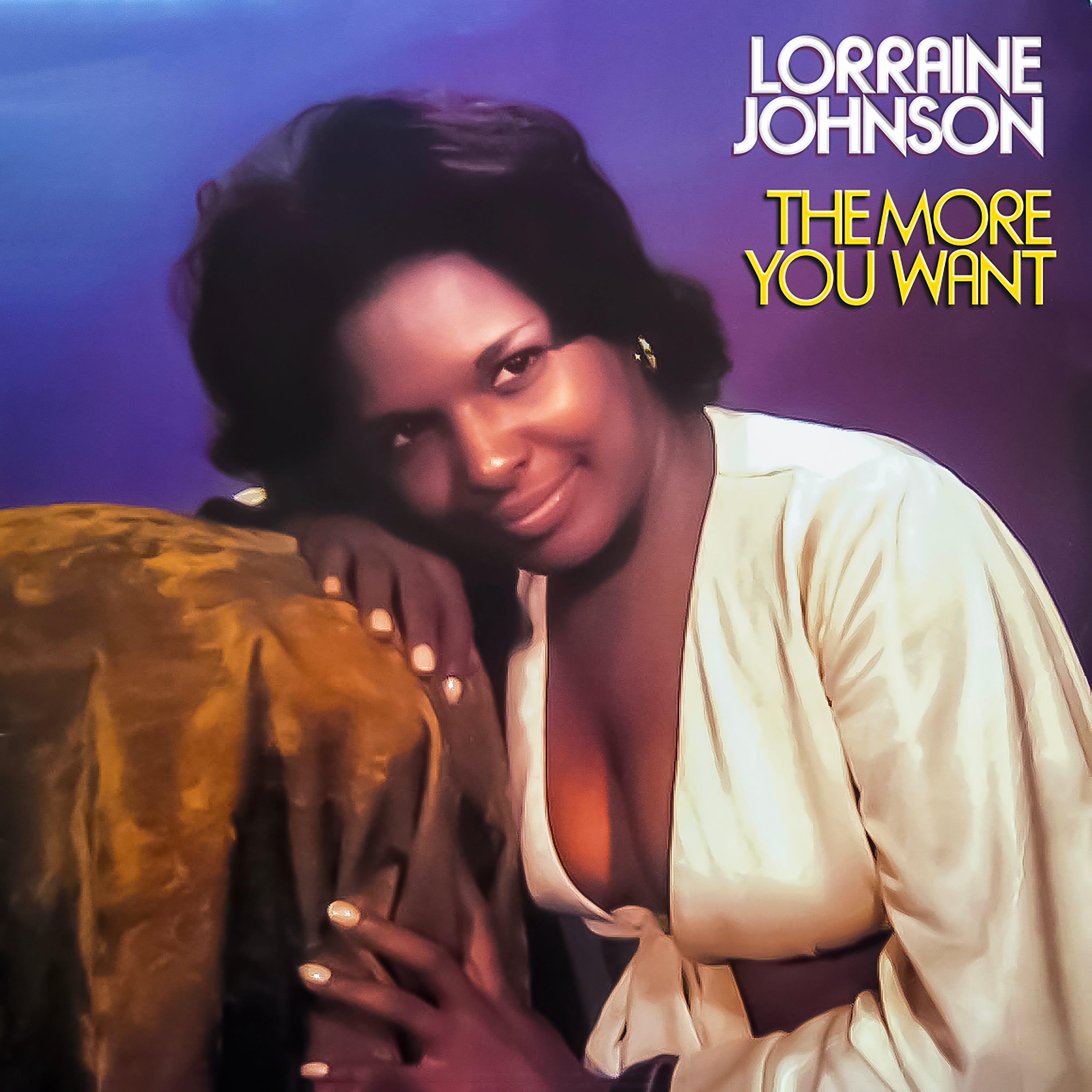
A lady of soul from Alabama who recorded for Atlantic in the early ’70s, she released two albums on Prelude in the late ’70s, produced by Moses Dillard and Jesse Boyce. This first installment focuses on modern Southern Soul, best exemplified by the mellow mid-tempo groove “Let Your Love Fall Like Rain.” Backed by top-notch Fame/Muscle Shoals players, her graceful vocals shine. Given that it’s a Prelude release, there’s a touch of disco as well—the Teddy Pendergrass co-write “The More I Get, the More I Want” and the breezy dancer “My Sweet Baby” both show a strong Philly Soul influence. She even covers Chicago’s classic ballad “If You Leave Me Now” with a Philly-style twist.
Mavis Staples: Oh What a Feeling
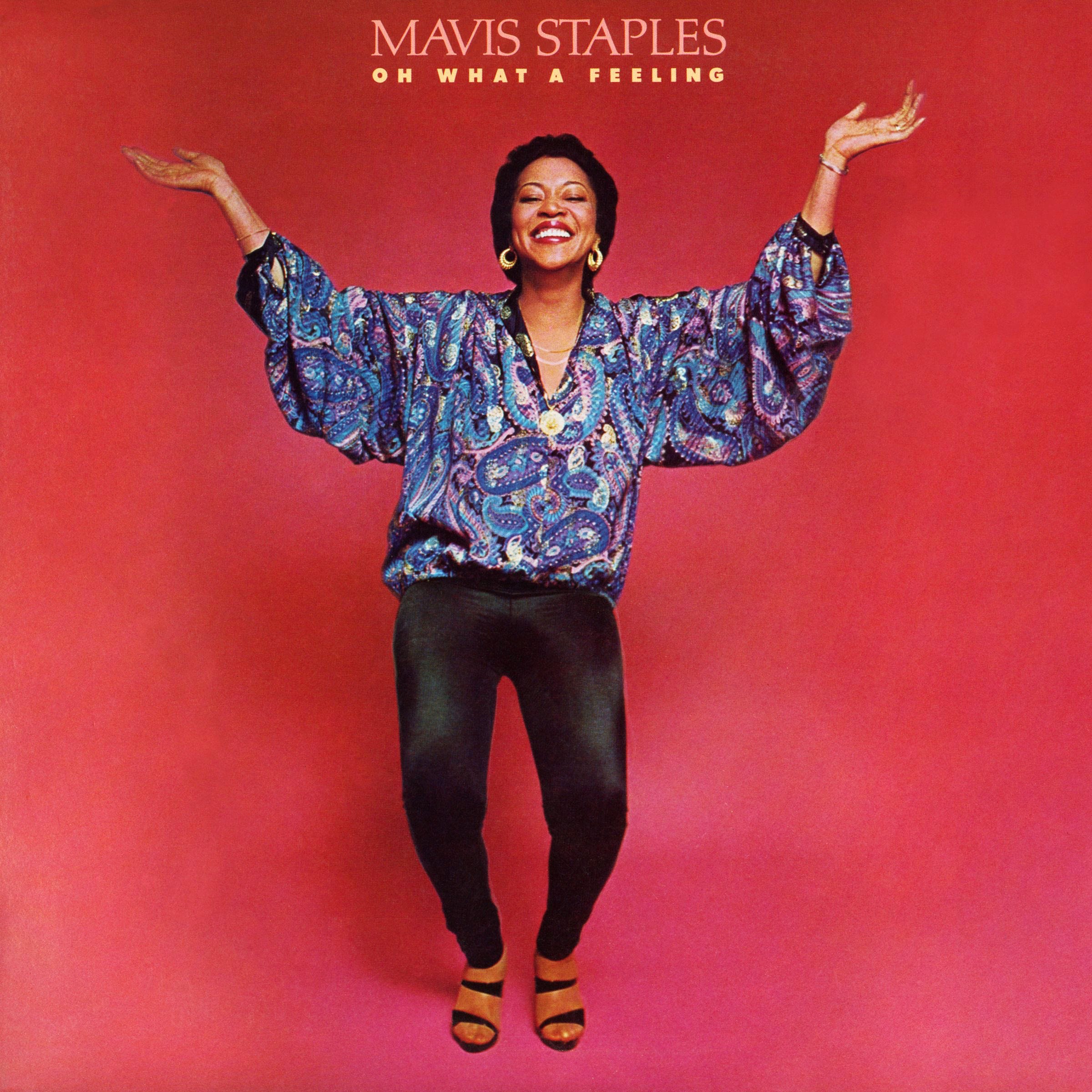
By the time of this third solo album, counting from her 1969 Stax debut, Mavis Staples enlisted Jerry Wexler as producer, recording three tracks in New York. The rest was cut at Muscle Shoals Sound Studio, featuring Roger Hawkins on drums and company. It reflects the era’s trends: there’s a bit of disco flair on some tracks, which can feel jarring. Still, Mavis’s voice adapts seamlessly to any rhythm. On “Tonight I Feel Like Dancing,” the title matches her mood—she’s clearly reveling in the chance to enjoy herself. Elsewhere, she covers Al Green’s “Loving You” with Mark Knopfler on guitar, delivering a rich, low-register shout that plays to her strengths. Though it produced no major hits, the album showcases her enduring versatilty.
Wilson Pickett: Pickett In the Pocket
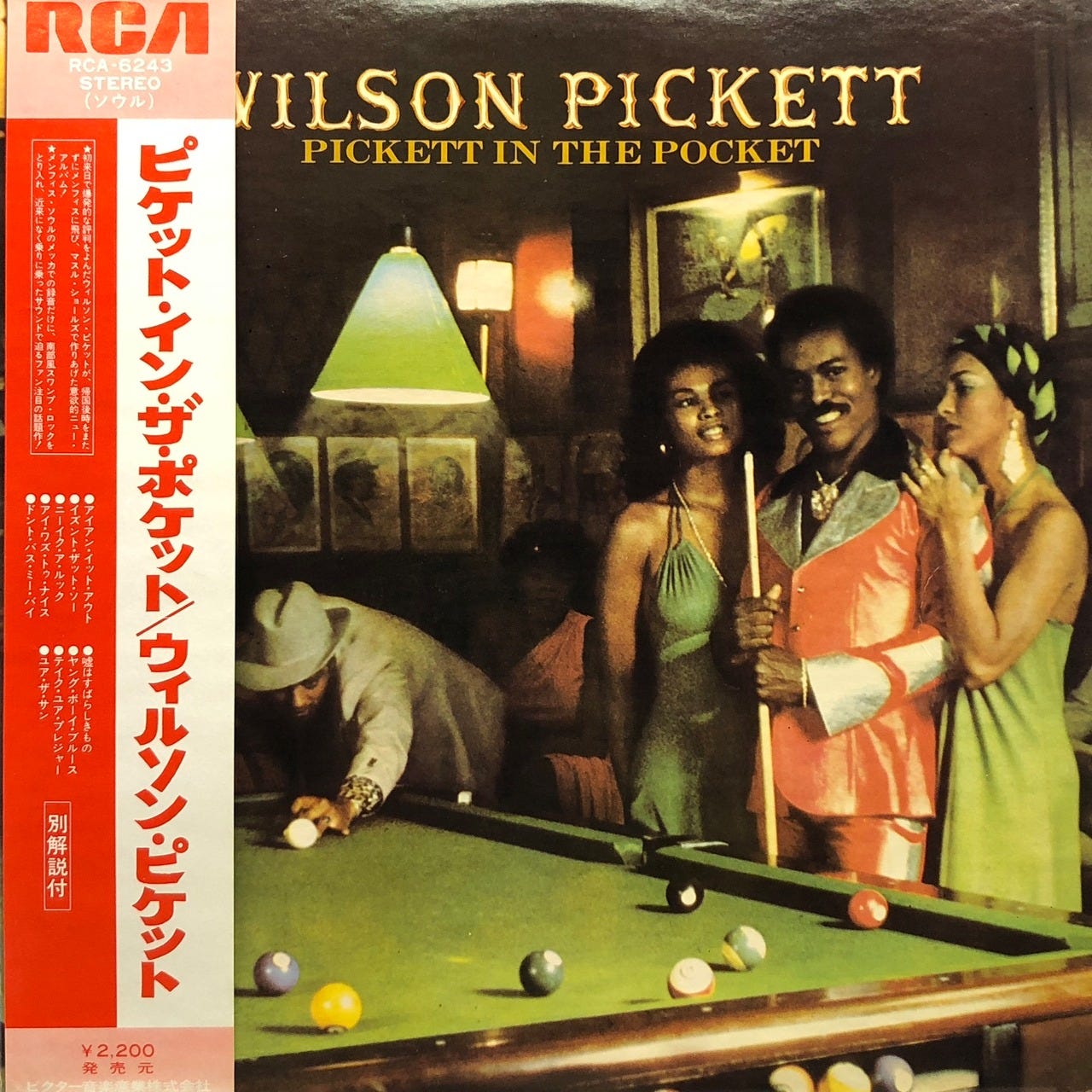
It’s truly unfortunate that, because Wilson Pickett’s “golden age” at Atlantic was so vivid and striking, his subsequent RCA releases rarely receive the attention or critical evaluation they deserve. Of course, not all his RCA output was a success, but we’d like people to know there are some truly stellar works, like this one, well worth exploring. Three years had passed since his final Atlantic album, Don’t Knock My Love (1971), before he returned to Muscle Shoals for this recording, and it reaffirms that Pickett was at his best in Southern studios. Producer Brad Shapiro does a remarkable job bringing out Pickett’s full potential. Pickett himself served as co-producer, so there’s never a sense he’s simply singing someone else’s material. Instead, the “Wicked” one stays fully in command, unleashing an energetic Southern groove. The rendition of Ben E. King’s “Young Boy Blues,” turned into a Southern soul ballad, is an absolutely stunning vocal performance that compels the listener to salute Pickett’s greatness.
Bottom & Co.: Rock Bottom
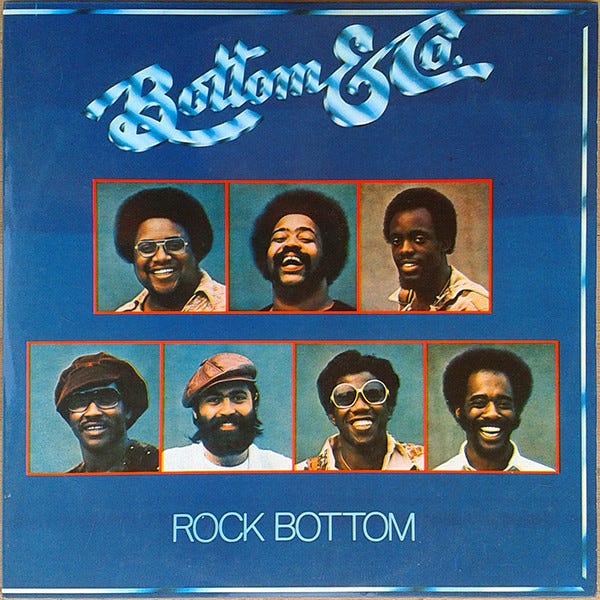
Best known for their non-album single “Gonna Find a True Love” (a modern-soul gem released on Motown in 1974), Bottom & Co. was a seven-member unit featuring bassist Jesse Boyce and drummer Freeman Brown of the Fame Gang, plus trumpeter Richard Griffith (a frequent contributor to Parliament-Funkadelic records), among others. Rock Bottom is their only album. From sleek mid-tempo numbers to tracks where the Moog synthesizer squirms its way into a solo, the group covers a wide stylistic range but remains cohesive. The anchor is their funk/dance core—evident on “Here for the Party” (R&B #93 in 1975) and “Do a Funky Thing Together,” both boasting tight, hip-shaking beats that define the collective’s essence.
Sam Dees: The Show Must Go On
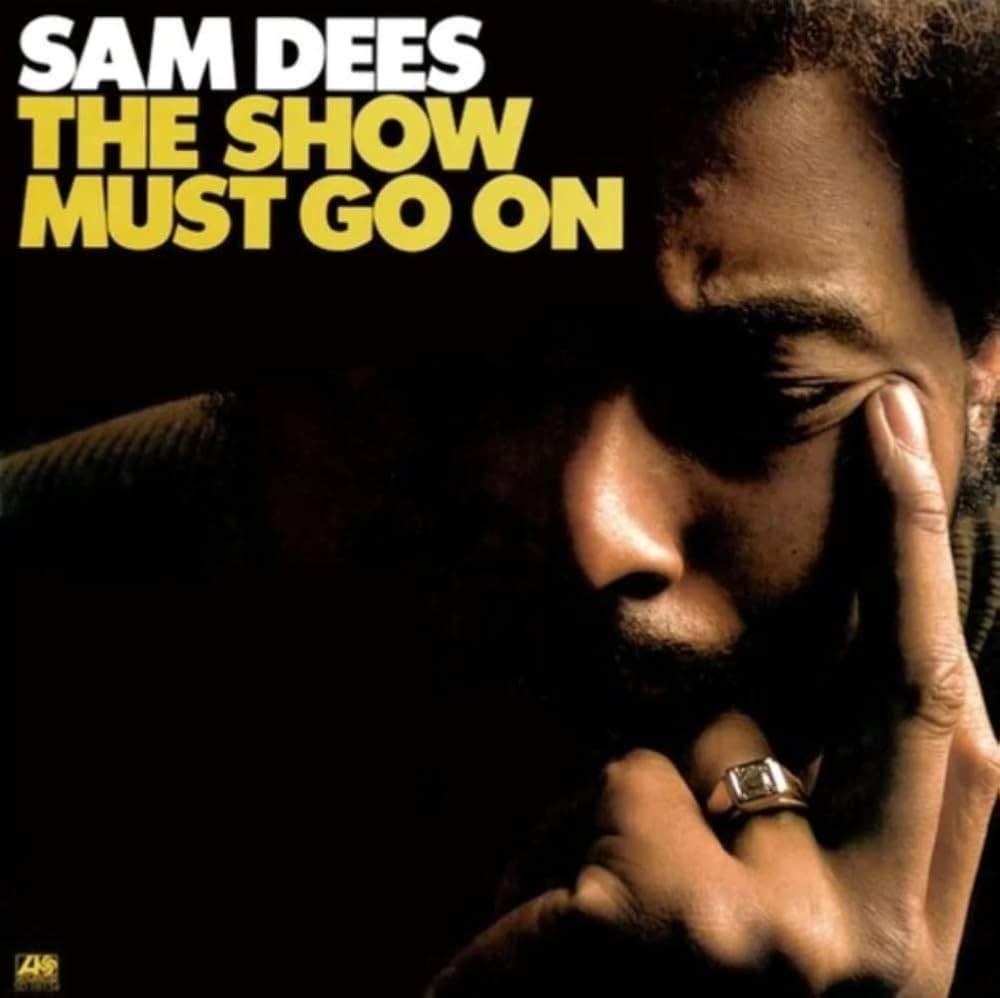
Sam Dees has displayed a keen sense of musical trends throughout a career that spanned from the late ‘60s well into the ‘90s. He is also a remarkably gifted songwriter. Released on Atlantic in 1975, The Show Must Go On was his first full-length album. Though Dees had already earned acclaim for his Southern Soul singles on labels like Lolo and Chess, this major-label debut channels a deeper, mellower modern-soul vibe, influenced by the emergent “new soul” of the era. His expressive talents—shifting masterfully between restraint and uplift—shine throughout. Add in his knack for memorable melodies and narrative-rich lyrics, and the result is an album that many regard as a soul masterpiece.
Clarence Carter: Sixty Minutes With Clarence Carter
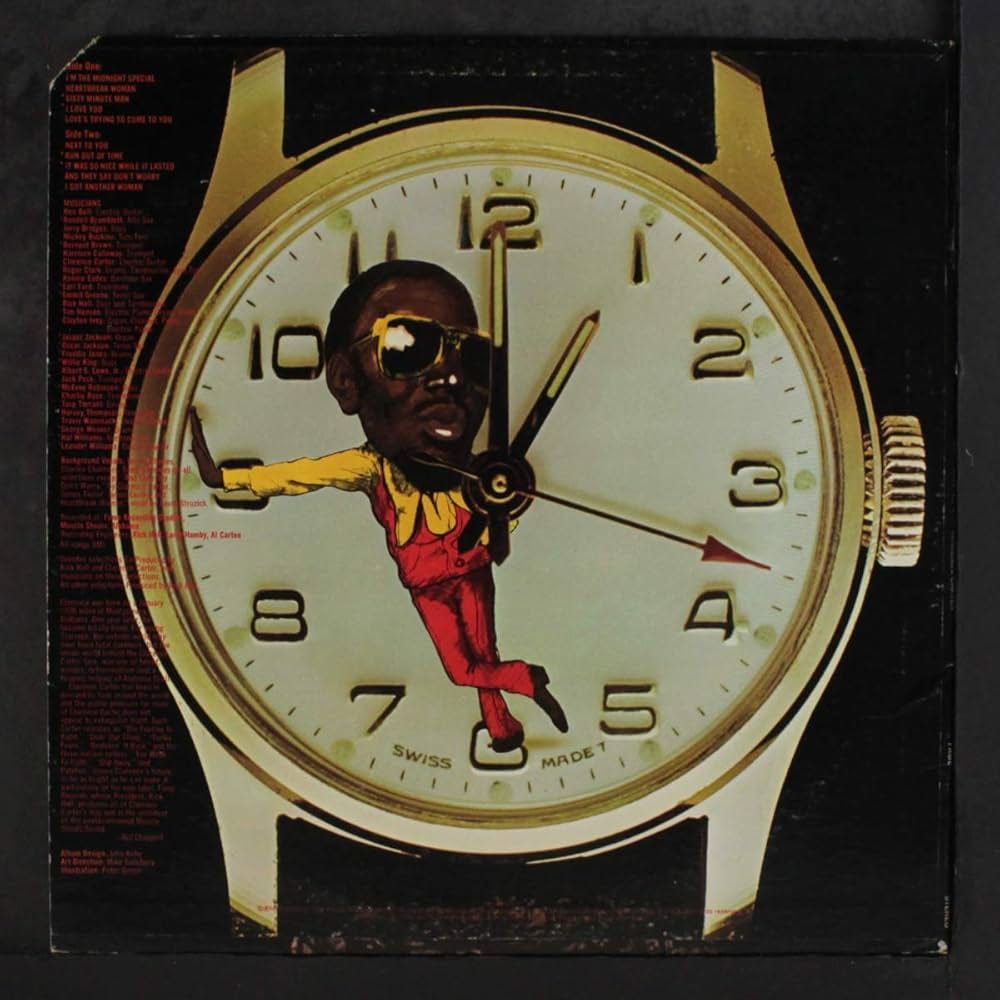
Clarence Carter, who released numerous classics through Atlantic Records, was arguably FAME Studios’ top artist. When FAME parted ways with its Atlantic distribution partner, Carter’s 1973 album came out on FAME’s own label. Its title track, unrelated to a hit by The Dominos (though Rufus Thomas also covered that other tune), offers a similar theme—delivered in Dr. CC’s signature mournful mid-tempo style. He croons about lavishing an hour’s worth of love, punctuated by his trademark manic laugh that helped push the song to #17 on the R&B chart. Another funky cut, “I’m the Midnight Special,” climbed to #15. The album cover cleverly references both hits: on the front, the clock points to midnight, and on the back, it points to 1 a.m. Among the album-only tracks, “Next to You” stands out as a quintessential Clarence Carter heart-tugging groove.
Don Covay: Super Dude I
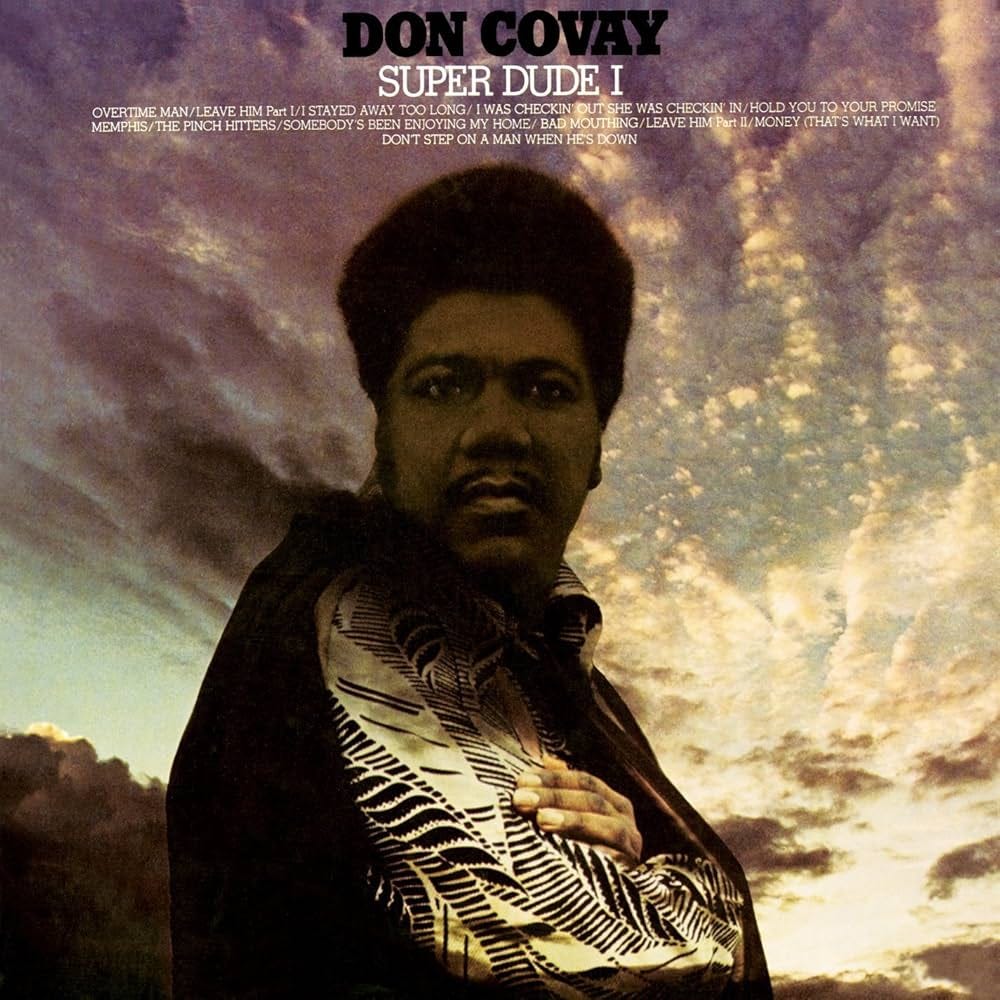
Although Don Covay was integral to Atlantic’s soul heyday of the ’80s, he had already proven himself a musical visionary with a keen streetwise sense. Even after leaving Atlantic, he incorporated rap elements, experimented with a blues band, and continually offered new angles on contemporary soul. In 1973, he released his fifth album, which includes the hit “I Was Checkin’ Out (She Was Checkin’ In).” Some of the energetic dance beats recall Miami-style funk and were later sampled by De La Soul. The record spans deep, emotive ballads, swampy rock flourishes, a funked-up take on “Money (That’s What I Want),” and even a bold spin on a Chuck Berry classic, making it a thoroughly engaging listen from start to finish.
Prince Phillip Mitchell: Top of the Line
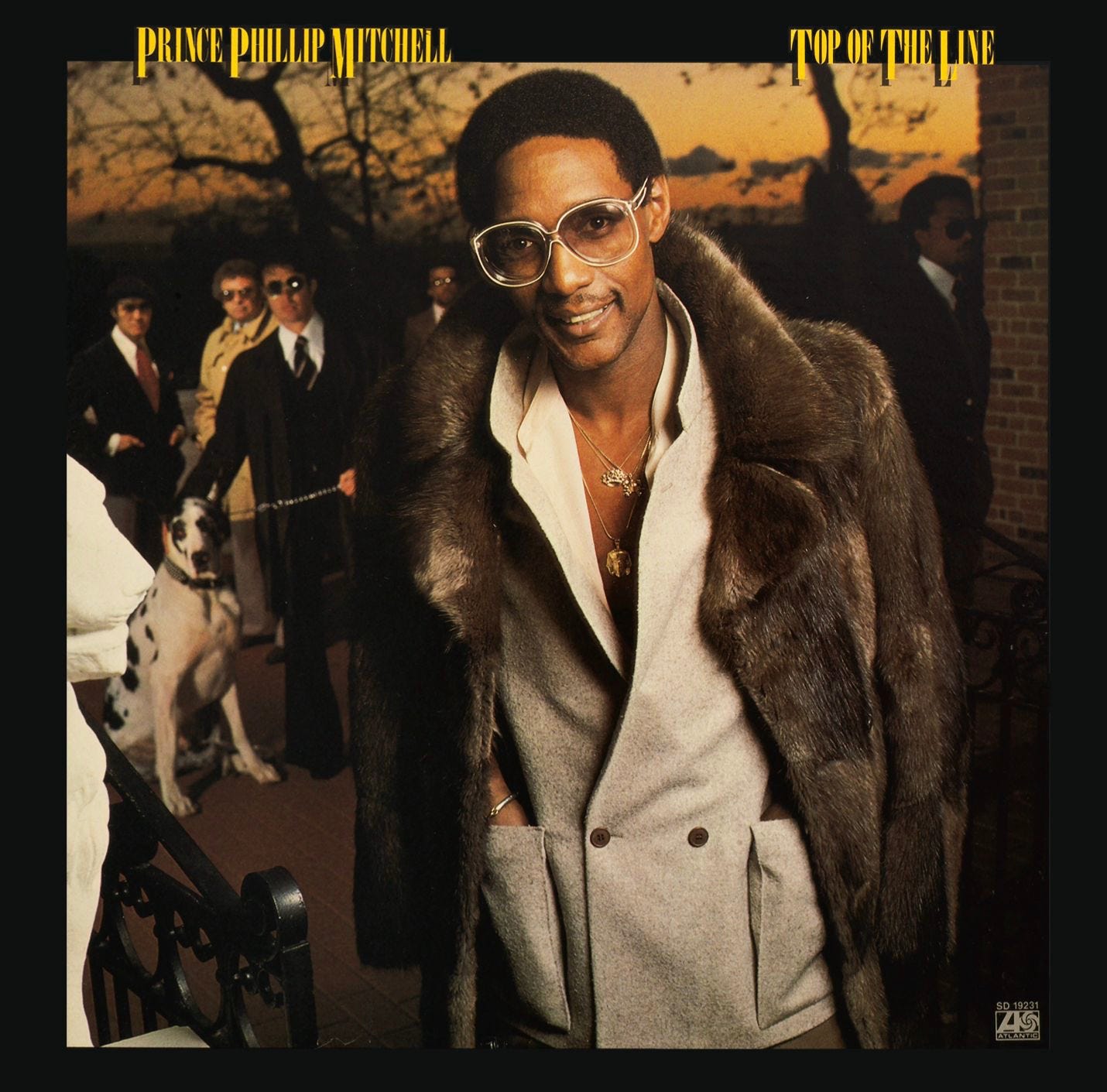
An esteemed Southern Soul songwriter and talented vocalist, Prince Phillip Mitchell released numerous standout singles from the late ‘60s onward on labels like Smash, Shout, and Hi. In 1978 and 1979, he issued two landmark albums on Atlantic; this second effort, recorded at Muscle Shoals under his own production, is arguably the stronger of the two. He downplays overt Southern stylings, opting instead for a Marvin Gaye–inspired urban sophistication that complements his smooth tenor. Even so, traces of that earthy Southern Soul flavor remain, lending the record a unique appeal. Many of the best tracks are mid- to uptempo, particularly “I’m So Happy,” a modern-soul favorite with its buoyant groove, impeccable timing, and sensuous vocal.
7th Wonder: Words Don’t Say Enough
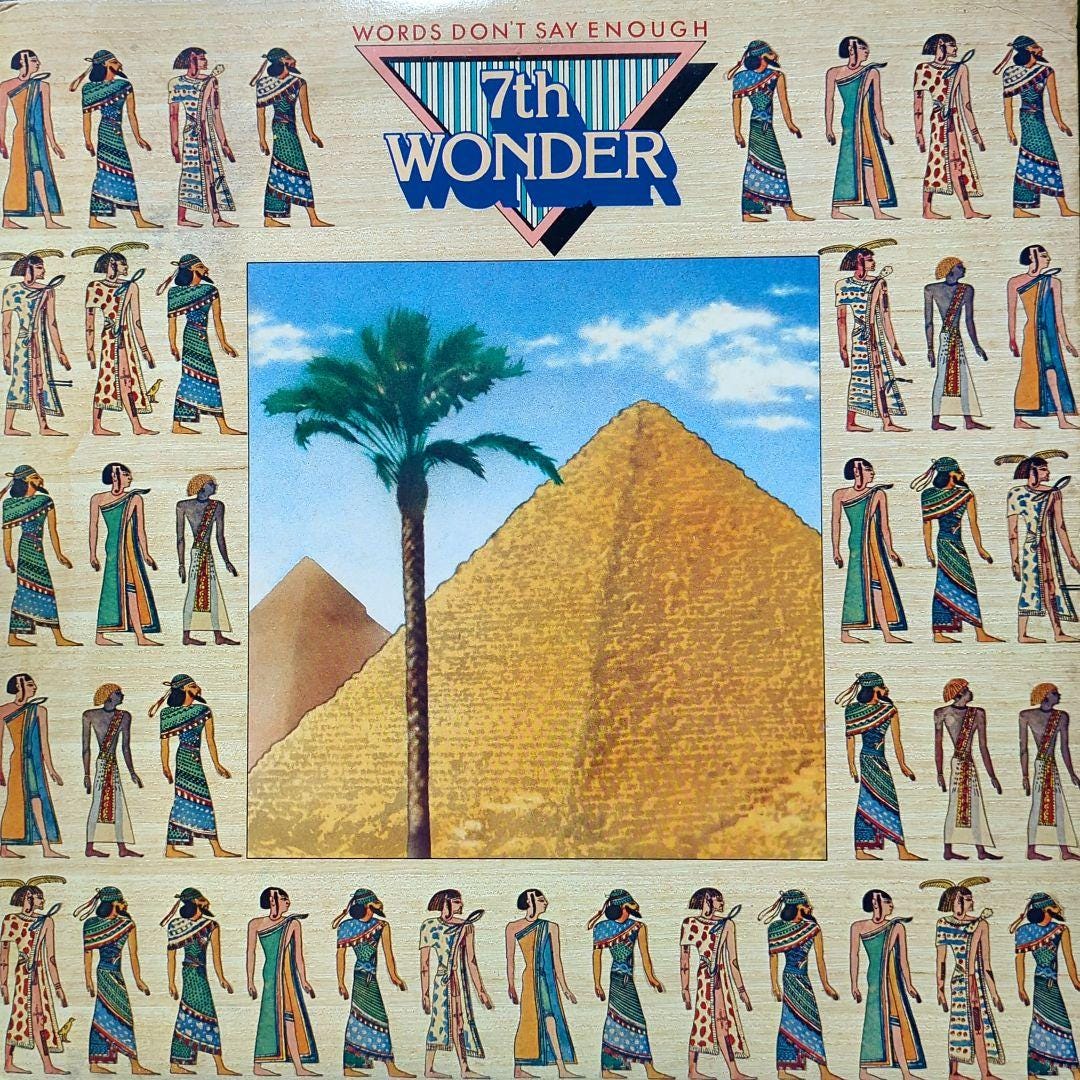
Formed in Tuskegee, Alabama, the seven-piece band known as the “7th Wonder” donned Egyptian-inspired outfits that hinted at futuristic music. Yet producer Jerry Weaver’s approach on their debut LP favors a warm, horn-driven Southern band sound. Multiple lead singers—each with solid vocal chops—shine on the mid-tempo and slow tracks, especially “Words Don’t Say Enough” (R&B #78), where a male vocalist deftly shifts into falsetto. Another highlight is “We Are So in Love,” with husky-voiced Deborah Matthews on lead, layered by gorgeous harmonies. Recorded across three Southern studios (including Muscle Shoals), the album paved the way for two subsequent releases.
Z.Z. Hill: Z.Z.
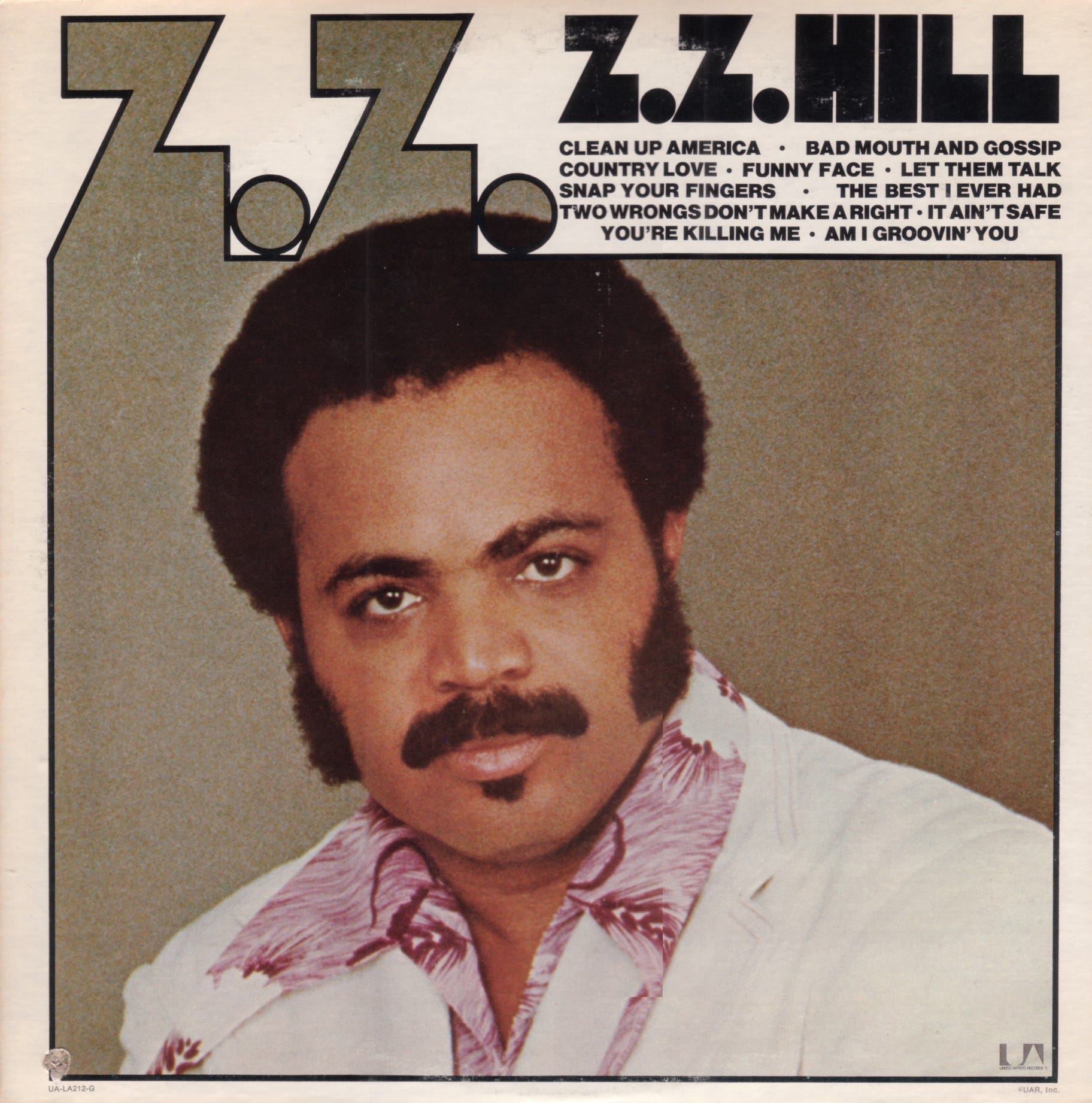
Known for his bluesy style, Z.Z. Hill took a turn toward Southern Soul in the early ‘70s with releases like The Brand New on Mankind Records. After moving to United Artists, he went back to his forte. Though recorded at FAME Studios, the production differs from the Candy/Willie era. Side A features Hill’s signature style on “It Ain’t Safe” and the blues-ballad-leaning “Bad Mouth and Gossip.” He also impresses on the heavy-grooved “Am I Groovin’ You,” underpinned by a thick bass line, culminating in a rousing shout. His soulful take on the classic “Let Them Talk” likewise demonstrates his mastery. Side B includes songs with a Southern Soul flavor, such as “You’re Killing Me,” plus stronger country elements, like covering Donna Fargo’s “Funny Face”—a choice that may divide listeners.