

The Handguide to R&B Concept Albums (‘70s Edition)
By the decade’s end, the “concept album” had become a proving ground where Black artists negotiated technology, politics, and commerce on their own terms, setting templates later for other genres.
The expansive soul concept albums of the ‘70s emerged from the uneasy space between post-Civil Rights disillusionment, FM radio’s album-oriented push, and the explosion of the studio format. Over the decade, the 12-inch LP went from being a package deal to a storytelling device for R&B musicians crafting war-torn street operas, eco-spiritual epics and bedroom broadcasts that birthed whole new radio formats, each encased in a gatefold whose art was as much a part of the narrative as the music within. By the end of the decade, the “concept album” had become a space for Black artists to stake out claims over technology, politics and the marketplace on their own terms, laying foundations later dug into by hip-hop, neo-soul and Afrofuturist pop.
Left by the late ‘60s with freedom dreams deferred and a war that was both polarizing and deeply felt by Black communities, R&B composers were able to weave frontline trauma and inner-city malaise into album-length narrative arcs that questioned everything from the machinery of militarism to the machinations of municipal governments. All the while, Black-owned labels and an increasingly integrated major label infrastructure were willing to underwrite expansive, politically conscious albums as long as FM DJs continued to spin the album sides as cohesive units.
Album-oriented radio, in turn, valued long songs and smooth segues, offering up the concept-album sides as uncut chunks during the wee hours and creating the impetus for artists to spend extended budgets to hone their skills. Pushing the form beyond three-minute singles, ‘70s R&B auteurs put forward blueprints that hip-hop crews and neo-soul artists would revisit in years to come-cinematic narratives that embraced skits or framed heartbreaks in what felt like deeply personal, multimedia diaries. This was a declaration that Black popular music could hold symphonies, sci-fi narratives and memoirs in the same grooves as long as the concept was strong enough and the funk remained ever-present.
Marvin Gaye, What’s Going On
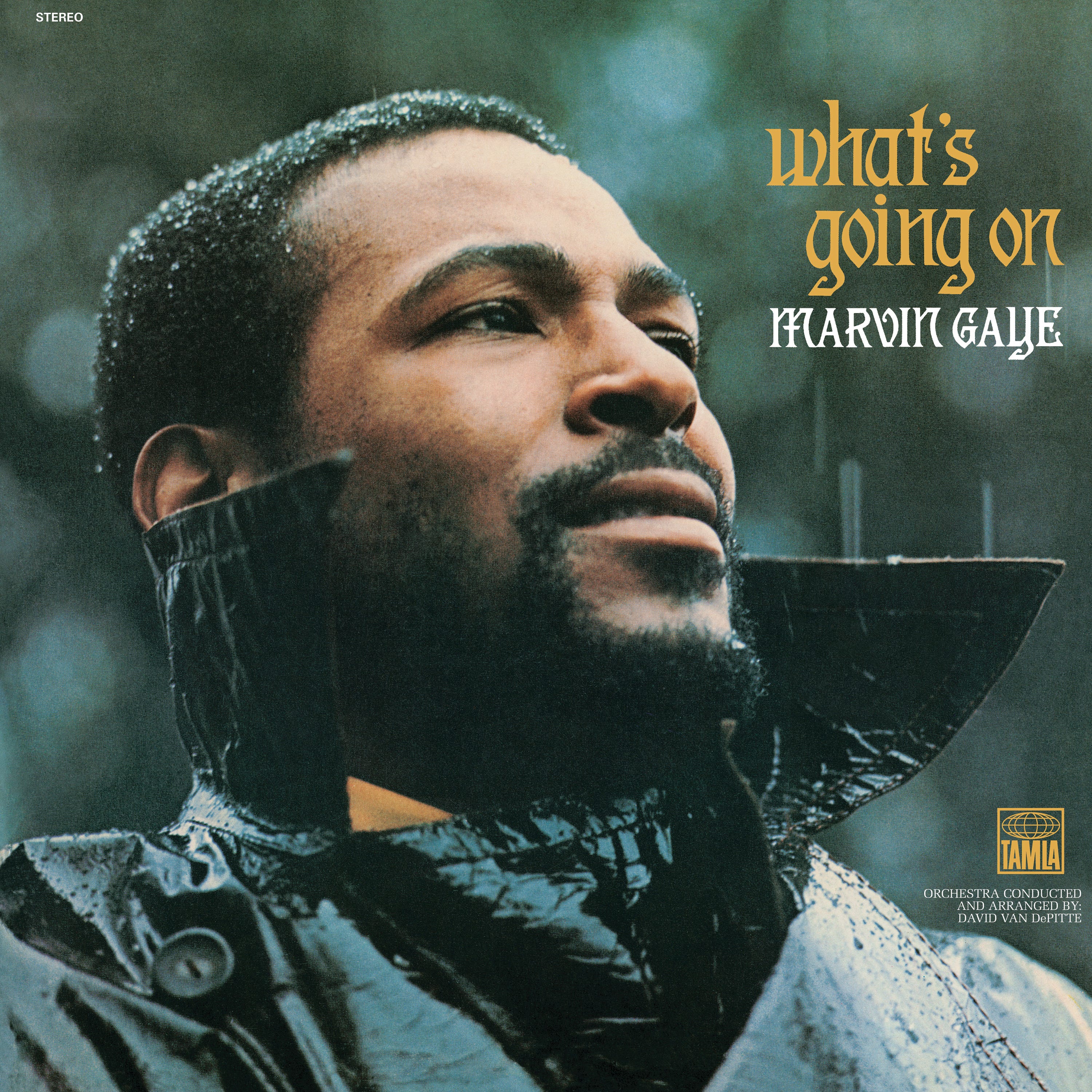
The Concept: A Vietnam veteran comes home, looks around, and asks a single, anguished question: “What’s going on?”
Execution: Gaye stitches nine songs together in a seamless prayer suite by blending squealing saxophones into a garbled soup of party noise, hand percussion, and multi-trackling co-lead vocals—like a soul choir arguing with itself. From environmental lament (”Mercy Mercy Me”) to ghetto reportage (”Inner City Blues”), every section unravels a new knot in early-Seventies America—taking basslines throughout 16 pages of text like news tickers, while strings and overlaid voices orbit a single unresolved chord—Gaye’s way of maintaining suspense until the audience inserts the resolution. That slick sequencing, self-production at Motown, and the incorporation of ambient field noise all forever changed the possibilities of Black pop, paving the way for Stevie Wonder, Gamble & Huff, and neo-soul storytellers a generation onward.
Isaac Hayes, Black Moses
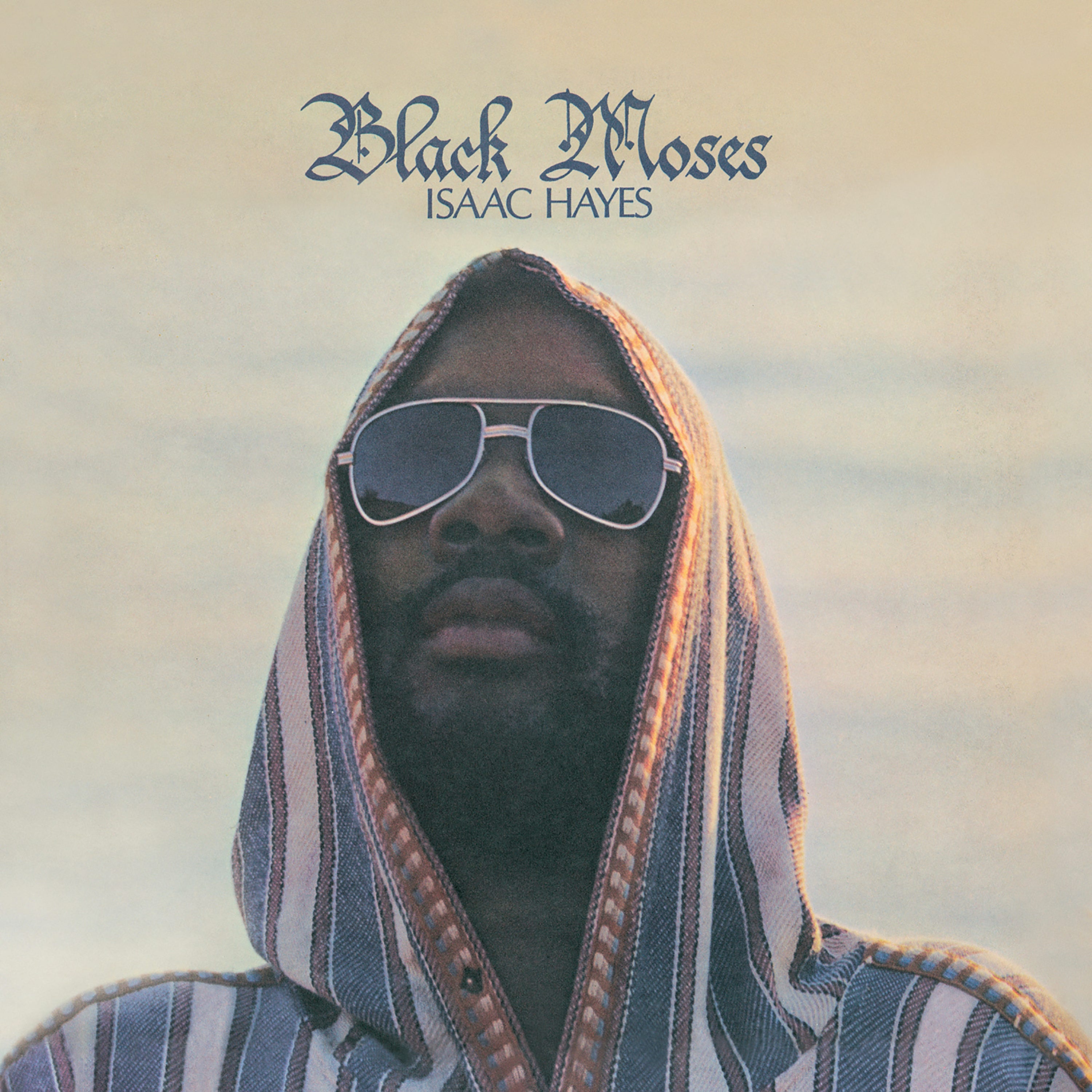
The Concept: Isaac Hayes recasts himself as a modern-day Moses, guiding lovers—and Black listeners—out of emotional bondage.
Execution: Across a gatefold jacket which with its biblical-robed Hayes commanding chains literally unfurls into a life-size poster of him, the double album drifts deeply, in varying permutations through extended grooves (”Ike’s Rap” suites) where wah-wah guitars, symphonic strings, meditative monologues organize soul, gospel, blaxploitation chic. The “Moses” character takes on both erotic preacher and myth of freedom: love songs turn into testimonial diaries of free will, and covers (”Never Can Say Goodbye,” “Part-Time Love”) push ten minutes to let a rhythm section “chant” salvation in slow motion. By treating love, spirituality, and black pride as a single story, Hayes codified the lush “progressive soul” model then plundered by Barry White and D’Angelo.
Sly & the Family Stone, There’s a Riot Goin’ On
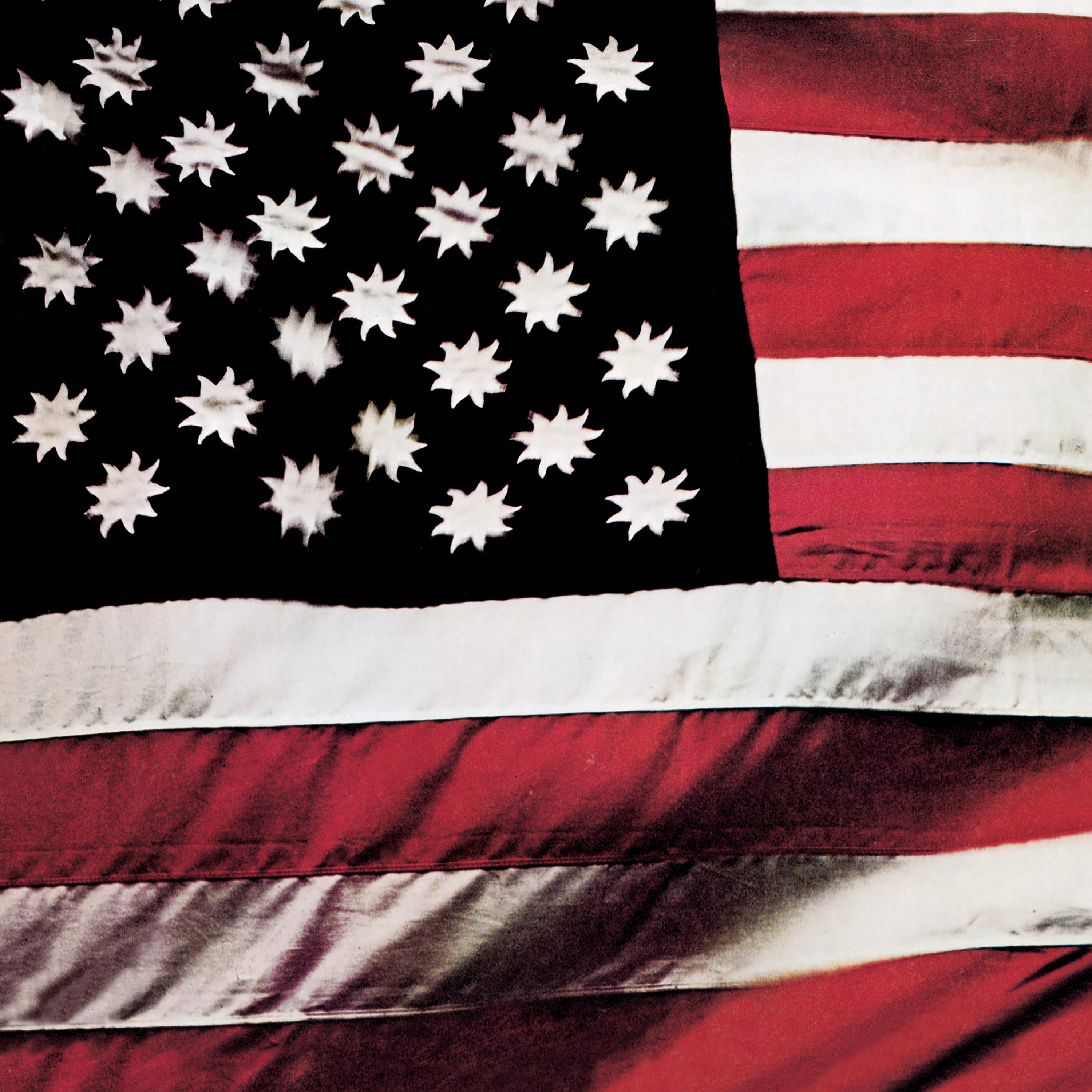
The Concept: Sly Stone retreats from flower-power optimism to document national malaise, crafting a murky song-cycle where the riot isn’t outside in the streets—it’s rumbling inside America’s psyche.
Execution: Stone records in the middle of the night, overdubbing drum-machine clicks and tape hiss until every groove sounds like a sleepless 3 a.m. hallucination; guitars throb in and out of sync, vocals are buried beneath half-remembered chants, and the painful mantra “Family Affair” replaces the band’s previous utopian pluralism. Sequencing is so tight that there are no hard track gaps, so the vinyl limps forward like a nightmare; lyrics switch from call-and-response to first-person whispers of exhaustion and paranoia through surveillance. Even the stark crimson-plumed cover art asserts a revolution that failed to take hold in mid-wave. Others later read the LP as the Black counterpart to Marvin Gaye’s What’s Going On?: one offering a question, the other a brutal silence. It would go on to inspire P-Funk’s psychedelic collage work and D’Angelo’s Voodoo as much as modern alt-R&B’s murky swaths of tone.
Curtis Mayfield, Superfly (Original Motion Picture Soundtrack)
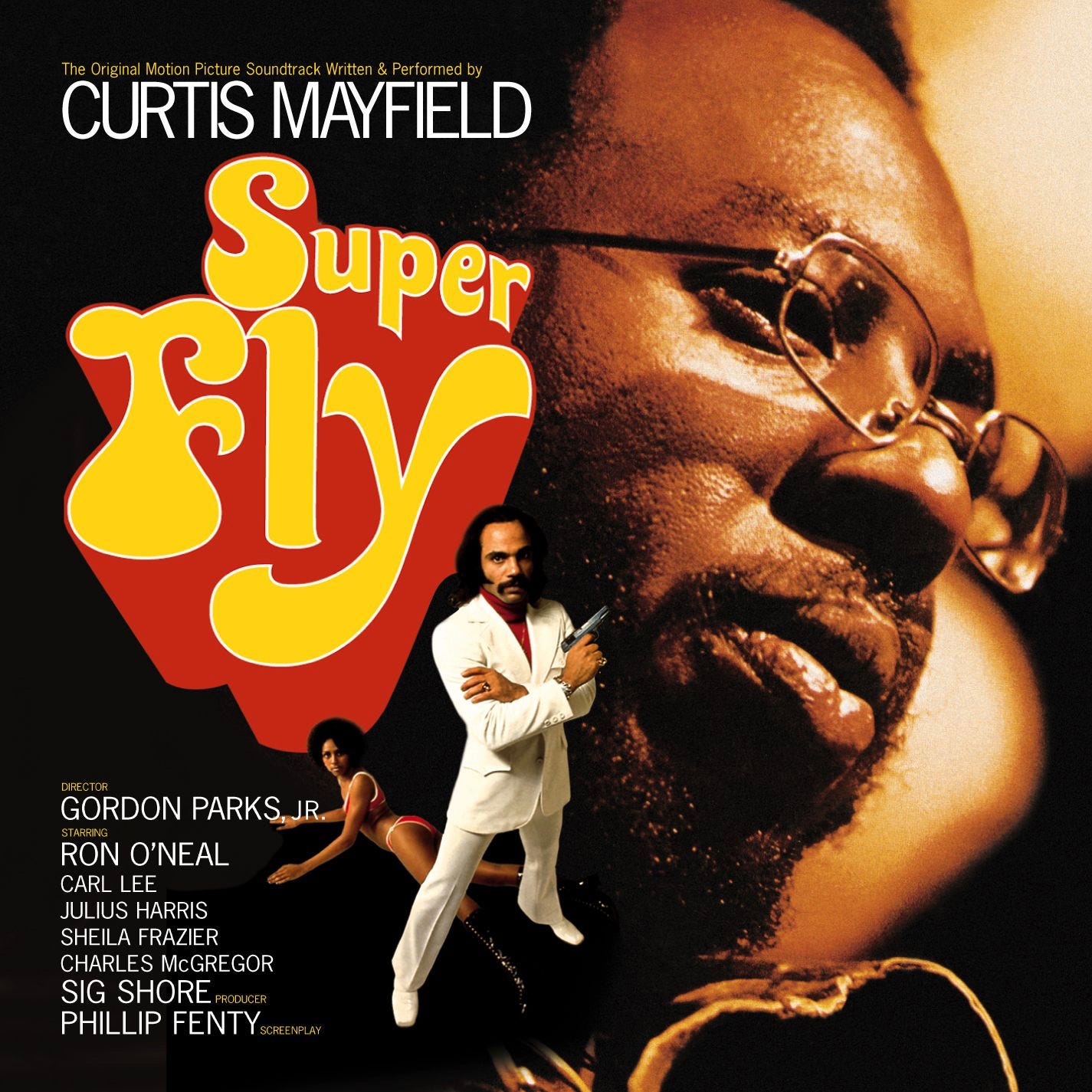
The Concept: Curtis Mayfield flips a blaxploitation caper into a street-level parable that asks whether a hustler can escape the dope economy without poisoning his own community.
Execution: Mayfield begins the film in miniature, howling every voice in the conscience of each lead while wah-wah guitars and conga chatter carry Harlem streets in stereo. His soaring falsetto speaks back to the glamour the camera trades in: “Freddie’s Dead” mourns the collateral of respectability, while “Pusherman” charms the airwaves with an insidious bass line as adept at trafficking as any last hit. In the studio, he spray paints siren wails, junkie tense beats, even dialogue into the mix, so the record plays out like cop lit reportage punctuated by spirituals. The LP did more than outrun the movie-it redefined the purpose of soundtrack, showing Black film music could critique the very images it underpinned, and later auteur albums, from Shaft alumni to Kendrick Lamar’s Black Panther soundtrack—just pipped it.
War, The World Is a Ghetto
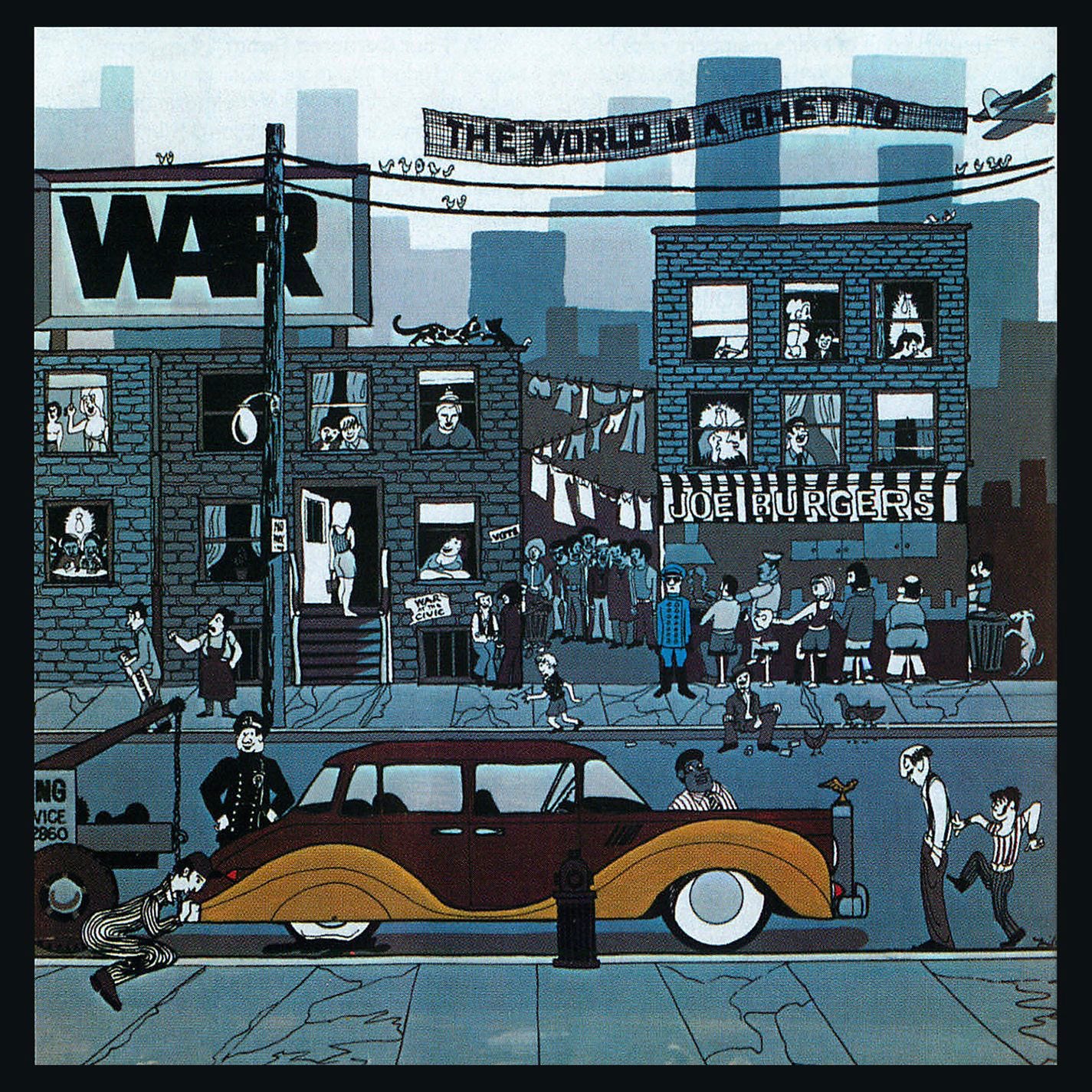
The Concept: War imagines every zip code—Beverly Hills included—as one big ghetto bound by the same human anxieties.
Execution: The six-song cycle kicks off with a comic book car chase that incorporates mariachi (“Cisco Kid”), morphing into the nine-minute title song, where harmonica and flute, locked with Latin drums and percussion, are like neighbors fighting across fire escapes. The midpoint jam “City, Country, City,” a front-porch folk ode to the joys of driving down a freeway, reinforces the idea that borders are phantoms. War’s cross-cultural band literally brought the music to life, and the LP’s original intent as a play starring “Ghetto Man” remains on a macro level, from the cinematic flow to the motifs that tie the record together. The album was a party record, transformed into a gospelizing document of an urban culture at once beleaguered and triumphant, a model for crossover commentary from Songs in the Key of Life to The Miseducation of Lauryn Hill.
Curtis Mayfield, Back to the World
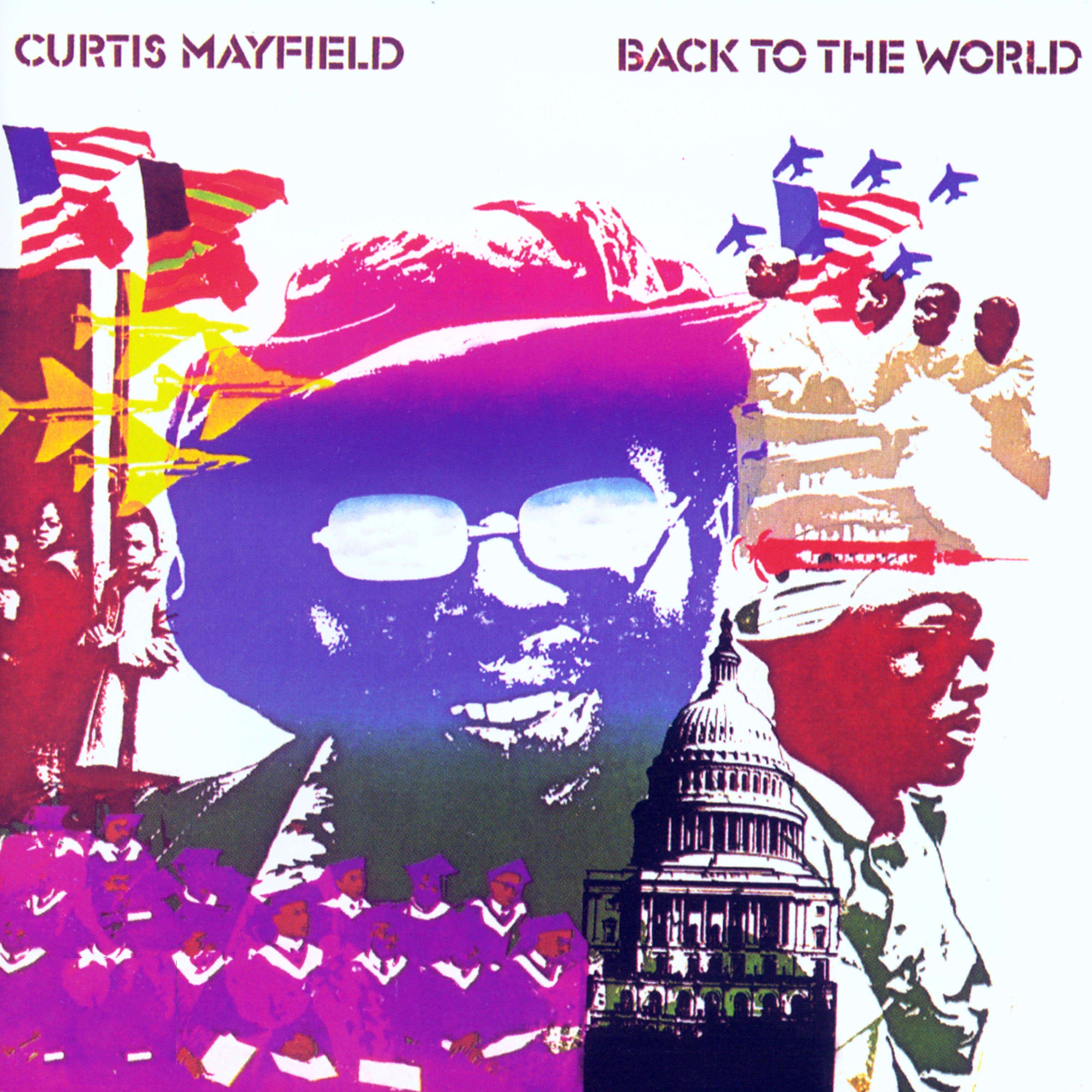
The Concept: Curtis Mayfield tells the story of a Vietnam veteran returned to Chicago’s West Side, forced to confront unemployment, addiction, and political disillusionment.
Execution: Curtis Mayfield launches “Back to the World” with horn pops, whirring strings and a drum corps cadence that feels like military-grade PTSD. “Future Shock,” with its whacked-out ARP synths and swooping guitars, sounds like televisual shrapnel to the eyes and ears of our soldier returning home, Mayfield rhyming everything in the second person to make sure we share his anxiety. Tufo’s orchestration plays major and minor sevenths in quick succession—the highs and lows of terror and relief. Instead of Superfly, his first motion picture score on a movie screen, he’s trying to capture that cinematic feel on record, using the main theme riff for quick fire flashbacks that run throughout side B, a trick many reviewers missed but that students now acknowledge as a foundational moment in R&B of “post-traumatic stress film noir,” a half-century before Born in the U.S.A., the soundtrack to Anthony Hamilton’s Comin’ from Where I’m From, and all other post-war soul albums to follow.
Donny Hathaway, Extension of a Man
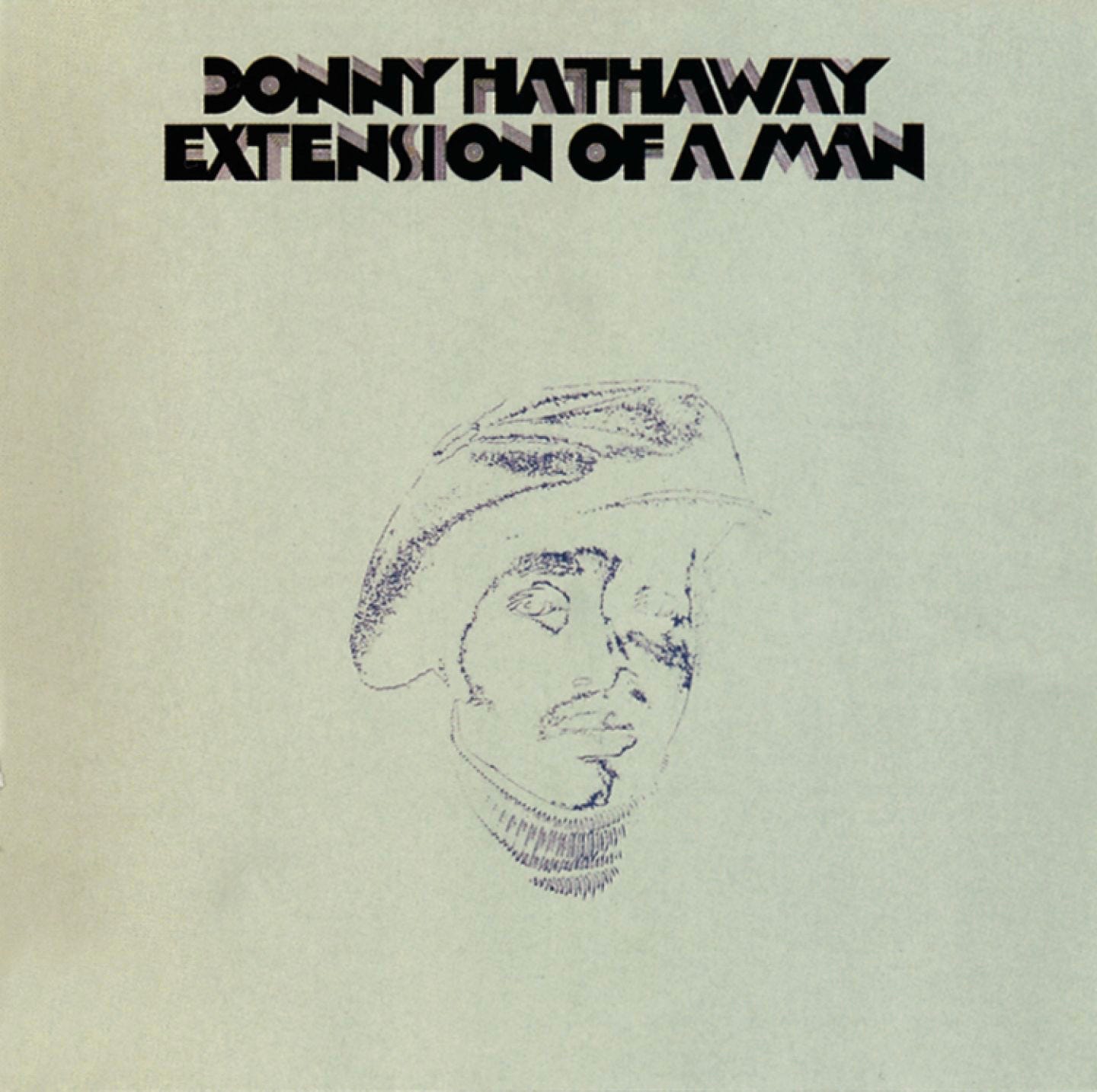
The Concept: Donny Hathaway sets out to “extend” Black music’s vocabulary until it touches Debussy on one end and Baptist hymnody on the other.
Execution: Side A opens with a full arhythmic orchestral overture—strings underpin a psalm, before dissolving into four over five jazz-and dissolves into “Someday We’ll All Be Free,” a true-blue prayer for mental health, mapping his own depression as a musician onto collective liberation. Hathaway menu switches between Latin-rock instrumentals (“Valdez In the Country”), nursery-rhyme-inspired funk, and blues torch songs and still maintains the record’s reverent through line. Its roomily detailed liner notes elaborate his intention to span “every genre of as many eras as possible,” and from the lush gospel choirs over strict modal chords to the uncanny swells of electric piano into symphonic coda, he achieves this aim: this record sounds less like an array of genre-flips and more like a master work unfolding in “chapters.” The album pre-echoes a series of genre fusions led by old masters to new: Stevie Wonder, Kamasi Washington, with reminders to R&B that a symphonic shell can surround its soulful roar.
Stevie Wonder, Innervisions
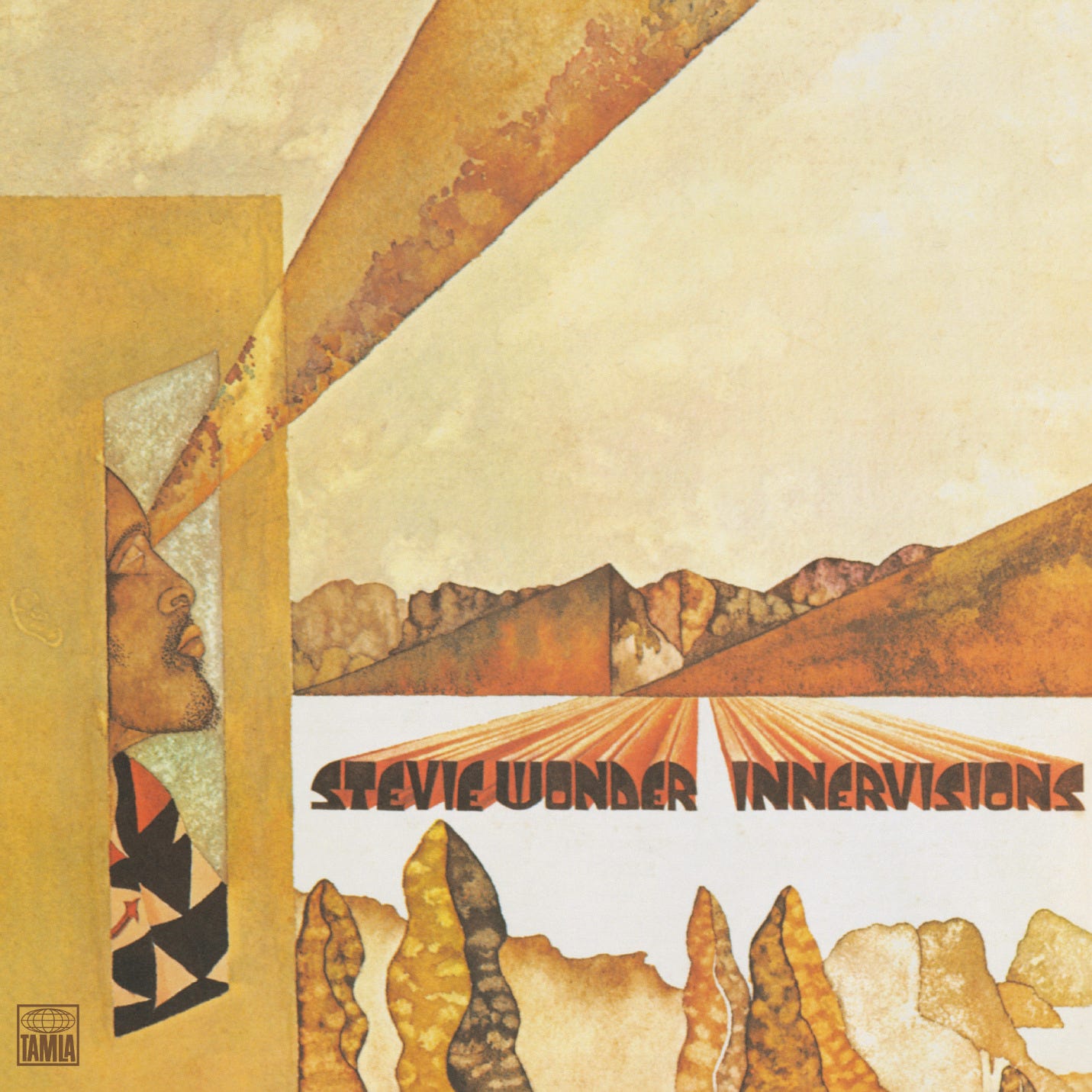
The Concept: Stevie Wonder turns “inner visions” into a song cycle mapping drug abuse, systemic racism, and spiritual renewal inside his own imagination.
Execution: Stevie Wonder laid the groundwork for the T.O.N.T.O synthesizer rig, a hard, malleable band. This turned Moogs and clavinets into arrays of percussive voices, each making a different mental picture. Psychedelic scat poured out of tapestries on “Too High”; car horns and emergency sirens become part of “Living for the City”; the dark funk tale. A clavinet pattern knocks “High on Life,” the sung shop becomes an industrial cavern of activity. The nine songs on the album draw together without anything sounding the same. Looking at social issues, making singer-songwriter type ballads, blending Afrofuturist funk into the package, all combine like a set of twisted tarot cards into a kind of ‘reading’ that forecast Prince’s approach to solo recordings and the introspective sounds of neo-soul.
The O’Jays, Ship Ahoy
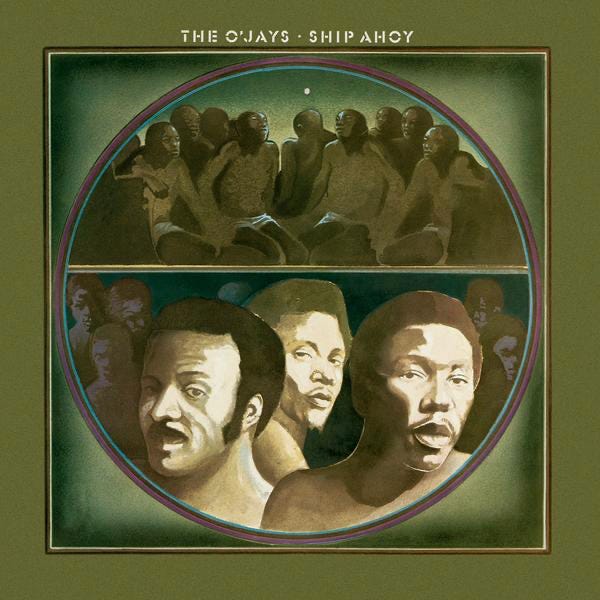
The Concept: A soul LP that begins in a slave ship’s hull and traces the Middle Passage’s economic aftershocks into 1970s Black consumer life.
Execution: The O’Jays opens with sounds of wood friction, strikes, and the ocean within, leading into the rapid and majestic funk hits about fighting the system (“For the Love of Money”) and calls for unity in gospel (a chart of “Sunshine”). With the smooth and textured sound of Gamble & Huff-produced Philly soul, dominated by arrangements from the MFSB and a bassline from Anthony Jackson, the record simply looks at the beauty struggling with tough business practices. The group vocals carry a wide scope of emotions: fear, ferocity, joy, indicating the durable impact of slavery preserved in capitalism today. This makes social commentary R&B a dance record, a visible root of soul concept albums like those from The Roots’ TV show, or Kendrick Lamar’s To Pimp a Butterfly.
Gladys Knight & the Pips, Claudine (Original Motion Picture Soundtrack)
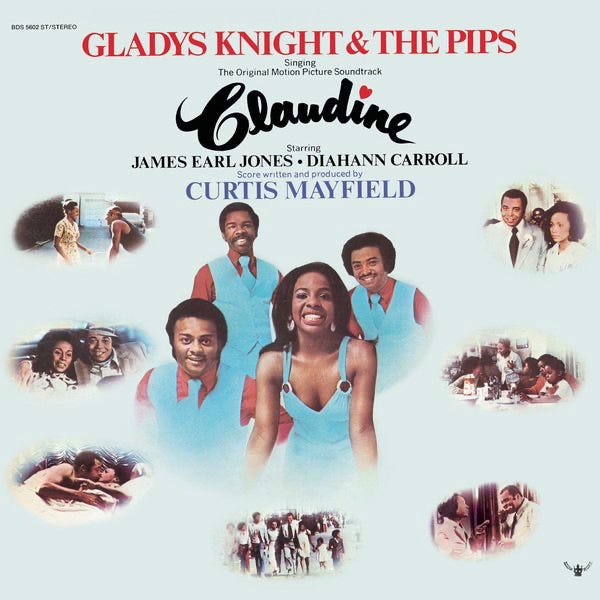
The Concept: With Gladys Knight & the Pips voicing Curtis Mayfield’s songs, the soundtrack follows a Harlem single mother navigating love, welfare bureaucracy, and dignity under surveillance.
Execution: The 1974 score for Mayfield’s film blends social commentary into romantic duets subtly. Take “On and On” for example: lively drumming and lyrics about rent going up. “Mr Welfare Man” uses funky rhythms and a chorus reciting forms of government paperwork like a list of petty offenses. Knight’s performance is consistent with her character. She grows increasingly tense when social workers are introduced. Meanwhile, the backing group The Pips provide harmonies that match her children’s dreams. Mayfield also incorporates lo-fi field recordings—door bells and children yelling—that link orchestral sections to cramped apartment settings and create a contrast between ambition and social limits. The album topped Billboard’s R&B chart, showing that stories of Black motherhood could be successful without relying on violent Blaxploitation. It also paved the way for later critiques of welfare from artists such as Mary J. Blige and films like Precious.
Gil Scott-Heron & Brian Jackson, Winter In America
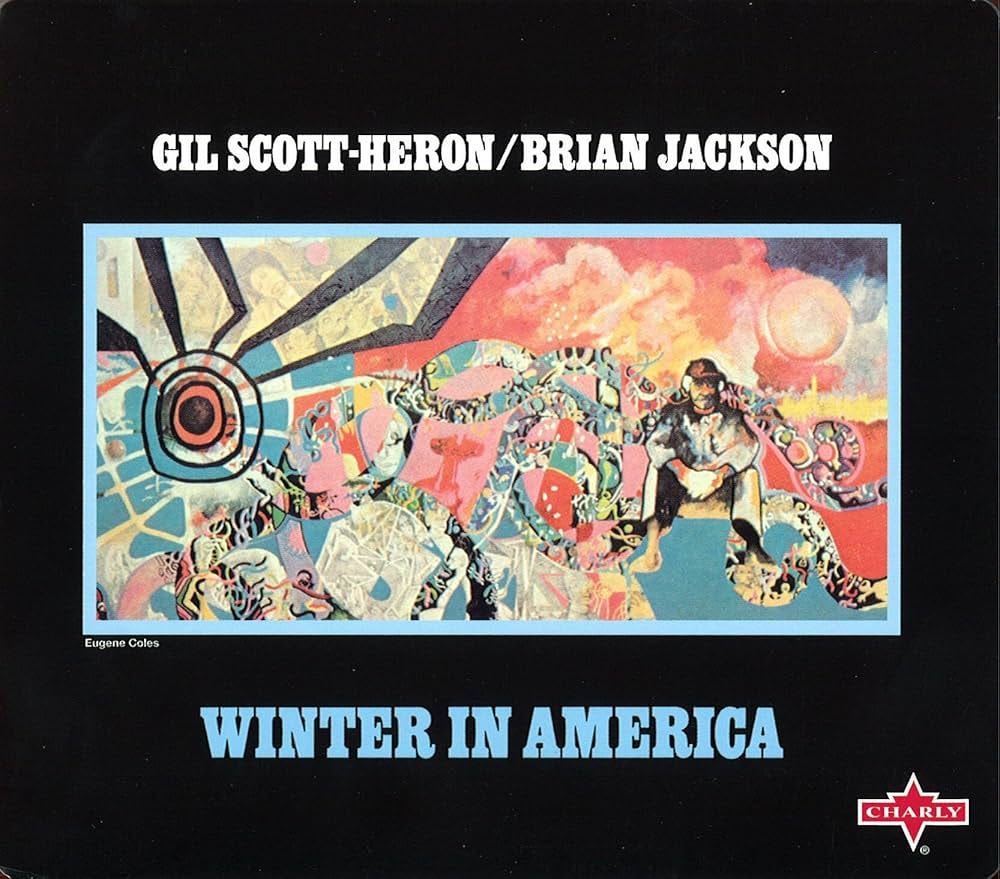
The Concept: Gil Scott-Heron and Brian Jackson paint 1970s Black America as a long, social “winter” of political freeze and inner-city survival.
Execution: Recorded in a Micro Silver Spring studio in 1972, the record’s a tiny tableau mixes Rhodes piano, blues-flute, conga pulses and muted documentary reportage. Scott-Heron’s graveled baritone vocals speak of foreclosures, breadlines and The Bottle’s anesthetic. The sparse production offers a spectral breath-on-glass feel to every rim-shot and resonance; the Afro-centric chants (“Rivers of My Father’) presage the springtime to come. Its spontaneous framework, release on independently-run Strata-East and melding of jazz poetry with soul grooves set the architectural blueprints for conscious hip-hop, Neo-soul balladry and the black artist-run-marketplace mentality of modern Bandcamp.
LaBelle, Nightbirds
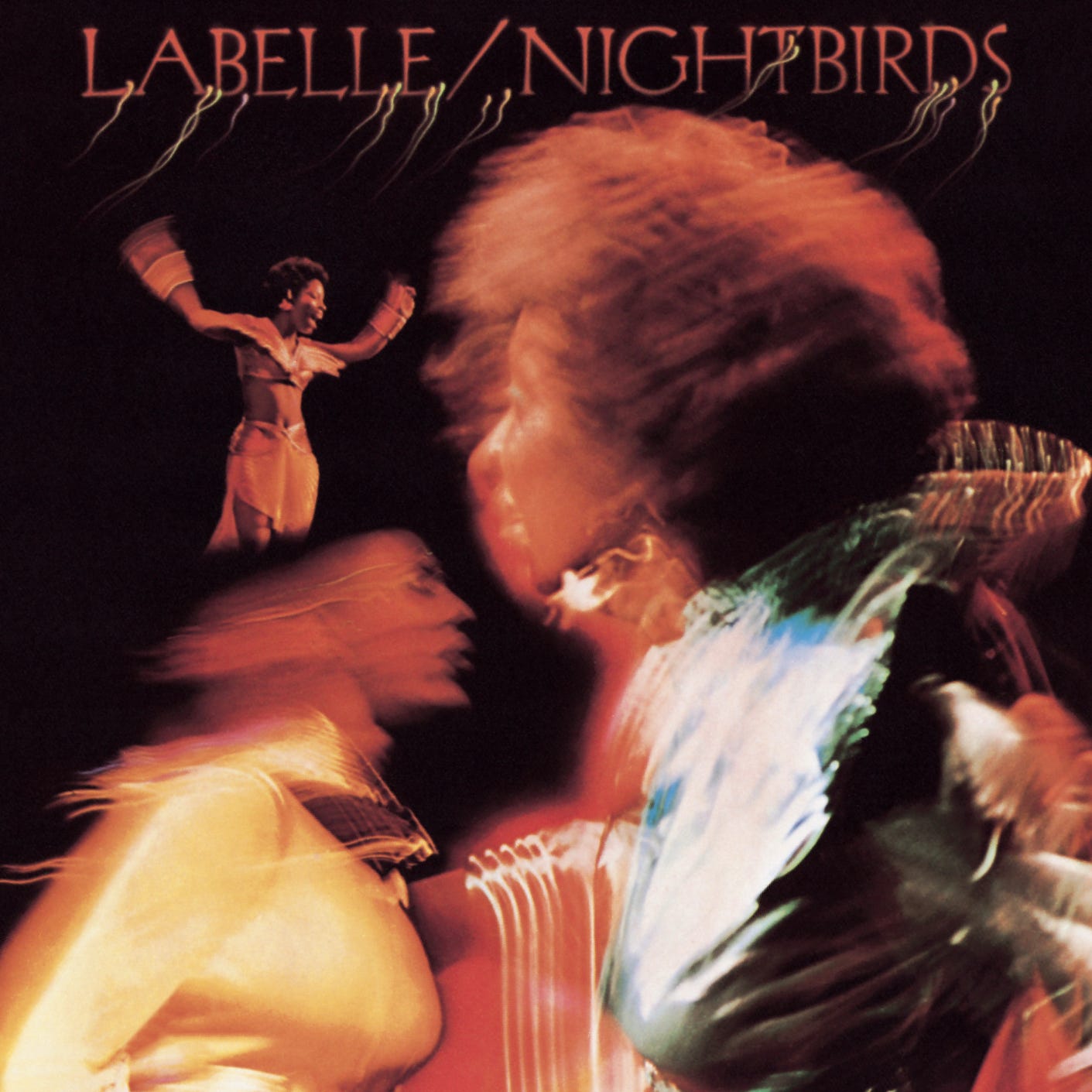
The Concept: LaBelle crafts a glam-funk manifesto where three cosmic nightbirds prowl New Orleans streets and outer-space discos in search of sexual and spiritual freedom.
Execution: Producer Allen Toussaint sets the trio up in Sea Saint Studios like carnival queens, swelling swamp horns and second-line drums pounding underneath blinking synthesizers. The subtly tribal lyrics of Nona Hendryx (“Space Children”) echo through the glittering stage costumes kept in chrome-lam, and bodies flailing around the stage, by Patti and Sarah’s gospel melisma giving way to rock-theatre wails. The sequencing ranges through the alley-cat titillation of “Lady Marmalade” to the nocturnal Eucharist of the title track, each song shifting un-pianistically higher through a set of keys, like speaker-flying stairwells. By squeezing Mardi Gras, glam, proto-disco, and feminist self-mythologies into a half-hour package, Nightbirds prefigured the future of R&B concept albums, from Control to Dirty Computer.
Millie Jackson, Caught Up
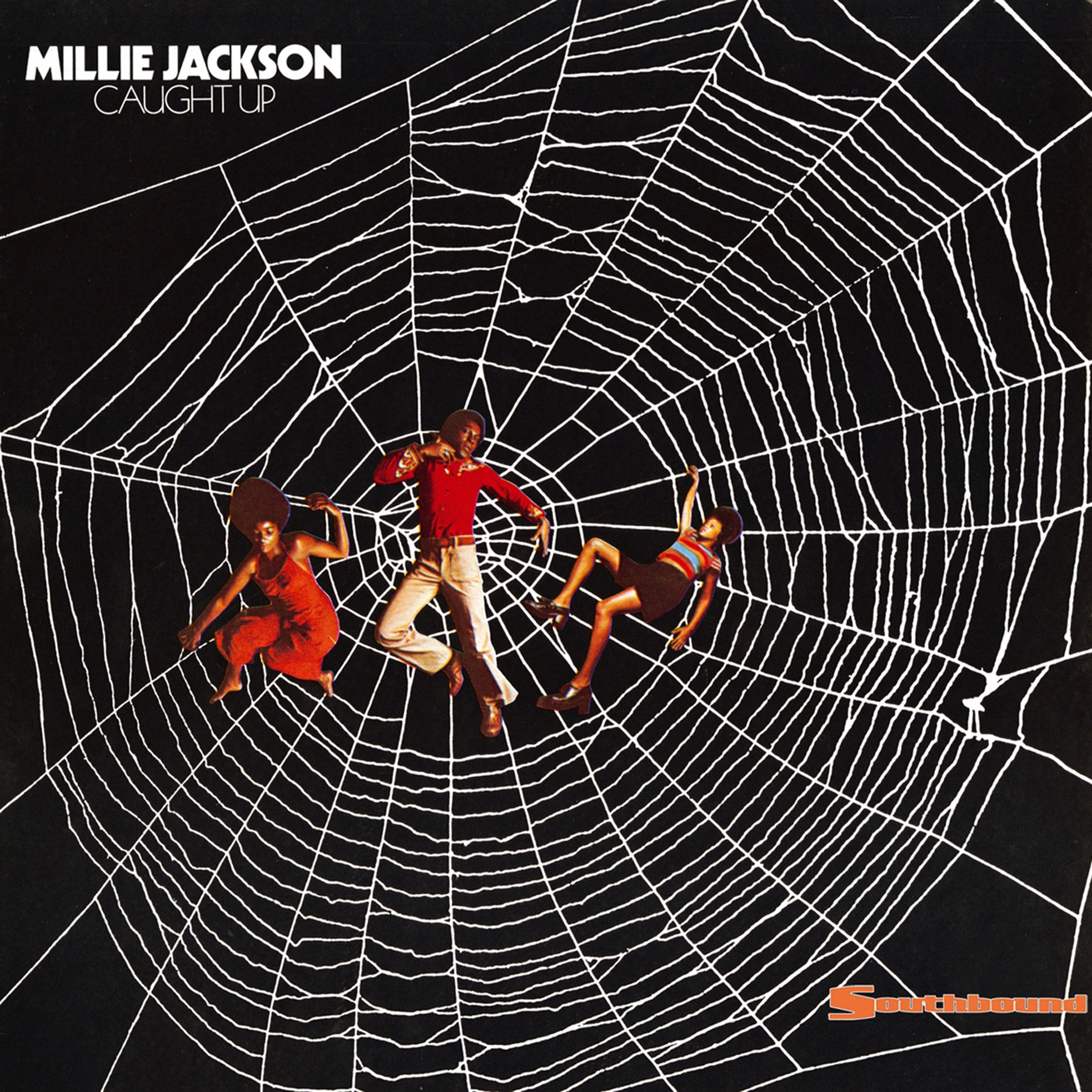
The Concept: Side A sings from the mistress’s perspective; Side B answers from the wife’s—two halves of one adulterous affair.
Execution: This is a theatrical masterclass from Millie Jackson, with spoken-word “raps” unleashing raw dialect, the Muscle Shoals groove burning low underneath her sermons, and the string-scoring emphasizing human fallibility in a way that denies, rather than produces, harlequin romance. With a reversal of the record, along comes the betrayal again through a different window of emotion; a docile if sure demonstration of how arranged (instrumentally and in the foreground), lyrical highlighting, even vocalist timbre can make and remake myth.
Earth, Wind & Fire, That’s the Way of the World
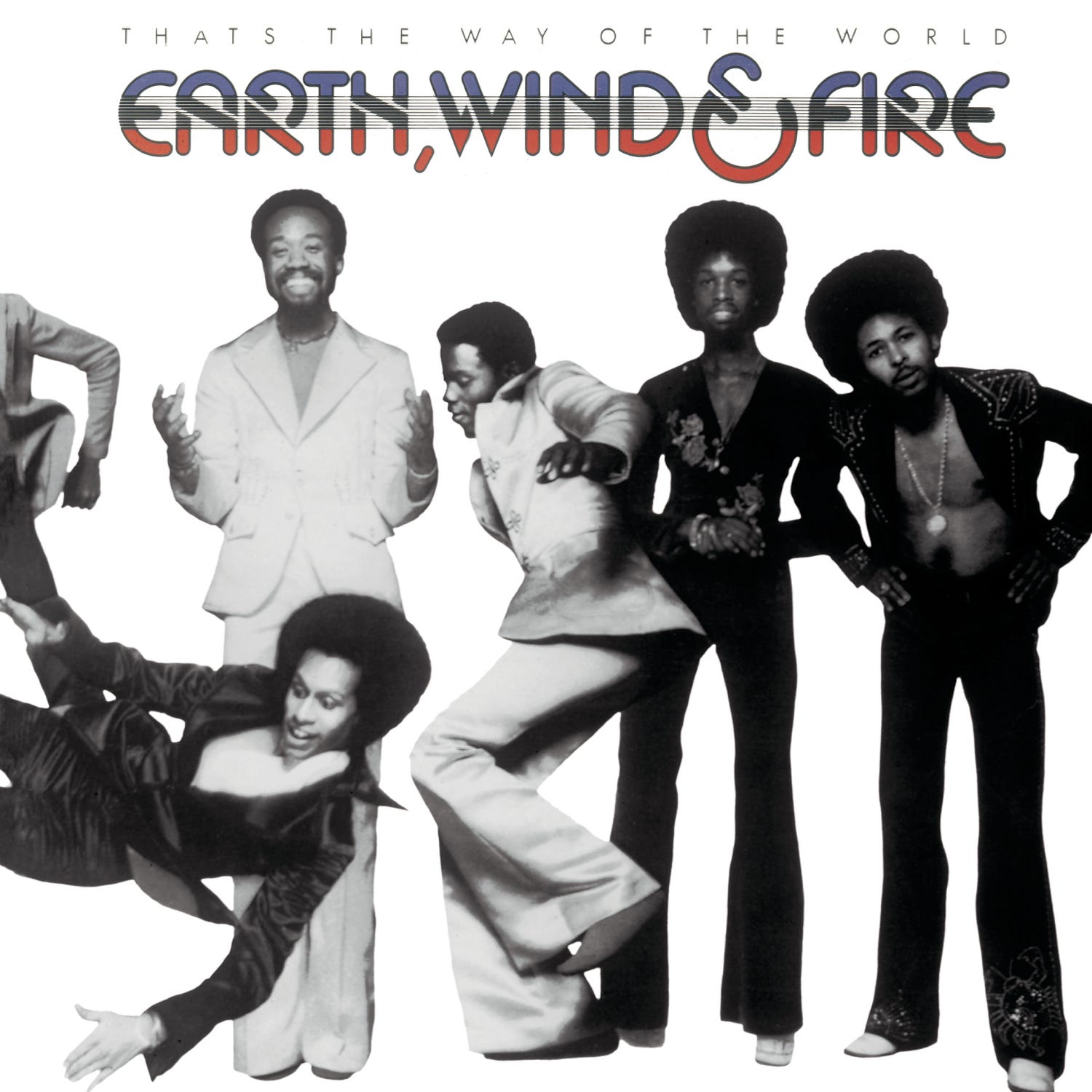
The Concept: Earth, Wind & Fire score a film about a talented band corrupted by industry sharks, then issue the soundtrack as a sermon on transcending commercial cynicism through spiritual groove.
Execution: Maurice White bookends the LP with calls to enlightenment: kalimba rattles, studio “laughter takes” announcing sanctity ahead of Hollywood contamination. But in between, the disc gets meditative: “Shining Star” asserts stardom lies within, not horns; “Reasons” dials back the band to a falsetto-puffed confession; and the closing “See the Light” brims with mbira ensemble, recorded laughs that proved their vision could be timeless. Sure, it’s soundtracked by Charles Stepney’s sunshine string voicings and George Massenburg’s plush mix, right? But the connection comes via verses of chord progressions that don’t so much get turned upside down—more gently pulled around each new theme. Such a hit proved the way had been shown: big-label R&B could preach a metaphysical sermon, AND sell units.
Smokey Robinson, A Quiet Storm
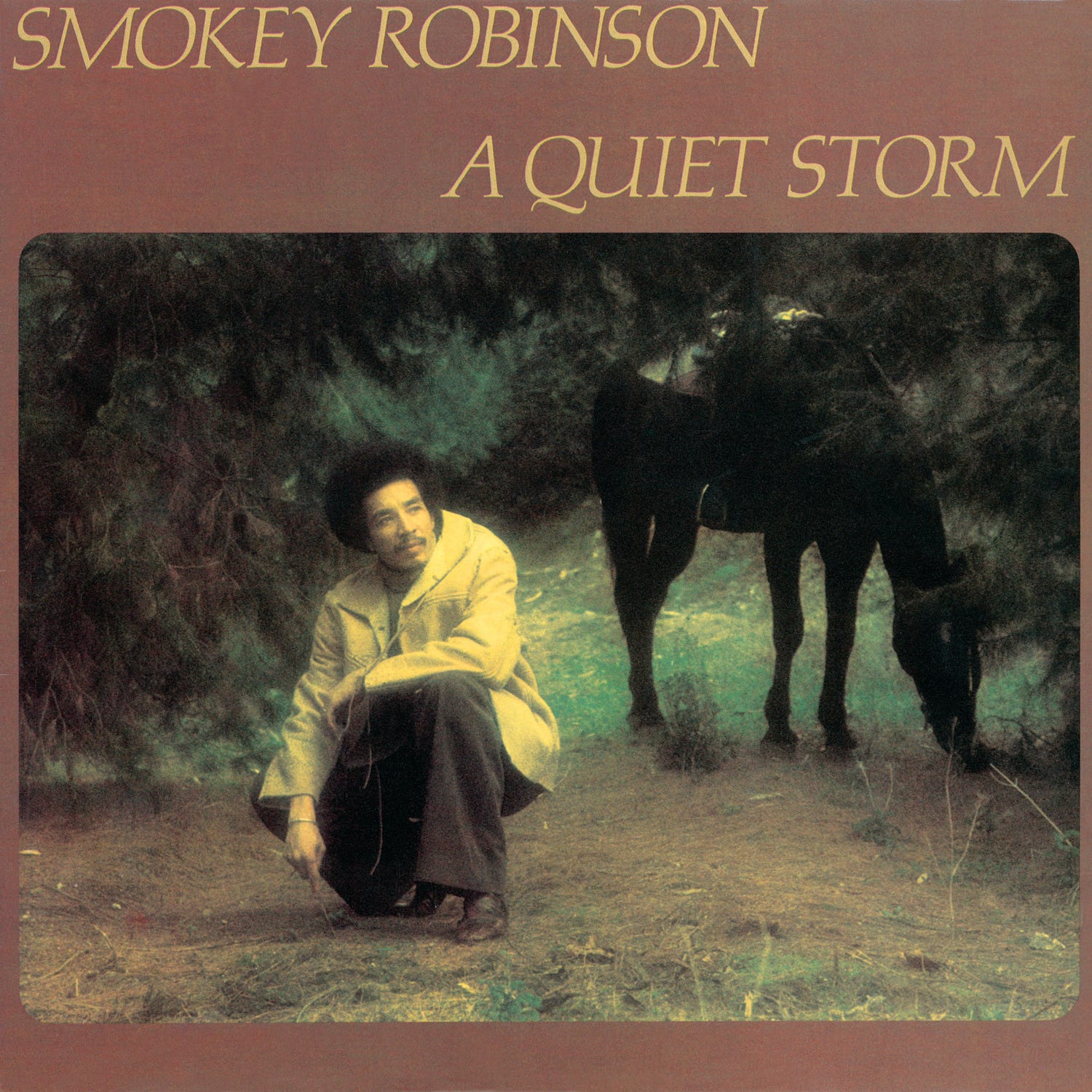
The Concept: Smokey Robinson imagines a late-night radio broadcast that strings together sumptuous ballads as one uninterrupted reverie on monogamous romance.
Execution: Opening with a little patter of static and thunder in the distance, “Quiet Storm” introduces a fictional DJ who takes your current information needs and delivers eight-minute torch songs—then Robinson blends together the next six songs so that the whole record sounds like one big, floating, slow-jam memo. Guitarist Marv Tarplin weaves nylon-string guitar spirals through vibraphone patters, stoking a smooth vitality that was resilient enough to kick off the Quiet-Storm format on Washington, D.C.’s WHUR-FM just a year later, an observable proof-of-concept that the mood Robinson was achieving had to have been engineered for airplay. Rather than indulge in the politicized Blues anger coursing through mid-‘70s soul, Robinson opted for intimacy that’s as fierce and militant—either a view of Black intimacy as resistance—a perspective impossible to pull your attention away from (“The Agony and the Ecstasy”). Its successes forced soulful grownup sexiness back onto the charts and spawned off full-blown sub-directives later perfected by Luther Vandross, Anita Baker, Sade, all reusing Robinson’s “setting-is-only-an-agentic-impetus” methodology.
Parliament, Mothership Connection
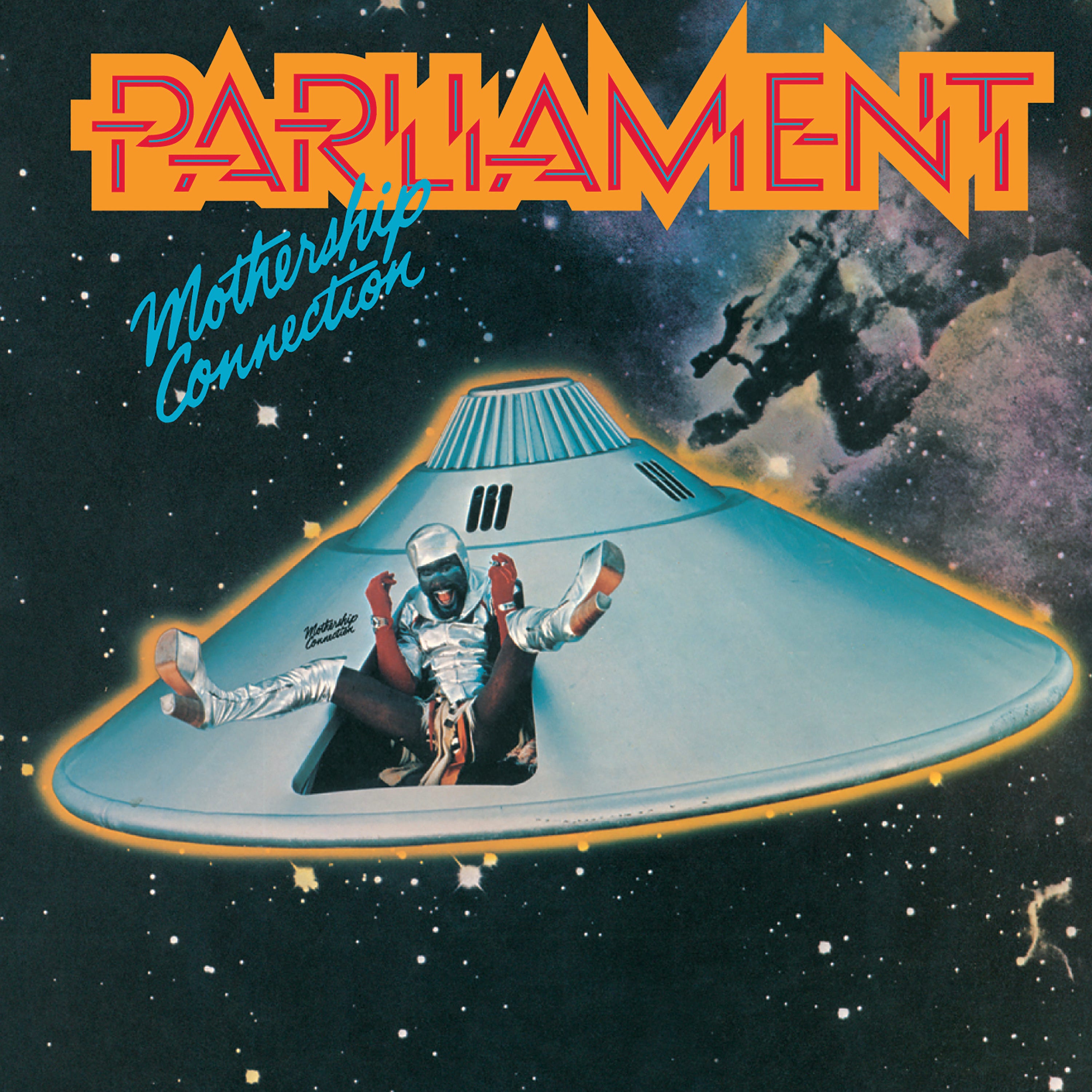
The Concept: Starchild, an extraterrestrial funk Messiah, lands the P-Funk Mothership to liberate Earth through uncut groove.
Execution: Parliament’s Afrofuturist magnum opus folds radio patter, comic book myth, rubber basslines into a perfect party worship: “P-Funk (Wants to Get Funked Up)” takes off on distant radio, broadcasted ‘Give Up the Funk’ sets the tone for the service, Moog tones from Maceo Parker & the Brecker Brothers preside over the universal ceremony. George Clinton’s Agents, Lollipop Man, and Starchild created an ever-expanding mythology designed to be sampled, G-Funk, deep in the woozy visualization of the hip-hop stage. The Library of Congress now saves the album as a quintessential cultural relic, representing the music that imagined the future of African-descended people indistinctly from any sci-fi epic.
Stevie Wonder, Songs In the Key of Life
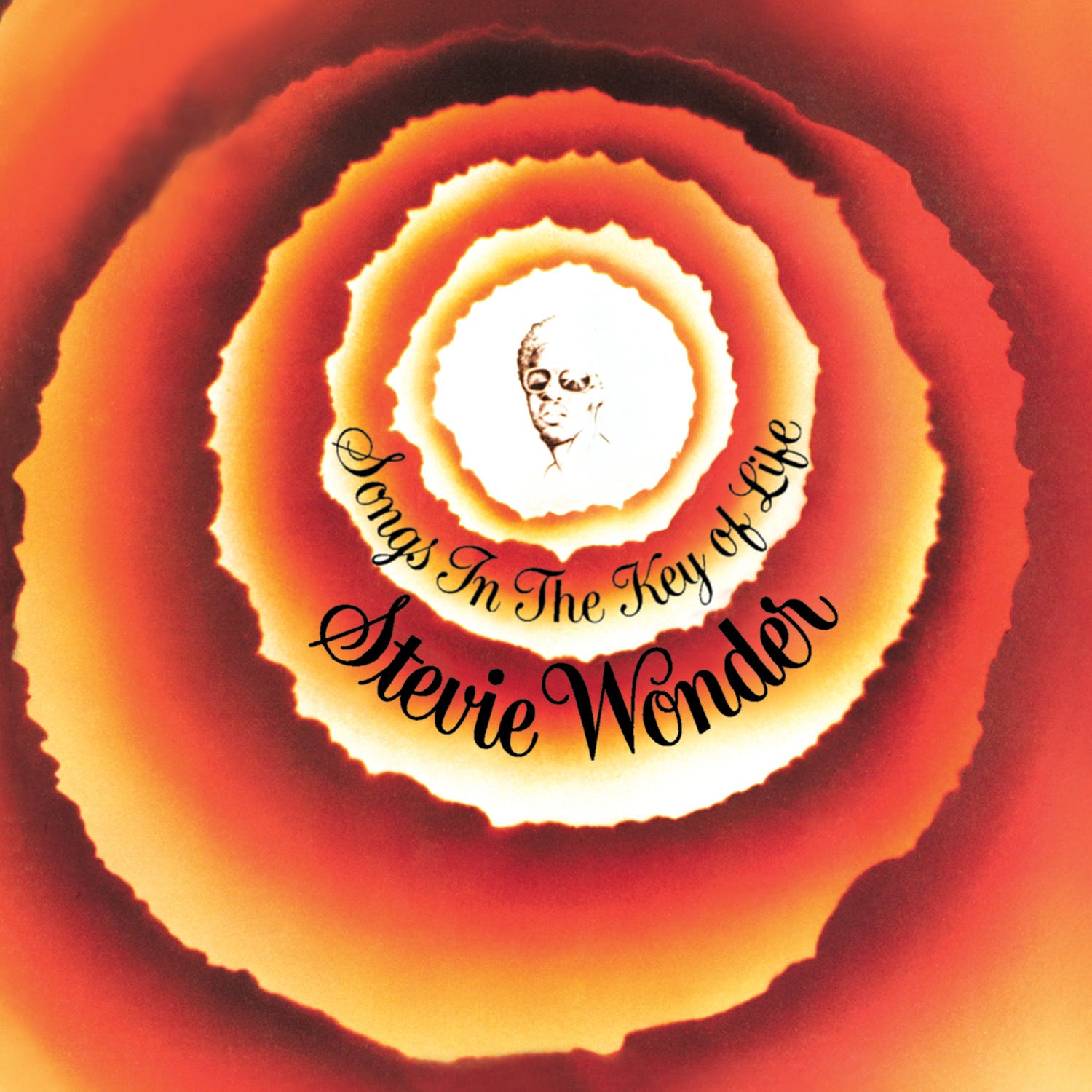
The Concept: Stevie Wonder writes an encyclopedia of human experience—birth, faith, love, injustice—sequenced as a double-LP “key” that can unlock any life moment.
Execution: Almost solo inside the T.O.N.T.O., Wonder documents chaptered portraits. “Village Ghetto Land” employs strings and satire-harpsichord as a coup to poverty tourism; “Pastime Paradise” transposes Bach-the-tao arpeggios into Afro-Latin chorus; “As” distends continuous-cycle chord into a metaphor for unconditional love. Interludes on the bonus EP serve like glosses, while the booklet sheet-music type reinforces his desire for the chapbooks to function as a reference. The device is a constant revolving harmonic spectrum-every tonal area lives on E or B, rendering modulation immutable. Pushing the album as a book-length narrative—double vinyl, 24-page lyric book, four-song appendix-Wonder yet again glommed in the gold standard on macro-concept R&B, a tactic Prince then borrowed for Sign “O” the Times and Beyoncé’s Lemonade.
Bootsy’s Rubber Band, Ahh… The Name Is Bootsy, Baby!
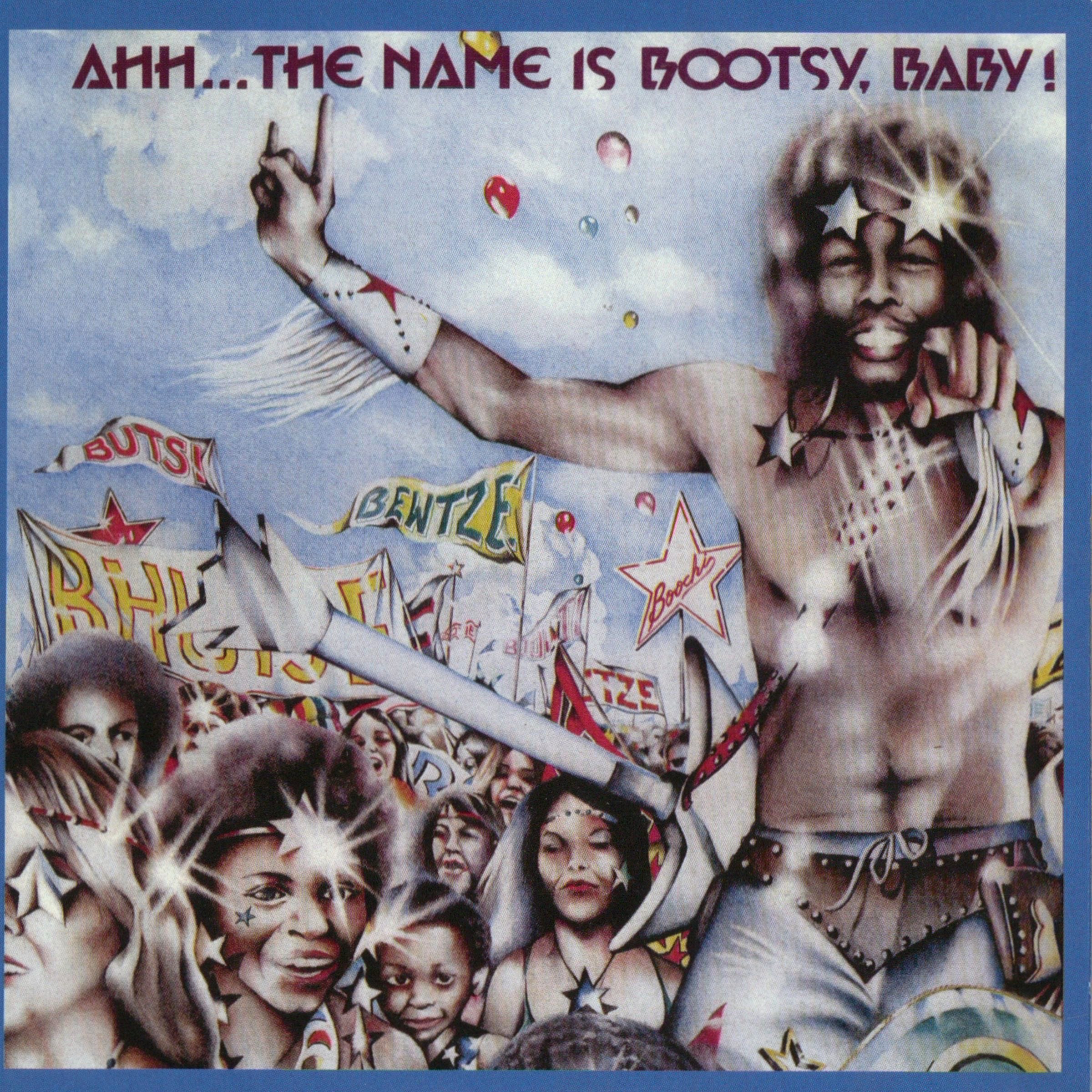
The Concept: Bootsy Collins dons cartoon alter-ego Bootzilla to teach Earth how to “un-fake the funk” through bass-heavy love gospel.
Execution: Divided like a comic. While Side I details “A Friendly Boo,” and Side II shows the “Un Dos,” the album tells the story of Bootsy’s origin myth: the opening song sets the tone in the sound of octave bass lines; “The Pinocchio Theory” warns that liars’ noses grow when they “front” that funk (ultimately creating an archvillain: Parliament’s Sir Nose); and nine-minute “Munchies for Your Love’” stretches out time until every note is slicked with liquid sub-harmonics. Studio banter and reprise tags(“Preview Side Too,” “Reprise: We Want Bootsy”) turn the album into a Saturday-morning cartoon, yet underneath the levity is serious musicality: Horny Horns horns stack like Ellington charts, Bernie Worrell’s clavinet serves as Bootsy’s moral compass. The record established alter-ego world-building could propel an album with the depth of an R&B concept record just as surely as narrative storytelling, later explored in personas such as Gnarls Barkley and Tyler, The Creator.
Donna Summer, Once Upon a Time…
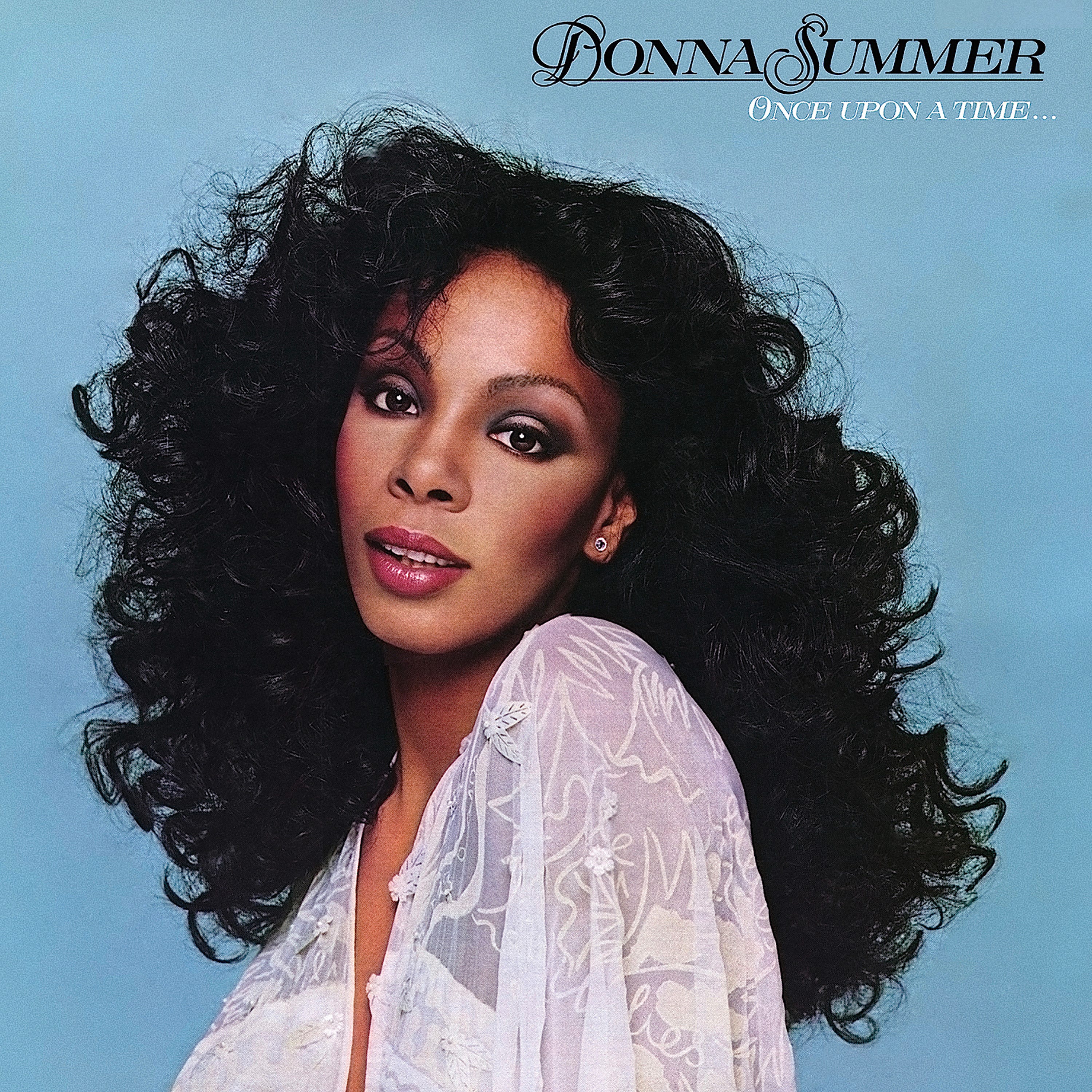
The Concept: Donna Summer, Giorgio Moroder, and Pete Bellotte stage a modern-day Cinderella fable as the first full-length “disco opera,” spreading the fairy-tale arc across a double-LP designed for the dance floor.
Execution: Developed with Casablanca executives Joyce Bogart and Susan Munao, the album plots the heroine’s progress from solitary struggle to a Happily Ever After across album chapters, each lyrically detailed as an on-the-page illustration, printed in narrative style on the gatefold. Broken into four Acts with the vinyl sides subtitled—Once Upon a Time, A Love Story, My Kingdom, Happily Ever After—to signal each turning of the (real-world) page, the record is set with the visual tempo of a film score; Moroder’s machines in Munich—Roland sequencers, ARP-2600 lines and flanged hi-hats recorded at Musicland—team up with Bob Esty’s orchestrations, to allow laser tones of sequencer ostinatos represent a heroine’s “dreamworld” contrasted by real-live strings for her terrestrial entanglements. The Francisco Scavullo fashion editorial photos framed with storybook borders that adorn the package push the tale’s narrative beyond the sound, a grand, big-budget version of the Four Seasons of Love.
Earth, Wind & Fire, All ‘n All
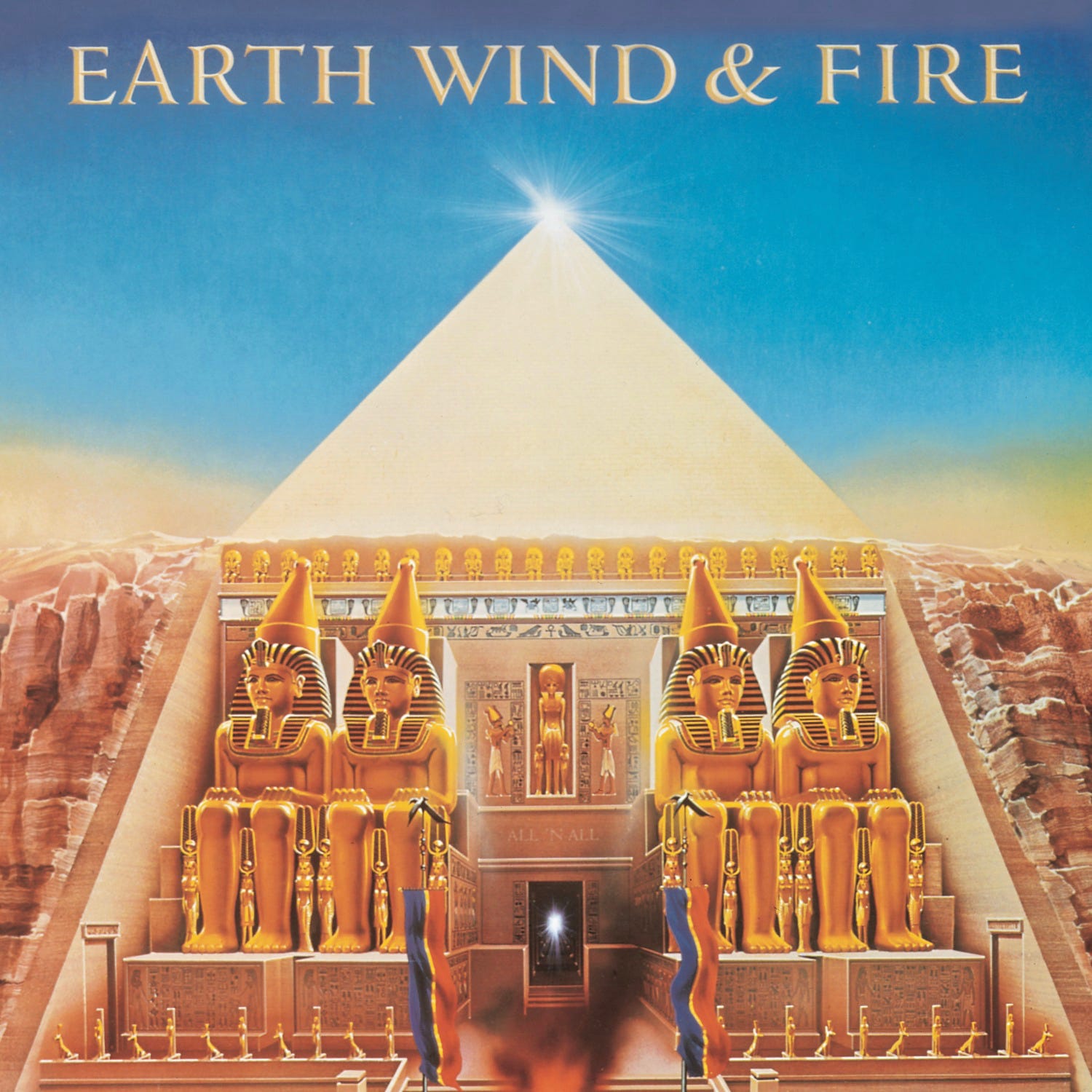
The Concept: Maurice White outlines a globe-trotting spiritual quest—Brazilian rhythms, Egyptian symbolism, cosmic jazz—around the idea that every faith points to one higher groove.
Execution: Recorded in the wake of a trip to South America, the album unwinds from the kundalini-funk of Serpentine Fire into the more astral tones of “Fantasy,” passing the trip by using interstitial, passport-like travelogues like “Brazilian Rhyme.” Gatefold art depicting pyramids and planets by Shusei Nagaoka was not the only pan-global influence—kalimba, jazz-fusion horns and disco backbeats intermingled; even the type changed to gold hieroglyphs. And Earth Wind & Fire proved, through this synthesis of worldwide percussive sounds, plush string orchestrations and Afrofuturist imagery, that a concept could also be felt across the dance floor and across the cover image itself and that their work would echo throughout many other pan-diasporic efforts from Jamiroquai to Anderson .Paak.
Parliament, Funkentelechy vs. the Placebo Syndrome
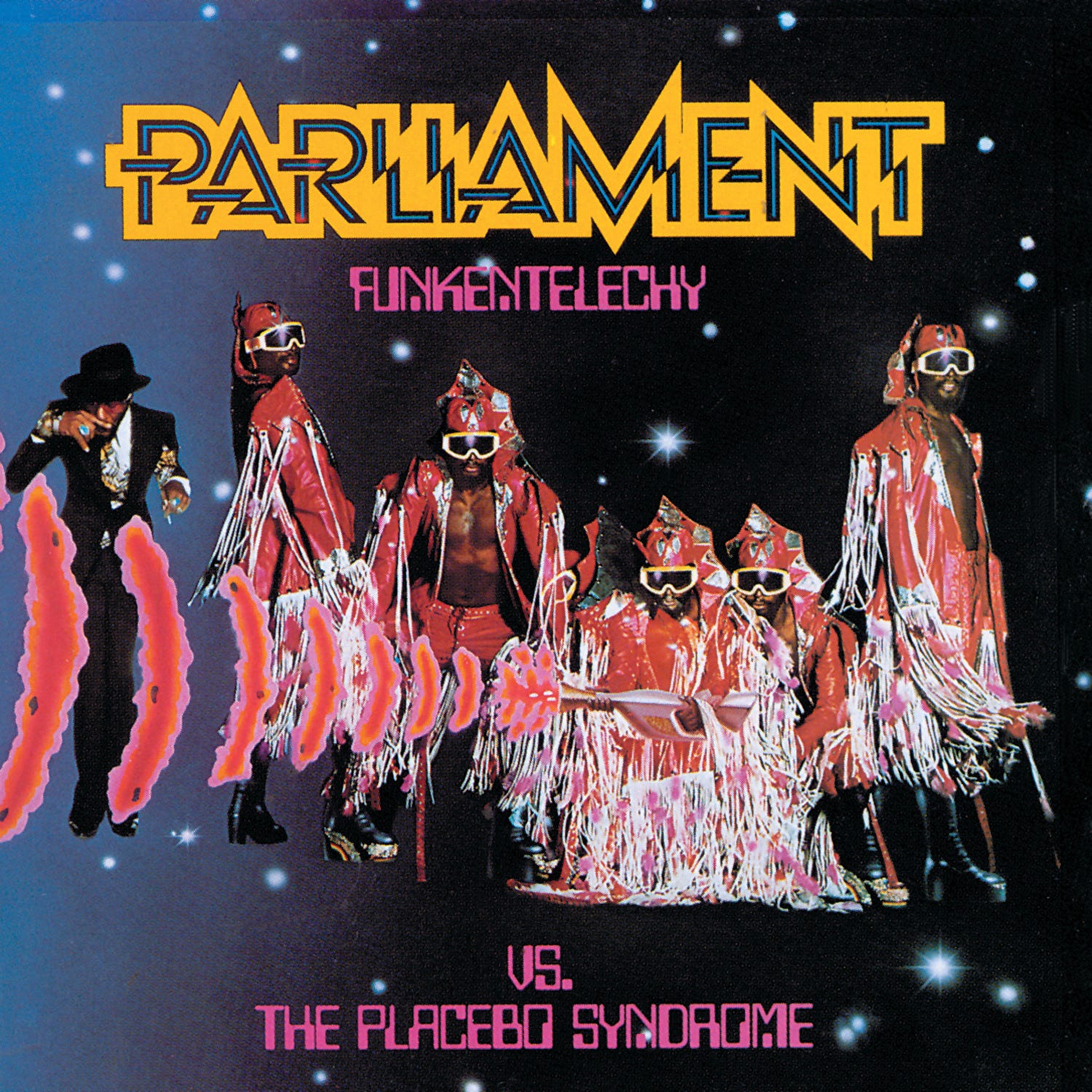
The Concept: Parliament stages a comic-book war where Starchild battles Sir Nose d’Voidoffunk to save humanity from consumerist “placebo” disco.
Execution: The LP begins with some radio static before Bernie Worrell’s talk-box signals the arrival of P-Funk’s comic book-ready hero, with each subsequent tune contributing to the unfolding story—“Bop Gun” provides the faithful with rhythm; “Sir Nose d’Voidoffunk” co-opts children’s rhymes to criticize conformist dance culture; the closing “Flash Light” finally brings the hammer down with a synth bass that causes Sir Nose to lose all restraint and move his behind. The eight-page comic booklet and pull-out poster penned by Overton Loyd help expand the mythology beyond the grooves of the wax, and the lyric sheet appears to serve as sacred text for some funk gospel; by spoofing disco’s shiny blandness with Afrofuturist lore and an abundance of related merch, the LP laid down the transmedia schematic later adapted by such efforts as OutKast’s ATLiens and Janelle Monáe’s Metropolis cycle.
Funkadelic, One Nation Under a Groove
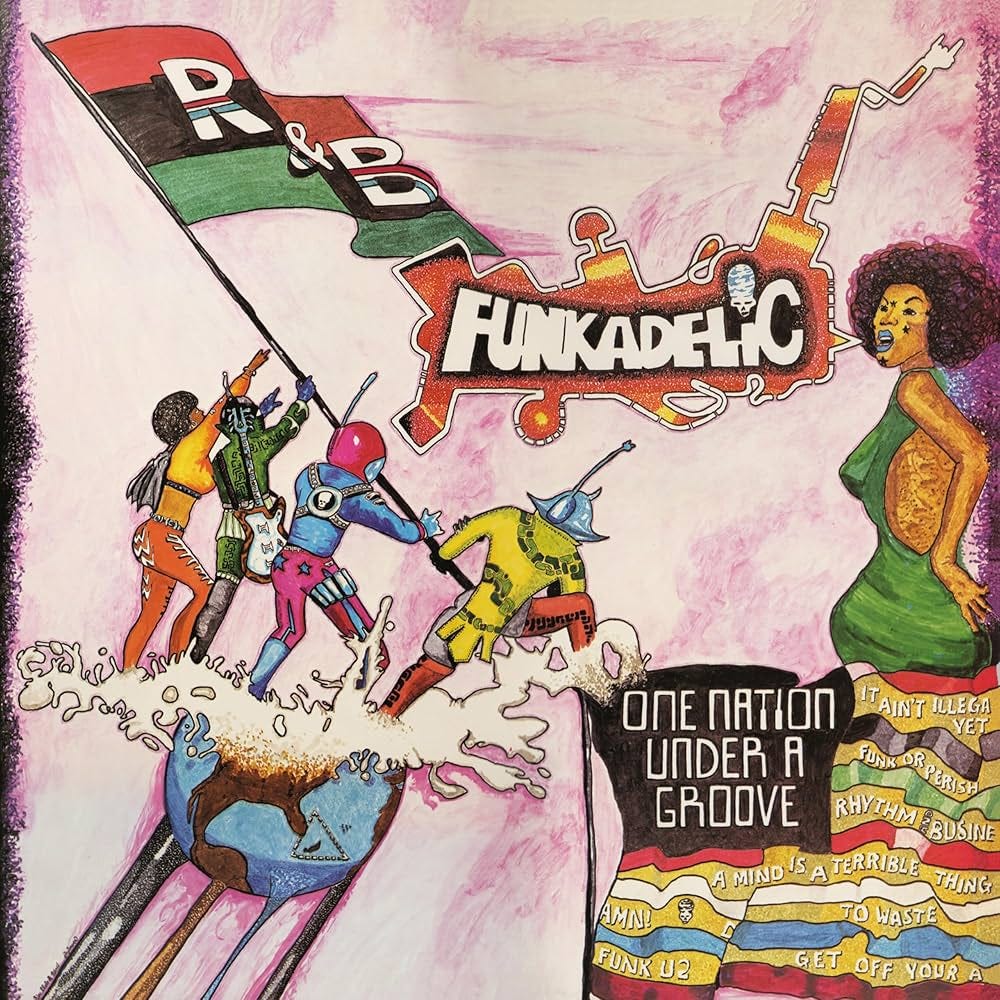
The Concept: Funkadelic rallies listeners to build a utopian nation where rhythm, not politics, writes the constitution.
Execution: The chant on “Do you promise to funk, the whole funk, nothing but the funk?,” and distorted guitars, gospel call-and-response and sci-fi silliness lay out the new civic order. George Clinton blends guitar solos, Bootsy’s signature bass and Junie Morrison’s synthesized talkbox to illustrate how genre-blending breeds social cohesion. Pedro Bell illustrated the constitution framed in a cartoon panel on the album cover; the album’s EP/live bonus tracks are even better than the main event, adding rich world-building lore to existing lyrics, notes and explanations. The record marked P-Funk’s commercial peak and served as a blueprint for progressive rock critics, hip-hop records, and folk-acid jam-rock bands alike.
Marvin Gaye, Here, My Dear
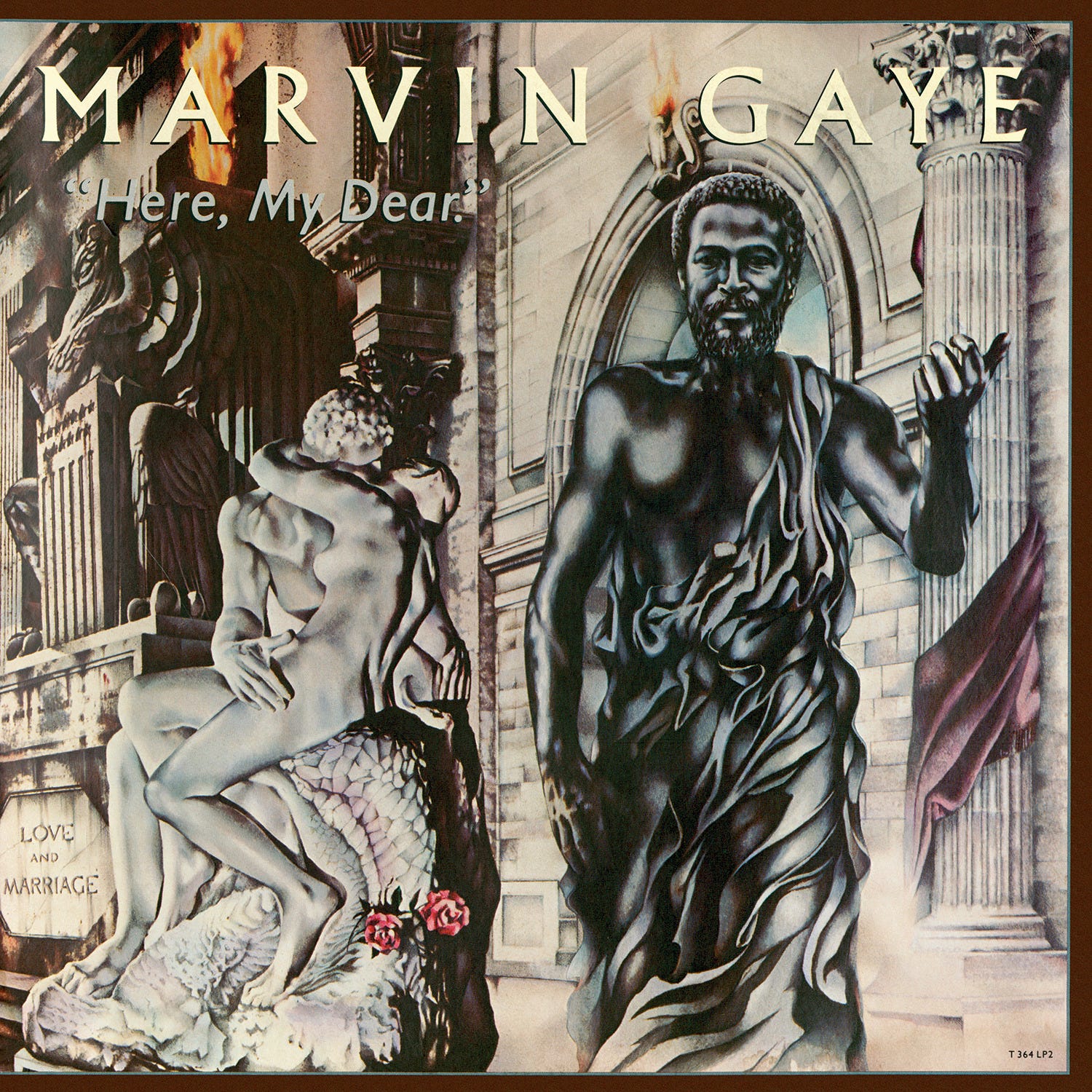
The Concept: Marvin Gaye chronicles every raw stage of his divorce from Anna Gordy Gaye, turning a court-ordered alimony LP into a confessional opera of love, resentment, and reluctant forgiveness.
Execution: Gaye traces the relationship chronologically over four sides of vinyl-honeymoon swoon (“I Met a Little Girl”), growing resentment (“Anger”), courtroom depositions (“You Can Leave, But It’s Going to Cost You”), and a closing where Gaye reads aloud his own record liner to himself like a person contemplating the end of marriage. He mixes so that Gaye’s casual vocal outtakes play beneath his lead singing, like he’s arguing with a former self, and wah-clav riffs slide out and collapse like the ebb and flow of argument and cross-examination. In the gatefold, Monopoly money pours from his ex-wife as he falls from a broken pillar at a ruined monument, extra-lyrical evidence that rounds out this narrative. Once rejected as “too confessional,” this landmark record is used by professors and magistrates as perhaps the most explicit piece of evidence about divorce and legal proceedings pop music has ever produced, showing a pathway to a career of public-facing mourning a generation before singers Beyoncé or Adele broke it open.
Stevie Wonder, Journey Through “The Secret Life of Plants”
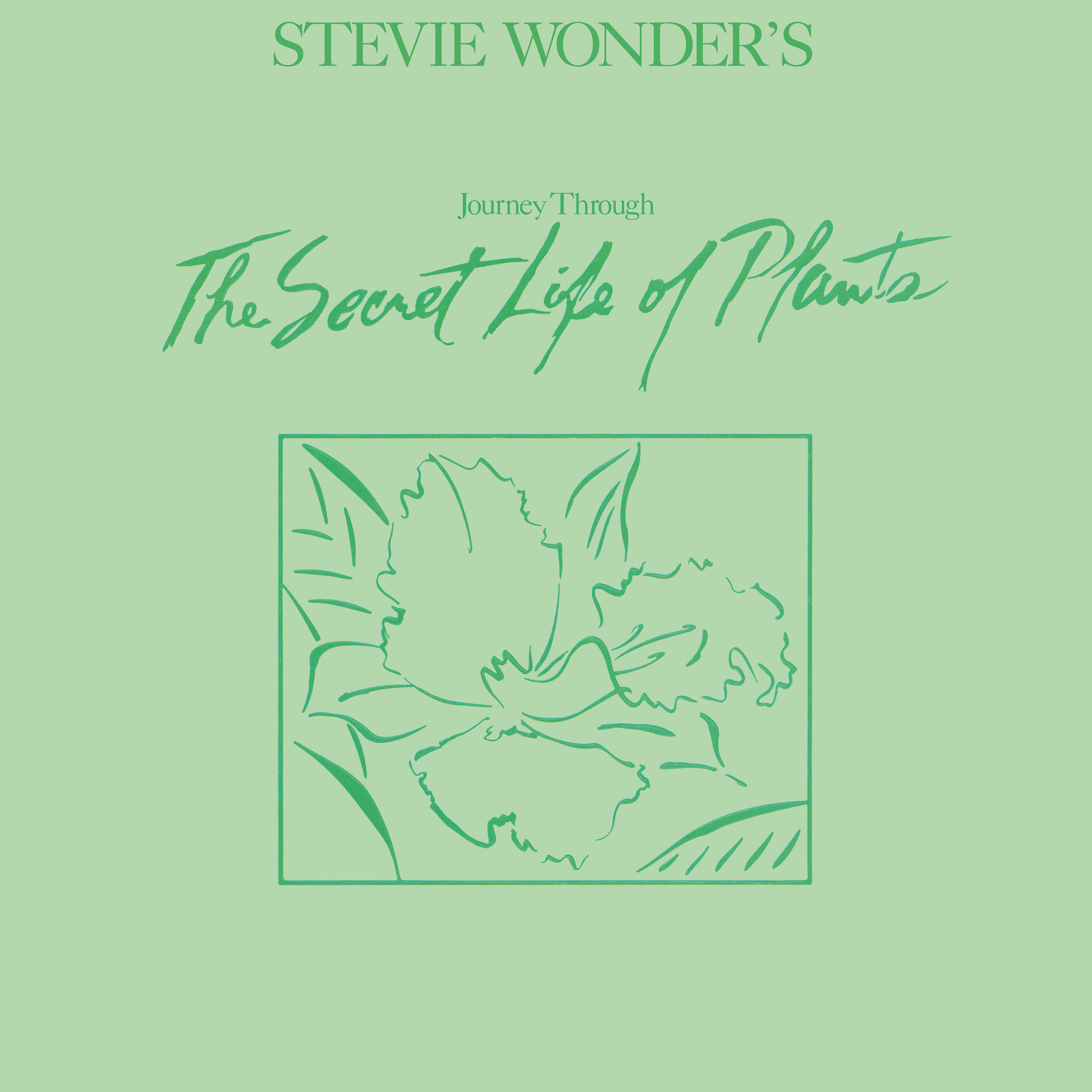
The Concept: Stevie Wonder composes a two-LP tone poem that tries to hear—and translate into groove—the inner consciousness of Earth’s plant life.
Execution: Commissioned as the soundtrack for the Walon Green film of the same name, Wonder composed pieces to match the time codes of the movie, then expanded all the snippets into separate songs, letting synth arpeggios mimic the way roots drink, clusters of kalimba conjure seed sprouts, and the breezy “Send One Your Love” describe photosynthesis as a romance. Using the Computer Music Melodian and the just-available Sony PCM-1600 digital recorder (a pioneering digital production album in pop), Wonder created long, drifting suites such as “Earth’s Creation,” that move from musique concrete wind chimes to jazz chords. This doesn’t feel like the pop counterpart to “Songs in the Key of Life,” but more like the entry for a botany book written with soul-music conventions, as if it’s detailingGeorge Washington Carver and Jagadish Chandra Bose and set to backing vocals chanting a fabric of world folk idioms. This album set the groundwork not only for eco-pop concept albums but the possibility of synth-sized ecosystems—a kind of precedent for Björk and even the botany of Solange’s staging, that could have sprung from this soil.
This is why Shatter the Standards is one of the best things going on Substack, or anywhere. A great list and album by album synopsis. As far as albums not mentioned here, one that I think might fit in is Billy Paul's "War of the Gods" (1973). That *seems* to be a concept album to me, anyway, and it's probably the most ambitious album Paul ever pulled off.