

The Lineage of Michael Jackson (Dance / Boogie)
Each guide is based on this run of albums, believed to be part of Michael Jackson’s roots. It then branches out into post-1995, drawn from that tree. Here’s the disco and boogie section.
Our previous guide and lineage series, The Handguide to D’Angelo, called itself an introduction to R&B, but much of what it covered fell into what people label the “alternative” realm. The question was how to introduce the mainstream R&B that didn’t fit neatly inside that category. Who could serve as the entry point, the way D’Angelo did, and still spark readers’ interest? After thinking it through and the biopic coming up, I arrived at only one answer: Michael Jackson. In a way, it’s an almost too-obvious conclusion. There isn’t a bigger icon than him.
Yet Michael, who ruled the music world as a superstar, is also an artist who can’t be said to have been fairly evaluated precisely because of that stardom. From the 1990s on, when tabloid TV began fixating on his skin and his court cases, it became even more pronounced, but even before that, it’s hard to deny how much the spotlight tilted toward celebrity coverage. And music journalism, too, has to answer for how seriously it confronted his music. In the end, up to the day he left this world, almost no one tried to face his greatness as a musician head-on.
This one is a handguide that barely touches on non-music topics, including lawsuits. Instead, it reconsiders Michael’s work, which has so often been discussed from a “King of Pop” perspective, by returning to its roots on the R&B side, and it introduces albums by current R&B artists (some Pop) who were influenced by him. It starts with the Epic-era solo work where Michael’s musicality bloomed at full scale, then goes backward in time to the Jackson 5 at Motown, where his childhood voice shines, and then moves to the Jacksons, where he awakened to his identity as an artist and the group shifted to Epic. In each section, Michael’s or the group’s work is introduced first, followed by an album guide of R&B releases (from 1995 onward) made under that influence. We also devoted space to Janet Jackson, whose music has been discussed even less than Michael’s, if anything. Alongside a full run-through of her albums, we introduce works by the singers who followed in the difficult wake of Janet, the most important icon for women R&B singers.
Being able to publish a guide like this isn’t unrelated to where the scene is right now. The roots of the disco/boogie revival that’s gained real momentum in recent years can be traced to Michael’s Off the Wall and Thriller, and to his work in the Jacksons era. At the opposite extreme, part of ambient R&B connects back to the sensual R&B sound Janet created with Jam & Lewis.
To begin with, most of today’s R&B singers have been fans of Michael and Janet since childhood, and they are followers who’ve absorbed enormous influence from the two of them. This time, though, while we were working, it was decided that a compilation tied to the guide would be released, and as we progressed with that project our thinking sharpened. The album selections became even more strongly “Michael-coded” and “Janet-coded.” As a result, Michael and Janet appear everywhere throughout the projects we include. A great many R&B works released after 1995 that have been described as “Michael-like” or “Janet-like” are collected in this book. An album guide that revisits current R&B so thoroughly through the music of these two is probably a first.
Sadly, Michael is no longer in this world. But his music hasn’t died. The miracle he created has been carried forward, and it still lives inside many artists even now. If this guide can spread that fact even a little, it would be more happiness than we deserve.
If you’re expecting someone like a Cocaína Chris on here, he’s been excluded. Thank you, and have a blessed one!
Justin Timberlake, The 20/20 Experience — 2 of 2
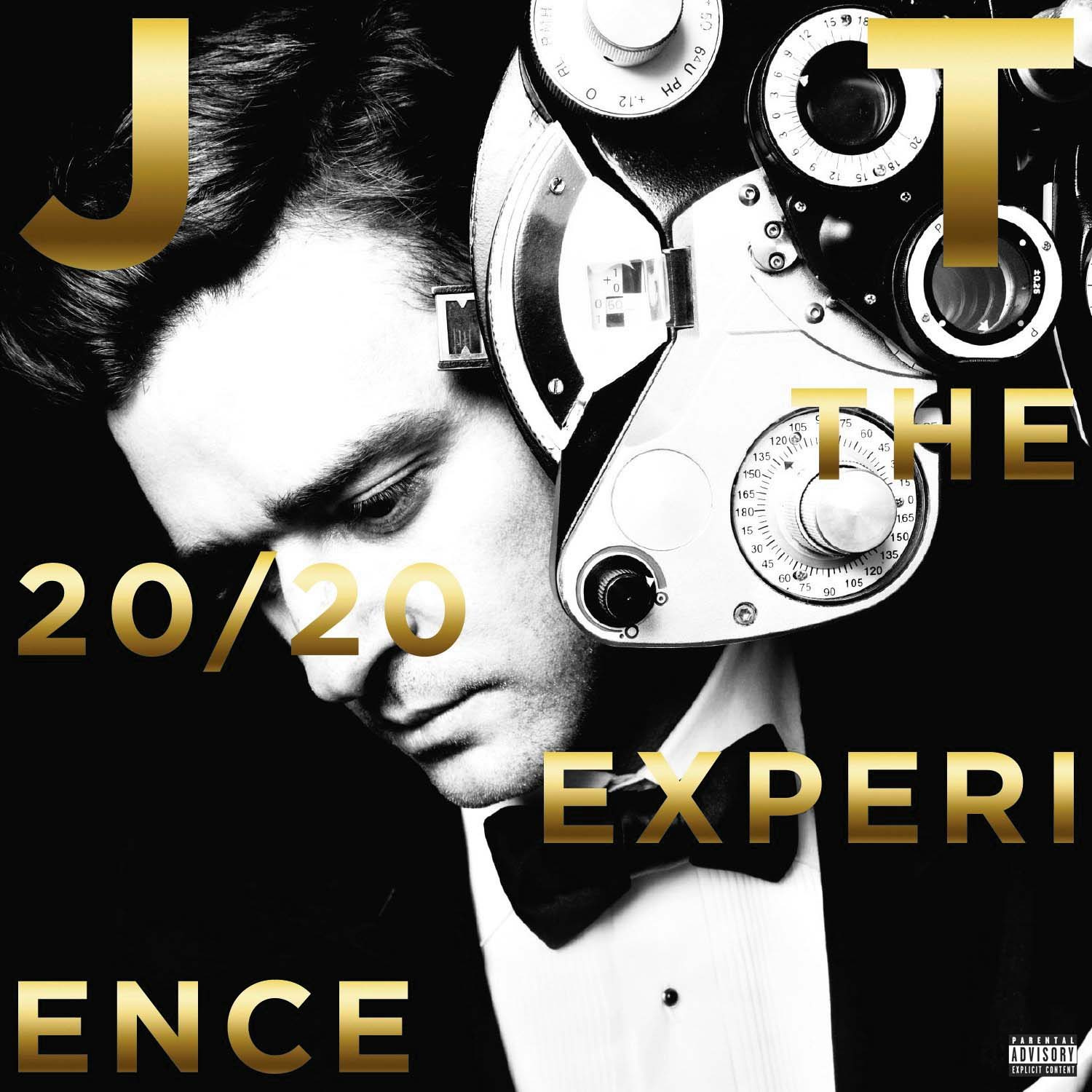
Being chosen for the duet version of “Love Never Felt So Good,” built from an ‘80s demo remade and released as a “new Michael Jackson song,” is basically a stamp of approval as an MJ follower. A sing-and-dance idol with proper pedigree (from *NSYNC), Justin Timberlake’s 2002 solo debut Justified was already full of MJ-coded falsetto yelps (and even included songs originally written for Michael). After a break from singing, and then the suit-and-gentleman double-album era, the “straight-up Michael love” shows itself most clearly on the fourth solo album’s “Take Back the Night,” which rebuilds Off the Wall-era groove with strings arranged by Benjamin Wright. And with Timbaland in the chair, the album leans into a futuristic pop approach that feels like a road Michael might have taken if he were still alive. — B.O.
Rating: ★★★½☆ (3.5/5)
A sleek, high-budget pop record that rebuilds MJ’s nightclub discipline through adult-showman polish and immaculate timing. When it locks into groove-first writing, it feels inevitable; when it stretches into “event album” length, it starts to dilute its own punch.
Usher, 8701
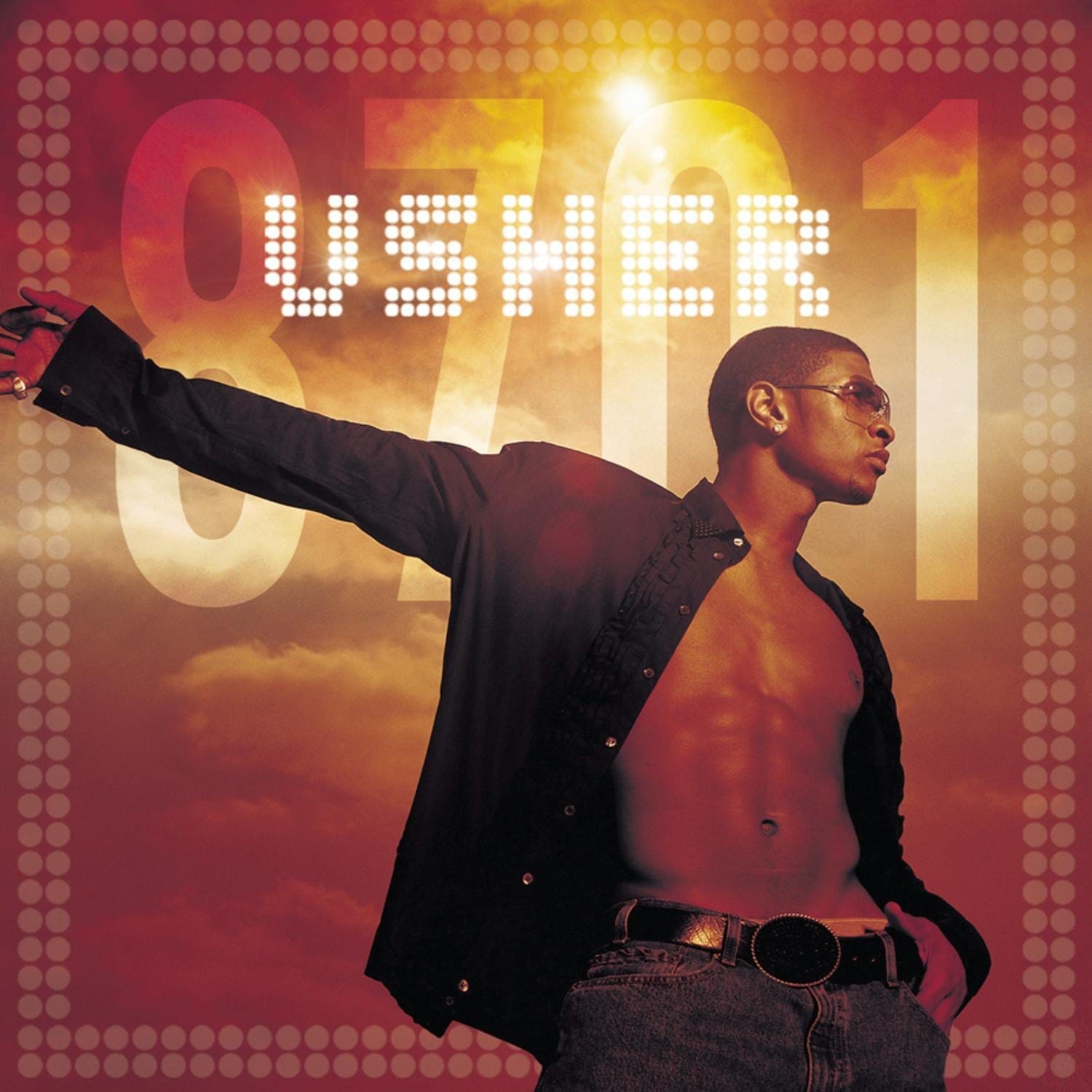
Born in 1978 as Off the Wall was going into production, Usher made his solo debut in 1994. He’s an elite entertainer who openly acknowledges Michael’s influence (dance included), and his hushed performance of “Gone Too Soon” at Michael’s memorial remains hard to forget. This album matters because it includes the Neptunes’ “U Don’t Have to Call” (rumored to have been written for Michael), where the minimal track and sudden switches into falsetto genuinely bring MJ to mind. Jermaine Dupri’s “T.T.P.” is often taken as a deliberate nod to Michael’s “P.Y.T. (Pretty Young Thing),” and along with the forward-leaning “Pop Ya Collar,” those uptempo records hit with a level of finish that separated him from the pack. It’s also worth noting the Jam & Lewis ballad where Janet’s “That’s the Way Love Goes” guitar riff briefly surfaces. — P
Rating: ★★★★½ (4.5/5)
A near-perfect balance of minimal funk and pop precision, with MJ’s influence living in the vocal pivots and the way the songs ride space. It’s confident without being stiff, and the uptempos set a standard a lot of his peers chased for the next decade.
Ne-Yo, Libra Scale
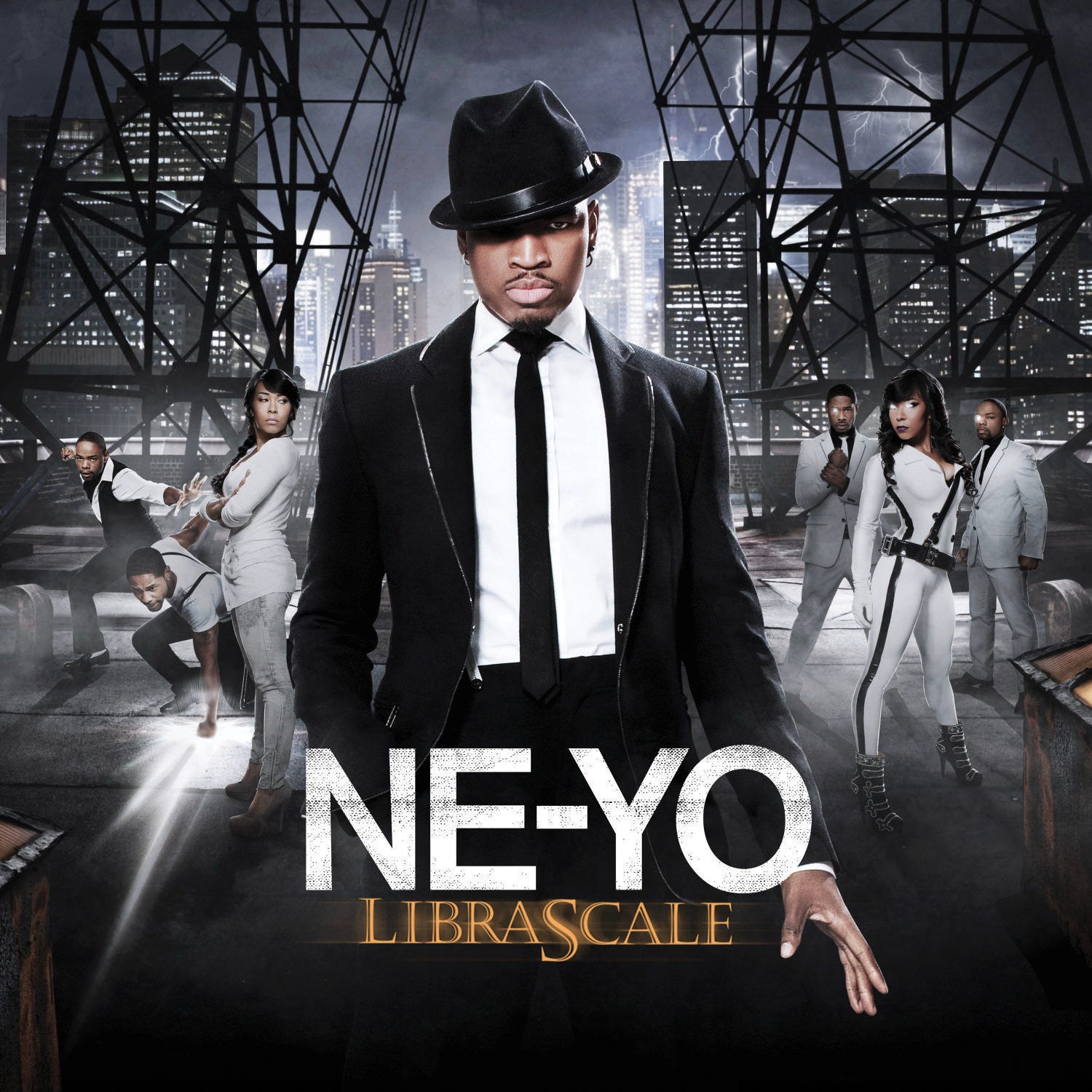
He didn’t signal Michael’s influence much at first, but by the late 2000s, he was reportedly writing for MJ’s next album. Those songs didn’t take shape, yet Ne-Yo pushed ahead and made this fourth album as his own kind of “Thriller.” The run of videos from the project, cut as a connected story that he directed himself, matches the ambition of the music: he leans hard on the falsetto-to-chest-voice switch, and he often prioritizes rhythmic attack over long melody lines, as on “Champagne Life.” On tracks like “What Have I Done,” he threads “non-sung” vocal sounds into the performance, pushing past mere imitation and landing in a style that can register as both early-’80s-coded and current. — P
Rating: ★★★½☆ (3.5/5)
A performance-forward album that uses MJ as a blueprint for vocal choreography: switches, accents, breath, attack. The concept presentation can feel heavy-handed, but the actual singing is elastic and purposeful in a way most “MJ-inspired” albums never get close to.
Sean Garrett, Turbo 919
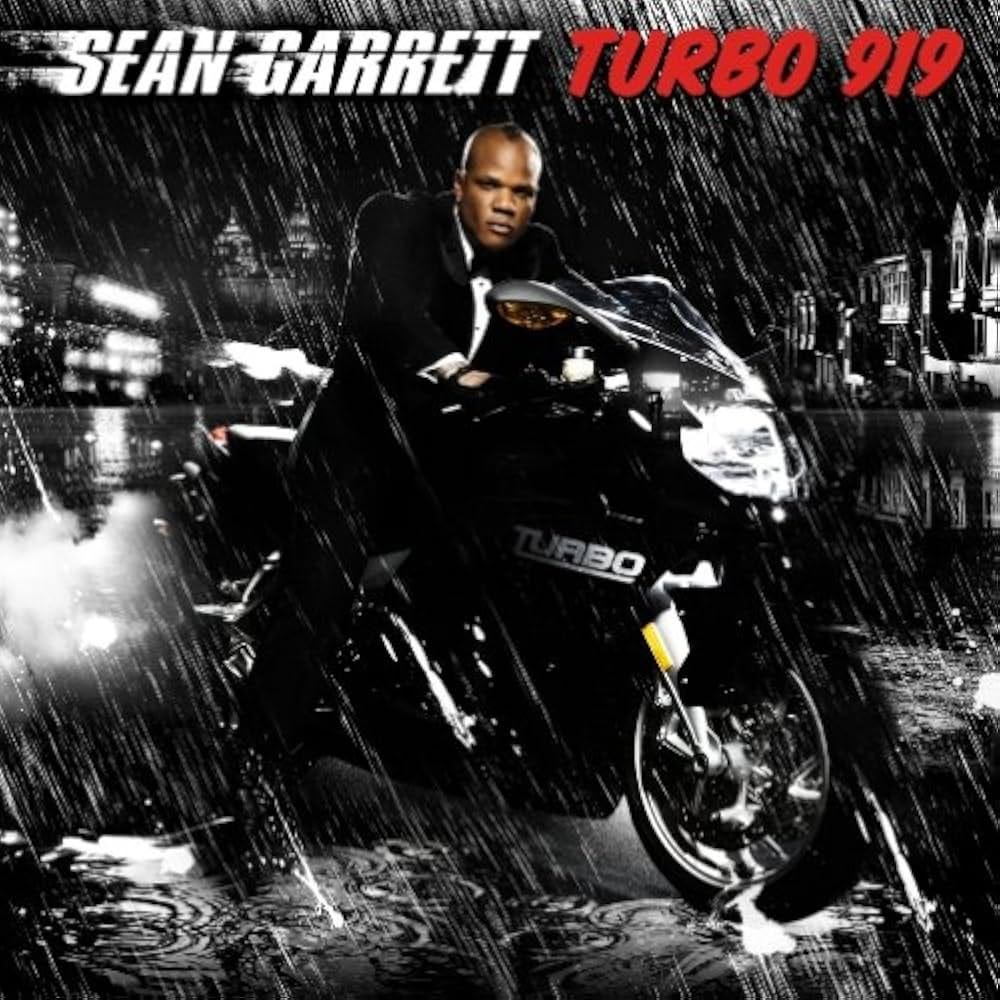
JAY-Z’s nickname for him was “The Pen.” Sean Garrett debuted by following the Ne-Yo path from songwriter to singer, and while this ended up effectively being a Japan-only release, he deserves another look through the Michael lens. When he calls it his “2010 Off the Wall,” he’s not talking about copying a sound so much as aiming for range: sharp uptempos, post–Ne-Yo sweet mid-tempos, Michael-style slows, even Prince-leaning ballads. Vocally, the influence shows up in rhythmic phrasing, the way he loads emotion into strain, and the “young” vocal color. On the Rodney Jerkins-produced “Pretty Girl,” there are moments where the image of Michael singing onstage flashes across your mind. He also says he made two songs with Michael the year before. — B.O.
Rating: ★★½☆☆ (2.5/5)
A writer-turned-frontman album that aims for the MJ idea of variety and showmanship more than any single sonic replica. It lands best when he stops proving range and starts building songs that feel like they’d survive without the lineage argument.
Mario, Go
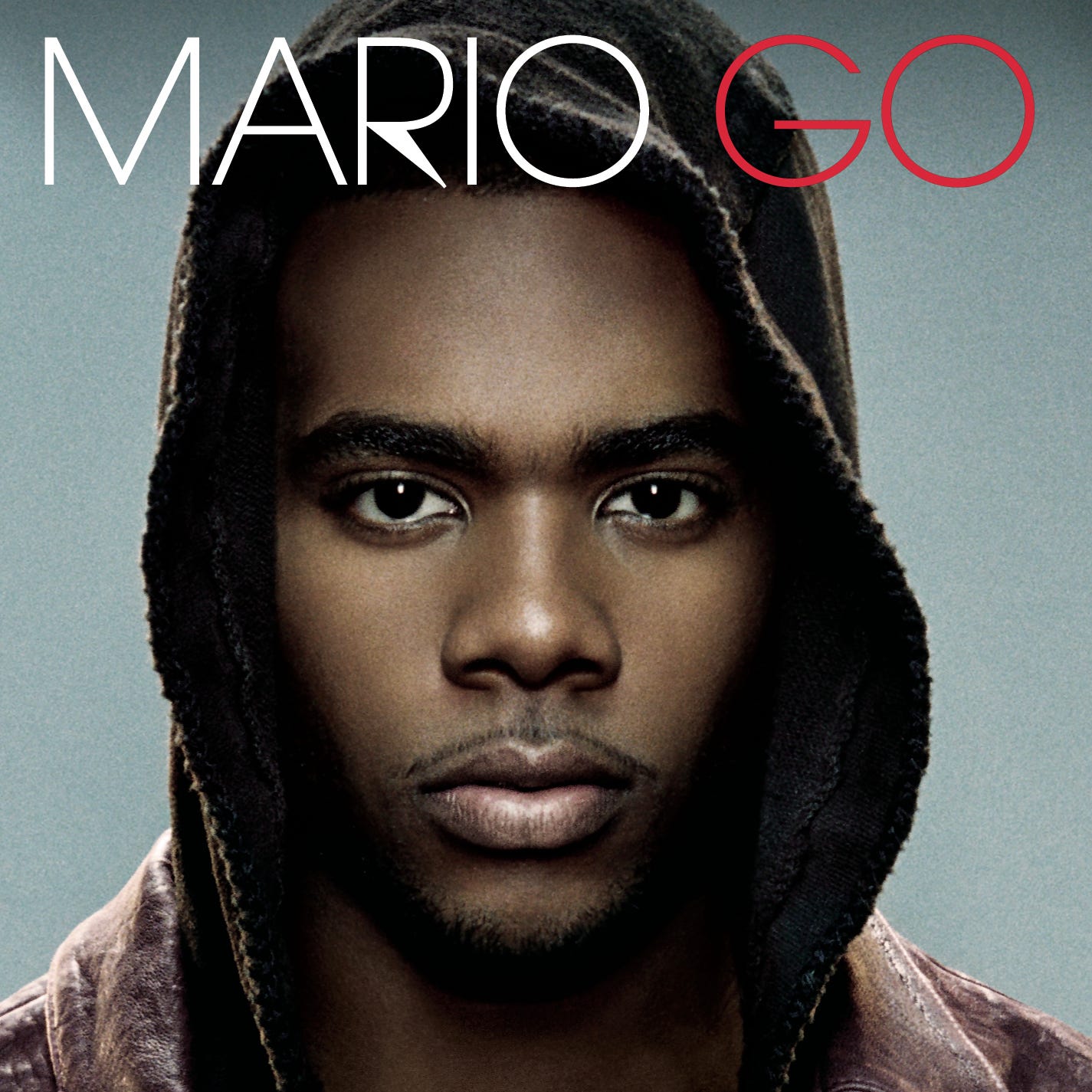
He debuted in 2002 as a “precocious boy singer.” The strong Usher influence he’s acknowledged became more obvious on 2004’s Turning Point, and Ne-Yo’s “Let Me Love You” was a romantic ballad that can trigger an MJ association filtered through Usher. This third album, his first as an adult, opens with the title track: an aggressive uptempo that signals the Neptunes’ MJ taste right away. The slightly nasal voice pushed into a firm, upright delivery is Michael-coded, and the sharp falsetto on “Skippin’” adds to the Off the Wall-era toughness the cover hints at. There are also big, MJ-method ballads here, from Stargate’s sweet mid-tempo “How Do I Breathe” to Akon’s choir-backed “Do Right,” plus an excellent cover of Keith Sweat’s “Right and a Wrong Way.” — P
Rating: ★★★★☆ (4/5)
A sharp pivot into grown-man pop-R&B that borrows MJ’s edge: attack, posture, and the way a hook can feel physical without turning into strain-for-strain imitation. The ballads keep the pacing honest, and the uptempos carry that clean, bright pressure that makes the era’s best singles move.
Marques Houston, MH
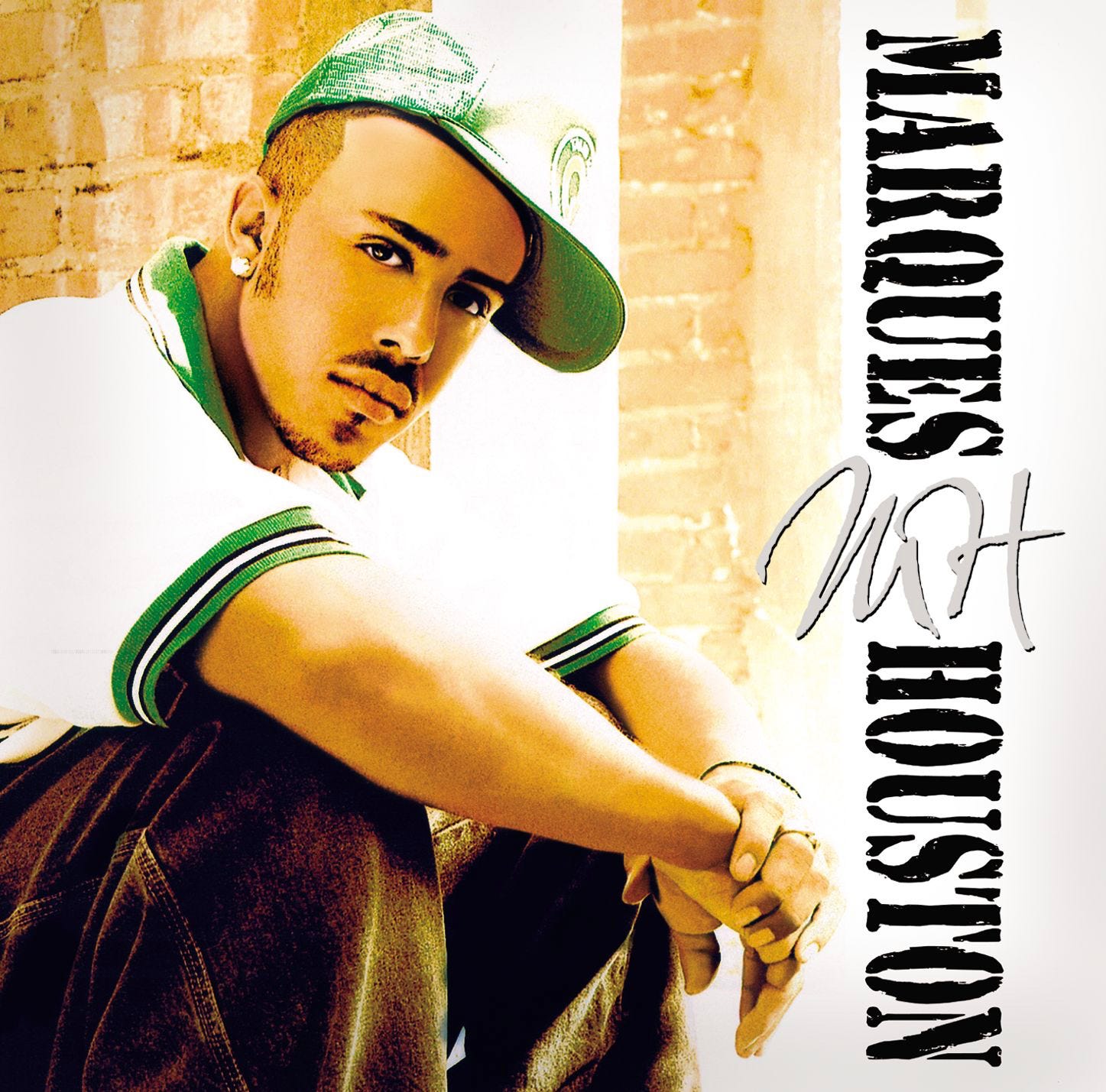
Like Michael, he started as the frontman of a boy group (Immature/IMx) and later reintroduced himself as a solo artist who could also write. Before he became questionable, his debut is often discussed for the names attached to it—Willy Wonka producing “Clubbin’” and a pre-fame Ne-Yo writing “That Girl”—but the more important thread is how openly it leans into MJ-style romantic tenderness on the mid-tempos and slow records. Troy Taylor’s “Can I Call You” is built as a direct “I Can’t Help It” play, not only in the song’s mellow contour but in the way he keeps the vocal soft and steady instead of reaching for volume. “Because of You” (with Steve Russell involved) and “Good Luck” (written with B. Howard) keep that same Michael-coded mix of sweetness and strain, including the quick falsetto turns and ad-lib heat. He keeps circling back to that lineage again on later work too—Naked (2005) includes “Cheat,” another MJ-leaning slow cut connected to B. Howard. — B.O.
Rating: ★★★½☆ (3.5/5)
A polished adult reintroduction that runs on slow-burn devotion rather than flash, with the sweetest moments built around classic MJ-style tenderness and vocal restraint. It hits best when the songs lean into melody and timing, not celebrity gravity.
Omarion, 21
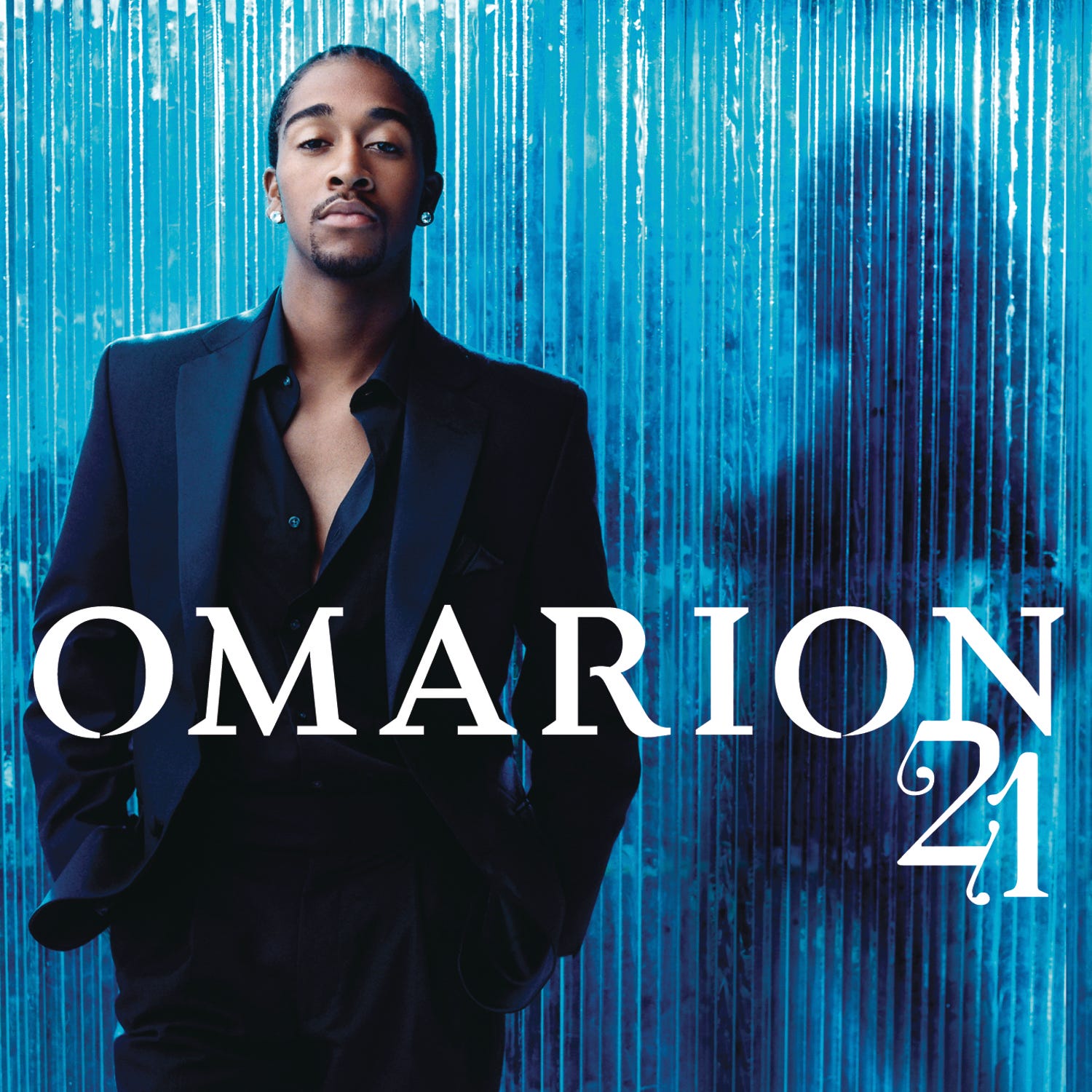
Moving from B2K’s lead to solo, Omarion is another sing-and-dance entertainer with deep Michael worship. This second album, made while he was also acting (including You Got Served), opens with “Entourage,” a boogie-forward cut he said aimed for Off the Wall vibes: basically a 21st-century “Get on the Floor.” “Just Can’t Let You Go” has a sentimental chord progression that recalls the Jacksons’ “Show You the Way to Go,” and the rest of the record lines up a high-grade set of mainstream R&B makers (Timbaland, the Neptunes, the Underdogs, Steve Russell). Add in the later Sex Playlist (2014), where CB, Jeremih, and Jhené Aiko help push an ambient tint, and the run in the 2020s stays impressively consistent. — B.O.
Rating: ★★★★☆ (4/5)
A dance-first R&B album that understands boogie as muscle memory: bright hooks, clean bounce, and enough pop clarity to keep the floor in view. The best cuts don’t impersonate Off the Wall; they translate its forward motion into a mid-2000s toolkit.
O’Ryan, O’Ryan
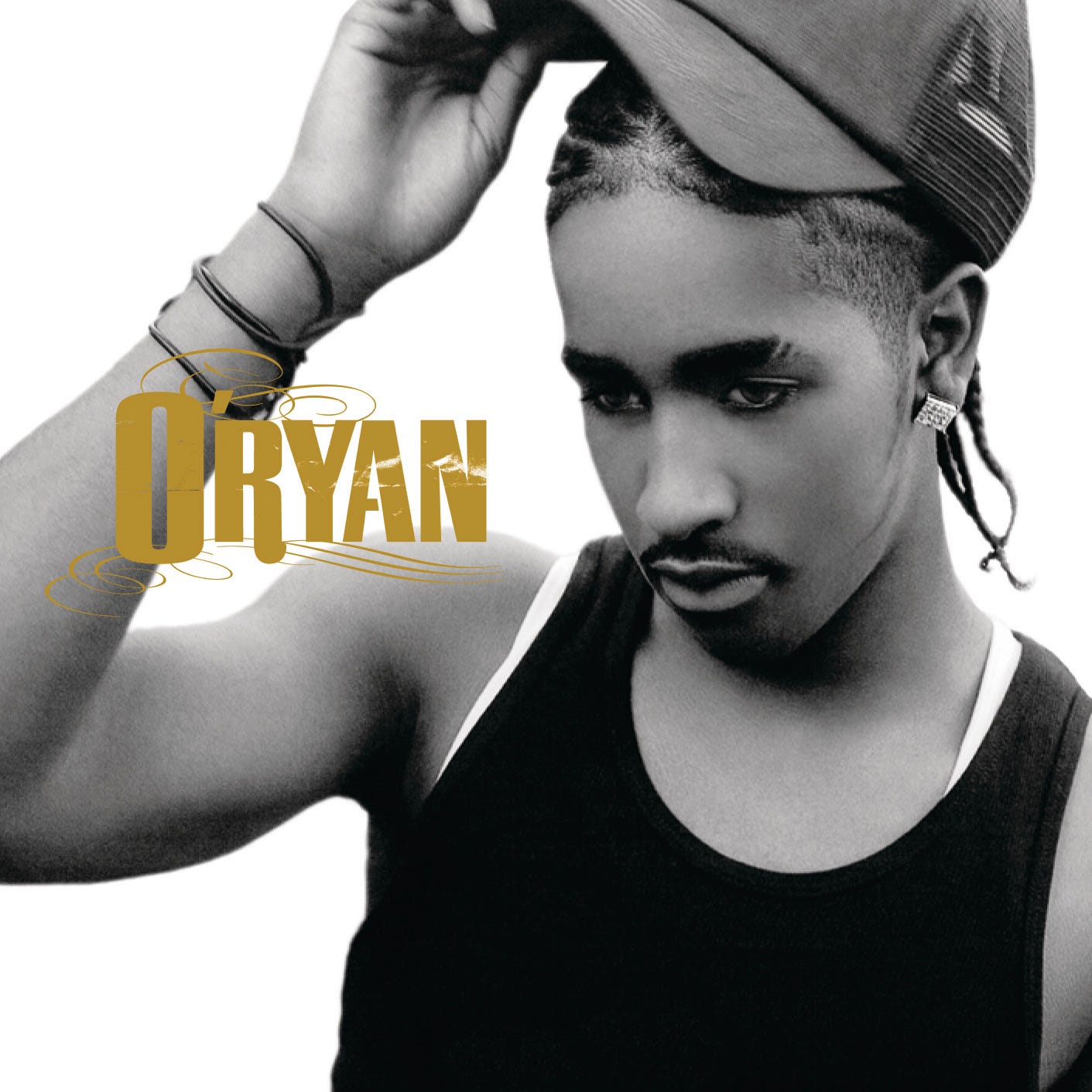
This was not a coincidence. O’Ryan is Omarion’s younger brother and also the father of Jhené Aiko’s daughter. In other words, he comes from the same Chris Stokes orbit. This debut starts with an “introduction” from Young Rome (Immature’s Romeo), and it has tracks like “45 Minutes,” a Latin-leaning uptempo clearly built in the Marcus Houston lane. Calling him “another Marcus, another Omarion” isn’t wrong, but as an entry in the Michael-influenced male-singer lane, it’s not a bad album. His voice sits close to his brother’s, and because he doesn’t over-sing, it fits grooves like “Bad Situation,” whose hook echoes Usher’s “T.T.P.”; and in the bridge, his falsetto carries a bit of MJ flavor. He also plays the “sad-boy” angle effectively on cuts like “Just Anotha Shorty” and “Ina Bad Way.” — B.O.
Rating: ★★★☆☆ (3/5)
A minor but credible entry in the post–boy-band R&B lane, carried by an easy vocal and grooves that fit his lighter touch. It’s more “family ecosystem” than singular statement, but the pocket is real.
B. Howard, Genesis
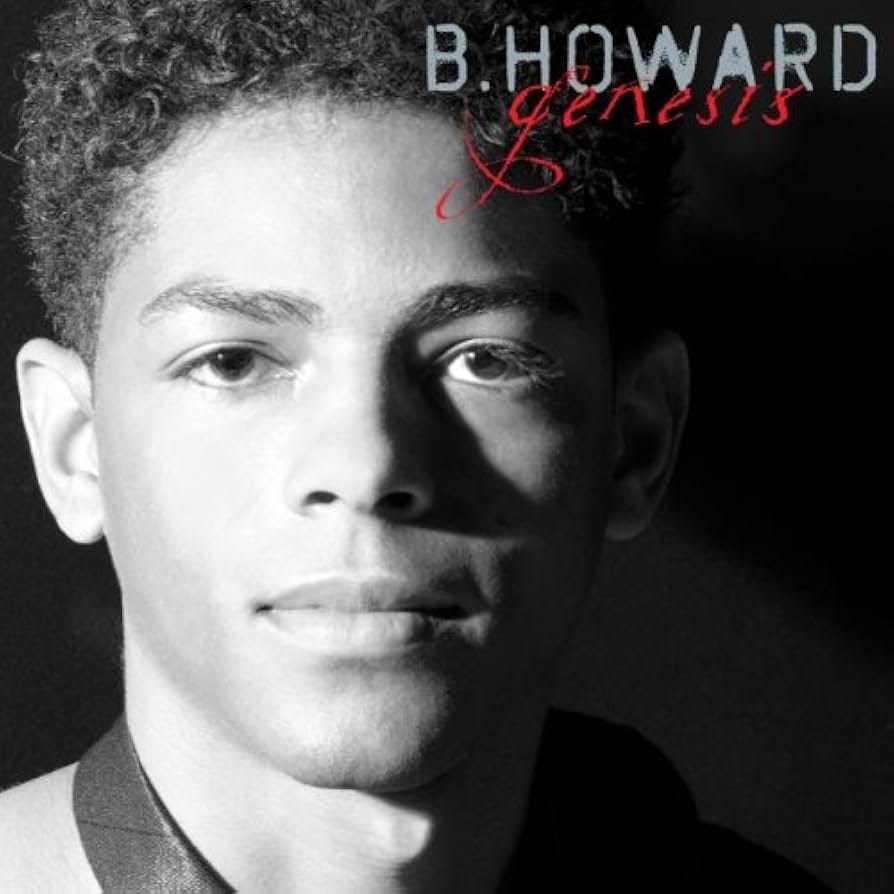
Miki Howard’s son became the center of a “secret child” rumor partly because his looks resemble young Michael. His reported biological father is Augie Johnson (Side Effect’s leader and a background vocalist around Off the Wall), which makes him a kind of thoroughbred either way. The resemblance isn’t just visual: the songs he writes himself and the flipping, fragile vocal tone keep pulling Michael into view across the record. The strongest example is “Dancefloor,” co-made with James Poyser, with Questlove on drums and Benjamin Wright handling the strings, a smooth dancer that clearly keeps “Rock with You” in mind. “Spend the Night” and “Crush” are so close to MJ’s mellow lane they can feel uncanny, and the guest list strengthens the “MJ-adjacent” footprint. — B.O.
Rating: ★★★½☆ (3.5/5)
A startlingly committed MJ-adjacent album where the vocal tics, melodic choices, and arranging decisions line up with purpose, not coincidence. When it locks into “smooth dancer” mode, it gets uncanny in a way that’s hard to shrug off.
Robin Thicke, Blurred Lines
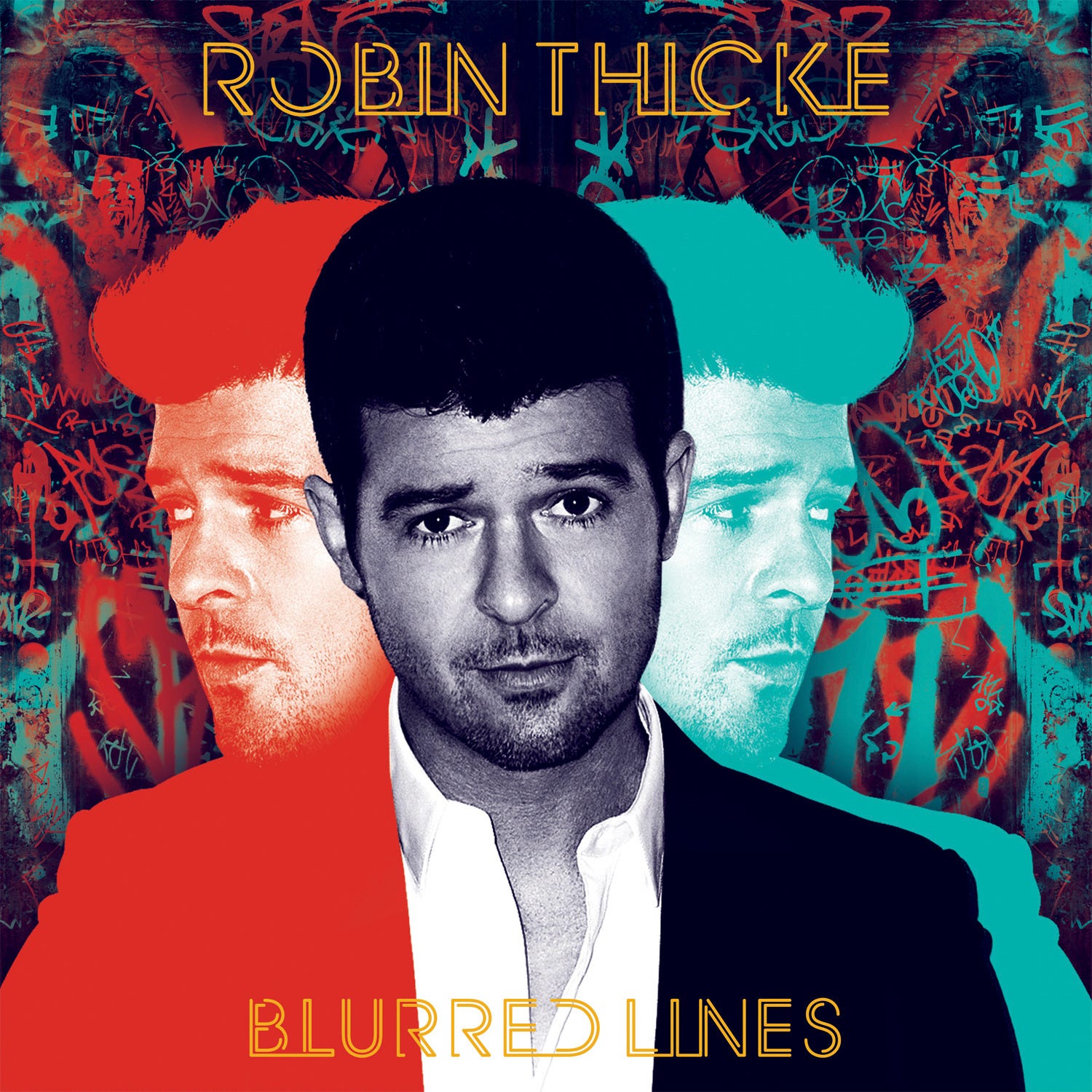
The title track’s plagiarism scandal, messy as it was, ended up pushing his Marvin Gaye-follower image even harder—but he’s also a committed Michael devotee. Long before this album, “Fall Again” existed as a ballad he’d written for Michael (with an MJ demo later surfacing), and he even sang “P.Y.T. (Pretty Young Thing)” with will.i.am on a Quincy Jones project. Here, with a U.S. boogie (and EDM) wave rising, he seems to aim directly at Off the Wall manners on the smooth disco cut “Ooo La La,” sung in falsetto. “Ain’t No Hat 4 That” stays in the same family, a light, danceable uptempo that can also read as a “Workin’ Day and Night” cousin, complete with the occasional yelp. — P
Rating: ★★★☆☆ (3/5)
A big, glossy record with complicated baggage, but the disco-boogie impulses are sharply drawn and built for replay for the Pop fans. He leans on falsetto as a rhythmic instrument and keeps the songs light on their feet even when the persona turns heavy.
Bruno Mars, Unorthodox Jukebox
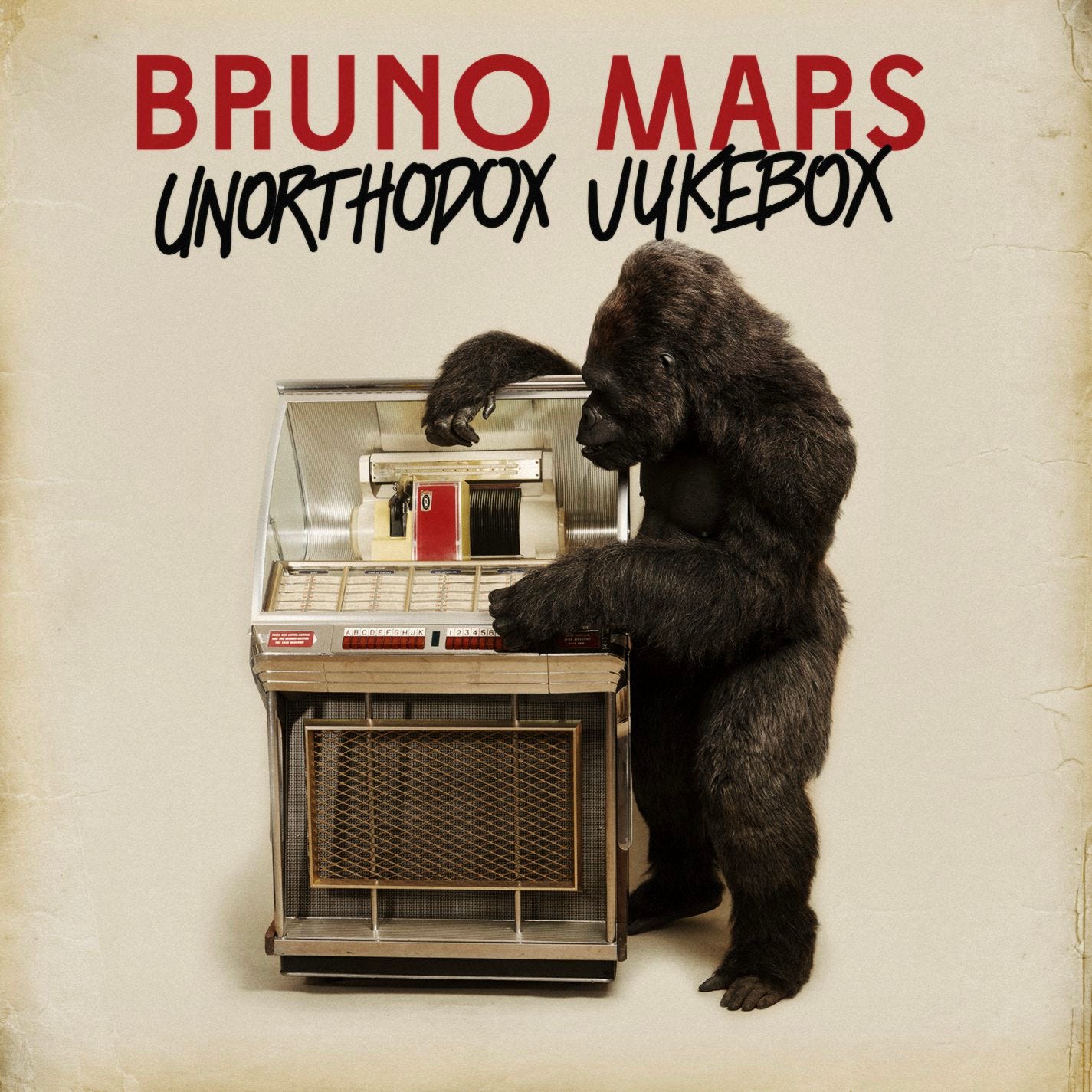
With multi-Grammy attention, pop reach outside the U.S., James Brown–inspired movement, and a percussive way of singing, the Hawaii-born star has always carried an MJ-adjacent silhouette. This second album is pitched as a “rule-breaking jukebox,” tossing reggae and old-school R&B around, but the peak is “Treasure,” produced by the Smeezingtons: a disco-boogie showcase built to move. The video aims for Kool & the Gang, Earth, Wind & Fire, and Off the Wall-era Michael. Elsewhere, “Locked Out of Heaven” runs a rock beat with Beat It in its shadow, and “When I Was Your Man” leans toward the same emotional terrain as “She’s Out of My Life,” right down to the theme, in a way that makes the quiet MJ love feel deliberate. — P
Rating: ★★★★☆ (4/5)
A tightly written pop album that moves like a live band even when it’s studio-perfect, with “Treasure” operating as a modern disco-boogie clinic. The MJ connection lands through discipline and phrasing more than mimicry, which is why it sticks.
Austin Brown, Highway 85
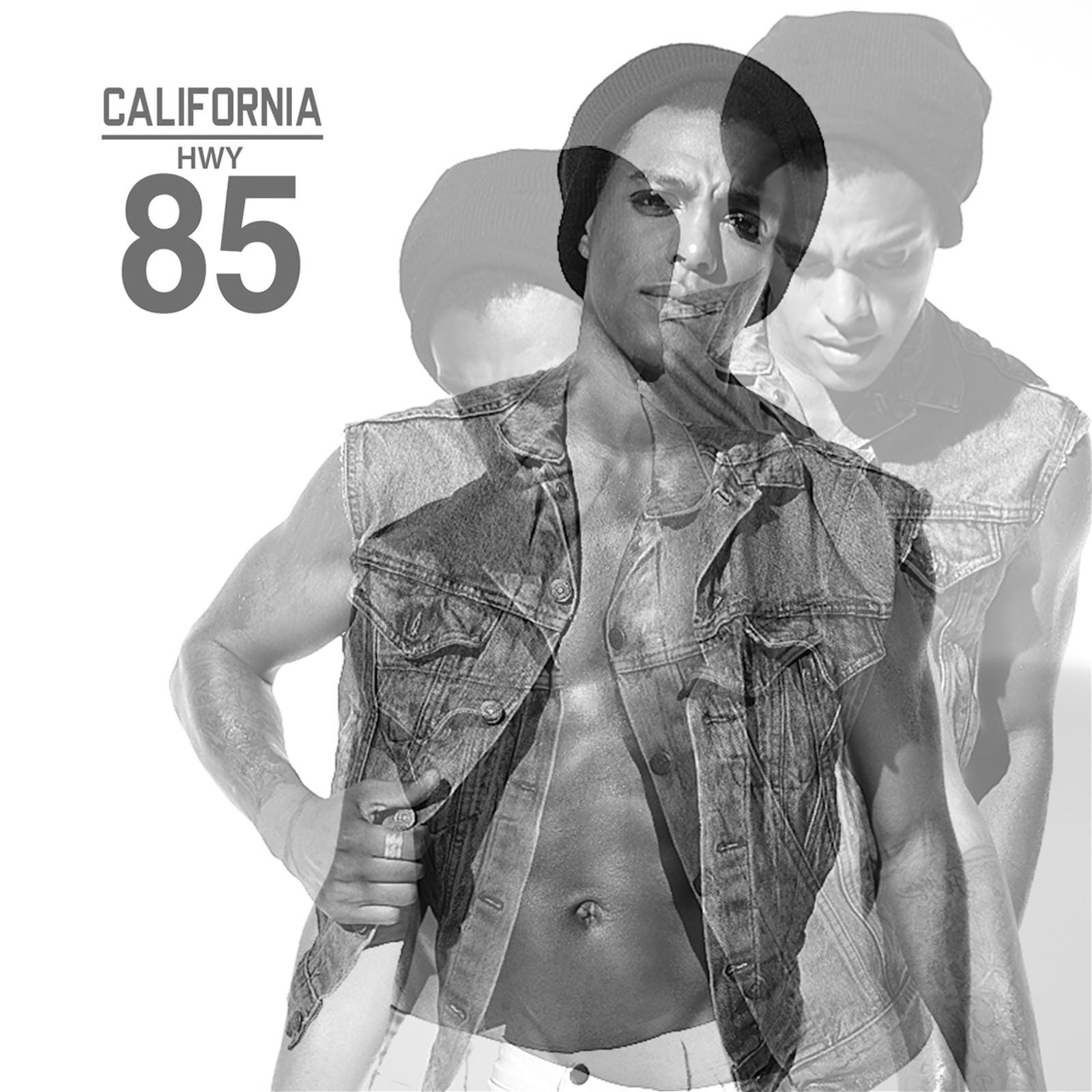
Rebbie Jackson’s son, Austin, is a singer-songwriter with a voice that carries the Jackson family stamp. As a child, he learned music inside the family, and he’s even said Michael taught him steps; you also hear that Larry Graham has been a mentor figure. This project came after a long apprenticeship as a ghostwriter for well-known producers, and while it can be heard as a showcase toward label leverage, the world inside it is distinctive enough to pull you in. The Michael-direct line shows up in Jackson 5–style bright pop-soul and Off the Wall–leaning boogie, but it isn’t simple nostalgia or a tidy “modernization.” It’s a thick vintage atmosphere, with a sensitivity that can sit in the Bruno Mars neighborhood without copying it. Tommy Parker participates on the production side, years before wider attention for his work with Janet. — B.O.
Rating: ★★★★☆ (4/5)
A showcase that still feels personal, with Jackson-family DNA showing up in the bright pop-soul turns and boogie instincts without turning into nostalgia cosplay. The charm is in how he keeps the vintage pull while writing like someone who actually wants a future.
Trey Songz, Trey Day
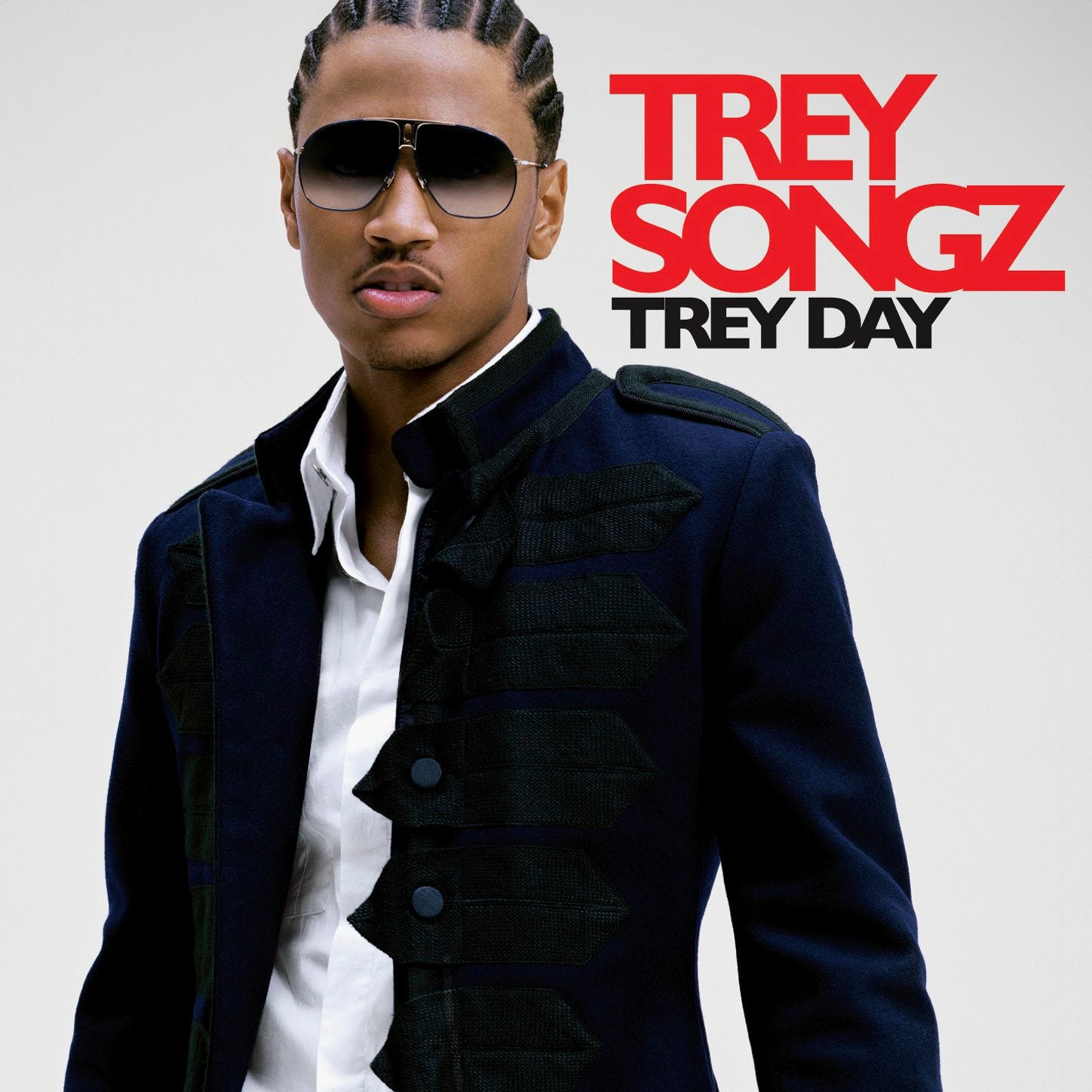
When his debut arrived, Michael’s influence didn’t read as central, but it rises over time; he’s even spoken about being an MJ fan. As he ages, the Willy Wonka lineage tends to dominate his public image, yet this second album still carries a thick MJ feeling, even while he sings slow jams like “Grub On” (Willy Wonka-produced) and “Store Run” (about running out to buy condoms) with boyish edges still intact. Stargate’s smooth mid-tempo “Can’t Help But Wait” is the clearest example, and “Missin’ You” even brings in a “P.Y.T. (Pretty Young Thing)”–style vocoder touch. Jam & Lewis’ “We Should Be” moves like an attempt at Michael’s cry-in-the-voice slow-ballad method, and “No Clothes On” has the same easy glide from chest voice into falsetto. Too bad he’s also part of the disgusting human garbage lineage as well. — B.O.
Rating: ★★★½☆ (3.5/5)
A transitional album where the MJ influence shows up in vocal glide, quick flips into higher register, and the way certain hooks are built to move bodies first. Not every song is equally sharp, but the craft is there.
Jason Derulo, Everything Is 4
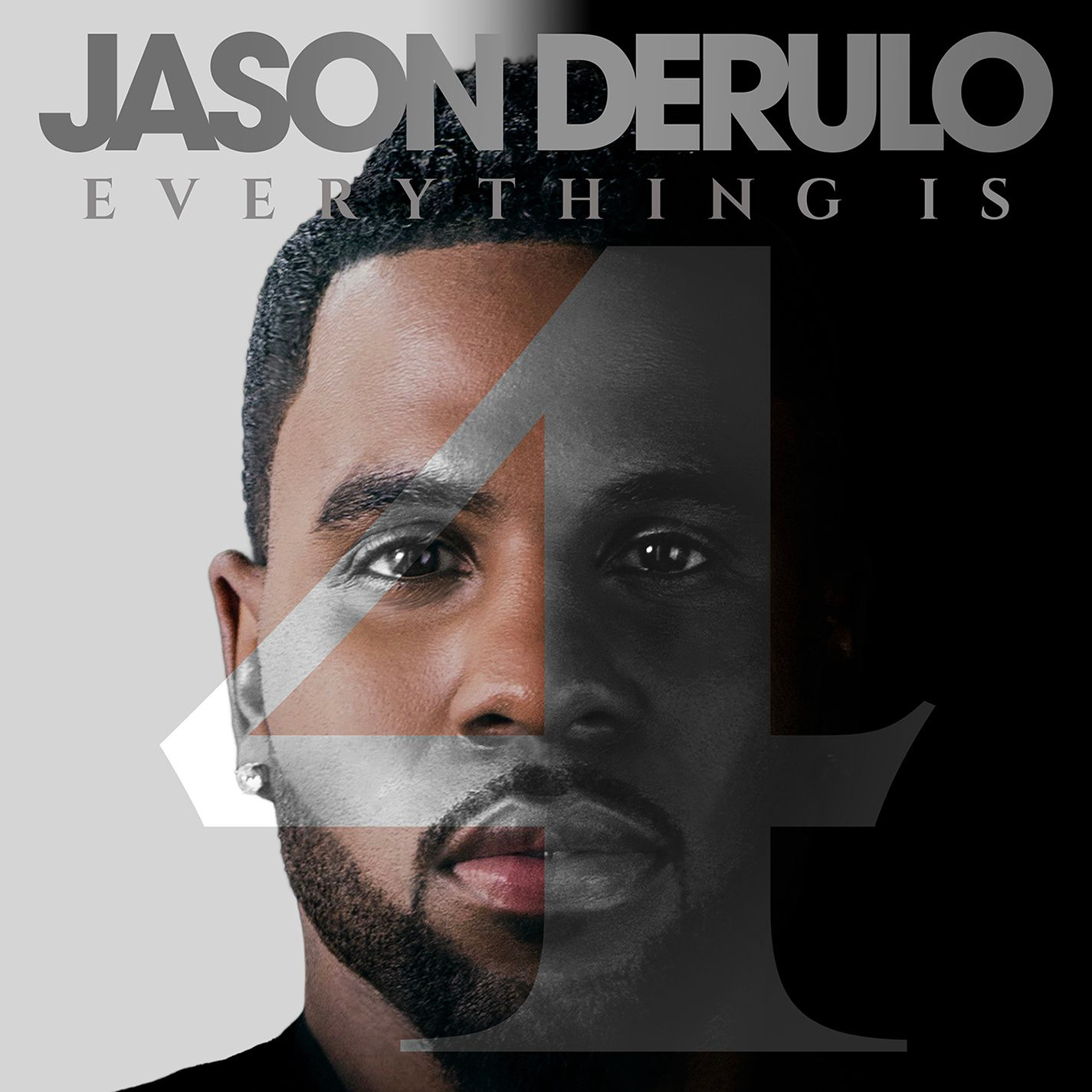
A Miami party-minded dance-pop singer who came after CB, he’d already been drawn to ‘80s-coded material, but this fourth album leans into it immediately: “Want to Want Me” opens with an on-the-nose ’80s pop feel that’s both nostalgic and current. Add the falsetto runs on “Want to Want Me” and “Cheyenne,” the high yelp on “Get Ugly,” and the strong chest voice, and you get a vocal profile that keeps pulling Michael into focus. He’s even done “Billie Jean” with choreography onstage, and with upbeat dance tunes like “Love Me Down,” this album can feel like it’s carrying Thriller as a template. The Jennifer Lopez feature “Try Me” (built on Marvin Gaye’s “Sexual Healing”) and the Charlie Puth-produced “Broke” (opening with Stevie Wonder-style a cappella) also build credibility by folding in two major MJ-adjacent sensibilities. — P
Rating: ★★★½☆ (3.5/5)
A loud, candy-coated ‘80s-leaning pop-R&B set where the MJ tells are mostly physical. It can feel calculated, but the singles hit with real kinetic force.
Akon, Freedom
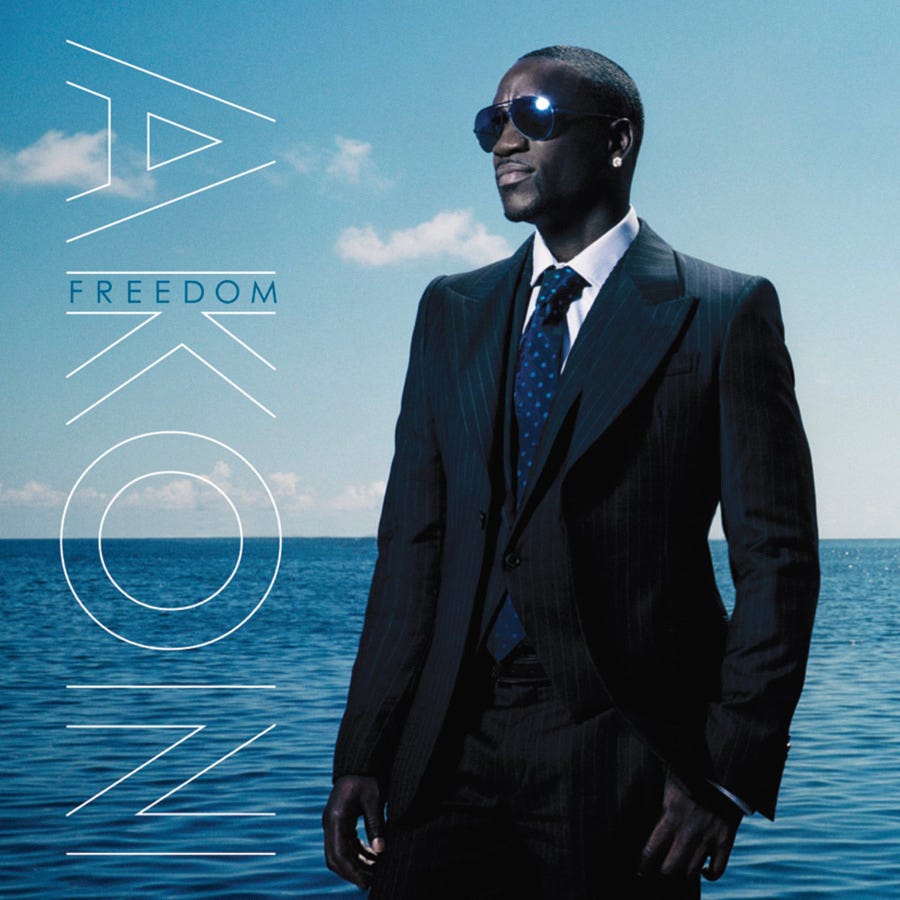
Akon’s tough-guy debut image (songs like “Locked Up” and “Gangsta”) hid how flexible he actually is, collaborating across pop worlds and later appearing on Michael-related releases (“Wanna Be Startin’ Somethin’ 2008” and “Hold My Hand”). This album landed in the year the “Hold My Hand” leak became a story, and it rides EDM’s rise: “Right Now (Na Na Na)” and other tracks build on that momentum while his reggae-rooted, friendly vocal style spreads wide across the mixes. In boogie terms, “We Don’t Care” stands out, driven by a busy guitar riff and African-leaning choruses that fit Akon’s own identity. Even though you wouldn’t normally connect Michael to reggae this directly (and Michael doesn’t appear here), the record can still trigger “MJ voice” associations in surprising spots. — B.O.
Rating: ★★★☆☆ (3/5)
A club-era pivot that folds EDM trends into a warm, reggae-rooted vocal identity, with flashes of boogie phrasing that keep it connected to the lineage. The strongest moments sound effortless; the weaker ones feel like chasing the moment.
Lionel Richie, Coming Home
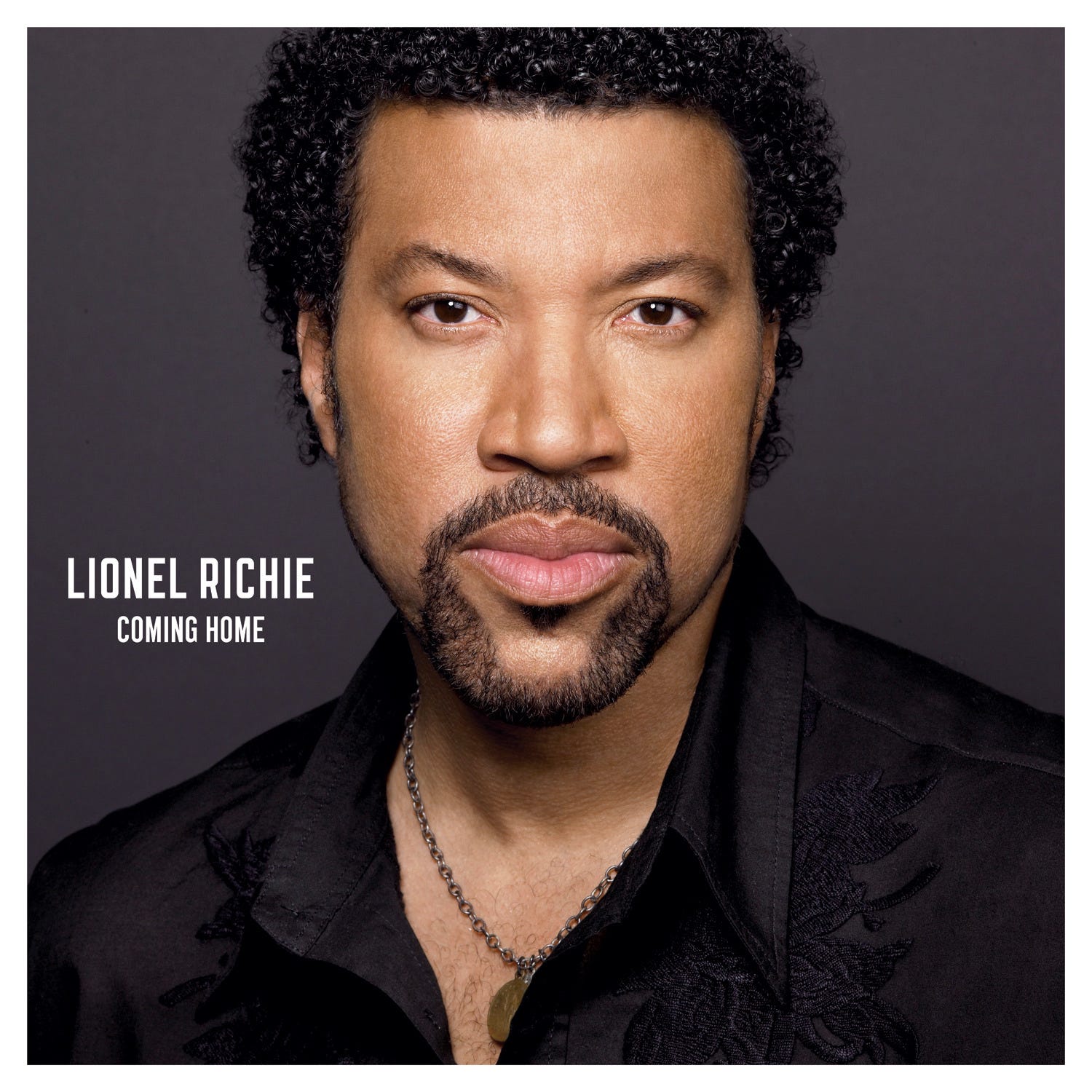
He’s not just an ally. Lionel Richie is closer to a comrade-in-arms: the Commodores once opened for the Jackson 5, and he co-wrote “We Are the World” with Michael. This album arrived during a period when Michael was publicly taking hits, and the guest/producers list is packed (Rodney Jerkins, Jermaine Dupri, Dallas Austin, Chuckii Booker, and more). The opener that leads the set is “I Call It Love,” a Stargate-made, sweetly aching mid-uptempo with Taj Jackson on the writing side, a song that can be heard as something Michael might have wanted to do at the time, sung with Richie’s cool control. Raphael Saadiq’s “Sweet Vacation” carries a subtle Commodores echo, and Sean Garrett also appears in the creative orbit here, adding another indirect Michael connection. — B.O.
Rating: ★★★☆☆ (3/5)
A veteran album that pairs classic singer authority with early-2000s R&B precision, and it benefits from collaborators who understand pop craft at a microscopic level. It doesn’t need to reach for MJ to feel adjacent; the songwriting and control do that on their own.
TAJ Jackson, It’s TAJ Jackson
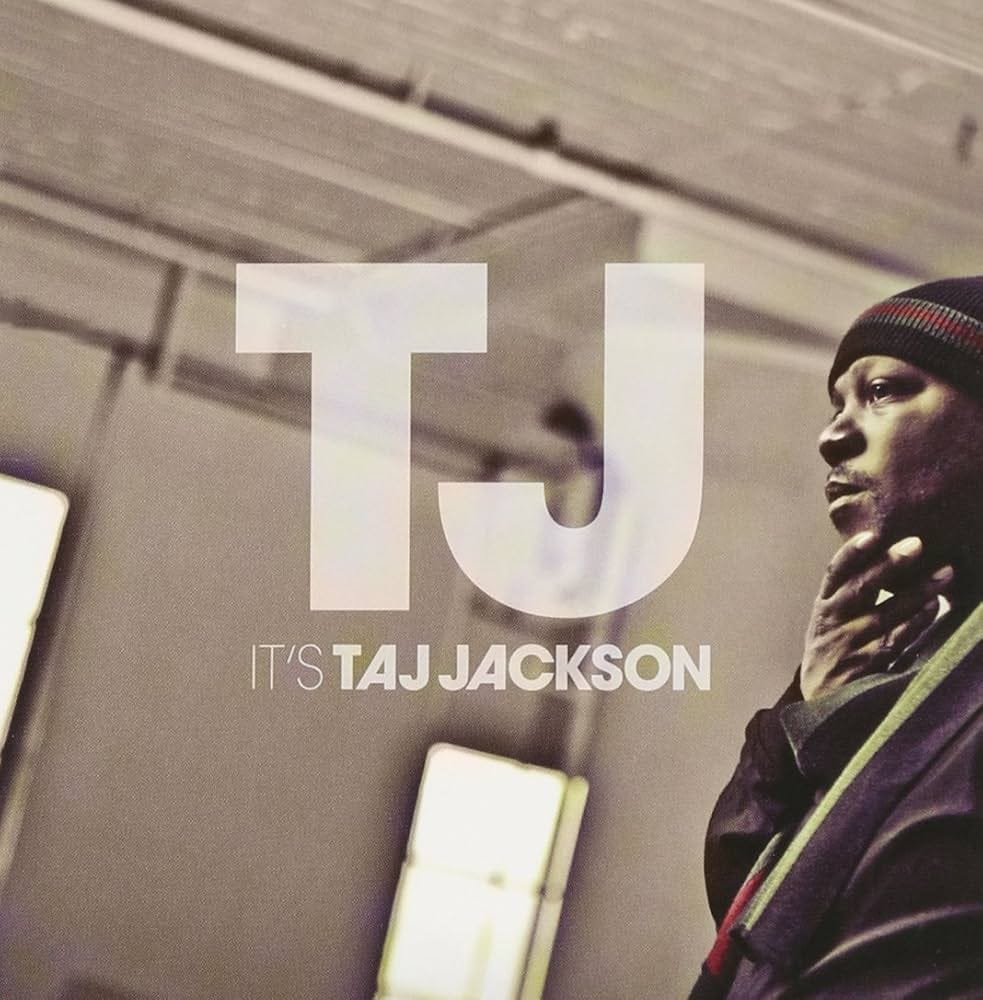
Not to be confused with 3T’s Taj Jackson, this TAJ is a different person—but he still connects to Michael indirectly through years of writing for Janet and Lionel Richie. With Stargate handling most of the production, the singer-debut setup seems modeled on Ne-Yo’s behind-the-scenes-to-frontman route: soft tenor voice, wistful melodies, smooth tracks. “It Was You” opens like a mid-uptempo shaped by that modern Scandinavian R&B approach, and the overall album is full of material Michael could plausibly wear. The percussive “Moving On” is the cleanest example, and “Think of You,” “Forever,” and “Together” arrive as self-versions of songs he originally wrote for other artists. — P
Rating: ★★★½☆ (3.5/5)
A smooth, modern R&B debut built on soft tenor intimacy and clean pop structure, clearly modeled after the songwriter-to-frontman path. The songs are pleasant and coherent, even if the personality stays a little too polite to fully imprint.
Esty, Optimistic
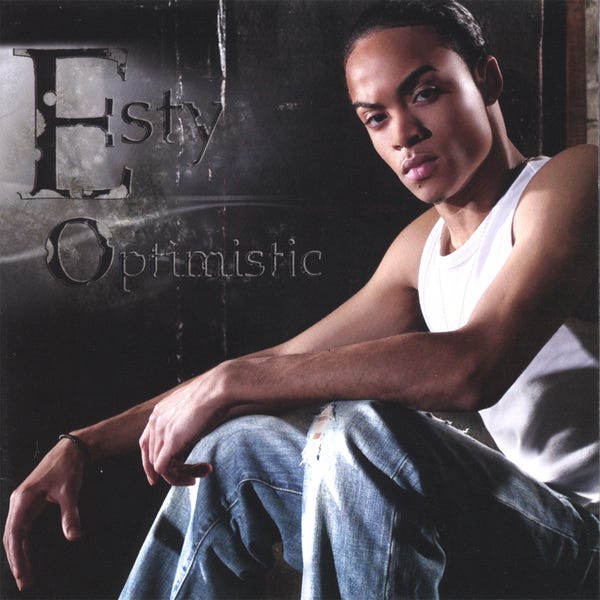
There’s a woman singer with the same name elsewhere, but this is Esty: a young singer influenced by Michael, plus Usher and Ginuwine. In Japan, the release was likely riding Ne-Yo’s popularity, and even the cover was swapped from a tougher, Michael-coded U.S. image to a gentler photo. “So Sexy Girl” sits close to Ne-Yo’s world in its melted-sweet texture, yet the more energetic “Take You Home” plants itself firmly in the Marcus Houston → B2K → Omarion lane. “Crush” runs on sparkling keyboard arpeggios, “Take Your Love Away” leans into full-on “heart-throb” progression, and he can keep up vocally with that whole family of singers. He also has a fan-killer move: “Should It Be You,” a catchy flip that threads Teddy Pendergrass’ “Close the Door” into the kind of hook R&B heads don’t ignore. — B.O.
Rating: ★★★★☆ (4/5)
A post–Ne-Yo era deep cut that fits the Omarion/Marques Houston branch. It doesn’t reinvent anything, but it executes the lane well and has at least one true fan-pleaser conceptually.
Jay Sean, My Own Way
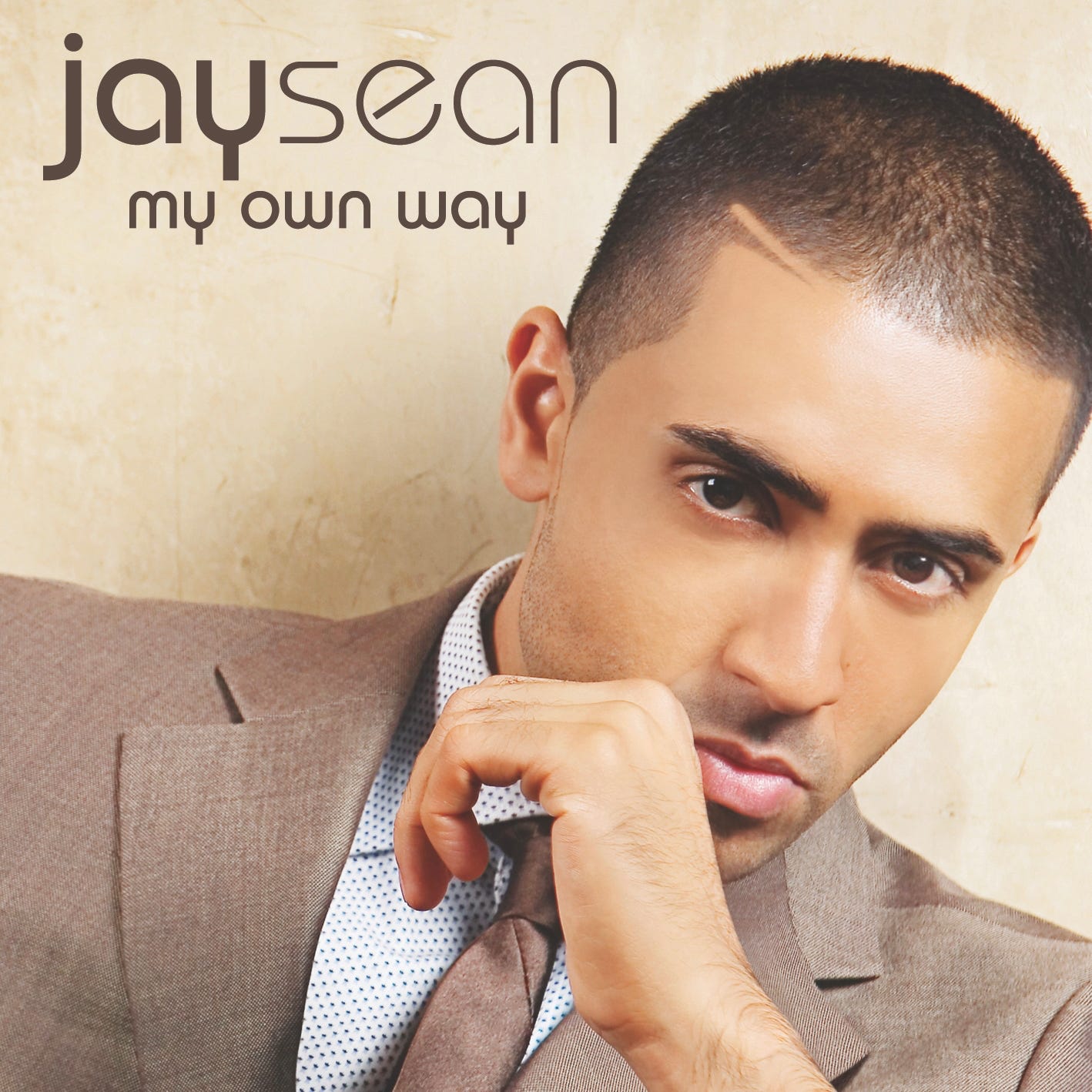
There are plenty of “post–Ne-Yo” singers overseas, but this UK Asian (Indian) singer stands apart. Jay Sean broke into the mainstream, signed with Cash Money’s orbit, and hit No. 1 with “Down.” After a Stargate-involved debut album, this second record on his own label opens with “Ride It,” where the Silk Road–styled ornamentation can faintly recall “Liberian Girl.” The steppers-leaning “Maybe” and the mid-uptempo “Good Enough” show a Michael-following style filtered through Ne-Yo’s era, and even if many Ramee & Bobby Bass productions cluster in similar atmosphere, the ballad “Stay” lands with a delicate, Michael-like sweetness almost instantly. On “Easy As 1, 2, 3,” he even toys with a title phrase that calls back to the Jackson 5’s “ABC,” but delivered in a later-MJ manner. — P
Rating: ★★★☆☆ (3/5)
A crossover-era album that balances pop gloss with R&B phrasing, with the MJ echoes living in the vocal softness and the way hooks are shaped to feel buoyant. Sure, it’s a product of its time, but the ballads are the secret weapon.
Craig David, Born to Do It
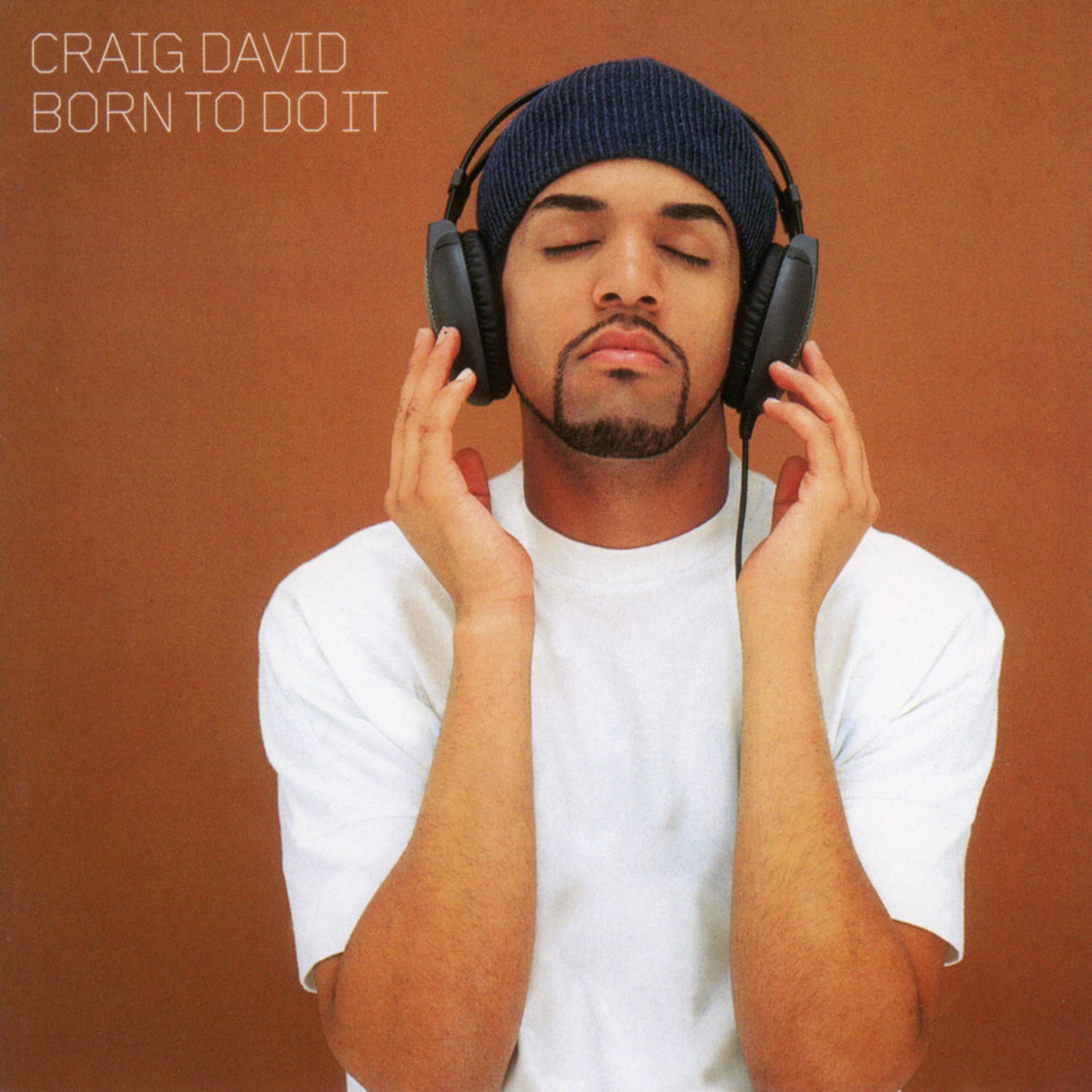
After Artful Dodger’s “Re-Rewind,” Craig David arrived as the “prince” of UK 2-step. Later work makes clear he’s fundamentally a straight-ahead R&B singer in the Usher tradition, but this debut remains special for the sheer brightness inside it. On “Fill Me In,” the drums shift into double-time in the chorus, making the groove feel lighter and faster, and the syncopated beat language, evolved through UK club contexts rather than Timbaland’s, blooms in its own charming way. The cool restraint in his vocal delivery stays soulful underneath. His live “Human Nature” cover has become a signature for a reason. — B.O.
Rating: ★★★★☆ (4/5)
A landmark 2-step/pop-R&B debut where rhythm programming is the star, and the vocal stays cool enough to let the groove do its work. It captures the same kind of refined nightlife swing that made “Rock with You” feel new without copying its surface.
The Weeknd, Beauty Behind the Madness
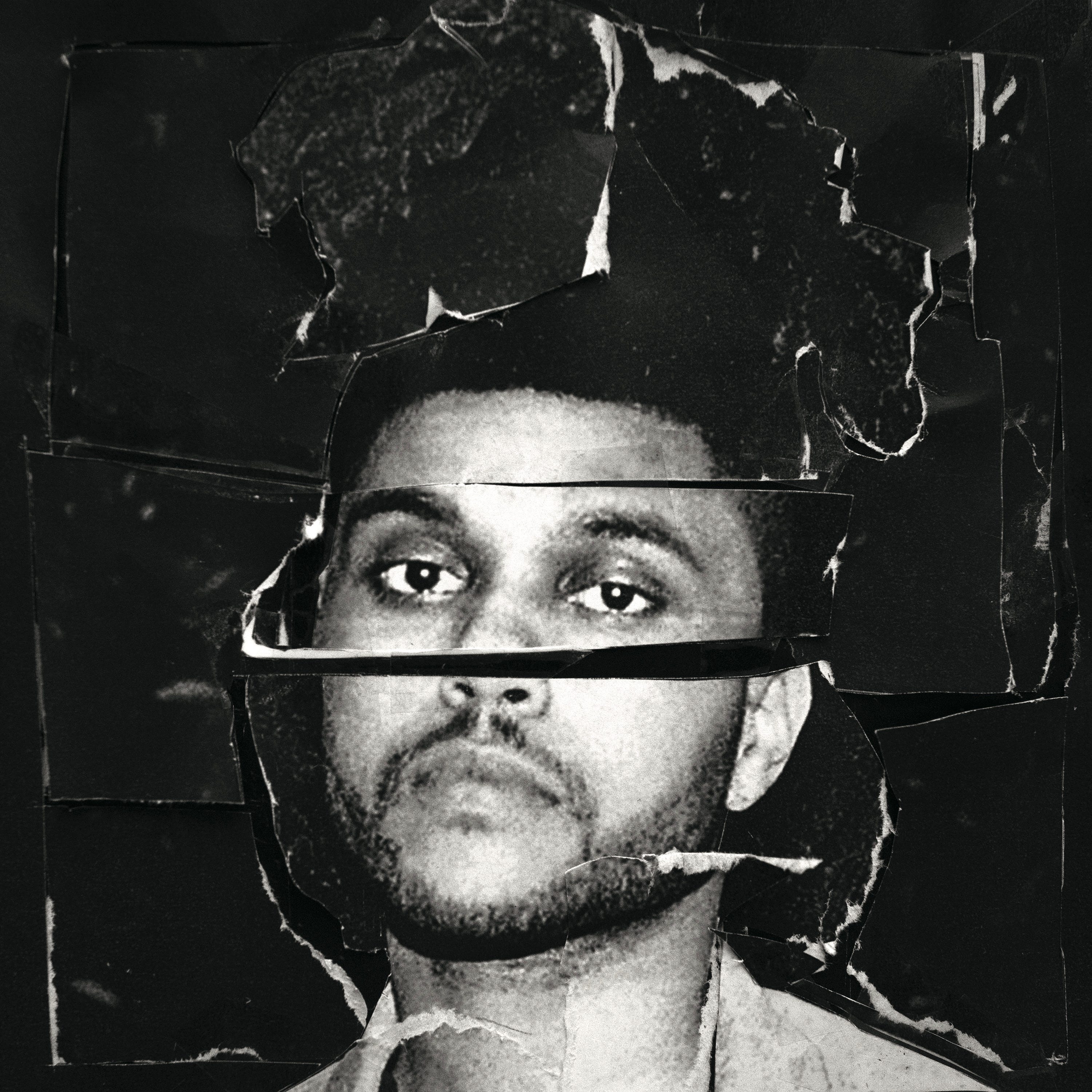
The mastermind is Abel Tesfaye, an Ethiopian-Canadian artist who first gained attention behind a veil, building a dark, sealed-room sound and drugged-out writing, before turning into a stadium pop star faster than most people expected. The three free releases in 2011 (later reissued as Trilogy) built the foundation; the third included “D.D.,” a cover of Michael’s “Dirty Diana.” That MJ love also leaks into this major-label album: even “Earned It” carries a high, adolescent MJ-ish tone. The knockout is “Can’t Feel My Face,” a Max Martin dance cut that leans into Off the Wall behavior while keeping 2015 edge from ambient R&B and EDM. The shuffle of “In the Night” also nods toward “The Way You Make Me Feel.” — P
Rating: ★★★★☆ (4/5)
A major-label breakthrough that smuggles MJ influence into modern pop through vocal attack and dance-pop structure, not cheap quotations. When it commits to bright motion, it turns the persona into something stadium-sized without losing bite.
Ernie Gaines, Lost in Time
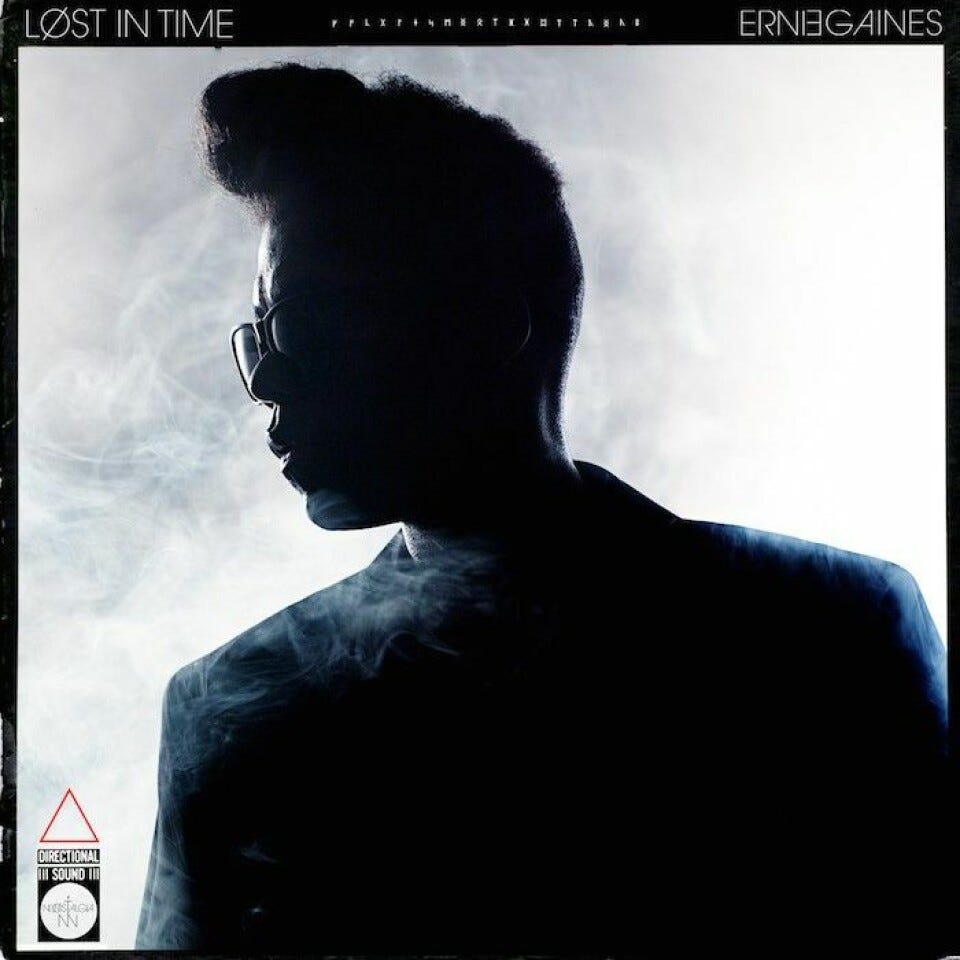
The voice you hear is Ernie Gaines, but this is more accurately a Neo Nostalgia project overseen by multimedia creator Michael Sterling Eaton. It has existed mostly online, yet the musicianship is serious: players like Thundercat and Om’Mas Keith show up, and the blend aims for Michael’s vocal approach with Prince-like punk-pop snap, in a lane that can also touch Miguel or Frank Ocean without copying them. “Fresh Squeezed” plays like Michael dropped into the L.A. beat scene, while the title track works as a modern interpretation of “Don’t Stop ‘Til You Get Enough,” right down to the voice flips. “Find a Way” stays in that Michael lane too, and the fact that they also covered “Beat It” outside the album fits the picture. — B.O.
Rating: ★★★★☆ (4/5)
A niche, musician-forward project that understands MJ’s voice as a set of moves: flips, snaps, and melodic urgency, then places that inside modern L.A.-adjacent rhythm thinking. It’s eccentric in the right way, and the dance cuts are the clearest argument.
Ryan Leslie, Ryan Leslie
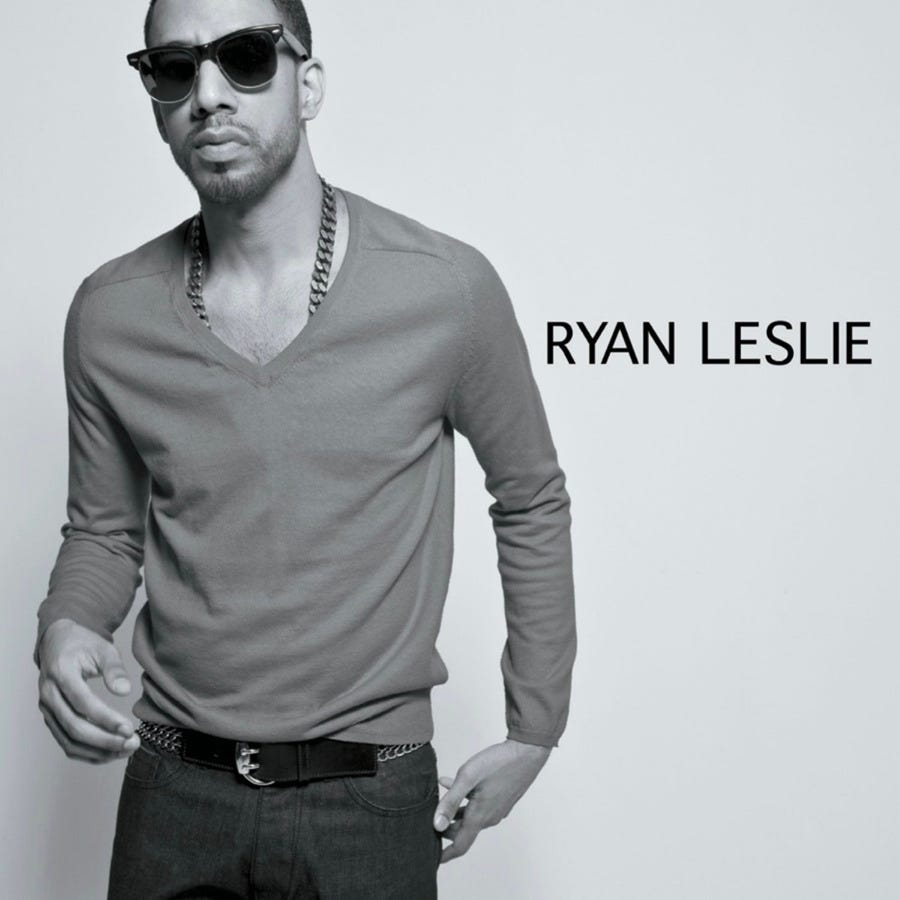
Ryan Leslie had been working behind the scenes since the early 2000s, even putting out his own singles, but he became widely known as the brain behind the “new Bad Boy” era around Cassie. A Harvard graduate who produces, writes, arranges, plays, and sings, he also likes unusual release formats, which can read as a Prince-like streak; he openly cites Stevie Wonder and Michael as influences too. The cleanest “receipt” here is “Addiction” (with Cassie and Fabolous), where the bridge directly quotes the opening line of Michael’s Stevie-written “I Can’t Help It.” The high, slightly “head-voice” vocal color also signals the MJ devotion. Tracks like “You’re Fly,” light on their feet with minimal parts, show his preference for cool control over big showy gestures. — B.O.
Rating: ★★★★☆ (4/5)
A self-contained debut driven by control: minimal arrangements, precise vocal placement, and a studio-brain approach that still lands as charismatic. The MJ touchpoints work because they’re specific and embedded, not waved around as branding.
Tuxedo, Tuxedo
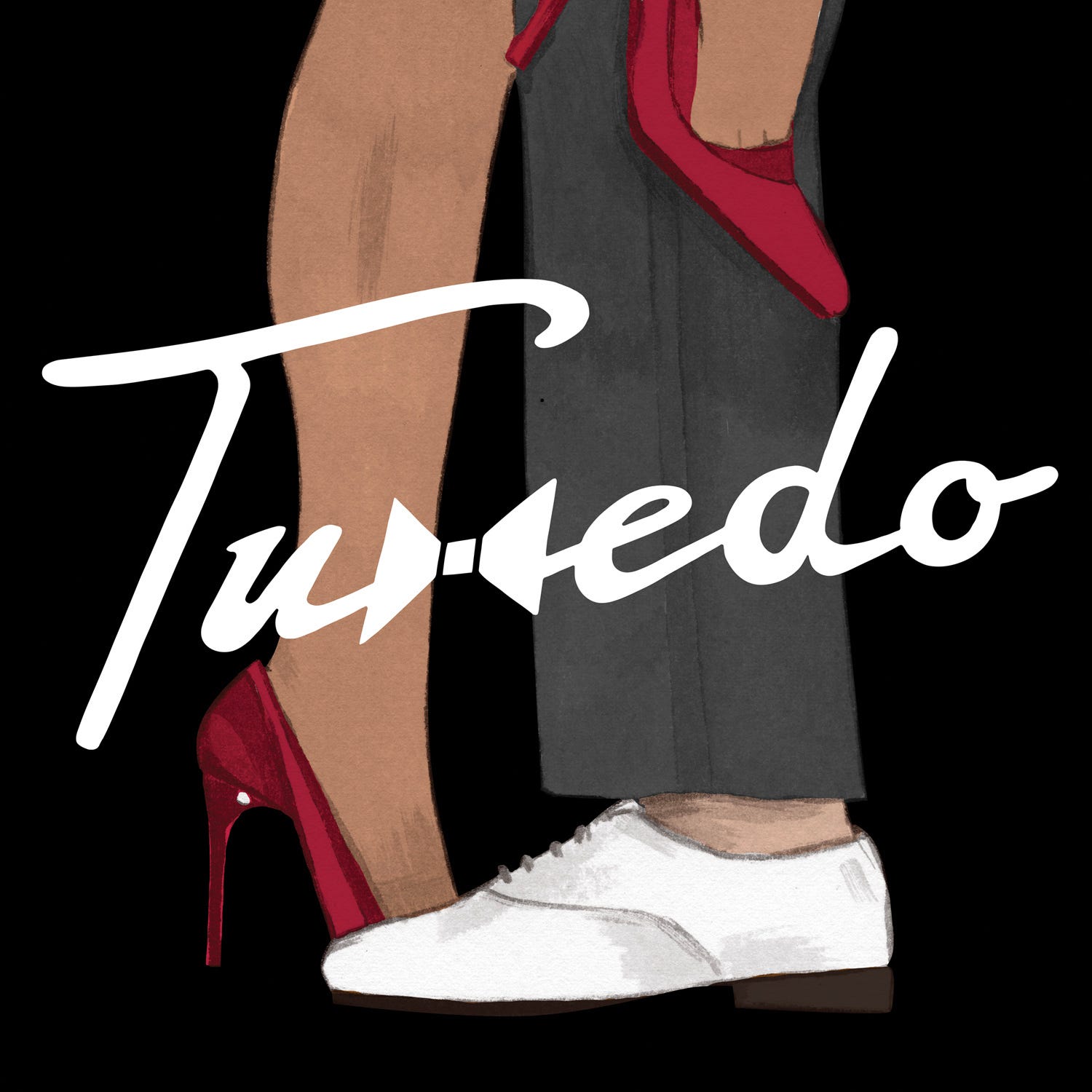
A disco-funk unit formed by Mayer Hawthorne (a former DJ turned soul singer) and Jake One (a hip-hop producer known for work around G-Unit). Their focus is the thrilling 1980–82 zone where live instruments and electronics were blended into new groove, with a thick synth-bass pulling a side-to-side beat that’s made for the floor. The method—obsessive riffs paired with a catchy melody—can recall certain boogie lineages, and late in the album they include “Number One,” a remake-flip of Snoop Dogg’s “Ain’t No Fun.” Not long after, Snoop released Bush, as if reacting to the same “slow-funk” pull in the air. — P
Rating: ★★★★☆ (4/5)
A modern boogie record made by people who obsess over 1980–82 groove science: synth bass weight, tight drum feel, and hooks designed to loop without getting dull. It’s less about nostalgia than commitment to a very exact kind of swing.
Mayer Hawthorne, Where Does This Door Go
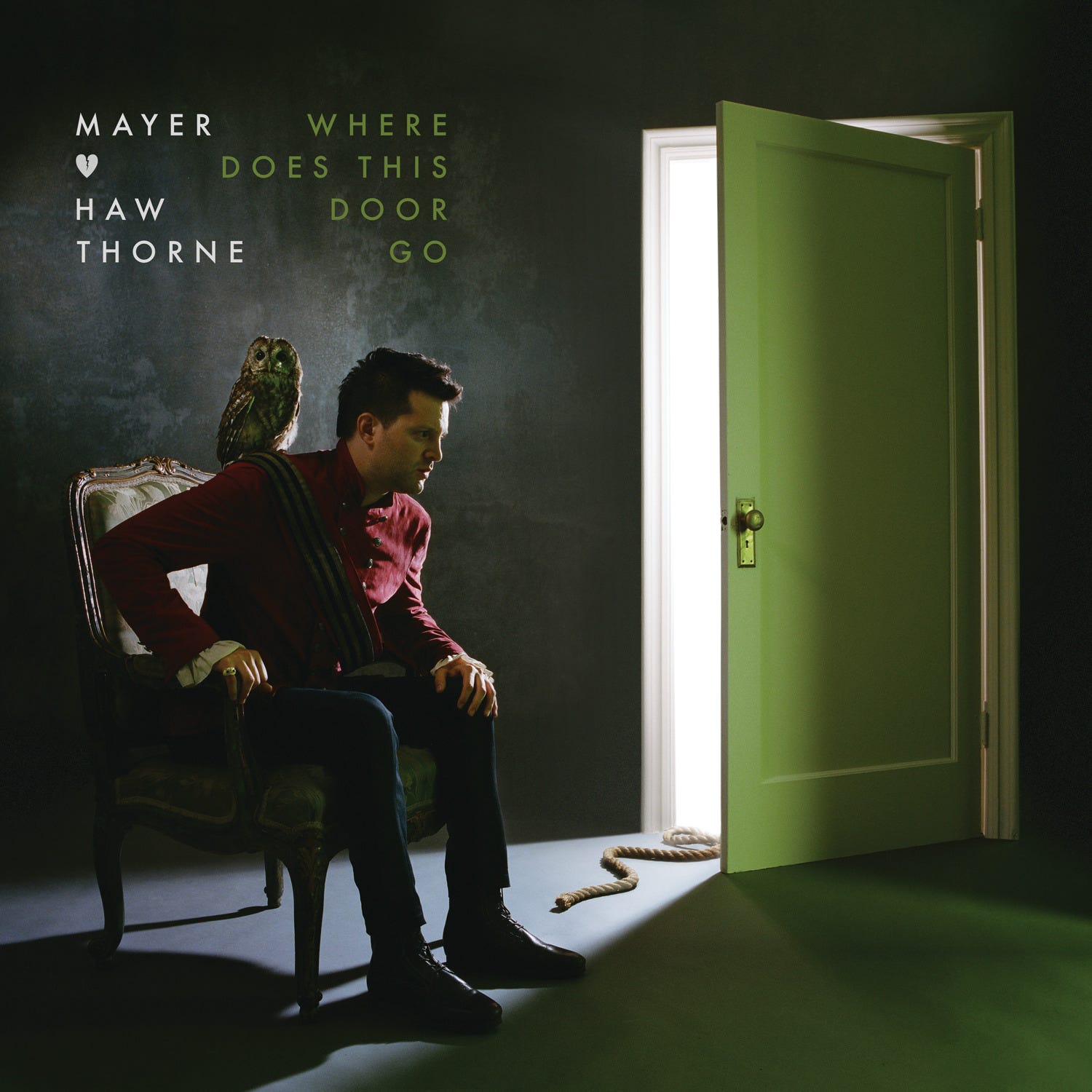
Now widely recognized as “Tuxedo’s vocalist,” Hawthorne also sings disco-boogie that can connect back to Michael. On this third solo album, he said he aimed for an all-killer “party album” where every track could be a single, like Thriller. The songs are consistently strong, and there’s also “Wine Glass Woman,” built in a Pharrell-like mode with an Off the Wall image in mind. Hawthorne’s smooth, flipping sweet vocal can read as Michael-adjacent. The Kendrick Lamar feature “Crime” adds the saz (a Turkish string instrument) as a striking color, but the straight, high chorus tone is also MJ-coded in a simple, direct way. The deluxe track “Designer Drug” plays like a prototype for Tuxedo’s later boogie lane. — B.O.
Rating: ★★★★☆ (4/5)
A stylish pop-soul album with consistent songwriting and a vocal that can bend sweet and sharp inside the same bar. It nods to Off the Wall through movement and phrasing, then widens out with left-field textures without breaking cohesion.
Lemar, Dedicated
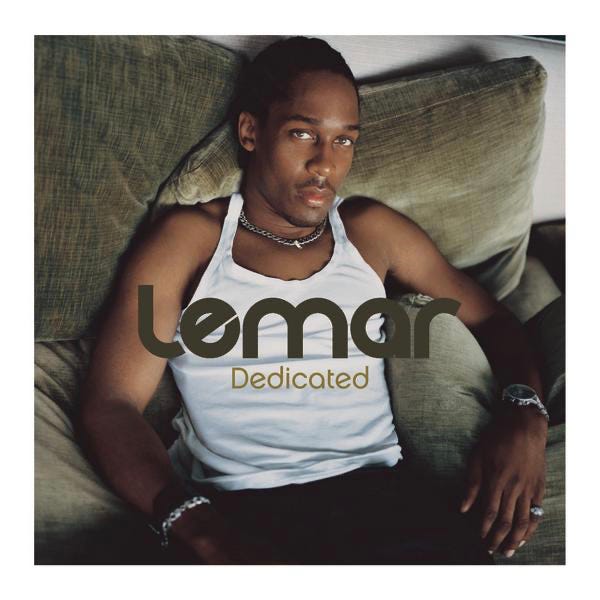
Lemar, a Nigerian-British singer, first failed to break through, then landed a second chance through an audition show and finally took off with this album; he’s since grown into one of the UK’s core R&B voices. As his later work leans more retro-soul, it would fit an “alt R&B” guide too, but this debut has clear “for this book” tracks. One is “Dance (With U),” riding a reshaped “Don’t Stop ’Til You Get Enough”-type track while he sings with open, confident reach. Another is “Body Talk,” driven by Nile Rodgers-style cutting guitar. If it had dropped after Daft Punk’s “Get Lucky,” it likely would have made bigger noise; it’s an early disco-return record. The Al Green cover “Let’s Stay Together” also helps sell him as an orthodox soul singer, not only a pop-facing R&B act. — P
Rating: ★★★½☆ (3.5/5)
A breakout debut that hits the disco/boogie impulse early and clean, with bright guitar motion and a vocal built for uplift. It’s one of those albums that sounds obvious only after you hear how well it’s executed for the most part.
Nate James, Set the Tone
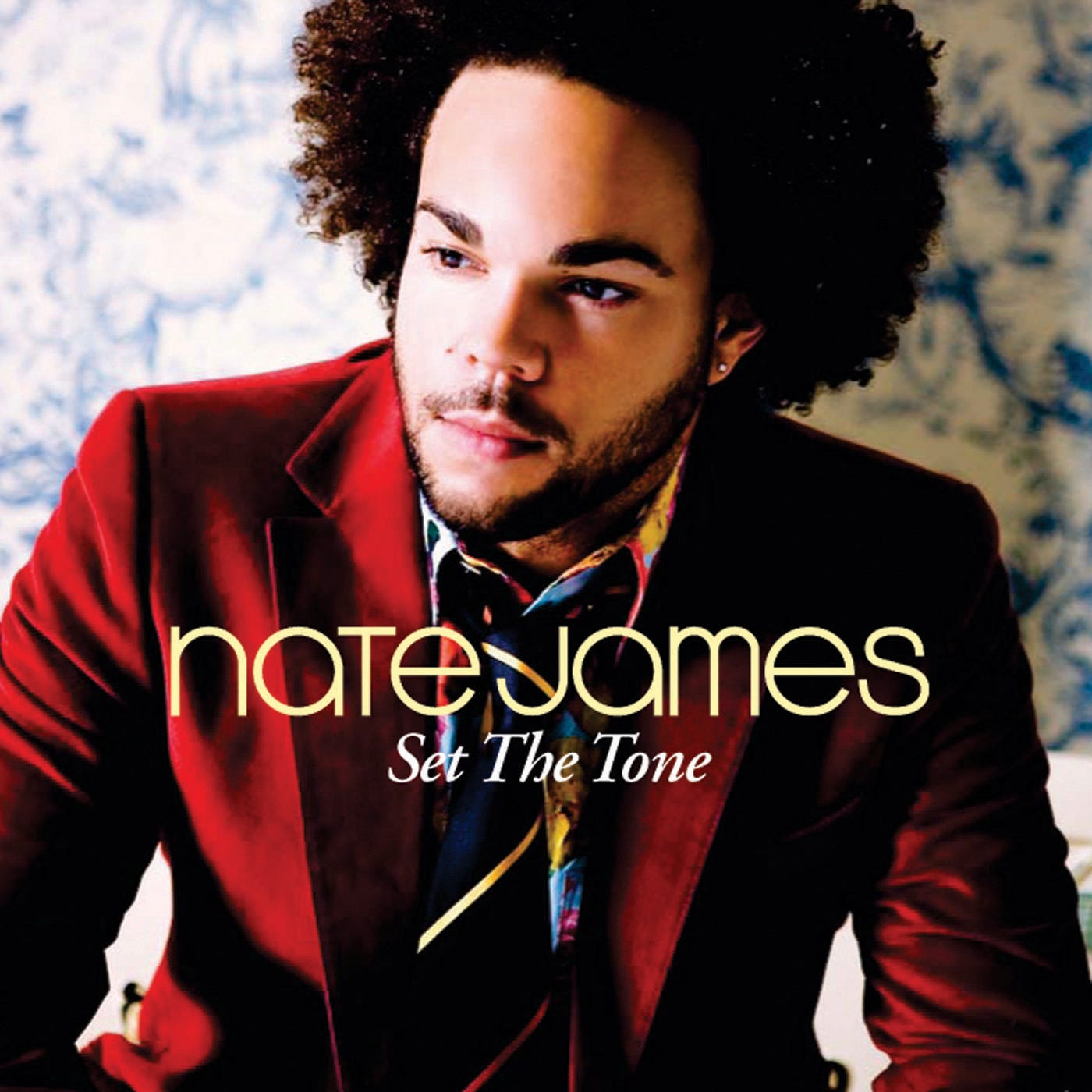
A UK singer with an early-Maxwell-style afro, Nate James has a rock-leaning duet with Dawn Robinson (En Vogue/Lucy Pearl), but the core here is Stevie Wonder admiration translated through UK soul manners. “I Don’t Wanna Fight” carries that Stevie-ish pop-funk approach, and the album’s straight-line longing for ’70s soul and disco (with a clear Off the Wall shadow) reads clean rather than forced. Songs like “The Message,” “Universal,” “Funky Love” (with Carmen Reece), and “Can’t Stop” line up as boogie-friendly material that probably would have been praised more loudly if released in today’s boogie revival context. He sits near Lemar in the UK ecosystem, but he plays it more pop-forward. — B.O.
Rating: ★★★★☆ (4/5)
A UK soul-pop debut that wears its love for ‘70s soul and disco plainly, with enough funk-pop bite to keep it from drifting into pastiche. The material is strong across the tracklist, and the boogie-friendly cuts would play even louder in today’s climate.
Mack Wilds, New York: A Love Story
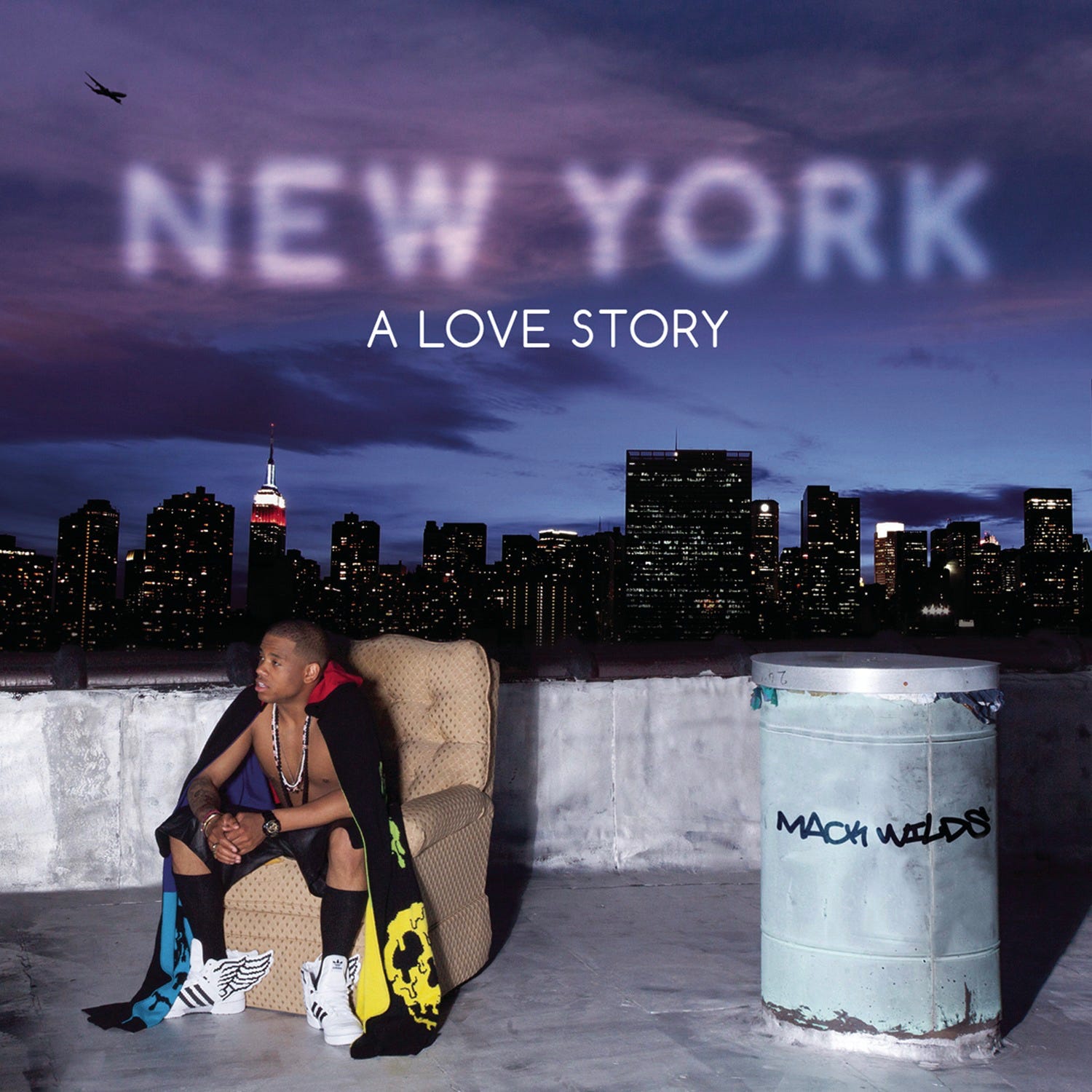
Tristan Wilds (as Mack Wilds) is also an actor, and this Salaam Remi–released debut wears its New York hip-hop nostalgia on its sleeve: samples of Lafayette Afro Rock Band staples, a Method Man feature, Mobb Deep references with Havoc involved, and even Ne-Yo writing over an Eric B. & Rakim source. The era he’s fixated on is late ‘80s to early ’90s, which makes sense for a 1989-born lead. To signal his own MJ upbringing (Dangerous specifically), he covers “Remember the Time” in a hip-hop-soul arrangement produced by Havoc and Salaam Remi. His sweet “post–Ne-Yo” voice sometimes flashes a Michael resemblance, and James Poyser’s involvement on “The Sober Up” adds a layer of MJ-style mellowness. — P
Rating: ★★★★☆ (4/5)
A nostalgia-heavy debut that still feels crafty because the references are assembled with care, and the MJ cover choice says something specific about his coming-of-age. The singing stays smooth and modern, which keeps the homage from turning dusty.
Tony Thompson, Sexsational
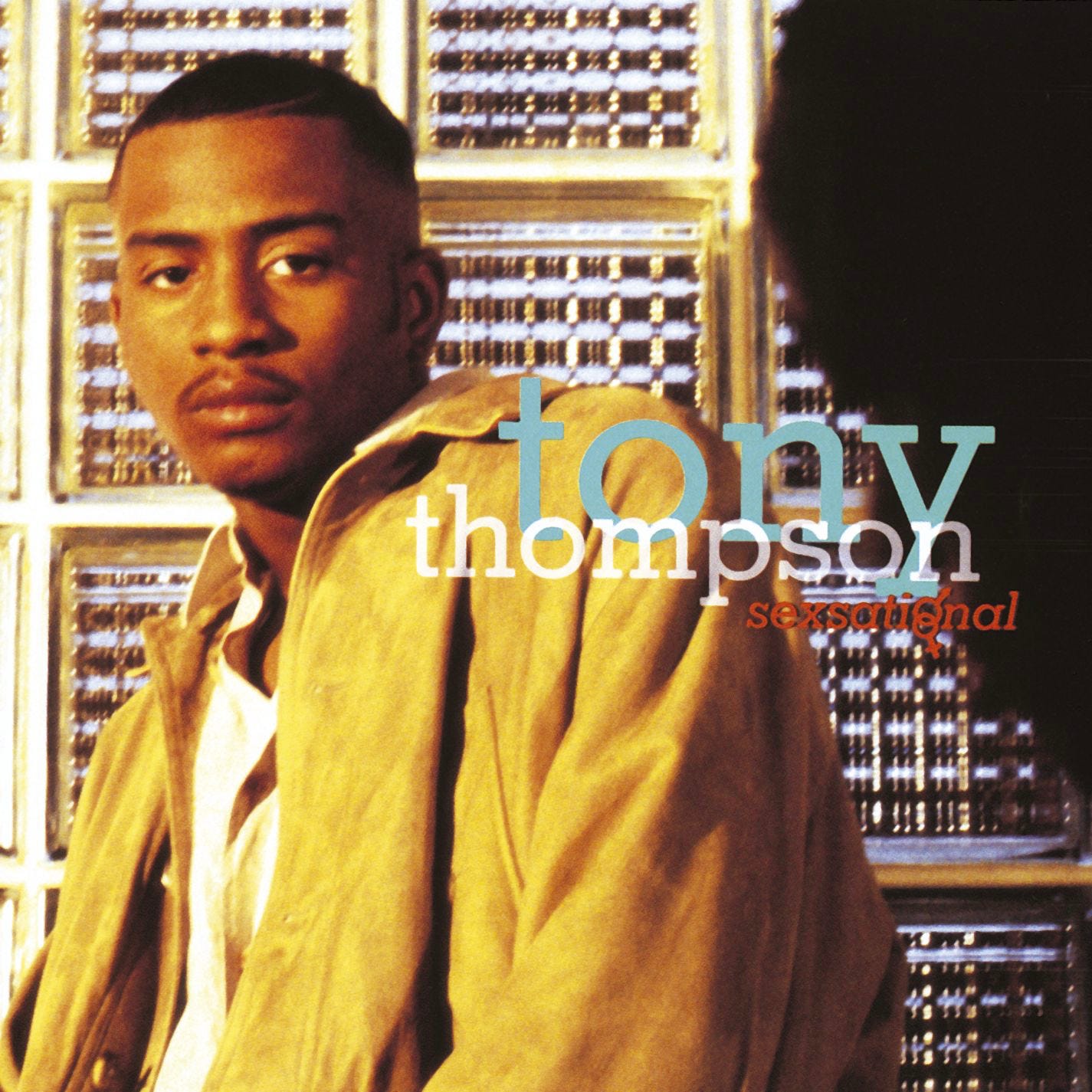
Hi-Five used Teddy Riley before Dangerous and Willy Wonka before “You Are Not Alone,” building real “second Jackson 5” credibility. Lead singer Tony Thompson (“Lil’ Tony”) made only one solo album after the group split, and it captures the early-‘90s R&B environment with unusual clarity: Diddler-produced, Mary J. Blige/Faith Evans-connected hip-hop soul (“I Know,” “What’s Goin’ On”), “I Wanna Love Like That” where Babyface’s romance sits on Teddy’s groove, and moodier corners shaped by Al B. Sure’s sentimentality. He also covers Stevie Wonder’s “My Cherie Amour” in a groove-forward way. Thompson died in 2007. — B.O.
Rating: ★★★★☆ (4/5)
A vivid snapshot of early-‘90s R&B craft, packed with era-defining collaborators and a voice built for romantic drama. Even without a heavy disco angle, it belongs in the lineage through performance style and the scene it reflects so clearly.
Steve Russell, So Random
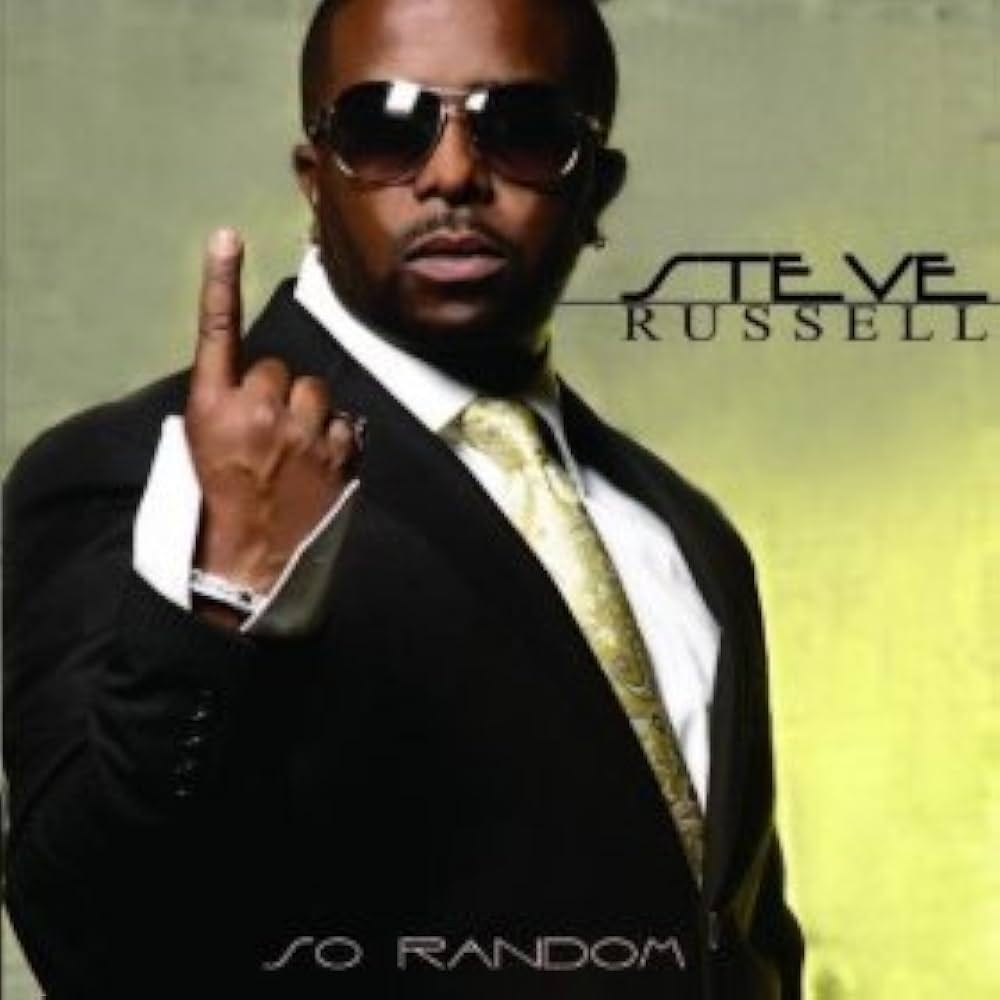
The lead singer of Troop (who once covered the Jackson 5’s “All I Do Is Think of You”) and later a key songwriter around the Underdogs circle, Russell finally released a deeply personal MJ-homage solo album. The front half is a run of Off the Wall → Thriller boogie: “Bring It Back” recreates the “Don’t Stop ‘Til You Get Enough” intro, “D.A.N.” flashes “Human Nature”-style synth air, and “Hot Mess” leans into “Beat It”-type rock energy. His obsession becomes explicit in a “Rock with You” cover that traces Michael’s every micro-choice—voice tremble, strain timing, breath breaks. The back half leans more into ballads, where the MJ tint fades a bit, but the songwriting stays strong. — P
Rating: ★★★★☆ (4/5)
A full-commit MJ homage album where the references aren’t casual; they’re studied, down to breath and strain timing. It’s strongest when it stays in boogie mode, but even the softer back half holds up on songwriting.
Tank, Stronger
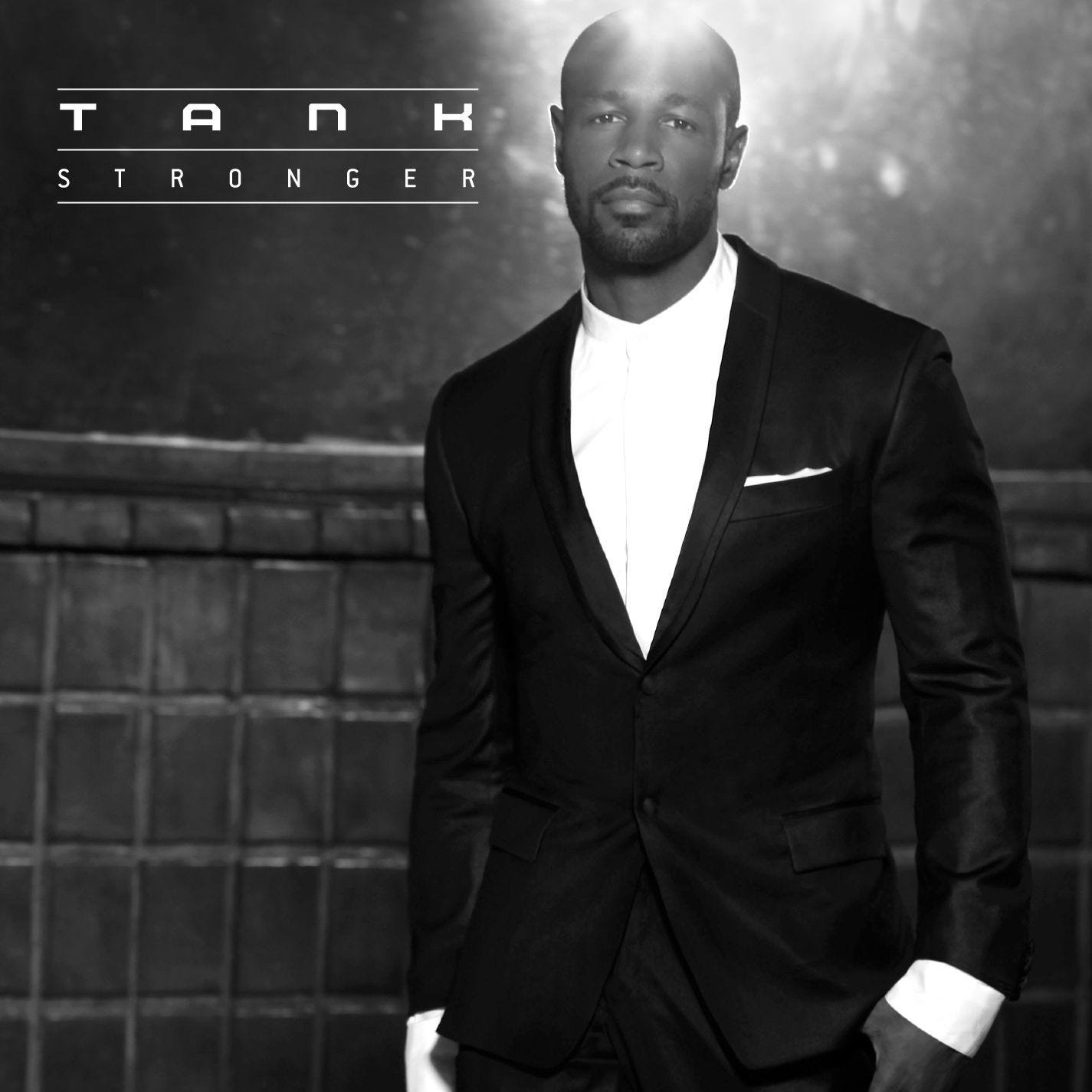
Tank carries a heavy R&B core, and he’s also a songwriter/producer for others, including super-sexual material across the 2000s and 2010s. On this sixth album, he brings disco/boogie design into the foreground. The opener “You’re My Star” is a wild move: it flips the Jacksons’ “This Place Hotel (Heartbreak Hotel)” into electro-boogie, and it’s hard not to get hit immediately. “Dance with Me” starts in laser-y ‘70s disco texture before sliding into a P-funk-adjacent feel, and “Missing You” rides a line between Marvin and Teddy Pendergrass. He also brings out Prince-level falsetto on “Hope This Makes You Love Me,” and the slow records are strong across the board. — B.O.
Rating: ★★★☆☆ (3/5)
A late-career curveball that brings disco/boogie architecture into Tank’s usual R&B power zone. While the uptempos are daring, the falsetto moments land, and the album feels built for motion, it’s a total mixed bag, with him abandoning traditional norms only to sound like Bryson Tiller later.
Tyrese, 2000 Watts
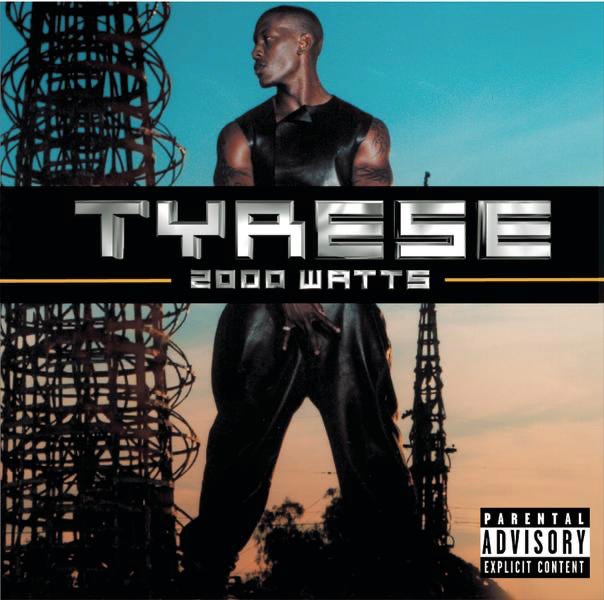
This is an album that sits close enough to Invincible to feel like a relative, if not a twin. The clue is the title: on Invincible, “2000 Watts” exists because Tyrese originally made it for himself, then handed it to Michael and used the phrase as his own album name instead. Even more, Rodney Jerkins (who handled some of Invincible’s sharpest uptempos) also produced “I Ain’t the One” here, a track that doesn’t feel outclassed by the Invincible cuts. The Underdogs bring live-guitar brightness to “I Like Them Girls,” Battlecat contributes “Just a Baby Boy,” and Babyface adds the sentimental “There for Me (Baby).” It’s mainstream early-2000s R&B in full inhale mode, and the 2015 album Black Rose shouldn’t be missed either. — P
Rating: ★★★☆☆ (3/5)
A close cousin to the Invincible era in both personnel and ambition, with high-end producers pushing sleek, hard-edged early-2000s R&B. While it doesn’t have higher highs than his debut, it’s worth checking out.
Jamie Foxx, Hollywood: A Story of a Dozen Roses
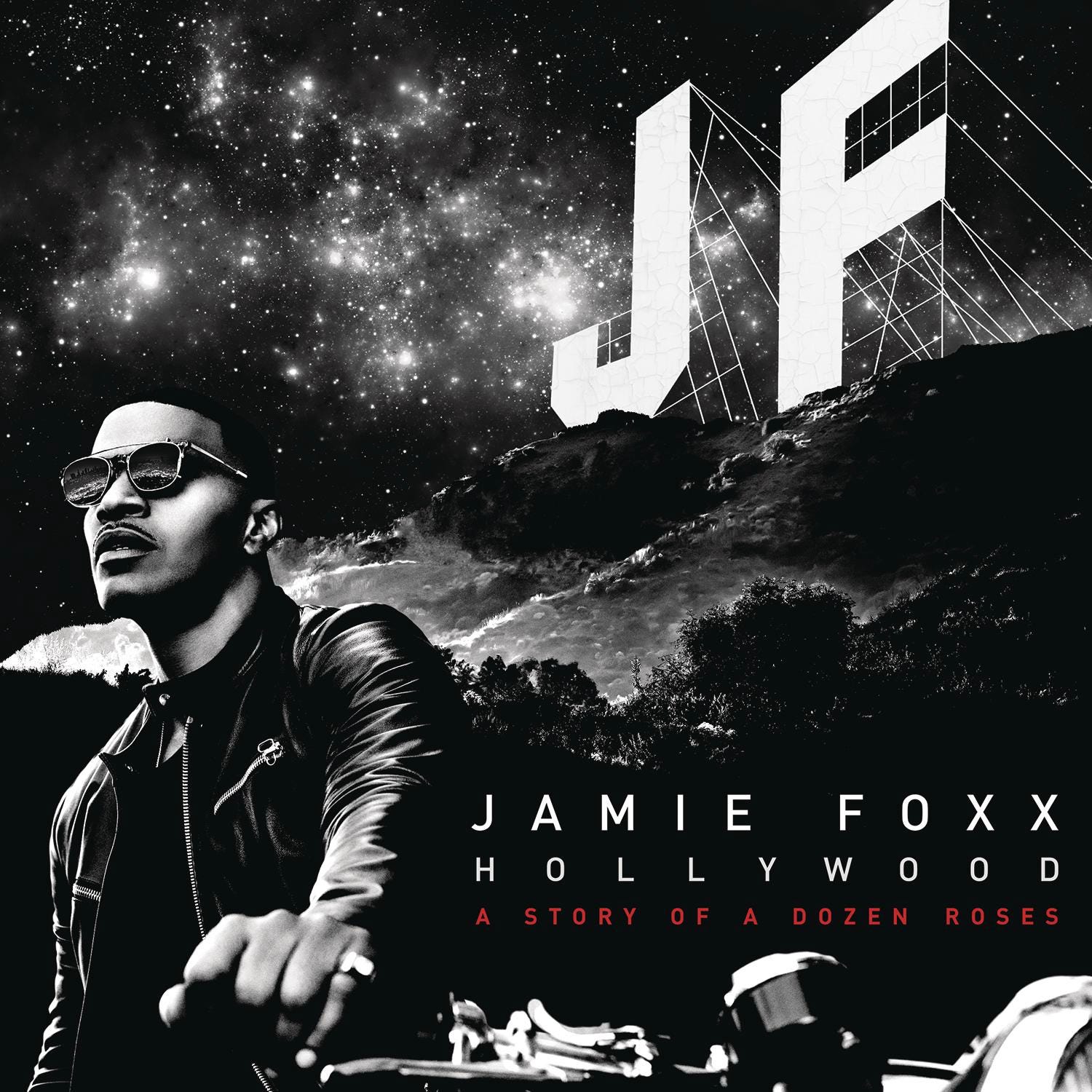
While Jamie Foxx is now a relentlessly busy Hollywood star, his work as a singer isn’t a side hobby. In 2009 (at the BET Awards), he did “Beat It” in the red-leather-jacket look as part of a Michael tribute, and he was chosen as host for a 2011 UK MJ memorial concert. His 2015 DJ Mustard-produced single “Pretty Thing” is effectively a remake, quoting the “P.Y.T. (Pretty Young Thing)” chorus; he then added it as a deluxe bonus on this fifth album. Here, he collaborates with Michael, “children” like CB and Pharrell; “Tease” (with Pharrell) plays like a modern update of MJ-style uptempo. In that lane, “Baby’s In Love” stands out as an electric boogie cut that nails the assignment, even if Foxx’s voice itself doesn’t resemble Michael’s. — B.O.
Rating: ★★★☆☆ (3/5)
A star-driven R&B album that earns its place here through clear MJ devotion and a handful of cuts that actually move with boogie electricity. It doesn’t sound like Michael, but it understands why that kind of uptempo snap still works.
Dave Hollister, Chicago Winds... The Saga Continues
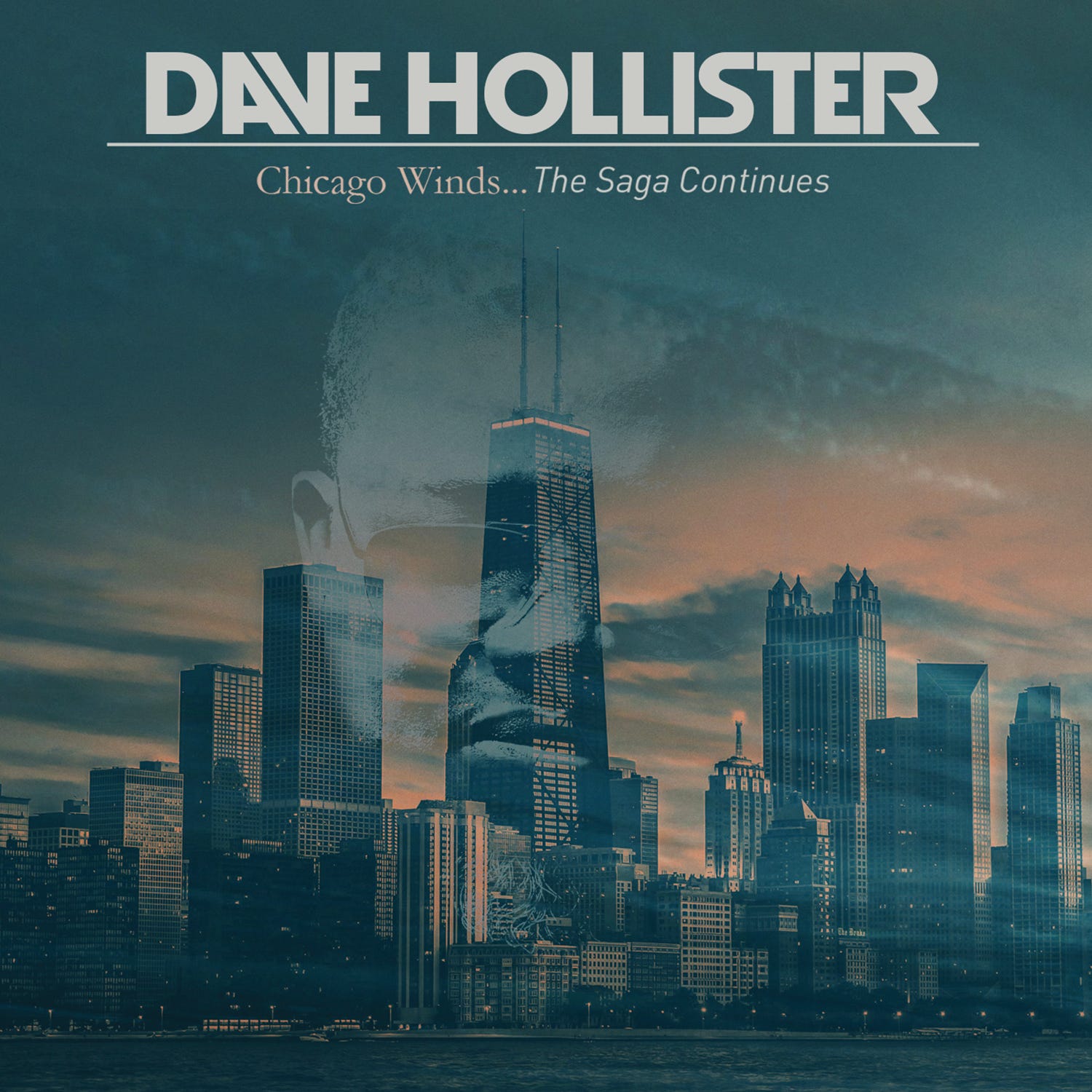
A key early voice in Blackstreet, Hollister released four solo albums by 2003, shifted into gospel, then returned to R&B here with Warryn Campbell. His voice and persona are far from Michael’s, but the reason he’s included is simple: there’s a boogie-minded dance record on the album, and it’s literally titled “Neverland.” The groove has a Prince-like funk edge more than an MJ one, yet the side-to-side bounce is the point, and it’s fun hearing Hollister, usually a heavier R&B singer, ride something this light on his feet. Teddy Riley’s participation comes through in the “Spend the Night” remix, which uses talkbox and briefly feels like a Blackstreet revival moment. — B.O.
Rating: ★★★★☆ (4/5)
An unexpected side-step into lighter dance energy from a singer known for heavier R&B weight, with one title alone making the intent impossible to miss. It’s a fun detour more than a definitive statement, but the groove choices justify the inclusion.
Kenny Lattimore, Weekend
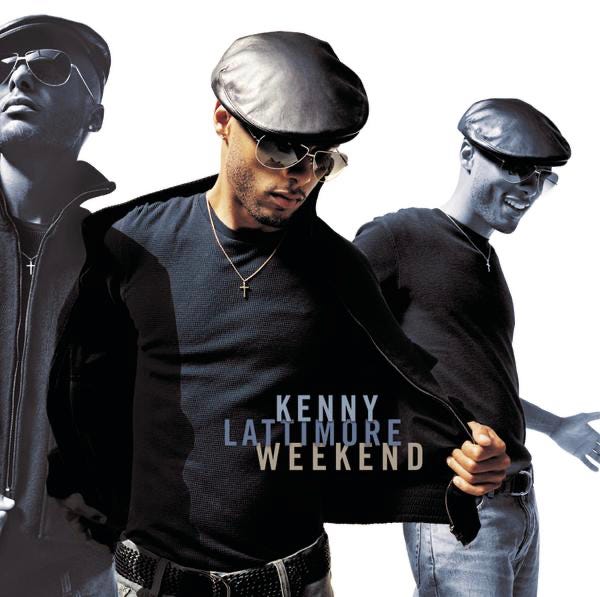
In the early 2000s R&B scene, there was a small wave of dance records that carried the same kind of groove as the early-‘80s “dance classics,” even if nobody was calling it “boogie” yet. One example is the male–female duo Koffee Brown’s “After Party.” Among those records, though, the most refined was “Weekend,” which opens this album. Built on a beat modeled after Blondie’s “Rapture,” it lays in harp, synths, restrained programmed parts that mimic single-note guitar cutting, electric piano, and more, keeping everything tight until it chooses the exact moments to lift the tension with gospel-tinged acoustic piano. The track’s effortless cool is hard to overstate, and Kenny’s understated-but-burning vocal is the perfect match. You won’t find another dance cut on the album in quite the same lane, but the rest of the songs are consistently high quality, including tracks with Babyface involved as a songwriter. His 2015 album is also a strong listen. — B.O.
Rating: ★★★★☆ (4/5)
A sleeper R&B album with one genuinely elegant dance record (“Weekend”) that shows how early-‘80s groove vocabulary can be updated without overproduction. The rest is quieter, but the writing stays high-quality and the singing is sturdy.
Shawn Desman, Back for More
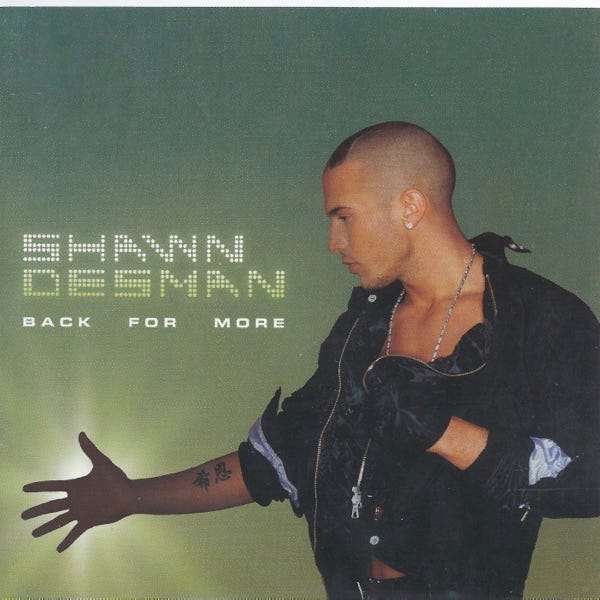
This Portuguese-Canadian singer is an MJ “child” who grew up copying Michael’s dancing and singing, but his musical identity leans strongly toward U.S. mainstream R&B. On this second album he rides productions from major R&B craftsmen (Rodney Jerkins, Tricky Stewart, and others), singing with a Kenny Lattimore-like combination of tension and ache. Tracks like “Let’s Go” carry an electro tint (built on a sample of Yazoo’s “Don’t Go”), and “Coo” can recall Yarbrough & Peoples’ “Don’t Stop the Music” bassline. He handles slow-to-mid records well too, and “Insomniac” (produced by the Cornerboys) plays like a template for that era’s urban-pop R&B ballad craft. A deep-cut perk is the cover of Vega’s shelved “Spread My Wings.” — P
Rating: ★★★☆☆ (3/5)
A clean mainstream R&B album that wears its MJ upbringing lightly, relying on strong producers, crisp structure, and a vocal that stays tense and romantic. Not a major classic, but a well-made example of its era’s best practices.
B.Slade, Stereotype
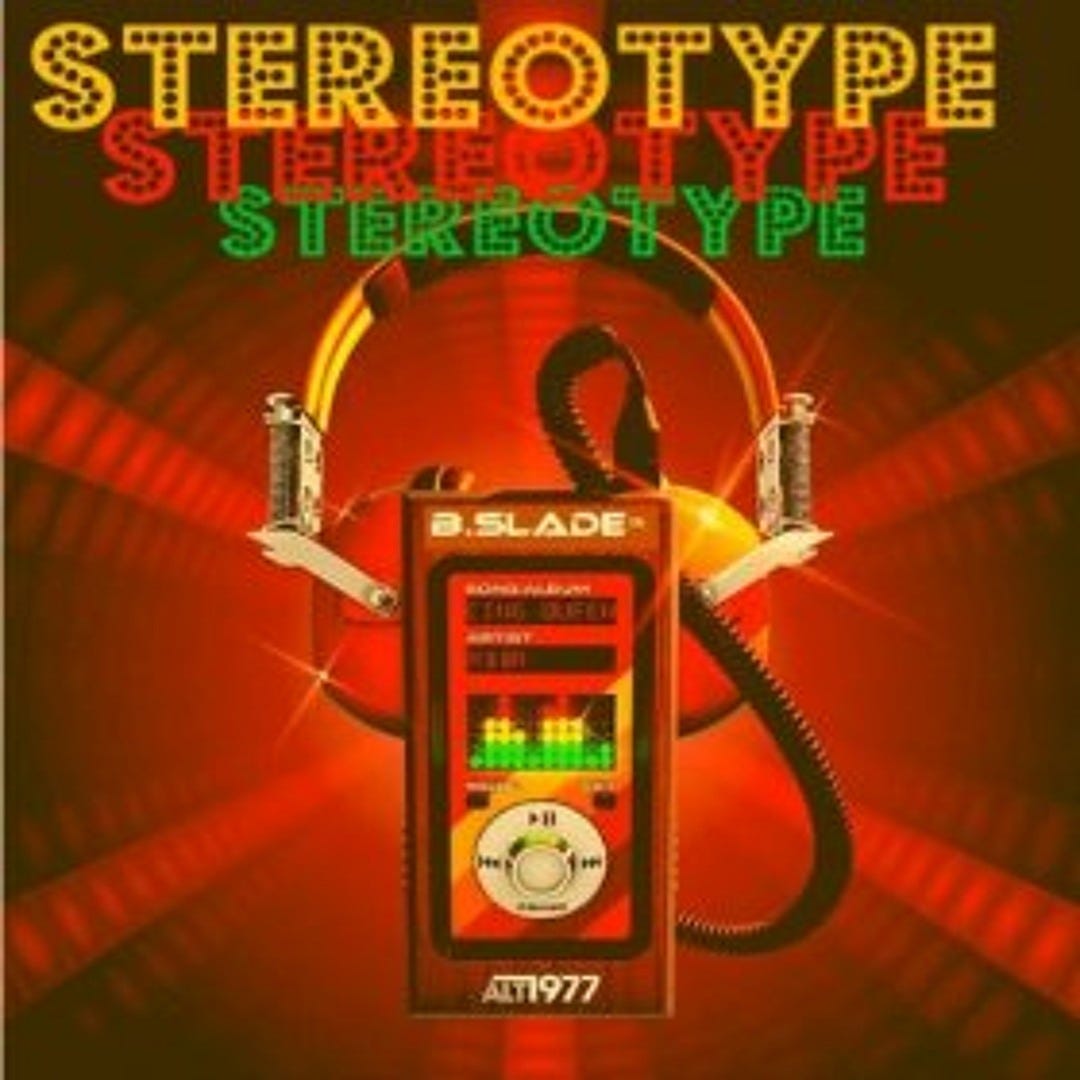
From the early days (as Tonéx/Toe-Nay), B.Slade was already versatile, moving from neo-soul to Timbaland-style cuts. His falsetto carries a heavy Prince shadow, but his devotion to the Jackson family runs just as deep: in 2010, he released the Michael-and-Janet homage mixtape Dance Floor Arsonist: The Jack5on Magic Mixtape (now unavailable). This is the substitute: the renamed-era album that pushes Motown rhythm harder while importing Michael’s solo-era chorus work into “Sonshine: 1971,” and then shifts into early-’80s disco-funk in “Baby, What’cha Gonna Do?,” where it can feel like Michael and Janet stacked vocals on the same hook. He’s also covered Janet’s “Alright” in a post–ambient-R&B arrangement, and that one holds up too. — B.O.
Rating: ★★★★½ (4.5/5)
A bold, Jackson-family-obsessed project that merges Motown propulsion with a very specific early-‘80s disco-funk density, then pushes it into shapes you don’t hear elsewhere. The ambition is audible, and the vocal work is fearless.
Beyoncé, 4
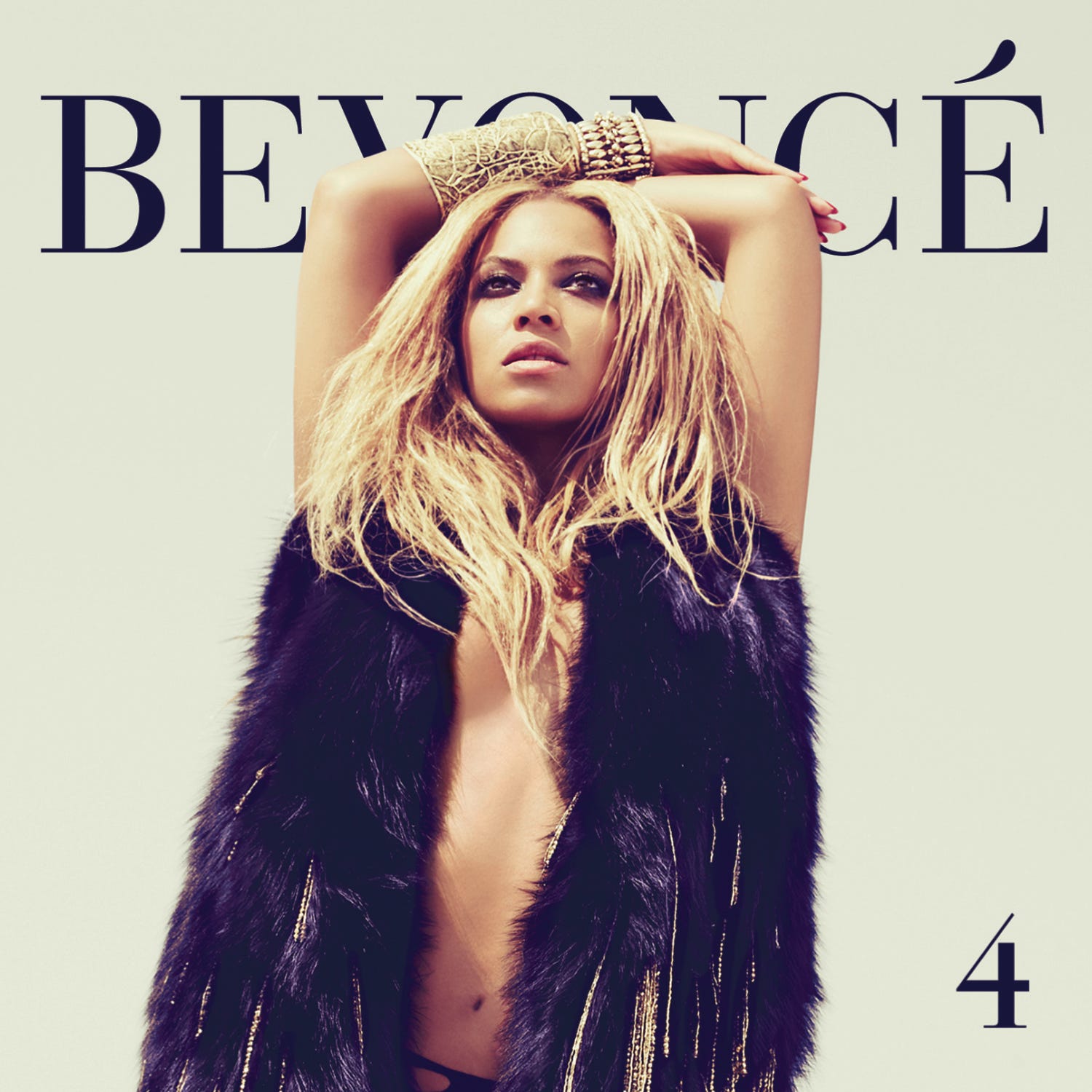
Queen of Pop, maybe—because once you account for scale, precision, and physical performance discipline, Beyoncé’s comparison set can narrow until it’s basically just Michael. After his death, she dedicated “Halo” to him in concert, and she’s also sung the 1972 Jackson 5 classic “I Wanna Be Where You Are,” making her devotion widely understood. But she isn’t an MJ follower through obvious imitation; she’s closer in the total package: big compositions and controlled vocal athletics. If you still want the most “Michael-adjacent” Beyoncé album, it’s this fourth solo record: the bright New Edition–styled “Love on Top” (co-written with The-Dream) and the cutting, Motown-era-Michael sadness of “Rather Die Young” sit closest to the lineage. The 2013 album also includes the boogie-forward “Blow.” — B.O.
Rating: ★★★★☆ (4/5)
A big-voice, big-composition album that connects to MJ through stamina, precision, and how hard the hooks commit to lift. It’s less about imitation than scale and control, with moments that hit the same bright, clean pop-soul nerve.
Bruno Mars, 24K Magic
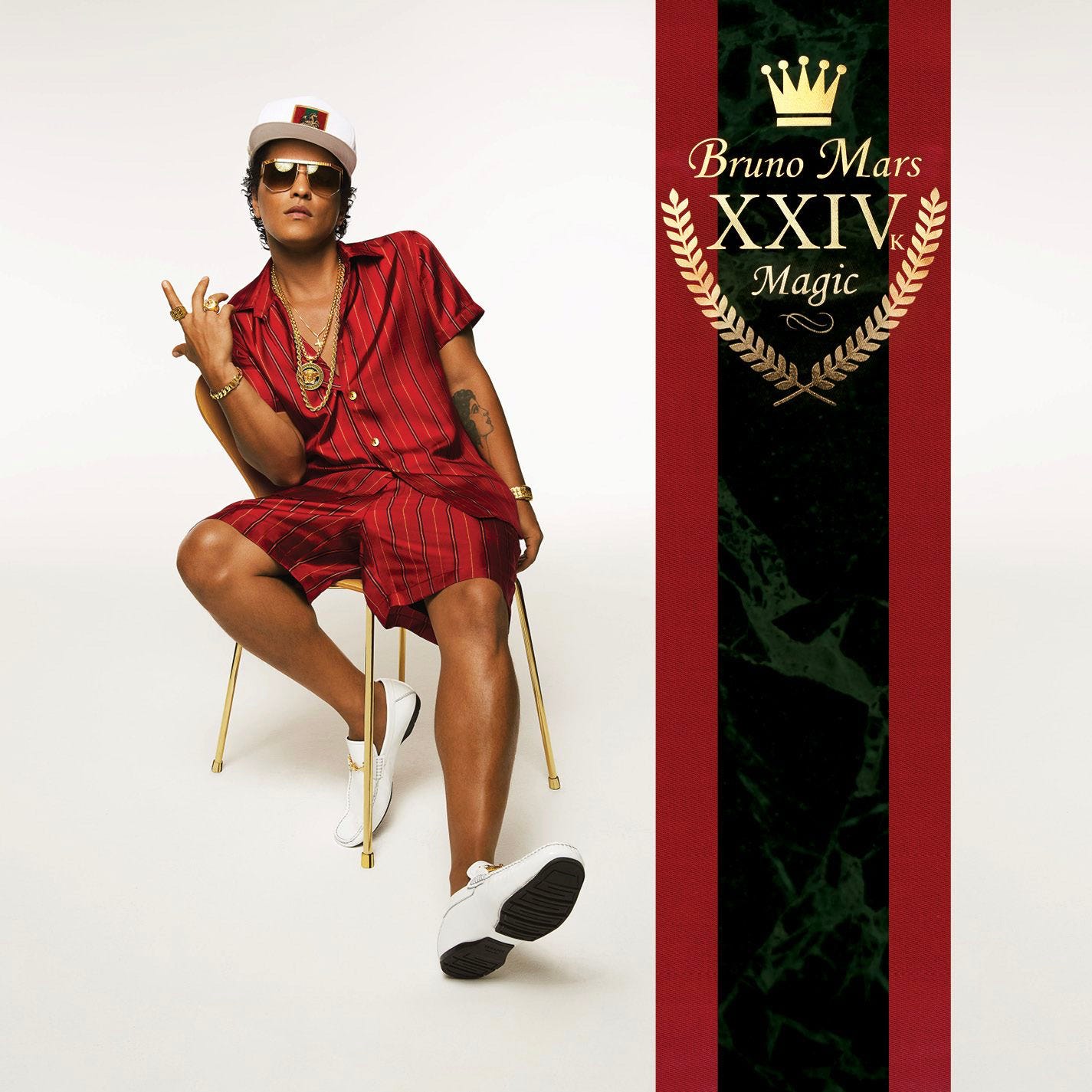
After Unorthodox Jukebox proved he could channel MJ’s disco-boogie lineage, Mars returned to commit fully to the cause. The title track opens with a synth bass and talkbox that place you squarely in early-‘80s territory, with production handled by Shampoo Press & Curl (Mars’s team with Philip Lawrence and Christopher Brody Brown) alongside additional work from the Stereotypes. “Versace on the Floor” runs like a Thriller-era power ballad through Bruno’s chest-to-falsetto switch, and “That’s What I Like” rides a programmed beat with a live-feeling groove, complete with hiccuping vocal ad-libs that register as MJ-coded. The whole record draws from funk, new jack swing, and ‘90s R&B—the music Mars grew up dancing to—and “Finesse” locks into the kind of sharp uptempo boogie that owes as much to Teddy Riley as it does to Off the Wall. — B.O.
Rating: ★★★★½ (4.5/5)
Anchors the boogie lineage in specific production choices and vocal techniques; the new jack swing and ‘90s R&B support places Mars in a clear MJ-to-Minneapolis-to-Harlem continuum.
Chromeo, Head Over Heels
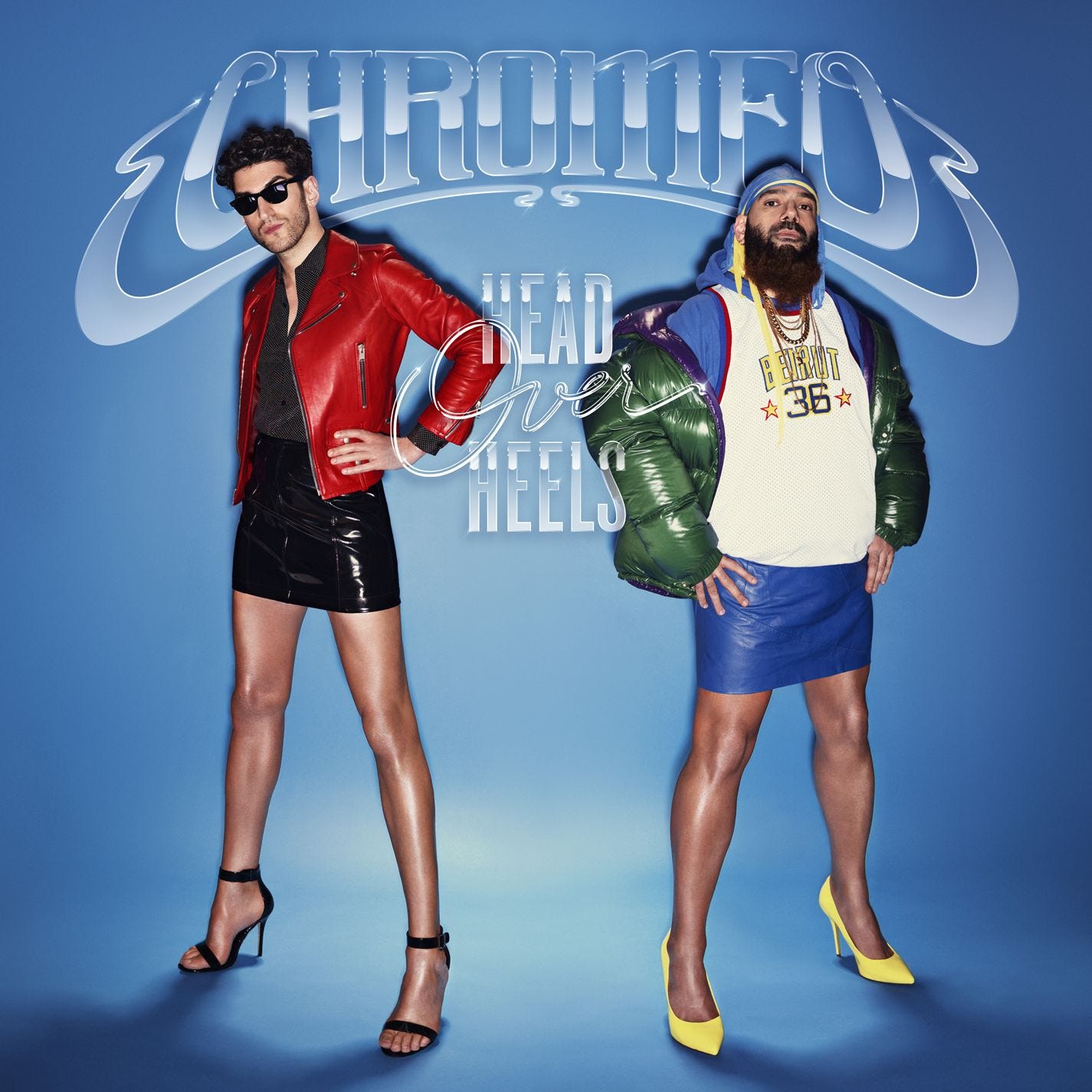
The Montreal duo of Dave 1 and P-Thugg have built their whole career around the 1981–83 synth-funk and boogie zone, making them natural inheritors of the Off the Wall–to–Thriller bridge. On this fifth album, the MJ shadow moves through the talkbox interludes, elastic bass synths, and handclaps that could slot between “Wanna Be Startin’ Somethin’” and D-Train’s “You’re the One for Me.” Dave 1’s falsetto follows Michael’s playbook of airy tension, and the overall atmosphere—synth stabs timed to the backbeat, drum machines warm enough to feel live—plays like a museum exhibit of the sonic textures Michael absorbed and transformed. — P
Rating: ★★★½☆ (3.5/5)
Strong grasp of the specific 1981–83 target era; could push one step further into describing what the vocals actually do on individual tracks.
Parcels, Parcels
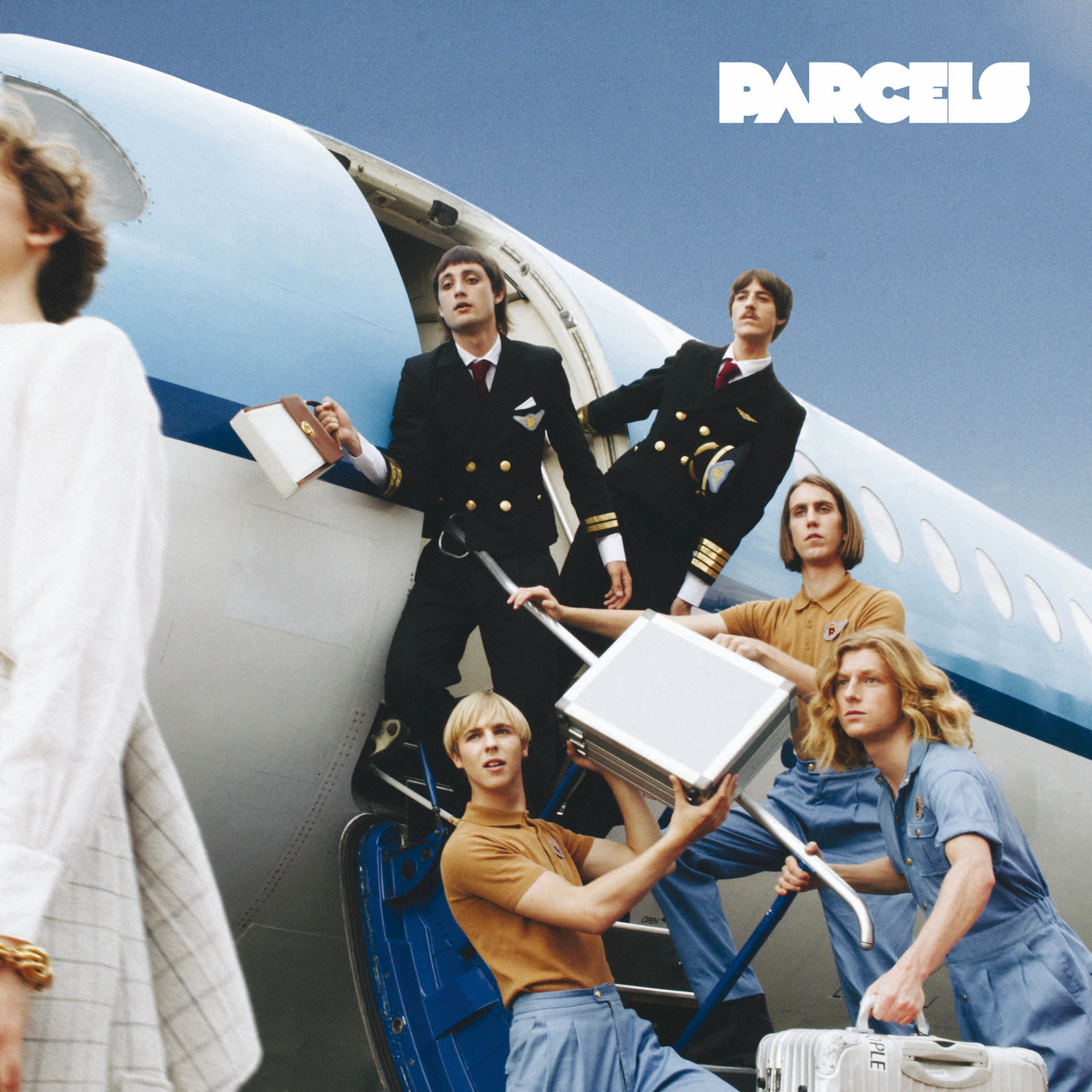
This Australian-via-Berlin quintet channels Chic, Earth, Wind & Fire, and Daft Punk into something that can feel like Off the Wall passed through European club sensibilities. The MJ-adjacent pull comes through the falsetto leads, the emphasis on rhythm-guitar syncopation, and the studio polish that turns every instrument into a discrete, gleaming part. They recorded “Overnight” with Daft Punk producing before the French duo’s breakup, which tells you exactly where their loyalties lie. Production literacy is high, and the record lands as a committed study of the disco-boogie inheritance line. — P
Rating: ★★★★☆ (4/5)
Effective at placing the band within the Off the Wall–Daft Punk lineage, slightly abstract on what makes individual songs tick.
KAYTRANADA, Bubba
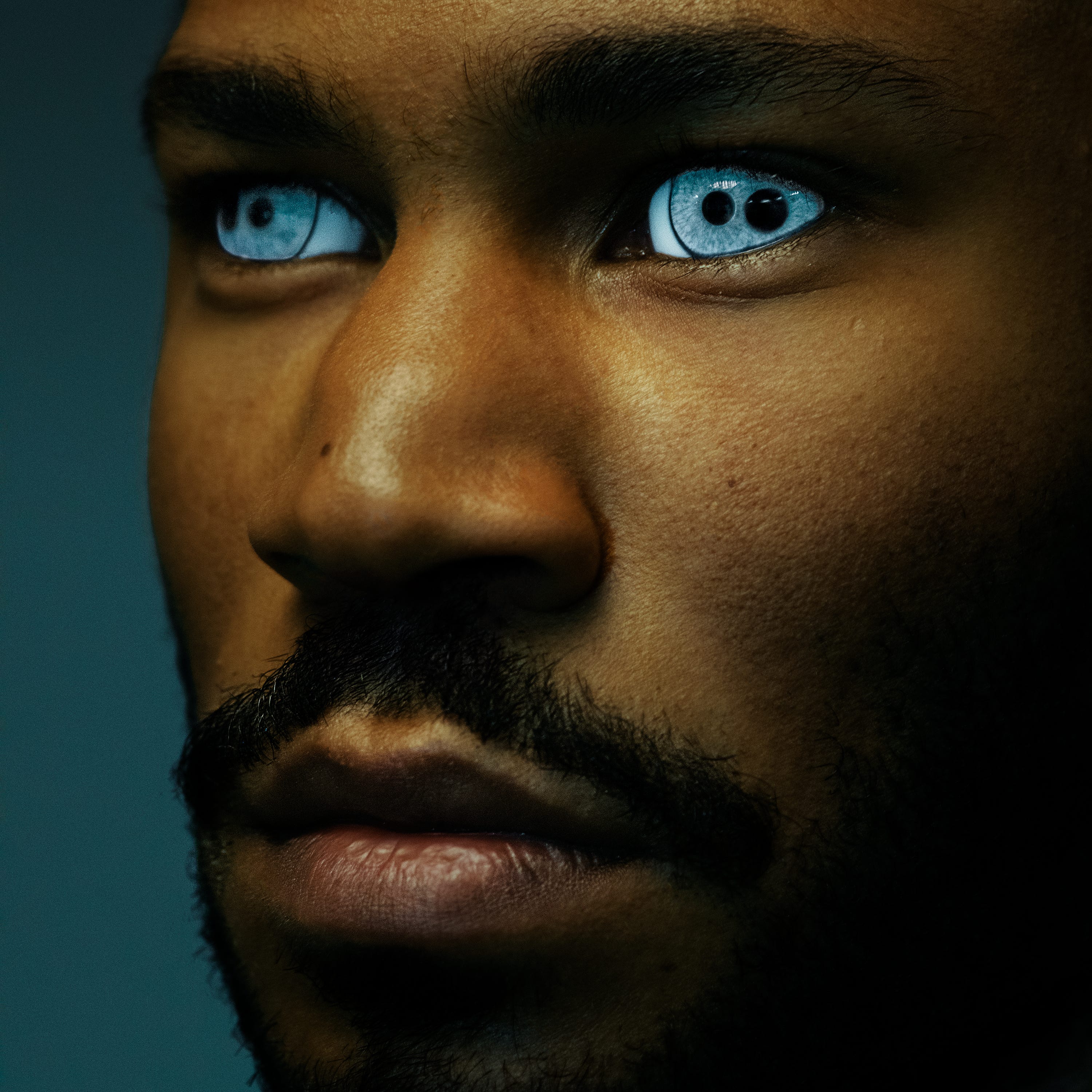
The Montreal producer’s second album lands in a zone between house, boogie, and contemporary R&B that makes the MJ lineage feel organic rather than cosplay. “10%” (with Kali Uchis) rides a syncopated bass and muted guitar that recall the “Don't Stop ‘Til You Get Enough” approach of layered Latin-jazz-funk rhythm. KAYTRANADA’s trick is understatement, where every sound sits in its own pocket, never overselling the groove, which is itself a lesson Michael taught. The album won the Grammy for Best Dance/Electronic Album, and tracks with Tinashe, SiR, and Pharrell pull hip-hop and contemporary R&B into the disco-boogie ecosystem without breaking the mood. — P
Rating: ★★★★☆ (4/5)
Identifies specific rhythmic mechanisms and places KAYTRANADA’s restraint as its own form of MJ inheritance.
The Weeknd, After Hours
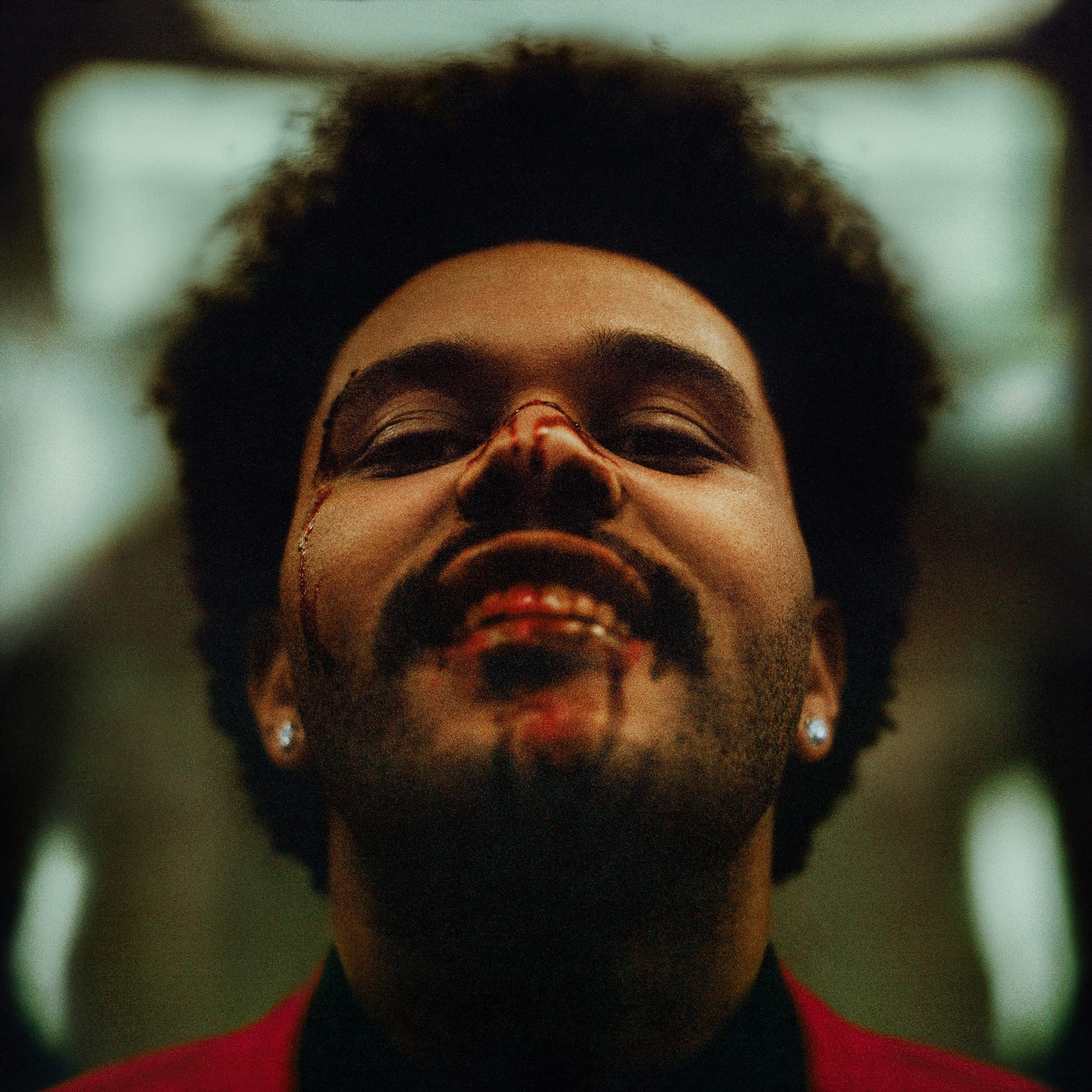
By now, Abel Tesfaye had moved from the ambient R&B fog of his early work into full stadium pop, but his MJ devotion remains a throughline. The title track’s seven-minute slow-burn carries the Thriller-era sense of cinematic darkness, complete with synth pads and vocal layering that recall “Billie Jean”’s paranoid pulse. “Blinding Lights” became the album’s signature moment, as this Max Martin–produced synth-pop runner that channels the same propulsive energy as “Beat It,” down to the yelp-adjacent delivery and the chorus’s anthemic tension. “In Your Eyes” pushes further into the Off the Wall camp, with a saxophone solo that’s played straight, not ironic, and a falsetto-to-chest-voice structure Michael codified. The visual album and short film heighten the Thriller comparisons, but the songs themselves carry genuine MJ DNA in their construction. — B.O.
Rating: ★★★★☆ (4/5)
Strong track-by-track mapping of MJ mechanisms. Occasional slippage into visual/narrative territory rather than pure sonic evidence.
Jessie Ware, What’s Your Pleasure?
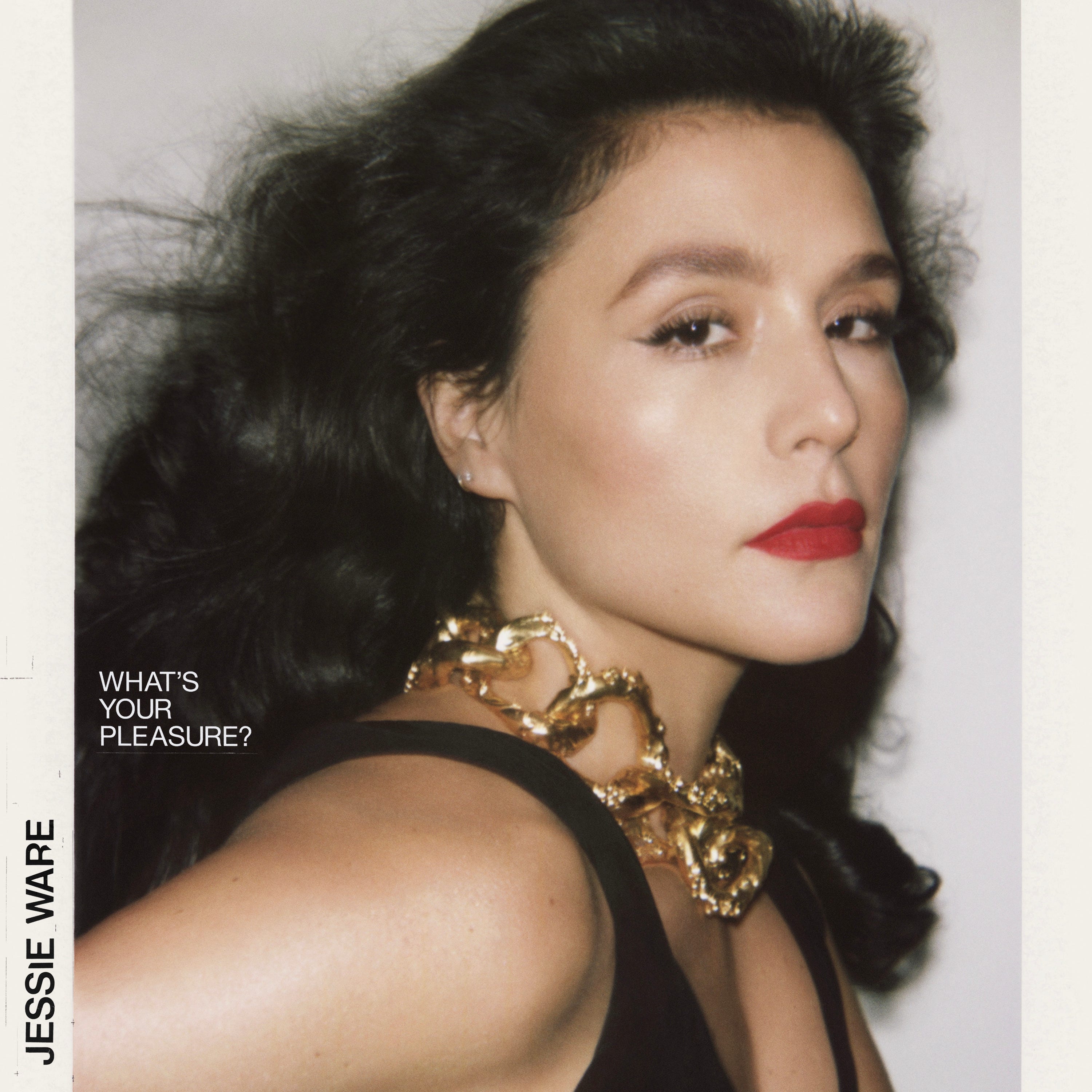
The British singer’s fourth album was her disco-revival statement, produced largely by James Ford (Simian Mobile Disco), and it rides a specific 1977–81 groove language. The MJ connection here is less direct imitation than parallel inheritance. They both draw from the same source pool of Chic, Giorgio Moroder, and Donna Summer. “Spotlight” opens with a pulsing bass synth and whispered vocals that evoke “Rock with You”’s midnight-ride energy, while “Save a Kiss” captures the tension-release structure Michael mastered on “Don’t Stop ‘Til You Get Enough.” Her voice doesn't chase MJ's tics—she’s more indebted to Sade and Anita Baker—but the production keeps flashing signals (string arrangements, drum programming that balances live feel with electronic precision). — P
Rating: ★★★★☆ (4/5)
Smart about drawing the disco-source parallel without forcing direct imitation.
Silk Sonic, An Evening with Silk Sonic
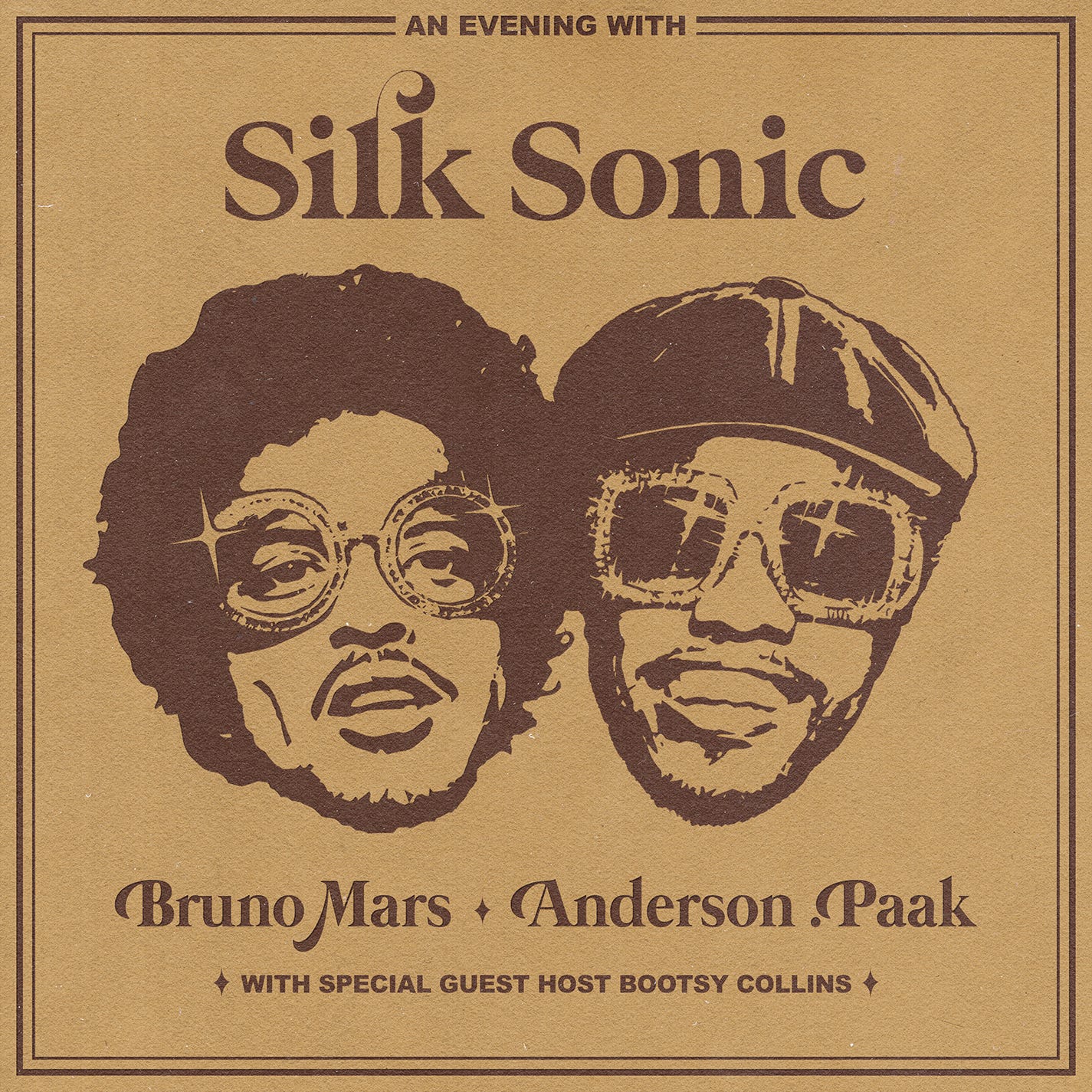
The Bruno Mars–Anderson .Paak collaboration was positioned as a soul throwback from the jump, but the actual record pulls from the early-‘80s smooth soul and funk zone. “Leave the Door Open” opens the album with a lush, mid-tempo ballad inspired by the Spinners, the Stylistics, and the Manhattans, complete with Larry Gold's string arrangements. “Fly as Me” plays like an uptempo built from James Brown and Parliament DNA, with .Paak’s drumming bringing a live pocket that keeps the nostalgia from feeling embalmed. D’Mile handles most of the production alongside Mars, and Bootsy Collins serves as host—he’s the one who named the duo—linking the Parliament-Funkadelic universe to the MJ-adjacent lane. Thundercat appears on “After Last Night,” adding another layer of funk pedigree. — B.O.
Rating: ★★★★☆ (4/5)
Strong at distinguishing the specific era being channeled. While it can feel gimmicky, Bootsy’s role and Paak’s live feel are effective precision details, even when the mix is clean.
The Weeknd, Dawn FM
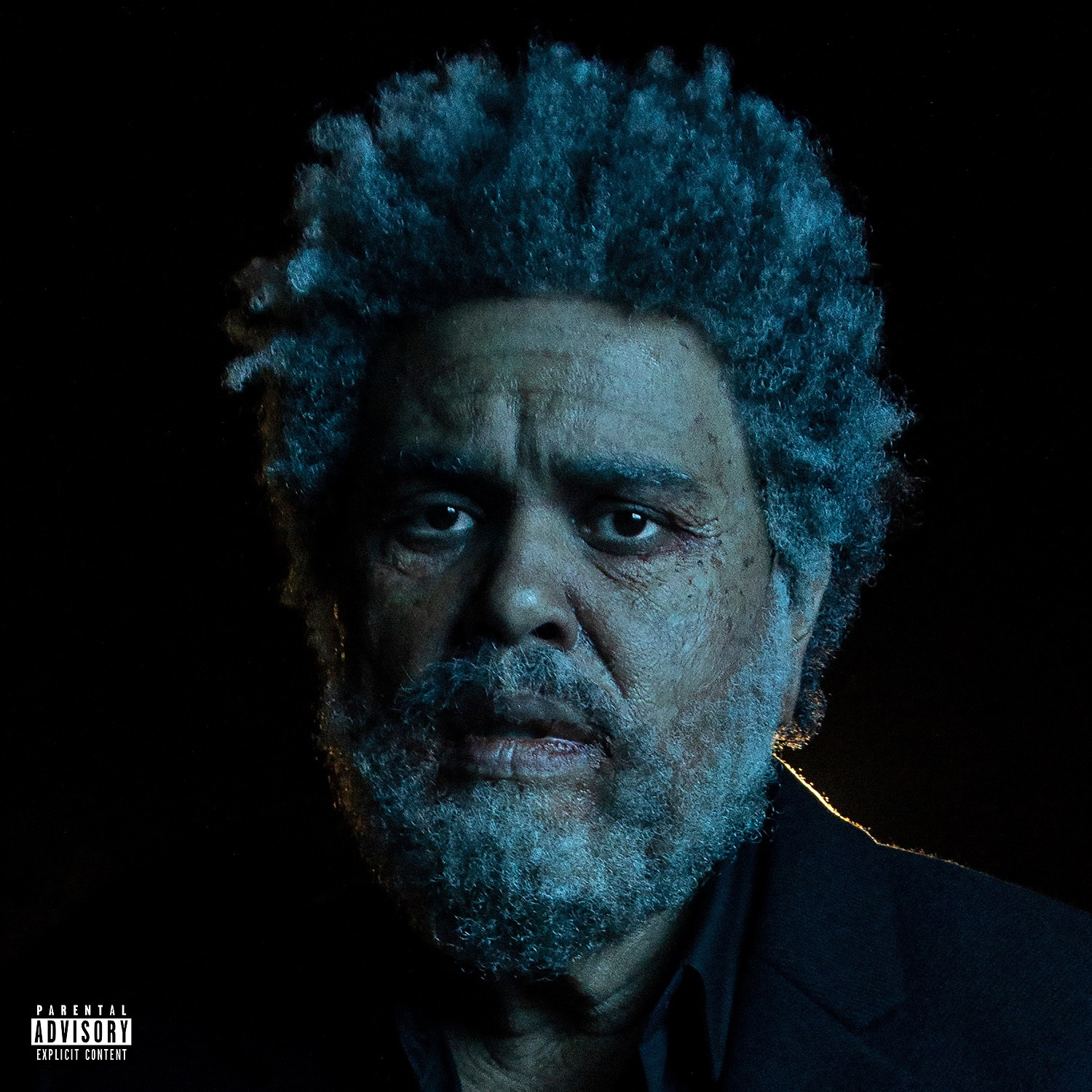
The sequel to After Hours pushes deeper into ‘80s synth-pop territory, with a concept framing (a purgatorial radio station, hosted by Jim Carrey) that gives license for maximum era pastiche. Executive produced by the Weeknd, Max Martin, and Oneohtrix Point Never, the album draws from new wave, funk, and electronic dance music. “Sacrifice” rides a disco structure with Swedish House Mafia's fingerprints, while “Take My Breath” deploys a high-BPM pulse. “Out of Time” samples Tomoko Aran’s 1983 Japanese city pop track “Midnight Pretenders,” threading the boogie lineage through an unexpected source. Quincy Jones appears with a spoken-word interlude on “A Tale By Quincy,” and Tyler, the Creator and Lil Wayne add features. The whole record feels like a committed argument for Michael as the spiritual ancestor of modern synth-pop. — B.O.
Rating: ★★★★☆ (4/5)
The Quincy Jones presence and Japanese city pop sample make unexpected lineage connections.
Beyoncé, Renaissance
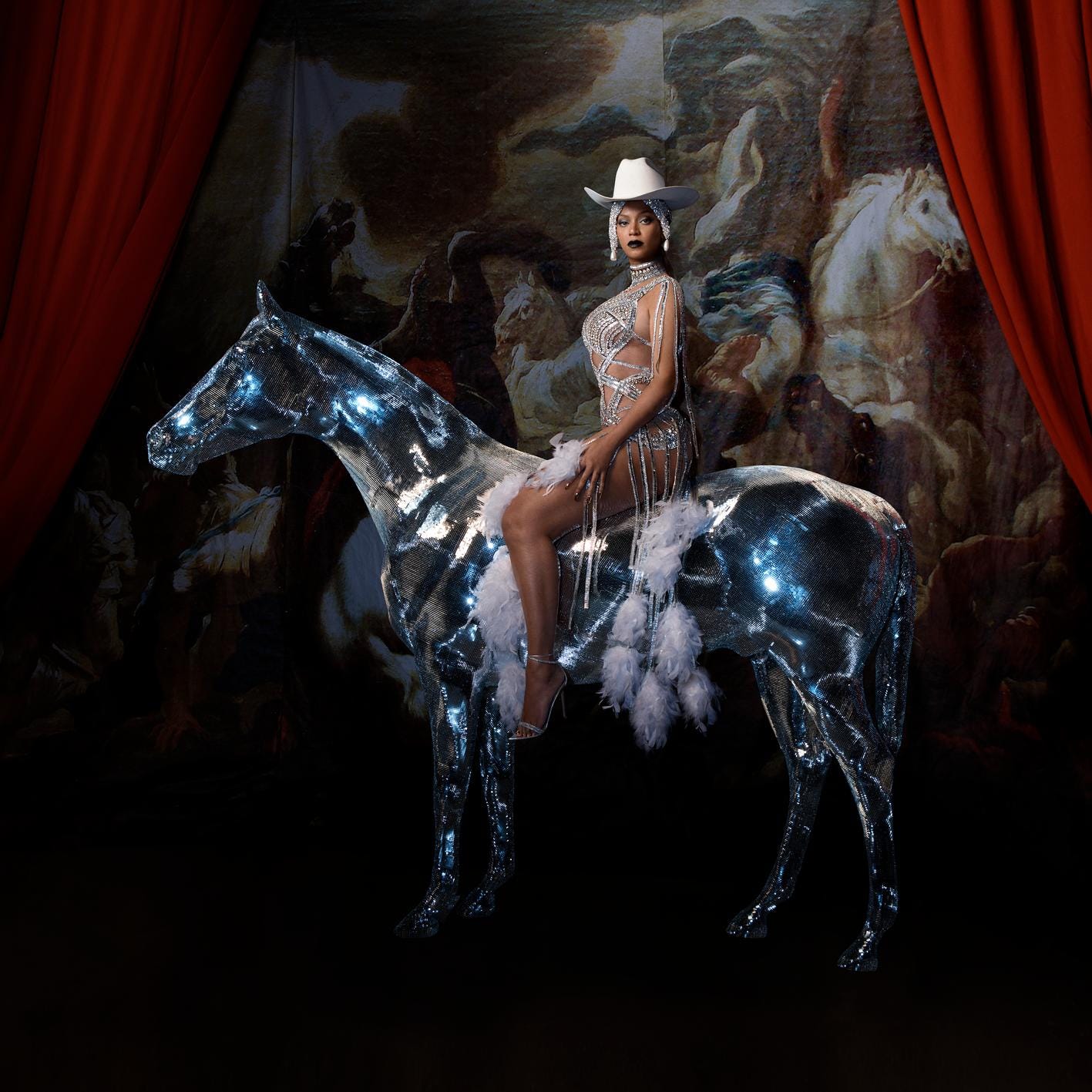
When the pandemic hit, Beyoncé caught on to what her fans missed most. And that is bodies together in the club, rolling faces, and sweating as a collective. The MJ lineage here is about inheritance at the level of ambition—both artists share a commitment to dance music as spectacle, precision, and physical release. The seven-minute “Virgo’s Groove” is the clearest Off the Wall descendant: a roller-rink fantasy built on a four-on-the-floor pulse with live-feeling instrumentation and a vocal that glides from chest to falsetto without strain. “Summer Renaissance” samples Donna Summer’s “I Feel Love,” threading Michael’s disco source material into 2022. The ballroom samples on “Pure/Honey” trace a lineage from house and vogue culture back through the club roots Michael drew from, while “Cuff It” rides a hook and syncopation that could sit next to “Wanna Be Startin’ Somethin’” without embarrassment. She enlists Hit-Boy, Raphael Saadiq, Honey Dijon, and Leven Kali—centering Black queer and trans artists while extending the “safe place” Michael’s music offered into new territory. — B.O.
Rating: ★★★★½ (4.5/5)
Situates Renaissance within the MJ lineage through specific songs, samples, collaborators, and thematic continuity. The connection feels earned and illuminating.
KAYTRANADA, Timeless
His third album opens with Janet Jackson’s voice on “Intro” and proceeds to justify that invocation across its runtime. The Janet/Michael connection runs deep here: “Witchy” (with Childish Gambino) locks into a groove that recalls Janet’s Control-era rhythmic precision, while “Drip Sweat” (with Channel Tres) builds from a minimal synth-bass figure that feels stripped to its skeleton and rebuilt with 2024 production tools. “Do 2 Me” brings Anderson .Paak and SiR together over Kaytranada's house-inflected production. The album's length (21 tracks including bonus material) allows for drift, but the core thesis—that house, boogie, and contemporary R&B share a common ancestor in the Off the Wall–Thriller zone—holds steady. Don Toliver, Ravyn Lenae, Dawn Richard, Tinashe, and PinkPantheress appear across the tracklist, each pulling the sound toward different corners of the MJ-adjacent ecosystem. — P
Rating: ★★★★☆ (4/5)
Good at tracing the Janet bridge and naming concrete collaborators. The album’s sprawl slightly diffuses the argument, but individual track choices are effective evidence.
Great collection and insight!
Always love to see Janet Jackson get her props. One of the most important artists in modern music that a lot of people forgot about (thanks to a bunch of dusty old bitter white execs).
Also, love to see a B. Slade mention!
This is absolutely massive, the depth of research here is wild. What stood out most was the thread from Off the Wall through Usher's 8701 and then into Bruno's 24K Magic, showing how that specific boogie DNA kept passing down. The B. Howard section was particualrly interesting since his MJ adjacent sound feels almost uncanny when you know the backstory. Would love to see a Janet focused companion piece with this level of detial.