

The Lineage of Michael Jackson (Kids / Young Stars)
Each guide is based on this run of albums, believed to be part of Michael Jackson’s roots. It then branches out into post-1995, drawn from that tree. Here’s the kids and young stars section.
Our previous guide and lineage series, The Handguide to D’Angelo, called itself an introduction to R&B, but much of what it covered fell into what people label the “alternative” realm. The question was how to introduce the mainstream R&B that didn’t fit neatly inside that category. Who could serve as the entry point, the way D’Angelo did, and still spark readers’ interest? After thinking it through and the biopic coming up, I arrived at only one answer: Michael Jackson. In a way, it’s an almost too-obvious conclusion. There isn’t a bigger icon than him.
Yet Michael, who ruled the music world as a superstar, is also an artist who can’t be said to have been fairly evaluated precisely because of that stardom. From the 1990s on, when tabloid TV began fixating on his skin and his court cases, it became even more pronounced, but even before that, it’s hard to deny how much the spotlight tilted toward celebrity coverage. And music journalism, too, has to answer for how seriously it confronted his music. In the end, up to the day he left this world, almost no one tried to face his greatness as a musician head-on.
This one is a handguide that barely touches on non-music topics, including lawsuits. Instead, it reconsiders Michael’s work, which has so often been discussed from a “King of Pop” perspective, by returning to its roots on the R&B side, and it introduces albums by current R&B artists (some Pop) who were influenced by him. It starts with the Epic-era solo work where Michael’s musicality bloomed at full scale, then goes backward in time to the Jackson 5 at Motown, where his childhood voice shines, and then moves to the Jacksons, where he awakened to his identity as an artist and the group shifted to Epic. In each section, Michael’s or the group’s work is introduced first, followed by an album guide of R&B releases (from 1995 onward) made under that influence. We also devoted space to Janet Jackson, whose music has been discussed even less than Michael’s, if anything. Alongside a full run-through of her albums, we introduce works by the singers who followed in the difficult wake of Janet, the most important icon for women R&B singers.
Being able to publish a guide like this isn’t unrelated to where the scene is right now. The roots of the disco/boogie revival that’s gained real momentum in recent years can be traced to Michael’s Off the Wall and Thriller, and to his work in the Jacksons era. At the opposite extreme, part of ambient R&B connects back to the sensual R&B sound Janet created with Jam & Lewis.
To begin with, most of today’s R&B singers have been fans of Michael and Janet since childhood, and they are followers who’ve absorbed enormous influence from the two of them. This time, though, while we were working, it was decided that a compilation tied to the guide would be released, and as we progressed with that project our thinking sharpened. The album selections became even more strongly “Michael-coded” and “Janet-coded.” As a result, Michael and Janet appear everywhere throughout the projects we include. A great many R&B works released after 1995 that have been described as “Michael-like” or “Janet-like” are collected in this book. An album guide that revisits current R&B so thoroughly through the music of these two is probably a first.
Sadly, Michael is no longer in this world. But his music hasn’t died. The miracle he created has been carried forward, and it still lives inside many artists even now. If this guide can spread that fact even a little, it would be more happiness than we deserve.
Corey, I’m Just Corey
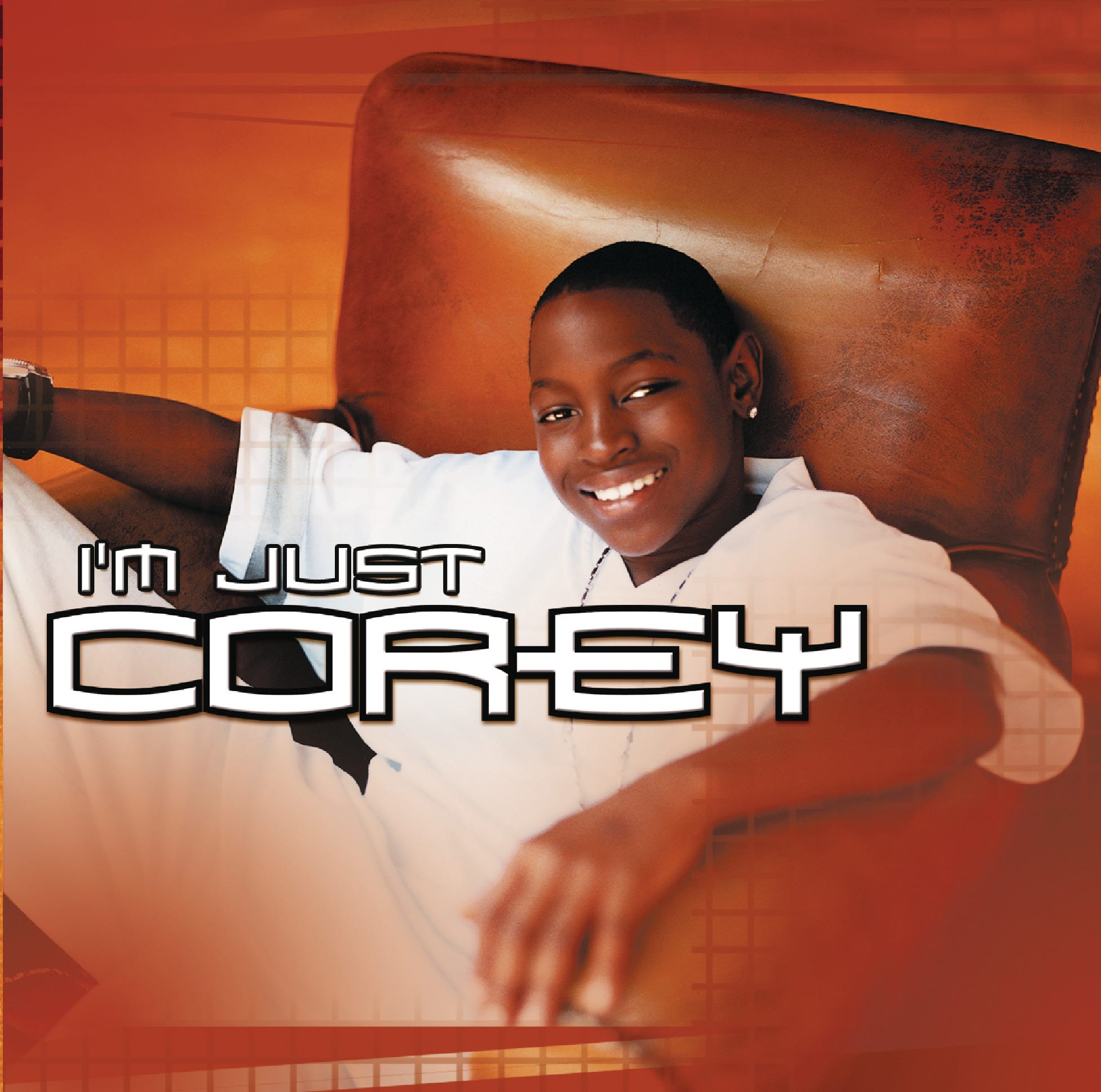
You could call Corey a singer with Michael’s stamp of approval. After all, the album’s bonus track includes a cover of the Jackson 5’s “All I Do Is Think of You” recorded as a duet with Michael himself. Corey, from Atlanta, sang it at around 13, younger than Michael was when he sang for the J5, and you can hear a boyishness that suggests he was right before his voice changed; considering this record, handled by the hometown Noontime camp, is aimed at listeners beyond just kids, it’s a dead-on choice. Still, on sticky up-tempos like the Atlanta-bass-leaning “Hush Lil Lady” featuring Lil’ Romeo, and “2 Can Play That Game” and “Hands Up,” where innocence and ache cross, his kid voice brings back early-teen MJ, which makes it easy to see why Motown president Kedar Massenburg was all-in on him as a “modern-day young Michael.” The slow jam “Soldier” is a great song that I’d put up with “Got to Be There.” — B.O.
Rating: ★★★★☆ (4/5)
A Noontime-produced Atlanta set that earns its MJ comparisons honestly—the sticky uptempos hit like early-teen Michael, and “Soldier” is a slow jam that genuinely rivals “Got to Be There.” The bonus cover of “All I Do Is Think of You,” cut with Michael himself when Corey was 13, seals the lineage.
Jason Weaver, Love Ambition
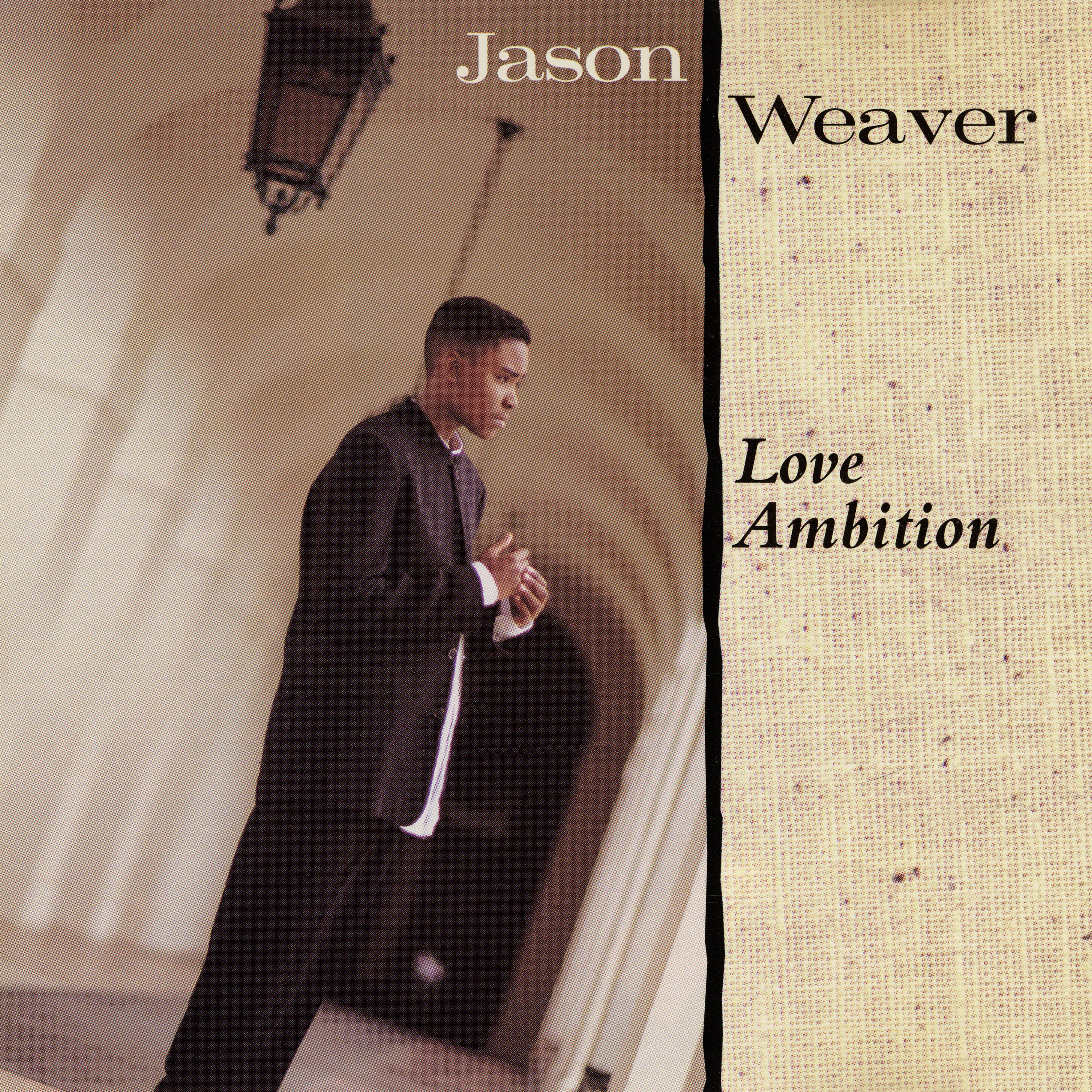
The one who played Michael as a child in the Jackson-family drama The Jacksons: An American Dream was Jason Weaver. Acting is his main work, and he has appeared in many TV dramas and films up to the present; as a singer, his first step was probably on the An American Dream tie-in album (1992), where he sang a cover of “I Wanna Be Where You Are” with era-typical programmed drums added by Lanny Stewart, among other things, and the record discussed here is his first and, so far, only full album. In other words, it was a side job for an actor, yet it’s astonishingly well-made. Maybe because it came out on Motown under Steve McKeever, who would later launch Hidden Beach, it sounds grown-up for his age (16), and he sings with care over tasteful, groovy tracks from Kenny Crouch (Andre Crouch’s nephew) and others. You don’t often find an album where the silence between the sounds feels this good. — B.O.
Rating: ★★★★☆ (4/5)
An actor’s side project that outclasses most full-time singers. Kenny Crouch’s production is elegant and unhurried, giving Weaver’s voice room to settle rather than perform. The silences between phrases carry as much weight as the singing—a standard most adult R&B albums never reach.
Ray J, Everything You Want
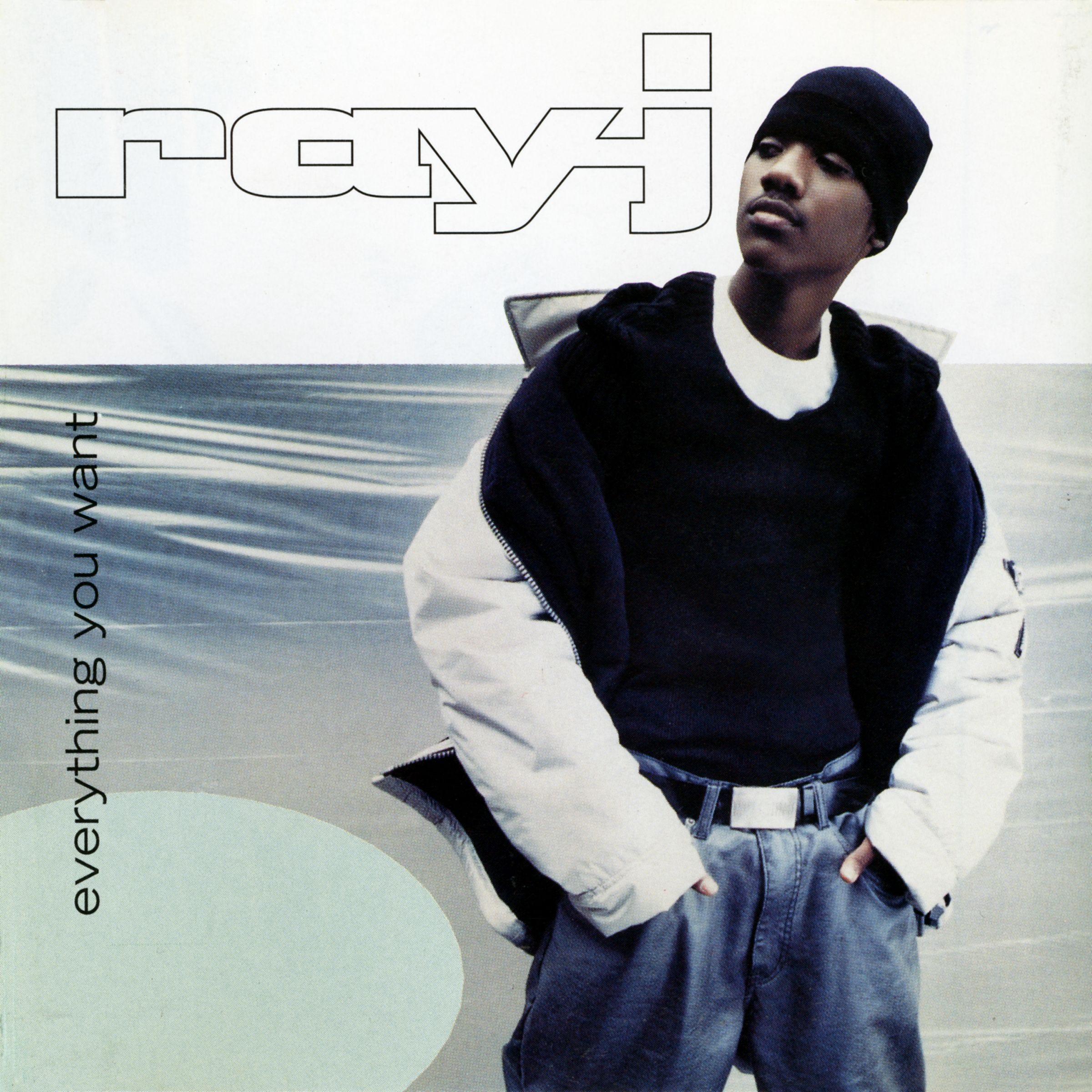
Even if he followed his sister Brandy, who debuted as a singer first, both of them stepped into show business around 1989, when Ray J was still eight. From 1993 he was a regular on a sitcom, so his 1997 debut might be seen as the choice to let him grow a bit before putting him out as a singer, in line with 1990s hip-hop values that treated “a man’s music” as the standard. The album is built as a straight copy of his sister’s model. The bouncy funk from Kenny Crouch and Jamie Jazz pushes the groove harder; “Let It Go,” for example, plays like a 1970s funk band, and the polished turns of “High On You” also connect to Michael’s “Rock With You.” Ray has loved Michael and Whitney since he was a kid, and the song he sang on a talent show was the Jackson 5’s “I Want You Back.” As an adult, his 2005 album Raydiation leans even more strongly into MJ’s influence and also includes top-tier ballads. — B.O.
Rating: ★★★½☆ (3.5/5)
It borrows the Brandy playbook so heavily that the strongest moments read as execution more than discovery. Where it wins is groove, the funk tracks have real bounce and a live-band spine, and the smoother cuts carry a level of arrangement polish that fits a young singer trying to sound grown without faking swagger.
Tevin Campbell, Back to the World
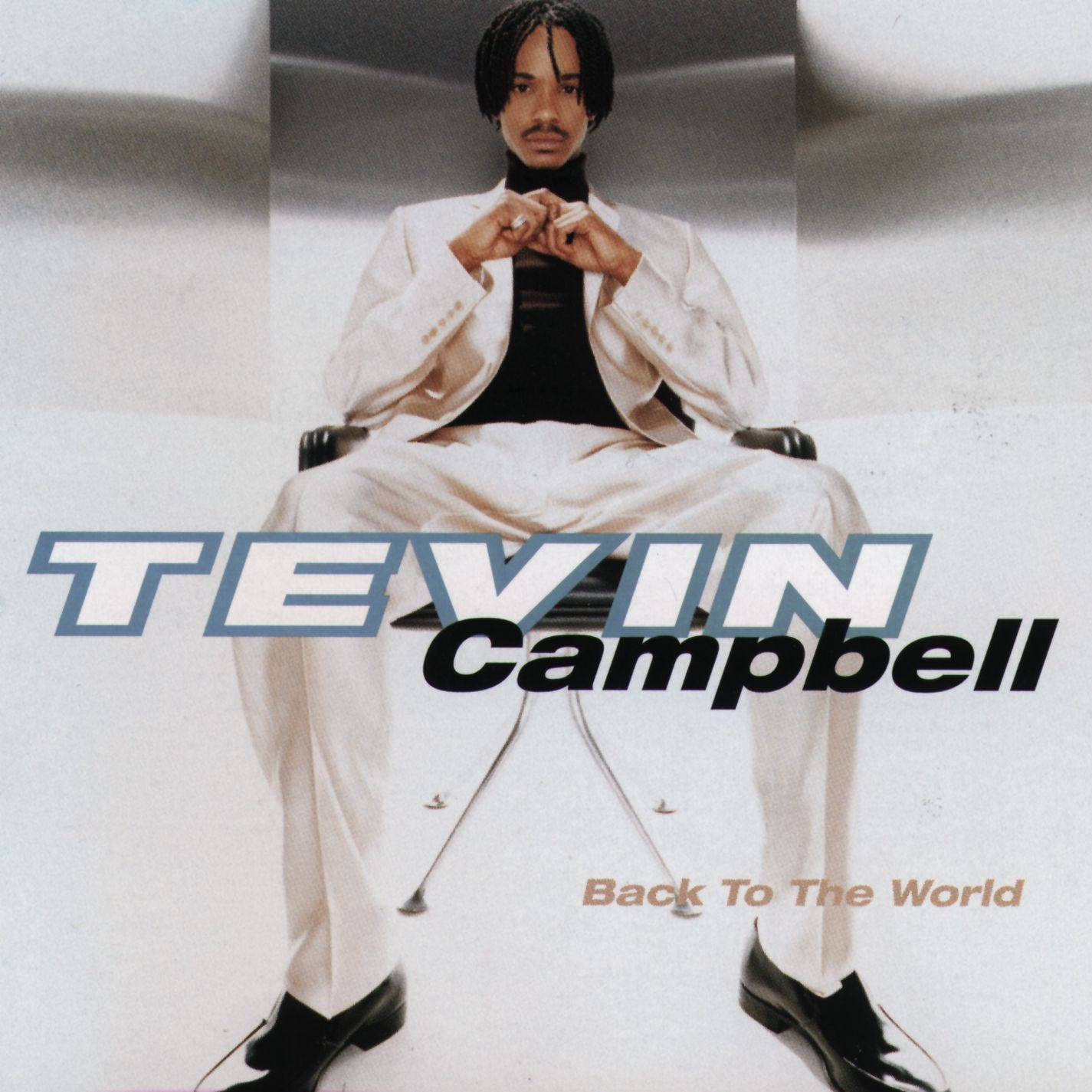
He was 12 when Quincy Jones, who had stepped back from Michael’s work, picked him for Back on the Block (1989) and had him sing “Tomorrow.” As the maestro’s prized young talent, Tevin made a flashy album debut in 1991, ringing out a pure voice untouched by grime and scoring hits like “Tell Me What You Want Me to Do” and “Can We Talk.” This is the third album he released at age 20. It makes sense that he fits the melody-first mid-tempos from Babyface and that circle, who return from the previous album; what stands out is how he can take Diddler–produced hip-hop soul (which the sound was popular at that time), the kind of material that would usually come out rougher, and tint it clean and sweet-sour anyway, because that child-prodigy quality is so strong in him. Maybe. It didn’t turn into a big hit, but it’s a record you’d want close by, alongside Jason Weaver’s album, with its similar touch of smart, funky seasoning from Kenny Crouch and others. — B.O.
Rating: ★★★½☆ (3.5/5)
Quincy Jones's hand-picked prodigy, fully grown at 20 but no less pure in tone. Babyface's mid-tempo songs are a natural fit; the others are not. No breakout singles, but a deeply consistent third album.
J’Son, J’Son
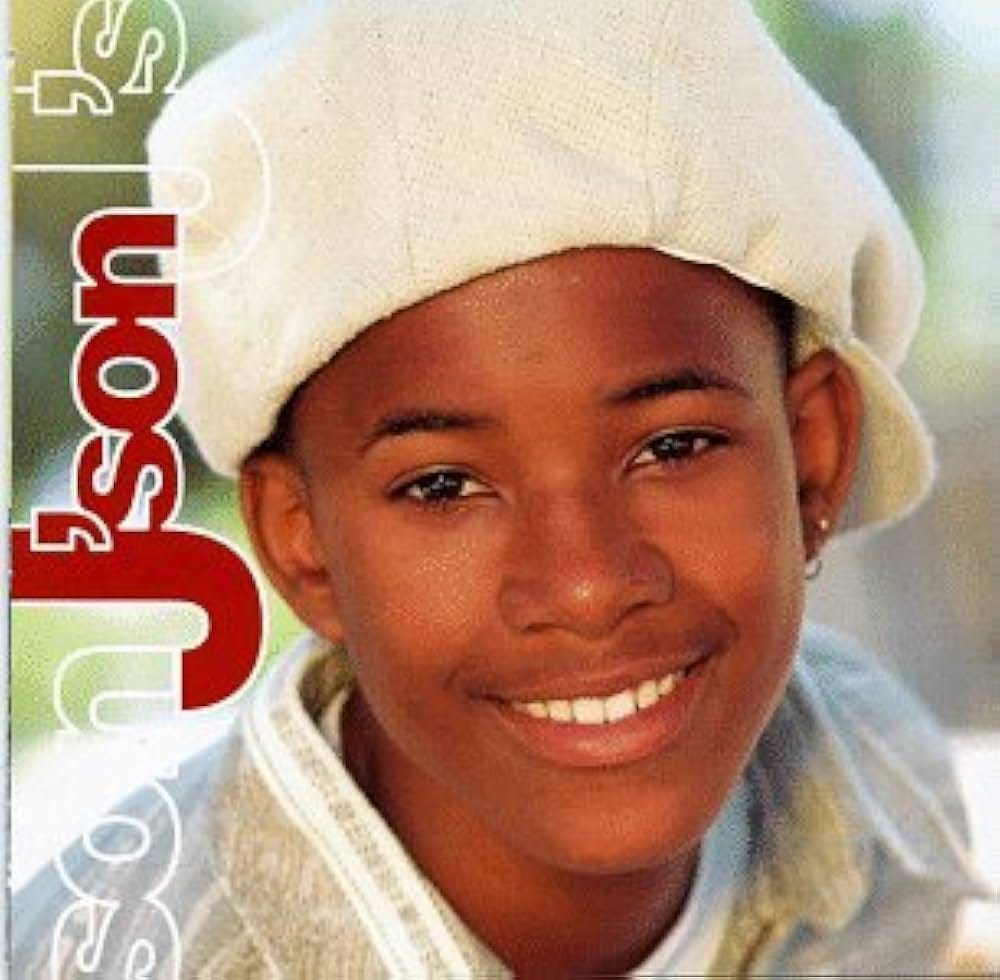
A boy singer from L.A.’s South Central (now South Los Angeles) with a sunny smile as bright as his voice. Born in 1980, he was 15–16 at the time, and his pure vocals, still carrying a pre–voice-change innocence, are the kind that make you soften. His only solo album under the name J’son, with a shout-out to Michael in the booklet, was probably made with boyhood MJ in mind. The standouts are the first two tracks: “Take a Look,” which uses the Emotions’ “Blind Alley” and can also be taken as an answer to Mariah Carey’s “Dreamlover,” and “Silly Game,” which uses Delegation’s “Oh Honey.” Both are hip-hop-soul manners pieces produced by Trackmasters, but the approach stays relentlessly clean; it brings up a picture not of the street, but of school. There’s also a cover of Hall & Oates’ “I Can’t Go for That.” He later joined his friends’ group 3T and worked solo under the name Jay Sonic. — P
Rating: ★★★½☆ (3.5/5)
Trackmasters keep it scrubbed and school-hallway bright—“Take a Look” and “Silly Game” are hip-hop soul done with an innocence that never feels forced. The voice is warm and capable, but the album stays in its lane without ever testing how far it could go.
Quindon, Quindon
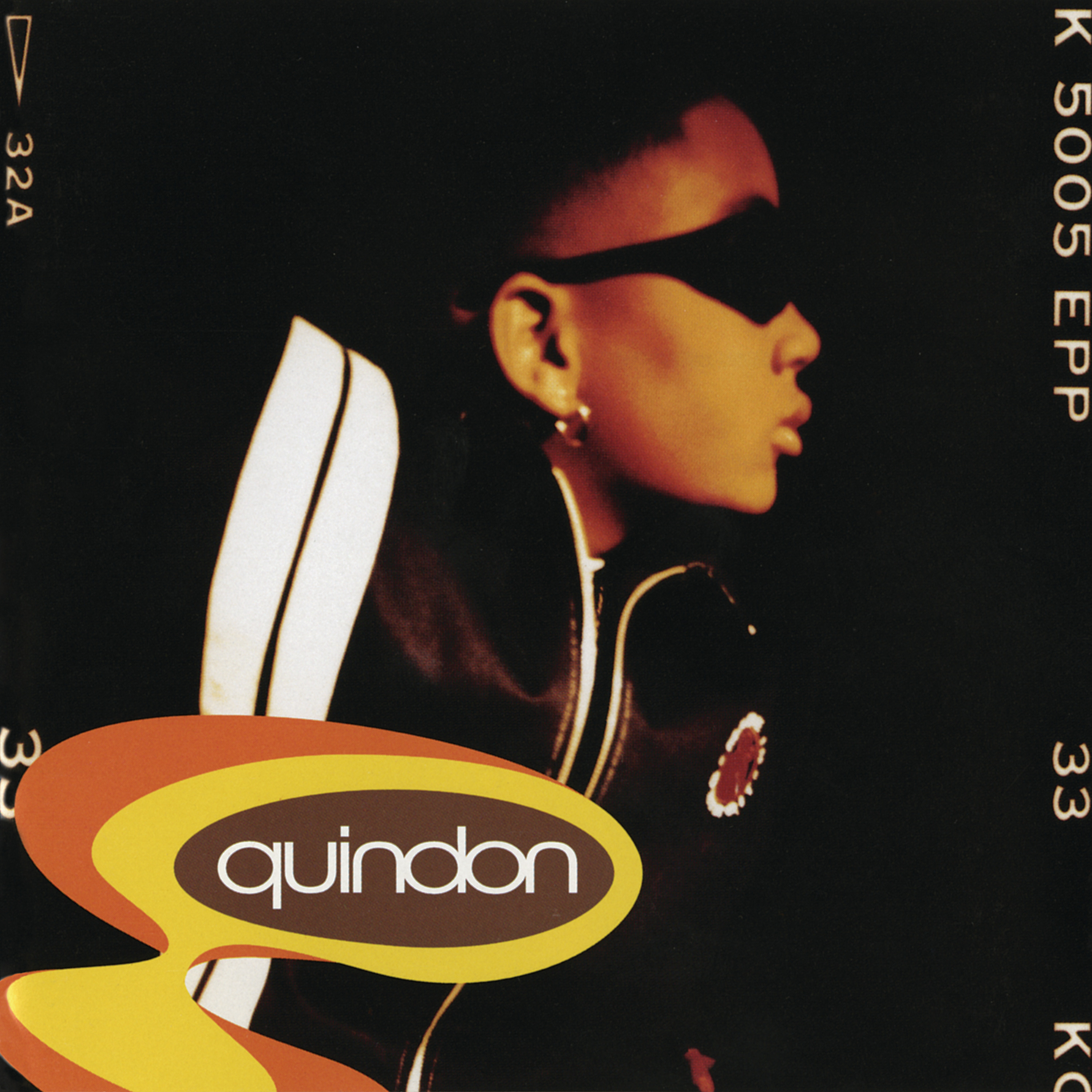
Michael set the precedent of a kid with adult-level singing ability, and it doesn’t seem unrelated to the mid-1990s boom in serious teen singers. In an era that demanded cool, grown-up singing was prized, and Chris Stokes, who had already put out Immature, introduced Monteco in 1995 and then Quindon in 1996. He’s the boy who delivered a stunning solo of “Everybody’s Free (To Feel Good)” in the key church scene of Romeo + Juliet starring DiCaprio, where the two leads pledge their love. On this record, he goes all the way with a church-raised, melisma-heavy style. On “Wrap Your Heart Around Mine,” sung with only the bare minimum of accompaniment, he charges from high notes down into the low range without a break, tying it together with runs. In style it’s hip-hop soul with the same kind of rugged beats as Monica’s debut from the year before. His open, unburdened belting, like Michael as a child, feels fresh. — B.O.
Rating: ★★★★☆ (4/5)
Church-raised melisma deployed. The rough hip-hop soul production matches Monica’s debut-era grit, and Quindon hits it with authority no coaching alone could manufacture.
Sammie, From the Bottom to the Top
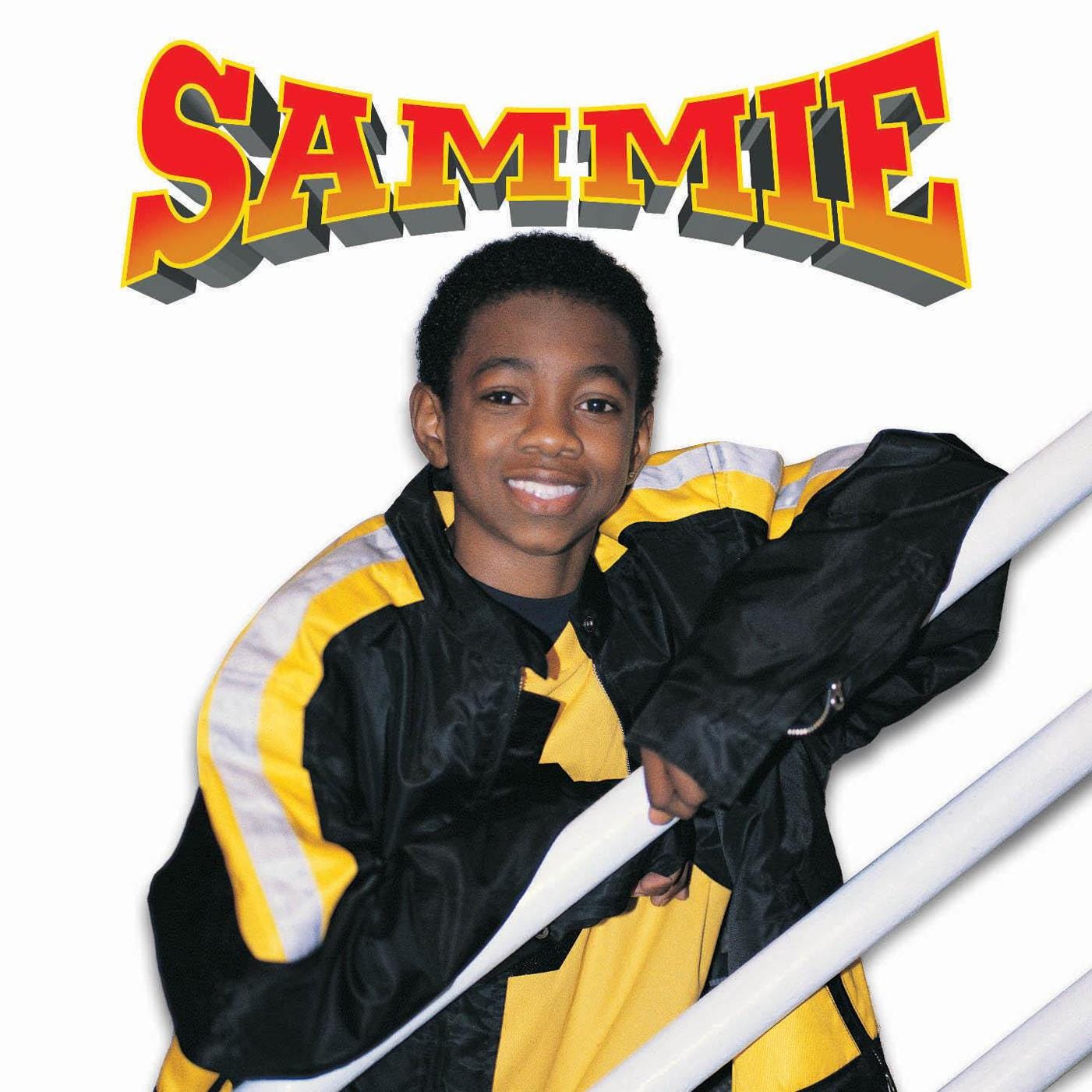
When people made noise about him as the second coming of Michael Jackson, he was still 13. Thirteen is also the age when Michael scored a hit with “Got to Be There.” Sammie, like Michael around that time, became popular as a pure, lovable, and still soulful singer. What made his music distinctive was that it was a new-era bubblegum soul built on newer sounds. His debut single “I Like It” has an off-kilter arrangement where a mellow mid-tempo mutates halfway into double-time bass music, full of a pop sense that only a kid could get away with. And there’s a reasonable background for that bass, since it’s the beat of Sammie’s hometown, Miami. It was produced by Dallas Austin, who has a history of working on MJ projects. On “Can’t Let Go,” featuring Lloyd of N-Toon, he chops his vocals with a Michael-like, exceptional sense of rhythm. His 2006 second album is a grown-up, straight soul record. — B.O.
Rating: ★★★★☆ (4/5)
Dallas Austin builds a Miami bass flip into “I Like It” that only makes sense coming from a 13-year-old from that city—the local logic justifies the wildness. The rhythmic vocal precision on “Can’t Let Go” is pure MJ instinct. Never hides behind cuteness, which is the rarest thing a kids-R&B record can do.
Brandon Kane, True Love
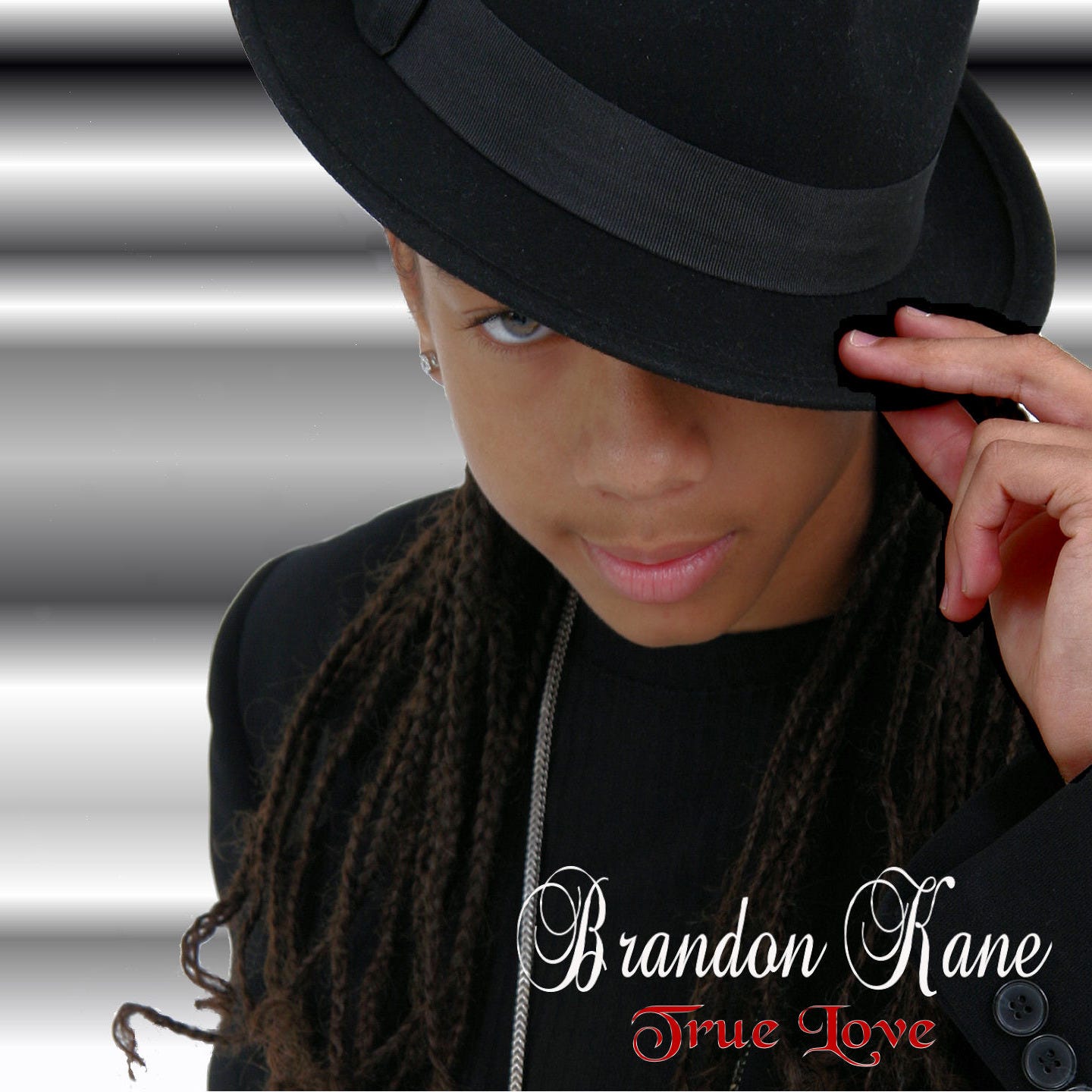
Brandon played Young Simba, the child version of the lead, in the musical The Lion King from age 12 to 14, and after that, while doing chorus work on Disney productions like the High School Musical series and Camp Rock, he opened his path as a solo singer on MySpace and made his debut on this indie release (the cover shown is the Japanese edition). His type sits in the Marques Houston to Omarion lane. He seems like a nimble singer, handling a wide range of styles cleanly and fresh, from the Insomniacs-produced aggressive up-tempo “Chit Chat,” to the hip-hop-soul “The Only One,” which rides Puff Daddy’s “It’s All About the Benjamins” beat and features Accent, to the light Atlanta pace of “Enough of You,” to the Ne-Yo–styled “Shop Around.” The way the choruses are stacked is beautiful, and his androgynous voice has moments that feel Michael-adjacent. Apparently, his grandmother is Japanese. — B.O.
Rating: ★★★½☆ (3.5/5)
Moves cleanly through Atlanta bounce, Neptunes-adjacent hip-hop soul, and Ne-Yo balladry without stalling anywhere. The harmony stacking is genuinely beautiful, and the androgynous timbre flashes Michaelian warmth in brief moments. Consistent and fresh, but never lands the one track that would make it essential.
Kimberly Scott, Kimberly Scott
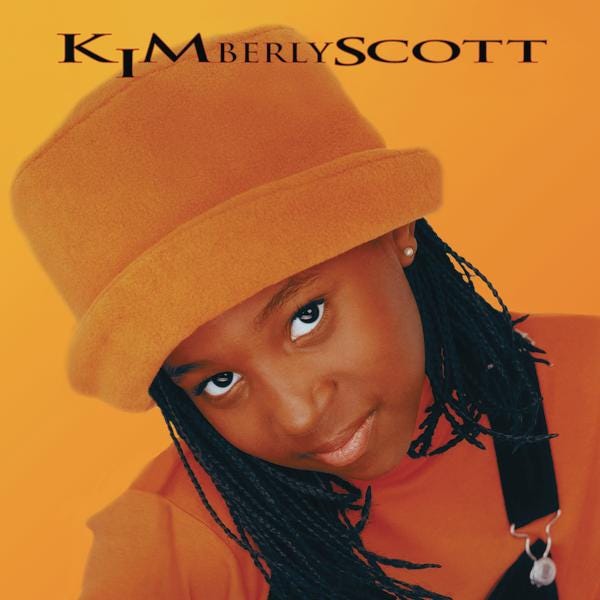
You wouldn’t think it was the work of an 11- or 12-year-old girl if you didn’t look at the album jacket. Her voice is that mature, and the songs, made mainly under the direction of Ernest Phillips of Starpoint, are mature all the way through. Her breakthrough song “Tuck Me In,” for example, is a slow jam with a sadness that sounds like someone who already knows the adult world inside out (even if Wyclef’s remix version leans into a kid vibe). “You Never Know,” co-written by Deborah Cox, also comes at you with a poised, expressive performance, and the tracks produced by Soulshock & Karlin have a force that recalls Brandy at her debut. In other words, there’s nothing here that hides behind childlike charm or cuteness, which is why it links up with Michael in the Jackson 5 era, and it makes sense that she covered J5’s most grown-up, wistful song, “Never Can Say Goodbye.” Her cover of Stacey Lattisaw’s ballad “Let Me Be Your Angel” is also well done. She is currently active in her hometown Washington, D.C., go-go scene. — P
Rating: ★★★★☆ (4/5)
Eleven years old and not a trace of childishness used as a cover. Ernest Phillips builds songs that demand real emotional weight, and Scott delivers. Soulshock & Karlin bring an edge that recalls early Brandy. The maturity is structural, not cosmetic.
Tatyana Ali, Kiss the Sky
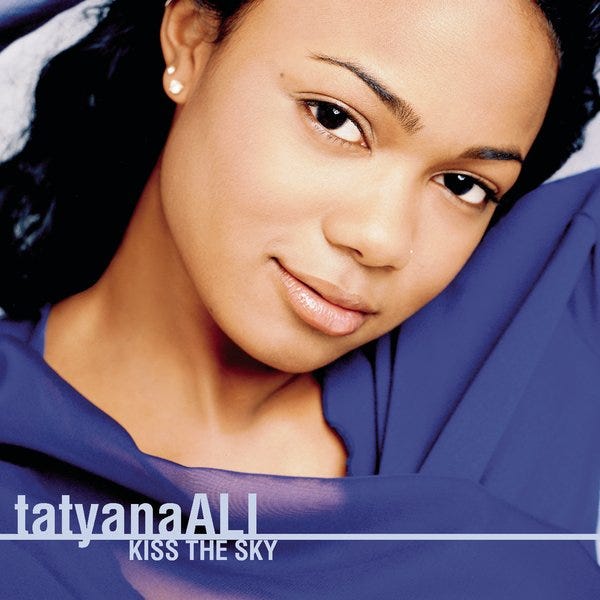
An idol who worked in commercials and on stage from early childhood, then became a household favorite after joining Will Smith’s sitcom The Fresh Prince of Bel-Air at age 11. Her singer debut, released under a contract with MJJ run by Michael, a major elder in the entertainment world, involved Will’s Philly connections: Boyz II Men’s Shawn Stockman and A Touch of Jazz (ATOJ) also took part in the production, and over a high-quality sound suited to her real age (18–19), she sings a girl’s heart cleanly. “Boy You Knock Me Out,” which quotes familiar Bobby Caldwell and Kool & the Gang material, and “Daydreamin’,” a Rodney Jerkins track built on Steely Dan’s “Black Cow,” are standout hip-hop-soul lineage songs; the latter, especially, with its cute manner, has a cheerfulness that links to the Jackson 5. There’s also the slow “Through Life Alone,” sung gently with a pretty voice that recalls Janet. ATOJ’s “He Loves Me” was later remade by Jill Scott. — P
Rating: ★★★★☆ (4/5)
MJJ backing and a Philly-connected team give this debut a quality ceiling most teen pop never approaches. Rodney Jerkins's “Daydreamin’”—built on Steely Dan’s “Black Cow” —is the standout, its J5-sunny ease making the hip-hop soul framework feel effortless.
Cleopatra, Comin’ Atcha!
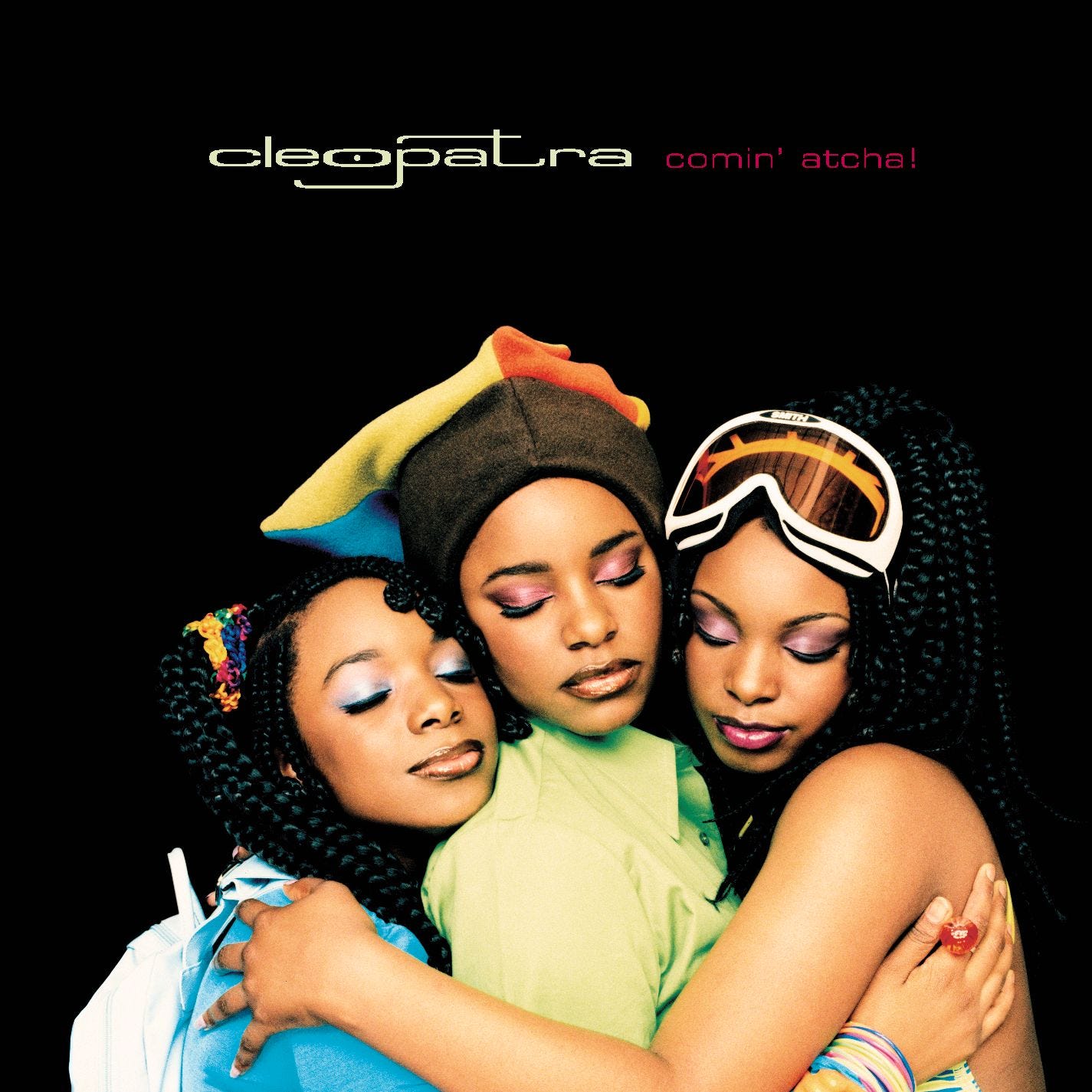
Their debut from the Higgins sisters from Manchester, U.K. (14–18 at the time) opens with the cheerful up-tempo “Cleopatra’s Theme,” the kind that makes you think Michael as a boy started singing. There’s a bustle that can recall early TLC, but the sky-piercing lead vocal from the middle sister Cleopatra and the clear harmony sound like SWV made much more childlike, and further back, they bring the Jackson 5 to mind. The openness of the first three tracks, including “Life Ain’t Easy” and “Don’t Suffer in Silence,” a reworked take on Earth, Wind & Fire’s “September,” is exactly the image of early J5. Saving the reveal for the end with a cover of “I Want You Back” that keeps the original groove is also a sly move. Even as a girl group, they came closest to the J5 feel. Separately, it’s a masterpiece packed with great songs, including the Zapp-like slow jam “The World We Live In,” with a talk-box cameo from someone who seems to be Lynch, Roger’s son. — B.O.
Rating: ★★★★☆ (4/5)
The Manchester sisters open with the exuberance of early J5 and sustain it across an album that never flags. Cleopatra’s lead vocal is genuinely extraordinary—ceiling-piercing range paired with transparent three-part harmony. The closest any girl group has come to the J5 atmosphere.
Immature, We Got It
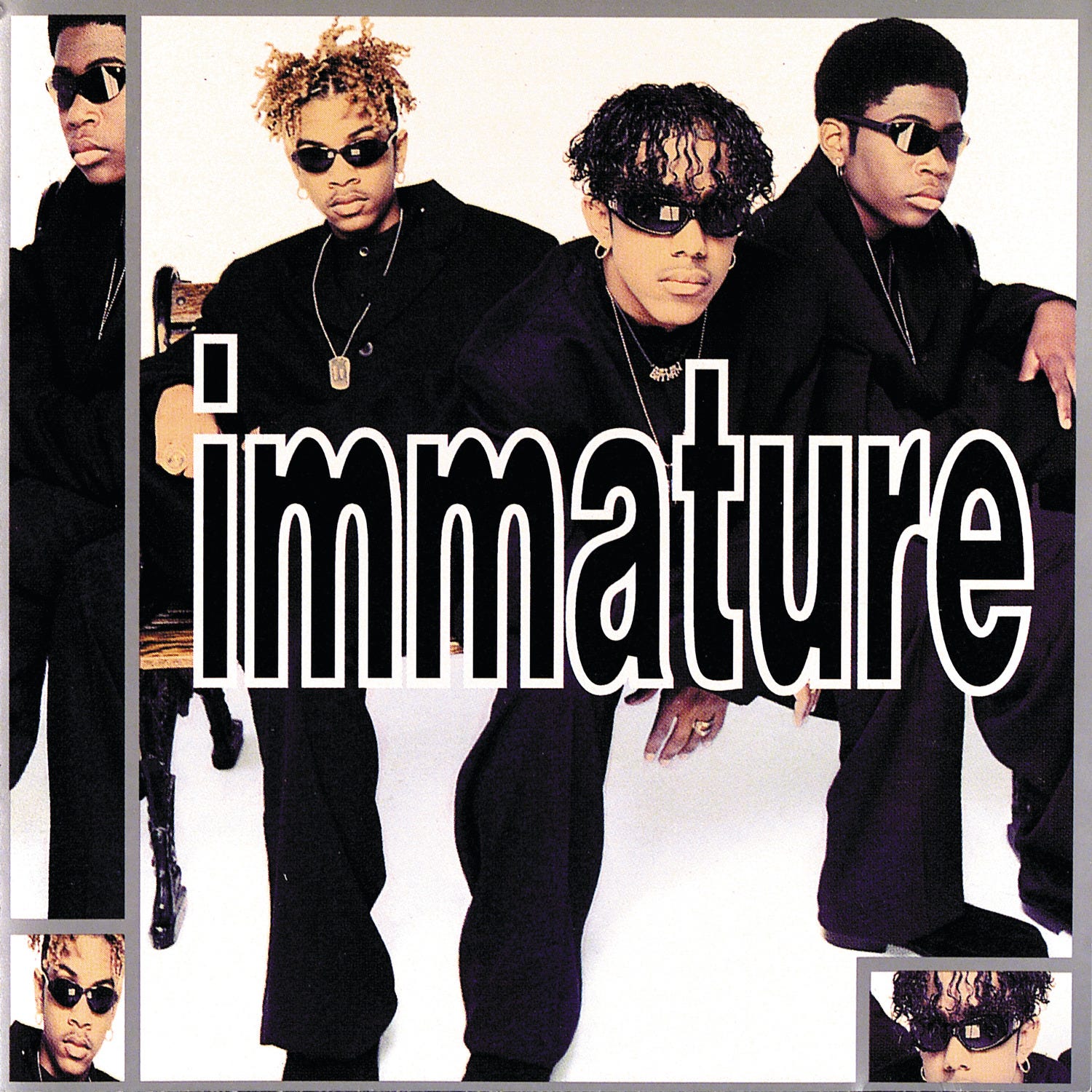
Michael’s behavior was often called childish, and he himself wished to keep a child’s heart and voice, and this trio appeared at age 10 with that very childness in their name. Compared with the second album released the year before, you can see growth in both looks and voice, but there is still plenty of youth left. While putting that boyishness out front, they were also given production that can stand alongside adult releases, actively bringing in hip-hop-soul methods like sampling, making the album different from obvious bubblegum soul. For example, “Feel the Funk,” heard shyly in the film Dangerous Minds, quotes a well-known Mother’s Finest song, and the lively up-tempo “We Got It,” which uses Chocolate Milk’s “Girl Callin’” as a sample, features Smooth’s rap. They don’t shortchange the ballads either, including “Please Don’t Go,” which would have suited MJ as well. — P
Rating: ★★★★☆ (4/5)
Organized Noize-adjacent production gives these boys a professional weight that sits alongside adult releases without apology. The hip-hop soul sampling is specific and smart—Mothers Finest, Chocolate Milk—and the ballads hold up. Boy-era enthusiasm fronting genuinely funky tracks is a combination the kids-R&B category rarely managed this cleanly.
B2K, B2K
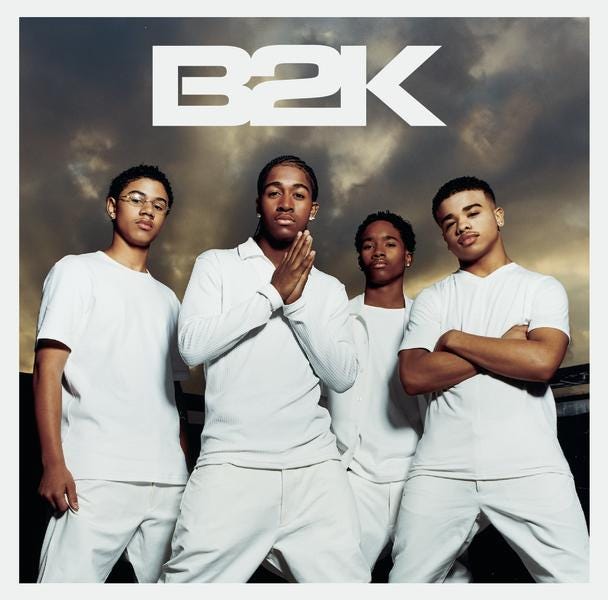
They were short-lived (until the recent reunion), but among the post-2000 (Y2K) R&B boy groups, Boys of the New Millennium, B2K drew the most popularity. Their grown-up approach in spite of their age recalls Immature to IMx, and that’s no surprise, since their mentor was Chris Stokes, and on this debut album the main production work was handled by Platinum Status, made up of IMx members. If you think of the group as a Y2K Jackson 5, the one who plays the Michael role is Omarion, who would later succeed as a solo artist. From the opening slow jam “Gots Ta Be,” sung with neat choruses behind him, his voice keeps some 17-year-old greenness while giving off a mature adult sensuality, and with slow jams like “Why I Love You,” with Steve Russell involved, and “Baby Girl,” produced by The Characters, he comes close to late-J5 Michael. Of course, he can also handle youthful dance tracks suited to his age without trouble. The cover of the Christmas album they put out the same year was an homage to J5. — B.O.
Rating: ★★★½☆ (3.5/5)
Omarion opens on a slow jam and already sounds older than 17 in all the right ways—a ripe, adult-leaning tone alongside the expected youthful rawness. Platinum Status delivers polished late-J5-era slow jams alongside capable dance tracks, and the Christmas album’s J5 homage cover confirms exactly what the group understood about their own lineage. Omarion’s star quality shows up in the phrasing before the marketing gets a chance to frame it.
N’Toon, Toon Time
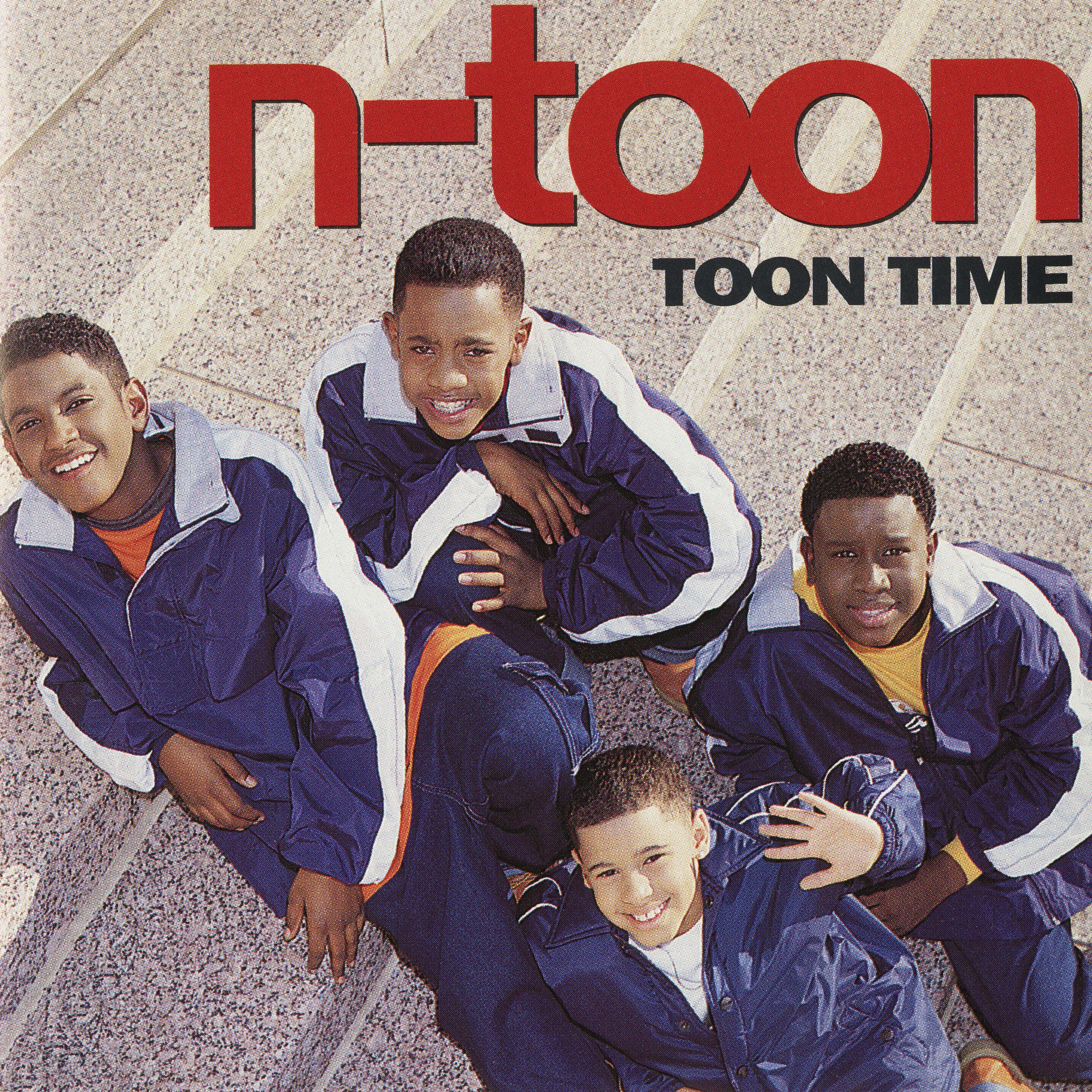
A boy group brought out under the patronage of Joyce “Fenderella” Irby, formerly of Klymaxx, who also once released solo work on Motown. The members were kids aged 9 to 13 at the time, including Lloyd, who would later debut solo, and many people will be reminded of boyhood Michael and the Jackson 5 by the cuteness of how they stretch all the way to act grown-up, especially on the slow numbers. The slow ballad “Happy Father’s Day,” which gently faces the reality of a single-mother household from a child’s point of view, tightens your chest on the level of the Jackson 5’s “I’ll Be There,” and the similarly wistful “Now You’re All Alone” is a mid-slow that pulls you in on the strength of the harmonies. The Tricky Stewart–provided slow “Ready” is also exquisite, and a certain kind of freshness here connects to early New Edition. “A Girl Like That,” produced by Dallas Austin under the alias Cytron, is a high-weirdness mid-up that could be called a sister track to TLC’s FanMail. — P
Rating: ★★★½☆ (3.5/5)
“Happy Father’s Day” squeezes as hard as “I’ll Be There”—a slow ballad addressing single-parent households from a child’s perspective that lands with real emotional weight. The group’s earnestness is also its limit, but within those terms it’s consistently delivered.
B5, B5
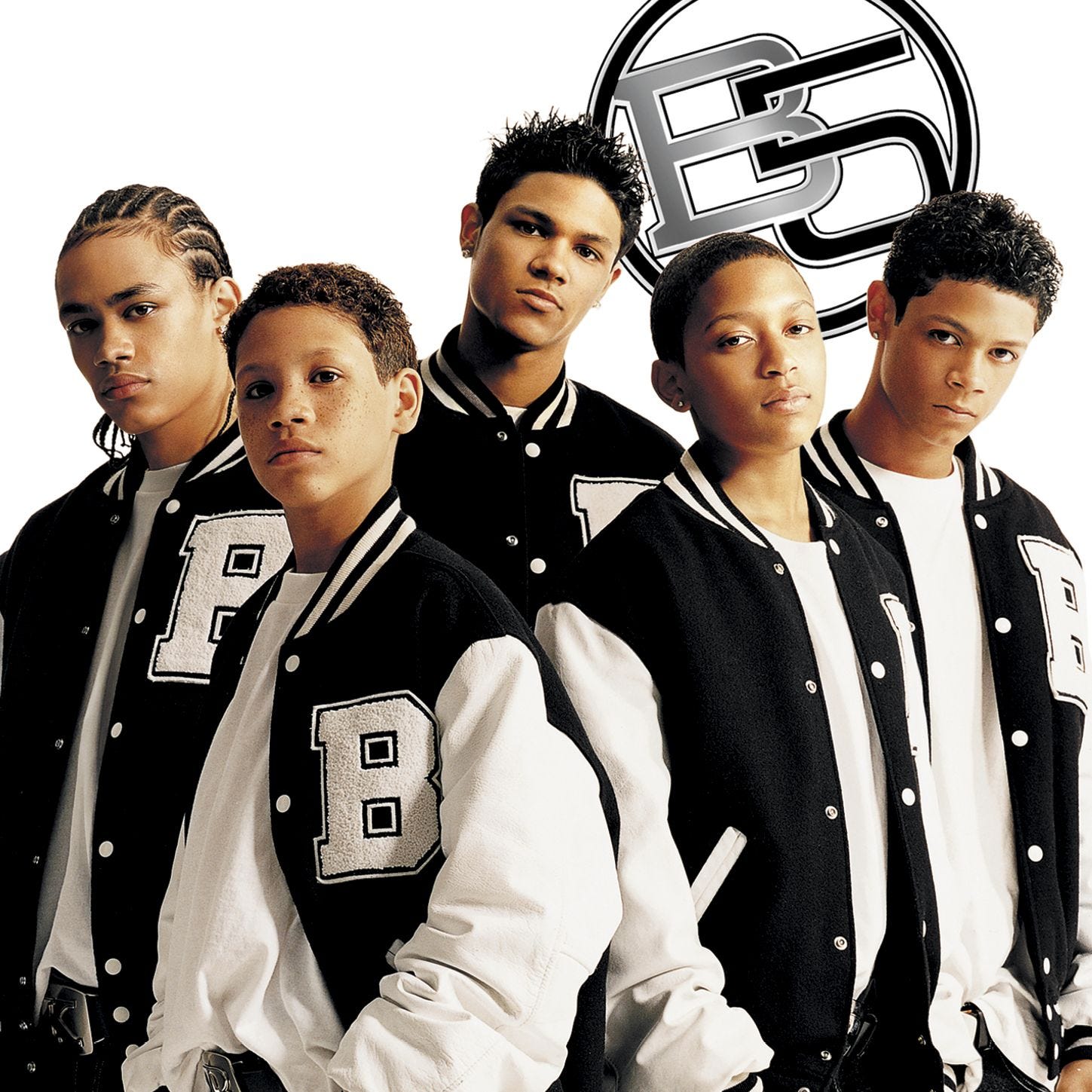
B5, not J5, and the aim is obvious. Bad Boy, trying for a Motown empire, put out this group of five brothers from Florida with a house-made Jackson 5 image. They were 10 to 17 when this debut album came out, overlapping with the ages of J5 at their debut, but because the lead changes from song to song, it isn’t kidness at full blast all the time. Still, that they had Motown-era MJ and J5 in mind comes through in the near-foul homage song “Back In Your Arms,” which quotes Michael’s own vocals from the mellow classic “I Wanna Be Where You Are.” With the youngest, Bryan, cast as the Michael figure, it’s a sentimental soul boosted by crisp choruses. They also cover the Jackson 5’s “All I Do Is Think of You,” produced by Rodney Jerkins. There are also dance tunes produced by Ryan Leslie, but the slow “Teacher’s Pet,” handled by Worrill Morris, is outstanding. — B.O.
Rating: ★★★½ (3.5/5)
Bad Boy’s J5 gambit, and the intent is worn openly. The MJ reverence is so thoroughgoing that it leaves little room for the group to define anything of their own, but the sincerity never wavers.
Mista, Mista
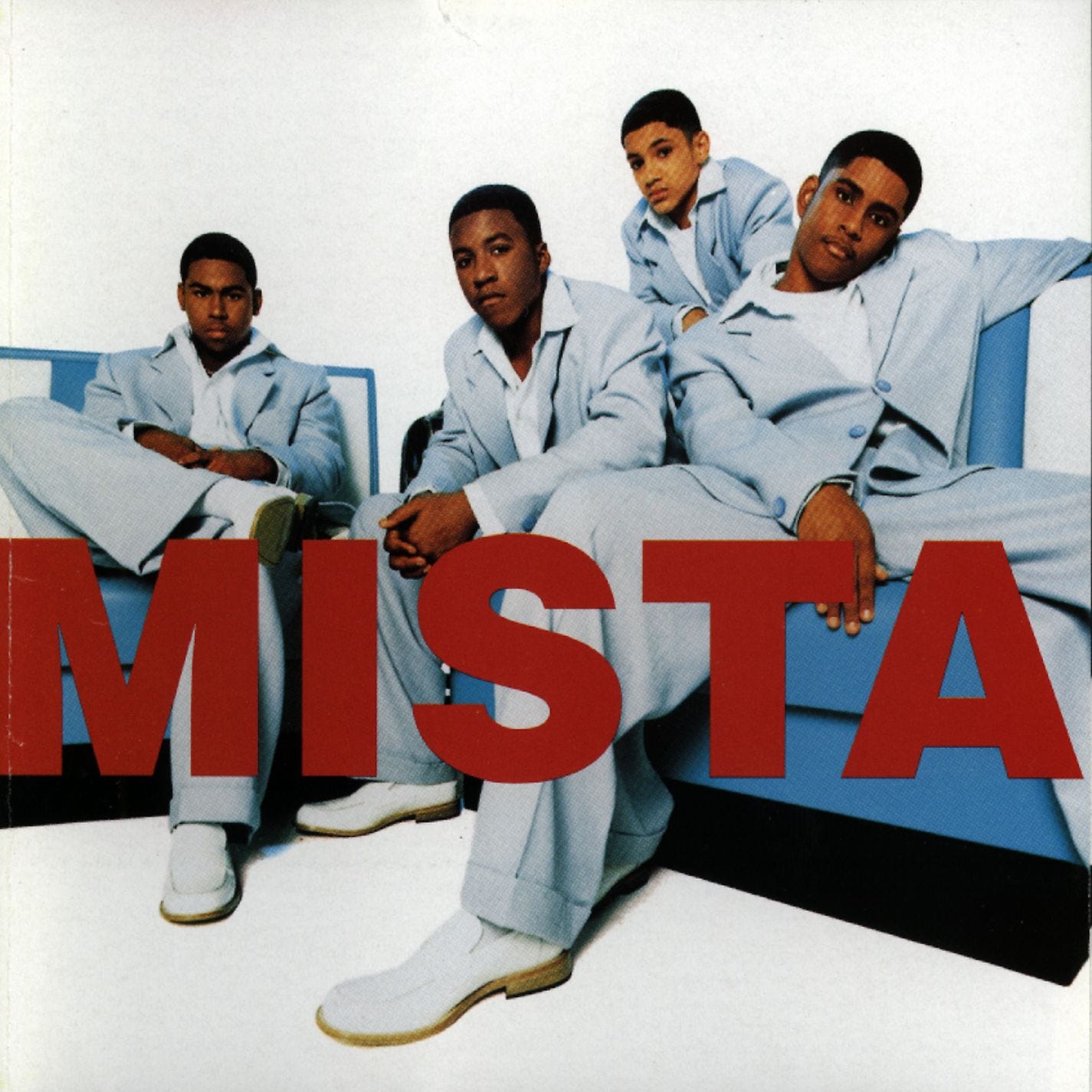
It’s like a further push from Soul for Real. They seal off the one weapon kids are supposed to have, cuteness, and they don’t try to sell themselves to adults through melody, sound, and above all their innocent vocals. Their vector, almost the opposite of the Jackson 5, is also something that couldn’t exist without the Jackson 5’s success. If you swapped the chords and dressed it up in brighter colors, “Things You Do” should even sound Jackson 5–ish. Mista are four boys from Atlanta, ages 13 to 16. Organized Noize, also the executive producer, lays out his signature method without restraint, stacking live instruments over programmed beats to make it funky. This move, which might have been possible only because he was dealing with kids who wouldn’t complain, produced an album with a one-of-a-kind, strange charm. Tracks that even bring in fuzz guitar have a strong organic color, and you can also connect it to D’Angelo through that. — B.O.
Rating: ★★★★☆ (4/5)
Organized Noize refuses every expectation the kids-R&B format creates and delivers something with no real parallel. Cuteness is sealed away completely—the appeal is purely sonic and emotional, fuzz guitar and all.
Soul for Real, Candy Rain
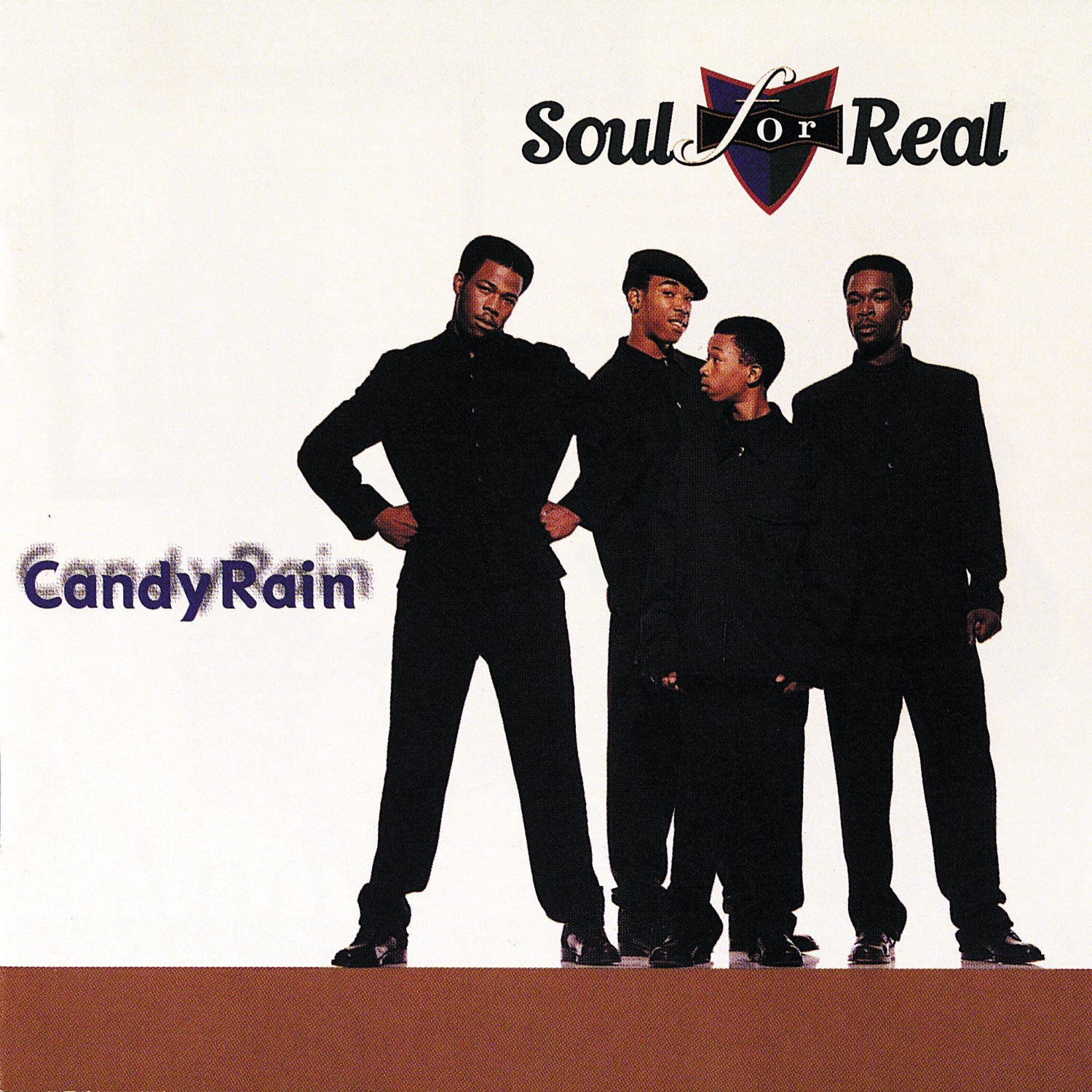
The album is credited as 1994, but since its U.S. release was spring 1995, it’s included here. When people say “the Jackson 5 of the 1990s,” Immature often comes to mind, but if you mean a brother group, this quartet of Dalyrimple brothers fits better. It was produced front to back by Heavy D, a rapper who loved vocal groups, and “Candy Rain,” laid over A Tribe Called Quest’s “Check the Rhime,” is covered in a gloomy mood led by the track. What’s new is how it brings the brazenly cool attitude common to early hip-hop soul into a kids’ setting, and the song hit No. 1 on the R&B chart and No. 2 on the pop chart. At the same time, it also leans on a conventional kid-soul idea, singing dreamy mids that follow in Hi-Five’s wake like “All in My Mind,” and covering Bill Withers’ “Ain’t No Sunshine,” a song Michael also took up in his Motown days, without twisting it. — P
Rating: ★★★★☆ (4/5)
Heavy D strips the cuteness entirely and hands four brothers a hip-hop soul framework that would fit comfortably on an adult release. The ATCQ-sampled “Candy Rain” is genuinely new—that brand of cool imported into kids-R&B had no precedent. The Withers cover and Hi-Five-adjacent mid-tempos show they could work both sides of the tradition.
Mindless Behavior, #1 Girl
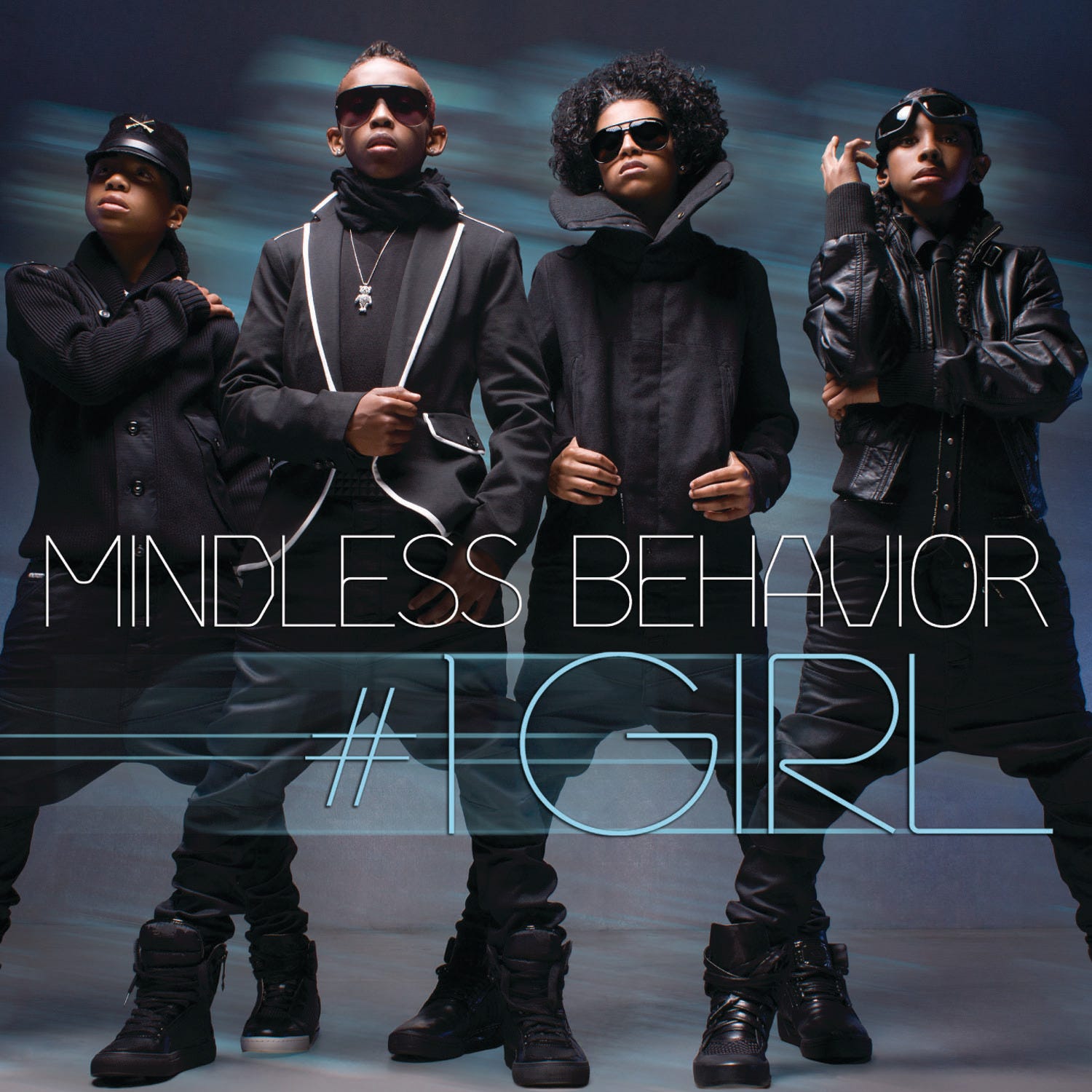
This is a group that Vincent Herbert, known for producing many R&B works since the 1990s and, in recent years, for being a label president and A&R with artists like Lady Gaga and his wife Tamar Braxton, and Walter Millsap, active across gospel and R&B, debuted after careful preparation, aiming at the empty seat left by kid groups after B2K fell apart. The four members, 14 to 15 at the time of release, cite Michael first among their influences, and of course they can dance. On “Mrs. Right,” with a fun video that casts LL Cool J as the teacher in a classroom scene, they ride an 808-style machine beat with rap-singing layered on to stress that they are a new-generation group. The sound’s newness, with heavy post-EDM synth use and Auto-Tune seasoning treated as a given, and its entertainment quality, completely different from 1990s hip-hop leanings, could even be said to bring it closer to the Jackson 5. They have also opened for Janet. — P
Rating: ★★★☆☆ (3/5)
Vincent Herbert and Walter Milsap build a precise, post-B2K package with post-EDM synths and AutoTune normalized into the texture—closer to J5's entertainment-first energy than anything from the ‘90s hip-hop era. Well-assembled and danceable, but the precision of its construction is also the boundary of its ambition.
5 Young Men, 5 for 1
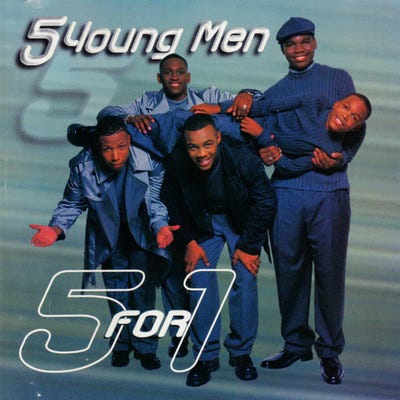
When you hear “a five-member group promoted by Maurice Starr and Michael Bivins,” you naturally think of the Jackson 5, but they’re a little different from other groups. For one thing, they come in with “hallelujah” right from the start. This is a work you could call the gospel version of the Jackson 5, arranged in a hip-hop-generation way that seems inspired by the breakout of the young choir God’s Property, backed by Kirk Franklin, and there are plenty of scenes where the choir stands out. The clearest example is “Joy,” their counterpart to God’s “Stomp.” Even so, the place where their character really comes alive is on a number like “One More Chance,” which you can’t help but be reminded of the Jackson 5’s “ABC,” with boy-Michael energy turned all the way up. The song’s stretching lead, probably from the youngest member, also delivers an excellent voice on the pure 1970s vocal-group–style ballad “Angel,” close to Quindon as well. — P
Rating: ★★★½ (3.5/5)
Maurice Starr and Michael Bivins deliver the gospel J5—Kirk Franklin’s God’s Property breakthrough is clearly the spark, and the choir-heavy arrangements follow that template with “Joy” as the centerpiece.
Justin Bieber, My World

A white singer from Canada who belongs to Michael’s lineage even in his star-making story: videos of him singing Ne-Yo and Chris Brown songs drew attention on YouTube, Usher and Justin Timberlake fought over his talent, and he signed to Usher’s label. Now a pop star popular on a plane separate from R&B, Justin Bieber also stirs talk as a troublemaking celebrity, but when he put out this debut EP (at 15), he should still have been a boy with a pure heart. Here, urban craftsmen like Tricky Stewart, Midi Mafia, and Clutch wrap his young voice in glittering synth sound, staging a sweet-sourness like early-teen Michael. “First Dance,” a good slow jam with his patron Usher, hits you with an opening in the vein of MJ’s “You Are Not Alone.” Together with the first full album My World 2.0 the following year, it’s something to enjoy as bubblegum pop with a shelf life. — P
Rating: ★★★½☆ (3.5/5)
Top-tier pop-R&B builders shape his voice carefully, and the EP knows exactly how to place a teen tone over glossy, radio-ready writing. The flip side is how tightly engineered the innocence is, the songs can feel packaged around an image rather than pushed by need. Good craft, limited stakes.
Deitrick Haddon & The Voice of Unity, Live the Life
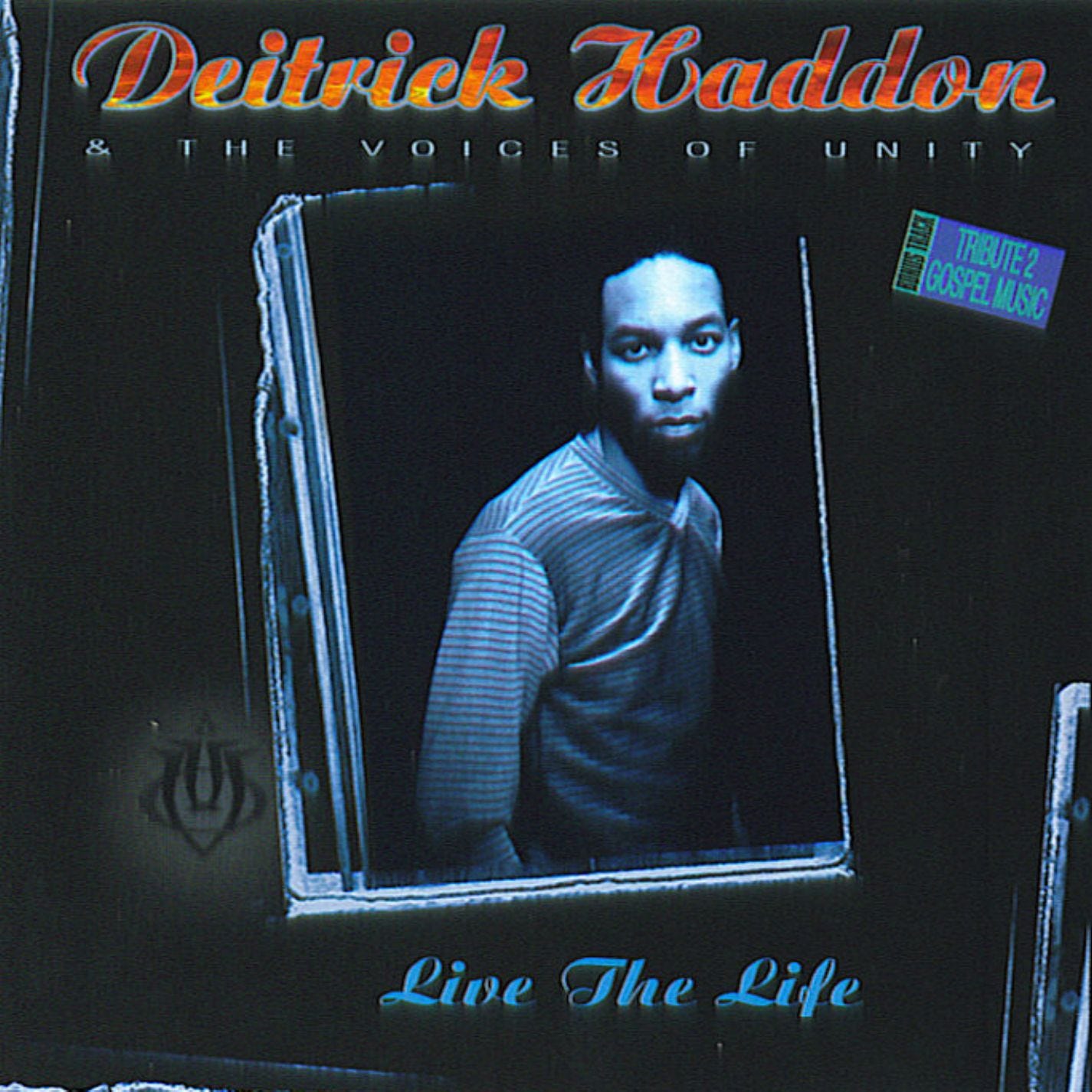
Deitrick Haddon is, alongside Tonéx (now B. Slade), a versatile and innovative gospel act. On his solo work he can ride Prince-like funk, retro soul/funk, rock mode, even trap-style hip-hop sounds, without hesitation, and his Michael influence is pretty thick. On this work released under his choir name, there are two numbers that bring to mind major Michael songs, and the choices are interesting. First, “Tear Your Kingdom Down” feels like it rearranges the world of “They Don’t Care About Us,” from the distinctive rhythm to the way the chorus enters. On the other hand, “Hold On 2 Your Faith” expands the verse portion of “Stranger in Moscow,” and with the choir behind, the female lead gradually heats up. Even though both are odd ideas, the finished results fit surprisingly well. The other songs lean R&B too, with a Willy Wonka-like slow jam and a funky up-tempo featuring a talk box. — B.O.
Rating: ★★★★☆ (4/5)
The fun is structural; he takes the skeleton of two major MJ songs and rebuilds them as gospel without turning them into parody. The rest of the album keeps variety in play, slow records and funk cuts, so it does not live only on the MJ idea.