

The Lineage of Michael Jackson (Mellow / Sensitive)
Each guide is based on this run of albums, believed to be part of Michael Jackson’s roots. It then branches out into post-1995, drawn from that tree. Here’s the mellow and sensitive section.
Our previous guide and lineage series, The Handguide to D’Angelo, called itself an introduction to R&B, but much of what it covered fell into what people label the “alternative” realm. The question was how to introduce the mainstream R&B that didn’t fit neatly inside that category. Who could serve as the entry point, the way D’Angelo did, and still spark readers’ interest? After thinking it through and the biopic coming up, I arrived at only one answer: Michael Jackson. In a way, it’s an almost too-obvious conclusion. There isn’t a bigger icon than him.
Yet Michael, who ruled the music world as a superstar, is also an artist who can’t be said to have been fairly evaluated precisely because of that stardom. From the 1990s on, when tabloid TV began fixating on his skin and his court cases, it became even more pronounced, but even before that, it’s hard to deny how much the spotlight tilted toward celebrity coverage. And music journalism, too, has to answer for how seriously it confronted his music. In the end, up to the day he left this world, almost no one tried to face his greatness as a musician head-on.
This one is a handguide that barely touches on non-music topics, including lawsuits. Instead, it reconsiders Michael’s work, which has so often been discussed from a “King of Pop” perspective, by returning to its roots on the R&B side, and it introduces albums by current R&B artists (some Pop) who were influenced by him. It starts with the Epic-era solo work where Michael’s musicality bloomed at full scale, then goes backward in time to the Jackson 5 at Motown, where his childhood voice shines, and then moves to the Jacksons, where he awakened to his identity as an artist and the group shifted to Epic. In each section, Michael’s or the group’s work is introduced first, followed by an album guide of R&B releases (from 1995 onward) made under that influence. We also devoted space to Janet Jackson, whose music has been discussed even less than Michael’s, if anything. Alongside a full run-through of her albums, we introduce works by the singers who followed in the difficult wake of Janet, the most important icon for women R&B singers.
Being able to publish a guide like this isn’t unrelated to where the scene is right now. The roots of the disco/boogie revival that’s gained real momentum in recent years can be traced to Michael’s Off the Wall and Thriller, and to his work in the Jacksons era. At the opposite extreme, part of ambient R&B connects back to the sensual R&B sound Janet created with Jam & Lewis.
To begin with, most of today’s R&B singers have been fans of Michael and Janet since childhood, and they are followers who’ve absorbed enormous influence from the two of them. This time, though, while we were working, it was decided that a compilation tied to the guide would be released, and as we progressed with that project our thinking sharpened. The album selections became even more strongly “Michael-coded” and “Janet-coded.” As a result, Michael and Janet appear everywhere throughout the projects we include. A great many R&B works released after 1995 that have been described as “Michael-like” or “Janet-like” are collected in this book. An album guide that revisits current R&B so thoroughly through the music of these two is probably a first.
Sadly, Michael is no longer in this world. But his music hasn’t died. The miracle he created has been carried forward, and it still lives inside many artists even now. If this guide can spread that fact even a little, it would be more happiness than we deserve.
Donell Jones, Journey of a Gemini
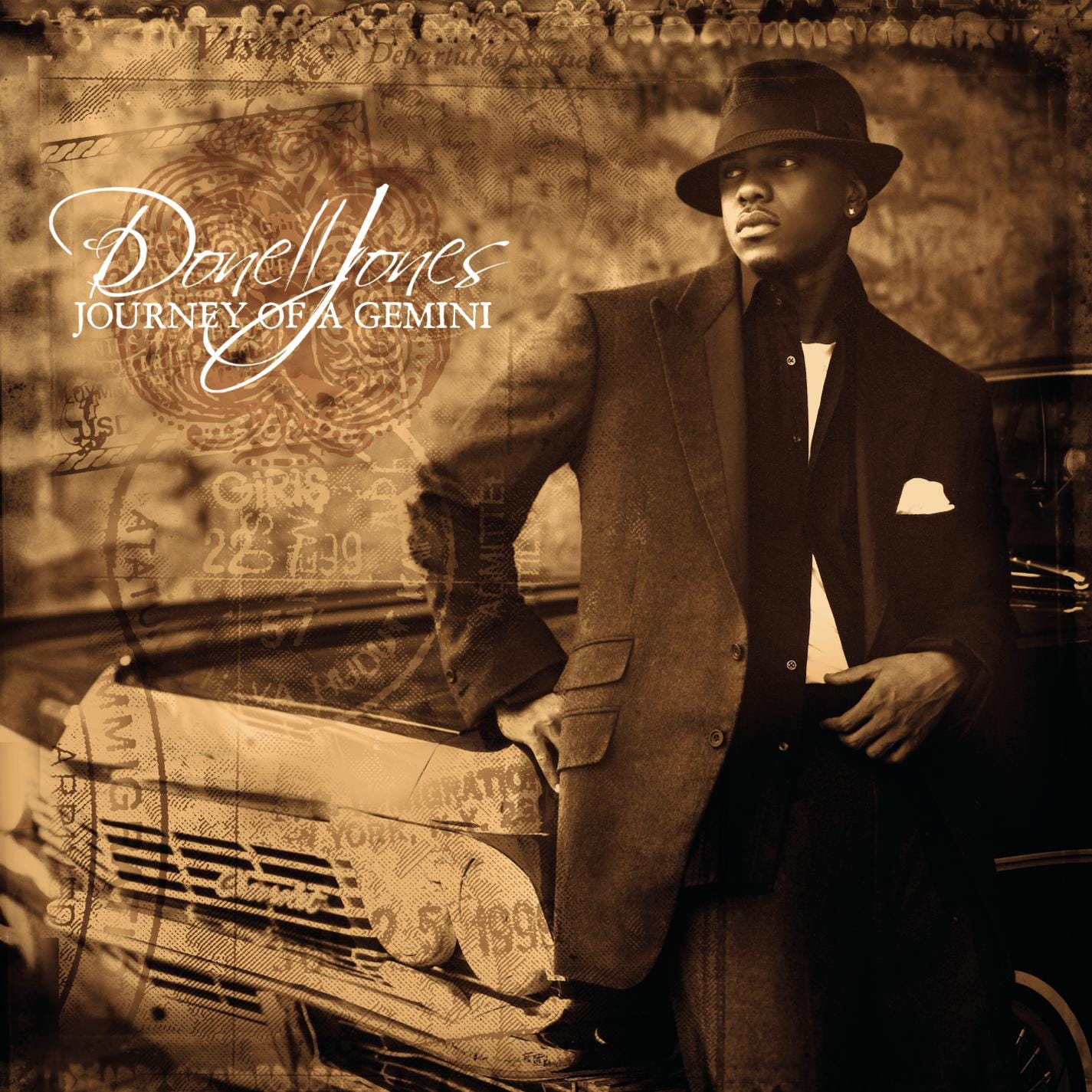
A singer strongly influenced by Stevie Wonder, Donell covered “Knocks Me Off My Feet” on his 1996 debut. On the 2013 album Forever, he also showed himself to be an MJ devotee, singing the Michael tribute “I Miss the King.” That same man later sang Stevie’s melody with a delicate, Michael-like voice. In other words, the track on this fourth album that recreates the sweet mood of “I Can’t Help It” is the dreamy mid-groove “I’m Gonna Be,” produced by Tim & Bob. His sweet, pure delivery, with a finely trembling voice and layered choruses, can only be described as Michael. “You Know That I Love You” from the previous album was also a mellow number that felt like stardust raining down, but in terms of MJ-ness, this one goes even further. With “MJ children” like Ryan Leslie and Sean Garrett also on the production side, the album is packed with slow-jam gems such as “Special Girl” and “Ooh Na Na,” offered without holding anything back. — B.O.
Rating: ★★★★☆ (4/5)
A clean Stevie-to-Michael bridge with usable proof. Mid-tempo R&B built around featherlight vocal stacks and a careful, almost whispered lead that keeps tension in the gaps.
Marc Nelson, Chocolate Mood
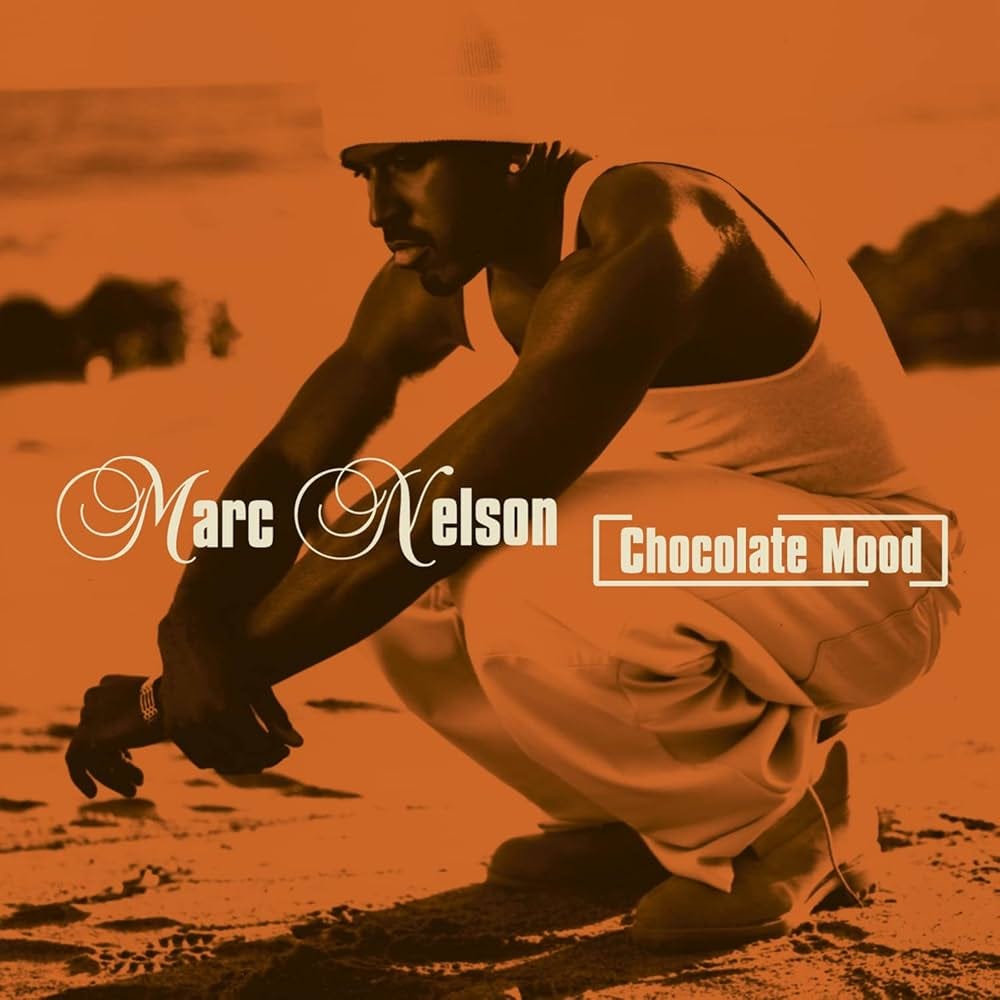
A Philadelphia native who was involved in forming Boyz II Men. However, he apparently never intended to become a member, and chose a solo path instead, debuting in 1991 with an album that included a cover of Marvin Gaye’s “I Want You.” After that, Babyface recognized his talent as a singer-songwriter; he joined Az Yet as the lead vocalist, then returned to solo work and released this album. It is his second album, centered on sensual slow jams that make full use of his sensitive voice, matching his beautiful Babyface-like melodies and sweet face. “15 Minutes,” which became a hit, feels like the clearest display of his core strengths, and the cover that slips seamlessly into that same stream is Michael Jackson’s “The Lady in My Life.” Featuring vocals from his younger brother Kenya, who is also his songwriting partner, this performance revives the sweet, wet mood of Rod Temperton’s ballad through a post–hip-hop-soul sense of rhythm. After forming Blaque, he also released a solo album in 2007. — P
Rating: ★★★★☆ (4/5)
Babyface-era slow-jam writing gets carried by a lead who sings like he’s protecting the hook, keeping the heat quiet and the tone clean. The “Lady in My Life” cover pulls Rod Temperton’s wet romance into a hip-hop-soul pocket without roughing it up.
Babyface, Return of the Tender Lover
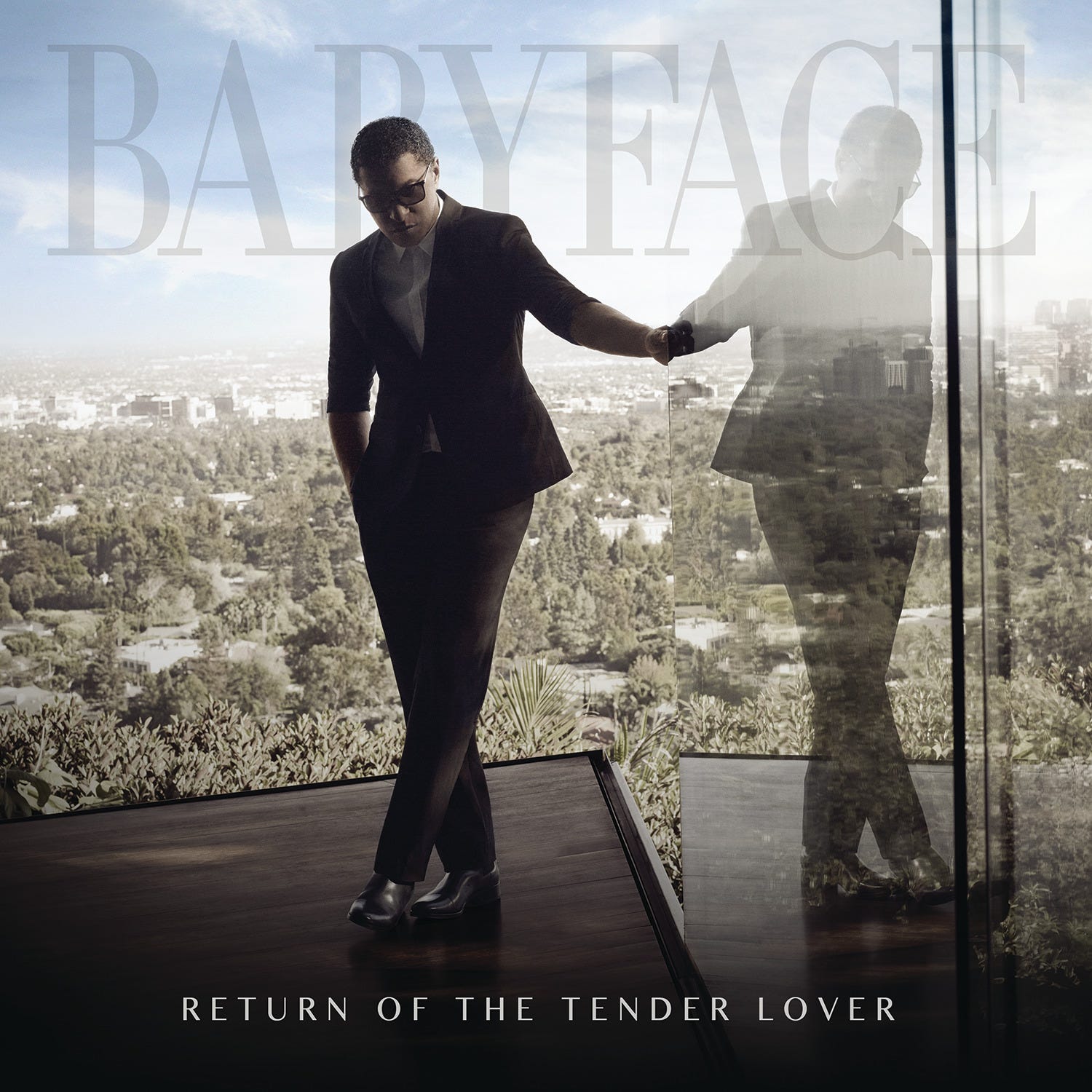
It’s a well-known story that he participated in the sessions for Dangerous, yet the songs he contributed were passed over. One of those was later reworked and included on Xscape as “Slave to the Rhythm.” He also supported Michael as a key songwriter who provided beautiful ballads like “You Are My Life” from Invincible and “On the Line,” featured in the film Get on the Bus, and he is also a sensitive singer in a way that overlaps with MJ. This is his latest album, which revives a 70s band sound while reusing the title of his breakthrough work Tender Lover. With “Walking On Air,” where he trades runs with El DeBarge, and “I Want You” with After 7, the sentimental expression that weaves in falsetto is unavoidable. Freed from chasing whatever sound or style is currently in fashion, his tender songwriting and relaxed, open arrangements come together as an affectionate, sun-warmed collection of beautiful songs. He also covered “Gone Too Soon” on a 1997 live album. — P
Rating: ★★★★☆ (4/5)
This is MJ lineage by authorship and temperament, the guy behind major Michael ballads returning to band-forward warmth and letting melodies do the seducing. The falsetto moments don’t show off, they soften the edges, and the features sit inside the songs like extra air in the room.
Kevon Edmonds, Who Knew
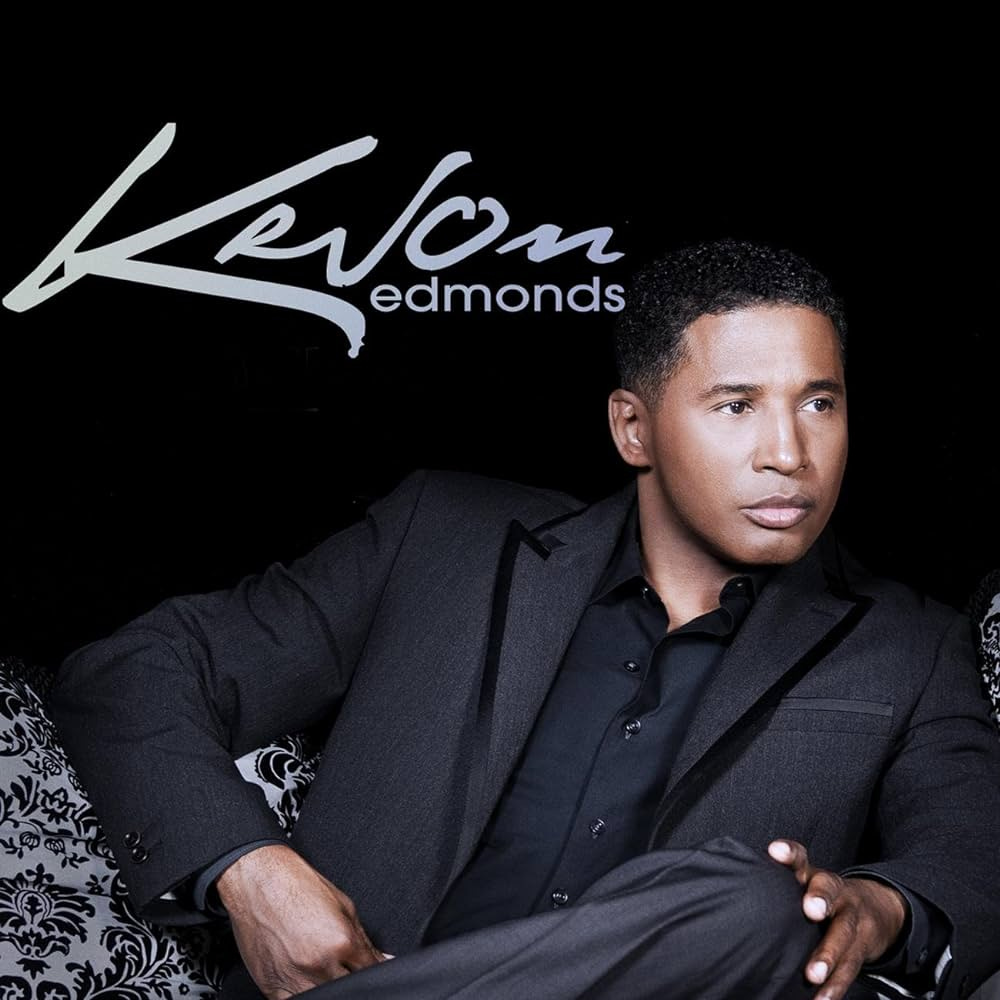
After 7 made a comeback in 2015 with the long-awaited new song “I Want You.” The one responsible for that beautiful voice is Kevon, who shares a lineage with Babyface, who worked on the song. The boyish, spotless, and expansively soaring high-tone vocal that recalls Michael when he sang “She’s Out of My Life” could already be heard to full effect on the 1999 album 24/7, and that voice has not changed at all on this album, their first in ten years. Even without deliberately using falsetto, his natural voice sits high; in that sense, he may be closer to El DeBarge. The album, which also involves Jason, the son of older brother Melvin, is filled mostly with Kevon-like love songs that are sweet, heartbreaking, and helpless, and it can feel like listening to MJ ballads back-to-back. The title track, where he pours emotion into a delicate voice, carries especially strong MJ coloring. The standout is “Oh,” produced by Gregory Curtis using the same method as Keyshia Cole’s “I Remember,” an almost too-sweet slow jam. — B.O.
Rating: ★★★★☆ (4/5)
Kevon’s high register stays boy-clear and long-breathed, the kind of tone that makes MJ ballads feel close again without copying phrasing. The album leans hard into helpless-love writing, and the best cuts stretch sweetness until it almost turns syrupy.
Jon B, Pleasures U Like
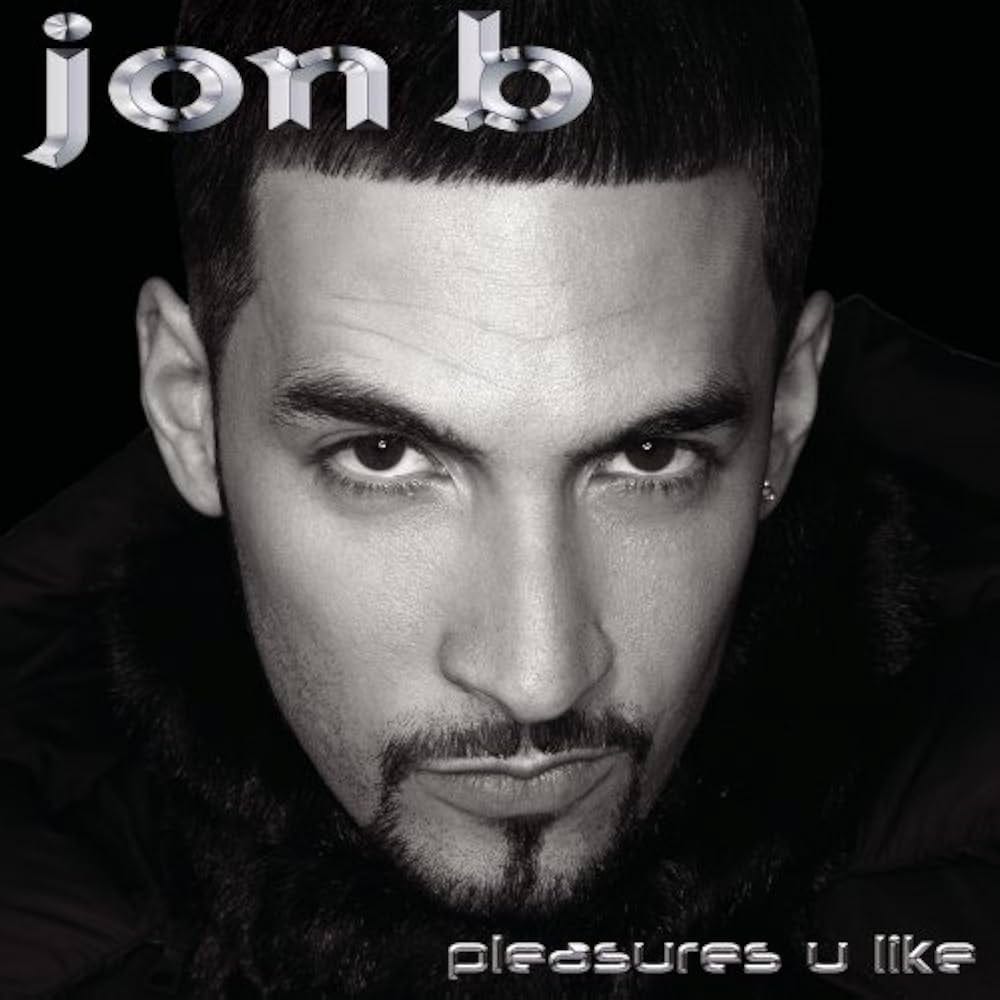
This R&B singer-songwriter, who found success with the support of Babyface and his then-wife Tracey, would probably be viewed now as a forerunner to Robin Thicke or Justin Timberlake. If so, Michael’s influence should be significant as well, and he reportedly says his single most-loved album is Off the Wall. Babyface’s influence seeps strongly into his self-written melodies and naive voice and delivery, but as someone who remixed “You Are Not Alone” in his 1995 debut year on Epic, MJ’s shadow also flickers through the slow ballads that make up much of this third album. The title track and “Finer Things” featuring Nas ride a mellow groove in the vein of “I Can’t Help It,” and the soft-and-sweet “Sof’n Sweet” feels like it predicted the arrival of “Butterflies,” with its silky soul. “Lonely Girl” is a ballad that would suit MJ if he sang it. The elegant boogie “Don’t Talk,” with its sense of drive, is a song worth hearing right now. — P
Rating: ★★★★½ (4.5/5)
Off the Wall devotion shows up in restraint, mid-tempo glide, and that soft-focus groove where the vocal never has to shout to feel intimate. The ballads move like private phone calls, and the boogie cuts keep their polish while still pushing forward.
Ralph Tresvant, Rizz-Wa-Faire
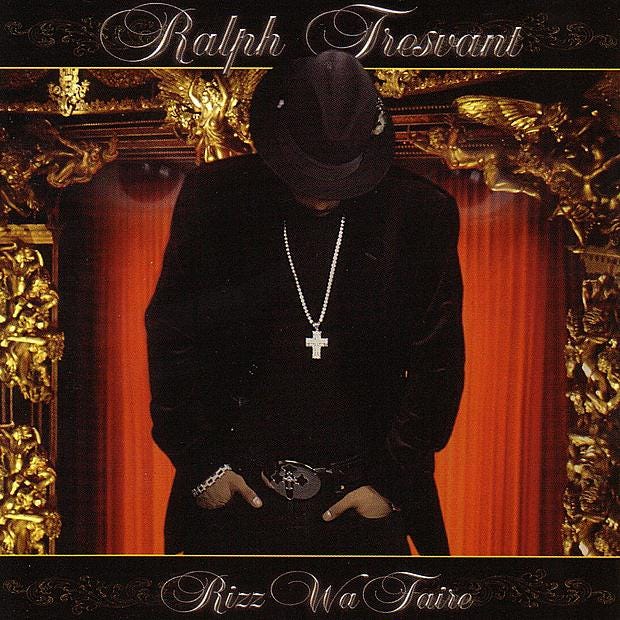
Ralph Tresvant is the one who, in bubblegum soul hits like “Candy Girl” and “Cool It Now,” helped shape New Edition’s image as an ‘80s Jackson 5 while showing a beautiful singing voice reminiscent of Michael. Beyond his tone and vocal style, he shares a lot with Michael, including stylish dance sense and a neat, handsome look. On his 1990 solo debut, alongside the new jack swing-influenced masterpiece “Sensitivity” produced by Jam & Lewis, he also sang “Alright Now,” a sweet ballad provided by Michael. On this third solo album, the same Michael-like touches still shine: whether it’s the bouncy, floating mid-groove “Love Hangover,” the follower-like “Angel” in the vein of Bobby Valentino’s “Slow Down,” or the Avant-like slow method of “My Homegirl,” the styles vary, yet wherever you cut into it, love for Michael peeks out. — B.O.
Rating: ★★★★☆ (4/5)
This is the New Edition voice that always carried a Jackson 5 shadow, now sharpened into solo material that keeps the bounce neat and the romantic tone unforced. Even when the songs shift styles, the through-line is that clean, dancer’s vocal timing.
Jesse Powell, Jesse

Born in Gary, Indiana, Jesse Powell reportedly formed a group with his family as a child and performed at local shows. In other words, he is from the same hometown as Michael, and has walked a similar road. When he debuted in 1996, he did not become a major breakout, even though he captivated soul fans with a beautiful high tone in his cover of Enchantment. However, the ballad “You,” which was re-included on his second album, became a hit three years later. As these topics suggest, Jesse is a singer who has competed with the power of song rather than leaning on trends. The music that shaped him was that of Michael and Stevie Wonder. On this fourth album, he takes on “I Can’t Help It,” written by Stevie and others, ringing out a transparent voice that closes in on young Michael; he also covers DeBarge’s “I Like It,” known as a classic that doesn’t fall short of that song. Here, too, he brilliantly traces El DeBarge’s falsetto, full of melancholy. Unfortunately, he sadly passed away in 2022. — B.O.
Rating: ★★★½☆ (3.5/5)
The hometown detail sets the stage, but the real value is the repertoire logic. “I Can’t Help It” and DeBarge’s “I Like It” as tests of transparency and falsetto discipline. A few lines lean broad, but the cover choices make the lineage point credible.
Ginuwine, 100% Ginuwine
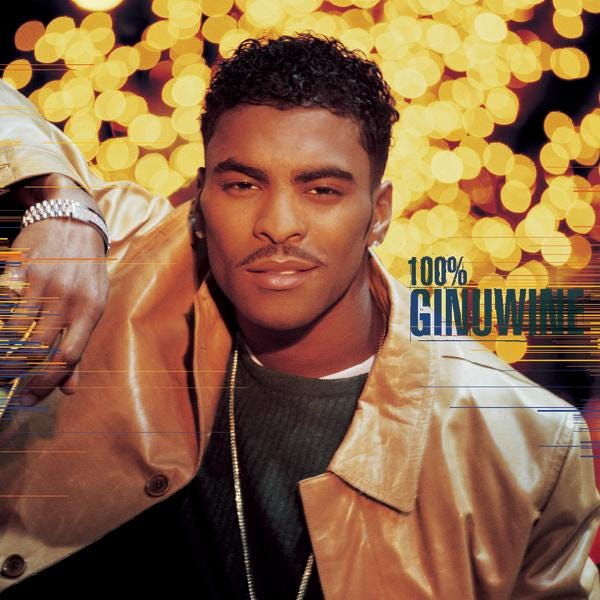
The futuristic sound that shook late-90s R&B had its epicenter in Timbaland’s camp. Ginuwine made a sensational debut with “Pony,” wearing a strange beat built from burp-like bass and chattering hi-hats. On the debut album that included that song, he covered Prince; on this second album, he recorded Michael’s “She’s Out of My Life.” He says both are idols, but his position as an entertainer is close to Michael’s: he reportedly decided to become a singer after seeing the moonwalk on a Motown TV special. In a defenseless cover where he begins by bending toward Michael’s singing as closely as possible, you can see his intense feelings for MJ. At his core, he’s the type of singer who toughens Michael’s gentleness and raises his voice without letting it crack. In the drowsy sensuality of “So Anxious,” which features a family player, women have no choice but to scream. — B.O.
Rating: ★★★★☆ (4/5)
Timbaland’s hard future-beat world meets an entertainer who still wants classic vulnerability on the page, so the MJ cover becomes a spotlight on devotion. He starts by leaning into Michael’s manner, then his own tougher grain takes over, turning tenderness into something more physical.
Brian McKnight, Back at One
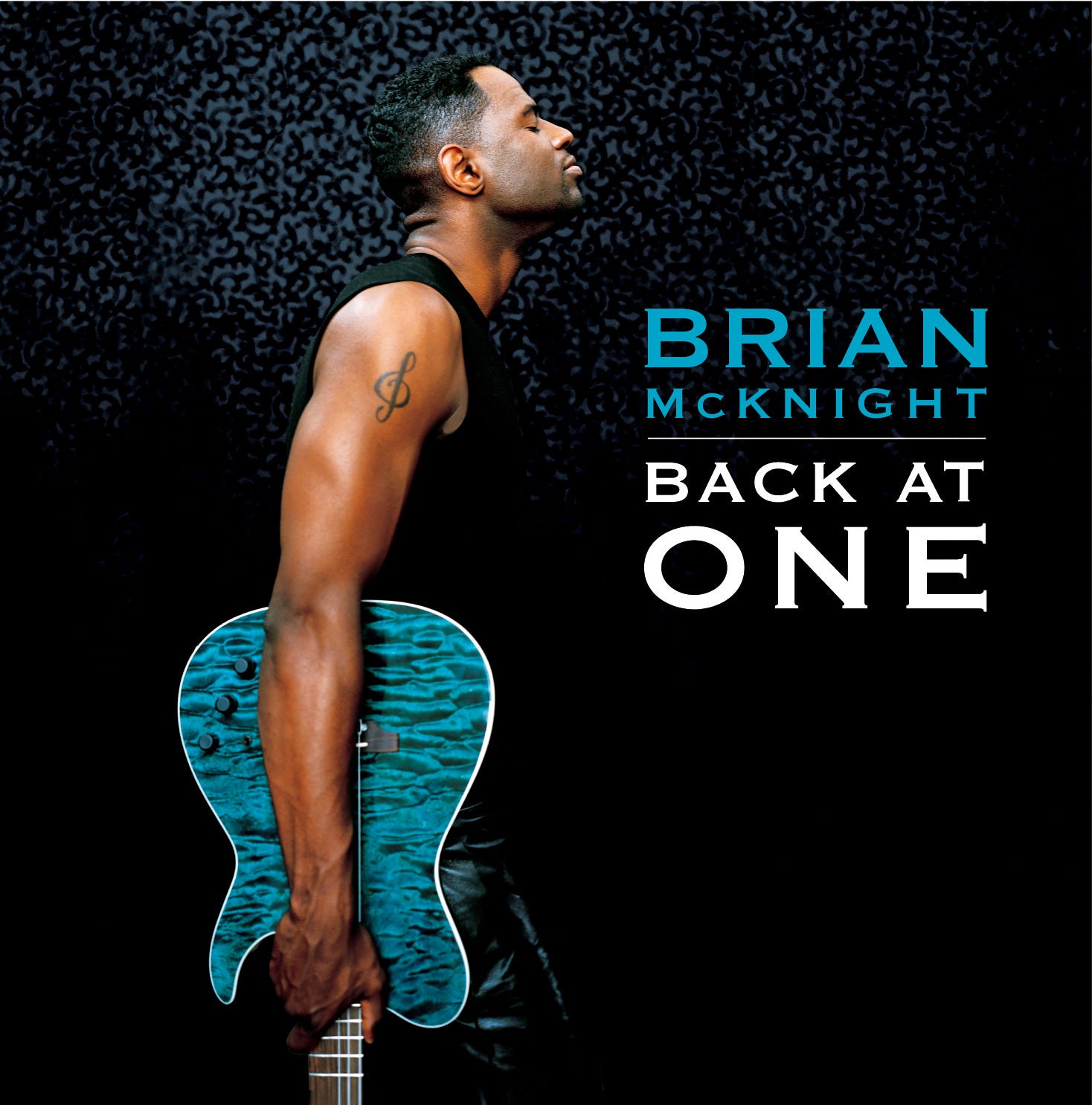
A deadbeat man who has spent nearly a quarter-century making and singing mature R&B. McKnight’s style and singing are strongly influenced by Stevie Wonder and Marvin Gaye, yet he is enough of a Michael fan to perform “Rock With You” on the bonus disc (live audio) of the 2011 album Just Me, and to sing “She’s Out of My Life” at overseas shows and elsewhere. This smash hit, which made his reputation absolute as a singer-songwriter who could stand up to Babyface, centers on aching ballads that slip into MJ’s world while keeping an eye on rival Voldemort’s approach, including the title track that echoes “You Are Not Alone.” His delicate, straightforward vocal also carries an MJ-like air. “Can You Read My Mind,” which mixes in falsetto, is an uptempo with a Latin-tinged sadness, and it also feels like an early hint of the MJ approach that Justin Timberlake would later bring into focus. The sharp beats Rodney Jerkins handled feel familiar now if you’re used to Invincible. — P
Rating: ★★★★☆ (4/5)
Grown ballad craft with a singer who keeps emotion inside the line, letting small shifts in tone carry the weight the way MJ did on his softest records. The record stacks slow cuts that ache without begging, then sneaks in uptempo colors without breaking the spell.
Mario Winans, Story of My Heart
A member of the Winans family with ties to MJ’s world, his biological mother is Vickie, who remarried Marvin Winans. Mario Winans worked behind the scenes in the Bad Boy camp, handled the reunited New Edition and B5, and also participated in tribute songs by The Game, Chris Brown, and others right after MJ’s death. His direct connection to Michael is slight, but it’s fair to say he is one person who inherited MJ’s delicate side as a singer. This first album, released on Motown under Andre Harrell’s leadership, feels like it lets you experience a “what if”: what if hip-hop-soul methods recreated the smoothness of “I Can’t Help It”? On “Every Now and Then,” he loops The Isley Brothers’ “Make Me Say It Again Girl” with taste, and with delicate, romantic vocals using layered choruses, he sings love through to the end. On the upbeat “It’s All Good,” built on The Brothers Johnson’s “I’ll Be Good to You,” the vitality of Off the Wall comes back to life. — B.O.
Rating: ★★★★☆ (4/5)
Hip-hop-soul smoothness gets rebuilt around layered choruses and a gentle lead that keeps everything close-mic and romantic. The sample choices pull familiar soul into MJ-adjacent softness, and the uptempo moments flash that Off the Wall lift.
Latif, Love Is Love

A Philadelphia singer-songwriter who wrote songs under the name Corey “Latif” Williams for Chris Brown, Musiq Soulchild, and others. Though he was a beloved disciple of the late Teddy Pendergrass, his voice is not a baritone. It’s a green, slender tenor in the Michael mold. His Motown debut Love in the First (2003) was also strong, but this overseas-only release, which adds Stargate to the Ryan Leslie connection from that album and rides the post–Ne-Yo trend, surpasses the previous work in how it brings out MJ-like mellowness and pop sensibility. On the openly Ne-Yo-targeted “Don’t Wanna Be,” the comfort of a sweet vocal melting into a beautiful melody is hard to resist. “Leaf in the Wind,” produced by Ivan & Carvin, could be called a hometown answer to the Philly-born MJ track “Butterflies.” He also covers Teddy’s “Love T.K.O.” The free EP Philadelphia Healing was mellow as well. — B.O.
Rating: ★★★★☆ (4/5)
A thin-tenor sweetness sits over post–Ne-Yo melody shapes, and the singing stays light enough to float instead of pressing for power. The “Butterflies” thread is the key as it ties Philly history to a specific kind of pop-ready tenderness.
Lloyd, Street Love
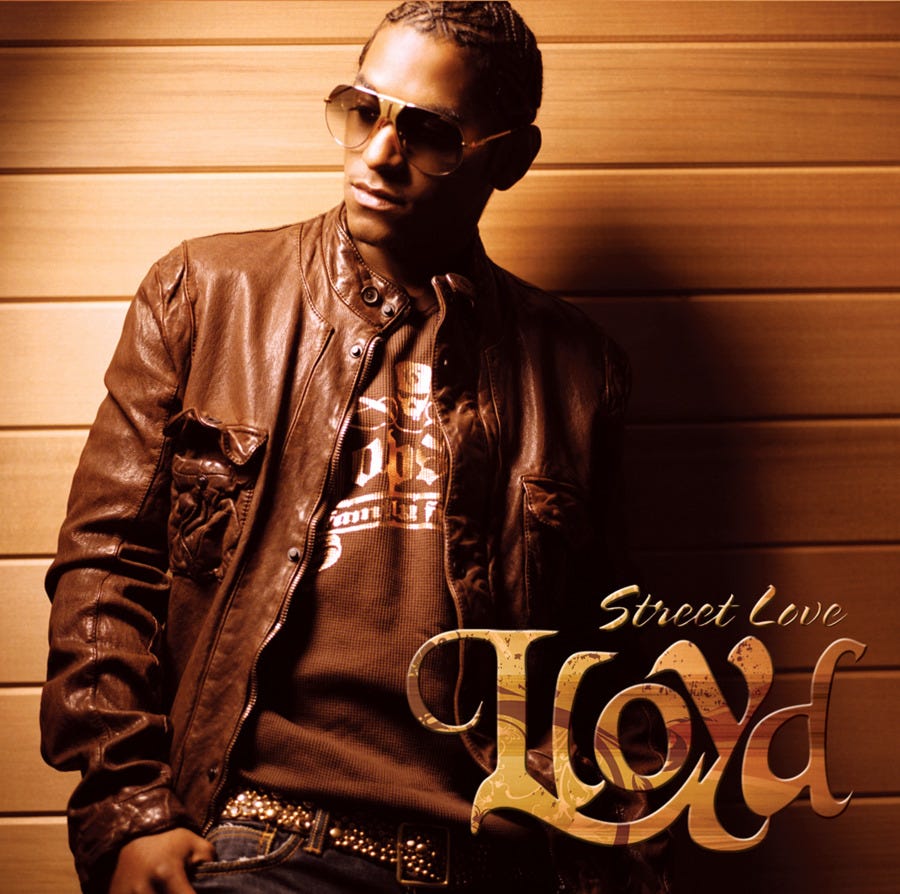
From New Orleans, introduced in a separate section. His group didn’t land major hits, but he blossomed as a solo artist at 18 after signing to Irv Gotti’s The Inc., the same camp as Ashanti. That makes sense, because his charm lies in sexiness. As a singer, Lloyd is like someone who took Michael’s sensitive falsetto and turned it toward something more glossy; he keeps the thinness of the line while being more aggressive in his approach to women. This second album includes “You,” his biggest career hit, a collaboration with Lil Wayne. That mid-groove with his blue-tinged voice is great, of course, but the most central track here is “Incredible,” which you can’t help but remember Michael when you hear it: both in the way it updates “Butterflies” toward the mainstream and in the vocal style of singing rhythmically with a sensitive falsetto. His fourth album from 2011, where his Michael-like touch explodes even on uptempo tracks, is also good. — P
Rating: ★★★★☆ (4/5)
His falsetto takes MJ sensitivity and turns it more openly sensual, keeping the line slender while the intent gets bolder.
Slim, Love’s Crazy

It’s true that he likely rode the moment. In the mid-90s, 112 debuted flamboyantly from Bad Boy at the peak of hip-hop soul, with “Only You” featuring the wildly popular Notorious B.I.G. Still, if Slim hadn’t been in 112, would “Only You” really have been a hit? Would they have broken without that rare, thin voice? Yes: his appeal is in a voice that sounds like a caricature of Michael’s weak-kneed, collapsing tone. On this first solo album, from hard, digital-smelling uptempo tracks produced by Ryan Leslie to the straight-composed ballad “Apologize,” his thin voice lingers in your ear throughout. In Michael terms, “Bedtime Stories,” with a world that feels like the ending of “The Lady in My Life” expanded outward, is outstanding. On that relaxed groove, the rhythmic way he cuts syllables keeps Michael alive here too. — B.O.
Rating: ★★★½☆ (3.5/5)
The voice is the whole story, a deliberately frail tone that bends and collapses in ways that recall MJ’s most vulnerable moments. The strongest track stretches that late-“Lady in My Life” kind of slow-burn romance into a bigger room without losing the delicate edge.
Dornik, Dornik

This young UK singer-songwriter, who y’all slept on by the name of Dornik, brought onto the stage by Jessie Ware, is probably the newest cutting-edge MJ follower alongside The Weeknd. This first album starts briskly with the new-wave–style running funk “Strong,” reminiscent of Joe Jackson, and projects Michael’s sensitive side across the whole record: the smooth, delicate singing mixed with layered choruses heard even on the debut single “Something About You,” and the graceful melodies that flutter as if dancing in midair. In particular, the slows like “Blush,” “Mountain,” and “Chainsmoke” are classic songs that gently set voice atop a fragility like “She’s Out of My Life” while also carrying a mellowness like “Butterflies.” His sense for weaving a bewitching sound space with synths and drum machines also connects to Prince. Andrew “Pop” Wansel, who was involved in making medium-boogie tracks like “Drive,” is the son of Dexter Wansel, who worked on the Jacksons’ Philly recordings. — B.O.
Rating: ★★★★½ (4.5/5)
UK modern-funk polish with MJ-style softness built into the writing, not pasted on top, so the melodies stay graceful while the drums keep moving. The slow cuts carry “She’s Out of My Life” fragility with “Butterflies” warmth, and the family-connection detail deepens the Philly thread.
Sterling Simms, Yours, Mine & the Truth
From Philly, he also spent time training under Kenny Gamble, and through those connections formed The Knightwritaz with Mario, Oak, and Marsha Ambrosius, doing behind-the-scenes work. He seems especially compatible with Marsha, and they have also collaborated on mixtapes and the like. He debuted as a singer in 2007. The lead track “Nasty Girl” was a flawless piece as a Michael-style evolved boogie, but it is not included on this album. Born in the 80s, he says the influences he absorbed were New Edition and Usher; in that sense, perhaps he absorbed Michael at a remove. His singing, with stronger classical coloring than Michael, is closer to Trey Songz, and on “Jump Off,” his collaboration with Sean Paul, he has power that doesn’t lose to the boomy kick drum. Meanwhile, on the slow groove “Sex in the City,” which brings a floating feel, he shows an exquisite falsetto-chorus like Michael’s, meltingly good. — P
Rating: ★★★☆☆ (3/5)
The background is rich, but the MJ thread shows up in flashes rather than running the whole paragraph, mostly when the falsetto chorus turns buttery and dense. The uptempo talk pulls attention outward, then the slow-groove proof arrives late.
Sebastian Mikael, Speechless

A Sweden-born, U.S.-based singer with an Ethiopian mother. Alongside Marvin Gaye and Stevie Wonder, he cites Michael as an influence, and he also shows sympathy for Usher and Chris Brown; in the vocal sense of stretching out a youthful thin voice, he brings MJ to mind. While he sings urban R&B with full sensuality, represented by the mellow “Last Night” featuring Wale and built on Al B. Sure!’s “Nite and Day,” he can also switch quickly into singing pop songs, which could also be called Michael-like. What supports his MJ mood most is his falsetto that transitions smoothly out of his natural voice. Listen to how beautifully his voice flips on the dancer “4U” featuring Rick Ross, as if he picked up MJ feeling by way of Chris Brown. The medium “Thinkin’ About You” also feels Michael-like as his delicate beautiful voice gains force. The church-manner ballad “Forever,” reminiscent of D’Angelo, is something I want to recommend in a different context. — P
Rating: ★★★★☆ (4/5)
The key move is the seamless chest-to-falsetto slide, letting him carry MJ-style sweetness across both urban R&B and pop shapes. When the voice flips on the dancer, it’s clean and bright, and the mid-tempo singing tightens without losing softness.
Mario Vazquez, Mario Vazquez
Mario Vazquez is a Bronx-born Puerto Rican singer who graduated from LaGuardia High School, famous as an arts-focused school. A demo he made afterward was recognized by Teddy Riley, and he was selected for the chorus on Michael’s “Whatever Happens” (from Invincible), which Teddy was involved with at the time. He then leveraged the buzz of appearing on American Idol and unexpectedly dropping out mid-season, and debuted with this album. Coming right after the break of Ne-Yo, melodious mids involving Ne-Yo and Stargate, such as “Gallery” and “We Gon’ Last,” are the main draw. He has a good voice. The high range of his clear natural voice extends without strain, and with only a slight push, soul quickly takes residence in his singing; it turns into a sway of feeling and touches the listener’s vital points. Whether it’s “Fired Up,” where Stargate challenges an exotic uptempo, or the refreshing dancer “How We Do It” by The Underdogs, he’s a superior singer who makes anything he sings come out high-quality. — B.O.
Rating: ★★★½☆ (3.5/5)
The MJ link is literal through “Whatever Happens,” then the album sells itself on a high range that stays clear even when he pushes harder. The best description here is how quickly soul enters his tone with just a slight lift, making the voice feel alive rather than trained.
J. Holiday, Back of My Lac’
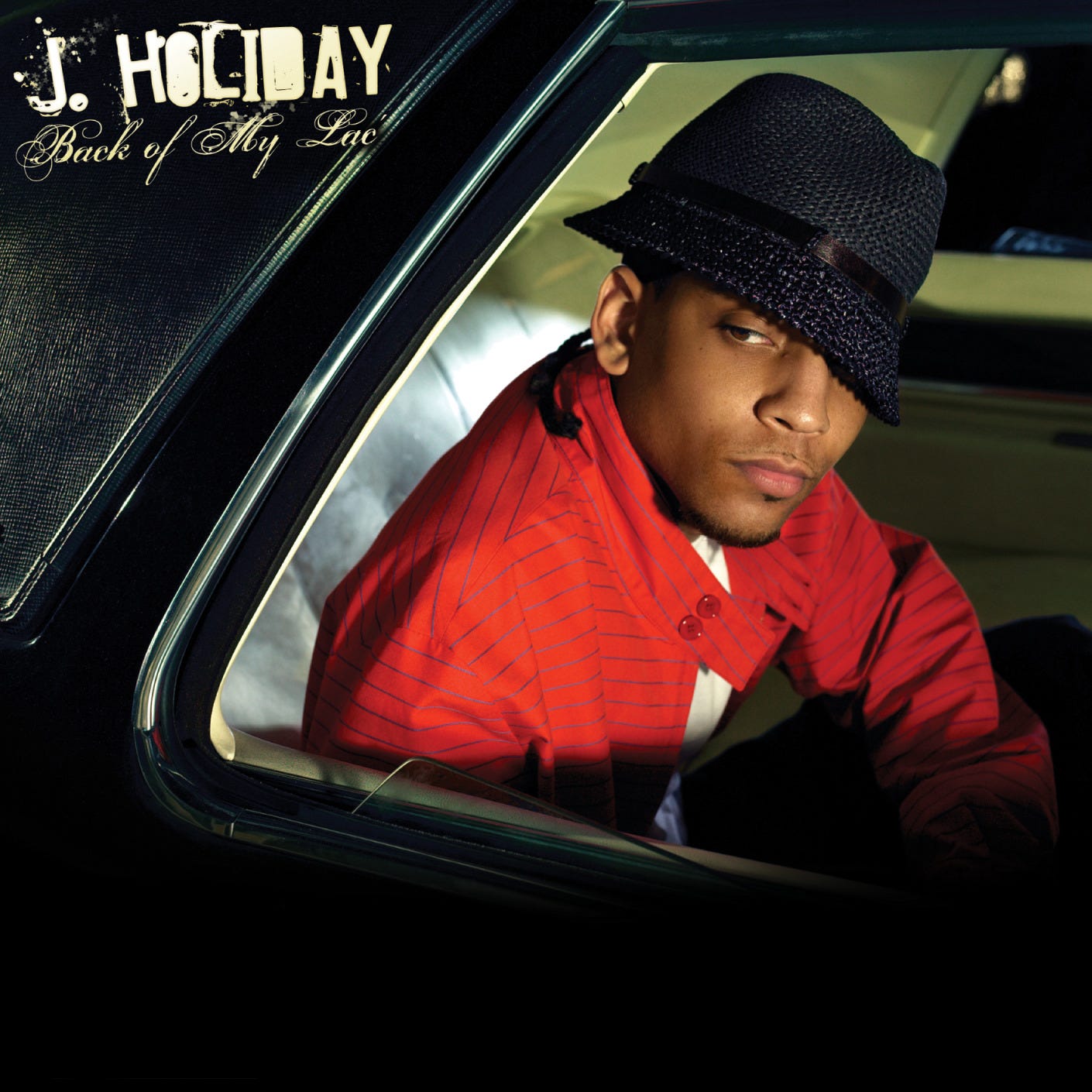
From the fact that he hums a snippet of Smokey Robinson’s “Cruisin’,” D’Angelo-style, it’s clear he’s a singer with strong old-soul leanings, but the two songs that triggered his break were excellent numbers built for mainstream direction. His debut “Be With You” was made by Darkchild, Rodney Jerkins, who also worked on Invincible. He fully digested Ne-Yo’s sentimental composing style almost as soon as Ne-Yo appeared, and it’s impressive how he makes a Marvin Gaye–type J. Holiday style sound current. The other key song is “Bed,” made by Los Da Maestro and songwriter The-Dream. The underwater-like muffled beat and the falsetto-mixed refrain thick with The-Dream’s fingerprints lock together so perfectly it’s hard to imagine other combinations, and it became one of the year’s defining hits. You can’t help imagining what it would have been like if MJ had sung a song like the latter. — P
Rating: ★★★★☆ (4/5)
Two breakout songs, two different engines, both tied to people in MJ’s orbit, then explained in plain musical terms like muffled underwater beat and falsetto refrain. The entry earns the MJ “what if” because it describes the exact parts Michael could have inhabited.
Ruben Studdard, Love Is
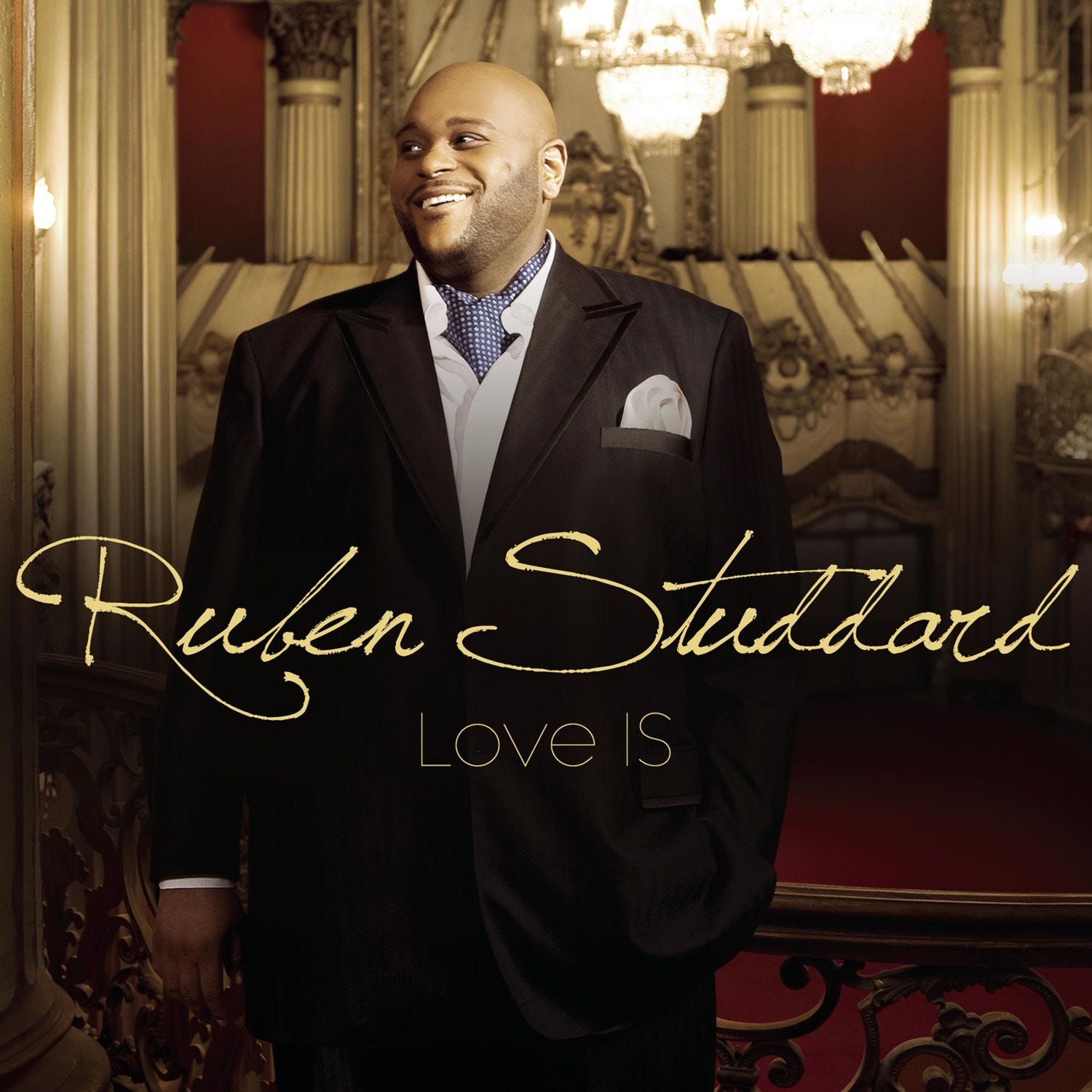
The TV audition show American Idol was meant to produce pop stars like Michael. The bear-like man who became the winner of Season 2 is a skillful singer who can fully become both Donny Hathaway and Luther Vandross, and he has a sweet baritone. Therefore, it’s hard to find many shared points with Michael in singing itself, but his admiration for MJ as an American Idol should not be fake. On this fourth album, he again brought in Stargate after the previous work, incorporating MJ-like feeling into Ne-Yo-line beautiful ballads like “Together” and four-on-the-floor uptempo tracks like “How You Make Me Feel.” And the clincher is the cover of “I Can’t Help It,” handled by the combined team of Jam & Lewis and Teddy Riley. Keeping the original’s mystical mood, it is a great performance that brings his voice closer to Michael’s gentleness. The ballad “Footprints in the Sand,” written with PJ Morton and others, is almost a “You Are Not Alone” world. — P
Rating: ★★★½☆ (3.5/5)
He’s not an MJ-tone cousin, so the chapter logic shifts to repertoire and how producers shape a softer, gentler lane around him. The “I Can’t Help It” cover is the centerpiece because it demands light touch and quiet warmth instead of power.
Jeremih, Jeremih

The power of one song can make an artist an artist. Jeremih also rose suddenly in the scene because one song hit. Citing Pissy and Michael as influences, he grew up in a musical family surrounded by instruments and experienced marching band and Latin jazz band as well, making him a kind of music elite. “Birthday Sex,” which was on a demo he shopped during his student days, was liked by a radio DJ, and that became his path to debut. Though his singing is restrained, the harsh, sticky way he turns phrases, in the line of Rihanna’s “Umbrella,” made this song (included here) generate many cover/no-answer songs, and he quickly became known. The EDM-leaning, synth-sprinkled sound his partner Mick Schultz creates can seem refreshing, but is also quite harsh in its own way, while he is also good at sepia-like expression on ballads with organic arrangements, like “Starting All Over.” On the 2015 album Late Nights, including collaborations with J. Cole, Migos, Future, and others, he drifts in the gap between ambient and trap. — B.O.
Rating: ★★★½☆ (3.5/5)
A restrained singer who still bends phrases with a sticky pop bite, then turns around and handles organic ballads with a calm, sepia mood. The influence claim holds because it’s tied to vocal behavior and musical upbringing, not just a name-drop.
The-Dream, IV Play

The-Dream is often seen as an artist strongly colored by Prince or by Pissy Boy. However, the one standing on the far side of that man (the latter) is unmistakably Michael himself. He debuted in 2007, the year he drew attention as one of the songwriters of Rihanna’s “Umbrella.” His second album Love vs. Money included “Walkin’ on the Moon,” which time-traveled Michael’s boogie into the future, but this album expresses MJ in a more direct form. Over piano hitting a tight four-count, there is, exactly as named, a song called “Michael,” where he says, “Why? Why? Doesn’t it sound like Michael?” and then delivers a Michael-like vocal in a soft, mellow direction like “Human Nature.” The following “Loving You / Crazy” also follows a “Don’t Stop ‘Til You Get Enough”-style beat and features lively horns. It’s an extremely current urban-pop work featuring Beyoncé, 2 Chainz, and Kelly Rowland. — B.O.
Rating: ★★★★☆ (4/5)
MJ shows up as rhythmic handwriting, bright four-count insistence, and that soft-mellow vocal lane that sits just above the beat.
Avant, Face the Music

At his debut, Avant gave a strong impression of borrowing Pissy’s style almost exactly as-is, but as he released more work, he strengthened his originality. Still, as a singer he overlaps with Kelly in many ways, and naturally he is not far from Michael either. He is also a singer who uses a naive high tenor. Where Michael’s vocal expresses a heart that feels ready to break by making the voice tremble in small bursts, Avant refuses vibrato and expresses that tension through a tightly stretched air. Even putting lyrics aside, there are fresh R&B-only attempts that make you think Michael might have surprisingly suited them if he tried: “80 in a 30,” where he plays a post-trap beat and loves a female singer, and “Best Friend,” which uses a machine-gun-like synth-bass chop as the beat with no drums. It leans more classical, but his duet with Keke Wyatt is also exquisite. His 2015 work includes an uptempo track reminiscent of “Heartbreak Hotel.” — B.O.
Rating: ★★★★☆ (4/5)
The vocal comparison is technical and clear, MJ’s quick tremble versus Avant’s tight, vibrato-free tension, which makes the lineage feel earned instead of decorative.
Smokey Robinson, Intimate
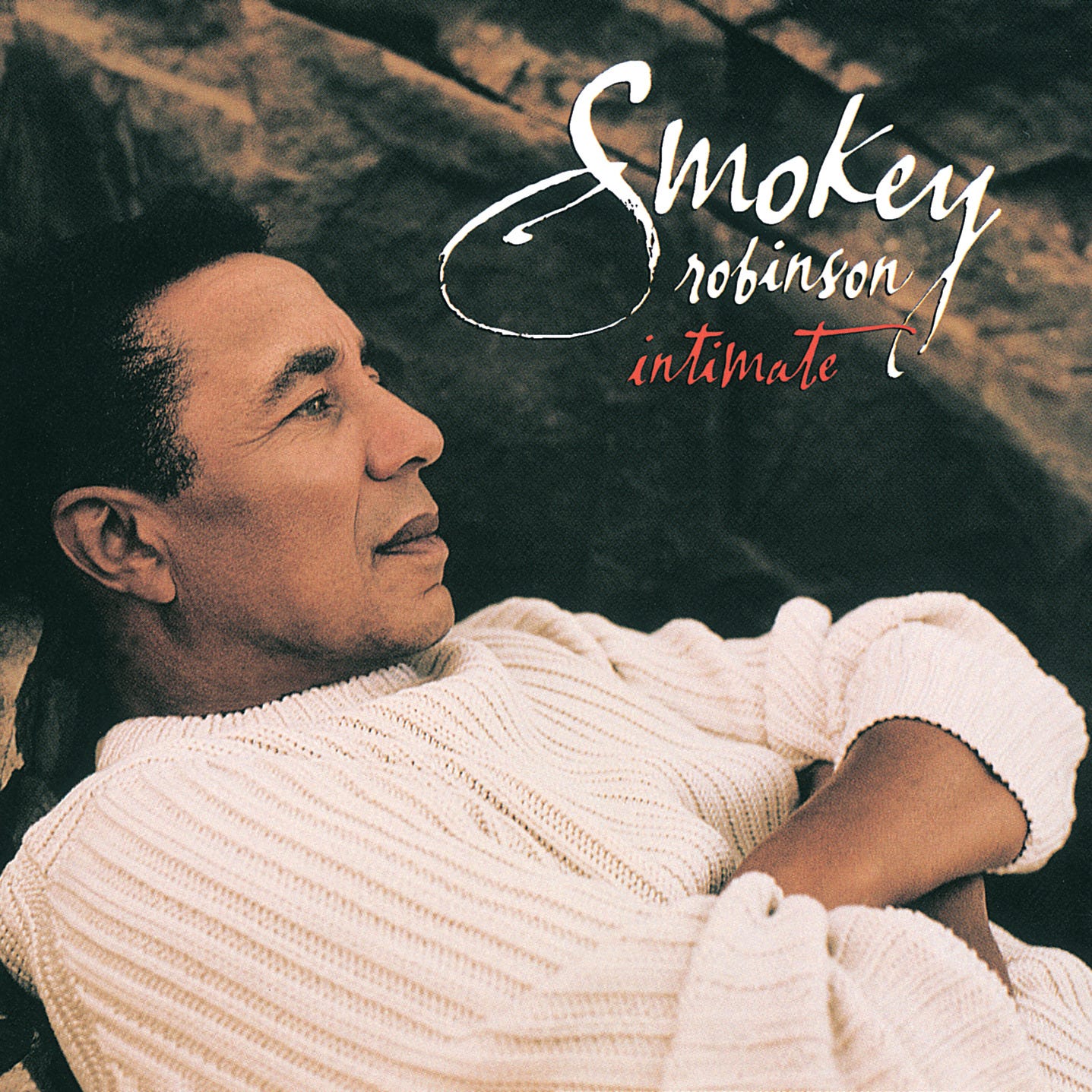
The author of The Miracles’ “Who’s Loving You,” which was also a Jackson 5 specialty, and one of the patrons who contributed to Michael’s (and the group’s) rise as Motown’s vice president, later providing songs as well. His trademark whisper-like vocal from The Miracles era must have certainly influenced Michael, and his solo-era “Quiet Storm” was also a classic that can be called a model of MJ mellowness. This great figure, who has kept that flavor intact, re-signed with Motown under the direction of Kedar Massenburg and released this album. Master craftsman Michael Stokes, also from Detroit, and Michael Lovesmith, who also had ties to J5, teamed with Berry Gordy, reviving vintage Smokey style as a quiet-storm album in a crunk method. From the smooth opening “Sleepin’ In,” it’s a run of songs that make full use of his delicate beautiful voice, and “Love Love Again,” provided and produced by David Foster, approaches with an elegance that connects, even in the chorus, to MJ pop ballads. — P
Rating: ★★★½☆ (3.5/5)
This is the whisper-school MJ learned from, a singer who turns closeness into a full style, then keeps it intact decades later with smooth openers and chorus-rich elegance.
Jermaine Jackson, I Wish You L.O.V.E.

When Michael and the others left Motown, Jermaine was the only one who remained with the label. He went on alone on a different path from the Jacksons, creating era-appropriate R&B, scoring hits like “Let’s Get Serious” with Stevie Wonder and “Don’t Take It Personal” produced by Surface. However, that activity also stalled after 1991’s You Said, produced with Babyface and others. Released about 21 years later, this album became a jazz covers collection backed by opera singer David Serero. The songs are jazz standards such as the title track, “Les Feuilles Mortes,” and “My Funny Valentine.” He shows a calm, flavorful vocal that recalls “Smile,” which he sang at Michael’s memorial service. When he harmonizes in octaves on “But Not for Me,” am I the only one who ends up dreaming of an impossible brother duet with Michael? — B.O.
Rating: ★★★☆☆ (3/5)
A late return built around standards, where the interest is tone and phrasing, not reinvention, and the “Smile” echo makes the MJ shadow unavoidable without forcing it.
Lucky Daye, Candydrip
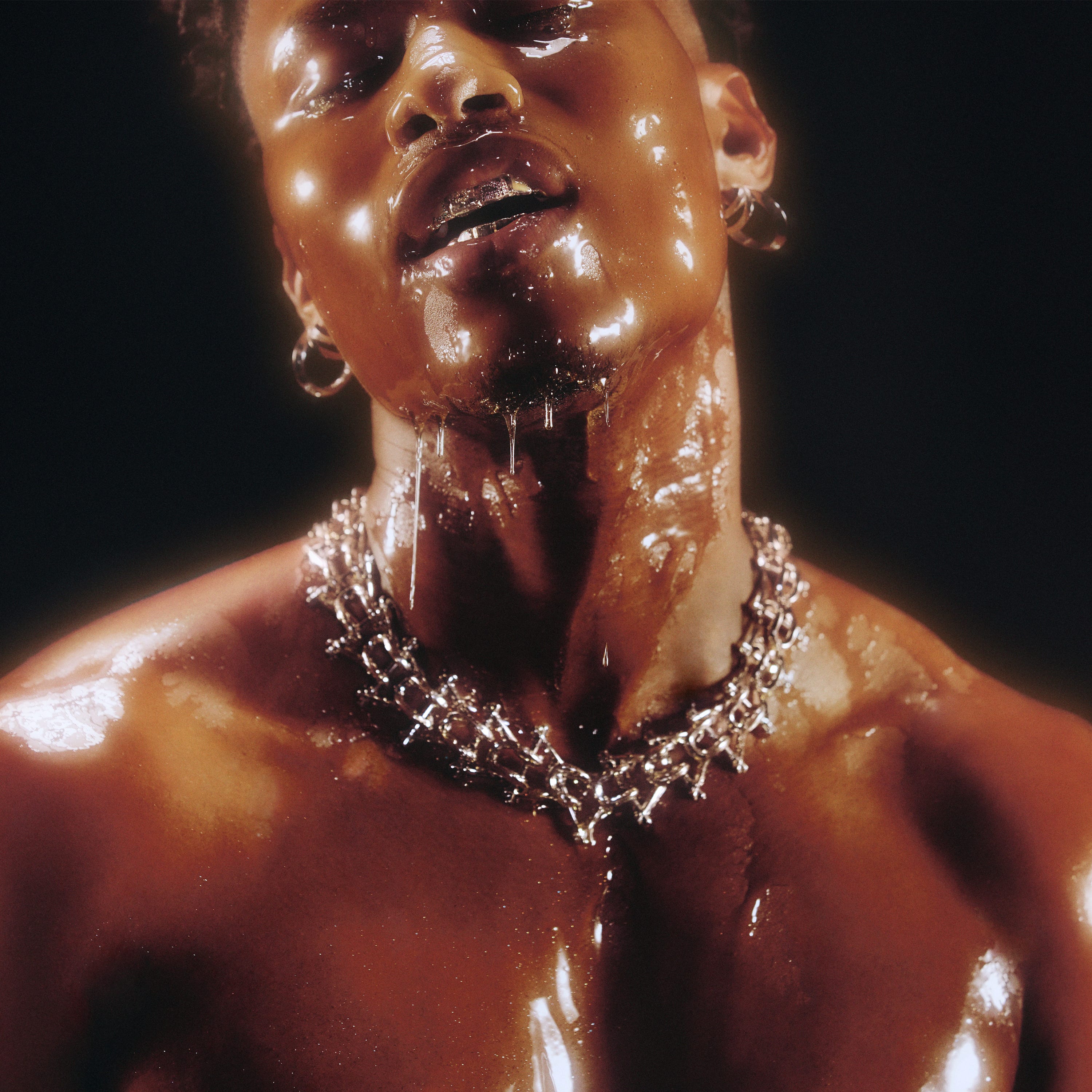
New Orleans by way of Brooklyn, Lucky Daye spent years writing for other artists before his 2019 debut Painted announced a singer who could bottle the Off the Wall glow and make it burn slow. His sophomore album arrives drenched in synthesizers and late-night energy, D’Mile’s production anchoring everything in that pocket where funk and ballad meet without tripping over each other. Tracks like “Over” and “Used to Be” bear the Michael DNA in their airy falsetto passages and the way the drums push against the sweetness. The connection runs through touch more than mimicry, through the way Daye lets his voice feather at the top of phrases the same way Michael did on those Quincy Jones ballads, letting notes evaporate rather than land hard. “Fuckin’ Sound” demonstrates he can get nasty when the mood calls, but the MJ thread surfaces clearest on “Fever,” where his tenor curls through a bed of keys with something close to Off the Wall’s late-night sophistication. — B.O.
Rating: ★★★★☆ (4/5)
A syrupy second album that balances sensuality with genuine melodic craft, carried by D’Mile’s immaculate grooves. The falsetto work and rhythmic phrasing reveal a deep absorption of early-80s Michael.
Leon Thomas, Electric Dusk
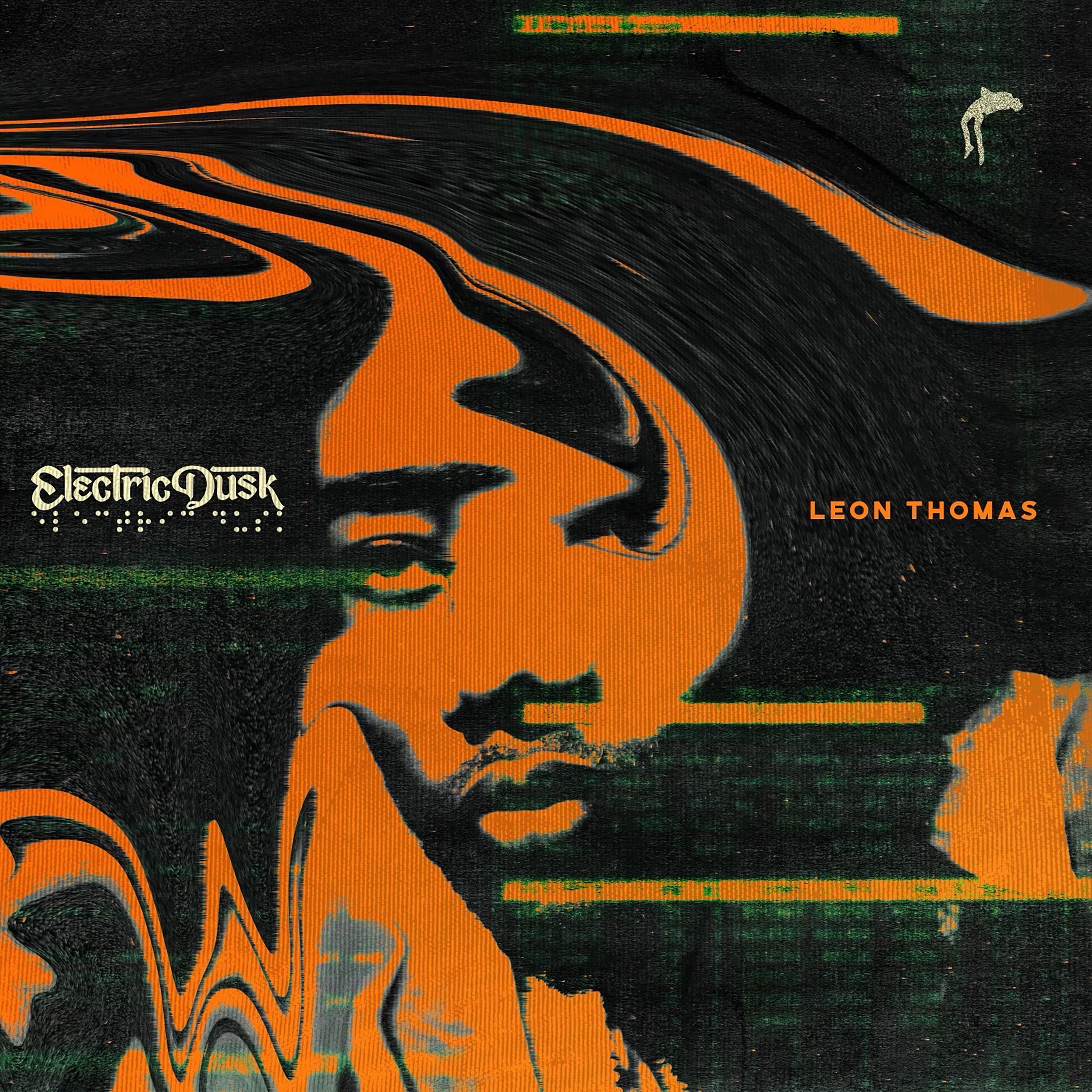
Before stepping into the spotlight, Thomas spent years as a go-to songwriter for the Interscope roster, shaping records for Ariana Grande and co-writing SZA’s Grammy-winning “Snooze” while developing his own voice in the margins. His full-length debut shows someone who absorbed both sides of Michael’s catalog, the romantic vulnerability and the rhythmic confidence, and filtered them through modern R&B’s hazier textures. “Breaking Point” places his feathery tenor against a minimal beat, letting the vocal do all the lifting, while “Blue Hundreds” pushes into experimental, genre-bending territory with psychedelic rock guitar licks and free jazz flourishes. The MJ fingerprints appear most clearly in his phrasing, the way he hiccups through certain syllables and lets phrases trail into breath. Producers like Axl Folie, Coleman, and Don Mills construct tracks that leave plenty of room for that voice to maneuver, and he deploys the space wisely. The slow-burn electric guitar-driven “My Will” sounds like what might have happened if someone had handed “I Can’t Help It” to a generation raised on melodic rap’s emotional sprawl. — B.O.
Rating: ★★★★☆ (4/5)
A promising debut that showcases genuine vocal dexterity and smart production choices without fully committing to a singular vision. The MJ influence manifests through phrasing and falsetto control rather than outright homage.
Mac Ayres, Something to Feel

The Long Island singer-producer released this 2018 album independently, handling most of the instrumentation himself and revealing a clear affection for the bedroom-soul that Michael mastered on Thriller’s quieter moments. His voice sits in a similar register to early-80s MJ, high and clear without pushing into strain, and tracks like “Next to You” and “Get to You Again” glide on pillowy arrangements that never overstuff the mix. What separates Ayres from the flood of neo-soul smoothness clogging streaming playlists is his restraint with production flourishes, choosing simple keyboard washes and understated bass over the maximalist approach his generation often defaults to. The closer “Stay” finds him stretching into his upper range with a trembling delicacy that recalls Michael on “Human Nature,” all held breath and careful landing. His songwriting favors circular melodic patterns that hypnotize rather than hook, which can occasionally flatten the impact, but when the approach works, it conjures a genuinely transportive mood. — P
Rating: ★★★½☆ (3.5/5)
A self-produced project that prioritizes atmosphere over flash, built on keyboard beds and a featherweight tenor. The MJ influence runs through vocal placement and dynamic control rather than overt stylistic borrowing.
Miguel, War & Leisure
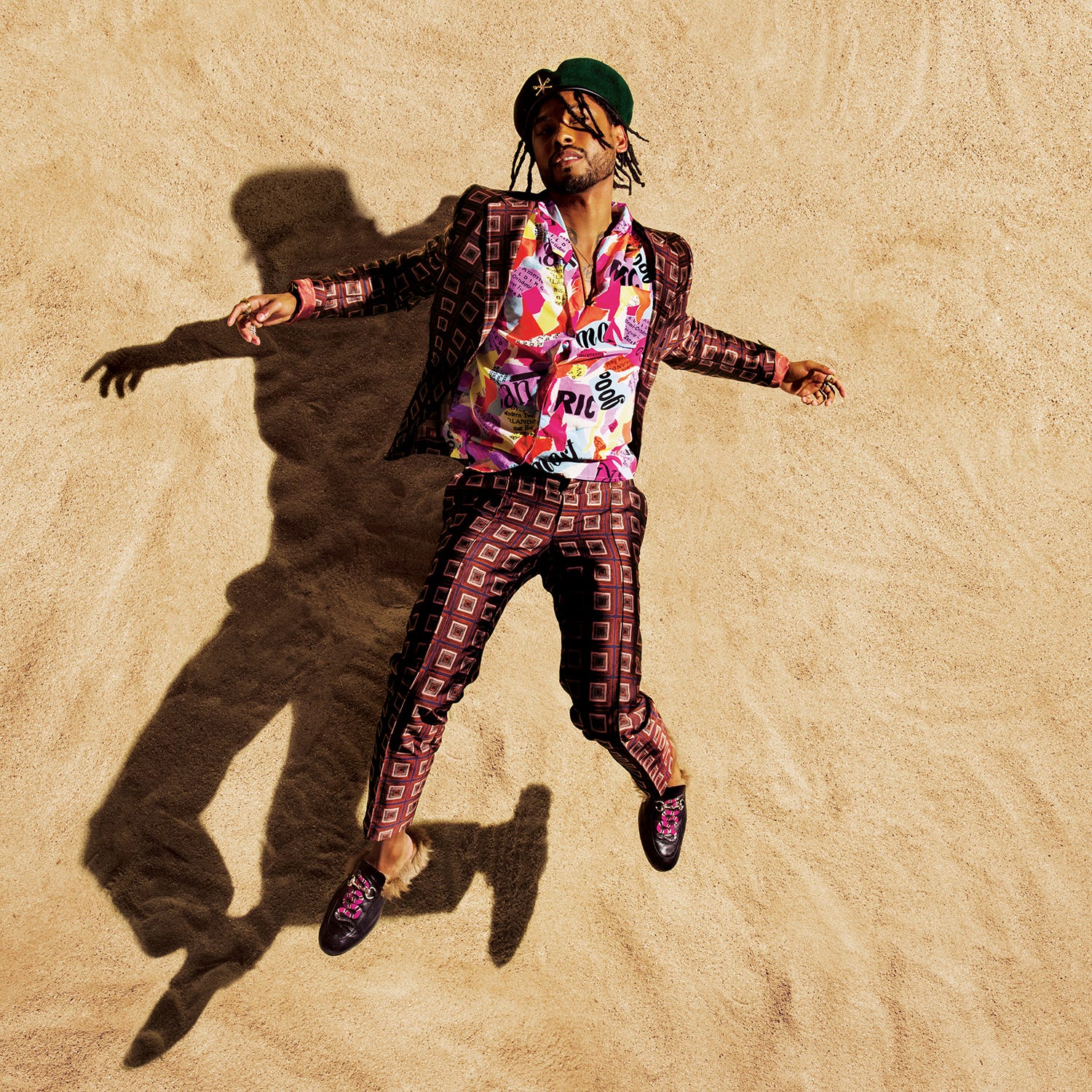
By his fourth album, the Los Angeles singer had already proven he could split the difference between Prince’s freak-flag sexuality and Michael’s precision, but War & Leisure locates him leaning harder into the political moment than pure bedroom material. His falsetto pinballs through sparse arrangements with the same light-footed grace Michael brought to the dreamier passages on Invincible. “Caramelo Duro,” featuring Kali Uchis, revives the Latin-tinged pop that Michael explored on “They Don’t Care About Us,” while “City of Angels” wraps protest sentiment in a coating of sweet melody. Miguel has always sung like someone who studied the way Michael attacked consonants and rounded vowels, never rushing through syllables that deserve their own moment. The album wobbles when it chases trending sounds, but its strongest tracks confirm Miguel remains one of the few contemporary singers who can sell vulnerability without sacrificing edge. — P
Rating: ★★★★☆ (4/5)
An ambitious fourth album that threads political conscience through silk-sheet soul, anchored by Miguel’s unmistakable falsetto and harmonic intuition. The MJ influence surfaces in his phrasing precision and his ability to make complex vocal runs sound effortless.
Omar Apollo, Ivory
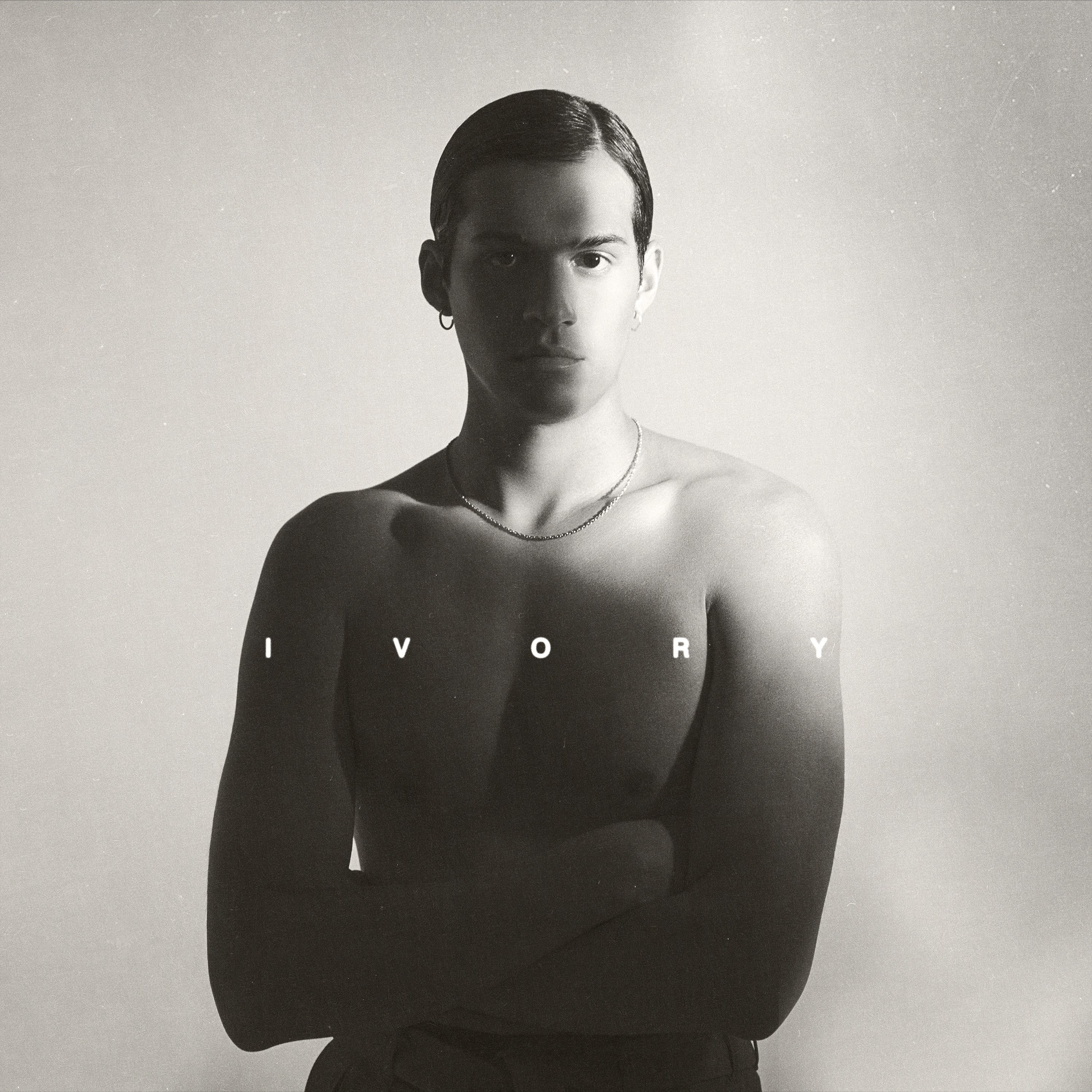
The Indiana singer spent his early releases toggling between bedroom-pop, R&B, and Latin influences before this 2022 debut settled into something more focused. Pharrell Williams and Chad Hugo handle “Tamagotchi,” giving it that signature Neptunes bounce, while Apollo’s voice floats above in a register that shares real estate with Michael’s tender side. The MJ connection emerges strongest on ballads like “Evergreen (You Didn’t Deserve Me at All),” where his voice shivers through the upper range with a vulnerability that sounds learned from repeated listens to “She’s Out of My Life.” His bilingual approach adds dimension that pure MJ devotees rarely attempt, switching between English and Spanish on tracks like “En El Olvido” without disrupting the album’s emotional temperature. Apollo has spoken openly about loving falsetto singing since he first started making music, and that affection shows in small details: the way certain ad-libs catch and flutter, the patience he exhibits before reaching for the big note. — P
Rating: ★★★★☆ (4/5)
A confident debut that synthesizes Latin pop, bedroom R&B, and Neptunes-adjacent grooves into something personal and emotionally direct. Apollo’s falsetto work and melodic instincts betray deep roots in classic ballad craftsmanship.
SiR, Heavy

The TDE vocalist has always carried himself like someone who’d rather be remembered for songwriting craft than viral moments, and this fourth album doubles down on that patience. His voice inhabits a lower range than most MJ descendants on this list, but the influence shows in his approach to mid-tempo grooves, the way he lets melodies breathe and resists the temptation to oversing. “Life Is Good” and “Nothing Even Matters” move at a pace that recalls the late-night momentum of “Wanna Be Startin’ Somethin’” slowed to half-speed, while “No Evil” catches him ascending into a higher register that reveals more obvious debt. Producers like Cardiak, J. White, and D.K. the Punisher help construct a sound that honors classic R&B without feeling like museum piece nostalgia. Where SiR most clearly inherits Michael’s sensibility is in his rhythmic relationship with the track, never sitting on top of the beat but weaving through it, treating drums as dance partner rather than foundation. — P
Rating: ★★★★☆ (4/5)
A measured fourth album that prioritizes groove and emotional patience over flashy vocal display. The MJ influence shows in rhythmic feel and melodic architecture rather than falsetto fireworks.
Snoh Aalegra, Temporary Highs in the Violet Skies
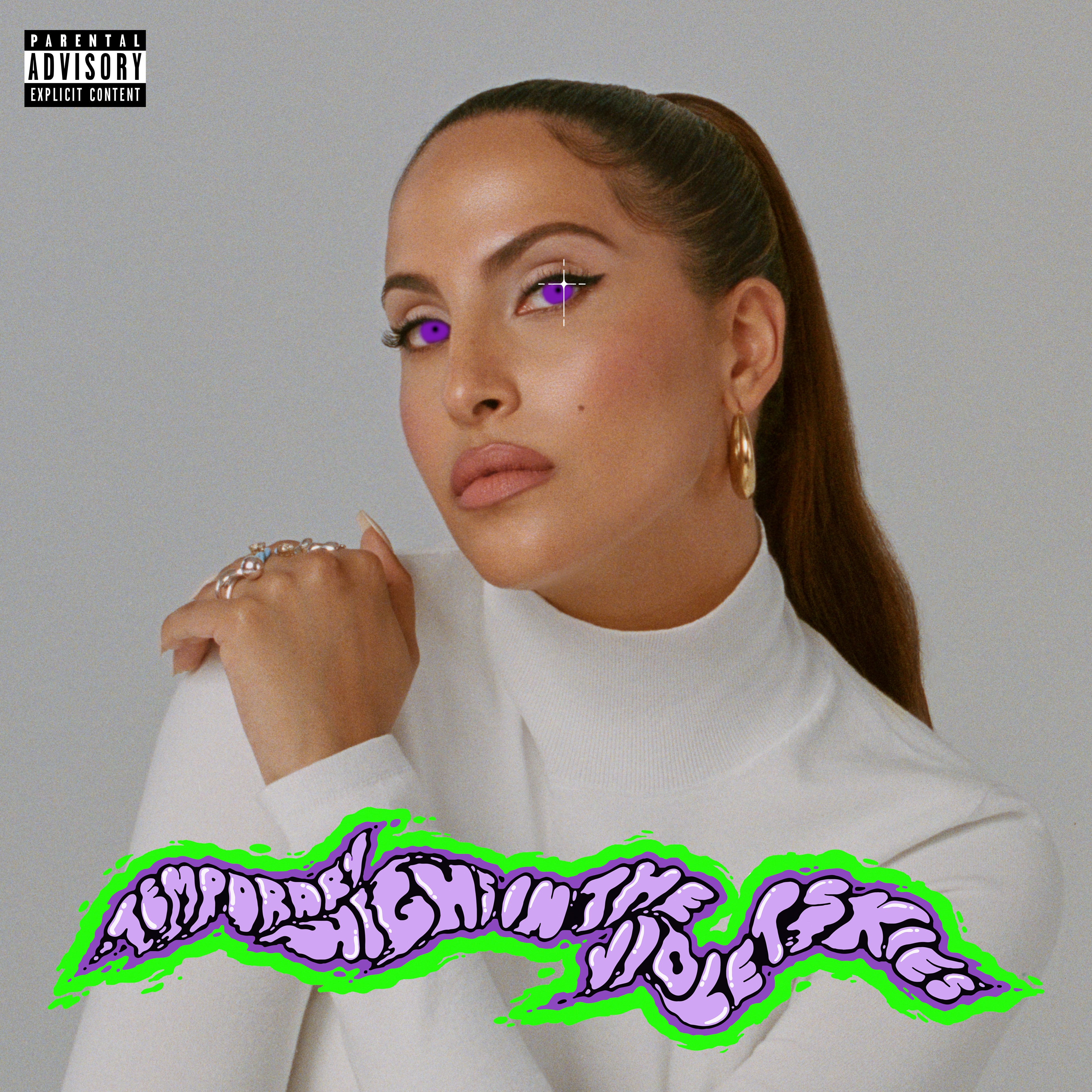
The Swedish singer has never hidden her devotion to Michael, covering “I Can’t Help It” in live performances and building her entire sound on the kind of delicate, string-kissed R&B that defined his ballad work. This third album presents her most direct engagement with that lineage, tracks like “Lost You” and “Neon Peach” carrying melodies that could have slotted comfortably onto Thriller’s second side. Her voice occupies a similar pocket to the boyish purity Michael brought to love songs, clear and slightly breathy with just enough grit at the edges to keep things from floating away. Production from No I.D., Tyler, the Creator, and The Neptunes (“In Your Eyes” is the most notable track here with the obvious Michael influence) wraps her vocals in lush arrangements that never overwhelm, strings and synths creating beds rather than competition. “In the Moment” verifies she can bring tempo when needed, but her sweet spot remains the slow jam, delivered with the same trembling conviction Michael brought to his most vulnerable performances. — P
Rating: ★★★★☆ (4/5)
A gorgeous third album that makes no secret of its Off the Wall and Thriller worship, built on sweeping arrangements and a voice of crystalline vulnerability. The MJ influence runs through every melodic choice and dynamic decision.
The Weeknd, My Dear Melancholy,
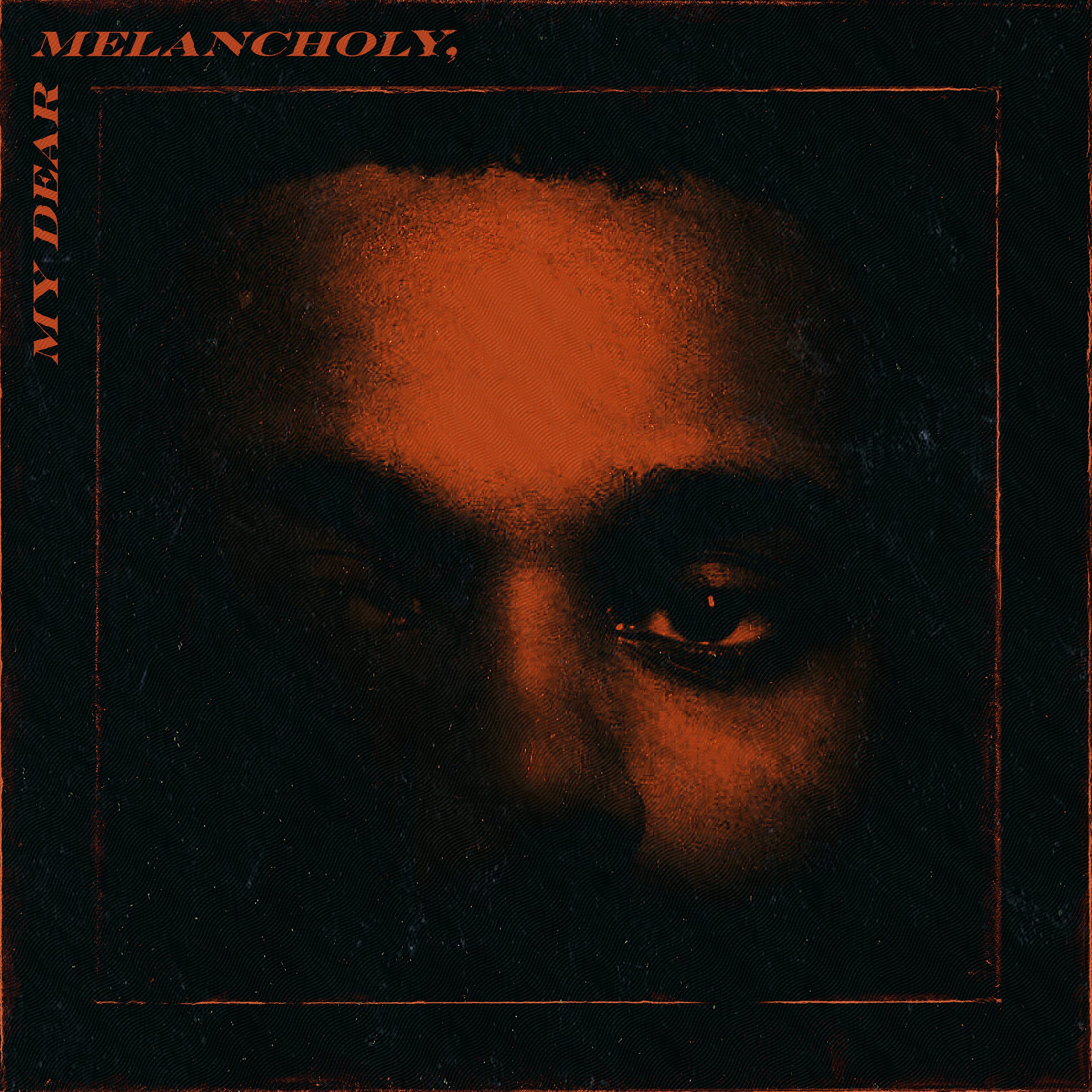
Abel Tesfaye built his early career on subverting Michael’s template, taking that falsetto sweetness and coating it in codeine darkness, but this brief EP catches him engaging more directly with the source material. Six tracks of heartbreak set against brooding synths and minimal beats, with his voice reaching into the upper register more frequently than his Starboy-era work allowed. “Call Out My Name” became the project’s signature moment, a ballad where his falsetto aches with the same wounded precision Michael brought to “She’s Out of My Life,” while “I Was Never There” wraps similar devastation in harsher Gesaffelstein production. The MJ lineage here shows most clearly in Tesfaye’s rhythmic approach to slow songs, the way he pushes and pulls against the beat rather than simply riding it, finding drama in small hesitations and unexpected emphases. Co-producers Frank Dukes, Skrillex, and Guy-Manuel de Homem-Christo assemble soundscapes that would horrify the Thriller generation, but the voice floating through them speaks a familiar language. — B.O.
Rating: ★★★☆☆ (3/5)
A devastated six-track EP that strips The Weeknd’s sound to its emotional core, showcasing his falsetto at its most raw and wounded. The MJ influence appears through vocal approach and dynamic sensitivity rather than sonic mimicry, proving the lineage can survive even the darkest production choices.
Superstardom’s brightness can be blinding, especially when it becomes legendary. While many fans of a scandalized big celebrity seem content to indefinitely remain in denial, many others will cavalierly shrug and continue consuming the celebrity’s product.
Nowadays, some fans will even make anonymous threats, often via social media, to scare off potential threats to the star’s reputation. The celebrity simply is that much distinguished. Michael Jackson’s questionable history of having young boy sleepovers at his Neverland Ranch comes to mind as a significant example. There were the enormous organized vicious attacks via various media on anyone, including big TV producers, who’d dare suggest that the legendary pop-music artist was a pedophile at heart. He simply was—and largely still is—that great and greatly loved.
As a pre-broadcast-era artist example of fandom denial or cavalier dismissal, many people to this day have difficulty accepting, or even caring, that acclaimed author Lewis Carroll—writer of the Alice In Wonderland and Through the Looking Glass children’s novels—had prepubescent girls pose nude for his photography-hobby camera, albeit with parental permission. He was, and basically still is, that much admired.
Five or six years ago, I asked four peers whether they were aware of this rather unorthodox photography hobby enjoyed by author Lewis Carroll, penname of Reverend Charles Lutwidge Dodgson. All four had no idea. One, though, became agitatedly apologetic and diversionary in her defense of the author. Another peer replied similarly.
Astounded, I felt sure they would not be so dismissive had they viewed just a few of the many shots of unnaturally seductive poses involving small child subjects. The ones I saw in a Great Books documentary left me disgusted. Yet it seems few know or even care about the real person being celebrated, including the late yet still great Michael Jackson.