

The R&B of 2016, Ten Years On
A special look back at the year R&B got strange. Mýa funded her own Grammy nominee, Sean and Jhené played a couple falling apart in real time, a military brat turned the altar into a banger, and more.
Welcome to the special edition of this Soulpolitan feature. Ten years ago, in 2016, R&B was lowkey in one of its strongest stretches of the decade, and five records from that spring show the direction the genre was heading in and what it was moving on from. Each of these five selects, though, looks back to one season. Ma self-funded her own comeback when the majors ignored her; Anthony Hamilton took his vocals to Nashville and sang himself out of oblivion; Big Sean and Jhen Aiko spun their own dissolution into a love story; Gallant turned his sadness into enigmas in his debut; Ro James released gospel-inflected sex music at its purest. Three of them netted Grammy nominations for the 2017 awards, and two were new artists. This is what 2016 felt like when the bigger headlines of the year were behind it.
Mýa, Smoove Jones
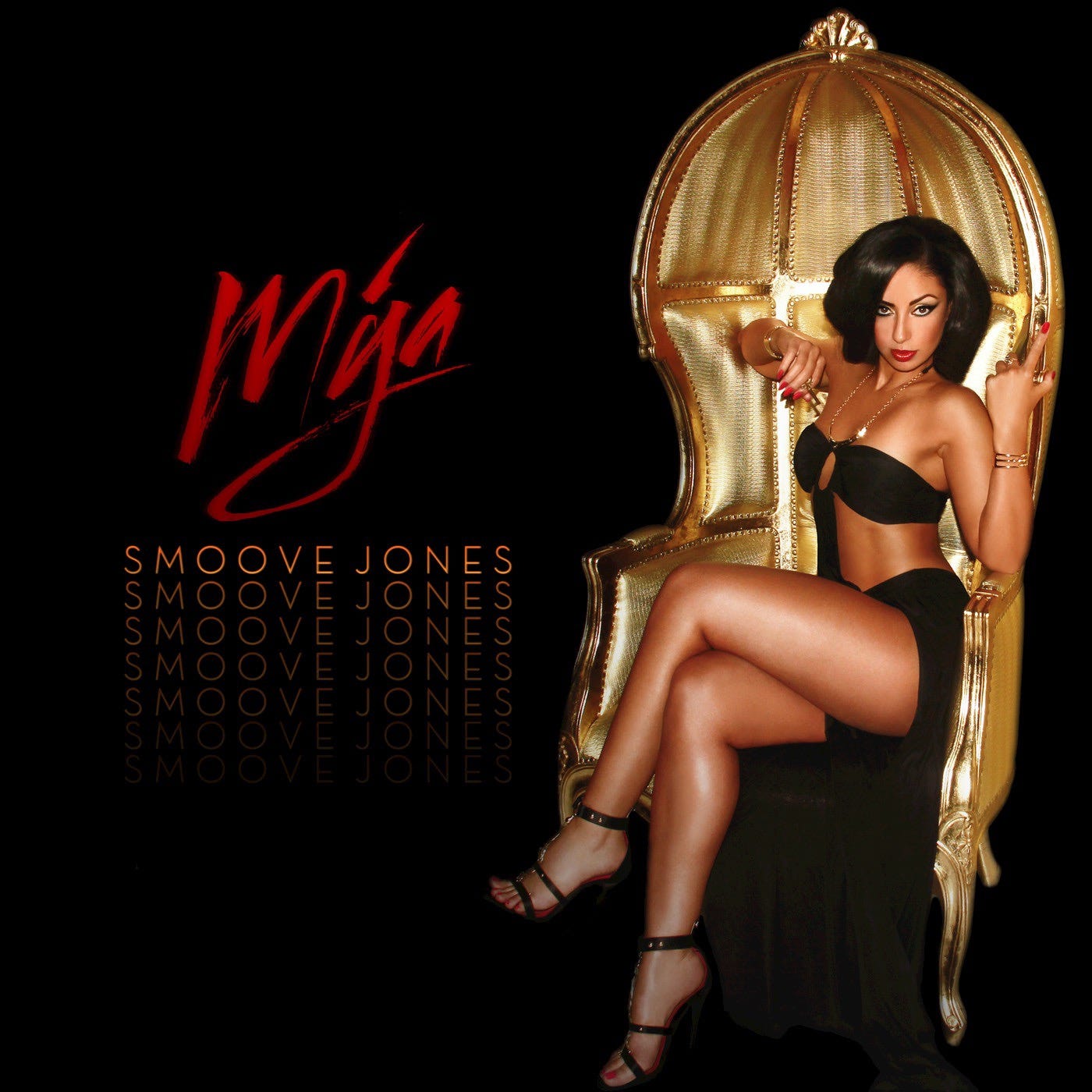
Some R&B lives after midnight—in the quiet-storm slot, where the DJ has a voice like warm bourbon and every record is built for two people and a dimmer switch. This is the room Mýa moved into on her seventh album. Built with her own cash on her own Planet 9 label and dropped Valentine’s Day 2016 with a 17-month zodiac calendar and a bottle of vegan wine with every direct order, Smoove Jones, which is named after an alter ego of hers that she described once as “Pam Grier with Billy Dee Williams’ flow”—a smooth operator working the late shift. She doesn’t break character even once. Welcome to My World is the mood and the instructions. Team You is a ride-or-die promise delivered at the speed of a 2003 morning radio record: devotion sans all the sarcasm. Coolin’ is the sonic representation of being completely relaxed with absolutely nowhere to be and all the time in the world. After 18 years that turned a teenage dancer from D.C. into a star with “It’s All About Me” and “Case of the Ex”—Mýa had plenty of opportunities to make a quick cash grab with a Nostalgia tour, but instead spent three years trying to find the sound the radio station no longer supports. So the Grammys put her indie, throwback album in the running for Best R&B Album along with a host of talented and established artists, including Lalah Hathaway, BJ the Chicago Kid and Mint Condition (none of whom had to create their own zodiac calendars for the occasion). It took her three years, a decade worth of unheard of, grown-up slow jams that Y2K left behind, and she created a whole album and even poured herself a glass to enjoy it. —Imani Raven
Anthony Hamilton, What I’m Feelin’
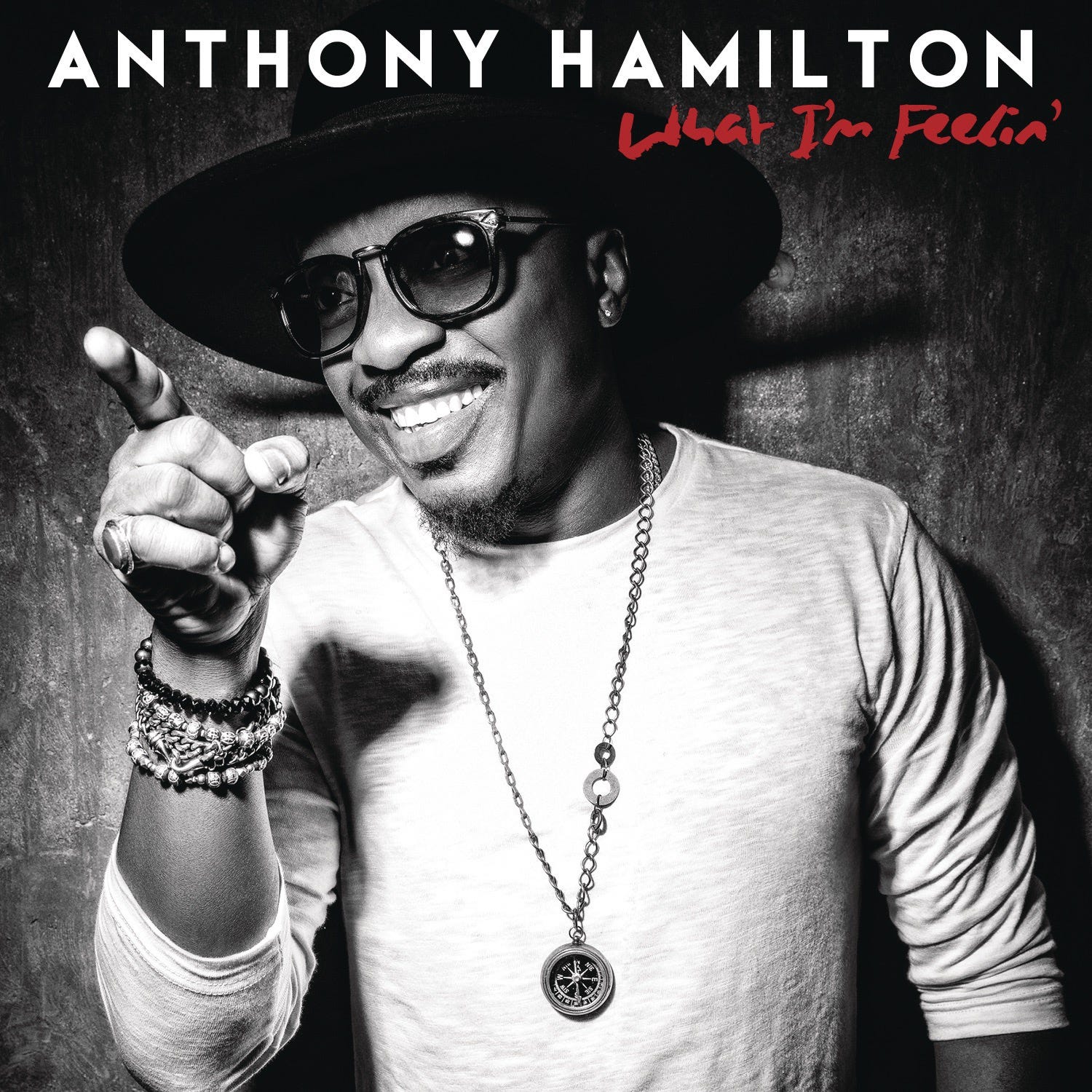
It was hard to hear a forty-something Charlotte soul man driving down to make a country-soul album about picking his life up again over some twenties rapping apologies over 808s. It was the sixth full-length LP from Anthony Hamilton, and the five years since the album Back to Love had thoroughly roughed him up—he and his wife Tarsha got a divorce, he gained three sons, he ended up with a DWI, and it all wound up in these songs. He found the man who built him, Mark Batson (whose earlier production includes “Charlene” and the title track from Comin’ from Where I’m From), in Mark Batson; who produced all but two of the dozen tracks. He recorded at Blackbird in Nashville with the intention of obtaining a country-soul feel that he could not find in NY or LA; there are gospel, church, and honky-tonk sounds interwoven throughout every single one of these songs- they’re all in the same pew. The first single, “Amen,” with production by Salaam Remi and James Poyser, is a direct reference to taking that instinct of praying and directing it towards a woman, not a deity, which is one of the oldest tricks in the soul music arsenal and one that still works. With a track that features the HamilTones (a trio of backup singers for his live show), he laments arriving at his middle age without having the faintest clue what true love feels like, which really resonates coming from a man who’d already addressed every other aspect of his life in song. Hamilton wasn’t going to reinvent the wheel, especially since 2016 wasn’t really asking him to; he’s standing in the ruins of his forties, singin’ it out just like soul singers of the past, like Bobby Womack and Bill Withers. Remove the year, and “Amen” is nothing but a grown man expressing gratitude for somebody who stayed around, straight up loud and clear. —Phil
TWENTY88, TWENTY88
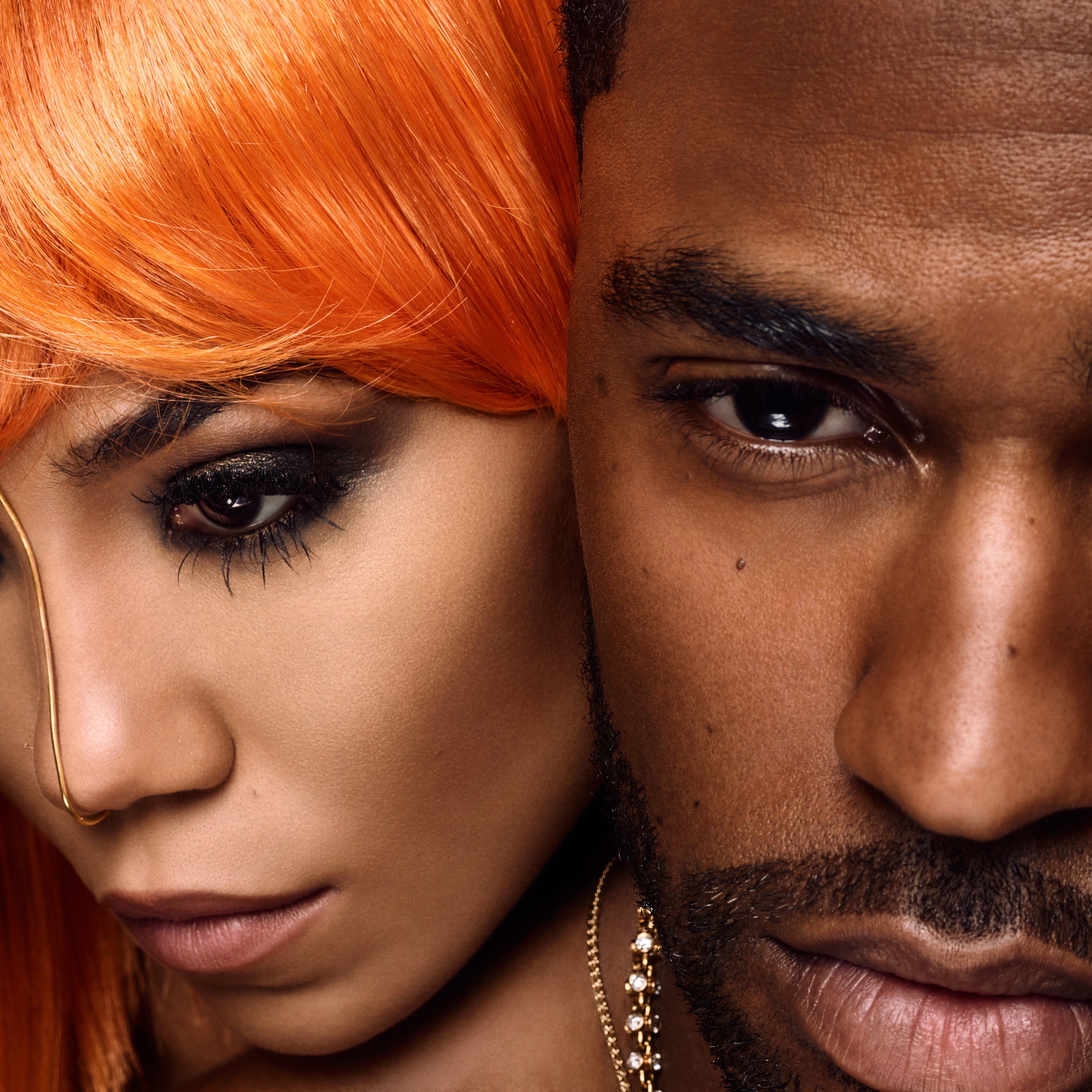
Big Sean and Jhené Aiko lived out a short fling playing adult film stars. The short film (titled Out of Love) accompanying their joint debut as TWENTY88 also dictates the boundaries of all surrounding material: a collection of eight songs about a real-life couple playing fictional ones on the rocks, performance and intimacy blurred until it’s impossible to discern which is which. The real-life pair previously shared verses on “Beware” and “I Know” before solidifying themselves as a couple on record, with the Detroit rapper and Los Angeles singer charting the ebb and flow of their relationship from the wary push-pull of “Déjà Vu” and the self-serving swagger of “Selfish” to the painful, slow deterioration of “Memories Faded.” In the project, neither party is spared, and Jhené’s responses to every single line Sean utters are sharp, as in “2 Minute Warning,” the collection’s single guest spot where she ventures into a realm more explicitly carnal than what she’d put to tape prior to the legendary crooners K-Ci and JoJo of Jodeci stopping by for some ‘90s grown-folks blessings. The collection’s beats, crafted by a young roster including KeY Wane, Cam O’bi and a teenaged Steve Lacy, aim for the group’s described intent of ‘90s R&B and ‘70s soul run through trap drums.” They soon broke up (rekindled years later), leaving Jhené to process the rubble in Chilombo, which, given that the squabbling throughout feels like two people commenting on a car wreck from within the automobile, makes “Memories Faded” feel like more of an auto-crash tape on today. —Cierra Marcel
Gallant, Ology
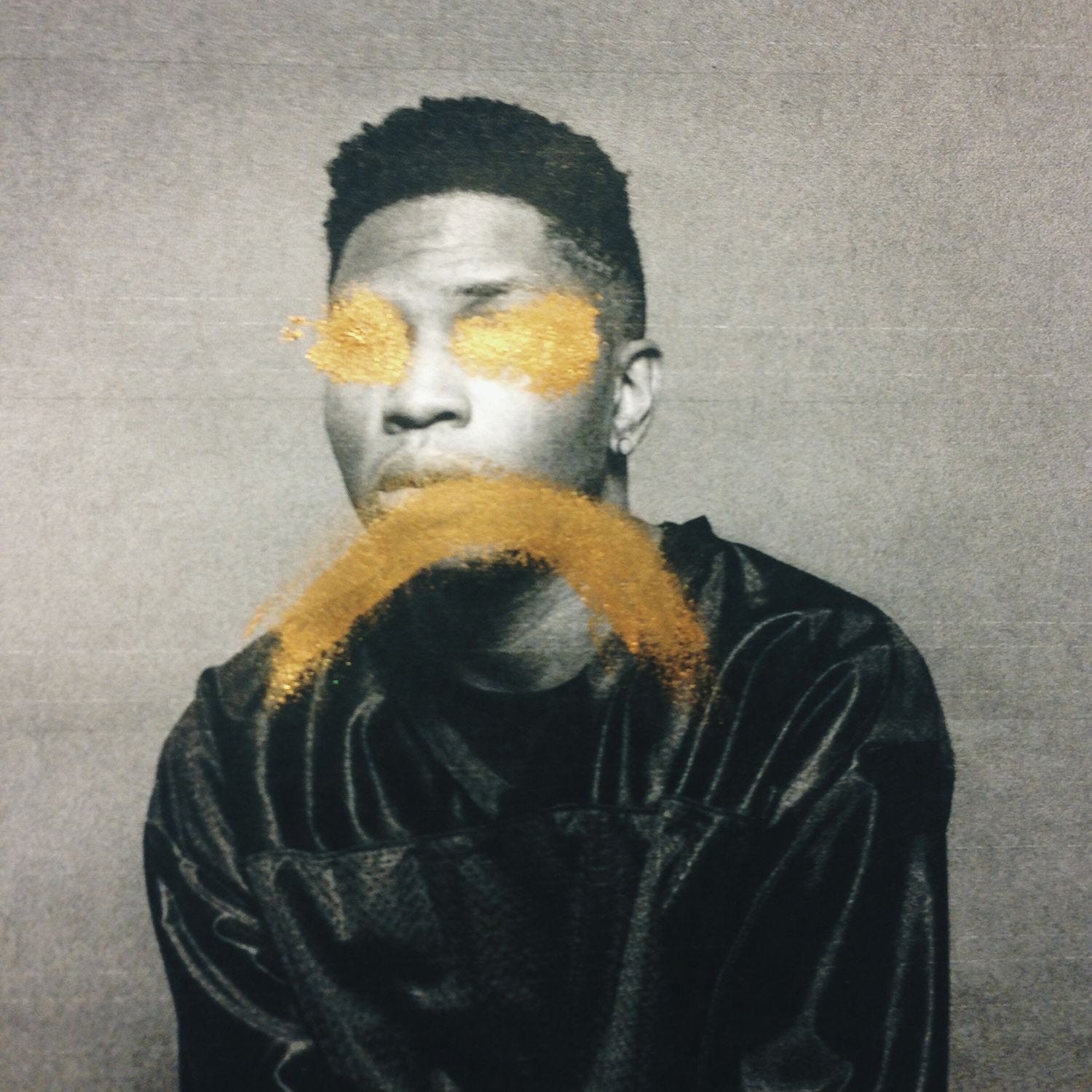
A falsetto could be a hiding spot or a high wire, and for the entirety of his debut, the Maryland singer born Christopher Gallant sticks with the wire, hanging on notes that most of his contemporaries wouldn’t attempt in front of a microphone. He came up loving Stevie and D’Angelo and writes like the literature addict he seems to be, metaphors so elliptical they function as riddles that are both beautiful and partially unintelligible. “Weight in Gold” was the one that connected, a plea for the unburdening that Zane Lowe supported but which the chart otherwise mostly overlooked; it’s still the clearest look we get at what he does, which is to circle an emotion without quite naming it. Producer Stint built and co-wrote the majority of Ology, giving that falsetto an appropriate place to land, and the only other vocalist is singer Jhené Aiko, who shares “Skipping Stones,” which she joins on top of a slab of Adrian Younge psychedelia, turning a drying up creek into the vision of a love going stagnant. Every other song, he operates entirely alone and within his own private language. He called one song “Miyazaki” and another “Percogesic,” the names referencing the Japanese animator and the over-the-counter painkiller, respectively—the latter indicating the height of his despair, which resides somewhere between a children’s cartoon and a medicine cabinet. —Tabia N. Mullings
Ro James, ELDORADO
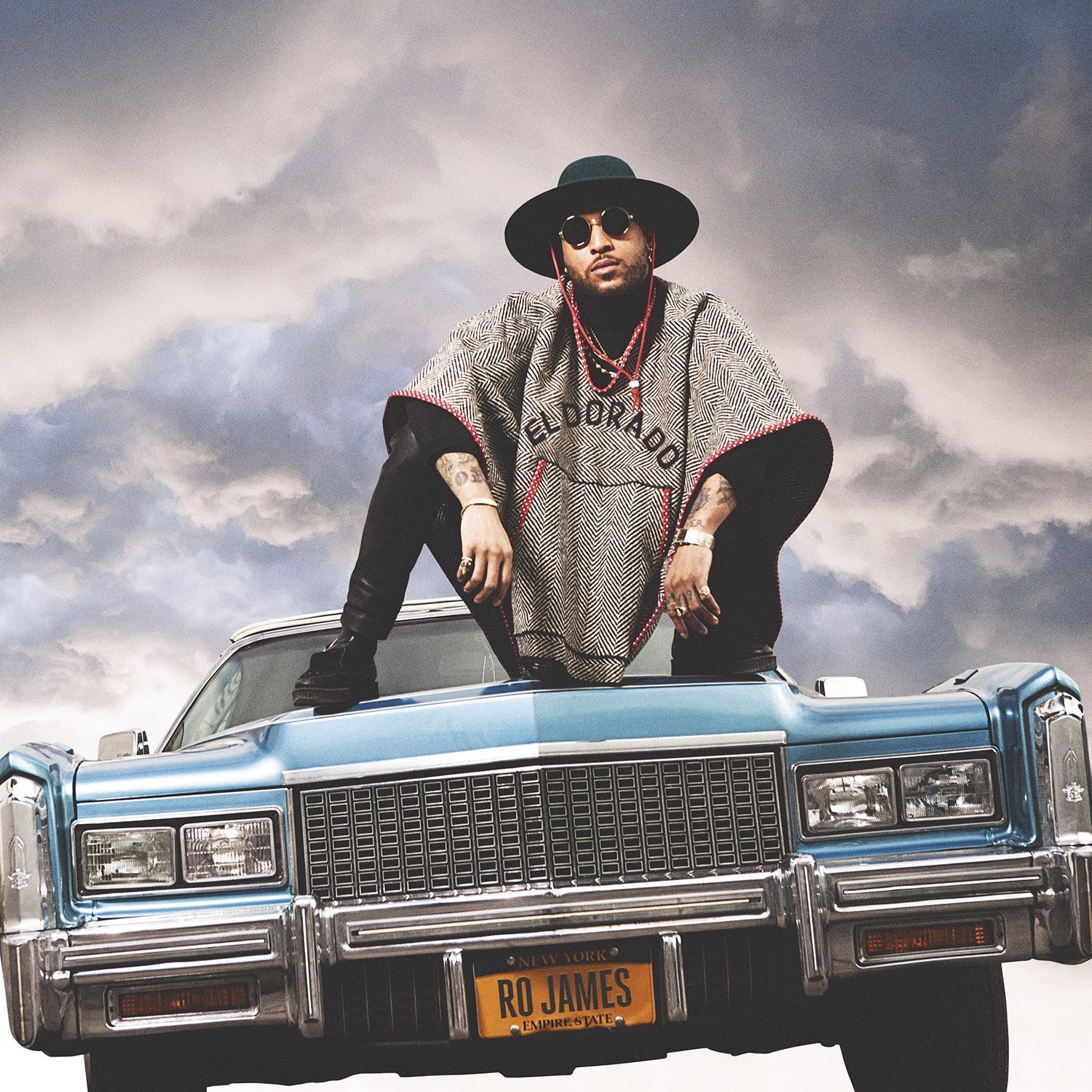
The quickest way to sex record status goes directly through a stern church. Ro James, born Ronnie Tucker on an Army base in Stuttgart and raised by a military father turned preacher on gospel, Donny Hathaway and Otis Redding, took the road right to the bedroom and kept his hymnal in his back pocket. His debut, ELDORADO, contains a song entitled “Holy Water,” which has both meanings at the same time, an organ-and-guitar benediction that would play fine as a Sunday service offering were its object not a woman, and the song “New Religion” carries the same duality. Even the song that established him as a performer, “Permission,” was based on a sample of Willie Hutch’s 1973 “Brother’s Gonna Work It Out,” and sexual desire becomes a request instead of an assertion, a civility that the genre typically forgoes. James himself believed that “Permission” was too simple a statement to be a single and fought the decision until he lost to his A&R, Mark Pitts, who correctly anticipated the Grammy nomination that the track received. Prince’s fingerprints are all over the electric guitar on most of the track, and he shares writing duties with Miguel (whom Prince has worked with). “A.D.I.D.A.S.” stands as the funniest track here, bringing to life the childhood acronym All Day I Dream About Sex, sung over a guitar solo; the minister’s son laughs out loud from the balcony. —Brandon O’Sullivan