

There Is Only One Chaka Khan
Since the mid-seventies, Chaka Khan has been a colorful chameleon on and off the stage. She is widely known for her spontaneity and has constantly found new, original ways to express herself.
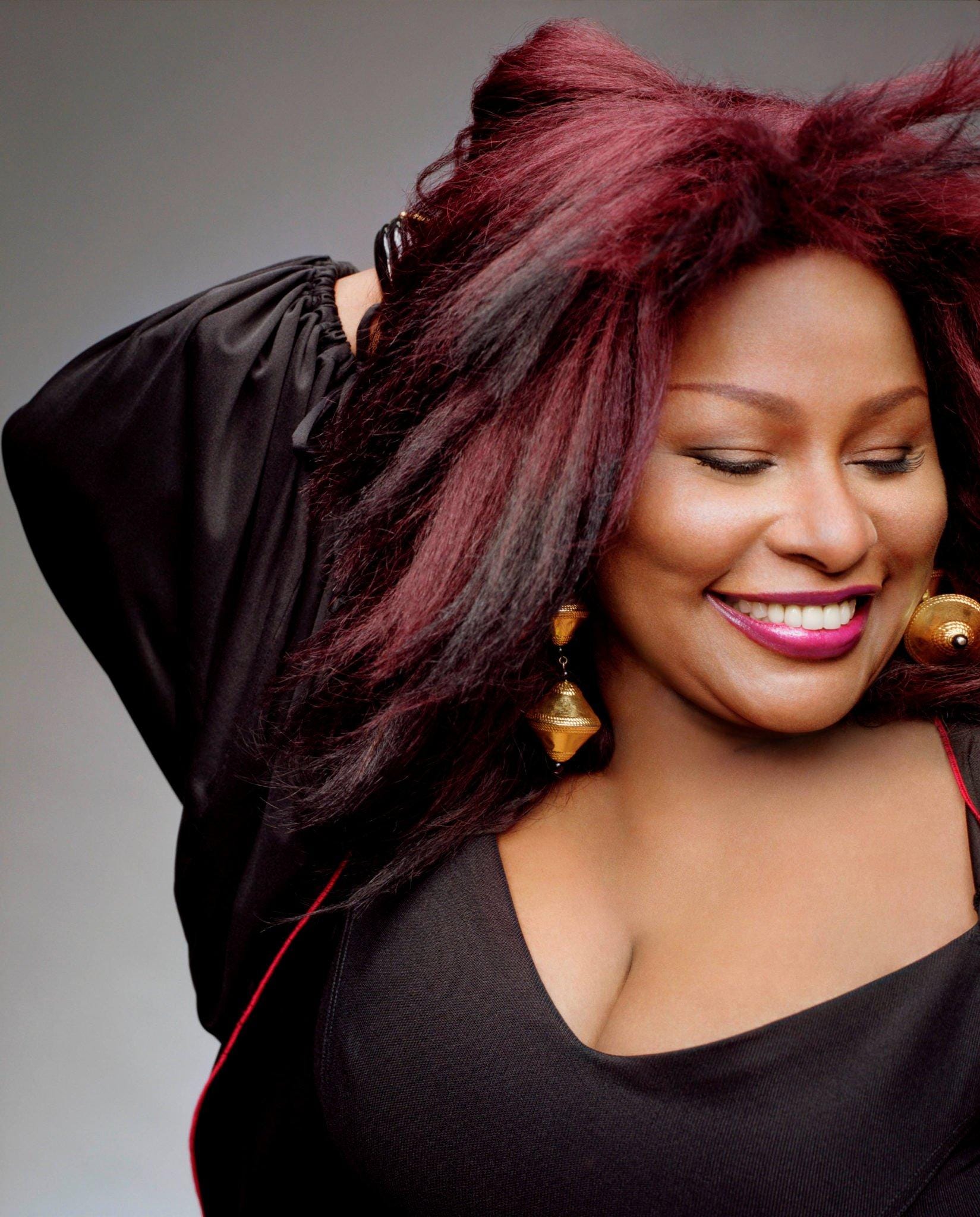
Born Yvette Marie Stevens on March 23, 1953, in the Chicago suburb of Great Lakes, Illinois, Chaka Khan arrived into a household saturated with sound. Her father Charles worked as a photographer; her mother Sandra was a financial assistant. Both were music heads. Yvette took her name from a song by jazz drummer Max Roach, and the family kept a constant rotation of records spinning at home—opera like Madame Butterfly, plenty of King Curtis, and the album that would lodge deepest: Billie Holiday’s Lady in Satin. It was Chaka’s grandmother Maude Page who put Billie in her ear, and from the opening lines of “The End of a Love Affair”—that restless confession of recklessness—the girl found something she recognized in herself. Later, she would half-joke about being Chaka “Overkill” Khan. But it wasn’t really a joke. That fuse was lit early.
At 11, her great-grandmother Naomi—half Native American, half French—read her palm: “One day, many, many people will know your name.” Maybe that prophecy shook something loose. Yvette formed her first group, The Crystalettes, with neighborhood friends. They sang nothing but Crystals and Pips songs (every member pretending to be Gladys Knight), performed at local talent shows in little dresses their mother had sewn, and more than once, the kid with the impossible pipes got tagged “Little Aretha.”
The teenage years burned fast. She joined the Afro-Arts Theater, a music and drama troupe that toured with Motown’s Mary Wells. She sang with Shades of Black, a group rooted in African rhythms along the lines of Miriam Makeba. And she started shedding skin. Through volunteer work with the Black Panthers’ breakfast program, she met an African shaman who gave her the name Chaka—meaning, in a certain dialect, “woman of fire.” Her sister Yvonne became Taka and eventually released records under the name Taka Boom, collaborating with the likes of Bootsy Collins and The Chemical Brothers. Chaka’s full African name is Chaka Adunne Aduffe Yemoja Hodarhi Karifi. The surname Khan stuck from a brief marriage at 17 to a bassist named Hassan Khan. She once told Essence Magazine she married him for the stage name. Chaka Karifi wouldn’t have hit the same.
She wanted to be a nurse, a Peace Corps volunteer, a nun. She made it one year in high school before dropping out in 1969 to chase the music. A short stint with a group called Lyfe, then a run with The Babysitters, a popular Chicago outfit fronted by the local soul figure Baby Huey. They landed on Curtis Mayfield’s Curtom label. But the money wasn’t there yet, so by day she filed papers at the University of Chicago, a gig her mother arranged.
The apartment she shared with Hassan and eight other people was a house of free spirits—everyone looking and living however they wanted. Every night she was behind a mic at some local club, and the word was traveling. One night in 1971, while she was singing with the band Lock and Chain at The Poker Room on 71st Street, record producer Bob Monaco walked in. He was floored by what he heard but had no interest in the backing band. Instead, he wanted to pair Chaka with Ask Rufus, another Chicago group that had risen from the ashes of The American Breed (who’d scraped a minor hit with “Bend Me, Shape Me”). Ask Rufus took their name from a column in Popular Mechanics. The band’s original singer, Chaka’s friend Paulette McWilliams, had just left, and the door swung open.
“She had the biggest breasts in the world, so I already had a fan base thanks to that,” Chaka told Rolling Stone in 1985. Whether it was anatomy or vocal cords, the crowds came regardless, and they didn’t thin out when Chaka arrived. The band, now simply called Rufus, worked Sly Stone covers and Top 40 material. They loved Chicago, but Monaco convinced them that the road ran shorter through Los Angeles. By early 1972, Chaka Khan—eighteen years old—was in the studio cutting what would become the debut album. (A footnote worth knowing: Curtis Mayfield sued her for breach of contract when she left for the West Coast. The dispute eventually settled amicably.)
The self-titled Rufus landed in 1973 on ABC Records to modest reception. But it contained a cover of Stevie Wonder’s “Maybe Your Baby” that pleased the man enough to offer the band a custom-written song for the follow-up. That song was “Tell Me Something Good.” It powered Rags to Rufus (1974) into the Top 5 on Billboard, pushed the album to gold, and brought home a Grammy for Best R&B Performance. By the time Rufusized dropped later that year—now credited to Rufus Featuring Chaka Khan, with hits like “Once You Get Started” and “I’m a Woman, I’m a Backbone”—her voice was everywhere. Anita Baker, speaking to Billboard in 1995, laid it bare: “We were all Chaka’s doubles back then. Throats all across America were shredded as we tried to imitate her voice.”
And the voice. If there is a single reason Chaka Khan has remained a fixture of respect for over five decades, it is not the hit count or the sales figures. It is the instrument. Writers have reached for the obvious analogies—Coltrane’s saxophone, Miles’s trumpet—but they land because they’re accurate. Her voice is a paradox engine: velvet restraint and volcanic force occupying the same phrase, sometimes the same syllable. She lures with tenderness, then detonates. She has sung funk, soul, R&B, jazz, rock, gospel, disco, classical, and rap, and it has always sounded right. For Chaka Khan, singing is as involuntary as breathing. A New York Newsday writer once nailed it: her voice “refuses to acknowledge any setting other than full blast.”
The classic Rufus lineup crystallized—Chaka on vocals, Tony Maiden on guitar, Kevin Murphy and David “Hawk” Wolinski splitting keyboards, Bobby Watson on bass, John “JR” Robinson on drums—and the albums kept coming: Ask Rufus (1977), Street Player (1978), Masterjam (1979), all gold or platinum. But the unity was a mirage. The other members resented Chaka’s gravitational pull. She was bewildered; she’d always been comfortable in the band and never imagined going solo. But the friction planted the seed, and when Warner Bros. offered a solo deal, there was nothing to deliberate. Her debut, Chaka (1978), yielded “I’m Every Woman” and outsold everything Rufus had done recently. The solo star was born.
The early eighties were a tug-of-war between solo ambitions and lingering contractual ties. Naughty (1980) and What Cha’ Gonna Do for Me (1981) established her on her own; the latter contained “And the Melody Still Lingers On,” a reworking of Dizzy Gillespie and Charlie Parker’s “Night in Tunisia” for which Chaka wrote lyrics tracing the jazz lineage from bop through Coltrane to Stevie Wonder. Old Dizzy was so flattered he played on the track. Meanwhile, Rufus cut three records without her—Numbers (1979), Party ‘Til You’re Broke (1980), Seal in Red (1981)—and none of them moved. The reunited Camouflage (1981) didn’t satisfy anyone, but it confirmed what everybody already knew: the Rufus chapter was closing. What they left behind was Live: Stompin’ at the Savoy (1983), recorded at the legendary New York club in February 1982, expanded with horns, backup singers, and extra percussion. From that session came “Ain’t Nobody,” a Grammy winner and arguably the single most definitive expression of Chaka Khan’s vocal architecture.
Jazz had been calling since childhood, and Chaka picked up the phone. Echoes of an Era (1982) placed her alongside Chick Corea, Joe Henderson, Freddie Hubbard, Stanley Clarke, and Lenny White. She has said she gravitates toward jazz because it demands she feel a little lost, that she actually think about what she’s doing.
Then came the commercial peak. The label wanted a smash. Chaka had long wanted to cover Prince’s “I Feel for You,” which the Pointer Sisters had already taken a run at. Chaka’s version was harder, aimed straight at the floor, and Arif Mardin—her longtime producer—slipped in a rap by Grandmaster Melle Mel without telling her. The first time she heard it, she blushed. But she understood its power, and she understood in that same moment that this song—however unrepresentative of her range—would trail her for life. I Feel for You (1984) remains her best-selling album. The title single won two Grammys and entered the permanent lexicon. (A word of advice passed down from those who know: if you ever meet Chaka Khan, do not, under any circumstances, walk up to her and start rapping “Chaka, Chaka, Chaka.”)
She refused to chase the formula. Destiny (1986) and C.K. (1988) underperformed commercially. Warner Bros. pushed out the remix compilation Life Is a Dance: The Remix Project (1989) without her input and accidentally scored a UK hit with a reworked “I’m Every Woman.” Chaka was talked into filming a new video and rode the momentum through a European tour. But behind the scenes, she was unraveling. The drug years—at their worst through the mid-eighties—had taken a visible toll.
The escape route ran through London. After the tour, she packed up her children Milini and Damien and settled into a small red brick house on an ordinary street in one of the city’s better neighborhoods. “I needed to get away from America to find myself again,” she told Jet Magazine in 1996. “And here I get to be left in peace.” She also bought a cottage in southern Germany, near the studio, in a village where church bells rang every fifteen minutes. In that quiet, she got clean and made The Woman I Am (1992), her strongest work since What Cha’ Gonna Do for Me. It won her a seventh Grammy, for Best R&B Album.
The mid-nineties were deliberately still. She became a grandmother at 39. She played drums. She took a lead role in the off-Broadway musical Mama, I Want to Sing in London. She cut an entire album with producer David Gamson that Warner shelved for not sounding modern enough. (Tracks from those sessions—the so-called Dare You to Love Me recordings—have since leaked onto soundtracks and bootlegs.) The compilation Epiphany: The Best of Chaka Khan, Volume One (1996) served as a truce between artist and label, but by 1997, after nearly two decades together, Chaka walked away from Warner Bros. for good.
Come 2 My House (1998), released on Prince’s NPG Records, was the first record on her own terms. Written and recorded in three weeks, it moved over a million copies worldwide without any real promotional push. With total control of her business, she made more money from it than she ever saw at Warner. That math should unsettle anyone paying attention.
Then came five years without a solo album—an eternity in the industry, though Chaka herself never stopped working, averaging 70 to 80 shows a year. “I love performing live,” she has said. “It’s the interplay with the audience and their response that keeps me singing.” The biggest hit of this “quiet” period was “All Good?” with De La Soul in 2000. That same year brought The Jazz Channel Presents Chaka Khan, a DVD of pure jazz performance that proved what devotees already knew: the woman was as formidable in that idiom as anyone breathing.
Classikhan (2004) made the case more ornately. Recorded at Abbey Road with the London Symphony Orchestra, produced and arranged by Eve Nelson, the album ran through jazz and swing standards—”Stormy Weather,” “’Round Midnight,” “Teach Me Tonight”—alongside unlikely choices like Patsy Cline’s “Crazy” and a pair of James Bond themes, “Goldfinger” and “Diamonds Are Forever,” that gave Shirley Bassey something to think about. Joe Sample sat in on piano; Sheila E. handled percussion. It was Chaka in recital mode, her voice leashed to a whisper when needed, unleashed when the strings swelled. The title was clever, but it may have hurt the record: at a glance, it looked like another greatest-hits repackaging. It wasn’t. It was a woman proving she could inhabit any room.
Funk This (2007) swung the pendulum hard the other way. Produced by Jimmy Jam and Terry Lewis—Janet Jackson’s architects, longtime fans who understood instinctively what made Chaka tick—it was loose, live-sounding, and unapologetically funky. Covers of Prince’s “Sign o’ the Times,” Joni Mitchell’s “Ladies Man,” and Jimi Hendrix’s “Castles Made of Sand” sat alongside originals like the autobiographical “Angel” and the gorgeous “One for All Time.” Mary J. Blige showed up for “Disrespectful,” a duet that burned with mutual admiration. Michael McDonald traded grit on “You Belong to Me.” The record debuted at number 15 on the Billboard 200—her highest chart position since I Feel for You—and swept two Grammys: Best R&B Album and Best R&B Performance by a Duo or Group for the Blige collaboration.
Twelve years of silence followed before Hello Happiness (2019), a seven-track sprint produced by Switch (of Major Lazer lineage) and singer-songwriter Sarah Ruba Taylor. At 27 minutes, it was a pocket album, a dancefloor dispatch that mined the disco and funk textures of Chaka’s seventies and eighties prime and filtered them through modern production’s maximalist tendencies. “Like Sugar,” with its chopped-up bongos and broken beats, was the standout—an irresistible groove that crossed over to DJ sets and playlist rotation alike. The reception was split: some heard a vital, contemporary-sounding record from a 65-year-old legend still chasing the floor rather than the podium; others felt the production buried the very voice it was supposed to celebrate. Both camps were probably right. The album peaked at number 18 on the UK Albums Chart, her highest showing there ever.
Through it all, the voice has only deepened. The vibrato has settled. The register has dropped and grown huskier with age. But the range has expanded, not contracted. And unlike some of her peers—who compensated for diminishing power by pushing harder and louder—Chaka learned the inverse lesson. She figured out when to burn and when to hold still. Less is more. She has always worked on instinct, deciding a fraction of a second before a note which direction to take it, and that unpredictability is the whole point. It’s why no two performances sound the same. It’s why the imitators never catch up. It’s why Anita Baker knew, and Whitney knew, and Mary J. knew, and Erykah knew: there is only one.
She has been, by her own accounting, “to hell and back in a limousine.” She kicked drugs. She raised children and grandchildren. She ran a foundation for battered women, women with addiction, women with HIV. She sold luxury chocolates called Chakalates and funneled every cent of profit into that foundation. She moved between London and Los Angeles and New Jersey and southern Germany like a woman who understood that restlessness wasn’t a flaw but a fuel source.
Who is Chaka Khan? Fans have tried: “Primal Wailer,” “Her Royal Wildness,” “The Mother of the Clan of No Bad Notes.” She doesn’t love any of them. She especially hates “diva.” That word, to her, means someone who isn’t kind.
She is what she is. She does what she does. And she does it when she wants to.
The Handguide to Chaka Khan
Rufus (1973)
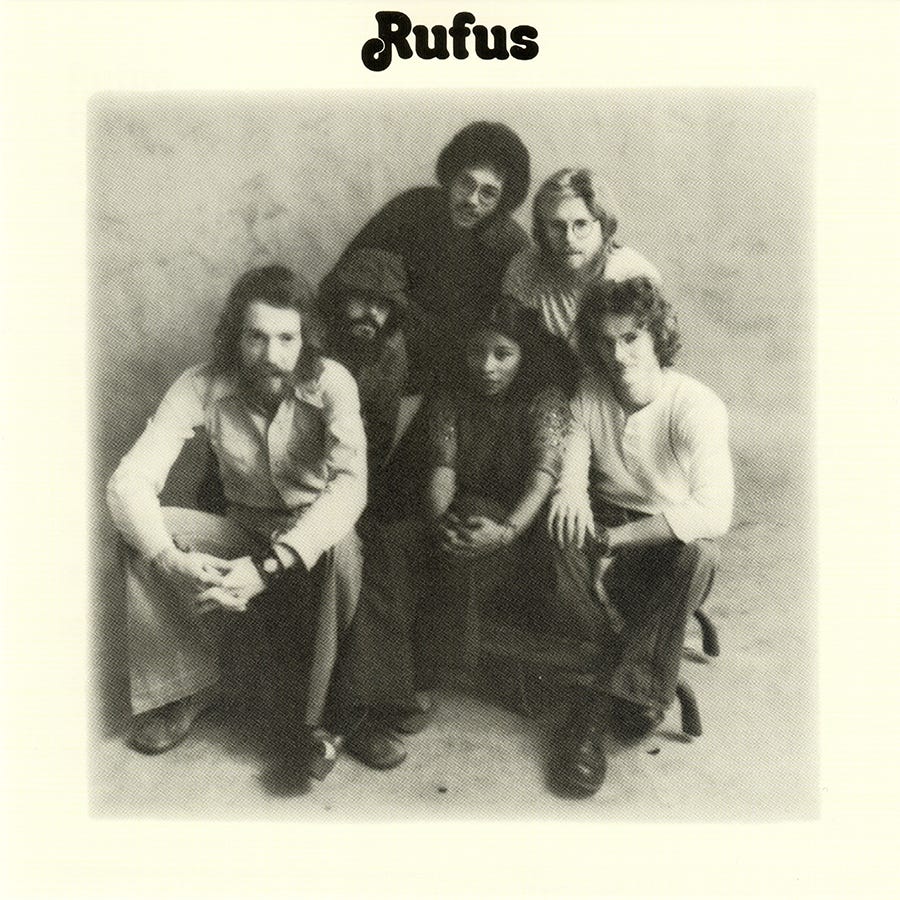
The debut. Modest on impact, but Chaka’s presence was already unmistakable. A cover of Stevie Wonder’s “Maybe Your Baby” caught the great man’s ear and set the next chapter in motion. The raw materials—churning funk, Top 40 instincts, a frontwoman who sounded like nobody else—are all here, waiting to ignite.
Rags to Rufus (1974)
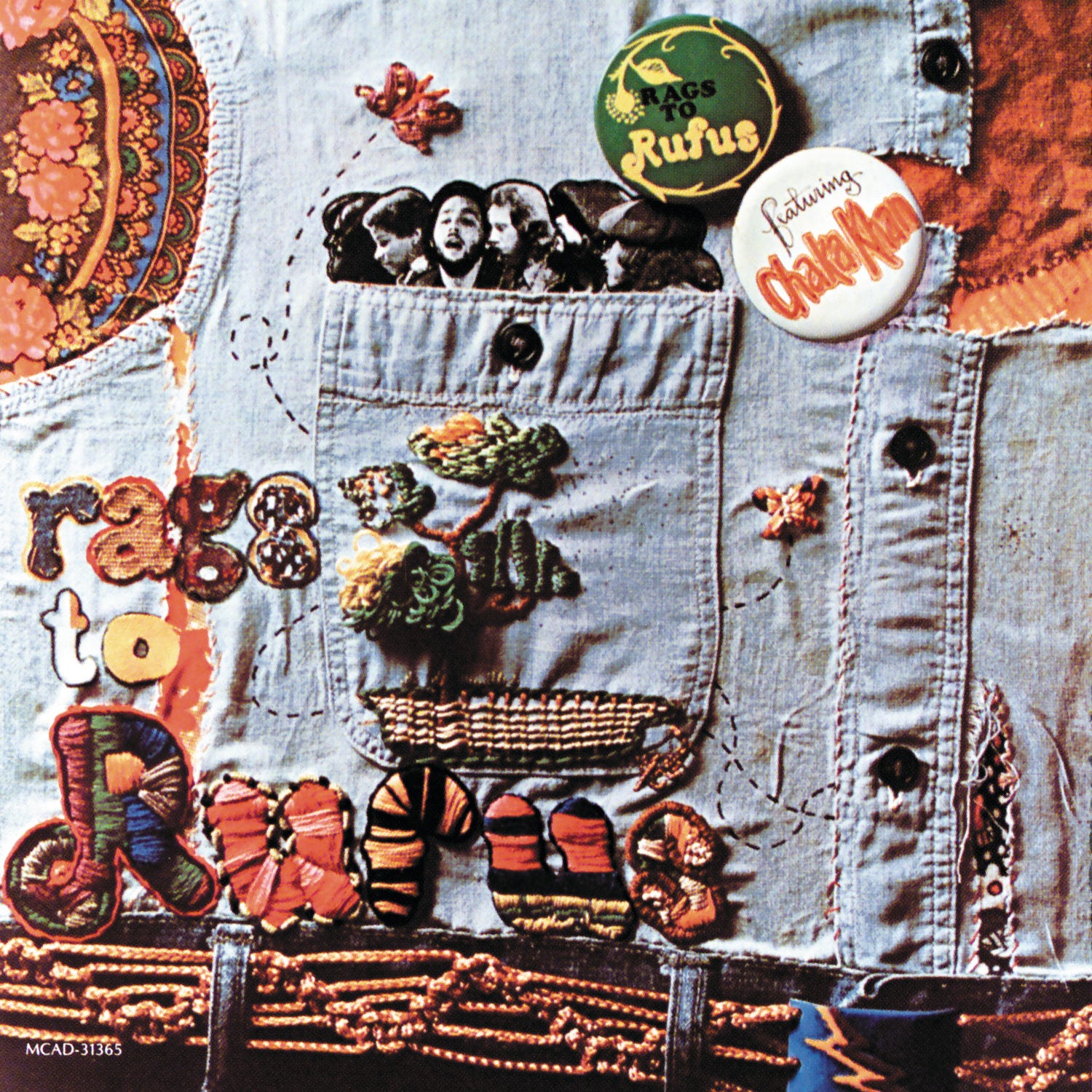
The ignition. Stevie Wonder rewarded the band’s loyalty with “Tell Me Something Good,” a slinky, sinister groove that went Top 5 and won a Grammy. The album sold gold. Rufus went from a Chicago bar band to a national act in the span of a single.
Rufusized (1974)
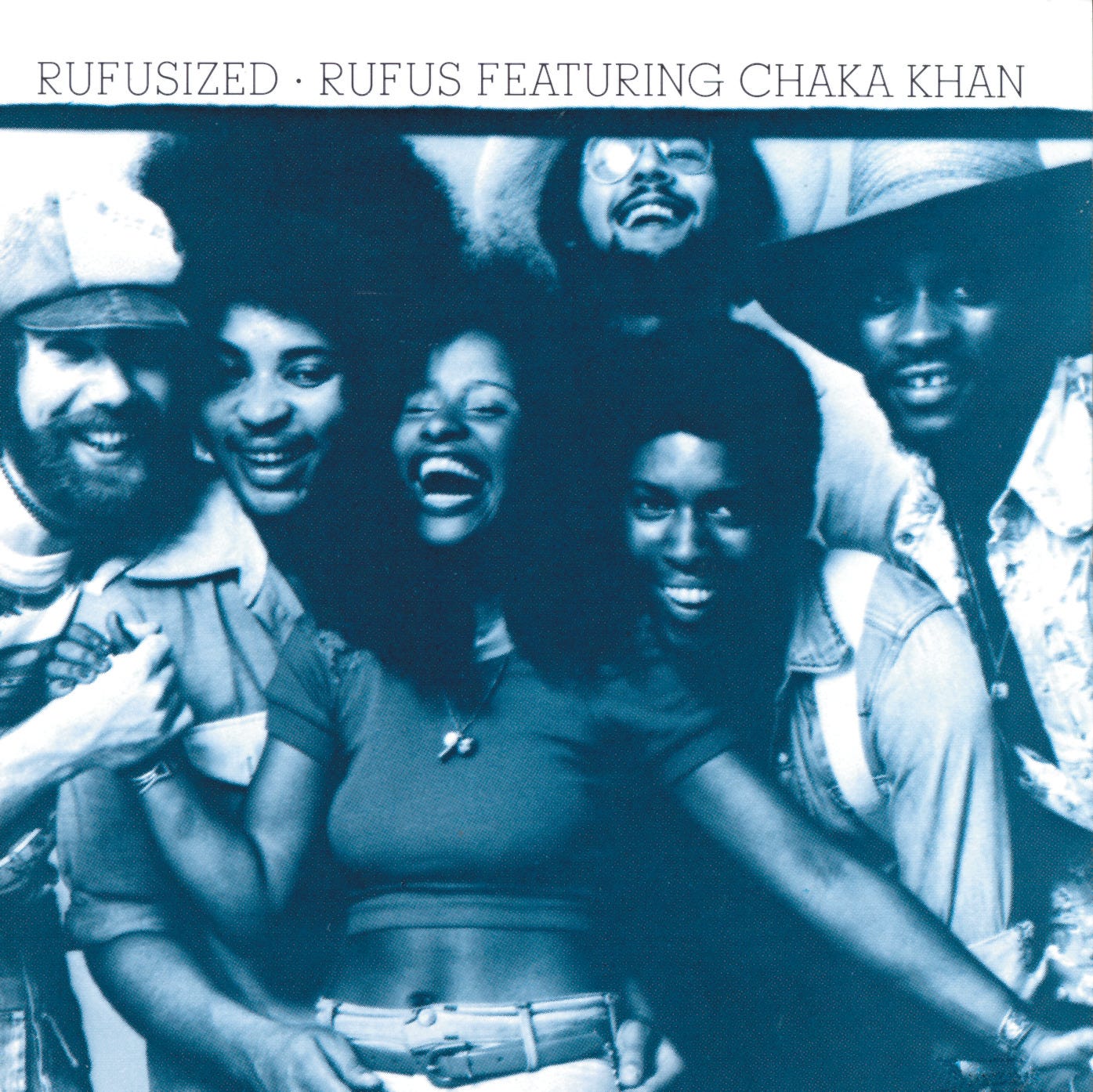
Billing change, same engine. “Once You Get Started” and “Stop On By” kept the momentum rolling, but the real declaration was “I’m a Woman, I’m a Backbone”—a title track that might as well have been Chaka’s business card. The band chemistry was locked in, and the country was learning her name.
Rufus Featuring Chaka Khan (1975)
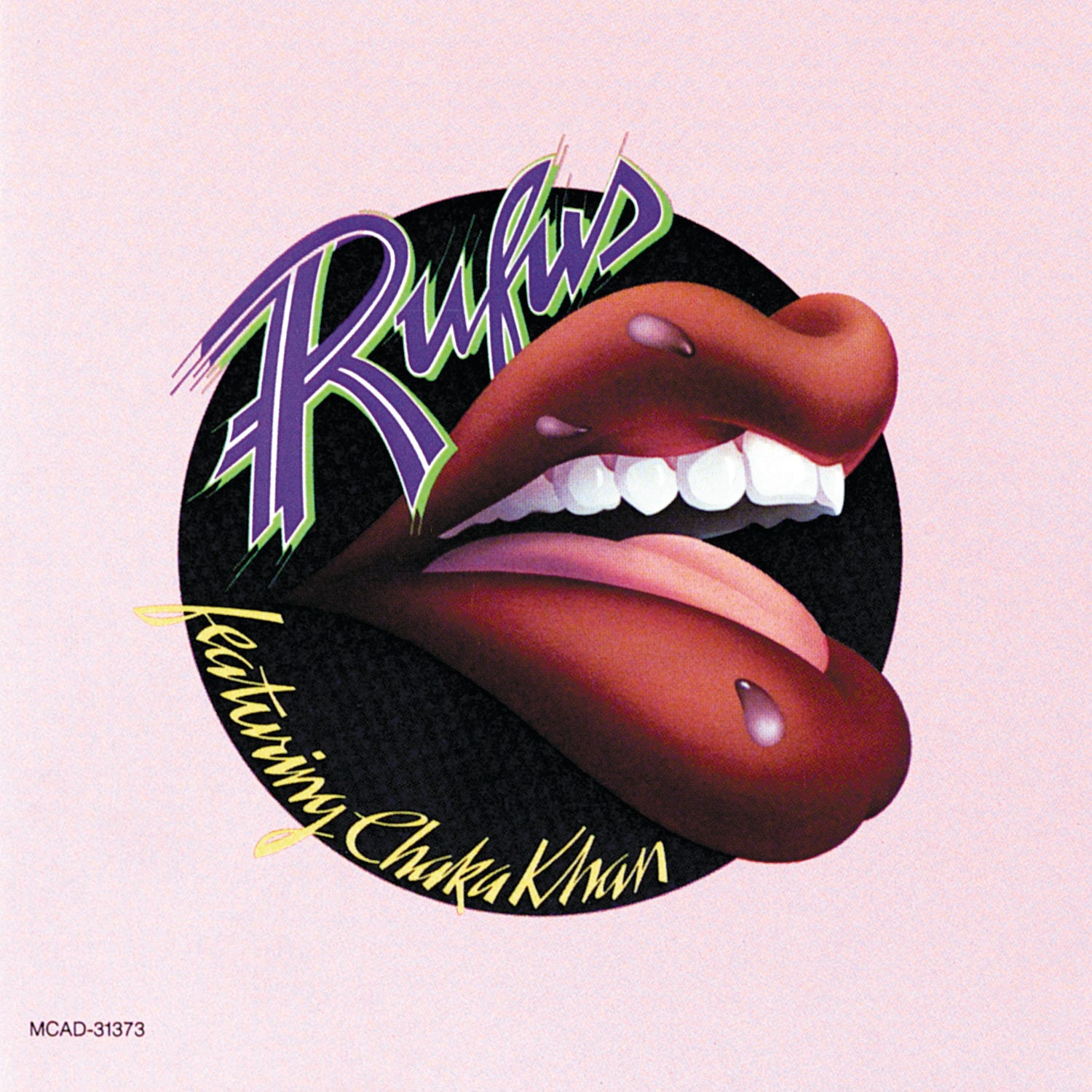
The self-titled centerpiece of the Rufus run. “Sweet Thing” is the crown jewel—a timeless, aching ballad that remains a live staple to this day. The band was firing on every cylinder: pop hooks, funk muscle, jazz instincts, and a vocalist operating on a plane none of her peers could reach.
Ask Rufus (1977)
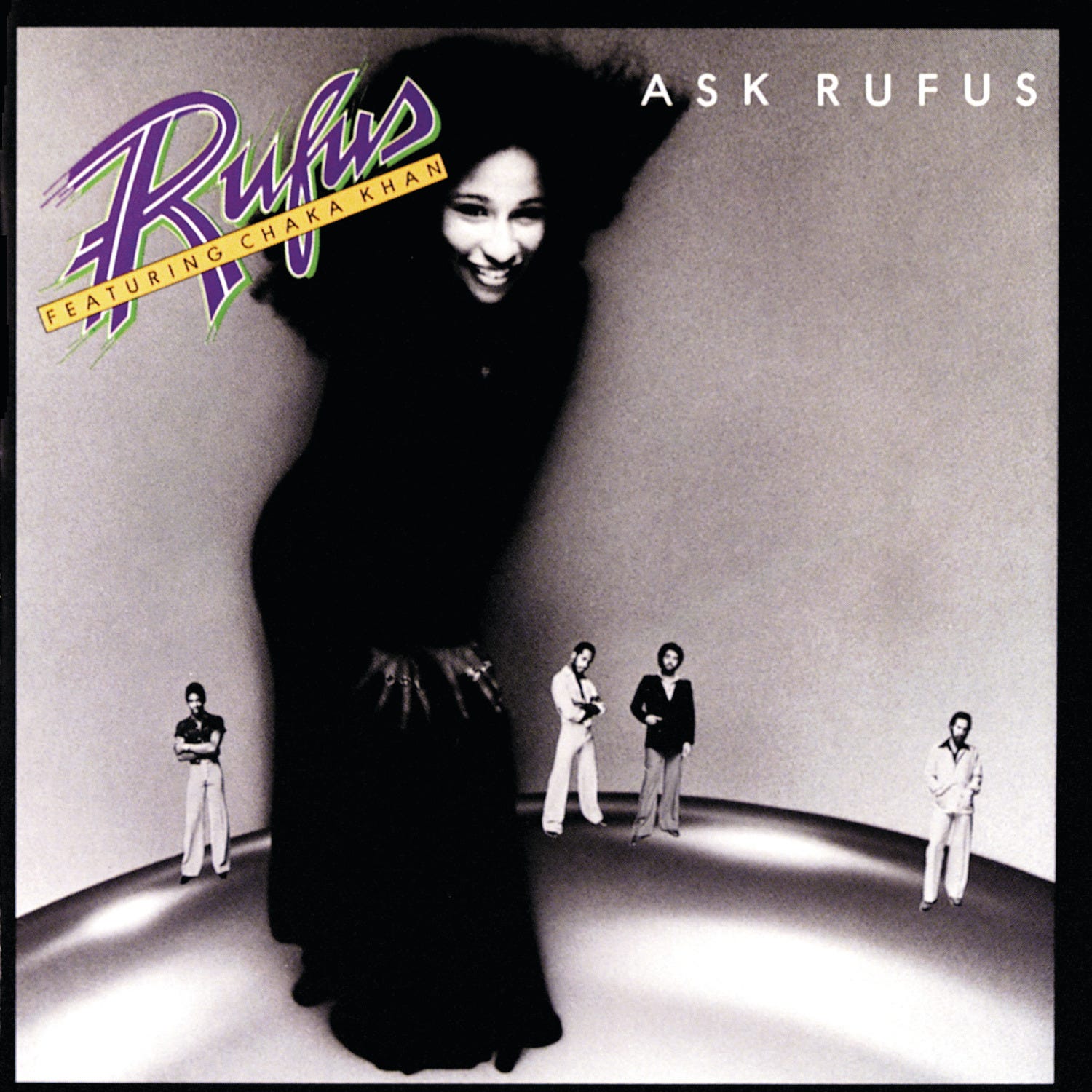
Tighter, more refined. The songwriting stretched, the arrangements thickened, and the grooves got slicker without losing their sweat. A gold-selling record that deepened the band’s catalog without any single track overshadowing the whole. Rufus at cruising altitude.
Street Player (1978)
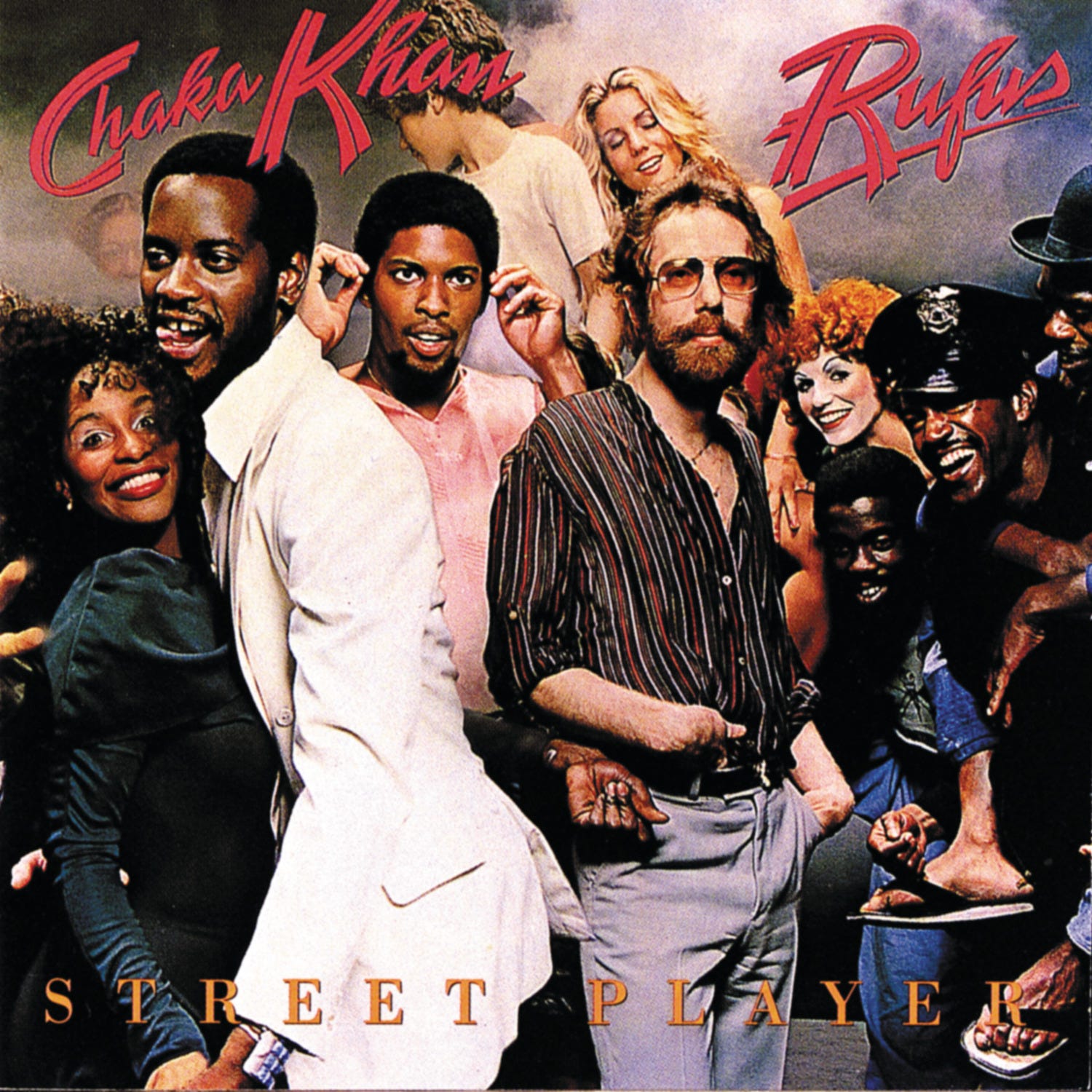
The funk turns sleeker, more urban. By now the internal tensions were simmering—Chaka’s solo debut was months away—but you wouldn’t know it from the music. The title track rides a strutting bassline that belongs in any serious funk collection. A transitional album, but a potent one.
Chaka (1978)
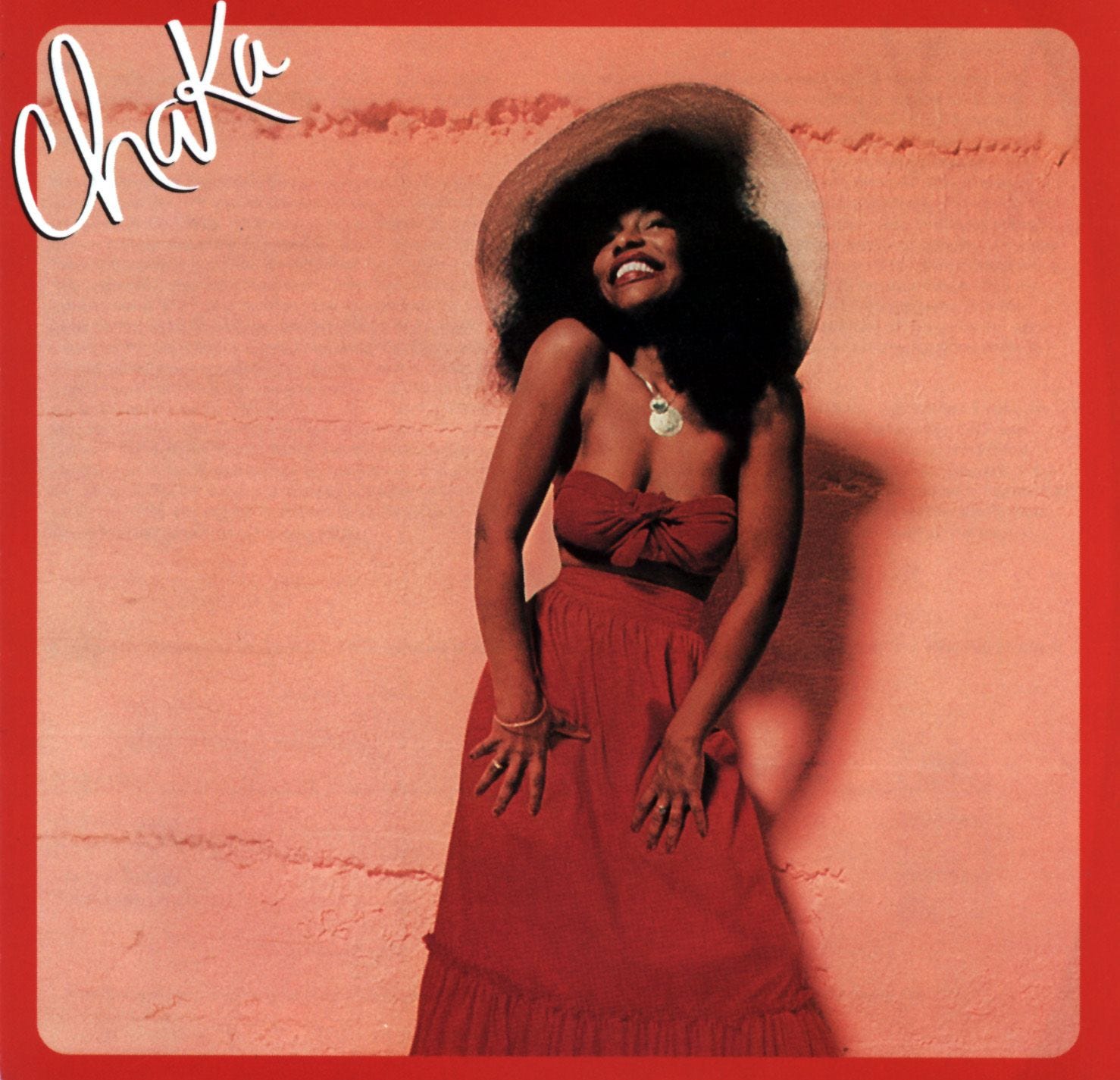
Solo debut, and it arrived fully formed. “I’m Every Woman,” written by Ashford & Simpson, became an anthem that transcended its era. The album outsold recent Rufus releases and announced that Chaka Khan was no longer just a band singer. She was a franchise.
Masterjam (1979)
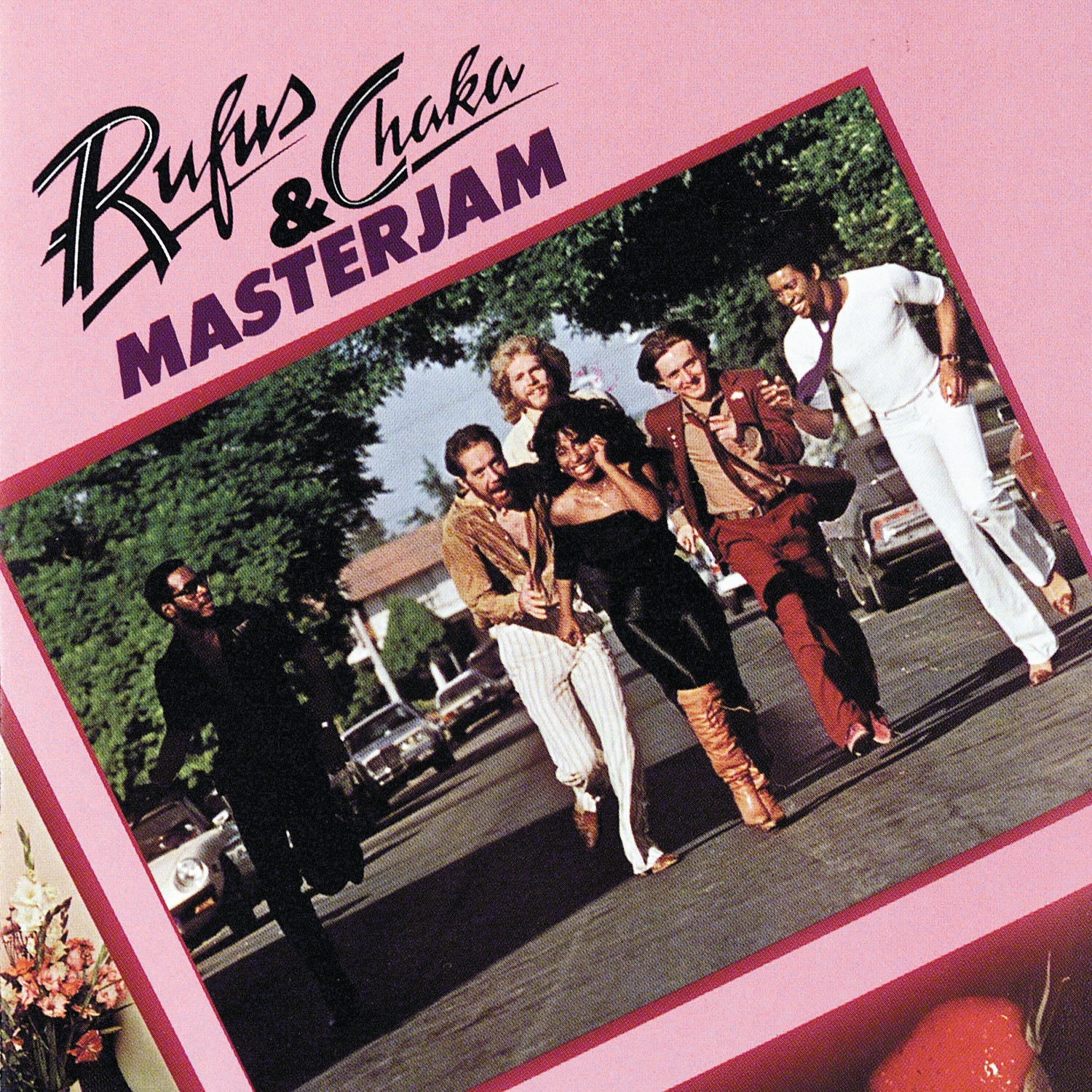
Quincy Jones behind the boards. The production is glossy and enormous, the grooves immaculate. “Do You Love What You Feel” was the big single, but the deeper cuts reward repeated visits. The last Rufus studio album made with real collective momentum before the fractures became irreparable.
Naughty (1980)
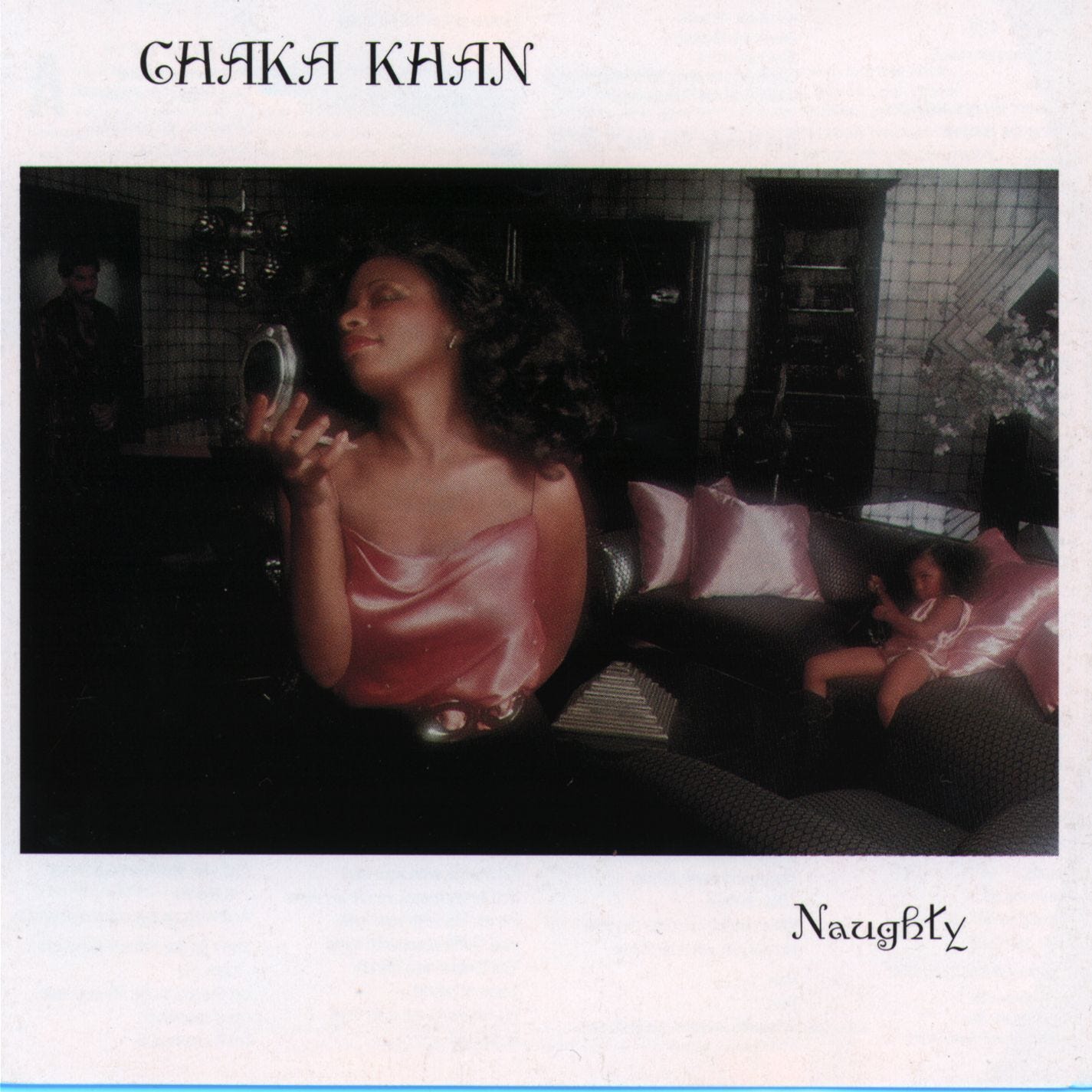
Looser and more playful than the debut, with Chaka settling into solo life and pushing her voice into new corners. Not the commercial juggernaut the label wanted, but a record with personality to spare. She was figuring out who she was without the band, and the search itself was compelling.
Camouflage (1981)
The reluctant reunion. Nobody involved was thrilled with the results, and the album plays like exactly what it was—a contractual obligation. There are moments of the old Rufus fire, but the spark had emigrated. Most valuable as a marker of an ending.
What Cha’ Gonna Do for Me (1981)
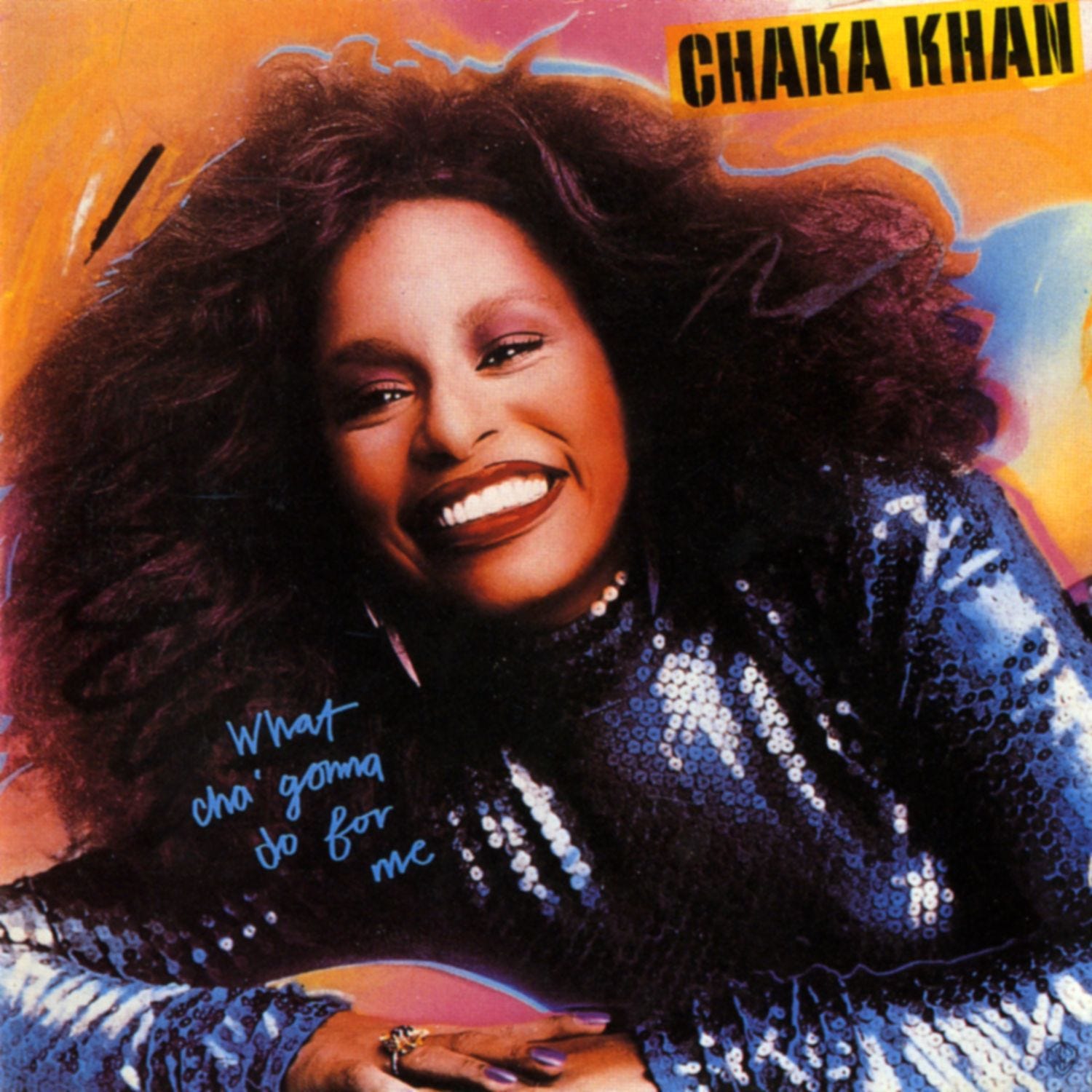
One of the great Chaka Khan records. “And the Melody Still Lingers On” reimagined Gillespie and Parker’s “Night in Tunisia” as a love letter to jazz history, with Dizzy himself showing up to play. The title track swings, the ballads burn, and the album stands as proof that she was more than capable of sustaining a solo career on pure artistry.
Chaka Khan (1982)
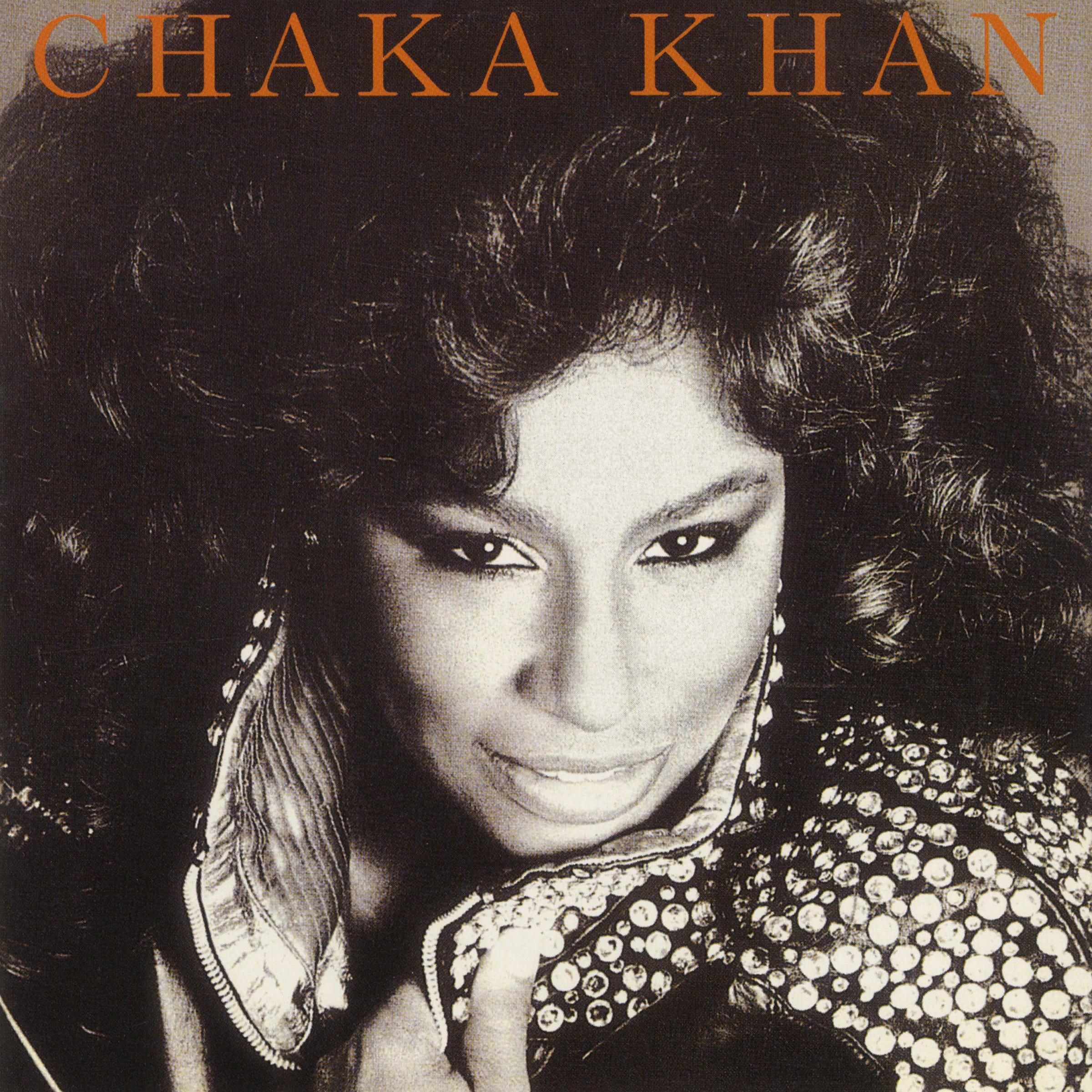
The second self-titled entry. Arif Mardin produced again, and the grooves leaned toward the sophisticated end of early-eighties R&B. “Got to Be There” carried the album commercially, but the deeper pleasures are in the phrasing, the way Chaka was learning to do more with less even as the production grew more layered.
Echoes of an Era (1982)
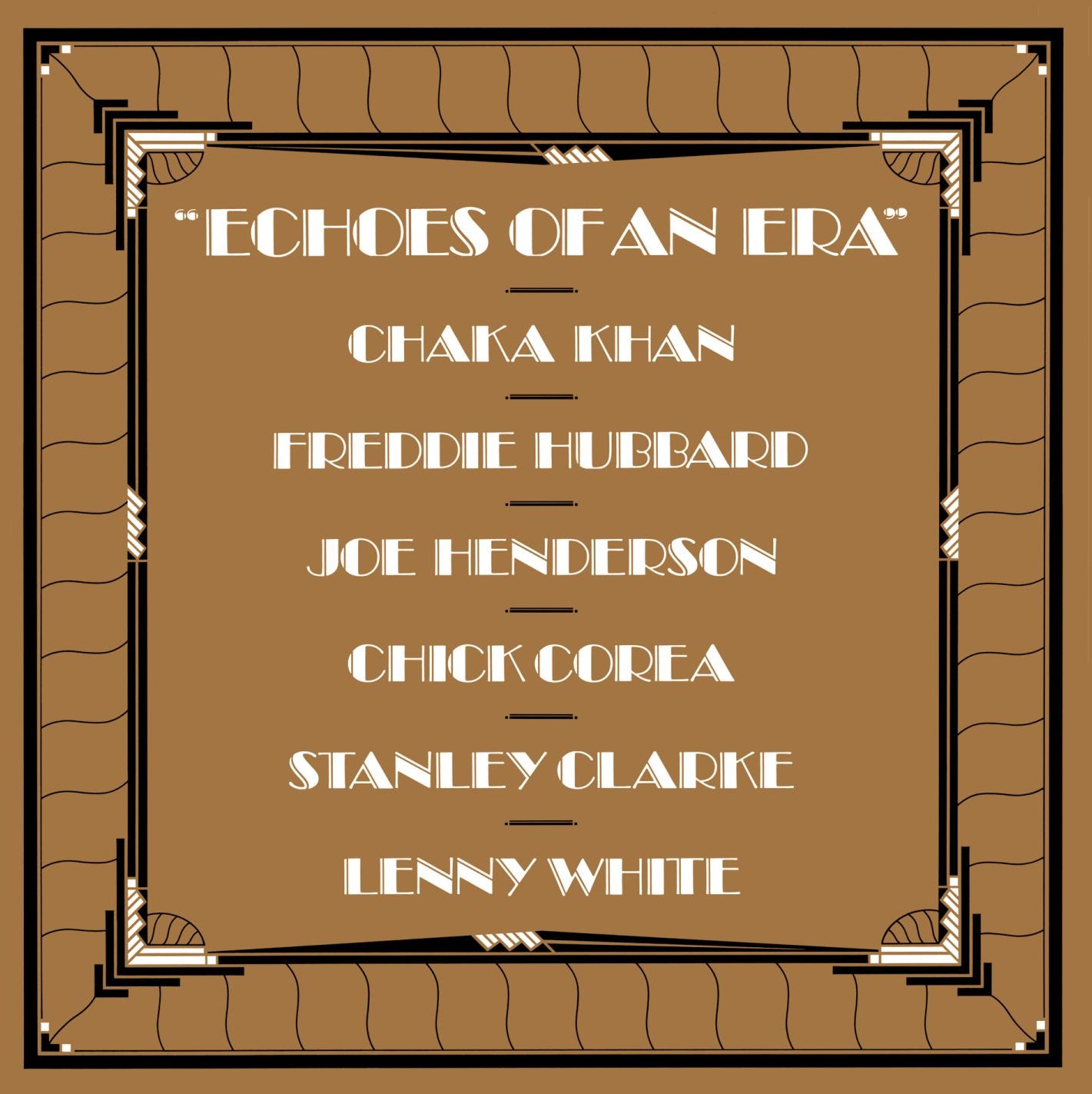
A jazz detour with an all-star band: Chick Corea, Joe Henderson, Freddie Hubbard, Stanley Clarke, Lenny White. Chaka traded the safety of funk arrangements for the open water of straight-ahead jazz standards, and she swam beautifully. She has said she loves singing jazz because it forces her to feel a little lost. This album is the sound of a vocalist thriving in that uncertainty.
Live: Stompin’ at the Savoy (1983)
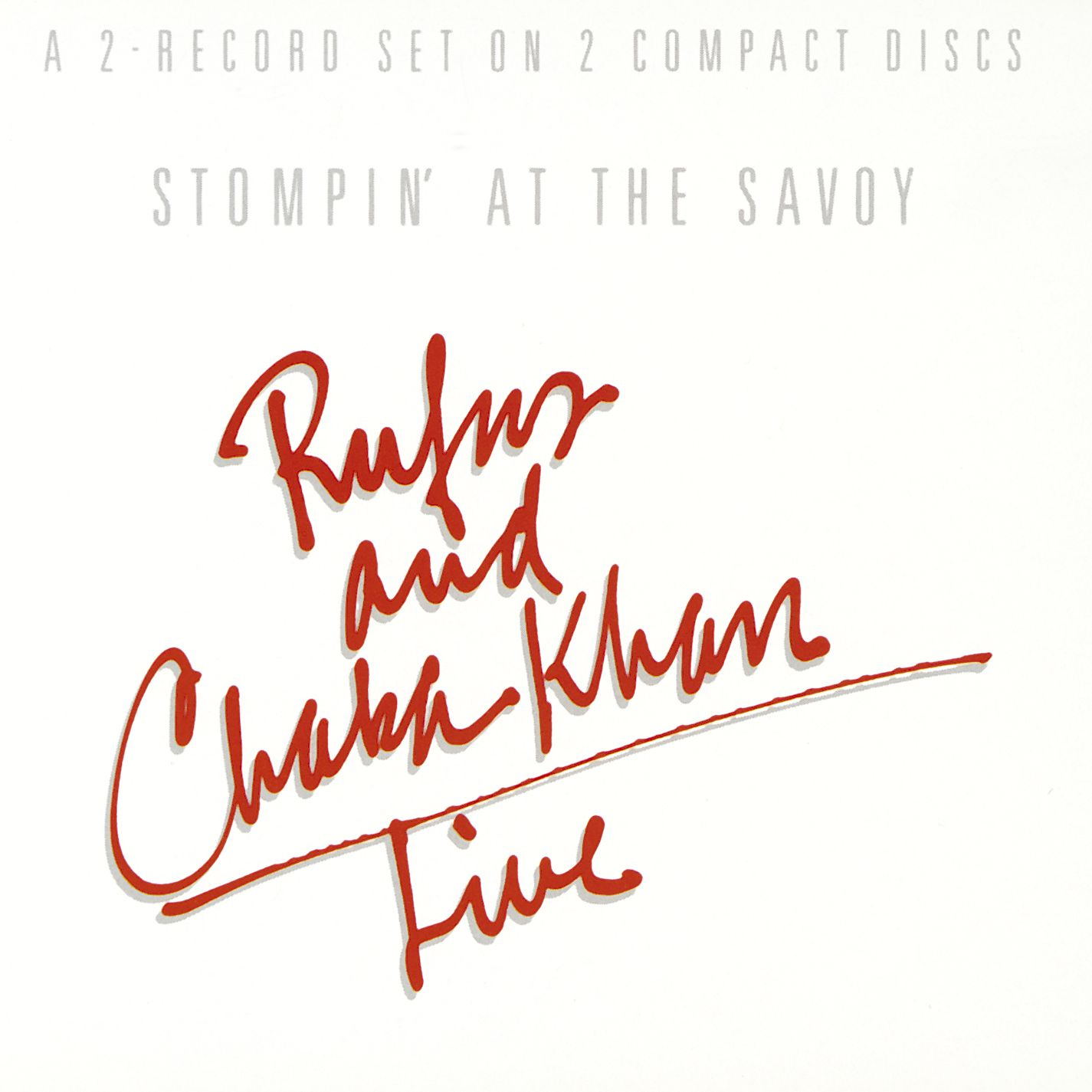
The farewell, and what a way to go. Recorded at the Savoy in February 1982, augmented with horns and extra percussion, the live tracks crackle with a band that knew it was playing for the last time. The four new studio cuts include “Ain’t Nobody”—the Grammy-winning single that may be the single most complete distillation of what Chaka Khan does to a song. Essential.
I Feel for You (1984)
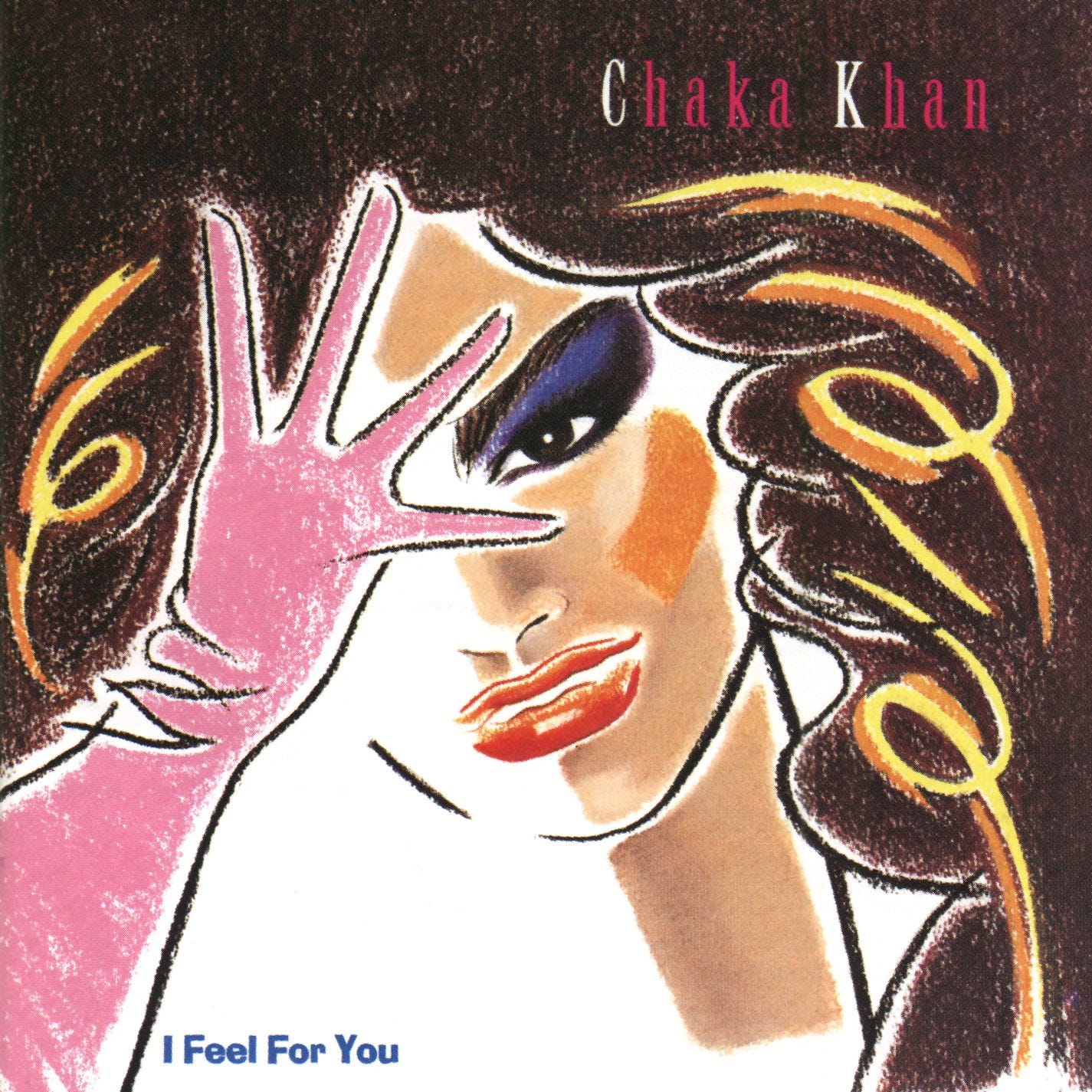
The commercial peak. Prince’s title track, retrofitted with Grandmaster Melle Mel’s iconic rap intro (added by Arif Mardin without Chaka’s knowledge), became one of the decade’s defining singles. Two Grammys. The best-selling album of her career. A whole new generation discovered her through a song she knew would follow her forever. She was right.
Destiny (1986)
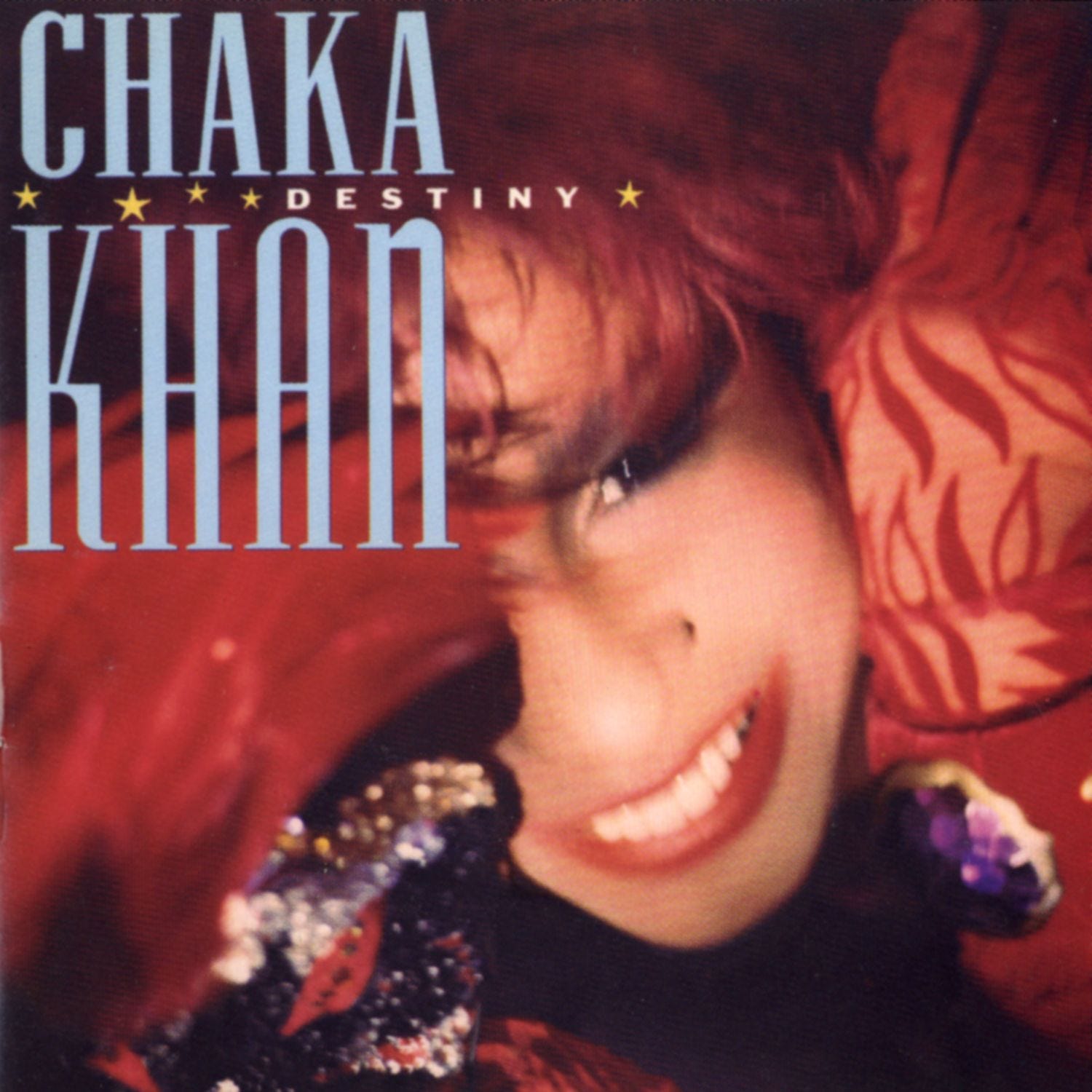
The post-I Feel for You hangover. Chaka refused to repeat the formula, and the charts punished her for it. But the record has aged better than its sales suggested—there are textures here, quiet experiments, evidence of an artist who would rather lose commercially than creatively. A cult object for the faithful.
C.K. (1988)
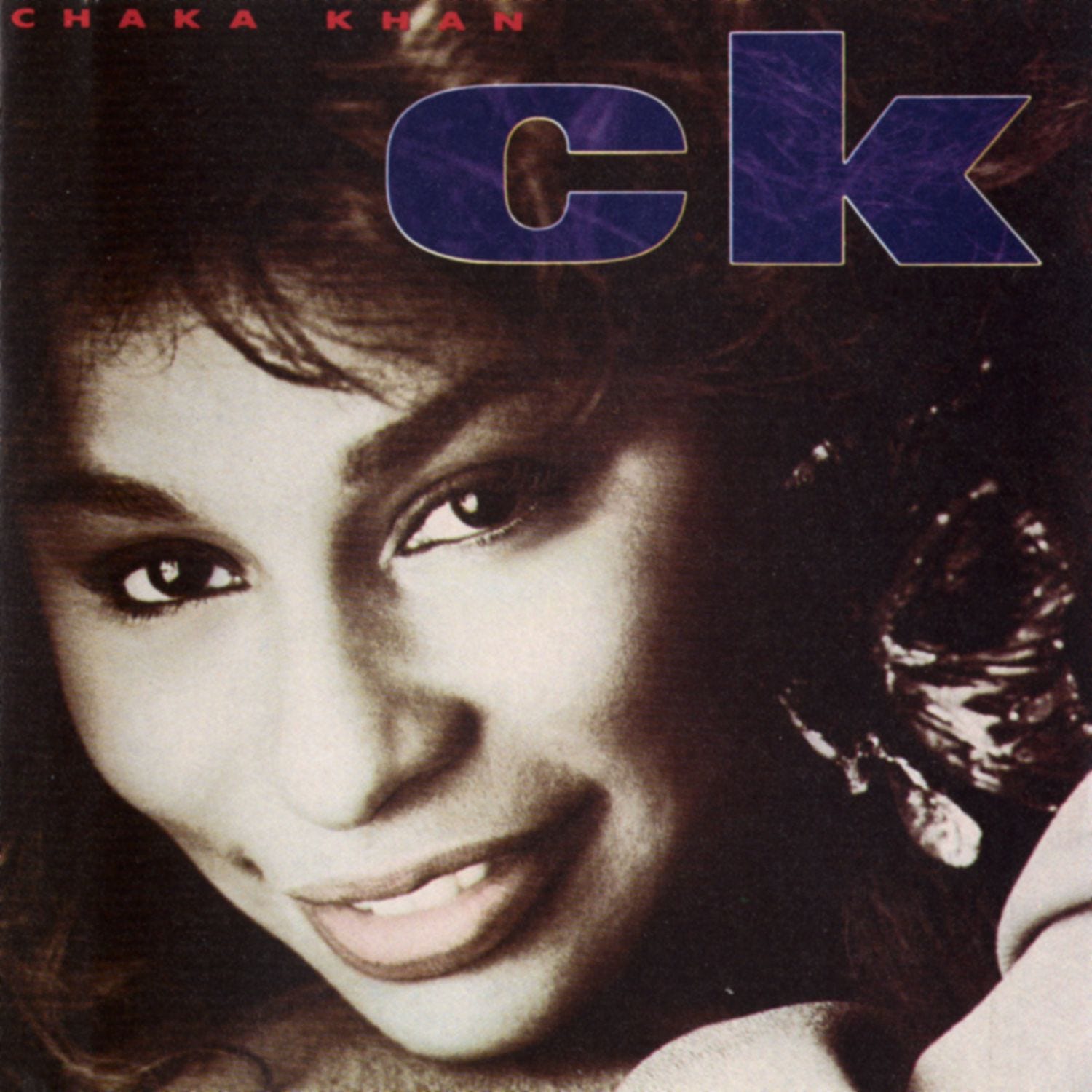
Another commercial underperformer, another album that rewards patience. The production leans into late-eighties R&B—drum machines, synth pads, slick arrangements—but Chaka’s voice cuts through all of it. Not her finest hour, but hardly the dud the charts made it seem.
Life Is a Dance: The Remix Project (1989)
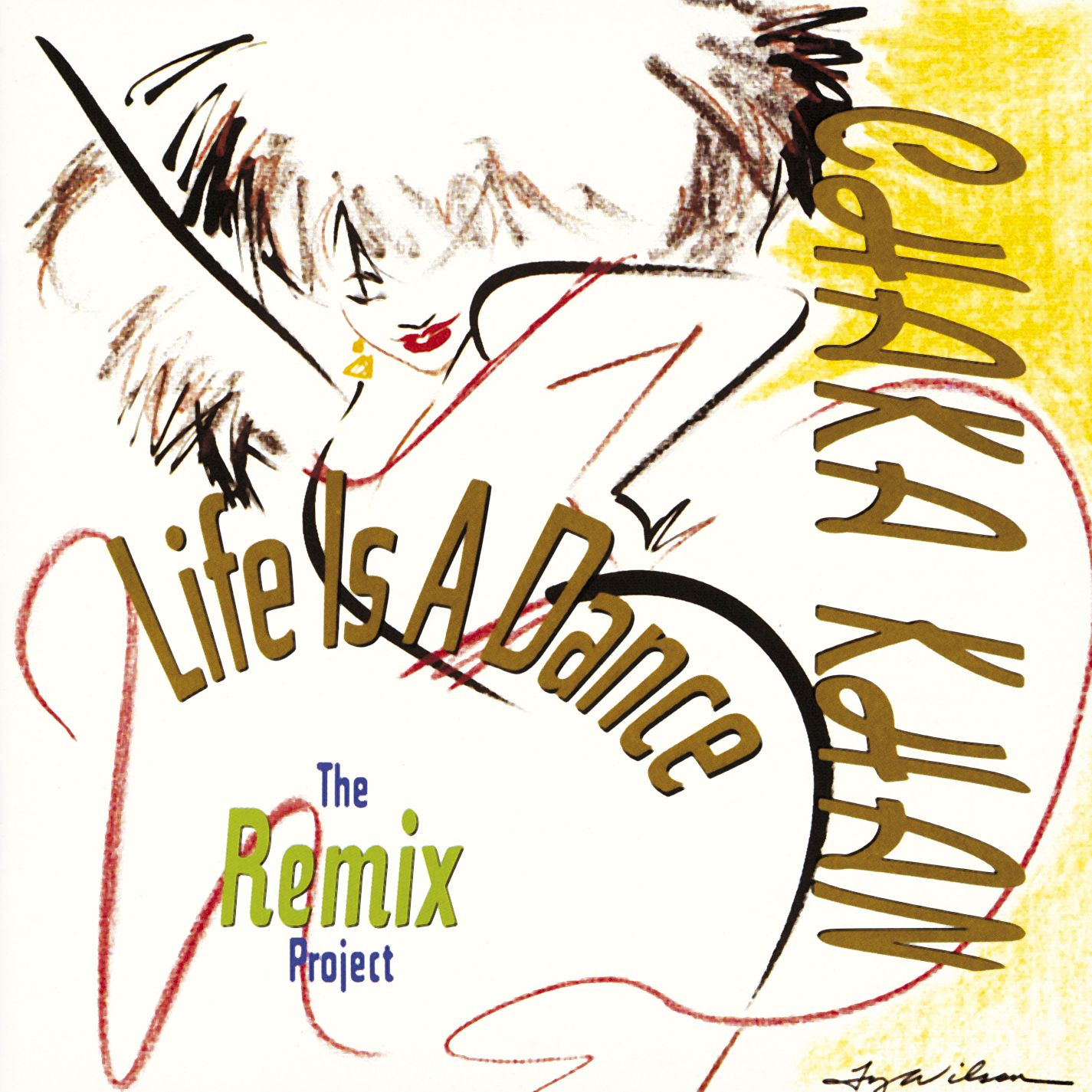
Warner Bros. released this without Chaka’s involvement—a double-LP compilation of her solo and Rufus-era hits reworked by house and hip-hop producers including Frankie Knuckles and David Morales. The remixed “I’m Every Woman” became a surprise UK smash. The remixed “Ain’t Nobody” hit number 6 in Britain. As a document of late-eighties dance culture meeting seventies funk royalty, it holds up surprisingly well.
The Woman I Am (1992)
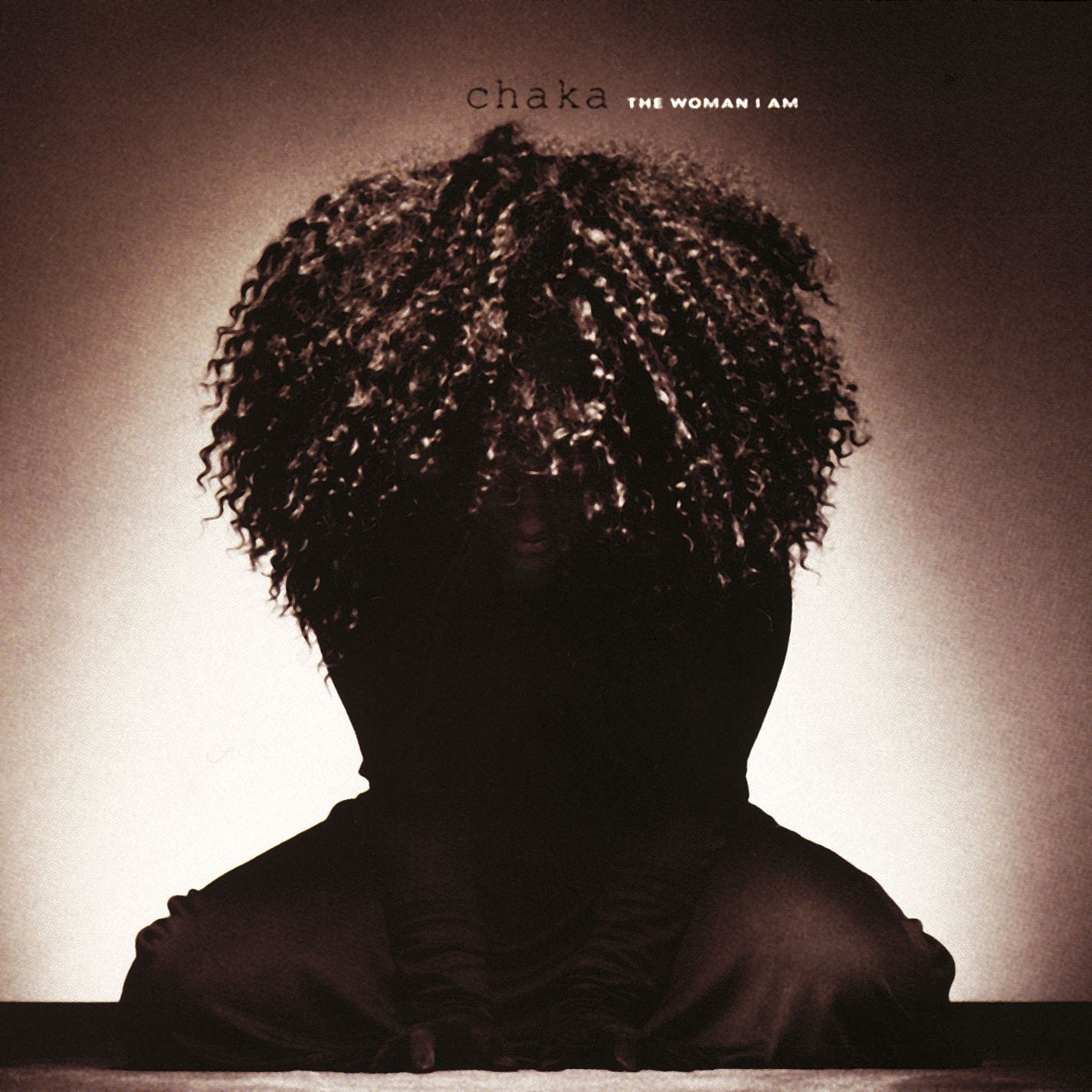
The comeback that actually delivered. Made after Chaka relocated to London and got clean, recorded partly in a tiny German village where church bells rang every fifteen minutes. Her most consistently strong album since What Cha’ Gonna Do for Me—mature, assured, emotionally present. Won her a seventh Grammy, for Best R&B Album. The sound of a woman who’d come through the fire.
Come 2 My House (1998)
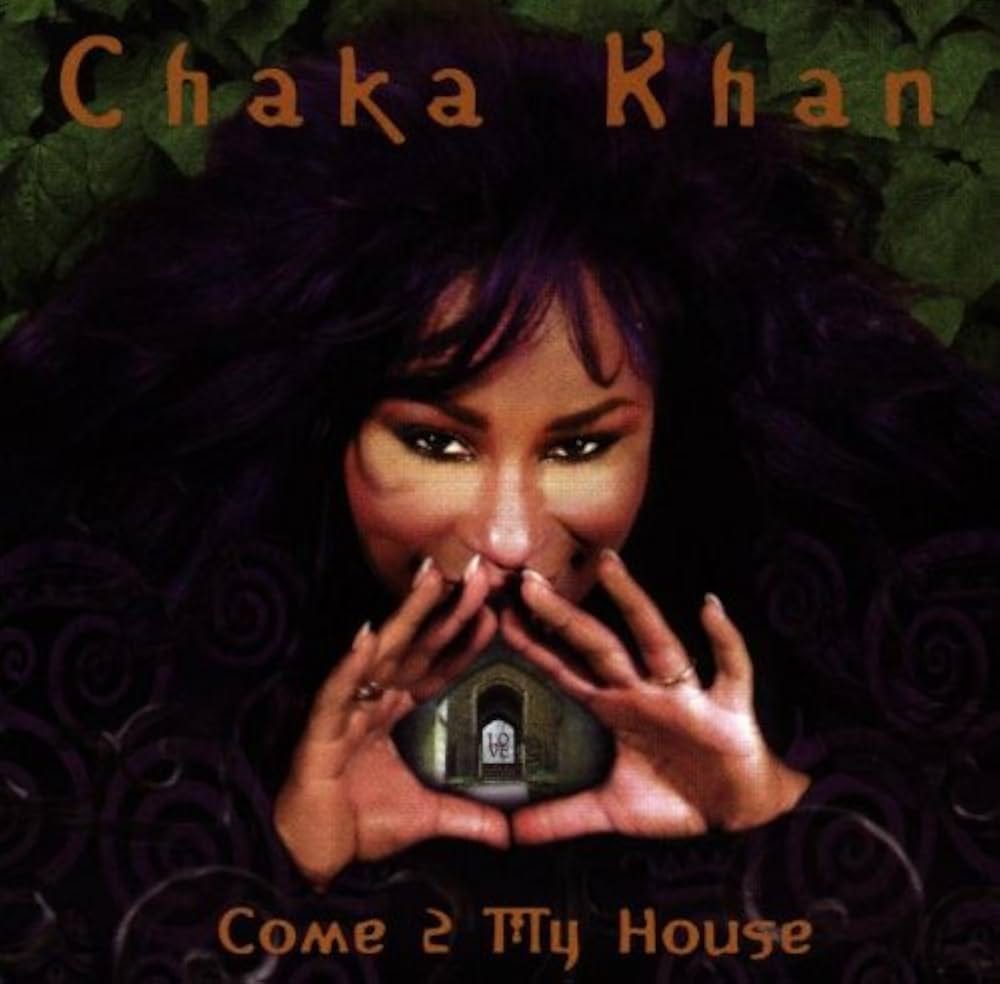
Released on Prince’s NPG Records. Written and recorded in three weeks. Over a million copies sold worldwide with virtually no marketing. Her first album with total creative and business control. She made more money from this record than from anything she did at Warner Bros., which tells you everything about the economics of major-label deals in the nineties. The music itself is uneven—Prince’s production aesthetic doesn’t always serve Chaka’s strengths—but the principle behind it was liberating.
Classikhan (2004)
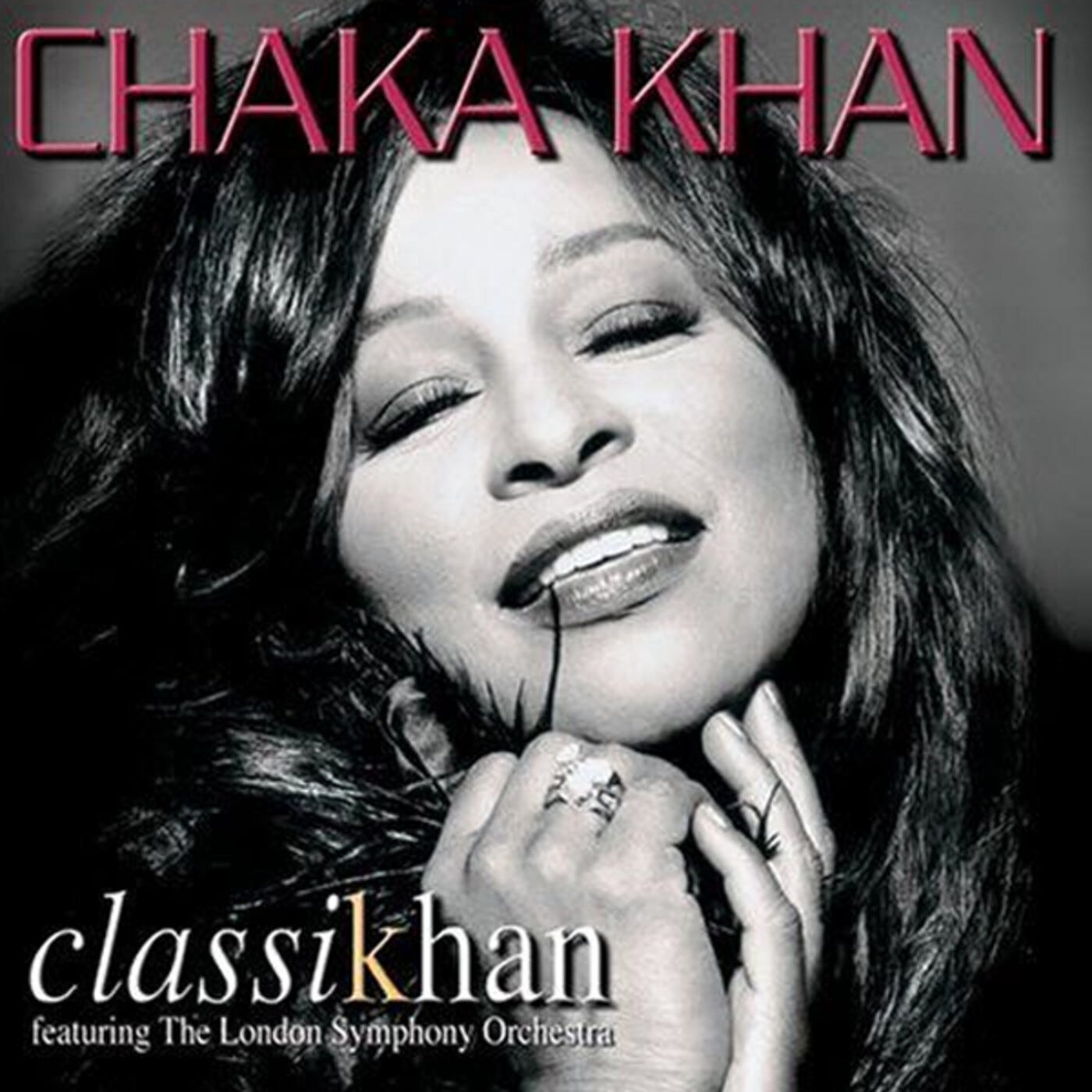
Chaka at Abbey Road with the London Symphony Orchestra, draping her voice across jazz standards, Broadway numbers, and James Bond themes. “Goldfinger” and “Diamonds Are Forever” are thrilling; “’Round Midnight” and “Stormy Weather” are tender. Joe Sample guests on piano, Sheila E. on percussion. The misleading title—it sounds like a best-of—may have cost it an audience. Underneath the packaging sits one of her most elegant performances.
Funk This (2007)
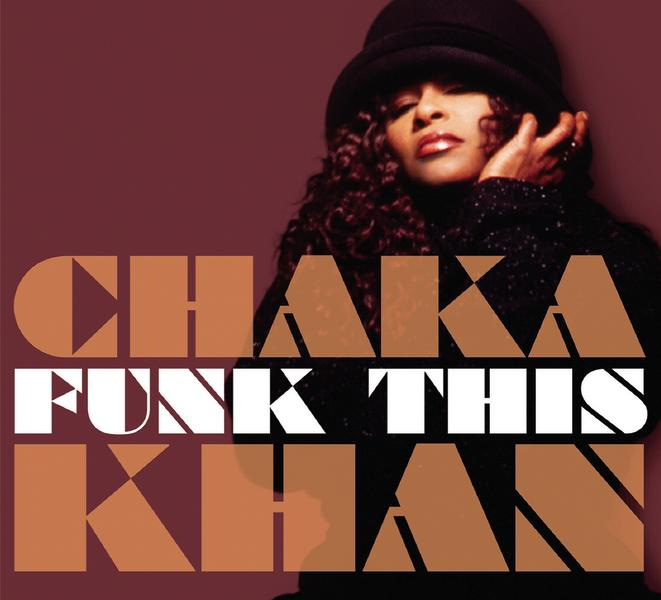
Produced by Jimmy Jam and Terry Lewis, and it was a long-overdue pairing. Loose, live-sounding, unashamed of its retro-funk backbone. Covers of Prince, Joni Mitchell, and Hendrix sit next to originals that feel lived-in and urgent. The Mary J. Blige duet “Disrespectful” is volcanic. Two Grammys. Debuted at number 15 on the Billboard 200. Her best album in years, and the closest thing to a Rufusized-era throwback she’s ever made as a solo artist.
Hello Happiness (2019)
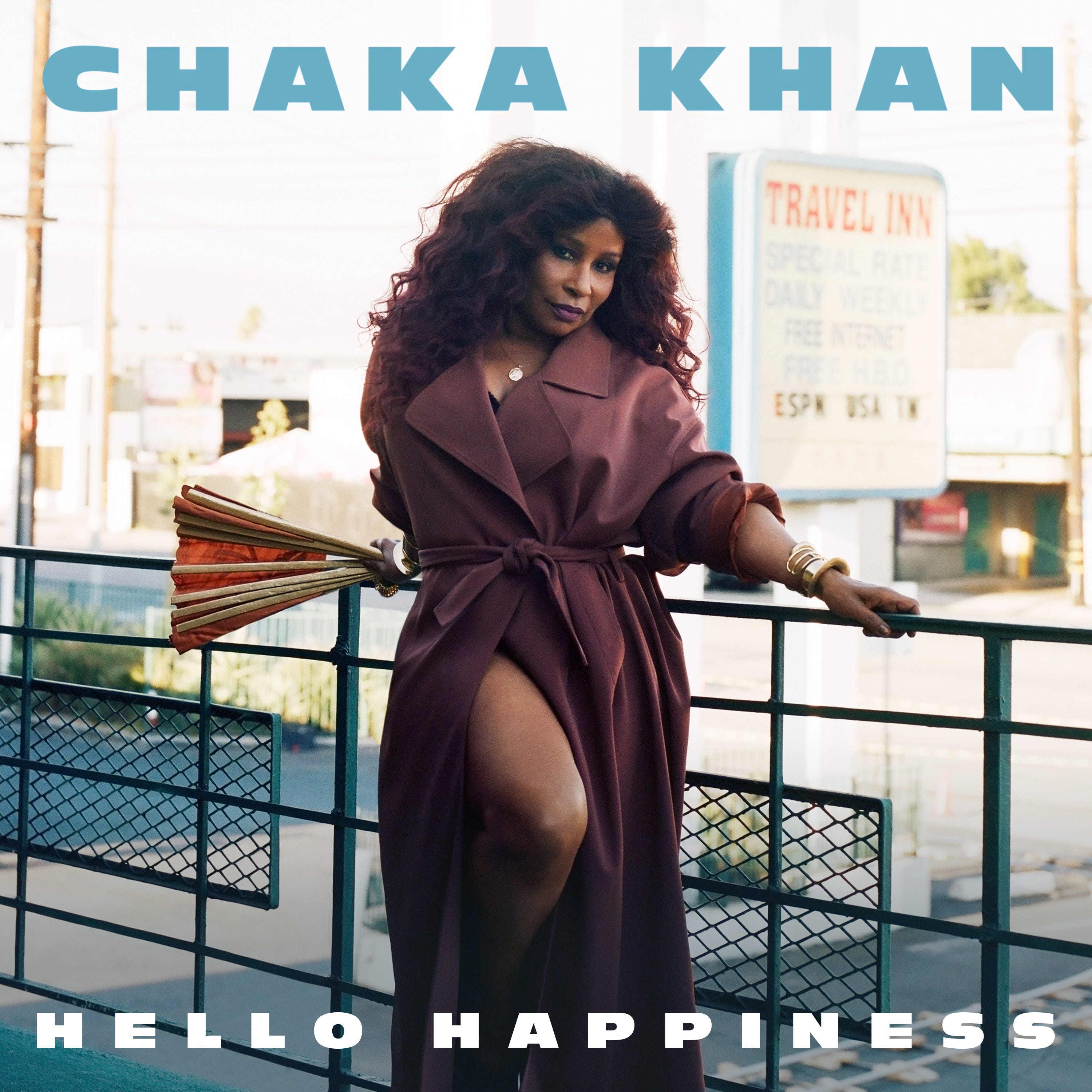
Seven tracks, 27 minutes, produced by Switch and Sarah Ruba Taylor. A dancefloor record, built on disco strings, broken beats, and thick funk bass. “Like Sugar” is the headliner—a chopped, percussive groove that crossed over everywhere. The production occasionally threatens to swallow the voice, and critics debated whether the maximalist approach served or smothered her. But at 65, Chaka Khan was still making records aimed at the floor rather than the mantelpiece, and that refusal to play elder stateswoman is its own kind of statement.
I love this