

When the Veteran Still Has the Best Cry
A gold-leaning group tightening their formula, a baritone romantic moving like he’s built for the charts, and a veteran. Add a breakout vocalist from Oakland who knows how to pace an album.
This is a five-entry series built around one year for 2001 R&B, with the song and the singer as the center. Each piece sticks to performance, melody, and hook discipline, without biography dumps or nostalgia packaging. In 2026, twenty-five years after 2001, the series tracks what remains when the only things left are the voice and the record.
Jesse Powell, JP
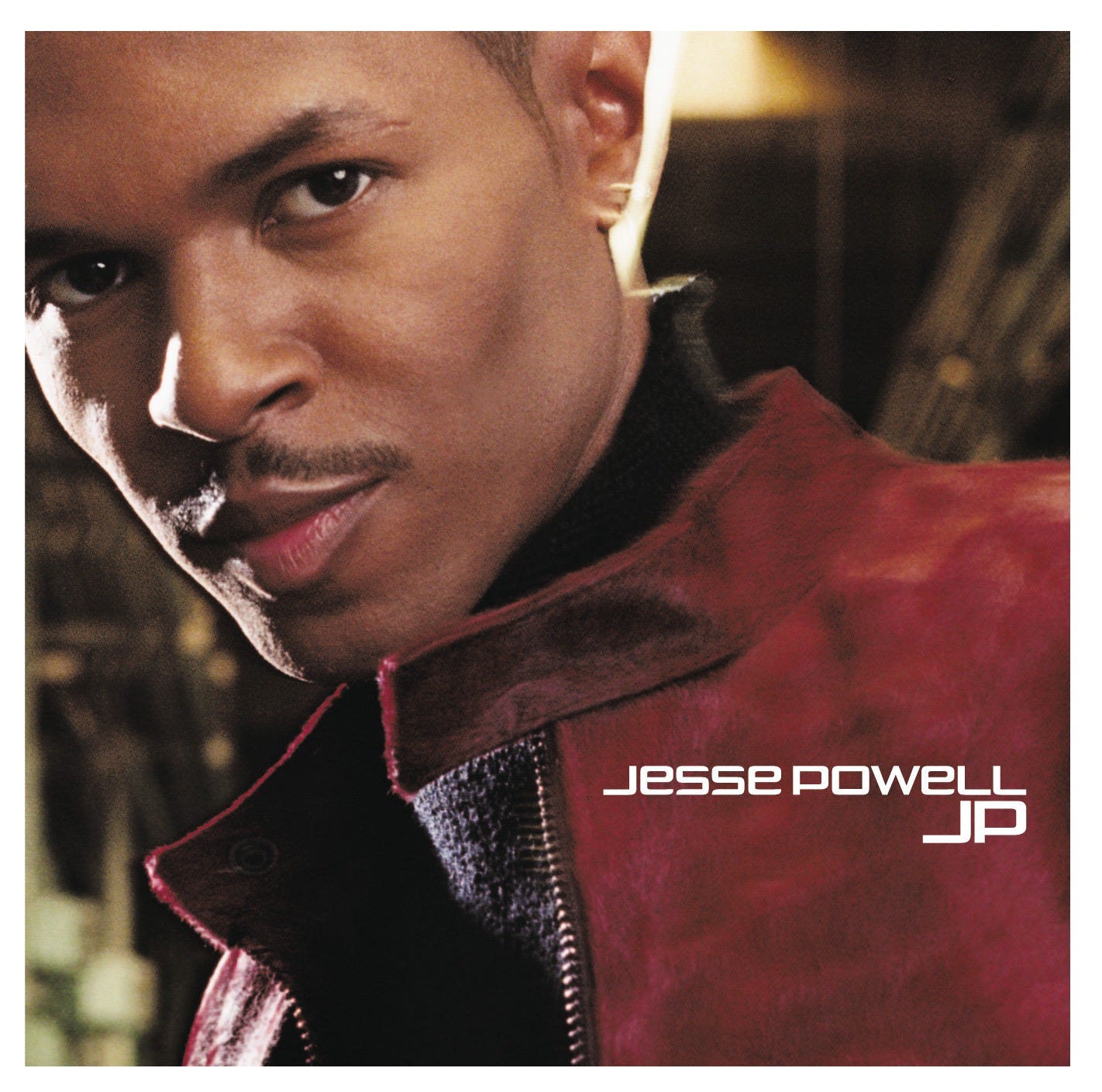
“You,” which was on his 1996 debut, was re-included on 1998’s ‘Bout It, and after that it became a huge hit, reaching No. 2 on the U.S. R&B chart (No. 10 pop). From the previous album there were songs that became topics too, like “I Wasn’t With It” with a Pete Rock remix, but Jesse Powell’s real strength probably comes down to ballads like “You.” This third album, JP, is made so that from slow to mid-tempo you can really take in his singing.
Anyway, the hit of “You” probably gave him huge confidence. The power of his singing is a little different than before. Starting with “It’ll Take The World,” produced by Curtis “Fitz” Williams, he sings big and throws it out. “If I,” produced by Damon Thomas, is Babyface-ish in its style, a triplet ballad that makes you think of Boyz II Men. It has a build toward the second half that you could call group-made, and this kind of song really suits Jesse.
“I’m Leaving” is a developed form of that kind of shape. The lyric credits list five names like Trina & Tamara and Nicole Wray, and while Jesse takes one step back, he gets tangled up with a female vocal riding a 2000 Watts-style sound. This is good. Even within the album’s construction, it becomes a good-feeling change-up.
There’s also “I Didn’t Realize,” produced by Shep Crawford, where Jesse does all the vocals and layers them up like a choir, and on Tim & Bob’s “I’d Rather Be Alone” and “Can’t Take It,” the latter where you can hear a bizarre guitar sound, is interesting. Fred Jerkins’s “After We Make Love” is about at the passing mark, but.
Starting with the straight-ahead ballad “Go Upstairs,” the remaining songs also have good ones. Even so, as an album it ends up sounding a bit one-note. Basically every track is produced with Jesse’s voice set as the main thing, and that confident, dignified singing can look like “pushing too hard” in spots. If there had been one more change-up like “I’m Leaving,” the impression would have changed. It also stands out that the name of his ally Carl Roland disappears from the producer credits. Well, there are a few songs that look like they could transform like “You,” so maybe this is fine as-is, or something.
Now. Thanks for waiting. It’s “Something in the Past.” A cover of a minor hit that Detroit’s One Way put out in 1980. With a live backing band behind him, he sings it all the way through over about six and a half minutes. This, this, this slightly drunken-seeming emotional feel, it’s a bit lacking this time. — Kendra Vale
Public Announcement, Don’t Hold Back
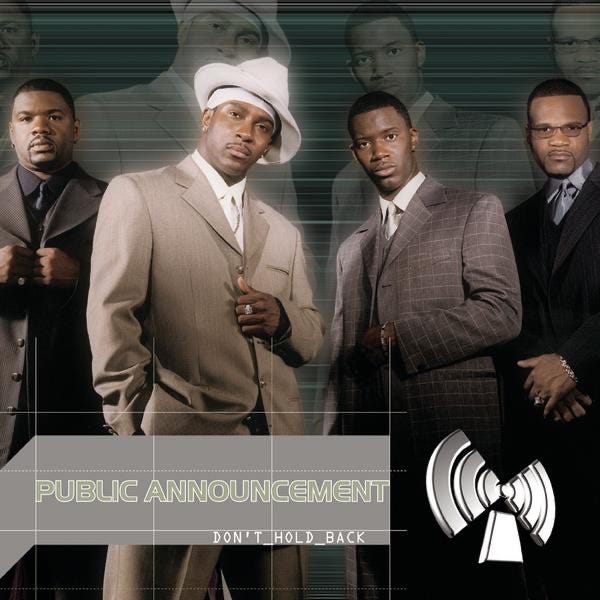
After leaving A&M, it sounds like they also put down roots at Interscope for a while, but in the end they settled at RCA and this is their second record, put together and finished. There were member changes from the time of the previous album, All Work No Play, which was certified gold, and Ace Watkins joins the group in place of Euclid Gray.
The 13 tracks that open with a dance number like a clearer, easier-to-understand version of the rhythm of Destiny’s Child’s “Independent Women” are basically built around a nasty style that pushes forward without hesitation the line of “Body Bumpin’.” The best sample of that is probably the first single “Mamacita,” which also has an extremely good reputation in the mainstream. Following “Mamacita” is probably “Rithickulous,” where, like how the Commodores called an erotic woman’s body “Brick House” in the ‘70s, this time they call it “Rithickulous,” coming at you with direct, even more than “Thong Song.”
The Chicago-bred production provided by Trayvon Potts and Mike Dunn might feel a bit too clean, but it’s all well worked-out, and overflowing with the song’s own appeal, a great finish. “Long Long Summer (We Can),” where the pounce feeling pulls back and a clean beat gets covered with cool harmony, and repertoire like “Papi” (on “Papi,” amazingly, it’s produced by house heavyweight Maurice Joshua) aren’t bad either, and the quality average of the dance numbers is clearly above the previous album.
On the other hand, the ballad group that they sing carefully and soulfully is also stacked with good tracks, and on “U Tryin’ to Ride” Dino from H-Town overlaps, and on “Man Ain’t Supposed to Cry,” that man’s singing method creeps in from the middle, so there are some doubts about their originality, but it’s not at a level that makes you feel annoyed. Also, the two tracks “When I See You” and “Lose a Love,” run by the leader Earl Robinson, are both beyond complaint. Whether it’s the former, starting softly with spoken words, or the latter, where the back-and-forth between lead and chorus gradually heats up, for group fans, you could say they’re not something to miss. Especially “Lose a Love” is crazy.
Even if there aren’t flashy guests and as a product it might look a bit plain compared to the previous album, the weight of the work itself is considerable. — Jill Wannasa
Jaheim, Ghetto Love
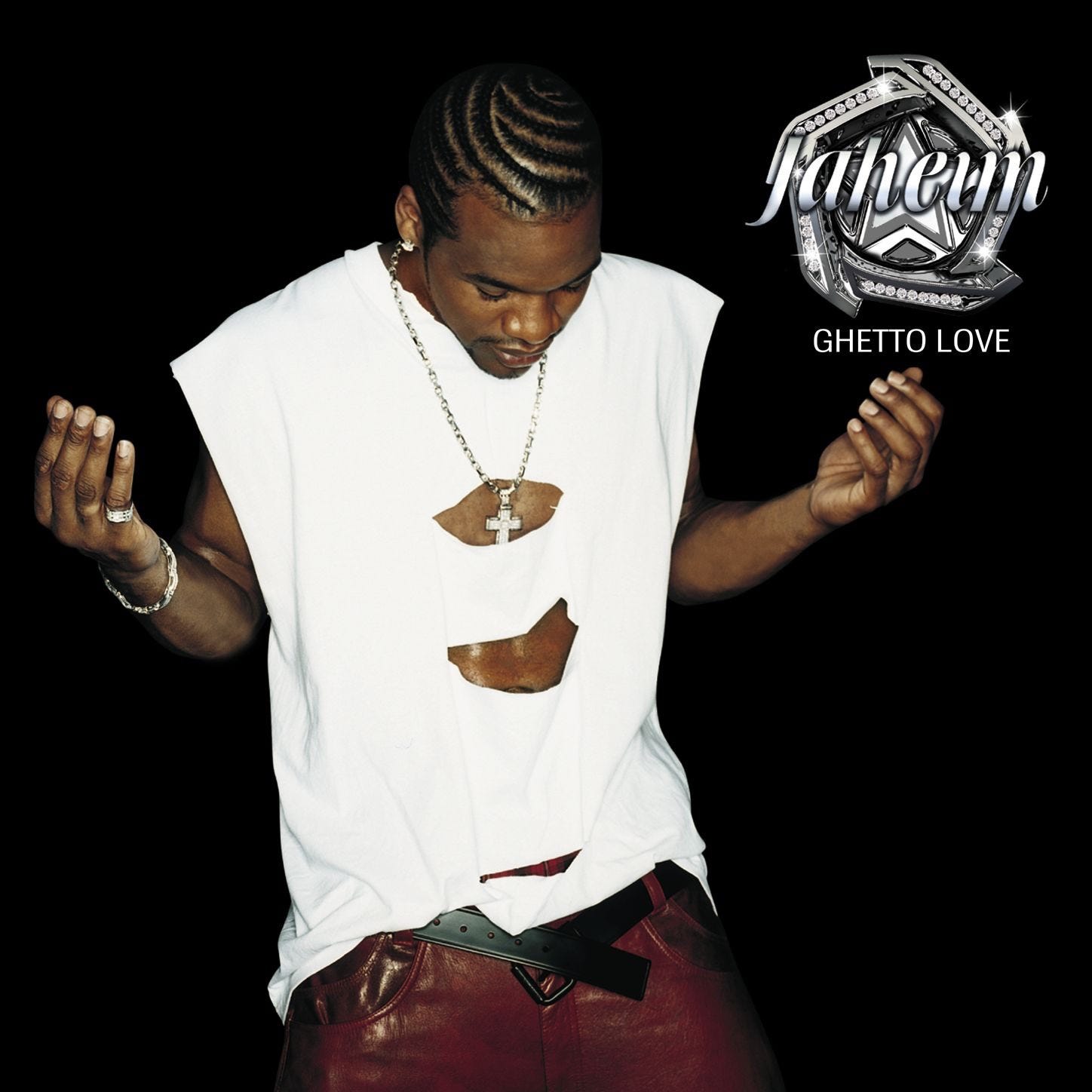
The stance is probably similar to LV. The album title is Ghetto Love, and from that fleeting gaze that shines in a way that goes against his brazen-looking face, it’s like a prickly, street-direct romanticism seeps out. This guy, who was spotted by Kay Gee and ended up debuting, is a soul dude who, stripping away vanity, slams his feelings into songs through storytelling, and as a singer he’s on Teddy Pendergrass’s lineage. He also shows interesting things in hip-hop-like current approaches, but the center of gravity of the album is on the group of tracks that straightforwardly push an old-school taste, and in fact the quality of those is outstanding.
The first single “Could It Be,” which has slowly climbed the charts, is the representative, but honestly there are plenty of tracks on here that can match it. Like how “Could It Be” seems to quote Marilyn McCoo & Billy Davis Jr.’s “Nothing Can Stop Me,” there are other tracks too where the old flavor of the sample laid in the back amplifies how striking the song itself feels. But in the second half, big ballads that don’t rely on the power of samples show up one after another, and as you go along you gradually lose your calm. “Remarkable,” with Terry Dexter, and the Stax-like “Ready, Willing & Able” by Banks & Hampton are powerful beyond measure. This will definitely grab attention. — Imani Raven
Gladys Knight, At Last
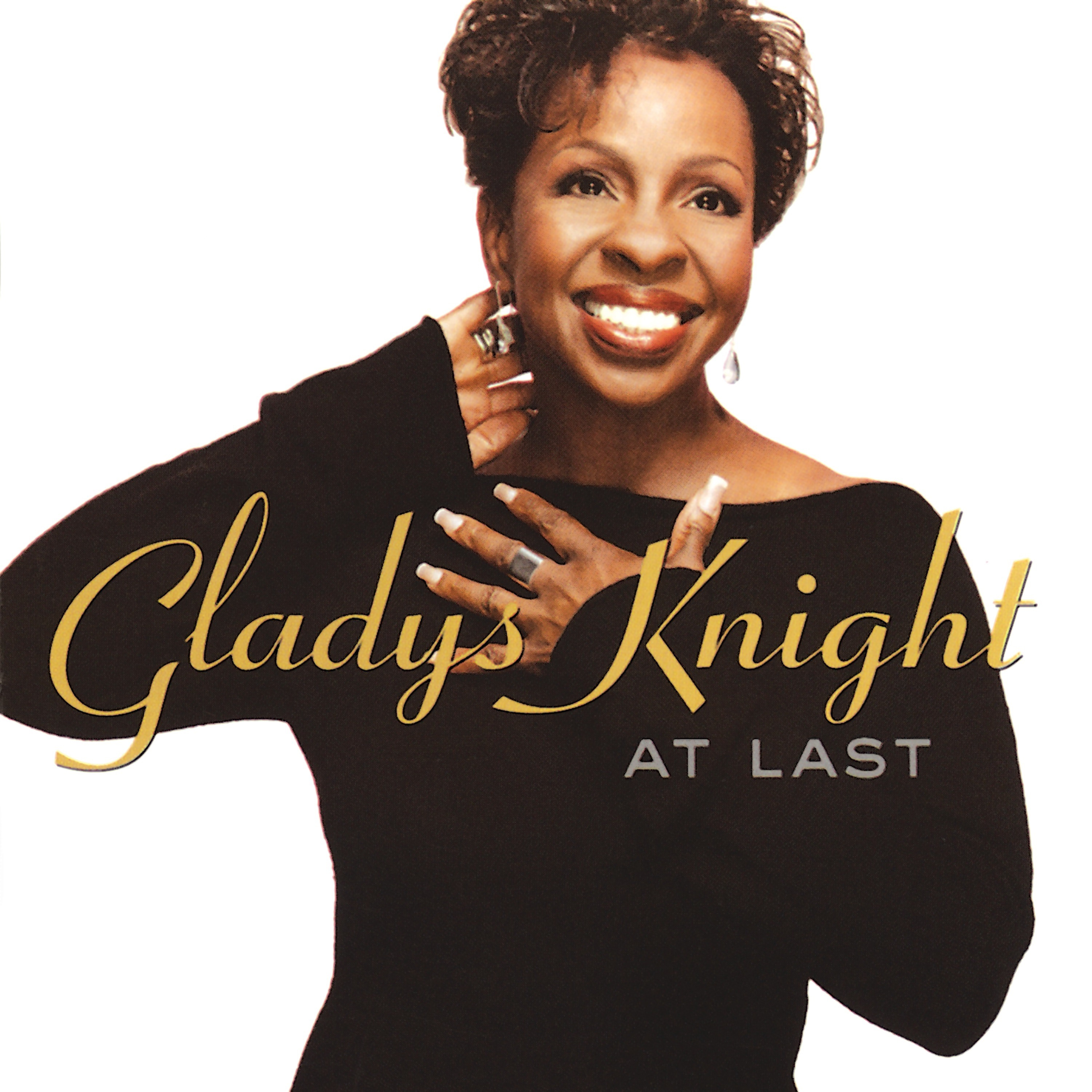
Gladys’s previous album in 1998 was a gospel work, and this time is her first secular vocal album in about six years. Since 1994’s Just for You, it’s “finally!” Even so, this time too, with gospel and also country (ballads), in a way that fits Gladys as a “national singer” whose previous booklet had a photo with President Clinton and his wife, it’s a work for everyone (lol).
But. This record, which gets colorful with the current R&B midtempo “If I Were Your Woman II” (said to be a sequel to a ‘70s hit from her Pips era, though it’s a different song) and a Bill Withers song re-baked perfectly by Jamey Jaz in “Grandma’s Hands,” is too good to just file away as “the conscience of a veteran singer” or something. Most of the songs are ballads, led by “Do You Really Want to Know (What Makes Me Fall in Love),” handled by Randy Jackson, but Gladys’s “crying-bushi” shows its real value in ballads.
Especially in the middle stretch, the continuous attack of “Love Hurts,” written by Babyface and produced by Jon-John where you can hear Toni Estes’s beautiful voice, “I Wanna Be Loved,” written by Gordon Chambers and produced by Shep Crawford with a duet with Jamie Foxx, and “Greatest Love of All,” also Shep-produced with the choir burning, brings tears. The mellow “Something Blue” and “Rose Bouquet,” which she was involved in producing herself, also fight hard. And then, the Japan-only bonus track “At Last,” where Benjamin Wright did supporting production/arrangement, this is a moving gem where the chorus by Louis Price (!) and others builds the atmosphere. Singing is everything. Wonderful. — Deja L.
Ledisi, Soulsinger
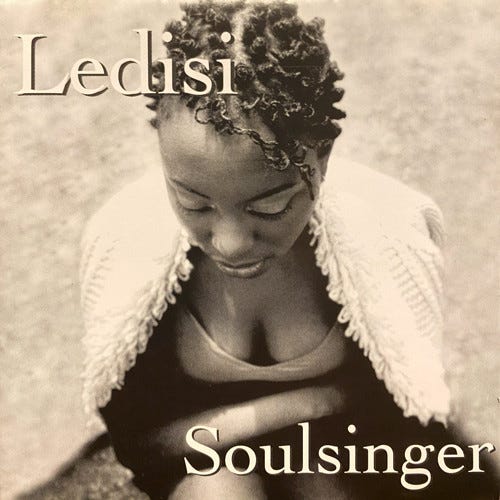
Ages ago, I remember commenting, “An incredible talent from Oakland. A Jill Scott who can really sing?” and yeah, it really might be the first time in a while I’ve felt “this is incredible” from an unknown artist like this. She’s probably done a huge number of gigs, and Ms. Ledisi’s incredible vocals that know when to be hard and when to be soft, and the jazzy R&B world built by Sandra “Sun” Manning (probably her older sister) on keyboards and programming, satisfy almost all of the requirements I want from vocal black music.
The original songs are too complete, and the precision of the backing band called Anibade, including musicians from the Windham Hill side, peeks at times with an Erykah Badu to D’Angelo-type arrangement sense, while aiming at a more aggressive “earthy urbanism.” Yeah, she’s also a singer who perfectly clears up my frustration that I felt even with Jill, even with Erykah, and even with Amel, like, “I wish they could sing just a little more.” Otherwise you couldn’t give yourself a title as confident as “Soulsinger.” Since she apparently has connections with D’Wayne Wiggins and others, she’ll probably appeal to Tony! Toni! Toné! fans too, and she should captivate everyone from the picky people who like Sandra St. Victor to more recent listeners who fall for Macy Gray. Of course, Chaka Khan fans must hear this one. — Keziah Amara Reid