

Nas spent years trying to convince anyone who would listen that a full album with DJ Premier was on the way. Those close to the situation mostly shrugged it off. Then, in April 2025, Mass Appeal announced the Legend Has It… series, a campaign that promised new studio albums from seven of New York hip-hop’s most revered figures. The roster looked like a museum exhibit given a second life: Nas and Premier, finally united across a full-length; Ghostface Killah delivering the sequel to one of the most beloved Wu-Tang solo records ever made; Raekwon returning for the first time in eight years; Slick Rick ending a 26-year absence; the surviving members of Mobb Deep and De La Soul honoring fallen partners; and a posthumous collection celebrating the late Big L, Harlem’s cold-blooded punchline savant who died before he could witness the full weight of his influence.
Mass Appeal did not try to manufacture youth appeal or chase algorithmic relevance. Instead, the label leaned into biography and legacy, giving each artist room to work within their established sound. Every album arrived with different goals. Some tried to recapture old glories. Others functioned as elegies. A few felt like proof-of-life records designed to remind a fractured culture that East Coast rap’s original architects never stopped writing. What linked them was geography and intention: all seven projects came from artists whose voices helped shape what New York hip-hop sounds like, and each one circled back to what made those voices matter in the first place. Measured against each other, the records reveal how differently these legends approached their second chances.
As usual, this is our list, not yours, unfortunately. If your ranking differs from ours, please feel free to comment below.
7. Big L, Harlem’s Finest: Return of the King
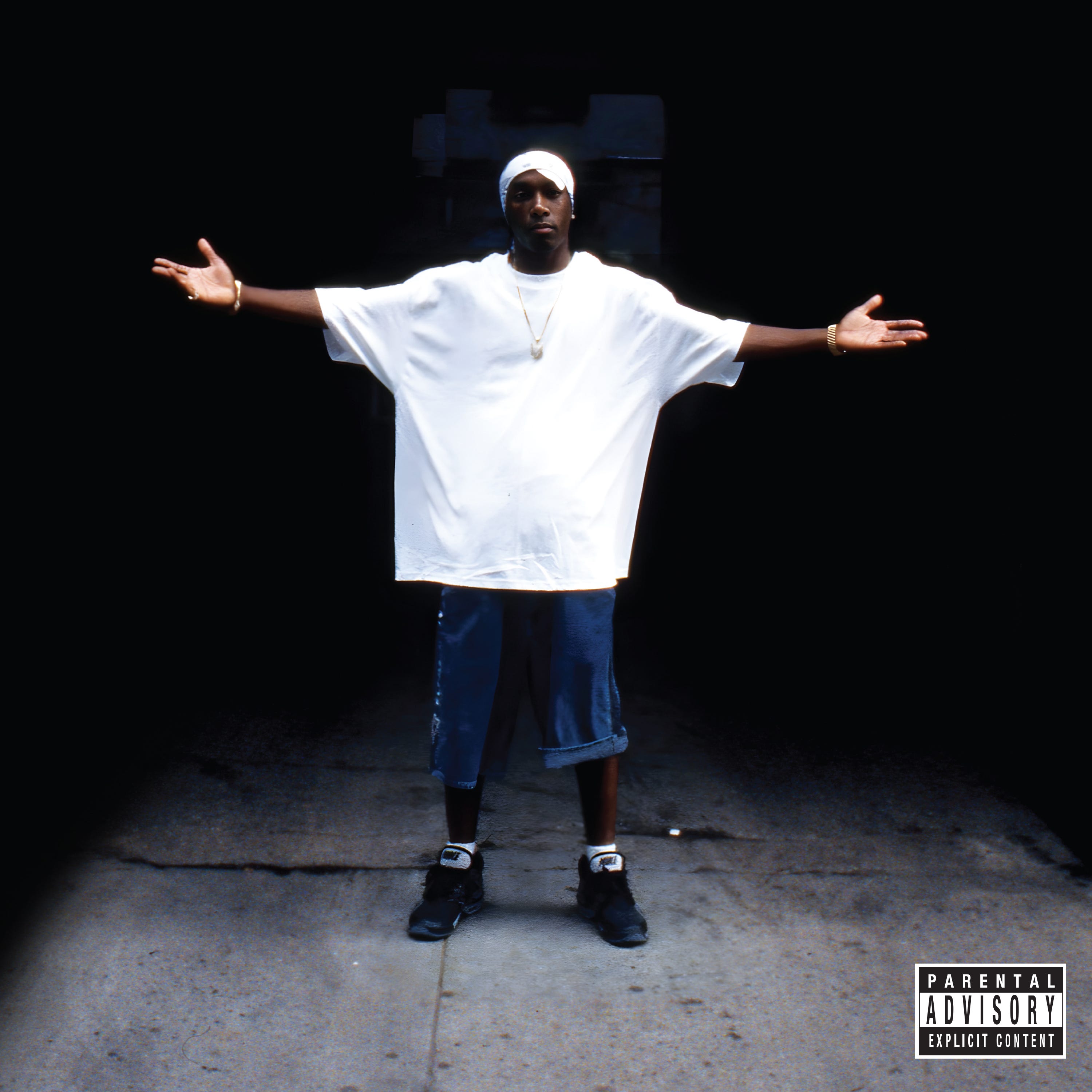
Before he could follow up on one of the most quotable debut albums in rap history, Lamont Coleman was murdered in his own neighborhood. He was 24 years old, one album deep into a career that promised decades of quotables. His lone studio release, Lifestylez ov da Poor & Dangerous, had already cemented his reputation among lyric obsessives: the punchlines landed with surgical cruelty, his delivery cold enough to frost windows. Everything after his death arrived in remnants. Bootlegs, vault dumps, freestyles stitched onto unmixed instrumentals, records sold off by family members struggling with medical bills. Harlem’s Finest: Return of the King attempts something cleaner. Mass Appeal worked alongside his estate and brother Donald Phinazee to gather remastered freestyles, rare verses, and a handful of tracks rebuilt from scratch. The results vary in cohesion. Some songs work beautifully. “U Ain’t Gotta Chance” pairs L’s ruthless 1997 bars with a fresh Nas verse, and Method Man’s appearance on “Fred Samuel Playground” captures genuine chemistry from beyond the grave. A posthumous Mac Miller feature on “Forever” lands with unexpected tenderness, two dead artists meeting across time on wax. The craft here involves curation rather than creation. L cannot respond to a beat he’s never heard, cannot punch up a verse that isn’t landing, cannot approve the final product. This one preserves what already existed, which matters, but preservation is not the same as life.
6. Slick Rick, Victory
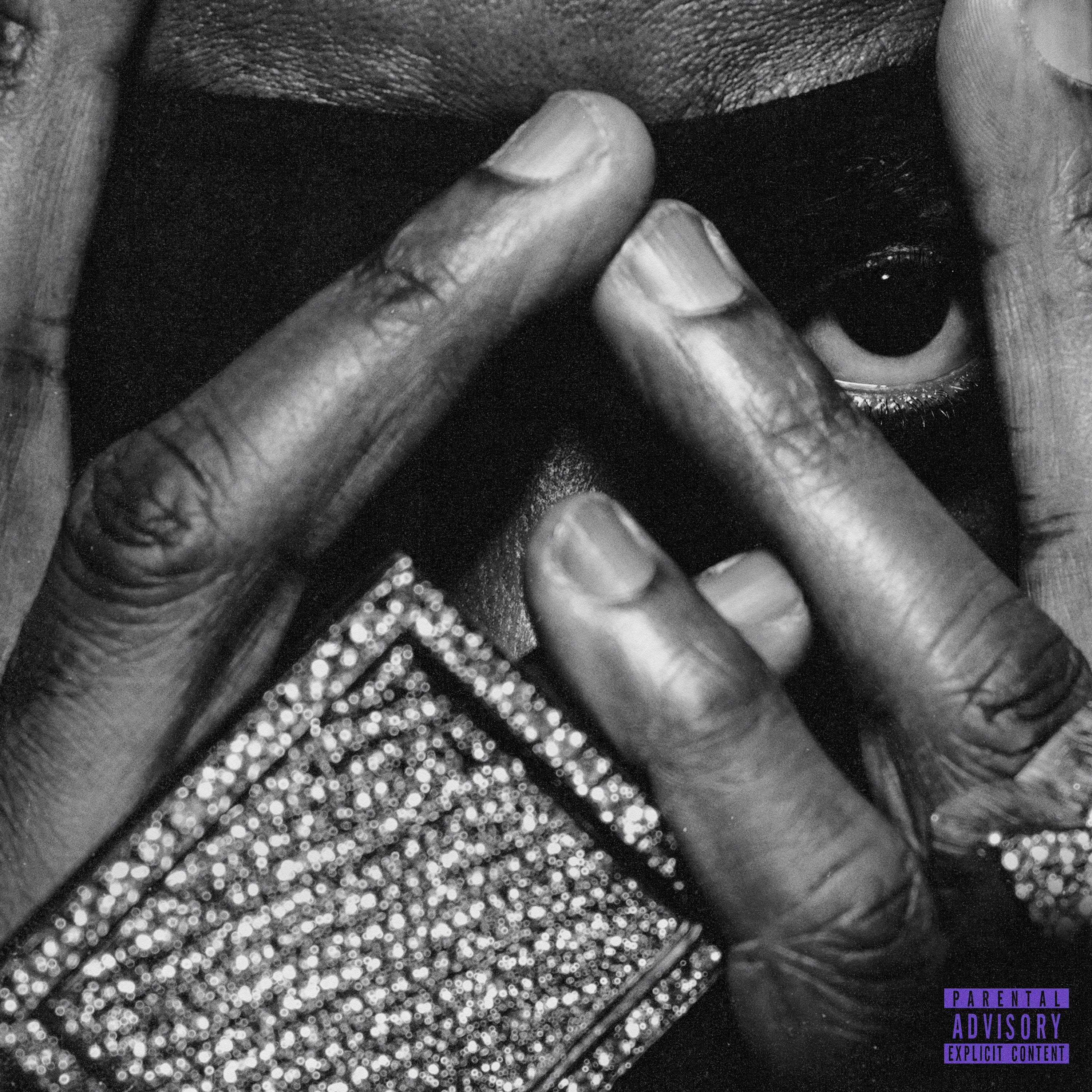
Twenty-six years is long enough to become a myth. Slick Rick released The Art of Storytelling in 1999, then disappeared into legal battles, deportation attempts, and the quiet life of a man who had already proven everything he needed to prove. His influence never stopped compounding. Snoop Dogg built an entire aesthetic from “La Di Da Di.” Nas cited him as a foundational hero. Kendrick Lamar sampled him on a Grammy-winning record. But Rick himself stayed silent, performing occasionally, guarding his legacy without adding to it. Victory breaks that silence with assistance from Idris Elba, who executive-produced the project and helped shoot an accompanying short film across three continents.
The album leans short and breezy, most tracks clocking under three minutes, Rick’s sing-song delivery floating over jazz-inflected loops and vintage funk. He sounds unbothered throughout, less interested in proving his relevance than simply existing as himself. “Stress” and “Landlord” carry the playful menace of his classic work without straining for contemporary shine. The Nas feature on “Documents” lets two generations of New York storytelling share space. Victory functions as a gentle reintroduction rather than a grand statement. Rick does not chase trends or attempt reinvention. He restates his case with the confidence of someone who knows his receipts are already filed. That ease works as a listening experience. Despite its brevity, Victory is a gift to longtime fans. It is not a challenge to anyone, including Rick himself.
5. Nas & DJ Premier, Light-Years
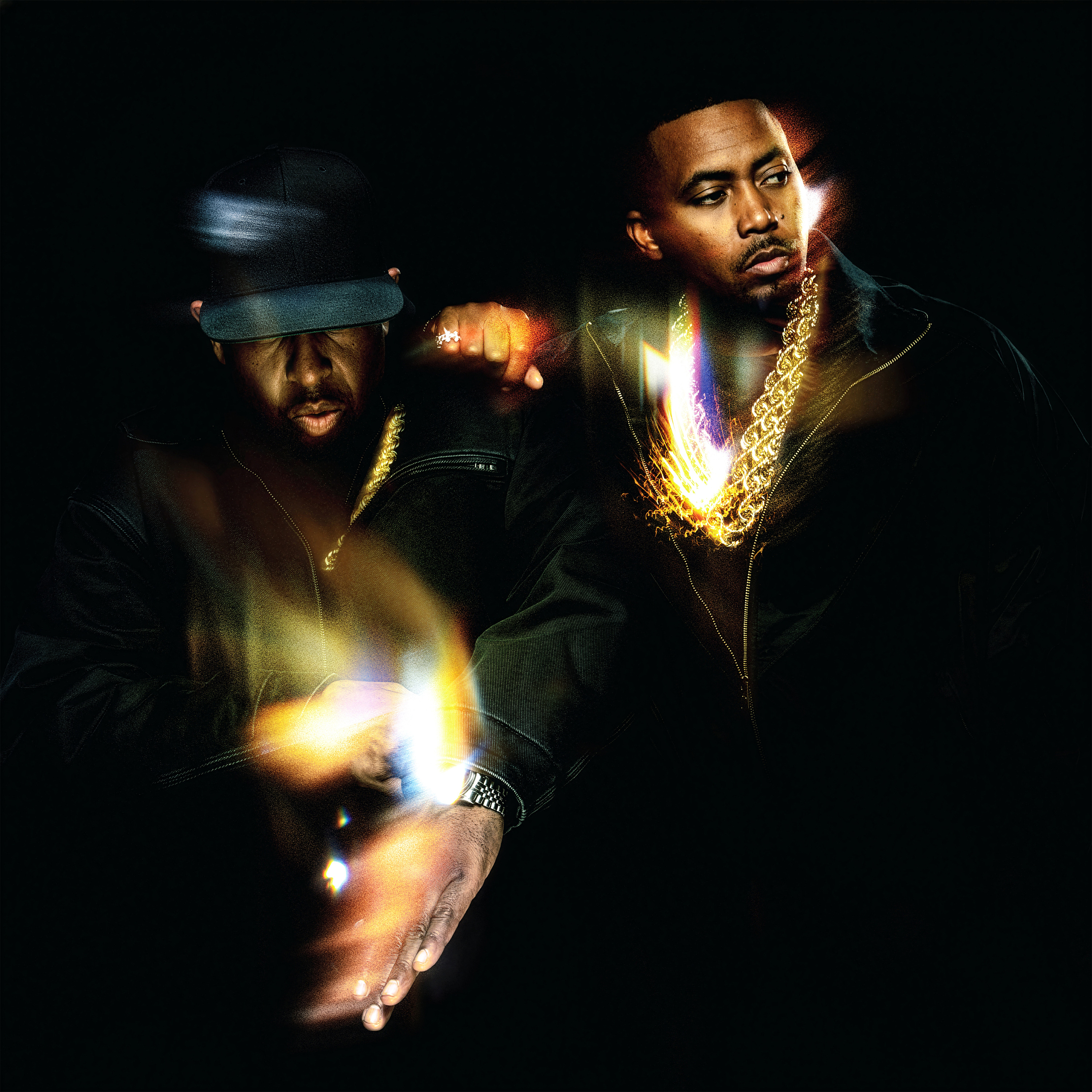
The mythology predates the music by nearly two decades. Nas floated the idea of a full Premier album in a 2006 magazine interview, then let anticipation simmer across anniversary celebrations, sporadic singles, and endless speculation. By the time Light-Years actually materialized, expectation had calcified into something almost impossible to satisfy. The album arrives as a competent, often thrilling work from two artists who understand each other instinctively. Premier’s drums can be basic for the most part, but some of them snap with the weight they carried on Illmatic. His samples are chopped and reassembled with the same surgical care that defined his golden era. Nas raps with discipline and clarity, his pen sharper than it has been in years, his delivery measured and purposeful. AZ stops through to revive old Firm chemistry. The Steve Miller Band sample on one track adds unexpected color. None of it disappoints. None of it transcends. Light-Years sounds exactly like what a Nas and Premier album should sound like (well, at least for today’s time, not three decades ago), which is both its greatest strength and its most persistent limitation. The decades of buildup created a version of this record that could never exist, a platonic ideal against which the actual product cannot compete.
4. Raekwon, The Emperor’s New Clothes
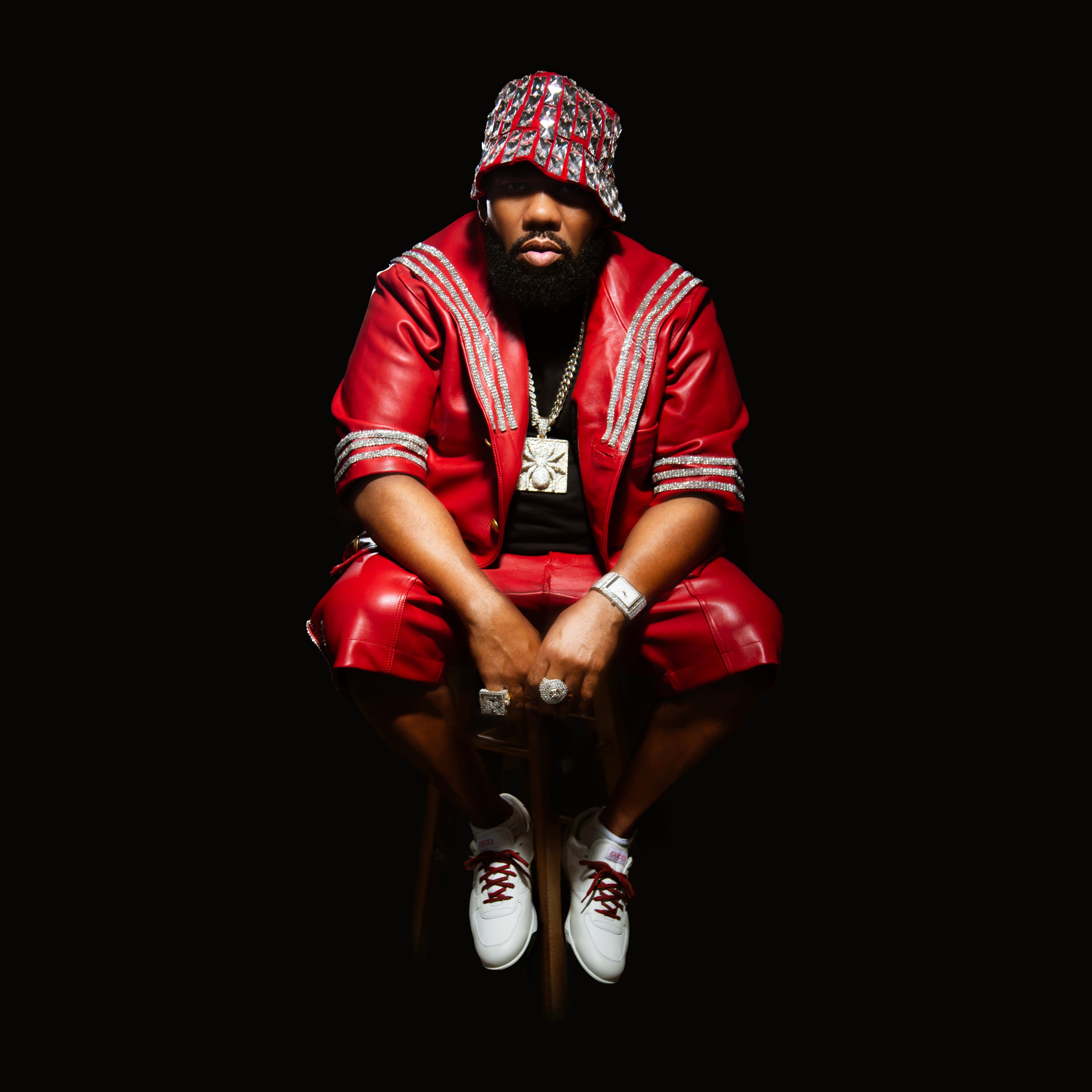
Eight years of silence followed The Wild, a 2017 record that stripped Raekwon of his Wu-Tang context and left him sounding isolated. The Emperor’s New Clothes corrects that miscalculation with aggressive reconnection. Ghostface Killah appears three times across the tracklist, their chemistry still magnetic after three decades of trading verses. Method Man and Inspectah Deck return to remind listeners what Raekwon sounds like surrounded by his brothers. Griselda’s entire roster—Westside Gunn, Benny the Butcher, Conway the Machine—stops through on “Wild Corsicans” to collect torches and pass them back in the same breath. Rae himself sounds settled into his authority, his delivery measured and deliberate, his writing still locked into the coded language of street commerce and loyalty. He does not strain for youthful energy or chase contemporary sounds. He raps like a man who knows exactly who he is and feels no obligation to become anyone else. “The Omerta” pairs him with Nas for a summit of two artists whose catalogs intertwined across decades, both of them rapping with the ease of old colleagues who no longer need to impress each other. “Mac & Lobster” closes the album with Raekwon and Ghostface gliding through luxurious production, their interplay as natural as it was on Only Built 4 Cuban Linx… thirty years earlier. The Emperor’s New Clothes does not reinvent Raekwon’s approach. It restores the collaborative context that made his voice matter in the first place. He stopped running from his history and remembered why the history existed.
3. Ghostface Killah, Supreme Clientele 2
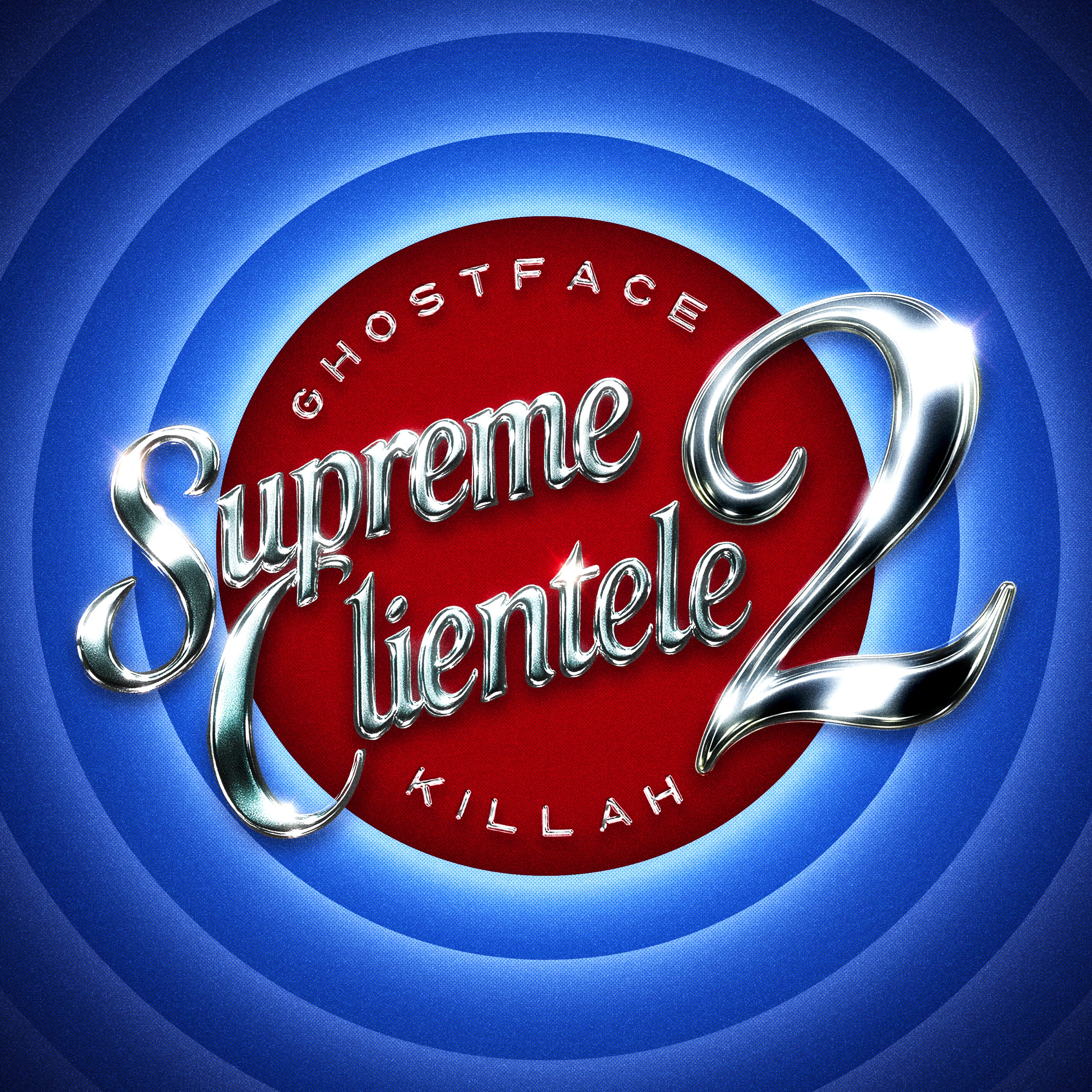
The original Supreme Clientele dropped in 2000 and became the consensus peak of Ghostface Killah’s solo work, a record stuffed with hyperkinetic imagery and sample-drenched loops that sounded like nothing else in hip-hop. A sequel seemed unlikely. Ghost had teased one for years without delivering, and expectations calcified into skepticism. Supreme Clientele 2 arrives 25 years later with Ghost pulling from vault material and new sessions, piecing together a record that actually honors its predecessor. His delivery remains slippery and cinematic. He flips between robbery recollections and absurdist flexing without losing momentum. “Iron Man” and “Georgy Porgy” pack the frenetic energy of classic Ghostface storytelling: dense, visual, stitched together with references that demand repeat listens. “Rap Kingpin” flips both Eric B. & Rakim’s “My Melody” and Ghost’s own “Mighty Healthy” from the original Supreme Clientele, folding his past into his present without nostalgia dulling the blade. The guest list runs deep. Nas, Raekwon, Method Man, GZA, and Redman all contribute, and none of them feel like obligations. Within the series, Supreme Clientele 2 carries the heaviest legacy baggage outside of Light-Years, and it outperforms by leaning into weirdness rather than playing it safe. Ghost does not try to recreate 2000. He channels its spirit with enough new texture to justify the title.
2. De La Soul, Cabin in the Sky

The unexpected passing of David “Trugoy” Jolicoeur in February 2023 left Posdnuos and Maseo to carry De La Soul forward. For decades, sample clearance issues had kept their classic albums locked away, inaccessible to younger listeners who knew the group only by reputation. The rights finally sorted themselves out just in time for Dave to see his legacy restored, only for it to slip away. Cabin in the Sky became the first album released under that weight. The record does not wallow in grief. It moves through loss with warmth and communal energy, filling 70 minutes with guest appearances from Black Thought, Q-Tip, Killer Mike, Common, and Nas, each one arriving like a visitor at a wake who refuses to let the room stay somber. Dave’s vocals appear throughout, recorded before his passing and woven into new arrangements. Posdnuos writes with visible intention, acknowledging absence without surrendering to it. “Different World” offers some of his most vulnerable lines. The Slick Rick and Common feature on “Yours” updates Rick’s own “Hey Young World” for a generation that grew up on its original lessons. Giancarlo Esposito narrates interludes that frame the album as a guided meditation on mortality and continuation. Within the series, Cabin in the Sky accomplishes something rare: it honors the dead while insisting on life. De La Soul has always thrived on optimism and humor, and this record carries that tradition forward without pretending the loss does not sting. Although the length occasionally sprawls beyond necessity, the emotional ambition exceeds every other entry.
1. Mobb Deep, Infinite
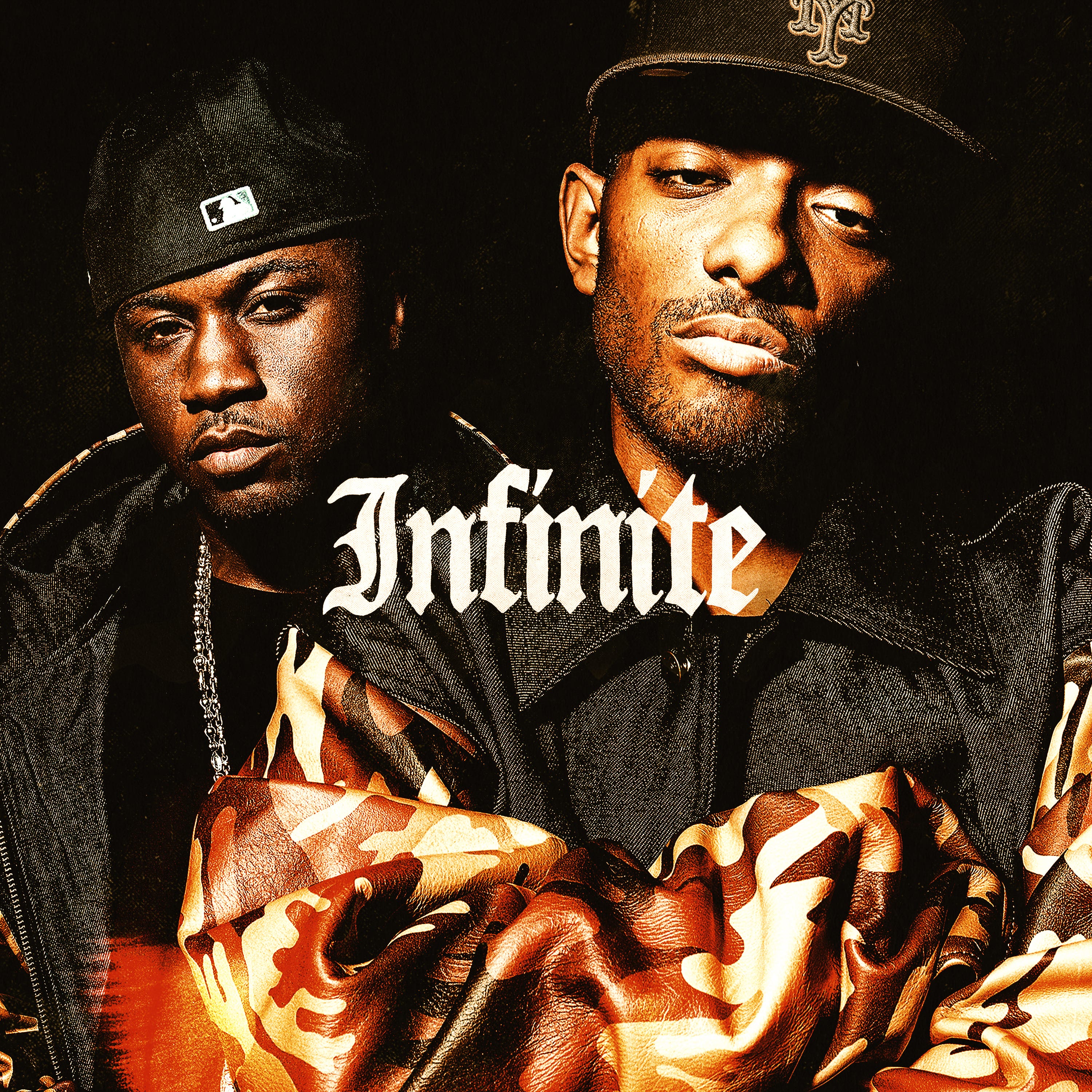
We lost Prodigy in 2017, his body finally giving out after decades of battling sickle cell anemia. He was 42 years old, half of a duo whose early records helped define the sound of mid-90s New York rap: bleak, paranoid, cinematic in their violence, crackling with the specific energy of Queensbridge housing projects. Havoc spent years fielding questions about whether he could ever make another Mobb Deep record without his physical presence. Infinite answers that question with unexpected grace. Working alongside The Alchemist, Havoc assembled unreleased Prodigy verses and built an entire album around them, writing his own contributions after hearing what Prodigy laid down. The result sounds cohesive rather than constructed, grim and purposeful in the tradition of The Infamous and Hell on Earth.
Prodigy’s voice cuts through with the same gravel and specificity that made him irreplaceable. On “Pour the Henny,” featuring Nas, he raps about living fully and accepting death. On “Clear Black Nights,” he delivers lines about being visible in the sky after he’s gone, words that feel written with foreknowledge. Havoc matches him with verses that honor their chemistry without trying to outshine the source. Infinite rightfully earns the top spot in view of the fact that it accomplishes the most challenging task by making a posthumous album feel essential rather than obligatory. It does not coast on nostalgia or rely on fragments stretched thin. Havoc found a way to say goodbye without saying goodbye, closing the Mobb Deep catalog with something that sounds like it belongs there.